
China’s exports rebound strongly, led by AI boom
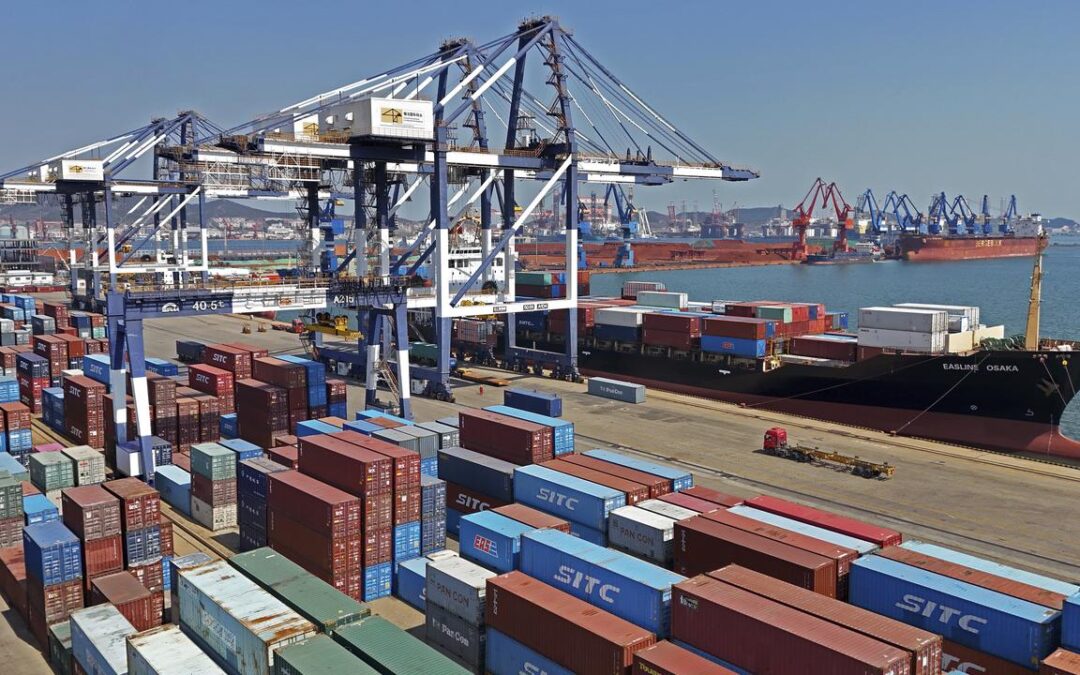
China’s export growth gathered pace in April as factories raced to meet a wave of orders from AI-related industries and other buyers seeking to stockpile components amid fears the Iran war could push global input costs even higher.
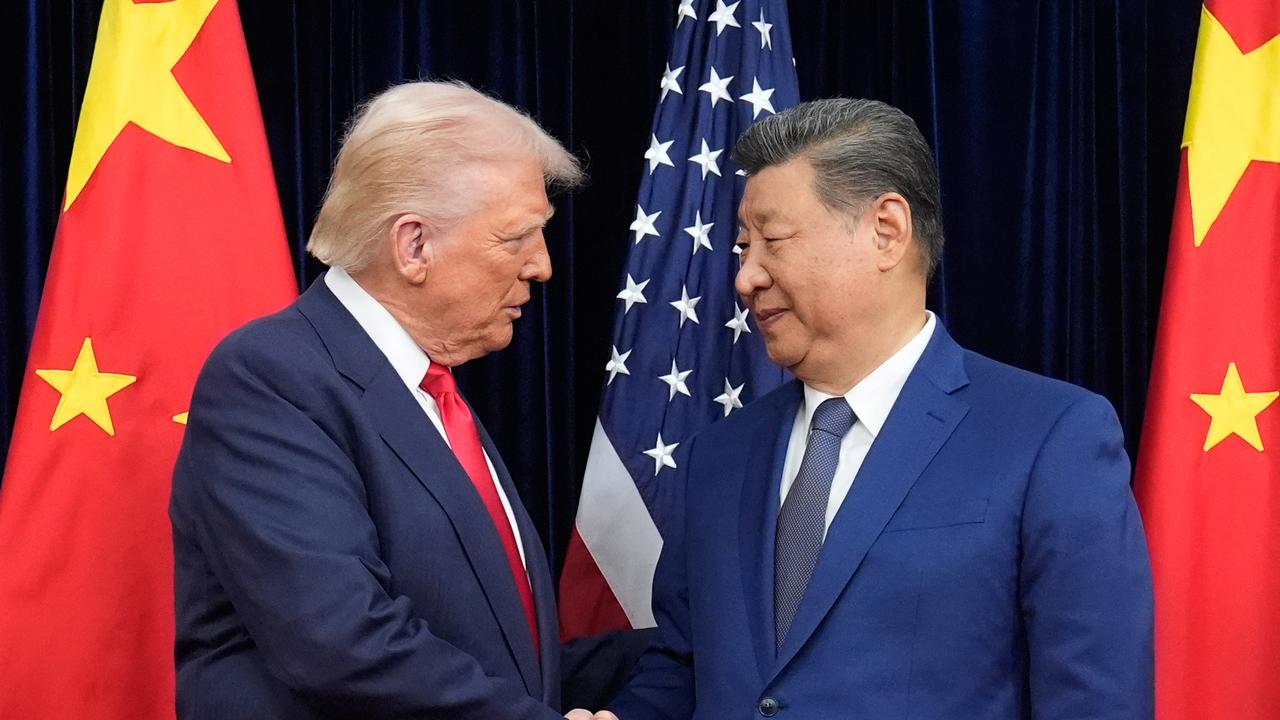
That export strength, which has seen China’s trade surplus with the US widen to $US87.7 billion ($A120.9 billion) in 2026, will be in focus as President Donald Trump travels to Beijing for a leaders’ summit on May 14-15 that is expected to extend 2025’s trade truce.
While Chinese exporters have so far weathered the fallout from the Middle East conflict economists warn that the longer the war drags on and energy prices rise, the greater the risk that external demand fades away – leaving sluggish domestic consumption unable to plug the gap.
For now economists are watching the pace of the AI manufacturing boom and whether shipments of related equipment can keep the Chinese export engine purring.

“The conflict in the Middle East pushed up demand for global manufacturing inventory replenishment, and under the upward cycle of semiconductors, imports and exports maintained a boom,” according to Xing Zhaopeng, senior China strategist at ANZ.
“There is still room for expansion in this round of manufacturing cycle driven by AI, and it is expected that the annual export growth rate will be about 10 per cent.”
Exports expanded 14.1 per cent from a year earlier in US dollar value terms, customs data showed on Saturday, outpacing the 2.5 per cent gain in March and a 7.9 per cent rise tipped by economists.
New export orders rose to their highest level in two years, separate factory activity data for April showed.
Imports notched another strong month, climbing 25.3 per cent versus 27.8 per cent in March.
Economists had forecast growth of 15.2 per cent.
That boosted China’s trade surplus in April to $US84.8 billion, from $US51.13 billion in March.
Broader momentum in the Chinese economy was solid in the first quarter, with GDP growth hitting five per cent year-on-year, the top of the government’s full-year target range, and lessening the need for immediate stimulus.
But even China, long criticised by trading partners for subsidy-backed, cut-price manufacturing, is not insulated from the hit to buyers’ purchasing power as fuel and transport costs rise.
The factory data published in April showed input prices remained elevated, particularly for refined goods and petroleum, coal and chemicals.
Unemployment rates also edged higher and retail sales – a gauge of consumption – continued to underperform industrial output.
Trump is scheduled to meet Chinese President Xi Jinping during his May 14-15 visit to Beijing, as both countries seek to stabilise a relationship strained by tensions over trade, Taiwan and the Iran war.
Grandfather of Inland Rail won’t let project die
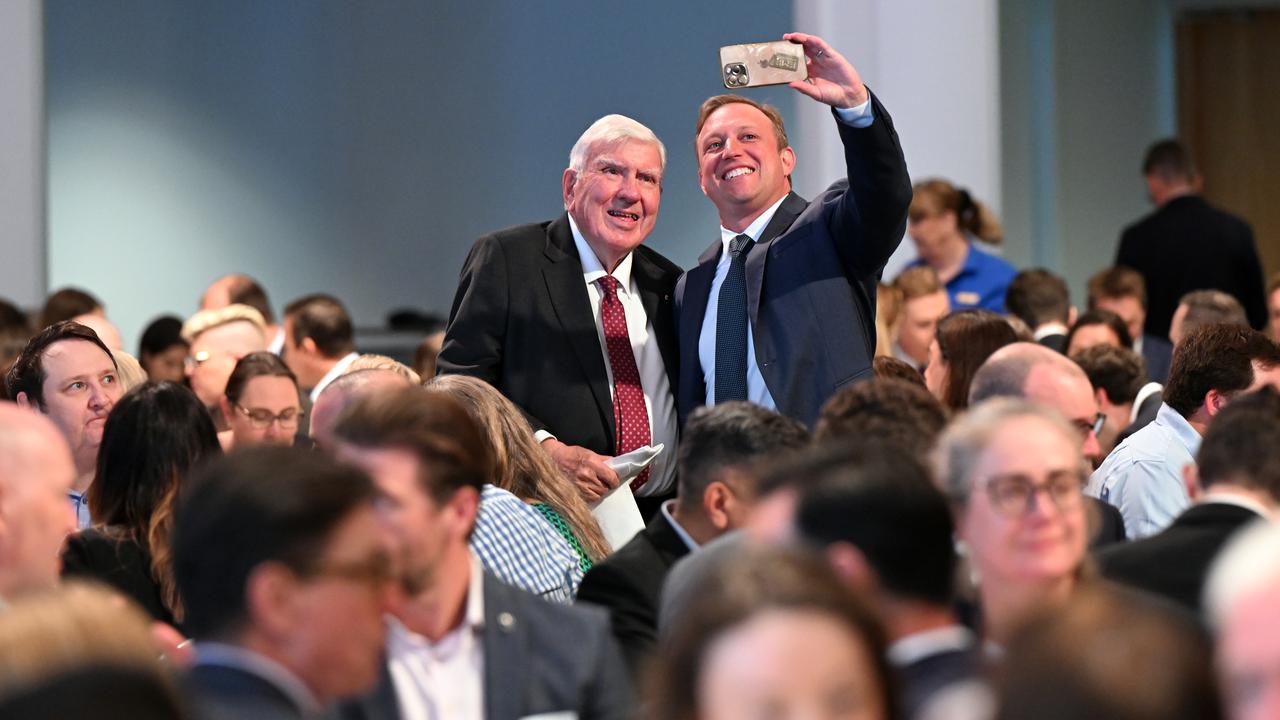
He’s known as the ‘grandfather’ of Inland Rail.
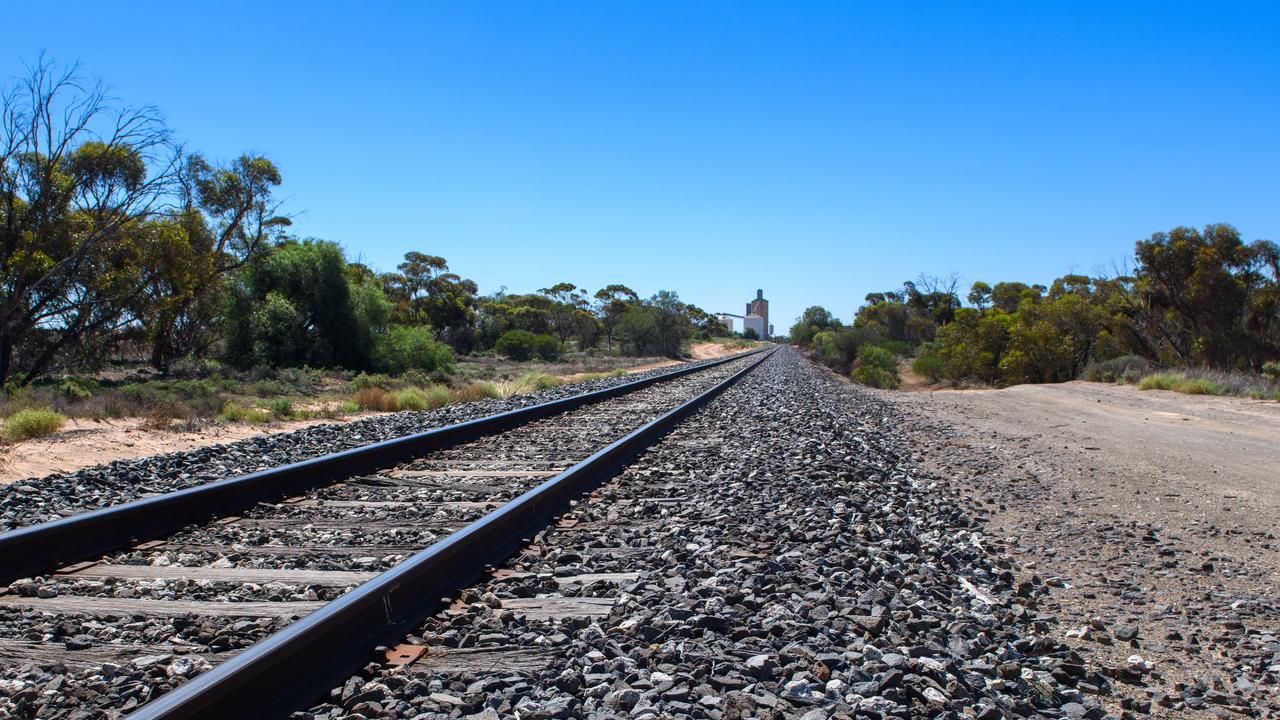
But after almost 30 years fighting for a freight spine through the heart of Australia, Everald Compton refuses to let his dream die on a rural siding.
The veteran fundraiser says a federal decision to shelve a rail link from Parkes in NSW to Brisbane has shattered regional development plans but he insists the project can be salvaged with private help.
“The Inland Rail concept is not going to die,” Mr Compton tells AAP.
“I’m not in the business of fighting governments, I’m in the business of building railways.”
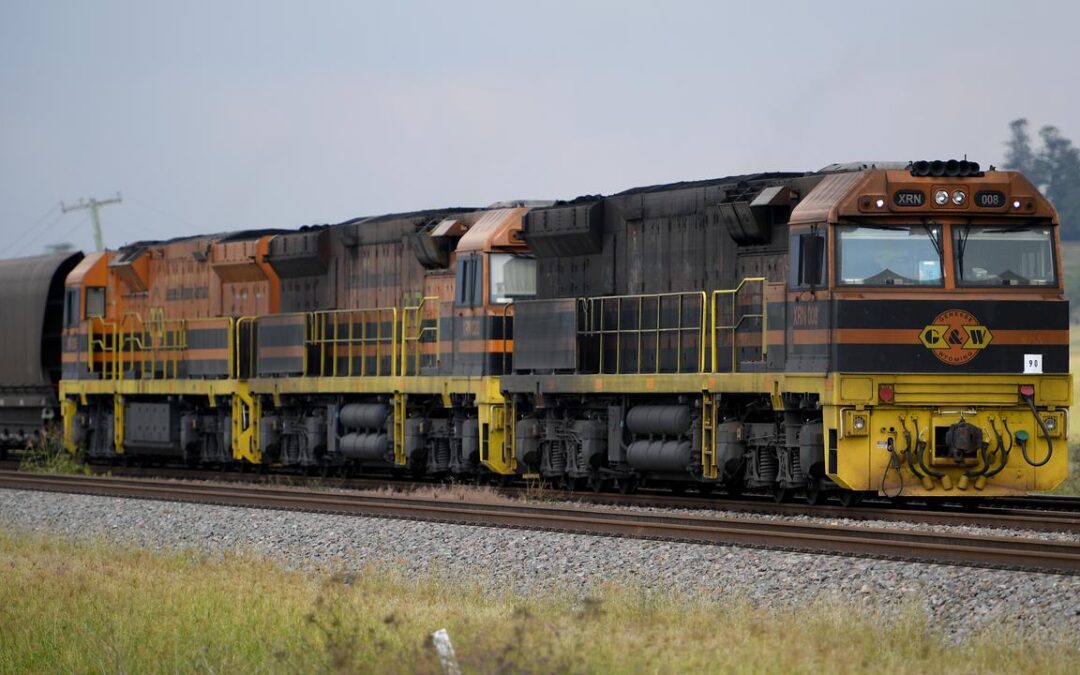
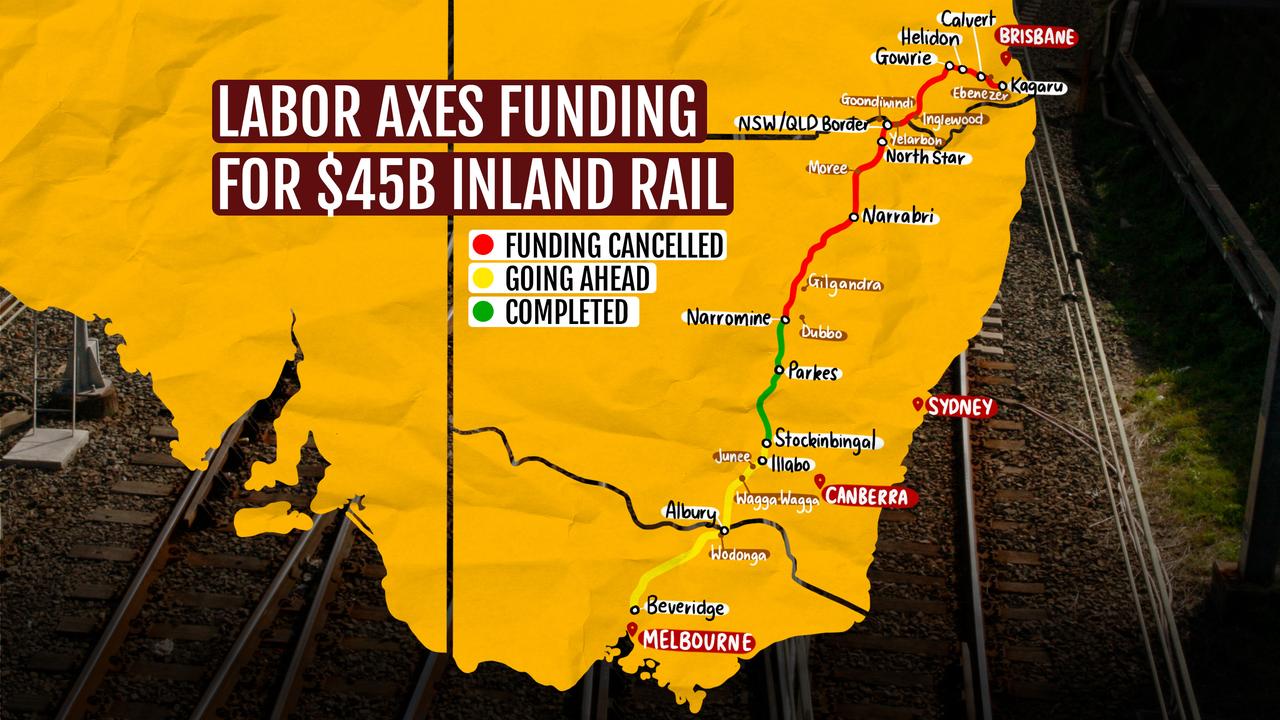
The flagship Beveridge‑to‑Kagaru freight route, originally billed as a nation‑building link between Melbourne and Brisbane, will now stop beyond Parkes, about halfway between the two capitals.
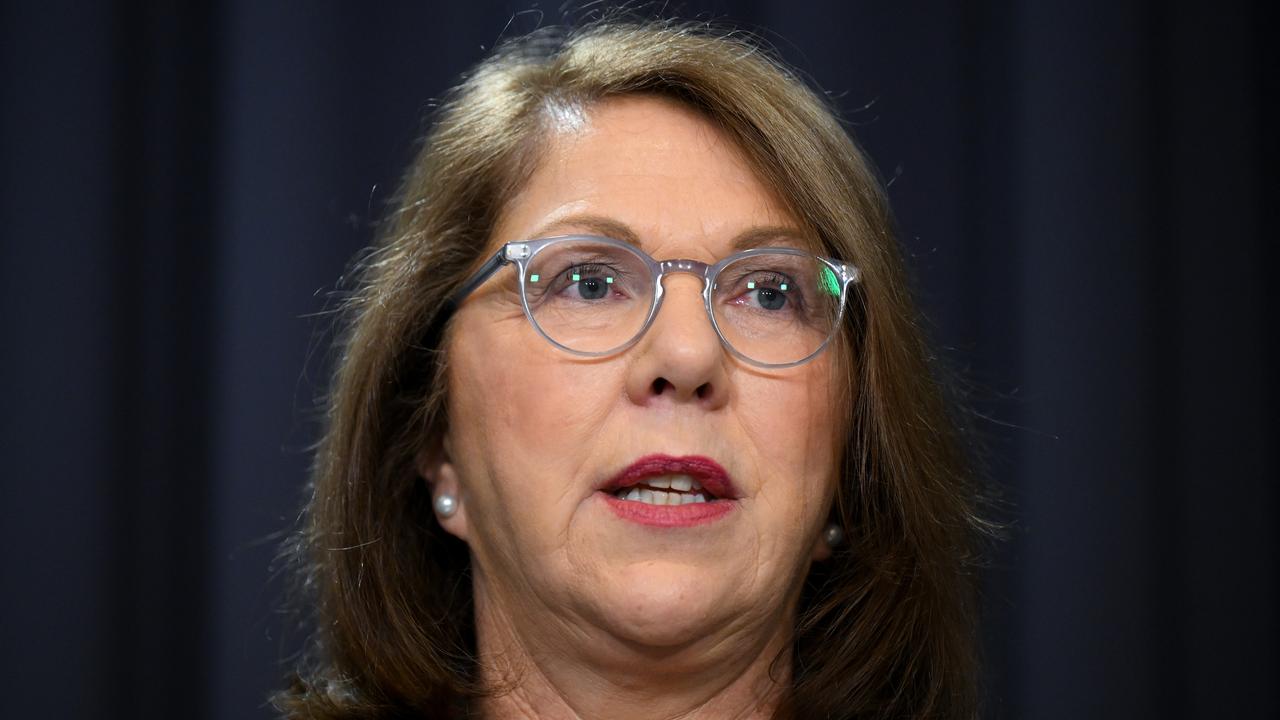
Independent analysis put the cost blowout for the project at more than $45 billion, up from $16.4 billion in 2020, prompting Transport Minister Catherine King to “realign the future of Inland Rail” and focus on a safer, more efficient network.
The government will retain the land corridor north of Parkes but has no immediate plans to build the second half of the line.
Farmers and regional leaders have branded the unfinished project a “train to nowhere”, warning communities that bet on the line will wear the cost for decades.
Queensland Farmers’ Federation chief executive Jo Sheppard says walking away from the full route is a missed opportunity to boost productivity, cut emissions and transform the way freight moves across the country.
“Leaving this project unfinished will be worn as a long‑term cost for our country and particularly our regions,” she says.
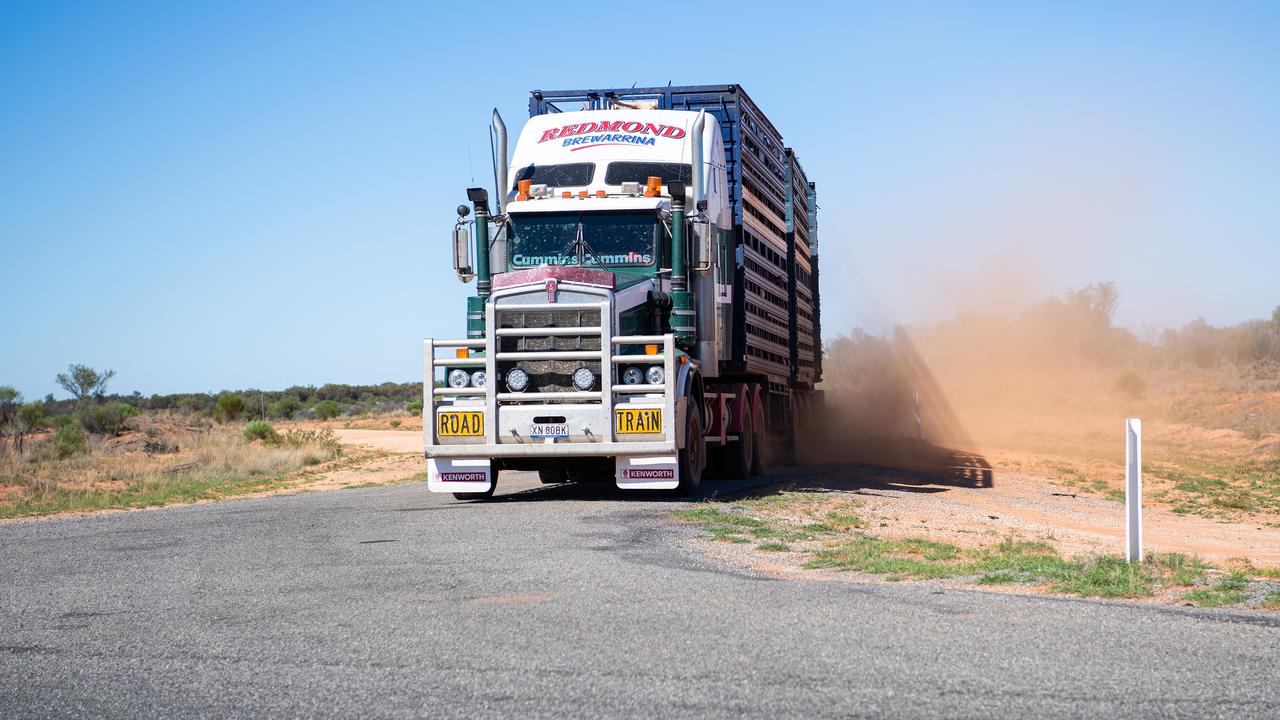
Queensland’s Western Downs mayor Andrew Smith calls the cutback a hugely disappointing blow that will leave already worn‑out country roads carrying heavy trucks for years.
For Mr Compton, the latest decision is another twist in a three‑decade fight over what Inland Rail should be and who it should serve.
He first took the idea of a back country freight route to Canberra in March 1996, pitching a privately funded line the length of the continent.
“I got involved in the concept … from Melbourne to Darwin, up through the middle of NSW and Queensland,” he says.
“I went to see (then prime minister) John Howard to get his approval for me to start trying to put together a consortium to do it, which he did.”
But the plan that emerged years later was very different.
Instead of a Melbourne‑Darwin corridor looping through Gladstone, Emerald and Mount Isa, the Commonwealth backed a Melbourne‑Brisbane line from Beveridge, on Melbourne’s fringe, to Kagaru, south of Brisbane.
Mr Compton opposed that shift and was eventually sidelined.
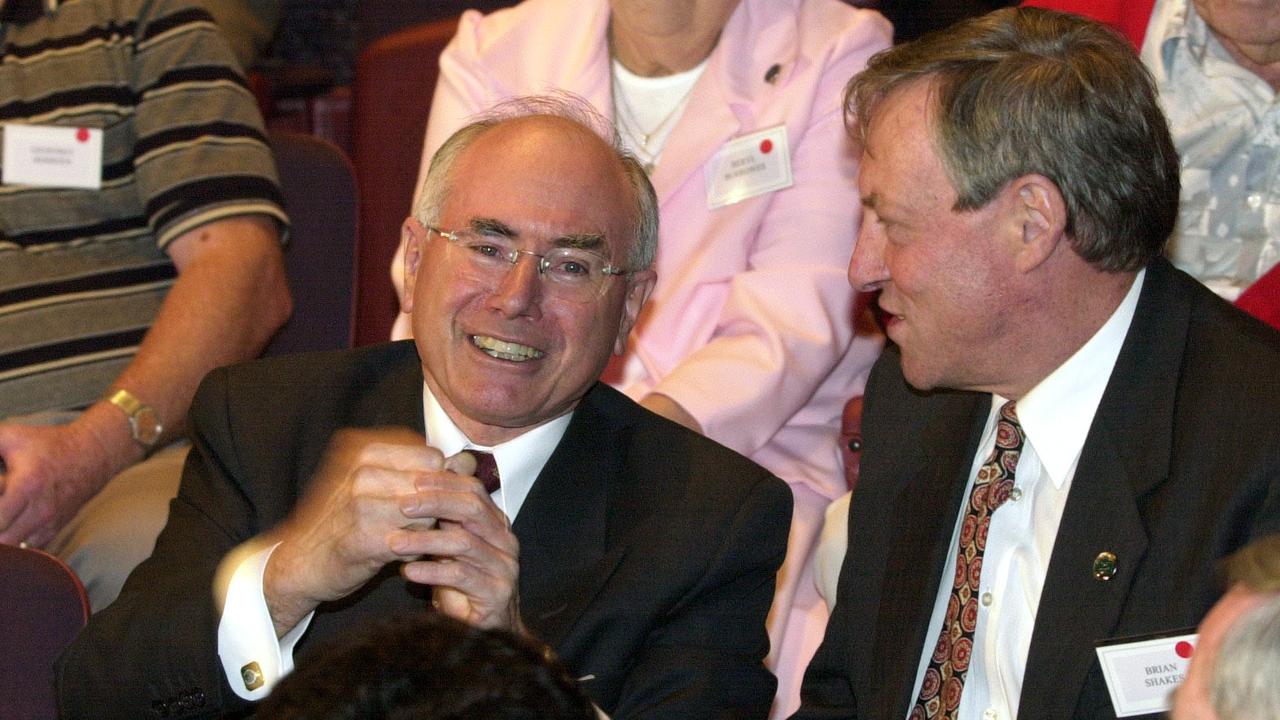
“They got rid of me because I opposed the Melbourne to Brisbane section,” he says.
He objected to the line failing to start at Port of Melbourne or extending into Brisbane and questioned why it carved through farmland while bypassing existing transport corridors.
“Rural industries between Melbourne and Brisbane wouldn’t have been able to export anything on the railway because it didn’t go into a port,” he says.
“I also objected to the way in which they were acquiring land from people, taking over people’s land without any thought about their livelihood.”
The cost explosion that ultimately stalled the project came as no surprise to the man who helped verify the original estimates.
He says the first estimate for getting from Melbourne to Brisbane was about $9 billion.
“You won’t believe it but the current estimate is it will cost $42 billion,” he says.
“All caused by money being wasted on incompetent contracting, legal battles with farmers whose livelihoods were being destroyed.
“They’ve wasted horrendous amounts of money. The federal government had to do something to stop the disaster but they should not have just said it’s off.”
Rather than rage against the cutback, Mr Compton has pitched a private‑sector alternative to complete the northern spine.
When the government signalled it would stop funding Inland Rail at Parkes, he asked to be allowed to build the missing link.
“I said to them, well, I want to negotiate for my private company to build the railway all the way to Parkes and then through to Queensland,” he says.
He has already assembled a board and backers – including bankers, miners and shipping interests – with a view to taking a new project through “financial close” over about two years.
That phase, he says, would include environmental studies, land‑rights work and talks with capital partners.
“We reckon we could do it with private capital,” Mr Compton says.
The federal government has agreed to talk about it but isn’t committed.
In the meantime, he says businesses that invested along the promised corridor have been cut adrift.
“There are a lot of people devastated along the way, people who were planning to open industries, and all the capital is now lost,” he says.
“People need a bit of hope.”
Inland Rail was never just about shifting containers from trucks to trains, Mr Compton says.
He sees it as a chance to redraw the population map.
“Thirty years ago, we said we need that chain of development away from the capital cities.
“We’ve got 80 per cent of the Australian population living in capital cities and the rest of the continent sparsely populated.”
His vision is for a string of growth corridors linking Gladstone, the Darling Downs and inland NSW to Melbourne, complete with new industries and jobs.
In that model, Inland Rail underpins not just freight movements but housing affordability and quality of life.
“You pay a million dollars for a miserable house in the city and then pay rising interest rates on it,” Mr Compton says.
“You can go out to a regional town and get yourself a lovely piece of land and build exactly the same house for $500,000.
“You don’t have a massive debt and you get a job in a new industry out there – a hell of a lot more healthy life, rather than getting around in a crowded city and getting COVID and influenza.”
The main loser is the regional development planned along the original route that will never happen, Mr Compton says.
At his age, he knows he may not see the full line built but he is determined to lock in a path others can follow.
“I’ve only got a few years left but … I’ll make this thing unstoppable.”
To him, Inland Rail is either a half‑built train to nowhere or the backbone of a different kind of Australia.
Australian Jews detail ‘unfair’ backlash linked to Gaza
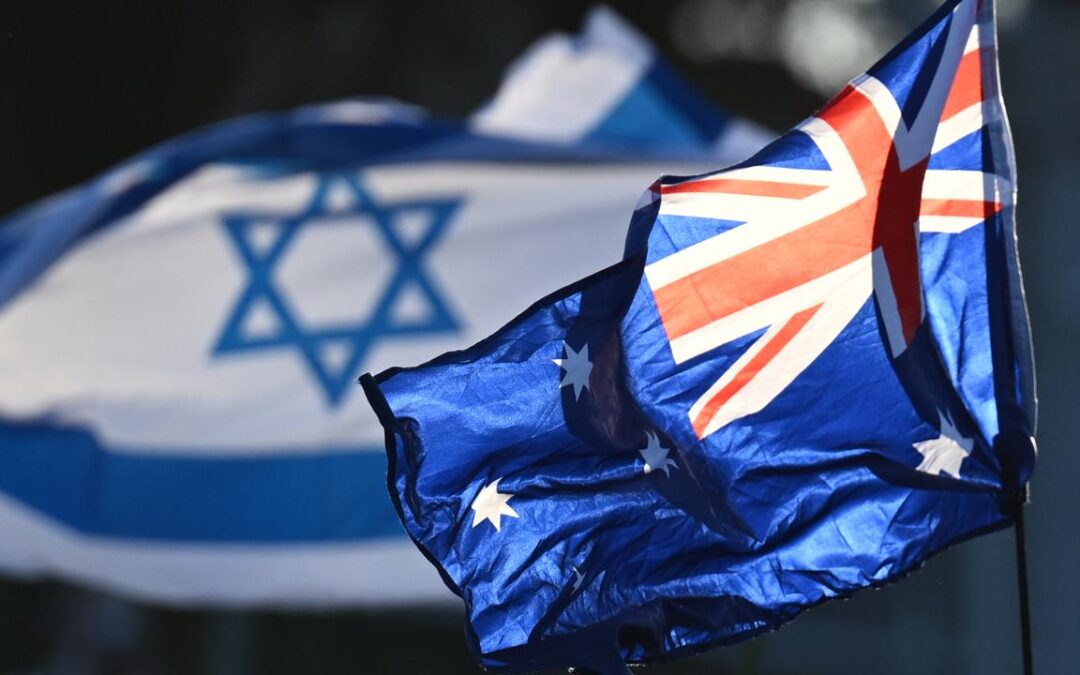
Jewish Australians have described being harassed in schools, at work, on sports fields and university campuses and online.
Many say they no longer feel they can practice their religion openly, particularly after the mass shooting that targeted a Hanukkah event at Bondi on December 14.
Members of the Jewish community have shared their lived experiences during the first week of public hearings by the Royal Commission on Anti-Semitism and Social Cohesion, formed in response to the Bondi massacre.
There was a steep rise in anti-Semitic incidents in Australia after the October 7, 2023 attacks by Hamas on Israel, the commission was told.
Most of the more than 50 people who gave evidence at the hearings said they never imagined facing such prolific anti-Semitism in Australia, a place where they had grown up feeling safe and accepted.
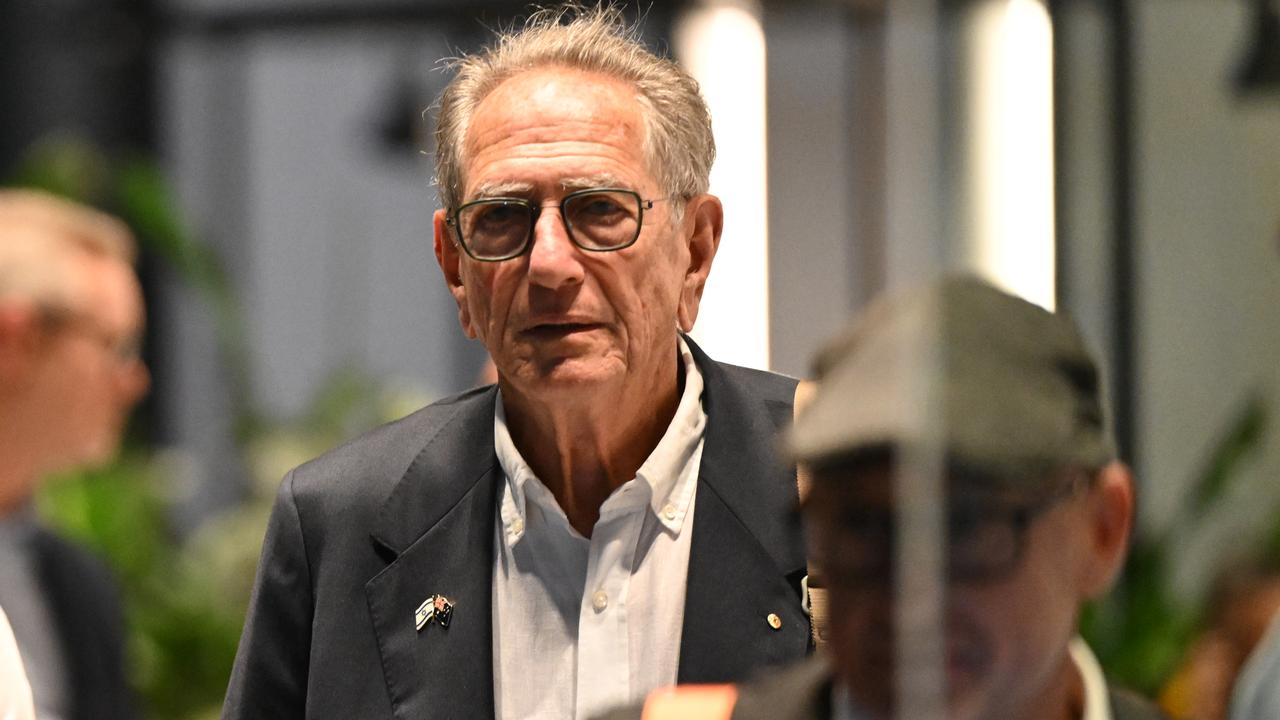
Holocaust survivor Peter Halasz told the commission he was afraid to be recognised as Jewish for the first time since he had fled Nazi-occupied Hungary.
“I found myself, for the first time since childhood, afraid to wear my Star of David in public,” Mr Halasz told the inquiry on Monday.
A Jewish nurse described the terror of being admitted to hospital herself about the time footage emerged of two NSW health workers claiming they had killed Israeli citizens and would do it again.
The woman said she had tried to hide her Jewish identity at the time, including cancelling kosher meals, but still feared she would be identified and targeted.
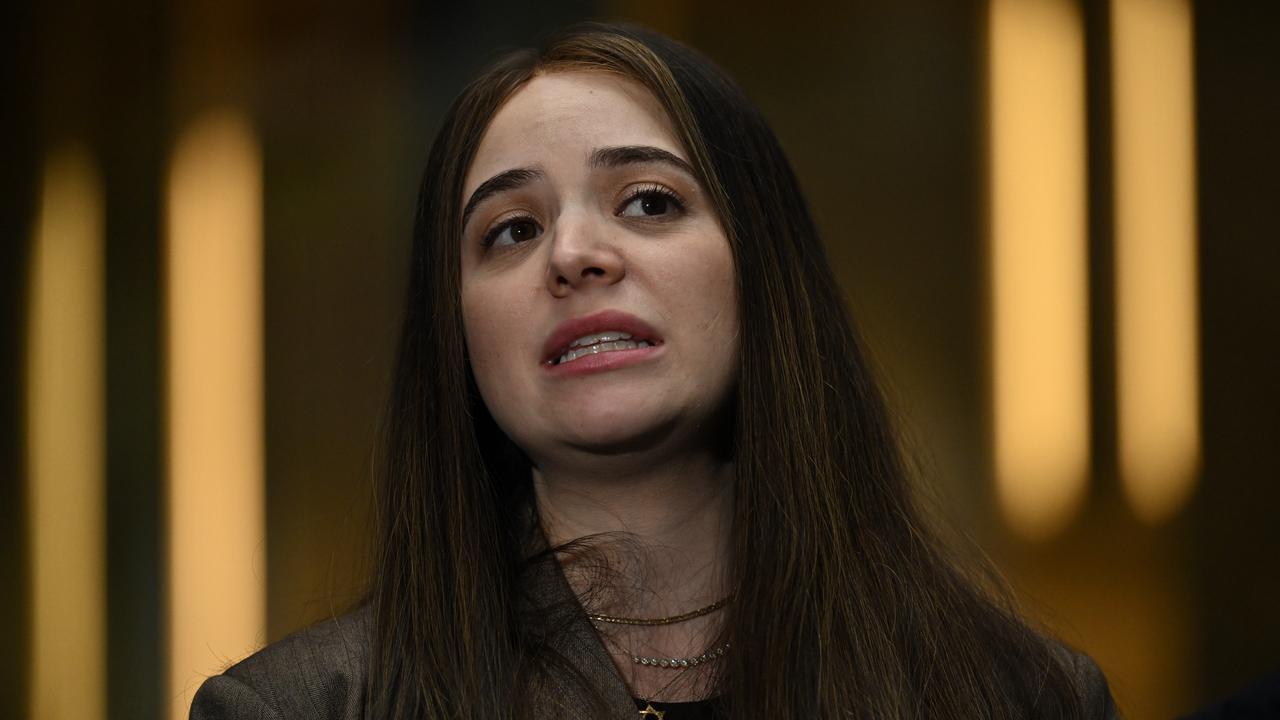
Sheina Gutnick, the daughter of one of the victims of the Bondi attack, recounted being pointed at and called a “f***ing terrorist” while shopping with her baby before the mass shooting.
Schools have been a hotbed for anti-Semitism, with students “parroting” what they were seeing online, one former high school teacher told the inquiry.
A year 10 student told the inquiry Nazi salutes were directed at her while studying the Holocaust. Students had also thrown coins at her and asked if she would pick them up.
Australia’s special envoy to combat anti-Semitism, Jillian Segal, told the inquiry the fastest-growing form of anti-Semitism in Australia was the conflation of the actions of the Israeli government with Jewish people.
Ms Segal said it was a “fashionable” form of anti-Semitism spread by online influencers, but one she believed could be combated with education.
Jewish university student Mia Kline said she felt she had been ”put on trial” for the actions of Israel.
The 22-year-old said when she reported Jewish students feeling unsafe on campus, senior university leaders refused to act because there was a difference between what was “hurtful” and what was “hateful”.
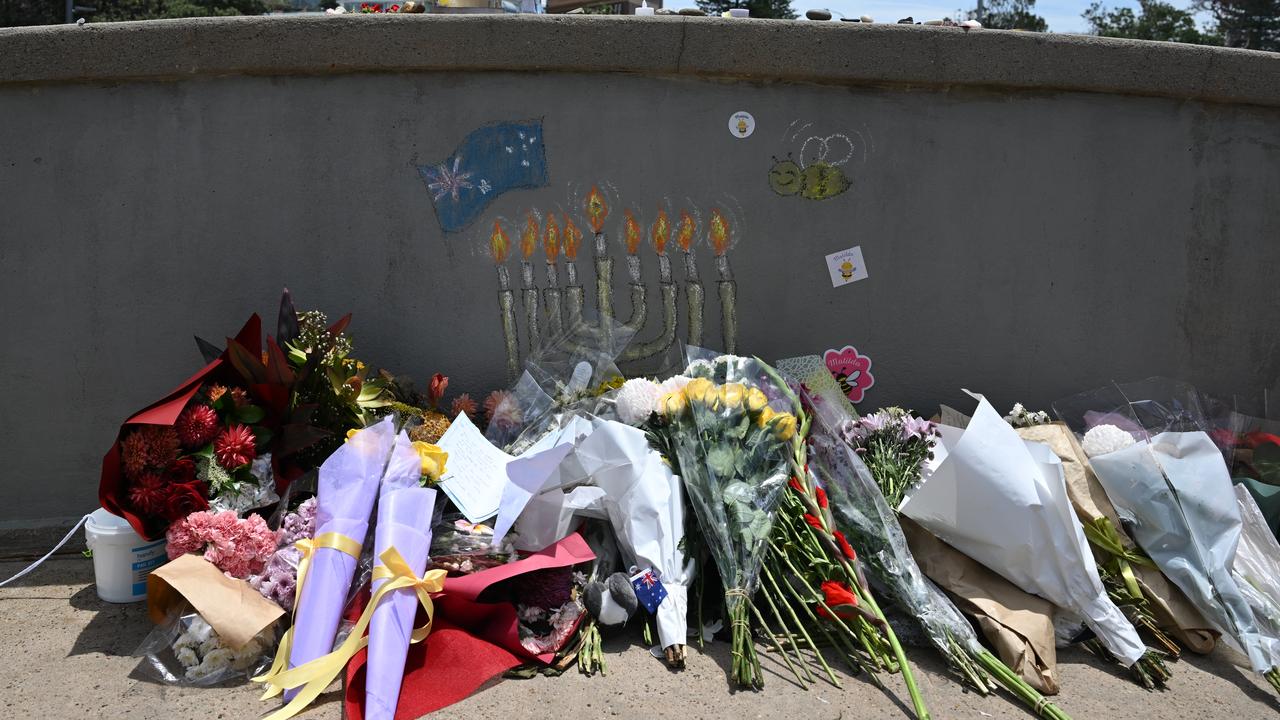
“No senior university official would ever say to a student from any other minority community, no, what you’re feeling is not actually suffering against your people,” Ms Kline said.
The commission will probe the intelligence and law enforcement response leading up to the attack, including what was known about the shooters and what was done with that information, in a second block of public hearings from May 25 to June 12.
Those hearings will also explore security arrangements at the festival targeted in the attack and how intelligence about individuals is utilised and shared to inform decisions, including the granting of firearms licences.

Massive 11,000-carat ruby unearthed in Myanmar
Miners in Myanmar have discovered a rare ruby of enormous size, considered to be the second-largest by weight ever found in the conflict-battered Southeast Asian nation, state media reported.
The ruby, measuring 11,000 carats (2.2 kilograms), was unearthed near the town of Mogok, in the upper Mandalay region, the heartland of the lucrative gem-mining industry that has recently experienced intense fighting in the country’s wide-ranging civil war.
According to a report from the state-run Global New Light of Myanmar on Friday, the newly found rough ruby was discovered in mid-April, just after the traditional New Year festival.
While it weighs roughly half the weight of a 21,450-carat (4.29 kilogram) stone found in 1996, the new discovery is considered more valuable due to its superior colour and quality. It is described as having a purplish-red hue with yellowish undertones, a high-quality colour grade, moderate transparency and a highly reflective surface.
Myanmar produces as much as 90 per cent of the world’s rubies, primarily from the areas of Mogok and Mong Hsu. Gemstones, both legitimately traded and smuggled, are a major source of revenue for Myanmar.
Human rights activists and organisations such as the Britain-based research and lobbying group Global Witness have urged jewelers to stop purchasing gems sourced from Myanmar, as the industry has served as a vital revenue stream for its military governments over several decades.
A new, ostensibly civilian government was installed this year, but it followed elections described by human rights and opposition groups as a sham. The vote returned to power President Min Aung Hlaing, the army chief who led the most recent military takeover in 2021. He and his Cabinet recently examined the giant ruby at his office in the capital, Naypyitaw.
Gemstone mining also serves as a primary source of funding for ethnic armed groups fighting for autonomy, a factor that has helped fuel decades of internal conflict.
The security of these mining regions remains volatile. Mogok was captured in July 2024 by the Ta’ang National Liberation Army, or TNLA, a guerrilla force representing the Palaung ethnic minority. Although the TNLA took over and operated the mines, control was eventually transferred back to Myanmar’s army as part of a China-mediated ceasefire agreement concluded late last year.
Coalition ready to take ‘medicine’ on by-election D-Day
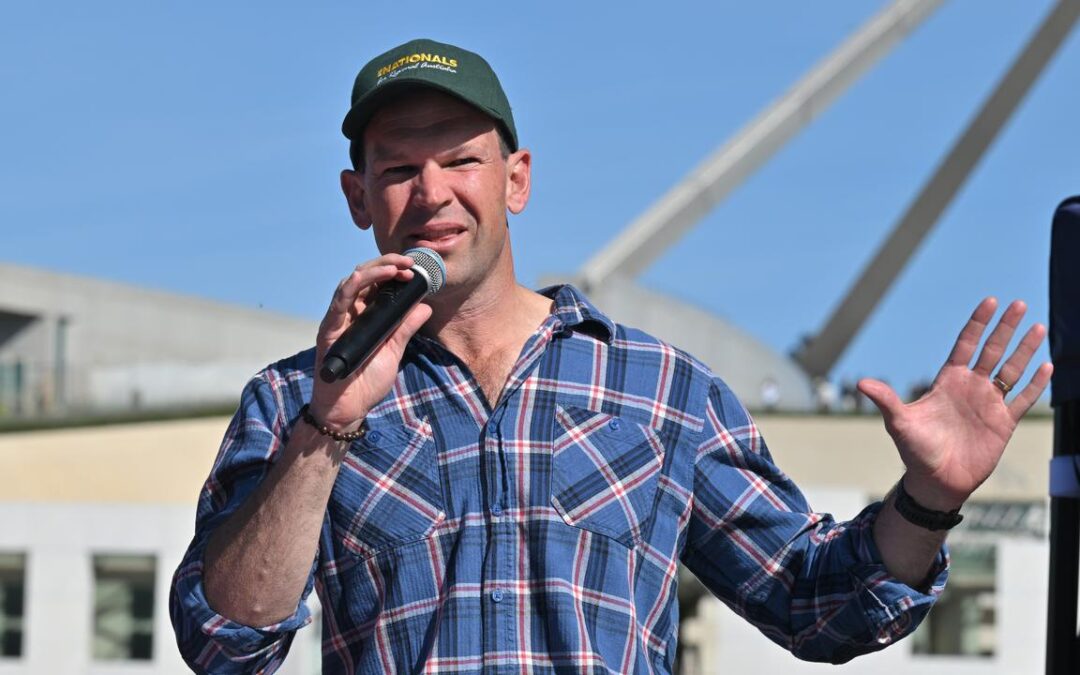
Nationals Leader Matt Canavan says he’s happy to cop regional voters’ concerns “on the chin” as One Nation appears likely to score its first victory in a federal electorate.
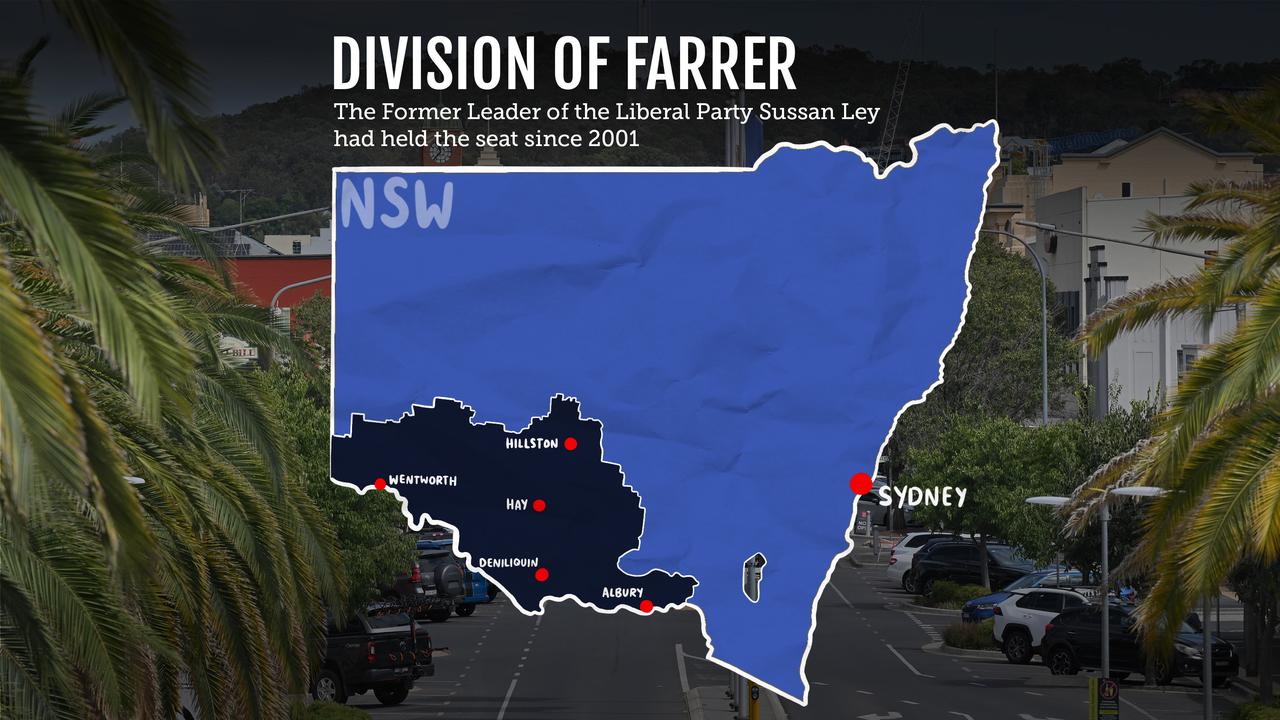
Voters in the southern NSW seat of Farrer will head to the polls on Saturday to choose a new MP after their former representative Sussan Ley resigned from parliament.
After spending 23 days campaigning in the regional electorate – including 11 nights sleeping in a swag – Senator Canavan conceded voters were frustrated with a perceived lack of leadership from Canberra.
“There’s no doubt people want to give the political class a kick, and this is a bit of a free kick,” he told AAP the day before the by-election while driving to the town of Corowa, where he planned to deliver donuts to campaign volunteers from all sides.
“Win, lose or draw, the great thing is being here to hear that response, to cop it on the chin, to take my medicine. I’m willing to do that.”
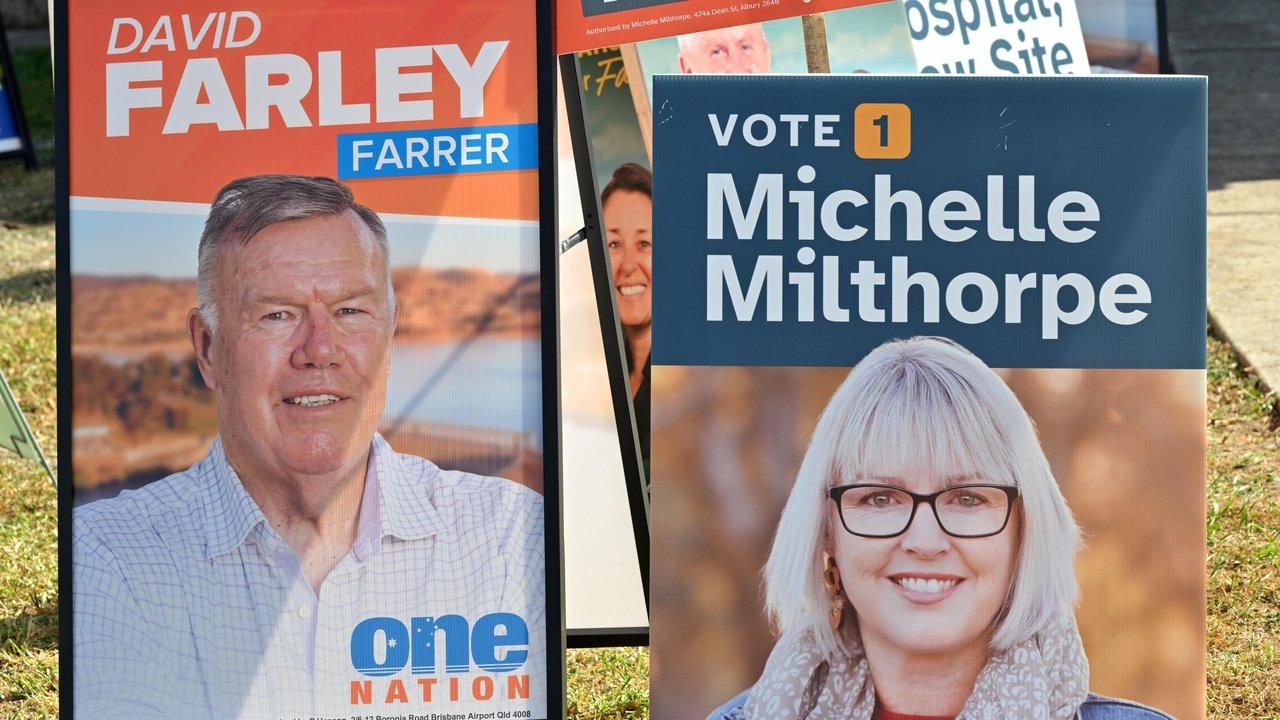
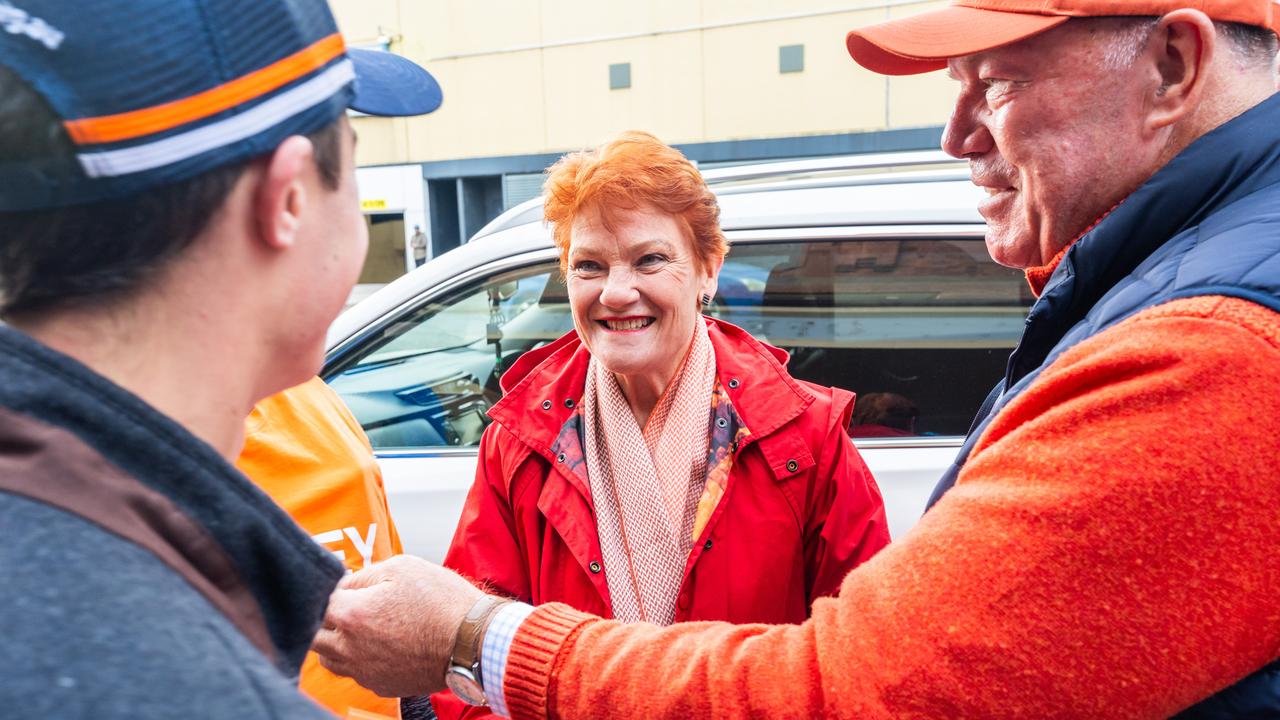
Pauline Hanson’s One Nation and a Climate 200-backed independent appear neck and neck to replace the former Liberal leader in the massive regional electorate, but analysts believe preferences could get the populist party over the line while coalition candidates will struggle.
The Nationals leader insisted other regional coalition seats are not at risk to a One Nation surge, arguing there were unique circumstances at play in Farrer.
“By-elections are always different… it’s a totally different race than normal,” he said.
While One Nation candidate David Farley and Independent Michelle Milthorpe appear close in the polls, preferences from coalition voters will improve Mr Farley’s chances of getting over the line, RedBridge pollster Tony Barry told AAP.
“Winning the seat on primary votes would be highly unlikely, but would be a complete boil-over if that were to occur. So preference flows will be critically important,” he said.
“With the coalition preferencing One Nation, they are the intuitive choice to win the seat.”
Polls have shown the Liberals candidate Raissa Butkowski and Nationals’ Brad Robertson trailing far behind.
If One Nation wins, it will show the populist party is a strong electoral force, particularly in regional areas, the former Liberal party strategist said.
“If they cannibalise the Liberal and National Party vote as expected, then it’s a very safe conclusion to say that we’re going to see similar voting behaviours and patterns in other regional seats,” Mr Barry said.
Prime Minister Anthony Albanese said the vote was a test for Senator Canavan and his Liberal counterpart Angus Taylor, and said it would be an extraordinary outcome if the Liberals and Nationals didn’t finish in the top two.
Labor isn’t running a candidate in the by-election.

Labor plots budget housing boost to fend off One Nation
Changes in the federal budget will counter political discontent fuelling the rise of right-wing populism, the treasurer says, as he unveils his centrepiece productivity package aimed at lifting living standards.
As voters prepare to cast their final ballots in the Farrer by-election on Saturday and probably elect a right-wing One Nation MP to federal parliament for the first time, Dr Chalmers revealed Labor will cut regulatory costs for businesses by $10.2 billion each year.
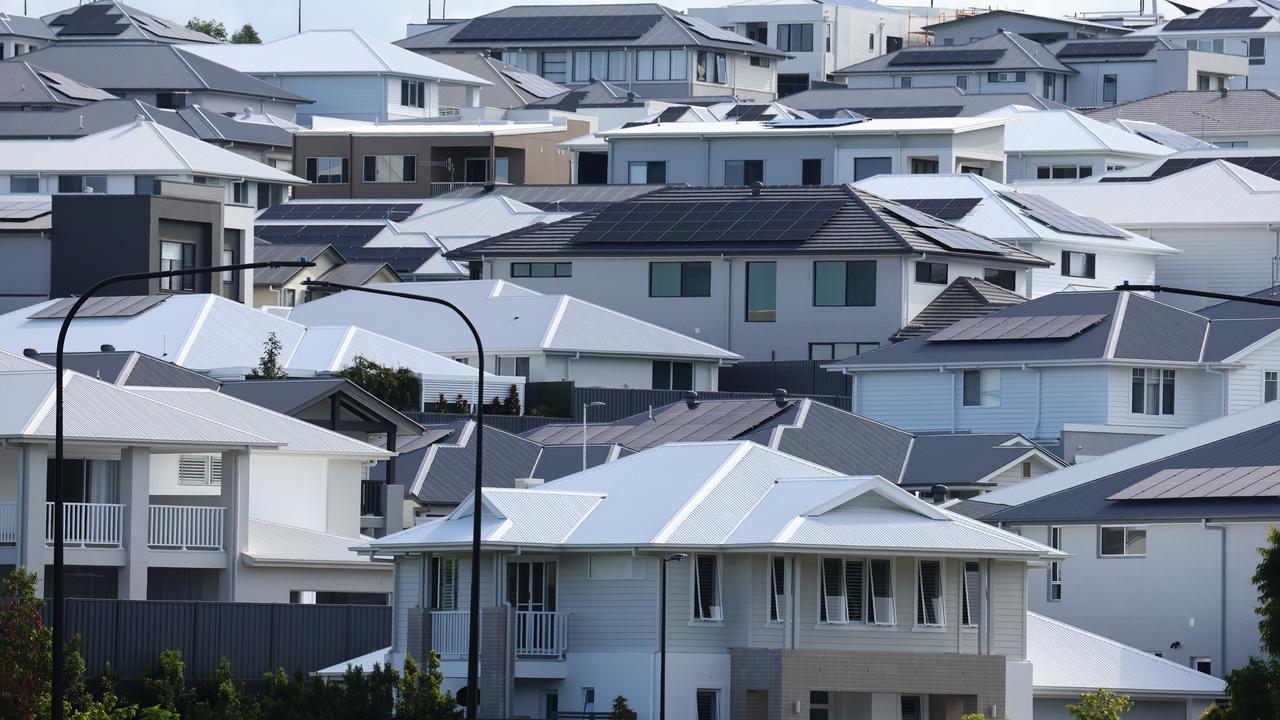
The productivity push, which includes slashing layers of reduplicative red rape for businesses and simplifying skills recognition for migrant workers, forms part of a broader theme around Tuesday’s budget of making it easier for young Australians to buy a home.
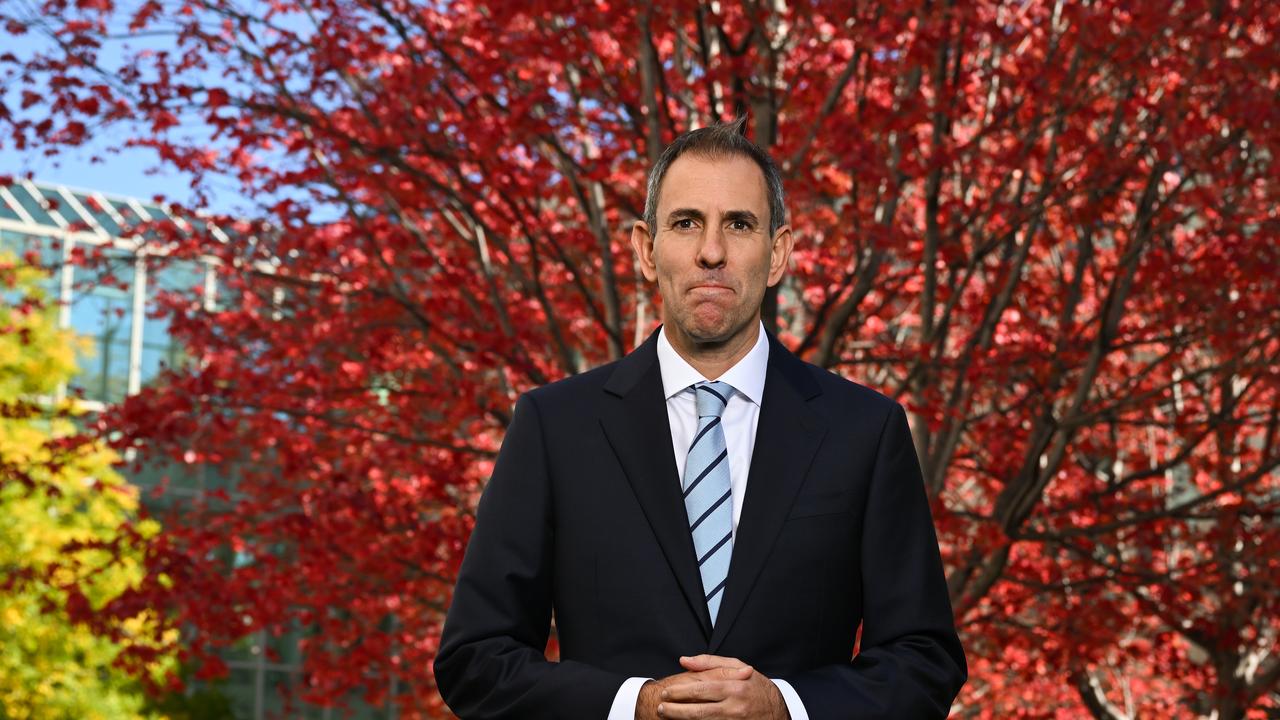
Economic disaffection was impacting politics around the world, Dr Chalmers said in an interview with AAP that was conducted before Nigel Farage’s right-wing populist Reform party enjoyed a massive swing in local elections in the UK.
“We don’t want to go down that path in Australia,” he said.
“We’ve got a lot more going for us here, but we’re not complacent about the risks.
“A big motivation for this budget is to help more Australians get a toehold in the economy and part of that is helping more people get a toehold in the housing market.”
The government maintains its primary focus to lift home ownership is to boost supply.
The budget promises to build on state and territory efforts to liberalise planning and zoning laws by removing red tape holding back modern methods of construction, like modular housing.
There will also be changes to the points test for skilled migrants and moves to speed up skills recognition for migrant tradies in a bid to address the worker shortage hitting the sector.
Support for home-buyers will go beyond productivity.
The budget will wind back negative gearing and capital gains tax discounts for property investors, which will give prospective owner-occupiers a relative edge over landlords, even if most economists expect the impact on prices to be marginal.
The housing reforms risk being framed as a cash grab targeting older generations and an attack on aspiration.
But Dr Chalmers said the “difficult decisions” the government was taking to tackle Australia’s intergenerational challenges should benefit everyone.
“Primarily, this is about providing more opportunity to more people,” he said.

“Whenever you’re going down the hard road of reform, rather than the path of least resistance, there’ll be the usual scare campaigns full of lies, and there’ll be people trying to make everyone angry about the sensible steps that we are proposing on Tuesday night.
“But overall, it’s about making our economy stronger and fairer, our budget more sustainable, in a way that we hope that every Australian will benefit from.”
The government’s productivity package is expected to boost GDP by $13 billion a year.
Small businesses will get their wish of the $20,000 instant asset write-off being made permanent, which the government says will save employers 376,000 hours on their tax returns.
But Labor is yet to announce any changes to business tax arrangements that would incentivise productivity.
Dr Chalmers confirmed the budget won’t include the Productivity Commission’s proposal for a novel corporate cashflow tax, which was intended to encourage investment but was rejected by the business community as too complex and adding to the tax burden.
Of the five fiscal blueprints in his time as treasurer, Dr Chalmers said this has been his most difficult, but also the most ambitious and the most responsible.
War in the Middle East has added a new focus of resilience to the budget, and $10.7 billion in new spending to increase Australia’s fuel reserves.
Feasibility studies will also be conducted into expanding existing fuel refineries or building new ones.
“Overwhelmingly, our approach has not been to try and turn back the clock to some kind of 1950s-style protectionism,” Dr Chalmers said.
“Our goal is to recognise the opportunities of the modern economy. To look forwards, not back.”
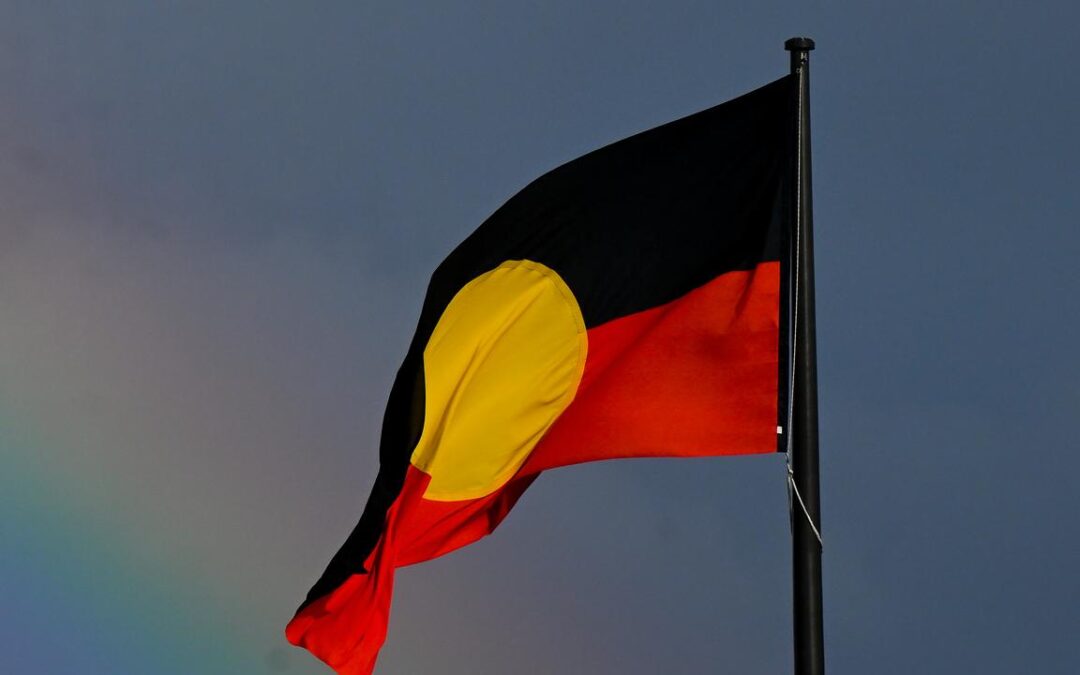
Racism ‘out of control’ as grieving communities suffer
Racial narratives are spiralling out of control during a time of significant grief and remote communities are suffering, a federal inquiry into racism against Aboriginal people has been told.
The Alice Springs-based Ngaanyatjarra Pitjantjatjara Yankunytjatjara Women’s Council has made a scathing assessment of the fallout from a five-year-old girl’s alleged murder.
”In the past 48 hours, racial narratives have spiralled out of control, during a time of significant grief and sorry business,” council spokesperson Jessica Baker told the hearing in Adelaide on Friday.
”This is a national disgrace, and remote Aboriginal communities are suffering.”
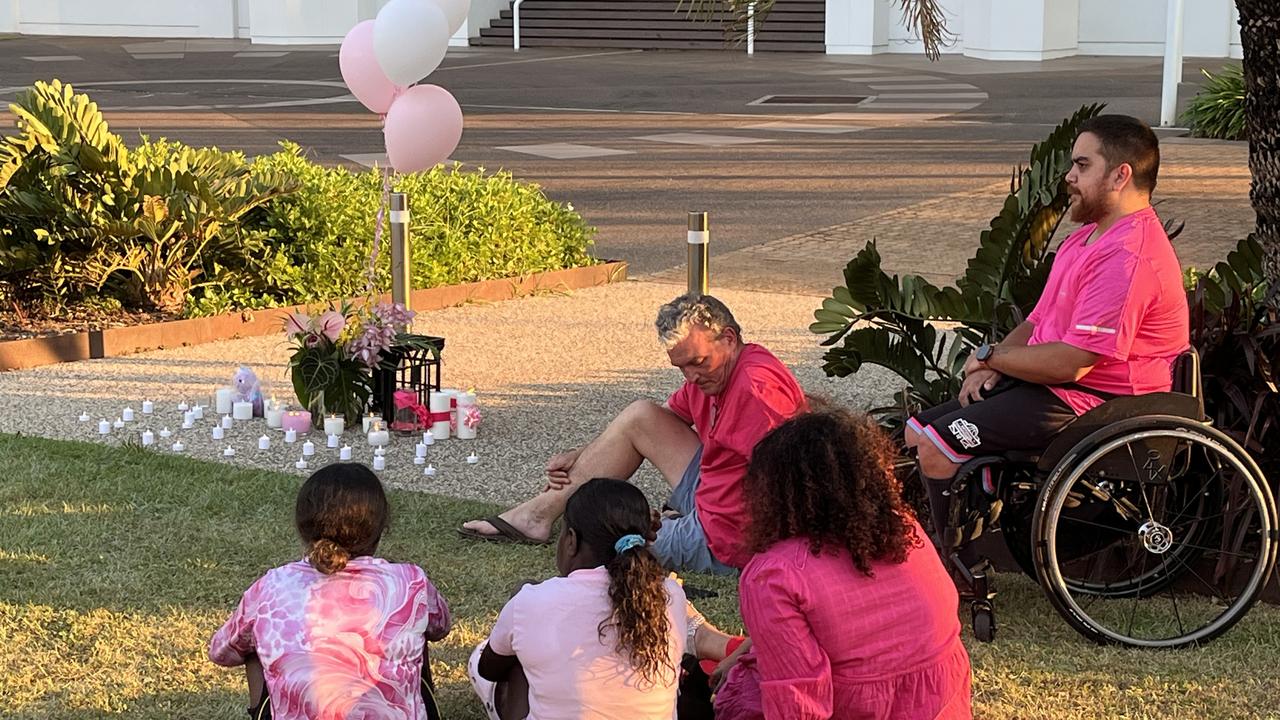
Kumanjayi Little Baby, a name used in line with cultural tradition after her death, was reported missing from a home at a town camp on the outskirts of Alice Springs on April 25.
Her body was found in scrubland on April 30 and Jefferson Lewis, 47, has been charged with her murder.
In the past two weeks, there had been ”alarming rates” of racism towards First Nations people in the media, Ms Baker said.
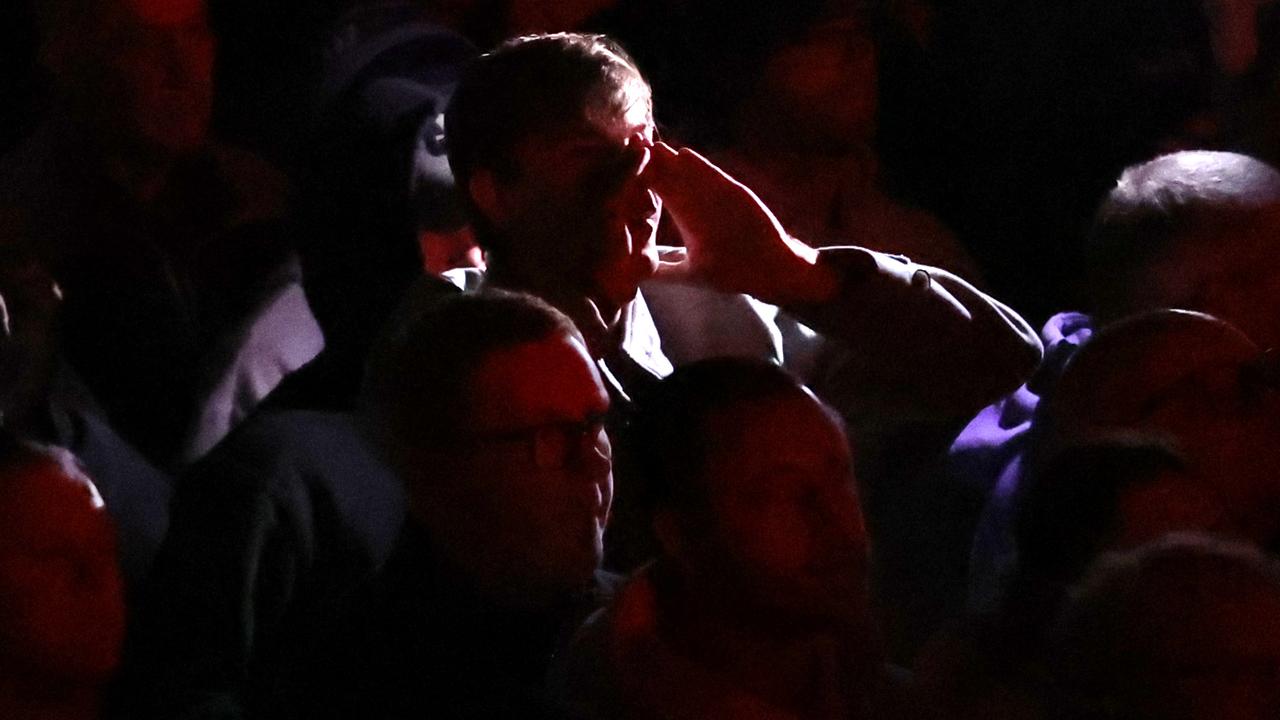
”We have seen respected veterans and elders booed by neo-Nazi groups at Anzac Day memorial services across the country, and an alleged comedian poking fun at the tragic death of Kumanjayi Little Baby,” she said.
Right-wing media was ”perpetuating hatred by crossing cultural boundaries, disrespecting family members during sorry business, and creating stories that do anything but address rising rates of violence against women and girls”.
”It is clear to us that women and girls are losing even more protection because of racist narratives and hate, but it’s framed around mother-blaming instead of focusing on the risks women and girls face in their communities,” Ms Baker said.
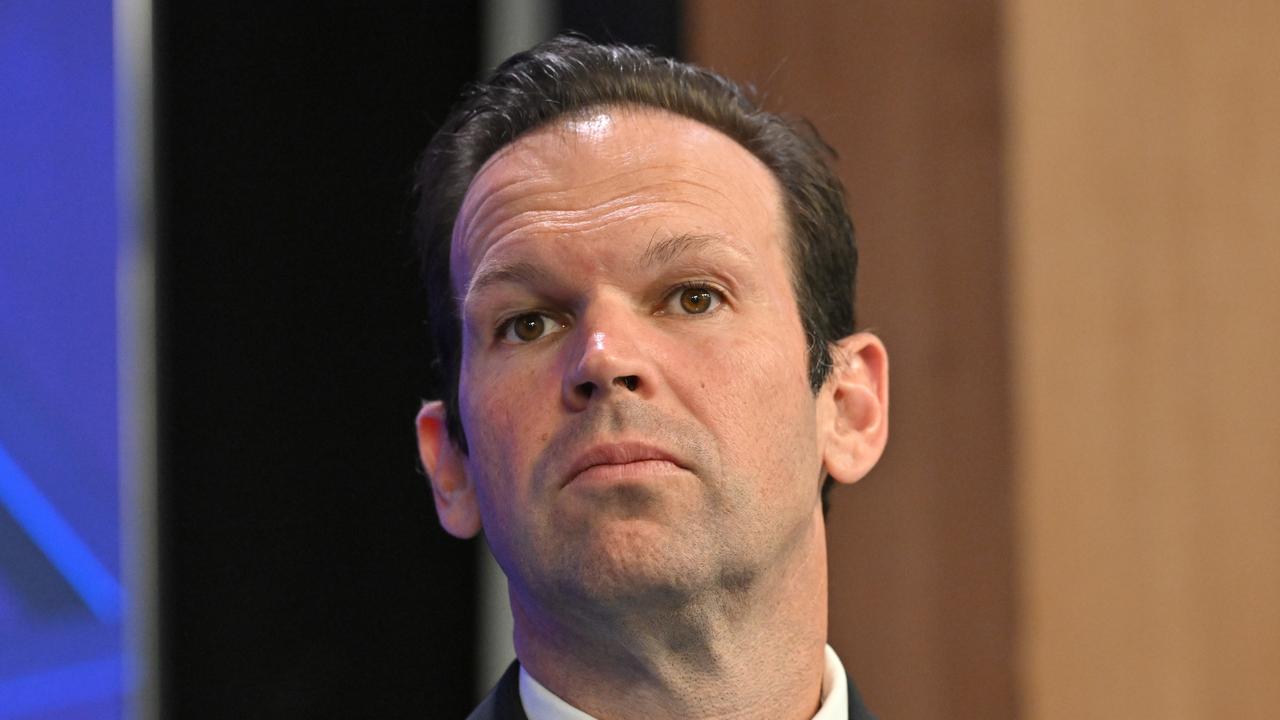
Nationals Leader Matt Canavan’s recent call for a royal commission into sexual abuse into Indigenous communities was ”both appallingly disrespectful and inherently racist”, Ms Baker said.
”It harkens back to the Howard era intervention of 2007, using false accusations to perpetuate lies about Aboriginal people and attempting to garner public attention, claiming public funds are being misused in remote communities.”
Recently, two members of a traditional healer team had been injured by police in separate but similar situations, she said.
”One got pepper-sprayed and tasered, the other was thrown to the ground and seriously injured, both elderly and innocent people,” Ms Baker said.
The respected and renowned community members were ”left with the trauma and humiliation of these interactions and unable to fulfil their roles of supporting communities”.
Racism was ”a poison infiltrating the land, rivers and air we breathe”.
”It has become so casual it is impossible not to breathe it in,” Ms Baker said.
NPY Women’s Council wants the federal government to hold state and territory governments accountable by demanding funds be diverted appropriately to “decolonise systems”.
”A genuine commitment must be made by governments to address systemic violence such as income inequality and housing insecurity,” Ms Baker said.
”Efforts to prevent, intervene and heal across a wide range of social issues are restricted when basic needs remain unmet.”
Action is also being sought by the National Commission for Aboriginal Torres Strait Islander Children and Young People, which wants an immediate investment in secure housing delivered through Aboriginal community-controlled organisations.
The commission is also seeking long-term funding for Aboriginal community-controlled organisations to lead family support and healing programs.
13YARN 13 92 76
Lifeline 13 11 14
‘Get back to work’: backlash over bureaucrat job freeze
An opposition’s plan to stop hiring bureaucrats for a decade has drawn battle lines ahead of a high-stakes state election.
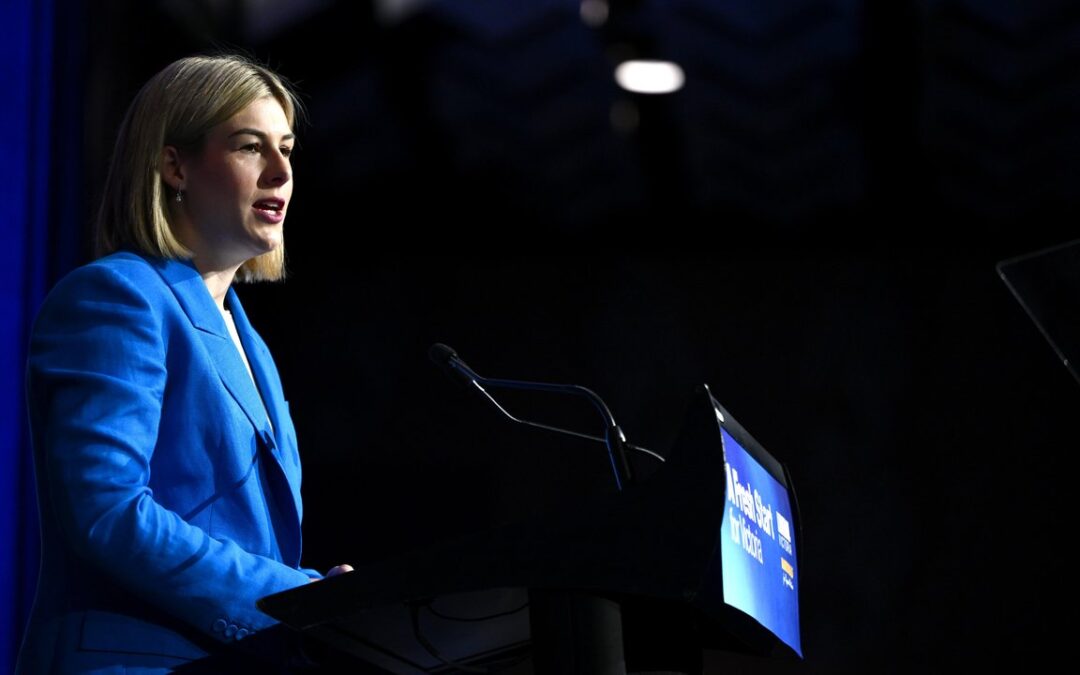
In her first substantive reply to Tuesday’s Victorian budget, Opposition Leader and shadow treasurer Jess Wilson on Friday unveiled a 10-year public service hiring freeze.
Under the pitch for the November state election, Victoria’s public service would be slashed by 7184 full-time equivalent staff in the first two and a half years of a coalition government.
The freeze would target back-office roles across 46 Victorian government departments and agencies and is expected to save $22 billion over 10 years.
Ms Wilson said falling staff numbers would be achieved through natural attrition and there would be no cuts to police, nurses, teachers, health care workers, firefighters and other essential services.
“No one is getting sacked,” Ms Wilson said in her speech.
“So I say to our friends outside, get back to work.”
Community and Public Sector Union members rocked up outside the Liberals’ Melbourne event on Friday afternoon to protest the policy.
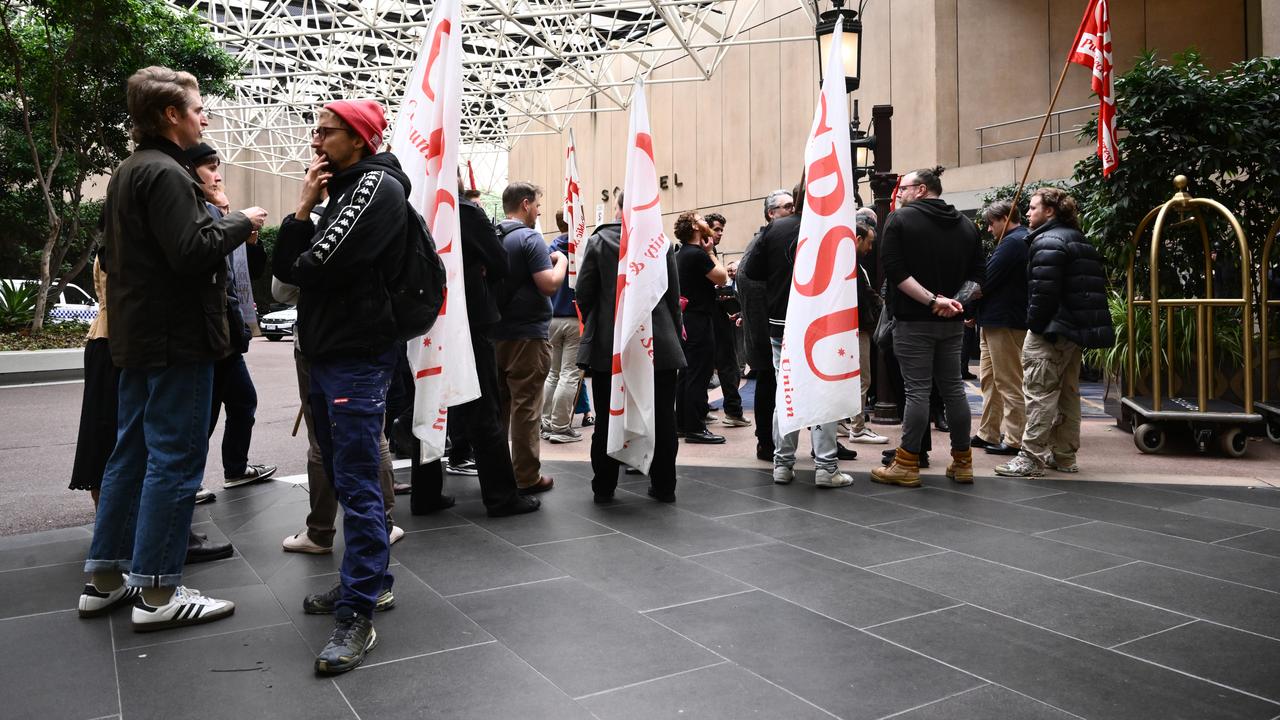
“Good luck getting rid of us,” the union’s state branch secretary Jiselle Hanna said.
Victoria’s education union also condemned the plan as state Labor released an attack ad claiming it amounted to more than $40 billion in cuts and would put one in seven public servants out of a job.
“You can’t cut that hard and deep without impacting our schools and our hospitals,” Premier Jacinta Allan said.
In response to the Silver review, Treasurer Jaclyn Symes committed to cutting more than 1000 public service jobs and merging or abolishing 29 government entities and boards to save more than $4 billion across the next four years.
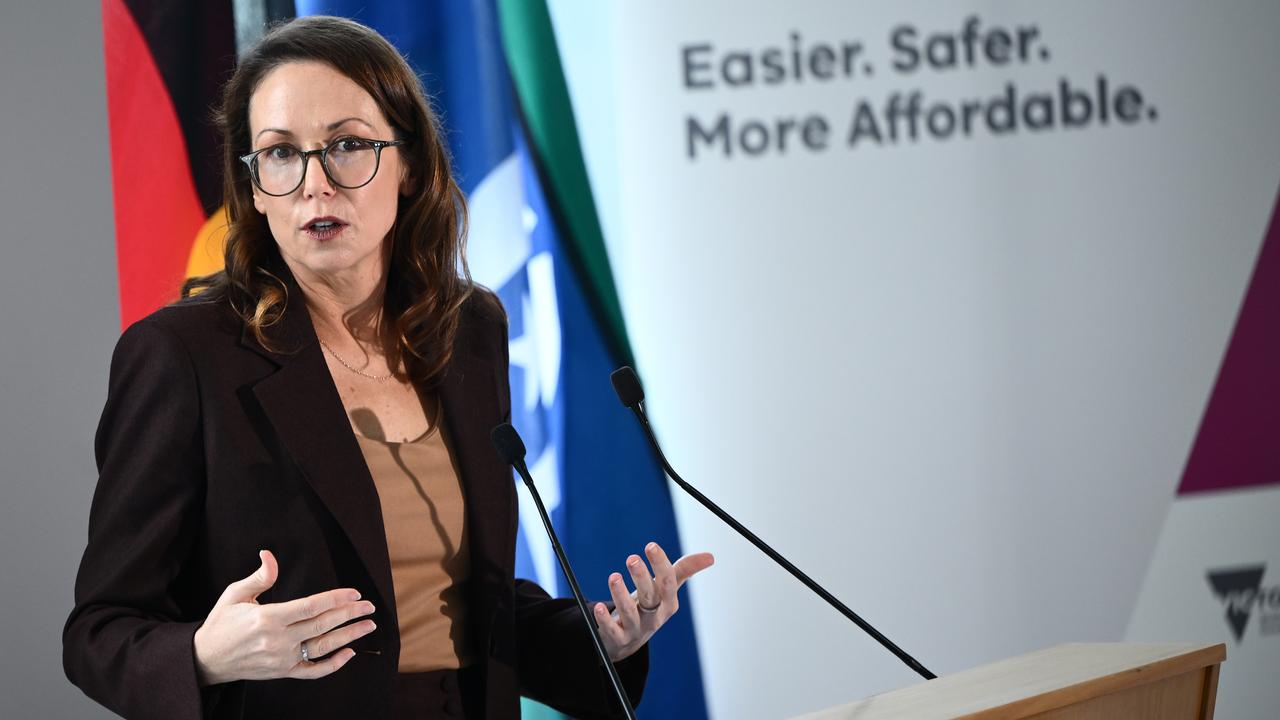
But the budget papers show employee expenses are still expected to rise from $41.1 billion this financial year to $45.5 billion in 2029/30.
Asked how she would reach the Liberals’ saving targets if the expected natural attrition of about six per cent didn’t materialise, Ms Wilson called it a “hypothetical”.
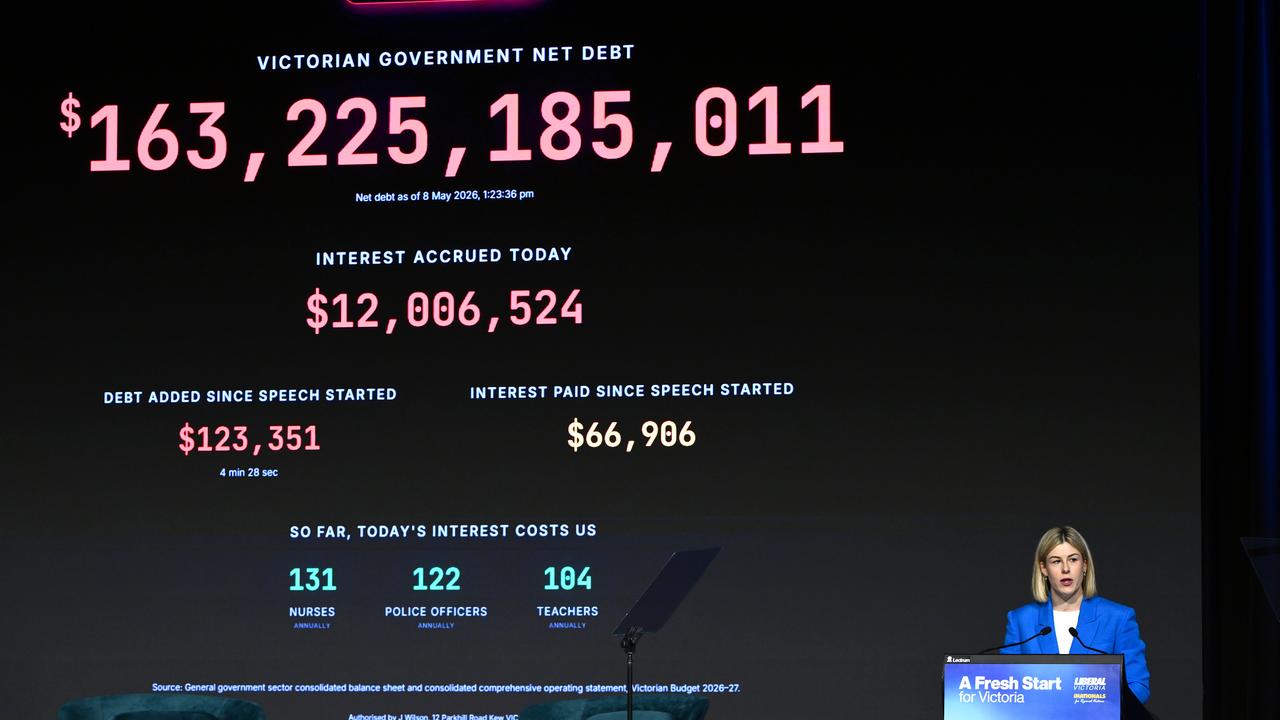
The state Liberal leader gave her speech in front of a live counter showing Victoria’s net debt, daily interest bill and what it could have paid for in nurses, police and teachers.
Victoria is on track to accrue $199.3 billion in net debt by mid-2030, sending interest repayments soaring above $32 million a day.
Treasury forecasts cash deficits of more than $30 billion over four years once spending on infrastructure projects is factored in.
Ms Wilson vowed to deliver a cash surplus by 2032, along with other fresh commitments to progressively lift the payroll tax threshold for businesses and land tax threshold for property investors.
“My team and I would love to do more and do it sooner but I have to be honest with Victorians, none of this will be easy,” she said.

Data breach fears grow as suspected ransom note appears
Australian universities and schools have been placed on high alert after a software program went offline following a cybersecurity attack.
The security breach of the cloud-based Canvas learning management system, operated by US company Instructure, initially occurred on May 2, globally impacting thousands of schools, universities and businesses.
On Friday, the system went offline for many universities, with some students, including those at University of Sydney, reporting they had received a ransom message posted through the platform.
”ShinyHunters has breached Instructure (again),” the message, seen by AAP, read.
”Instead of contacting us to resolve it they ignored us and did some ‘security patches’,” it said.
The University of Sydney said Canvas had been experiencing a global outage since 6am on Friday after Instructure placed it into “maintenance mode”.
“We are one of approximately 9000 institutions around the world that are impacted by this outage, and we are still awaiting clear advice from Instructure,” it said in a statement on Friday afternoon.
It acknowledged disruptions to students and staff and advised them not to attempt to log in to the service pending further updates.
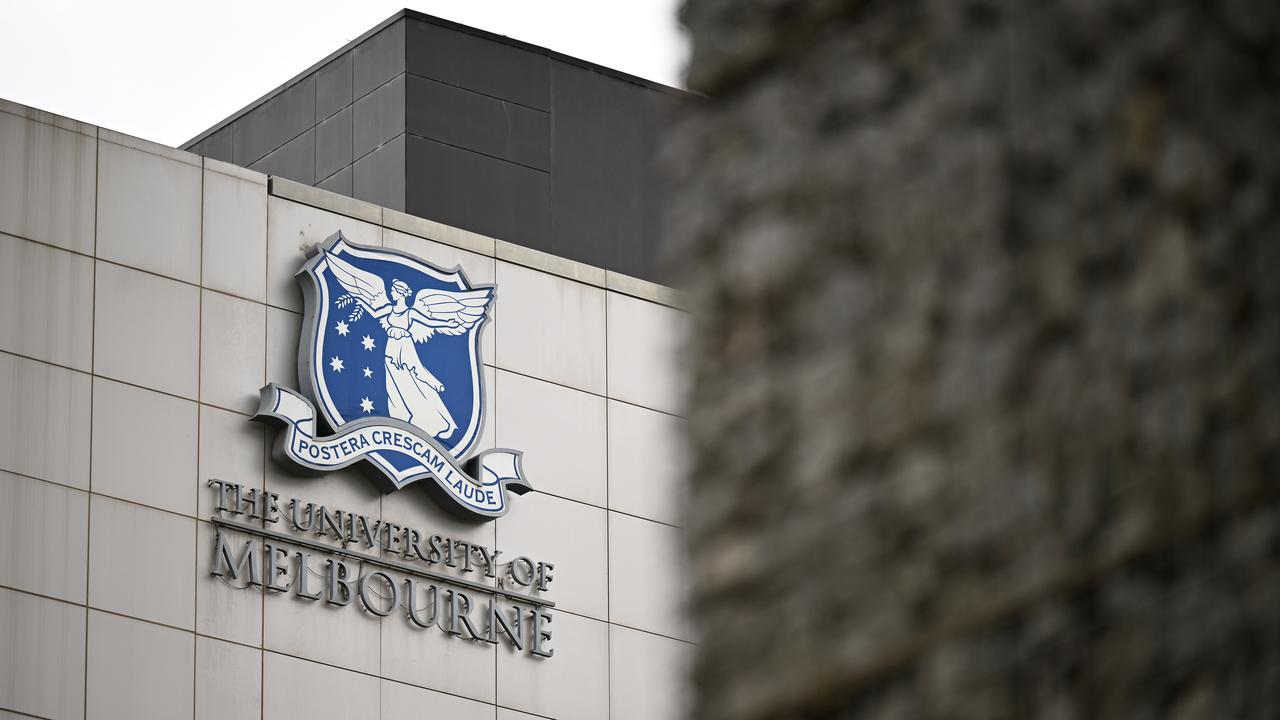
The University of Melbourne has also been impacted by the outage and has extended its deadlines over the weekend.
It is not known whether any personal information has been leaked in the cyber hack, with the system widely used to deliver and manage learning for students and staff.
South Australia’s Flinders University, RMIT in Melbourne, Tasmania’s Technical and Further Education Institute, and University of Technology Sydney have all been affected.
On Thursday, Queensland education minister John-Paul Langbroek said he had been briefed on a breach involving Instructure, which delivers the education department’s QLearn program.
“Advice at this stage is names, email addresses and school locations have been compromised in the international data breach,” he said.
“No evidence of passwords, dates of birth or financial information being accessed in the data breach.”
Instructure confirmed the incident in a post to its status website over the weekend.
“Instructure recently experienced a cybersecurity incident perpetrated by a criminal threat actor,” Steve Proud, chief information security officer, wrote.
“We are actively investigating this incident with the help of outside forensics experts.”
The following day, he wrote the incident appeared to have been contained and later added further updates would be shared directly with customers.
National Cybersecurity Co-ordinator Michelle McGuinness confirmed the incident in a post to LinkedIn on Friday.
“My team is working closely with state and territory governments and education peak bodies to collectively address the impacts arising from this incident,” Ms McGuinness said.
She added there was no sign personal identification documents or financial information had been impacted but that the full impact was not yet clear.
“Anyone impacted by a cyber incident should maintain a heightened awareness of potential scam activity,” she said.
Full steam ahead: billions more locked in for rail line
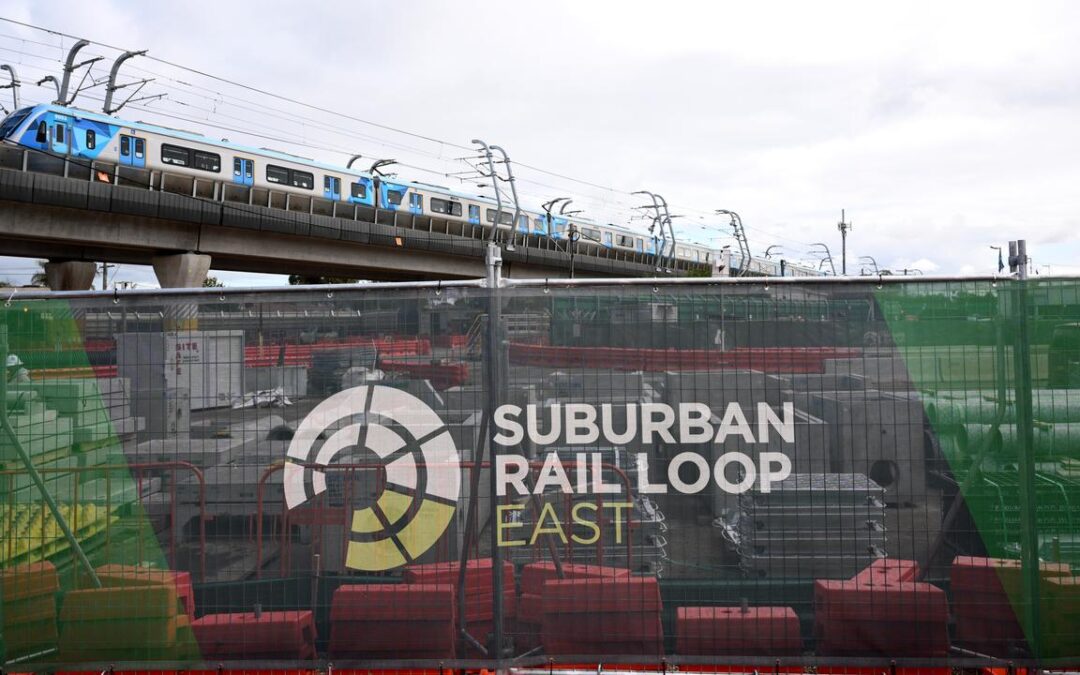
Australian taxpayers will spend billions more to help fund Victoria’s mega Suburban Rail Loop project, days after the federal government axed regional freight rail plans.
Treasurer Jim Chalmers’ fifth financial blueprint will include an extra $3.8 billion for the massive infrastructure project, for which preparatory work started in 2023.
Prime Minister Anthony Albanese said Suburban Rail Loop East, connecting train lines in Melbourne suburbs of Cheltenham, Glen Waverley, Box Hill and Clayton, would make the city’s economy more productive and improve connectivity.
The cash splash takes the Commonwealth’s spend on the project to $6 billion – still $5.5 billion short of the amount the Victorian government wants from its federal counterpart for the rail line.
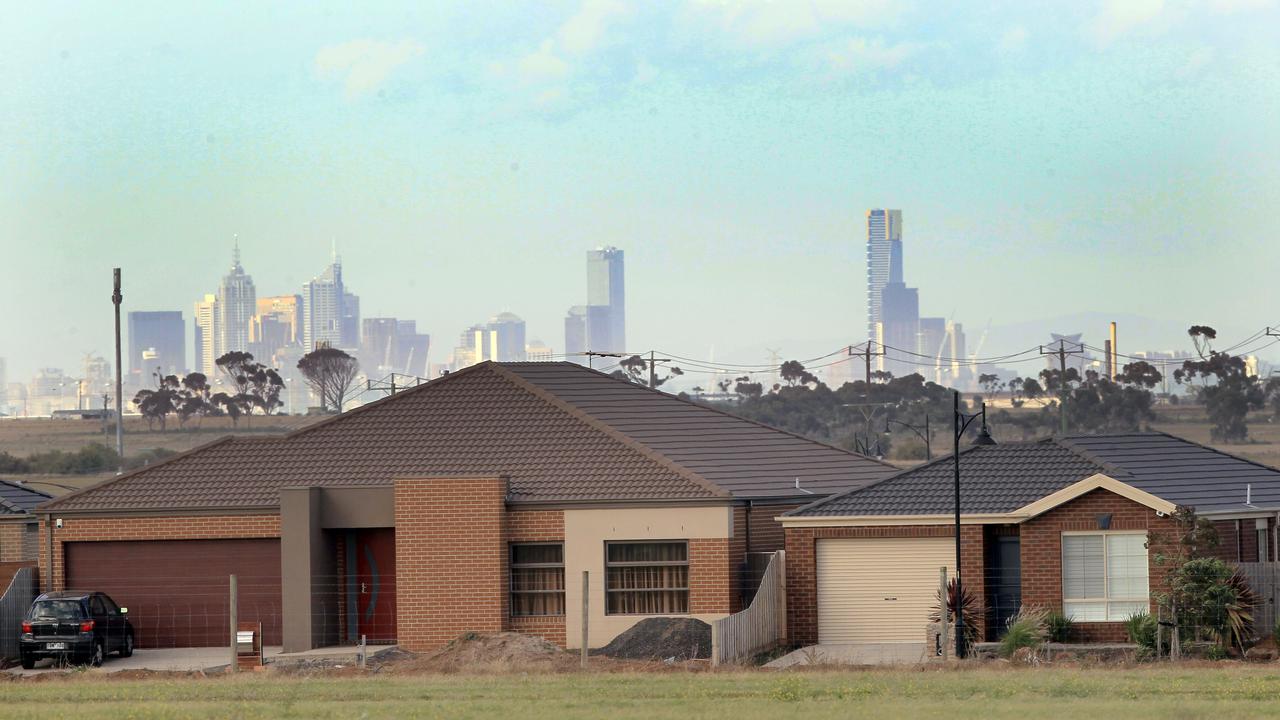
Despite the Victorian budget edging towards $200 billion in debt, the state government has committed to funding $11.5 billion of the rail project with the other third coming from “value capture”, such as elevated land tax revenue.
Australian cities have historically relied on radial rail networks to ferry commuters from the outer suburbs to a central hub.
But the great cities of the world, such as Paris, New York and London, also have orbital rail networks that enable people to get around a city without going into the middle and then back out again, Mr Albanese said.
“And that is what this vision does,” the prime minister told reporters.
Tunnelling for the project is expected to start by the end of 2026, with new line scheduled to be running by 2035.
Two further stages to extend the line across the city’s north and west are planned to follow.
But the rail loop has been much-maligned due to the first stage’s $34.5 billion price tag.
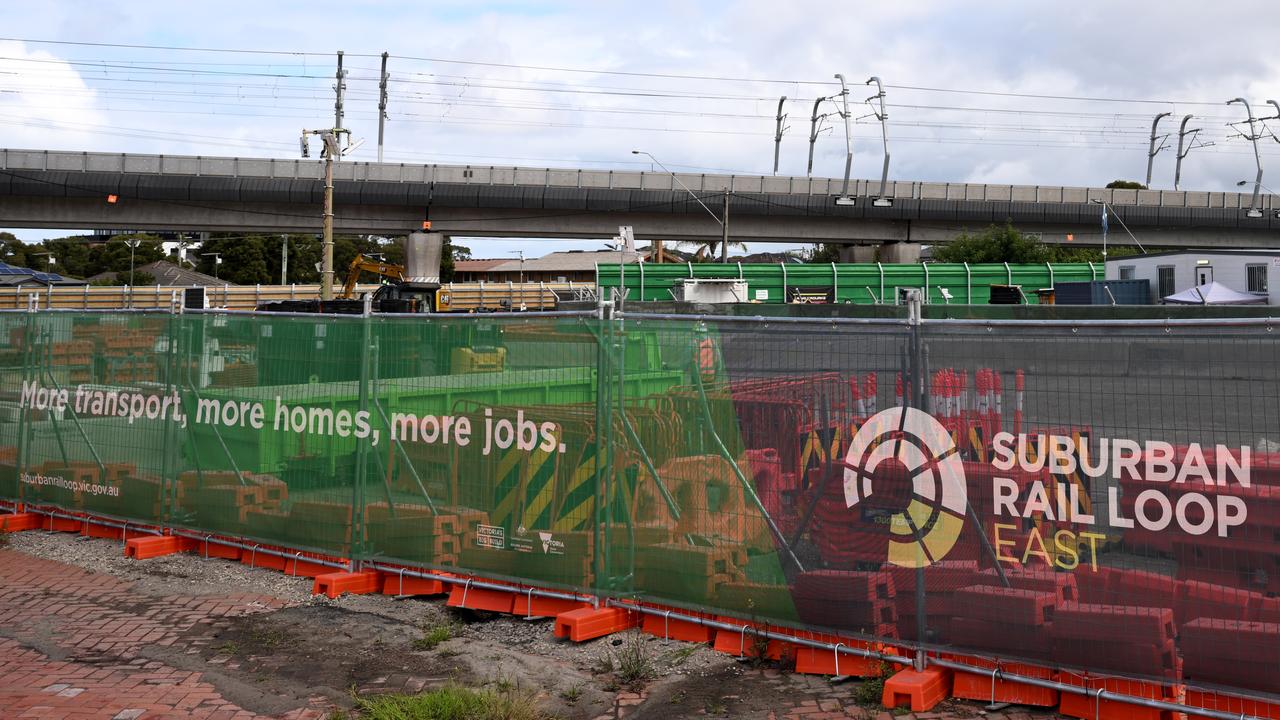
Victorian Opposition Leader Jess Wilson has promised to pause construction and review the project if she forms government in the November state election, despite $7.7 billion already due to be spent by mid-2027.
The Victorian government argues the spending is worthwhile because it will reshape how people travel around Melbourne, creating new hubs in the suburbs and generating thousands of jobs.
Despite the criticism, the cost per kilometre is forecast to be similar to comparable projects such as Sydney’s under-construction Parramatta to CBD Metro.
Monash University professor of public transport Graham Currie said there was no doubt the project would be expensive, but it was a “long-term, visionary” project that would have massive benefits.
“Melbourne is forecast to be the size of London by 2050 and London has much better railways than Melbourne,” he told AAP.
“If we can’t run Melbourne in 20 to 30 years time because there is too much traffic everywhere, what are we going to do?
“By then we might be wondering why we didn’t build more of these.”
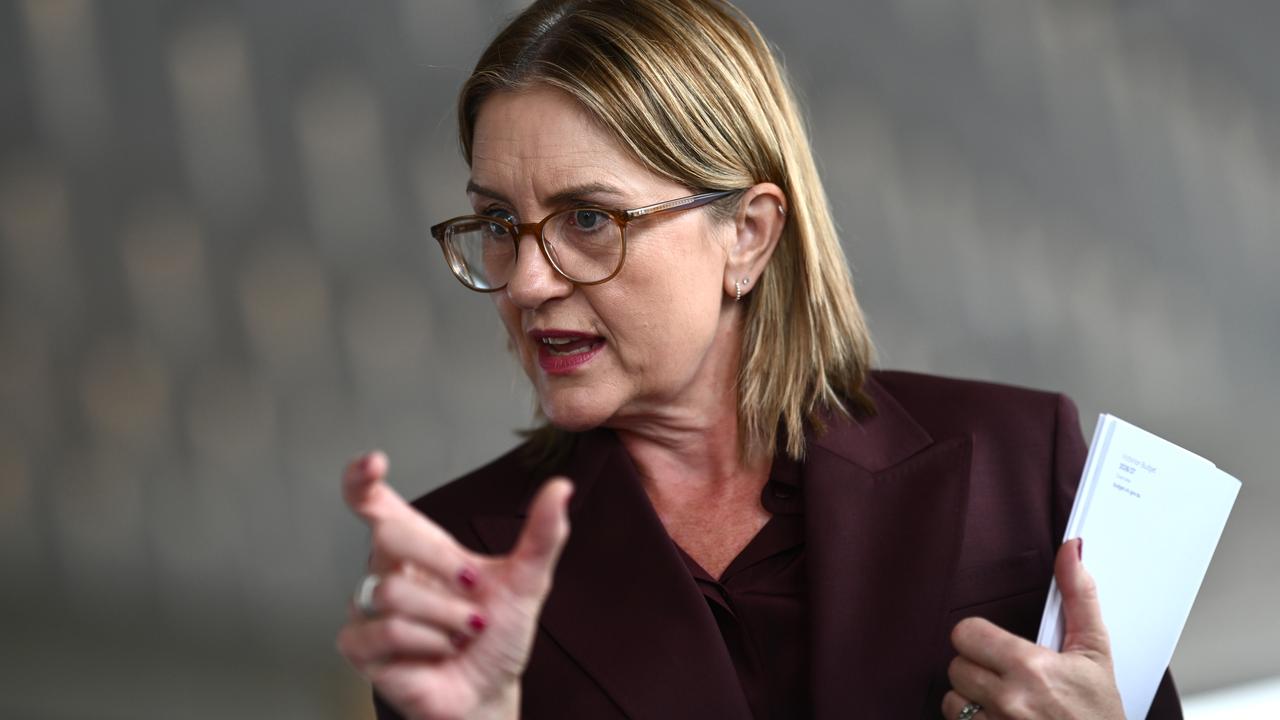
Victorian Premier Jacinta Allan praised her federal counterparts, saying they were a “partner in Canberra who gets what our growing state needs”.
“The Suburban Rail Loop will slash travel times and cut congestion for busy families,” she said.
The federal government angered farmers and regional leaders this week when it announced a major freight rail line intended to connect Melbourne and Brisbane would be cut short because of cost blowouts.
Tuesday’s budget will include plans to pare back the Inland Rail project and instead end it at Parkes, in central NSW, after analysis showed costs had soared from $16.4 billion to $45 billion.
The project had been funded “off-budget”, deemed an investment that would generate a return for the government over time.
But the government received advice that the extra $29 billion needed to finish the project would have provided an insufficient return to justify being funded off-budget, adding to the underlying deficit, Finance Minister Katy Gallagher said.
She said axing the project north of Parkes will reduce more than $4 billion from federal debt over four years from 2028/29.
20250407156606777901