
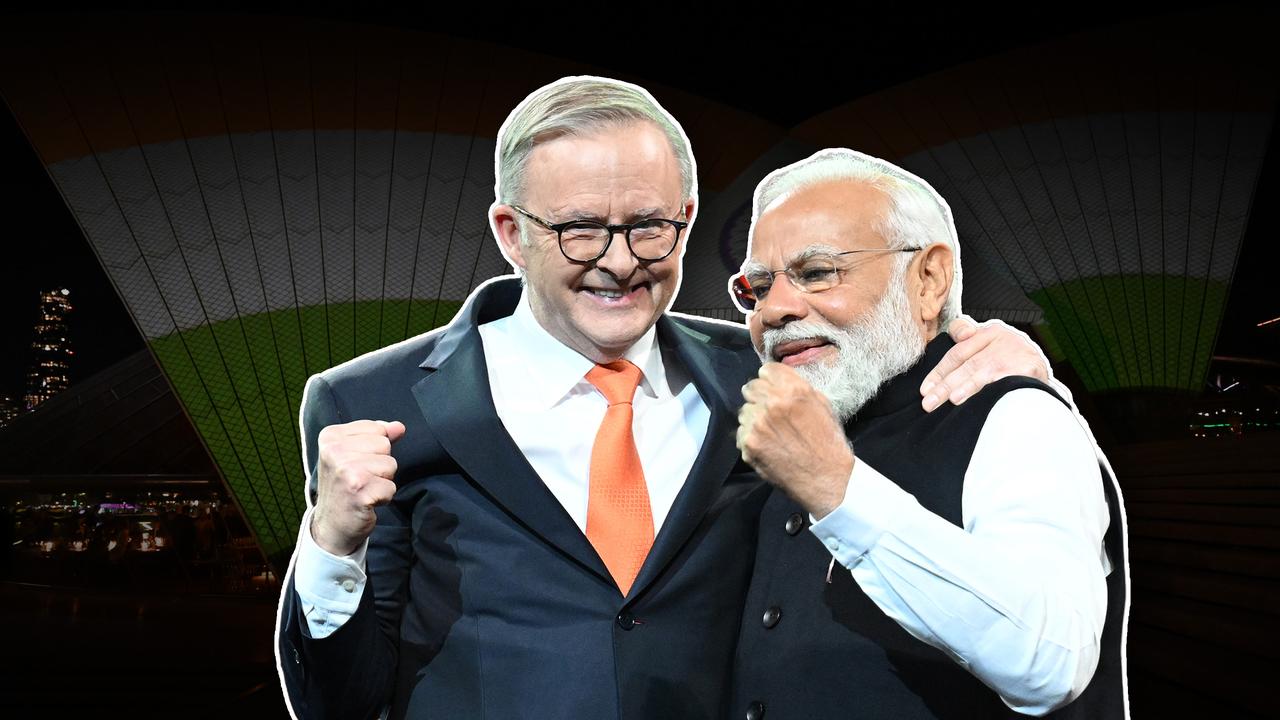
Few national leaders can lay claim to drawing a crowd of tens of thousands during an international diplomatic visit.
But the Indian diaspora throughout Australia are making their way to Melbourne in large numbers for a glimpse of Narendra Modi.
The Indian prime minister is in the country for three days and will meet Prime Minister Anthony Albanese before addressing 30,000 members of the Indian-Australian community in what is expected to be a loud rally at Marvel Stadium.
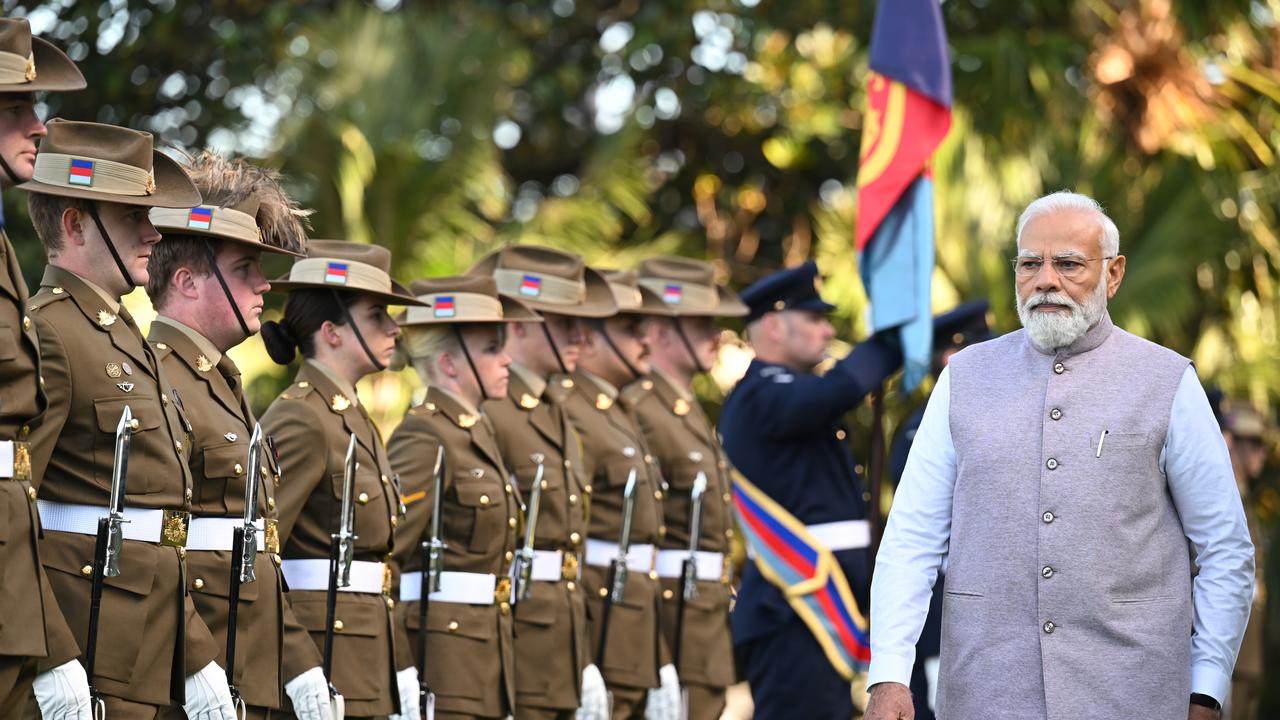
Mr Modi was one of three types of people who were “very popular” in his homeland, Canberra India Council chair Deepak-Raj Gupta said.
“Politicians, Bollywood stars and cricket players,” he said.
“It doesn’t really matter who you are if you fall into one of those.”
Mr Gupta is travelling to Melbourne with his wife and a contingent of friends to attend as many Modi-related events as possible.
“The Indian diaspora is now a very mature society in the nation,” he said, pointing to a large and politically active population as another reason for the huge crowd.
“The marketing strategy (of Mr Modi) is very good. The reach to the people is there.”
But Mr Modi is also one of the world’s most polarising political leaders.
Human rights groups such as Amnesty International have condemned him for declines in India’s living standards, including targeting of journalists and academics through anti-terror legislation.
Marginal religious groups including Muslims and Christians have also been targeted.
Nevertheless, Mr Modi was able to unite the Indian diaspora in a way no one else could, Australian Multicultural Action Network president Ravi Krishnamurthy said.
“We look for connection (between Australia and India). There is pride in adding to Australia’s multicultural community,” he said.
“That’s all happening in the next three days.”
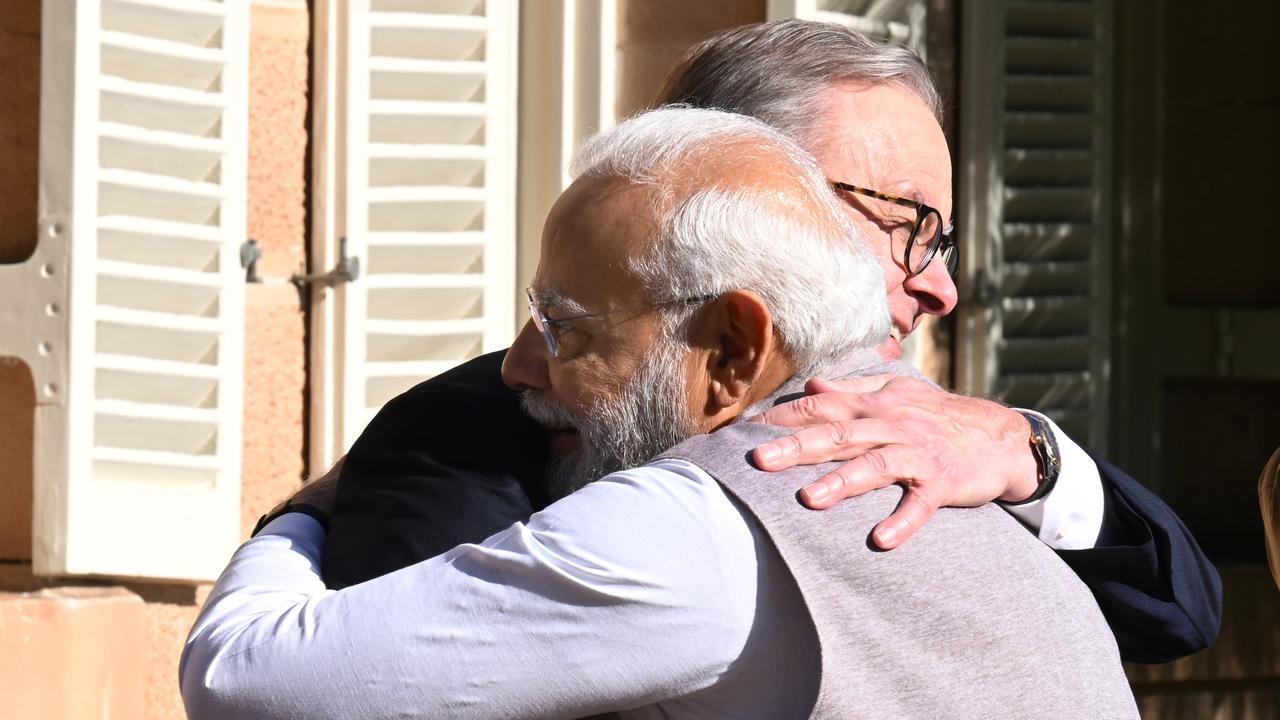
Mr Krishnamurthy said he hoped there would be more conversations about two-way trade and tertiary education deals.
“Businesses here are starting to invest in India,” he said.
Australia’s leaders will also look to increase trade between the two nations.
Mr Albanese and his Indian counterpart are likely to strike a deal to unleash swathes of Australian uranium into India.
It would end more than 10 years of delay after the countries signed a historic nuclear co-operation pact.

Australian Associated Press is the beating heart of Australian news. AAP is Australia’s only independent national newswire and has been delivering accurate, reliable and fast news content to the media industry, government and corporate sector for 85 years. We keep Australia informed.