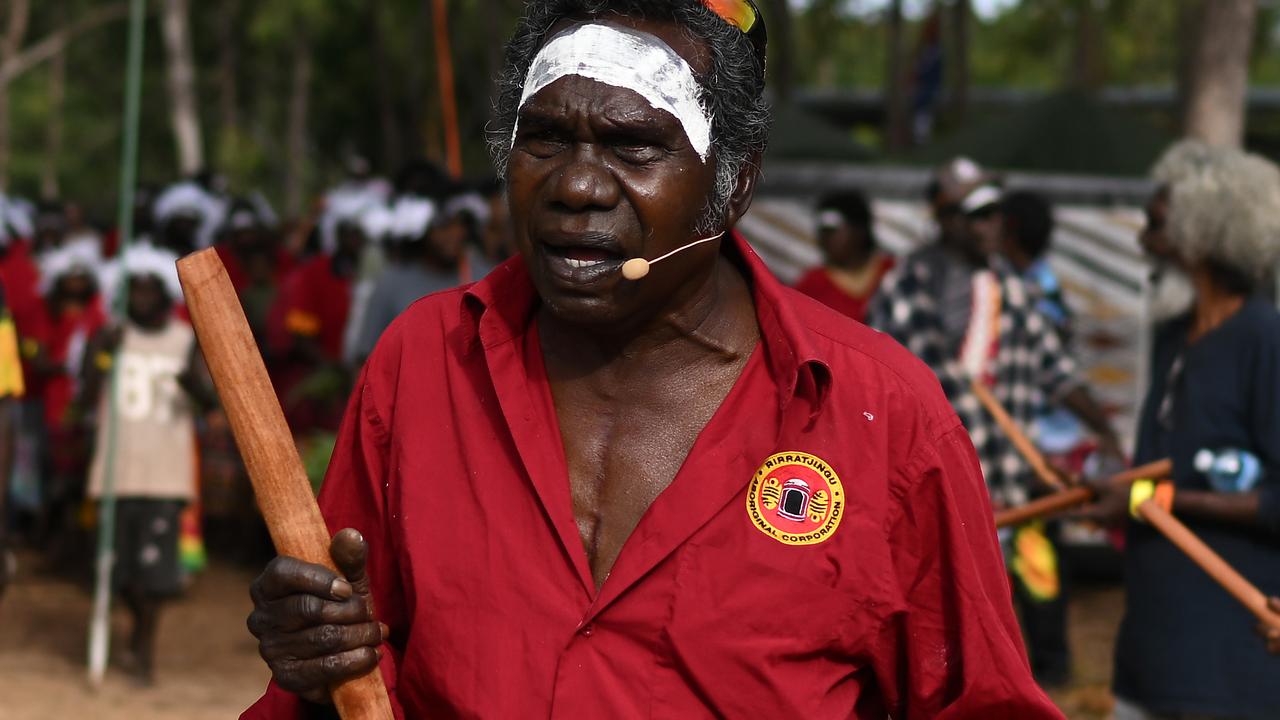

For Yothu Yindi founding member and senior Yolngu Elder Witiyana Marika, the end of large‑scale mining at Gove is no disaster.
It’s rather a chance for his community to reclaim Country and build a new future.
The Rirratjingu Elder, celebrated across Australia as a rock star, actor and cultural educator, has stepped away from the stage to take on a bigger role as a leader of his people in northeast Arnhem Land.
For decades, the Gove Peninsula has been synonymous with mining, royalty negotiations and corporate power.
But for Mr Marika, a senior Dirritay and Dhalgarra (ceremonial leader) who teaches Yolngu songlines and ceremonies, the looming end of bauxite production is part of a longer Yolngu story about caring for Country and setting the direction for the next generation.
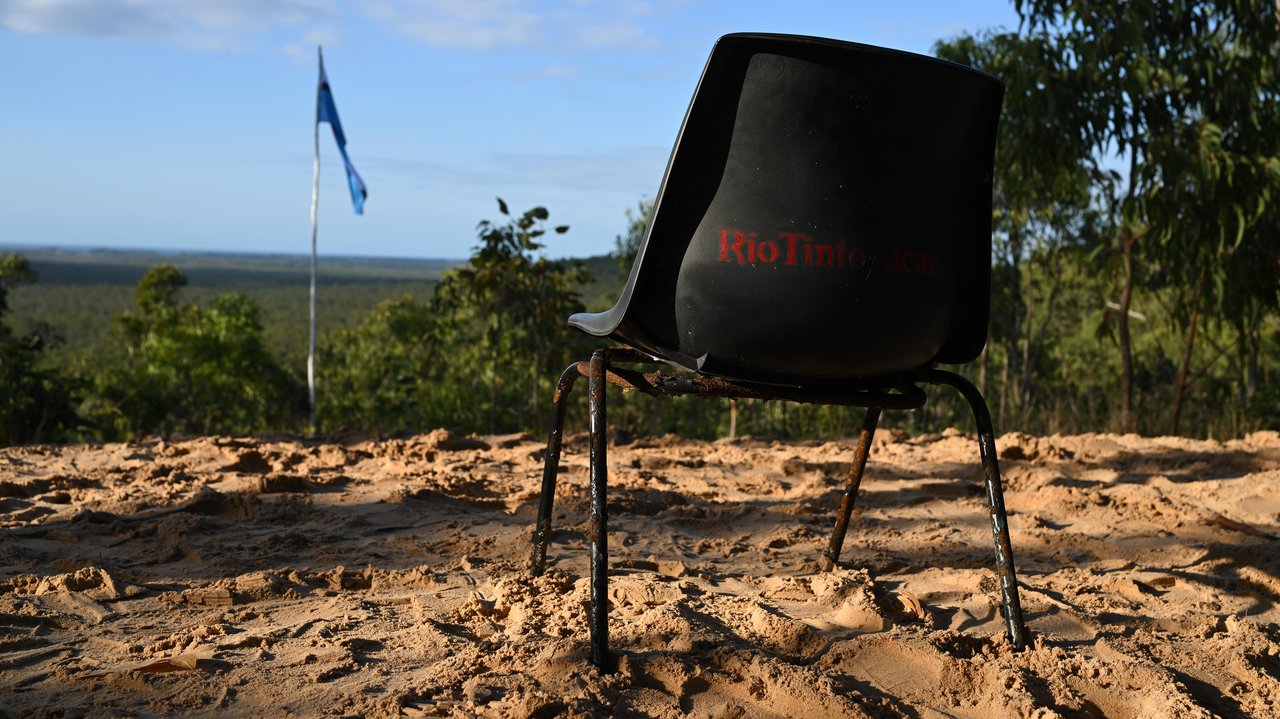
Sitting on Country near the Garma Festival site, he rejects suggestions the wind‑down of Rio Tinto’s operations will spell doom for the community.
Many outsiders are “painting it like a disaster” for Nhulunbuy and the surrounding Yolngu homelands, he says.
But he sees something different.
As the Northern Territory pushes to turn Rio Tinto’s soon‑to‑be‑idle fuel tanks into a national storage hub, Mr Marika says the community wants the mining era to end on terms that respect both the environment and Yolngu authority.
He says his people are “just anxious to get (their) land back” and determined to show they can operate businesses and manage development in their own right once mining ceases.
Far from fearing the transition, he describes it as a door opening.
“This is not a door closing – it’s a big opportunity,” he says, stressing that Traditional Owners plan to restore plants and Country while building a new, locally driven economy.
Walking “in two worlds” – as both a rock star and one of Australia’s most respected Indigenous leaders – Mr Marika says he is now focused on what comes after Rio Tinto leaves.
That future is at the centre of a push by the Northern Territory government and Traditional Owner corporations to turn Gove’s vast fuel infrastructure into a strategic asset for the nation.
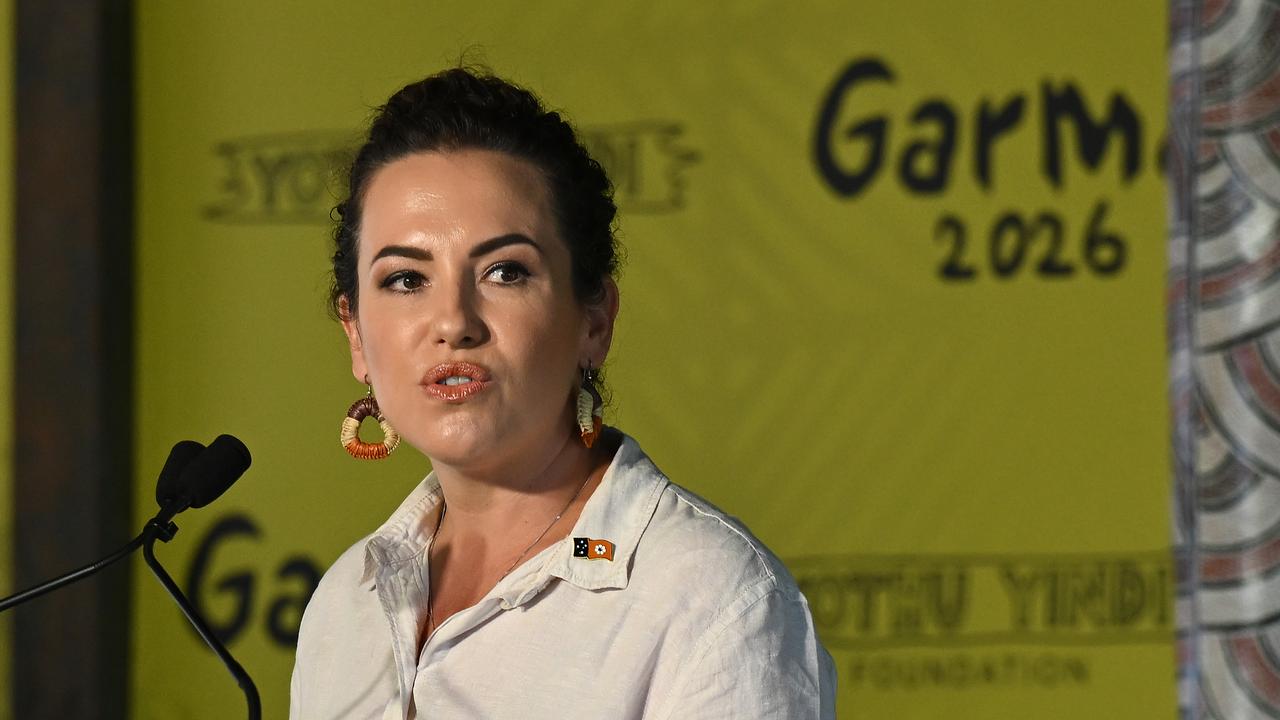
Speaking at Garma, Chief Minister Lia Finocchiaro said the Commonwealth should use part of its $3.2 billion Australian Fuel Security Reserve to refurbish seven large storage tanks and associated infrastructure on the peninsula.
The tanks, in place since the 1960s to supply Rio Tinto’s Gove bauxite mine, can hold a combined 220 million litres of fuel and sit alongside a deep‑water port capable of supporting a nationally significant storage and distribution hub.
“After the war in the Middle East exposed the fragility of Australia’s fuel supply chains, I am calling on the prime minister to make the Gove Peninsula a critical part of the national solution to secure fuel supplies,” Ms Finocchiaro told her Garma audience.
“Rather than see Rio Tinto decommission and demolish these assets, we have an opportunity to strengthen Australia’s fuel resilience, support remote communities, create local jobs, and deliver a new economic future for East Arnhem Land.”
Canberra plans to establish a one‑billion‑litre reserve of diesel and aviation fuel for regional Australia.
Ms Finocchiaro, along with Traditional Owner corporations Gumatj and Rirratjingu, has written to Prime Minister Anthony Albanese arguing Nhulunbuy is uniquely placed to host part of that reserve.
But she warned “the clock is ticking”, with Rio Tinto required to make decisions on the future of the fuel infrastructure and other surplus assets by mid‑2027 as the mine winds down.
“The Traditional Owners are ready. The Territory is ready. And industry is ready,” she said.
“The Northern Territory government is backing the future of Gove – and I’m calling on the Commonwealth to show through action, not words, that it is too. Because a strong north is a secure Australia.”
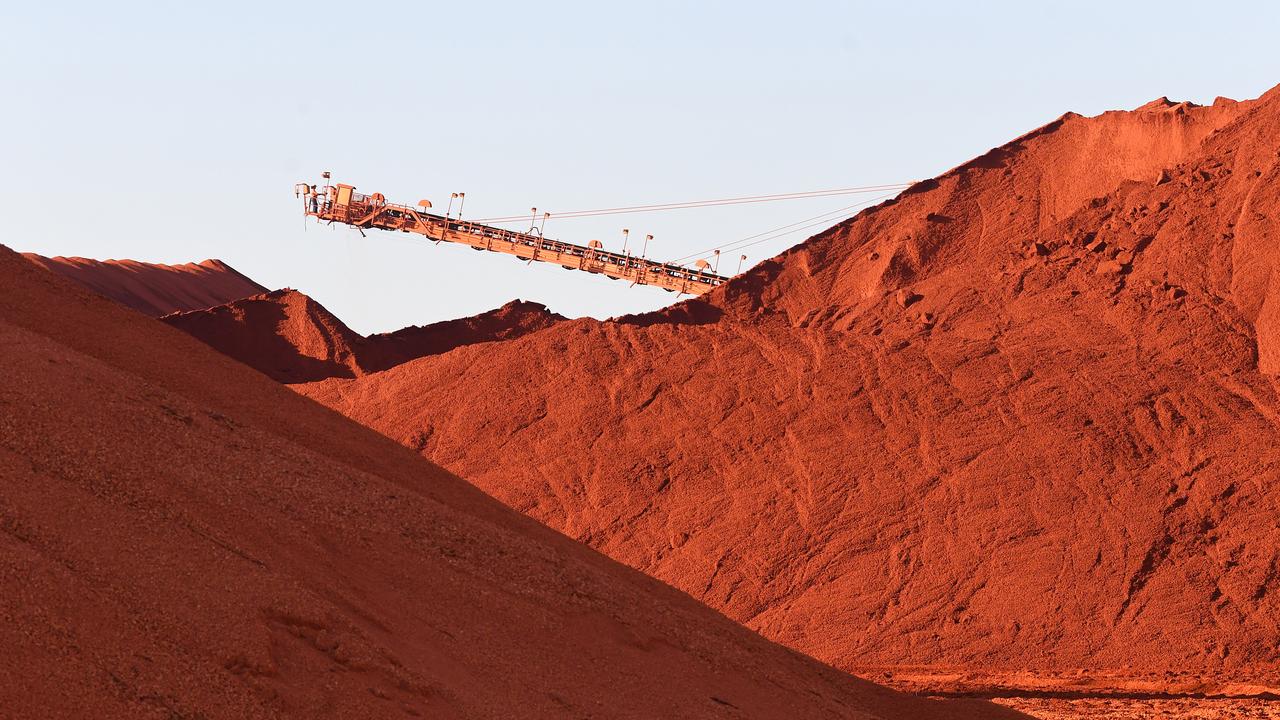
Rio Tinto’s Pacific operations managing director Armando Torres confirmed at Garma that bauxite production at Gove will end in 2029, closing an almost 60-year chapter of large‑scale mining on the peninsula.
Rio Tinto has operated the Gove mine since 2007, with predecessor companies mining the area for some four decades before that. The town was hit hard when the alumina refinery shut in 2014, costing more than 1000 jobs.
“Mining has been part of everyday life here for around 60 years,” Mr Torres said.
“It has supported jobs, families, business and services. Ahead of us is an opportunity to show collective leadership … to shape a strong post‑mining future for the region.”
The town of Nhulunbuy, home to about 3200 people, is now bracing for tougher times as the mine prepares to close and businesses leave.
Woolworths has announced it will close the region’s only supermarket in 2027 and locals have complained of uncertainty despite formal transition planning beginning in 2019.
Mr Torres said Rio Tinto would remain in the region for several years after production stopped to complete rehabilitation, and outlined measures aimed at smoothing the exit.
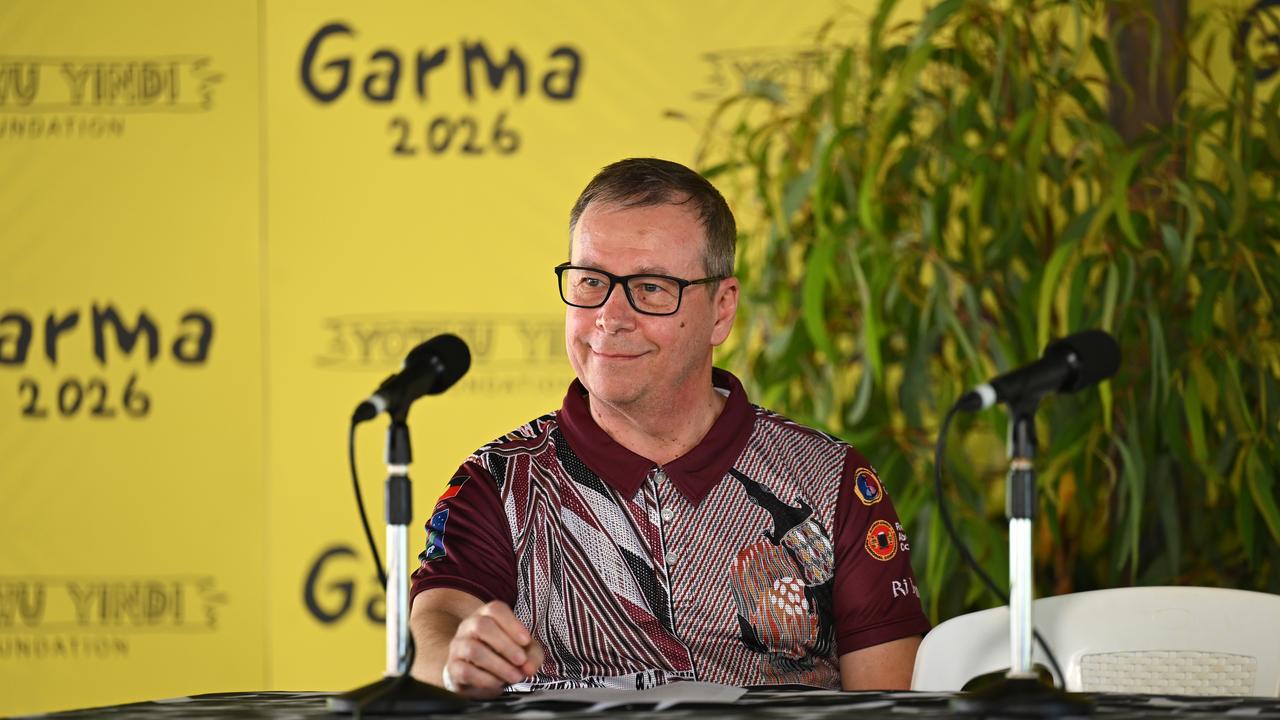
Rio has proposed releasing 25 houses by the end of 2026 to help ease a housing squeeze and keep essential workers in Nhulunbuy, and is investing more than $11 million in town works, including resealing the airport road and upgrading major intersections.
It has backed local training initiatives, a multi‑year careers program in six schools and financial literacy projects, and built two solar farms expected to cut annual carbon emissions by more than 12,000 tonnes.
“Our role is and should be behind the scenes,” Mr Torres said.
“We are here to support our partners on their vision for the future of the region.”
For Mr Marika, that vision is rooted in Yolngu law, ceremony and enduring connection to Country – and in proving the community can thrive beyond mining.
“We’ve done good investment,” he says, pointing to local initiatives and a renewed focus on land care and culture.
With the mine’s closure now fixed on the horizon, he wants Australia to see Gove not as a fading company town but as a place where Traditional Owners, governments and industry work together on a different kind of legacy.
“This is a big opportunity for our people – and it’s a big opportunity for this whole country too,” he says.

Australian Associated Press is the beating heart of Australian news. AAP is Australia’s only independent national newswire and has been delivering accurate, reliable and fast news content to the media industry, government and corporate sector for 85 years. We keep Australia informed.