An ageing blast furnace will be permanently shut down, but state and federal leaders are vowing to keep the fire burning on Australian steelmaking.
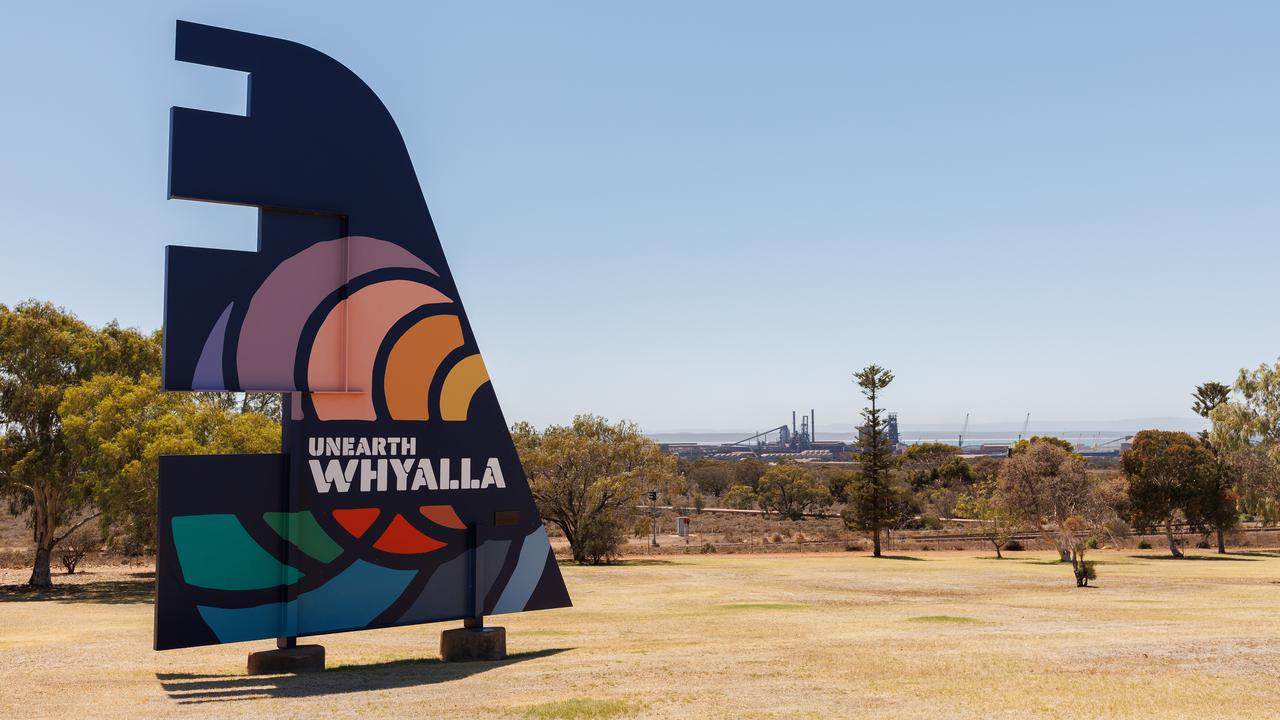
The Whyalla steelworks’ blast furnace has been offline since April, with workers at the South Australian site told on Monday it would soon go completely cold.
The furnace, commissioned in the 1960s and used to melt iron ore for making steel, has had repeated shutdowns in recent years and undergone unscheduled maintenance.
About 500 employees are expected to lose their jobs, plus another 100 labour hire workers.
“At the end of the day, the blast furnace made the decision itself,” said Sebastian Hams of the steelworks’ administrator KordaMentha.
“We’ve got to the point where it’s simply unsustainable to continue the blast furnace recovery and the failure of the blast furnace is inevitable.”
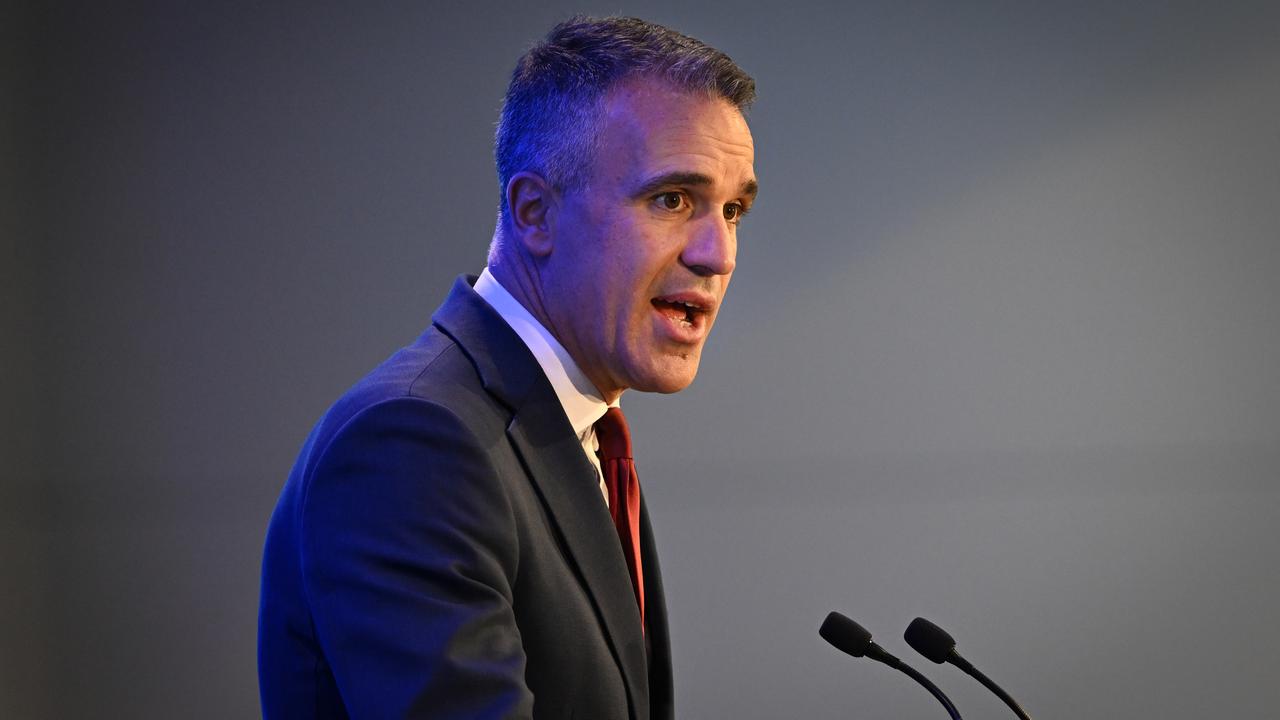
South Australian Premier Peter Malinauskas announced a $10.2 million transition and support package, jointly funded by state and federal governments.
Mr Malinauskas said the furnace’s life span ended sooner than anticipated and blamed its deterioration on the steelworks’ former owner GFG Alliance, headed by Indian-born British businessman Sanjeev Gupta.
“The reason that the blast furnace is closing today is because it’s over 60 years old,” he said.
“It hasn’t had a re-line in over 20 years and the previous owner ran it into the ground.”
Redundancies are expected to be voluntary and forced, but all workers will have their entitlements paid out in full.
Whyalla is one of only two Australian primary steelworks and the only local manufacturer of long products, including hot rolled structural steel sections and rail.
The South Australian government forced the steelworks into administration in February 2025 over the mounting debts of GFG Alliance.
A joint state-federal $2.4 billion rescue package was unveiled to keep the steelworks afloat under KordaMentha.
KordaMentha and the state government have been working to sell the business, with coal magnate Matt Latimore’s M Resources and India’s third-largest steelmaker Jindal Steel revealed as the final remaining bidders.
A consortium led by BlueScope Steel, which has been advising KordaMentha since March 2025, retains the right of final offer.
The sale is expected to be finalised by the end of 2026.
Mr Malinauskas said the blast furnace was always turning off because it had “no value” to the new buyer.
“It is incongruous to me the idea that Australia could be the world’s biggest iron ore exporter and then not know how to use the stuff,” he said.
The Albanese government has been under pressure from the minerals processing industry to prop up loss-making facilities or risk further eroding Australia’s industrial workforce.
“Our focus is on supporting workers now while creating the conditions for a new owner to invest in a stronger, more sustainable future for Whyalla and Australian steelmaking,” federal Industry Minister Tim Ayres said.
Rescue packages have previously been doled out to Nyrstar’s lead smelters in South Australia and Tasmania and the nation’s largest aluminium smelter at Tomago in NSW’s Hunter region.
Whyalla mayor Phill Stone said it was a sad day but the local community would “breathe a sigh of relief” in some respects.
Australian Workers’ Union SA organiser Shane Karger pointed out the end of the blast furnace did not spell the end for Whyalla.
“Today is day one of moving towards a new future for Whyalla,” he said.
Federal opposition industry spokesman Andrew Hastie described it as a “brutal blow” for workers, the local community and sovereign capability.
“What we’ve seen is now the closure of 75 per cent of Australia’s capacity of structural steelmaking,” he told reporters in Canberra.
“It’s a future made overseas, not a future made in Australia.”

Australian Associated Press is the beating heart of Australian news. AAP is Australia’s only independent national newswire and has been delivering accurate, reliable and fast news content to the media industry, government and corporate sector for 85 years. We keep Australia informed.