
Hate speech including anti-Semitism is treated differently to “truly heinous” content such as glorification of terrorism on some of the biggest social media platforms, Meta has revealed.
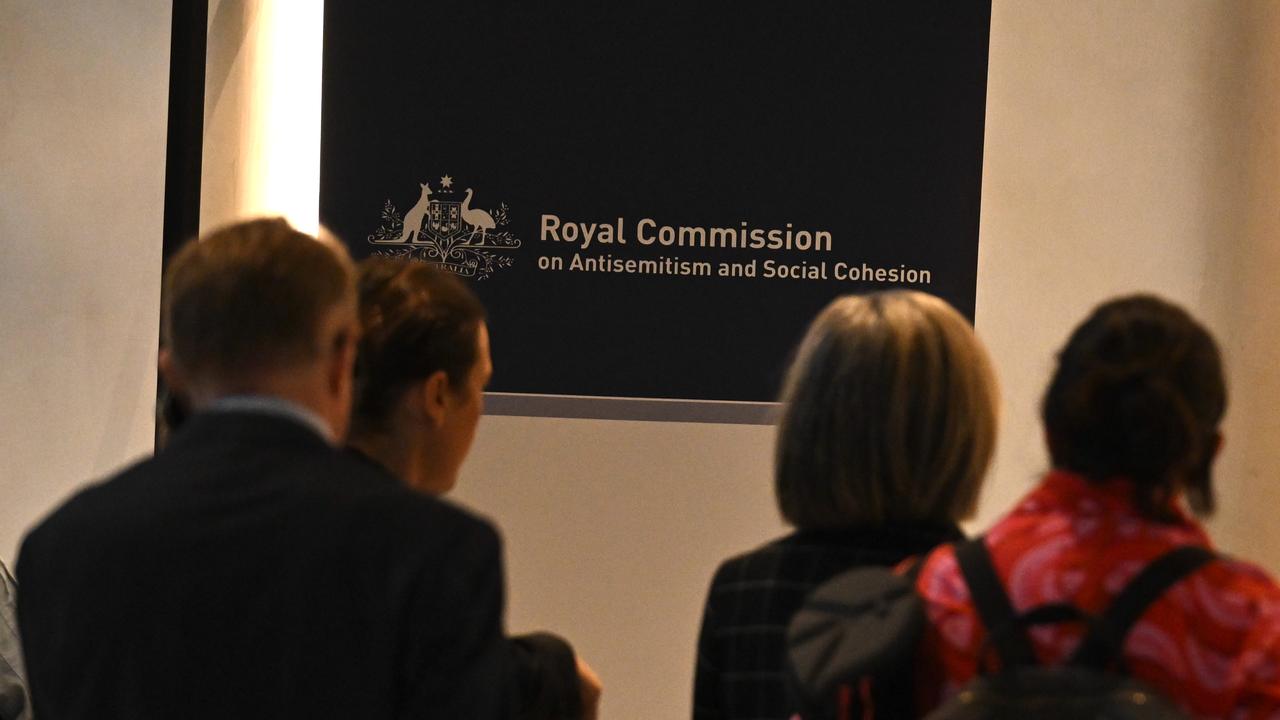
The digital giant, which owns Facebook, Instagram and Threads, has faced a grilling at Australia’s anti-Semitism royal commission over controversial changes to its content moderation policy, which is allowing more hate speech to slip through the cracks.
The previous moderation system was over-policing political speech and had shut down Jewish communities trying to speak out against anti-Semitism, Meta’s global director of core policy told the inquiry on Monday.
“They were trying to engage in counter-speech, and unfortunately our systems were affecting them,” Brendan Good said.

Under the January 2025 changes, Meta shifted to “reactive” moderation for most kinds of content in a bid to allow freer debate about issues like migration and gender, where potentially hateful posts will stay up until they are reported by users.
It also got rid of fact-checkers and promoted more political content.
More egregious posts including child sexual abuse and promotion of terrorism are proactively removed using artificial intelligence, Mr Good told counsel assisting Richard Lancaster SC.
“In proactive enforcement, it is the gold standard to remove violating content before it is viewed,” he said.
“However, it carries risks when we remove content proactively. If we are wrong, if the content does not violate, then there is a significant risk of over-enforcement.”
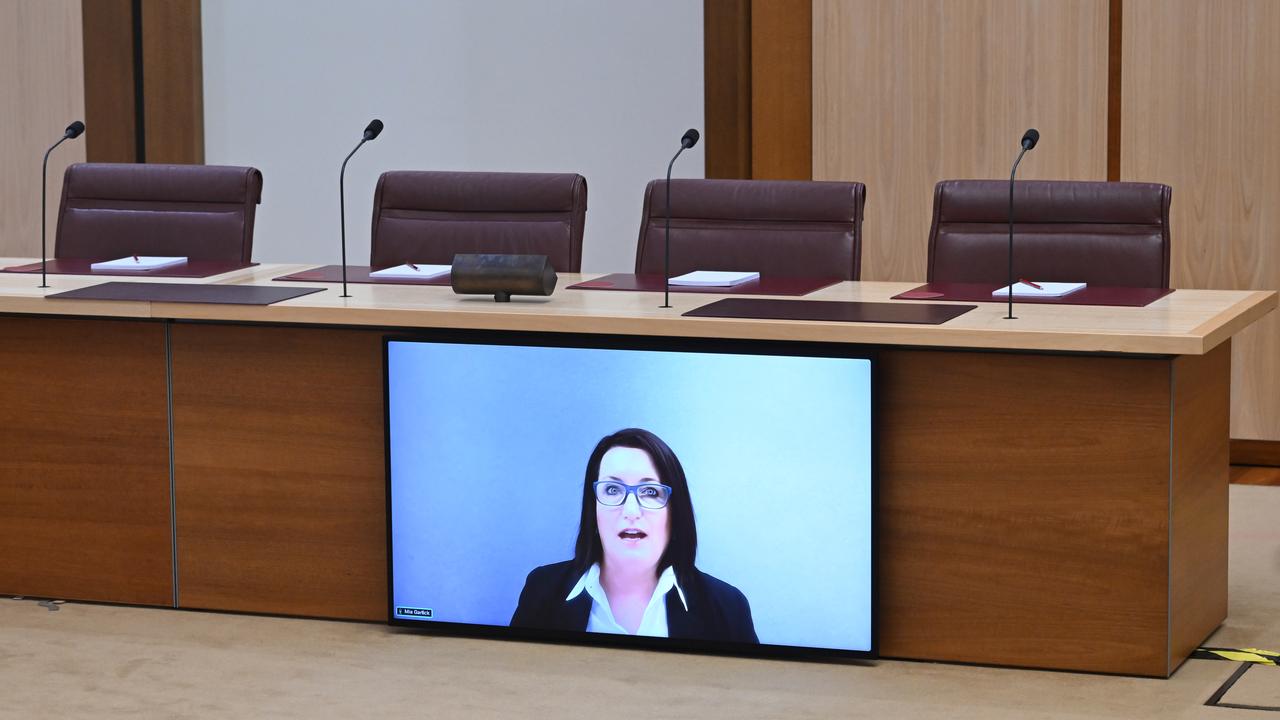
Mr Good, who dialled in from the US via video-link, said the social media giant found users would often use Zionist as a “coded term” for Jews, complicating efforts to crack down on anti-Semitism.
“(We) found that many people were using the word Zionist as a coded term in content in order to evade our enforcement against claims that Jewish people have undue control,” he said.
Roughly 0.02 per cent of content is classified as hateful conduct, Mr Good added.
Confronted with figures showing a 79 per cent reduction in the amount of hateful conduct on which Meta has taken action since the January 2025 changes, Mr Good agreed the number was in the ballpark.
Asked what was driving the change, Mr Good said he didn’t know and didn’t want to speculate because of the complexity of the content moderation system.
Meta says it has provided approximately 650 documents and three statements to the royal commission.
Its large online presence reaches millions of Australians each day, including via platforms Facebook, Instagram and Threads, and popular messaging apps WhatsApp and Messenger.
In June, Meta was named the second most distrusted brand in Australia – behind Optus – in a Roy Morgan survey of businesses.
Monday’s other witnesses are Tiat Oon Ooi from the streamer Kick and Tal-Or Cohen Montemayor from online anti-Semitism tracker Cyberwell.
Australia’s general manager for Anthropic, the owner of the large language model Claude, appeared last week.
The commission had previously been told some social media platforms could not identify anti-Semitic posts that used symbols or intentional misspelling to perpetuate anti-Semitism, even with the help of AI.
But Anthropic’s Theo Hourmouzis said its chatbot could capture and even intercept such content.
The Sydney hearings are exploring hateful speech online and in traditional media, with public broadcasters ABC and SBS expected to appear later this week.
The fourth hearing block in Melbourne from July 13 will focus on experiences of anti-Semitism at universities, before a fifth block in Sydney from July 20 examines security arrangements for the Jewish community.
Facebook Australia policy director Mia Garlick will also appear.
Australian Associated Press is the beating heart of Australian news. AAP is Australia’s only independent national newswire and has been delivering accurate, reliable and fast news content to the media industry, government and corporate sector for 85 years. We keep Australia informed.