
First Iran war inflation data to lock in RBA rate hike
The Iran war may be in its ninth week but its impact on the Australian economy has yet to materially show up in hard data.
That changes on Wednesday.
The Australian Bureau of Statistics is likely to reveal fuel prices surged by 35 per cent in March, pushing headline inflation up to 4.7 per cent, according to economists at ANZ Bank.
However, the Reserve Bank, which was concerned about inflation before the conflict, will pay closer attention to quarterly inflation figures also released on Wednesday.
The bank’s preferred gauge of underlying inflation, the quarterly trimmed mean, is likely to show a 0.9 per cent rise, lifting annual growth from 3.4 per cent to 3.6 per cent, predict ANZ economists Madeline Dunk and Adam Boyton.
“For the RBA, the quarterly data is likely to affirm the underlying inflation pressures evident in the economy before the escalation of the Middle East conflict in late February,” they said.
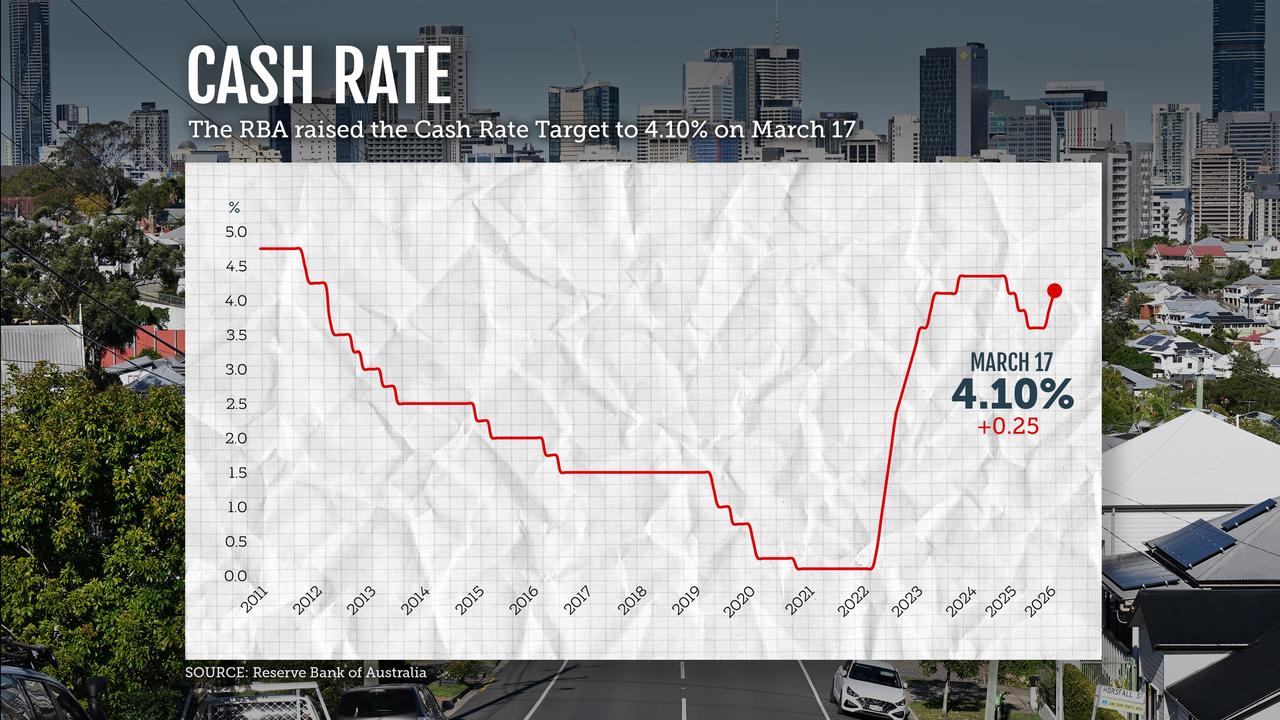
“We continue to expect the RBA will hike 25 basis points in May, taking the cash rate to 4.35 per cent.”
Markets are pricing in the chance of a rate hike on Tuesday at about three-quarters, with two hikes fully priced in by Christmas.
Although fuel will be trimmed out from the underlying figure, it pushes other fast-growing expenditure items back down into the basket, mechanically pushing up core inflation.
In February, the RBA had forecast the trimmed mean to hit 3.7 per cent in June.
Headline inflation will also receive a significant leg up from electricity prices, which are set to record a jump of about 20 per cent quarter-on-quarter as a result of government subsidies rolling off, economists at JP Morgan said.
With follow-on effects of the oil shock set to hit even harder in following months, the clear risk is that inflation will exceed the RBA’s forecast.
Tackling inflation isn’t the central bank’s only concern.
Equally important is ensuring inflation expectations remain anchored; that is, people expect inflation to return to target over the medium term.
ANZ and Roy Morgan’s weekly inflation expectations index, which asks respondents how high they expect inflation to be in two years’ time, came in at 6.6 per cent on Tuesday.
While it remains an uncomfortably high reading for the RBA, it was the lowest rate since early March, when the government announced it was cutting the fuel excise.

Spotlight on Rebel Wilson as she testifies in film feud
Hollywood star Rebel Wilson is set to spend a second day in the spotlight after denying repeated accusations that she was lying during a fiery defamation battle with her co-star.
The Pitch Perfect star is being sued by Charlotte MacInnes, the 27-year-old lead actor of the musical comedy The Deb.
MacInnes claims she was defamed by Wilson in social media posts that suggested she is a liar who retracted a sexual harassment complaint to further her acting and music career.

Wilson claims the young actor confided that she felt uncomfortable after the film’s co-producer Amanda Ghost asked her to have a shower and a bath together in September 2023.
“I was pretty shocked by it,” Wilson told the Federal Court during the first day of her evidence on Tuesday.
“I took it as a sexual harassment complaint.”
Work had been underway on The Deb for years and shooting was just weeks away at the time, the actor told the court.
“This is a fun girl-power movie and the worst thing that could have fallen into my lap at that point was a sexual harassment complaint,” she said.

The conversation allegedly occurred a day after MacInnes shared a bath with Ms Ghost in their swimwear in a bid to warm up after the producer suffered a medical episode at Bondi Beach.
MacInnes denies making a complaint to Wilson and insists she never said she felt uncomfortable.
The Bridesmaid star says she asked the young actor if she was alright and reported the matter to another producer before escalating it higher at a later date.
She will continue to give evidence on Wednesday, when she is expected to be grilled about the aftermath of the alleged complaint.
In her affidavit, the first-time director wrote that she overheard the producer and young star saying things of a sexual nature to each other, which MacInnes has rejected as untrue.
It is likely Wilson will face questioning about a claim MacInnes made in her own sworn statement that the older actor had directed a cyber attack on her social media accounts.
MacInnes alleges her Snapchat account was breached and there was an attempted breach of her Facebook account just days after she filed legal proceedings against Wilson in September last year.
The hack led to a nude photo of her being leaked to all of her contacts, she claims.
“I believe that this was orchestrated by Rebel,” she wrote in her affidavit.
There has not yet been evidence aired in open court to support her claim and Wilson has not been quizzed about it.
Bid to slash red tape, green light development faster
Energy, housing and resources projects will be fast-tracked under an Albanese government bid to remove a “layer of bureaucracy” by speeding up approvals.
Prime Minister Anthony Albanese will on Wednesday announce more than $45 million over the next four years to progress environmental bilateral agreements with states and territories to remove approval duplication.
The funding will be provided to encourage governments across the country to prioritise signing on to new assessment and approval agreements with the Commonwealth.
State and territory leaders who sign a new deal with the federal government will be allowed to assess proposals and green-light them on behalf of the Commonwealth.
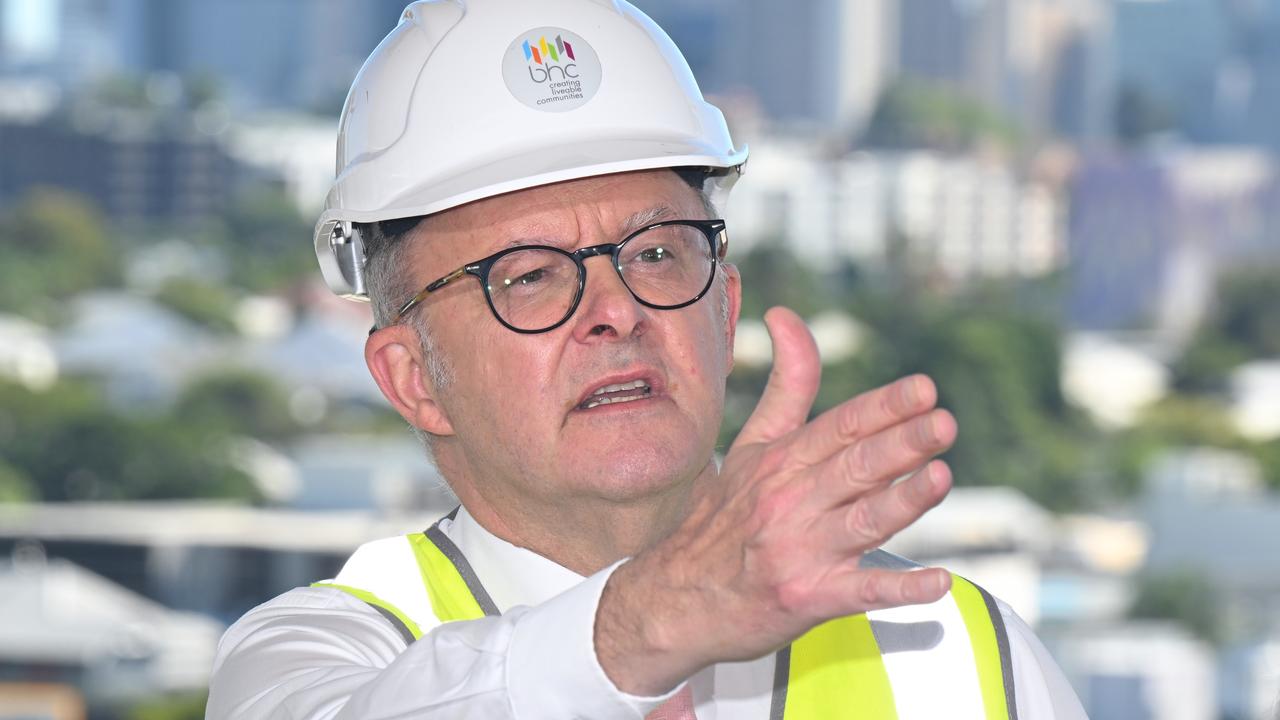
In a speech to the Chamber of Minerals and Energy WA in Perth on Wednesday, Mr Albanese will point to median approval times for projects under the Environment Protection and Biodiversity Conservation Act blowing out from 48 weeks 20 years ago to 118 weeks now.
The drawn-out process resulted in investors walking away from projects and communities missing out, the prime minister will say.
“This will fast-track new energy, housing and resources projects by combining federal and state approvals, effectively removing an entire layer of bureaucracy from the process,” he will say.
“So instead of a two-stage, two-track process, with that all the cost of delays and doubling up, this will be a one-step process, with one, clearer, faster, yes or no.
“After too many wasted years, this can be a circuit-breaker – if the states step up and sign up.”
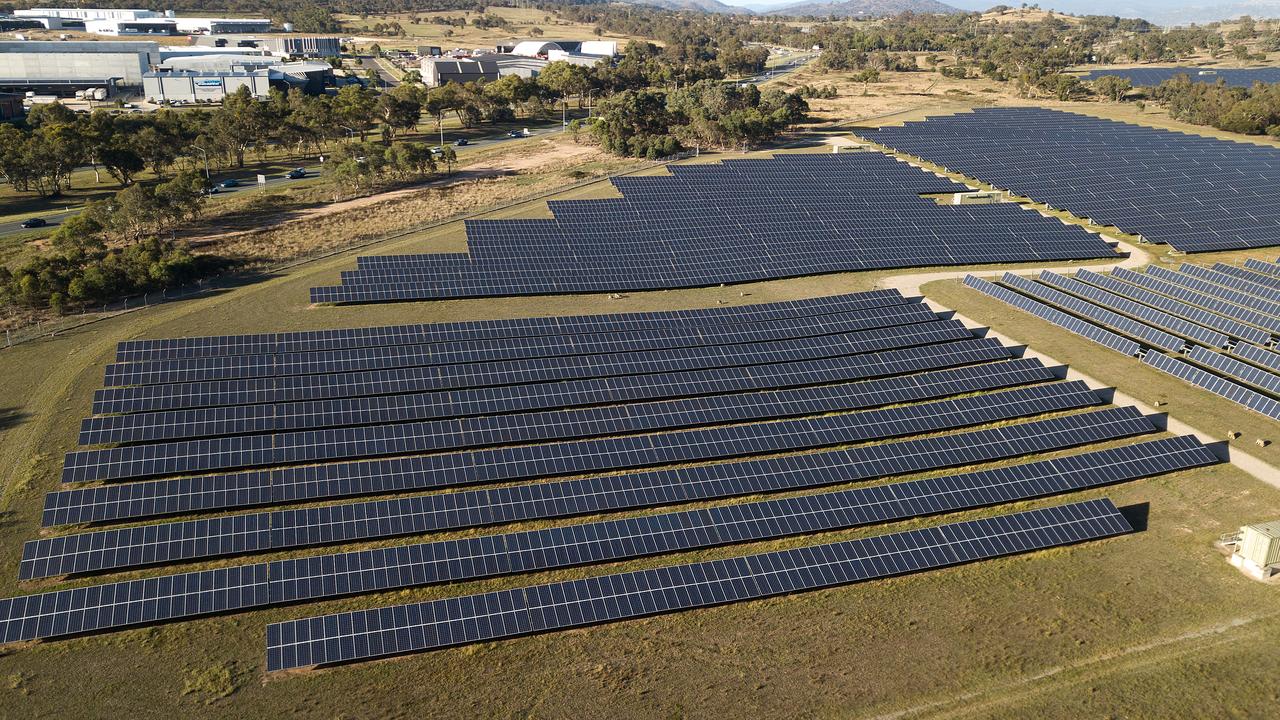
Labor’s environmental protection reform was passed by parliament in November 2025.
The changes seek to increase efficiency in project assessments and provide greater transparency in decision making.
The prime minister will also say as a result of the conflict in the Middle East, building national resilience will be a key focus of the May budget, to be handed down in two weeks’ time.
“It will be our government’s most important budget to date – and our most ambitious,” he will say.
“The challenges confronting our nation right now demand that ambition – and so too do the opportunities ahead of us.”
United Arab Emirates quits OPEC in blow to oil cartel
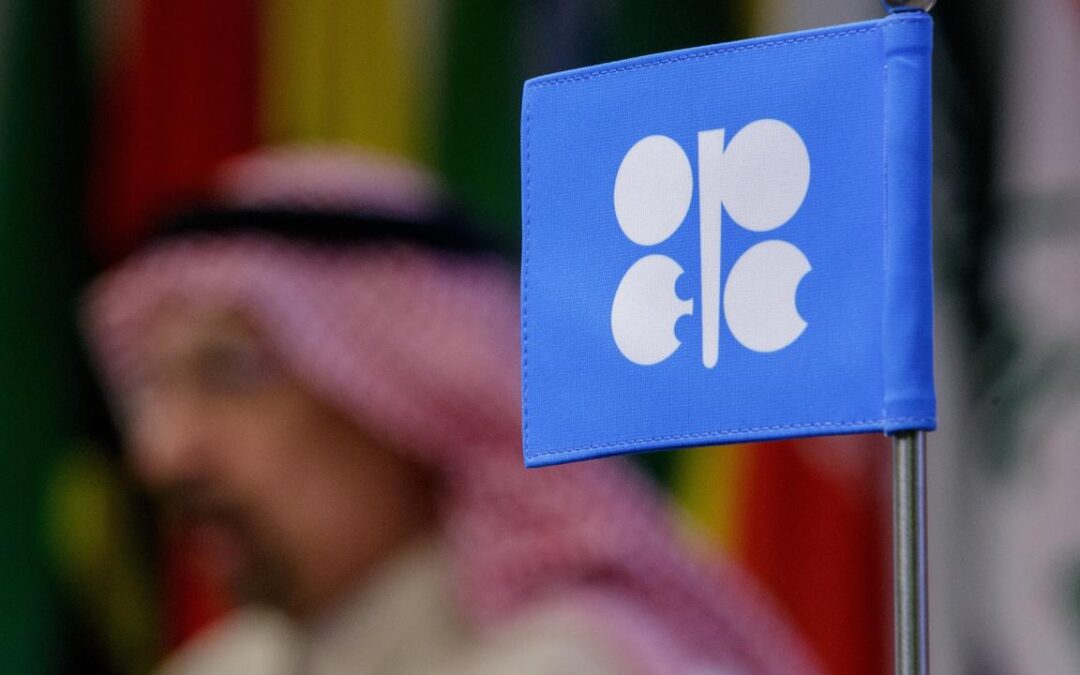
The United Arab Emirates says it is quitting oil-producers’ group OPEC as an unprecedented energy crisis triggered by the Iran war exposes discord among Gulf countries.
The loss of the UAE, a longstanding OPEC member, could create disarray and weaken the group, which has usually sought to show a united front despite internal disagreements over a range of issues from geopolitics to production quotas.
UAE Energy Minister Suhail Mohamed al-Mazrouei told Reuters the decision was taken after a careful look at the regional power’s energy strategies.
Asked whether the UAE consulted with OPEC’s de-facto leader Saudi Arabia, he said the UAE did not raise the issue with any other country.
“This is a policy decision, it has been done after a careful look at current and future policies related to level of production,” the energy minister said.
The country will withdraw from the Organisation of the Petroleum Exporting Countries effective May 1, the state news agency WAM said on Tuesday.
The UAE’s decision had been rumoured as a possibility for some time, as it pushed back in recent years against OPEC production quotas it felt had been too low – meaning it was not able to sell as much oil to the world as it had wanted.
OPEC Gulf producers have already been struggling to ship exports through the Strait of Hormuz, a choke point between Iran and Oman through which a fifth of the world’s crude oil and liquefied natural gas normally passes, because of Iranian threats and attacks against vessels.
Mazrouei said the move, in which the UAE will also leave the OPEC+ grouping, would not have a huge effect on the market because of the situation in the strait.
The UAE’s exit from OPEC is likely to be welcomed by US President Donald Trump, who in a 2018 address to the United Nations General Assembly accused the organisation of “ripping off the rest of the world” by inflating oil prices.
Trump has also linked US military support for the Gulf with oil prices, saying that while the US defends OPEC members they “exploit this by imposing high oil prices”.
The move came after the UAE, a regional business and financial hub and one of the United States’ most important allies, criticised fellow Arab states for not doing enough to protect it from numerous Iranian attacks during the war.
Anwar Gargash, the diplomatic adviser for the UAE president, criticised the Arab and Gulf response to the Iranian attacks in a session at the Gulf Influencers Forum on Monday.
“The Gulf Cooperation Council countries supported each other logistically but politically and militarily, I think their position has been the weakest historically,” Gargash said.
“I expect this weak stance from the Arab League and I am not surprised by it but I haven’t expected it from the (Gulf) Cooperation Council and I am surprised by it,” he said.
Mazrouei noted the UAE has been a member of OPEC and OPEC+ for a long time but he said the world would demand more energy, suggesting his country’s move will help meet those needs.
The UAE’s exit comes as global spare capacity hovers at historically low levels, leaving the oil market increasingly tight.
Ultimately, the UAE views its exit from the bloc as a net positive for consumers and the broader global economy, ensuring a more responsive and reliable energy supply.
with DPA and AP
United Arab Emirates intends to leave OPEC oil cartel
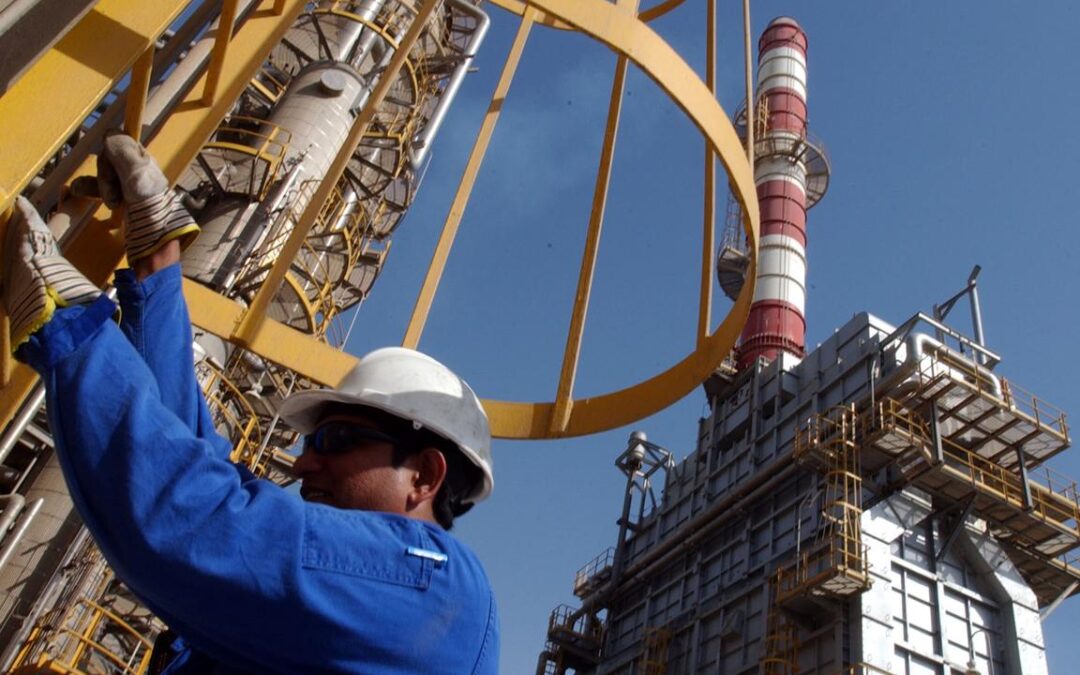
The United Arab Emirates has announced it will leave the oil cartel OPEC and its wider OPEC+ group effective on May 1, a move rumoured for some time as the Emirates chaffed under production restrictions and increasingly had frostier relations with neighbouring Saudi Arabia.
The UAE had been a longtime member of OPEC, first through its emirate of Abu Dhabi in 1967 and later when the UAE became its own country in 1971.
But the UAE has been increasingly trying to leverage its own foreign policy in the Middle East that has contradicted some positions of Riyadh over time – particularly as Saudi Arabia began to directly challenge the Emirates in trying to draw foreign investments as the kingdom opened up under assertive Crown Prince Mohammed bin Salman.
The UAE made the announcement via its state-run WAM news agency.
“This decision reflects the UAE’s long-term strategic and economic vision and evolving energy profile, including accelerated investment in domestic energy production, and reinforces its commitment to a responsible, reliable, and forward-looking role in global energy markets,” the UAE said on Tuesday.
“Following its exit, the UAE will continue to act responsibly, bringing additional production to market in a gradual and measured manner, aligned with demand and market conditions,” the country said.
Saudi Arabia long has been considered a heavyweight of OPEC, an oil cartel based in Vienna that has seen some of its market power wane as the United States increased its production of crude oil in recent years.
Saudi Arabia and the UAE increasingly have competed over economic issues and regional politics, particularly in the Red Sea area.
The two countries had joined in together in a coalition to fight against Yemen’s Iran-backed Houthi rebels in 2015.
However, that coalition broke down into recriminations in December 2025, when Saudi Arabia bombed what it described as a weapons shipment bound for Yemeni separatists backed by the UAE.
Saudi broadcasters long based in Dubai, the economic hub of the UAE, have pulled back to the kingdom in recent months as well as the tensions rose.
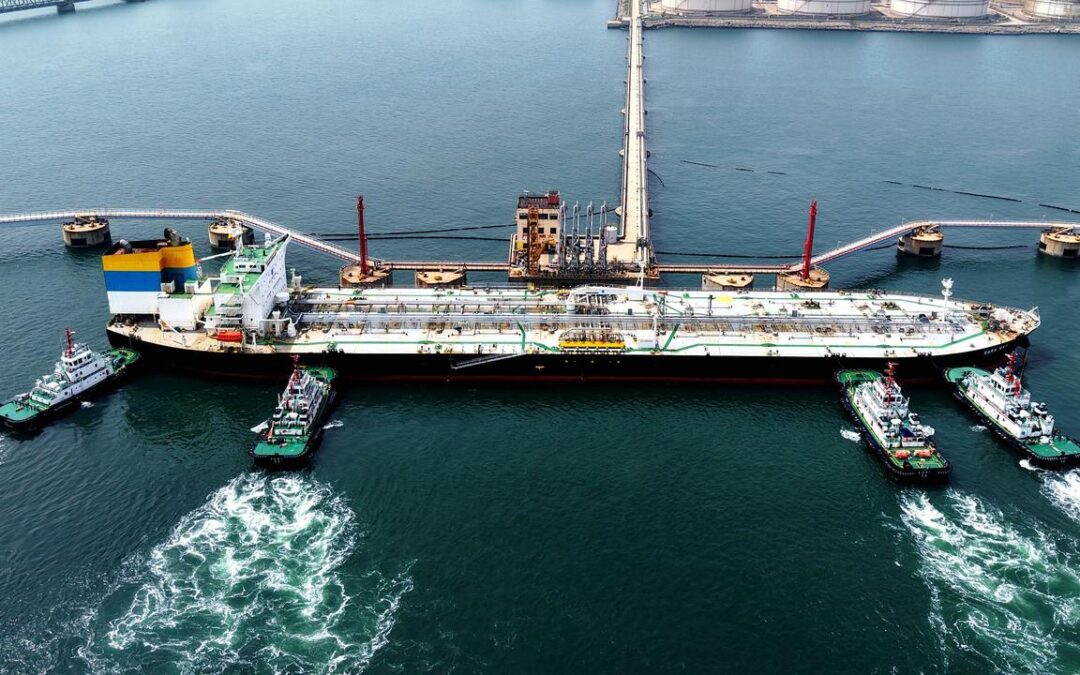
China’s leaders pledge to strengthen energy security
China’s top leadership is pledging to strengthen the nation’s energy security and respond to external shocks by continuing to pursue a policy of rapid technological development and greater control over supply chains to strengthen economic self-sufficiency.
The Politburo, a top decision-making body of the ruling Communist Party, was cited on Tuesday as saying by state news agency Xinhua that the economy got off to a better-than-expected start in 2026.
The Xinhua readout did not mention the US-Israeli war on Iran, but said: “We must systematically respond to external shocks and challenges, improve energy resource security guarantee levels and counter various uncertainties with the certainty of high-quality development.”
The phrase “high-quality development” refers to the pursuit of scientific and technological progress with the goal of moving China higher on the value-added ladder.
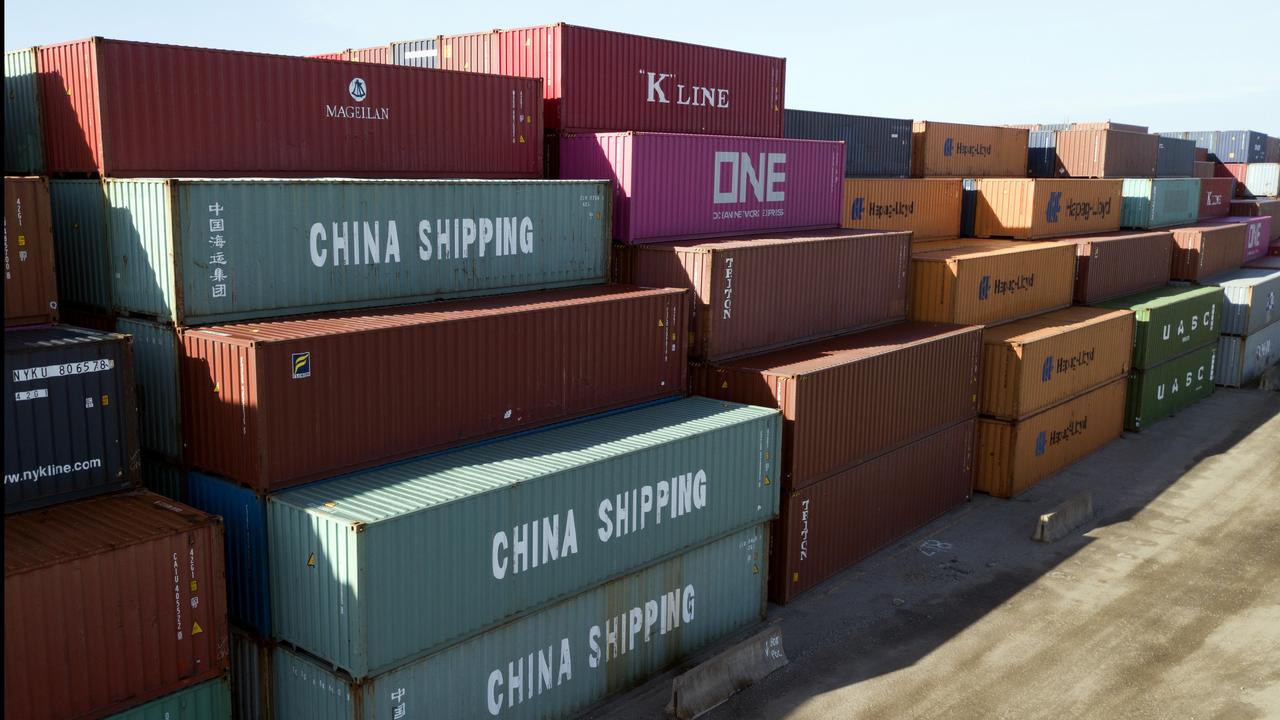
China’s economy grew five per cent in the first quarter, at the top of its full-year target range of 4.5 per cent to five per cent, showing higher resilience than most other economies to the energy and commodity shocks caused by the Iran war.
Analysts say ample oil reserves, heavy use of coal and high adoption of solar, wind and electric vehicles have given China better chances of weathering the closure of the Strait of Hormuz than many European or Asian economies.
But China is not immune to the fallout from the conflict.
Soaring energy and raw materials prices threaten to drive up production costs and squeeze already thin margins at factories that employ hundreds of millions of people.
And the economic hit taken by other countries could slow demand for Chinese exports.
Shipments grew just 2.5 per cent in March, slowing sharply from 21.8 per cent in the January-February period.

Turning wine into fuel could bolster local supplies
As the petrol crisis continues, Australia’s peak grape body is hoping to transform wine into fuel.
The country’s $51 billion wine industry is on the precipice as it faces a significant oversupply of product, with more than 350 million bottles of wine now sitting in storage.
With a lot of that wine rapidly becoming unsaleable, Australian Grape and Wine chief executive says Lee McLean says distillation options are being explored to help bolster fuel stocks.
“I don’t think it’s going to be a silver bullet for fuel security issues that we’ve got in this country, but it can contribute,” he told the Rural Press Club on Tuesday.
Mr McLean acknowledged there were questions that needed to be addressed around the wine distillation process, how it would be stored, and how the product would be taxed, but believed the situation could present a rare opportunity.

Biochemical fuels can be derived from alcohols and have previously been floated as a way to produce more sustainable jet fuel.
King Charles III also ran his Aston Martin on “surplus English white wine and whey from the cheese process” with a fuel blend made up of 85 per cent bioethanol and 15 per cent unleaded petrol.
However, Queensland Alliance for Agriculture and Food Innovation associate professor Karine Chenu believes there are better ways to produce biofuel.
“Wine is already used for consumption and there are other products that are waste products which could be used much more efficiently,” Dr Chenu told AAP.
Australia grows a lot of crops like sorghum or sugarcane which produce unused biomass like leaves and stems that could instead be used for biofuel.

Ever since China imposed tariffs as high as 218 per cent on Australian wines, the domestic industry has faced significant oversupply.
Though these levies have been lifted, consumers are also drinking less.
Some wine companies have attempted to cater to changing consumer tastes by producing zero-alcohol wines, but few have been able to strip out the alcohol without also stripping out the flavour, Mr McLean said.
The sector has now called on the federal government to help it transition to a smaller industry by offering loans and helping offload the excess wine.
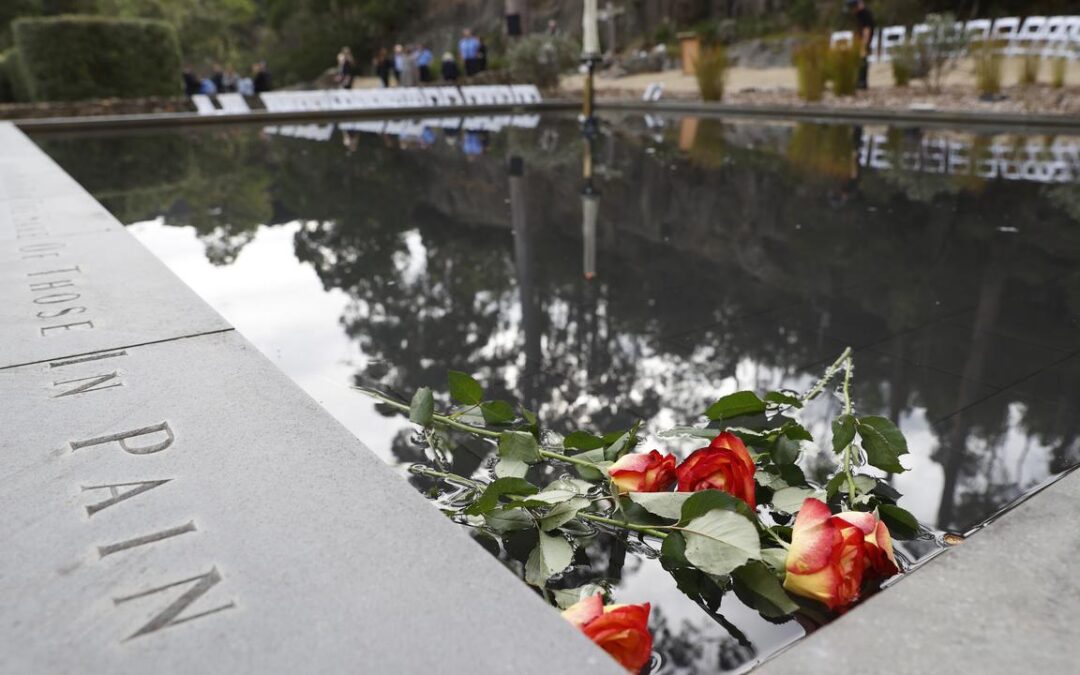
‘Love over evil’: Port Arthur remembered 30 years on
Love triumphs over evil.
A simple yet powerful message was at the centre of a small and heartfelt ceremony marking 30 years since the Port Arthur shooting massacre.
Thirty-five people were killed and two dozen injured by a lone gunman who opened fire with a semi-automatic rifle at the historic tourist site on April 28, 1996.
It remains the most deadly mass shooting in Australia’s modern history.
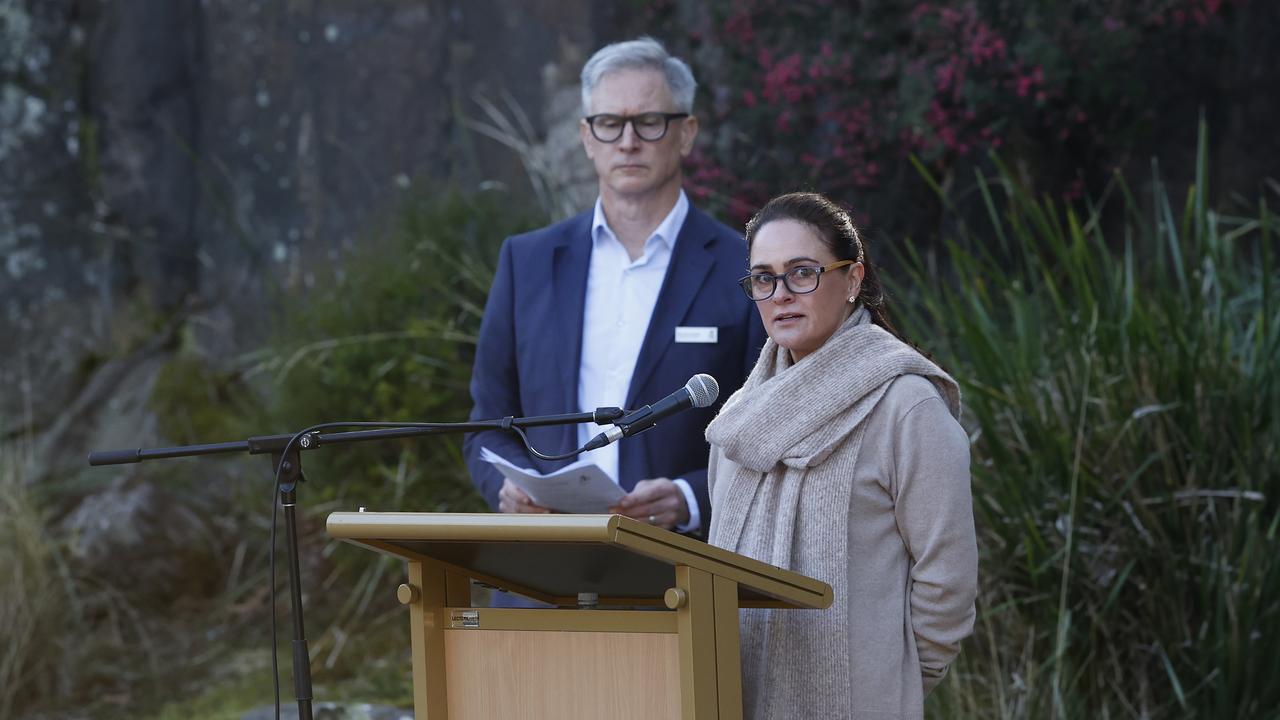
Jane Scholefield, who hid behind a wall in the penitentiary building to avoid the bullets, said the day was etched in her memory in ways words could never explain.
“Every year when the anniversary comes around, the memories return with a weight that never fully lifts,” she told the ceremony at the site.
“Even when the world moves on … for those of us touched by that day, it is never forgotten. It lives within us.”
Among the crowd was 70-year-old Carolyn Loughton, whose 15-year-old daughter Sarah was murdered on the pair’s first big holiday together.

“I gave birth to my daughter and I lay on top of her when she took her last breath,” she said before the ceremony.
Ms Loughton was shot in the back, forcing doctors into a marathon procedure and the removal of her left fibula and half of her hip to use as bone grafts.
She said Sarah was a keen horse rider and tennis player and an empathetic, intelligent teenager with a bright future.
“When you lose your children, you lose your future. It is the continual loss of what could have been for her and for me,” she said.
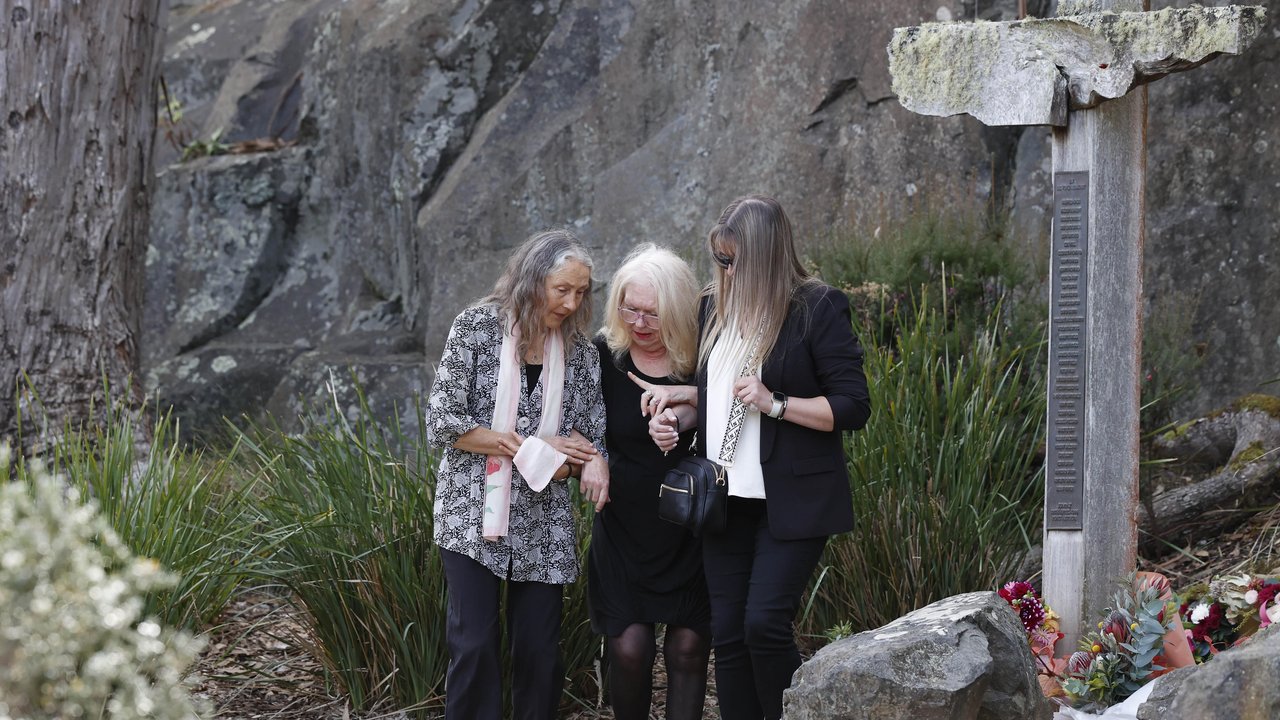
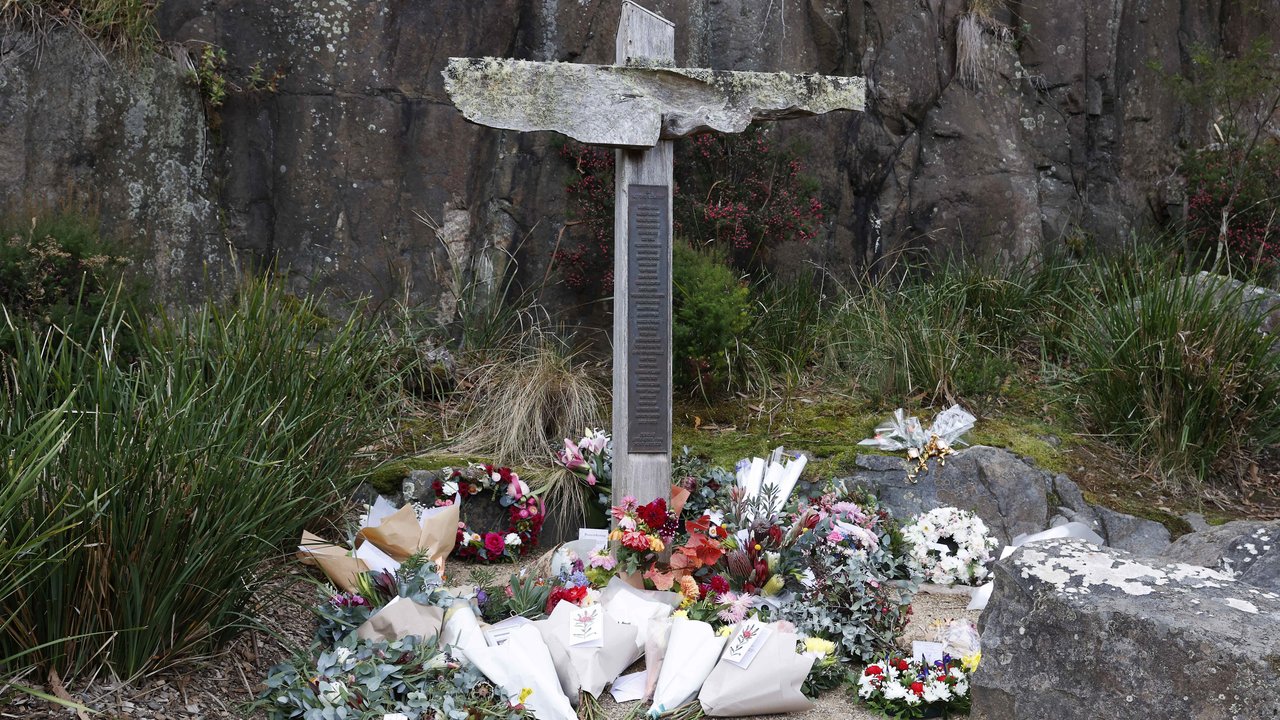
Flowers and wreaths were placed at a memorial cross, while attendees were encouraged to share words of love on paper leaves.
A moment of silence was held at 1.30pm, the time the shooting began, and the names of the 35 people who died were read out.
“At the heart of survival, of remembrance, of change is something simple but incredibly powerful: love,” Ms Scholefield said.
“Love for those lost, love for those who stood beside us and love for the lives we continue to live.
“Love is stronger than hatred, it is stronger than fear, it is stronger than evil.”
The tragedy prompted landmark gun law reform under then-prime minister John Howard and a buyback scheme that led to the destruction of more than 640,000 weapons.
Gun laws have been under a recent microscope since 15 people were killed in a shooting targeting the Jewish community at Bondi in December.
“The shootings … just five months ago, showed that there are still rapid-fire guns in the hands of the community,” Ms Loughton said.
“These guns must be put out of reach for the safety of all.”

Ms Loughton and Gun Control Australia’s Roland Browne said they supported Prime Minister Anthony Albanese’s proposed cap on the number of guns a person can own.
“The lessons from the late ’80s and early ’90s remain,” Mr Browne said.
“Work still needs to be done and our group will continue to do it.”
Mr Albanese thanked Walter Mikac, who lost his wife Nanette and daughters Alannah and Madeline in the shooting, for leading the call for gun reform in 1996.
“Australia is a better place because the government and the parliament of the day came together to answer Walter’s call,” he said.
“This is what we hold on to – the abiding memory that somehow, amid the most terrible darkness, the best of humanity found a way to shine.”
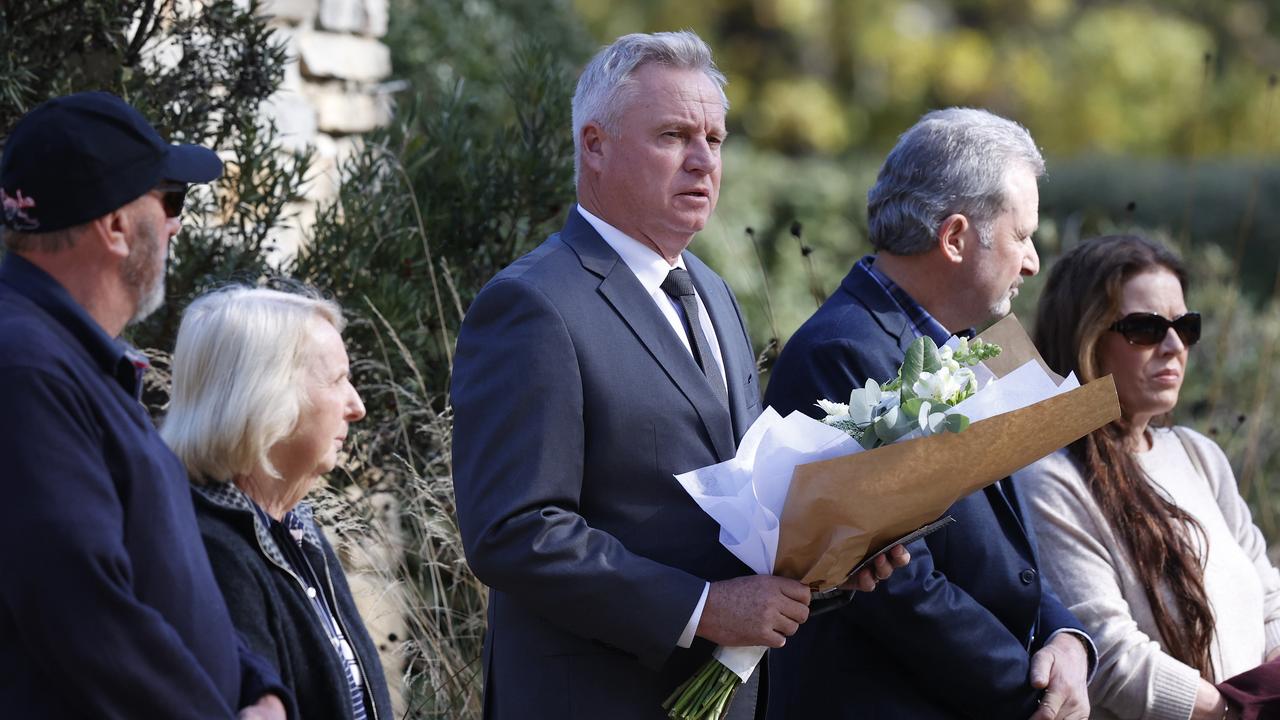
Mr Mikac said the government’s commitment three decades ago to community safety remained “as important as ever”.
Tasmanian Premier Jeremy Rockliff said the state would never forget the lives lost and every person whose life changed forever.
Gunman Martin Bryant, who is now aged 58, is serving 35 life sentences and will never be released from Risdon Prison in Hobart.
‘Phantom buses’ targeted in public transport overhaul
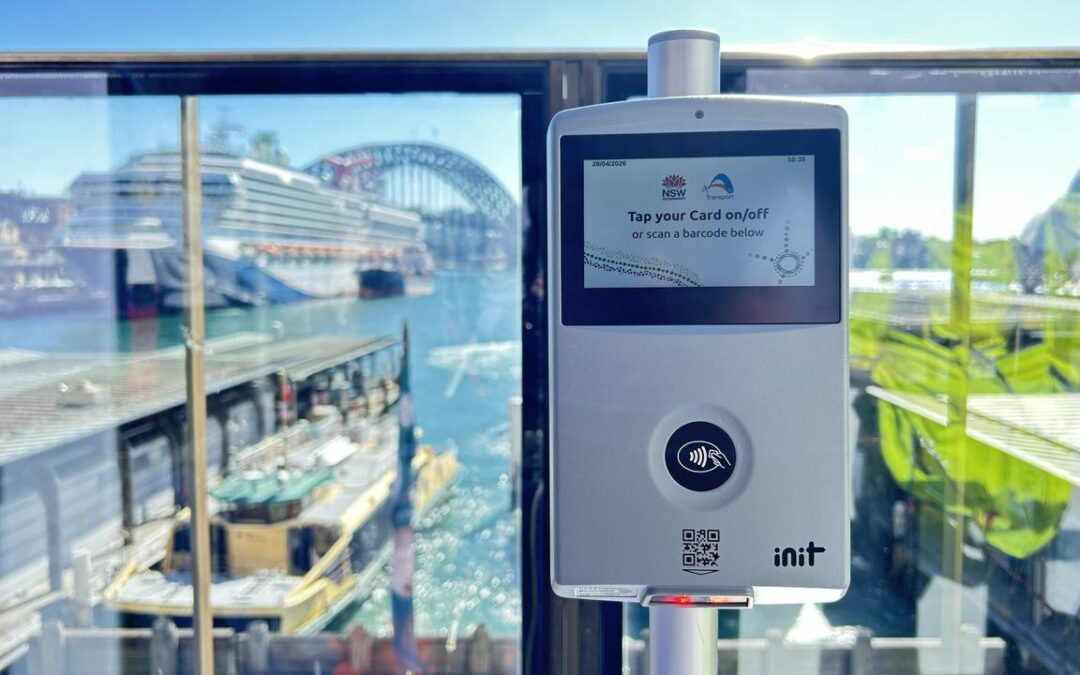
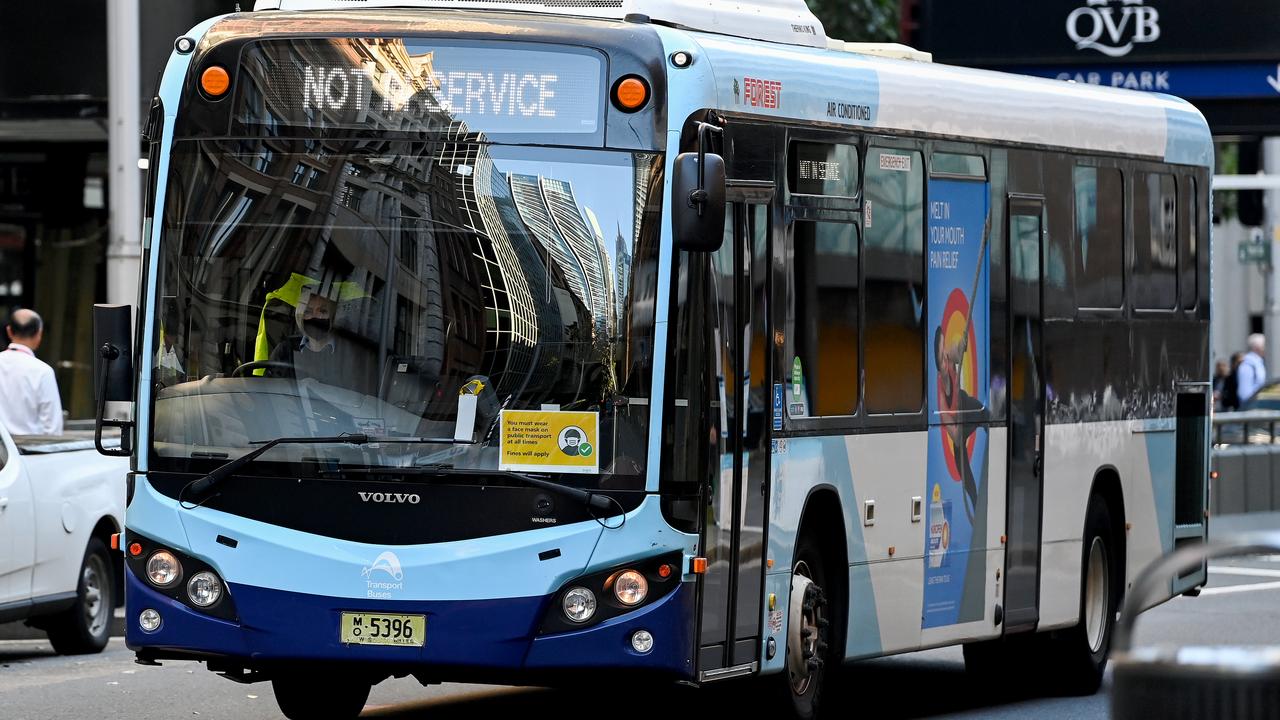
Public transport commuters using a ticketing system as old as the BlackBerry and Blu-Ray player are set to benefit from sweeping technology upgrades.
Online accounts that can locate buses in real time and see a live passenger count are set to be some perks from the NSW government’s $800 million boost to the system.
Other upgrades include real-time information about fare deductions and receiving automatic compensations through a digital-based account.
The new system is set to address the phantom bus issue burdening the state’s most popular mode of transport, NSW Premier Chris Minns told reporters.
“We’ve heard repeatedly about phantom buses on the network, an app that seemed to indicate a bus was on its way, but it never arrived,” he said.
“This latest Opal upgrade will mean those buses arrive (and) you’ll know exactly where they are.”
Sixty per cent of public transport users in NSW currently pay by credit card, but NSW Transport Secretary Josh Murray said all existing forms of payment would remain.
He said the current Opal card system was 30 years old and mirrored off London’s Oyster card.
“Just like the BlackBerry or the Blu-Ray player, which were invented at the same time, they’ve done their job,” Mr Murray said.
“It’s time to move on.”
The upgraded system will be built by Init, a German technology company, and address ongoing security issues, Transport Minister John Graham said.
“This system will be far better placed to deal with the sort of security challenges that any government, any society, has to think about,” he said.
The changes are set to begin from the middle of next year and be fully operational by 2028.
Call to target girls’ funding in gender equality push
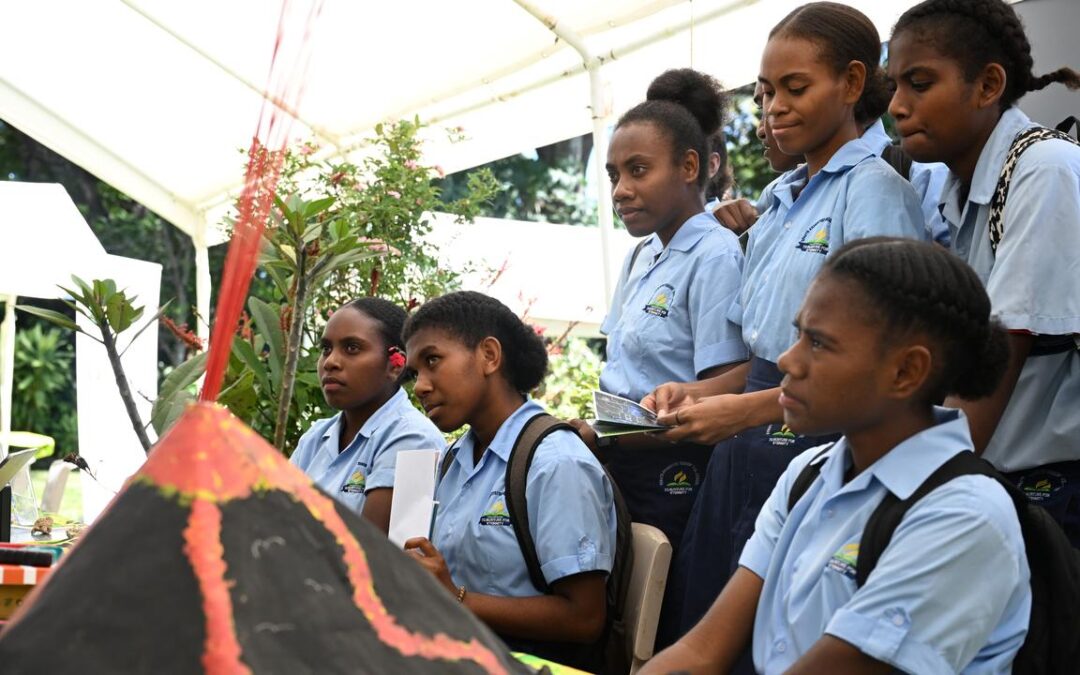
It may be on the other side of the globe, but the Australian government is being warned the Middle East crisis has ramped the need for direct aid funding for adolescent girls at risk of cascading crises across the Asia Pacific.
Girls’ equality organisation Plan International Australia said the knock-on effects of fuel and fertiliser shortages due to the conflict in Iran, which is driving food insecurity and economic instability, are particularly severe for adolescent girls.
As fuel prices surge so too does the cost of transport, food and basic goods, pushing already vulnerable households deeper into poverty.
This in turn results in increased gender-based violence, more girls forced out of school and into work, and rising rates of child marriage, Plan International Australia said.

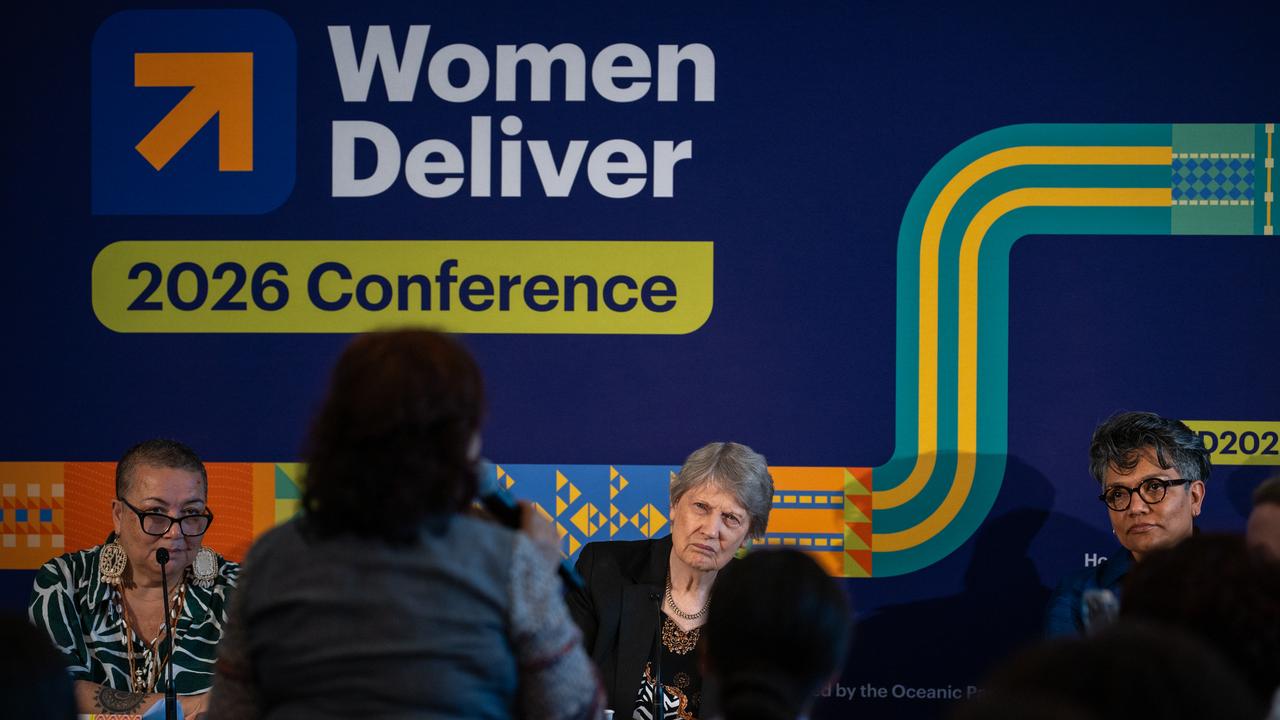
At Women Deliver, a major gender equality conference being held in Melbourne, a coalition of leading aid, development and gender organisations alongside philanthropic partners is shining a light on the disproportionate impact of economic instability and conflict on teen girls.
The group is particularly highlighting the economic case for Australia and other donor countries in the region to invest in adolescent girls in the Asia Pacific.
“The ripple effects of the Middle East crisis and fuel shortages across Asia are deeply concerning and risk undermining already fragile economies and communities,” Plan International Australia chief executive Susanne Legena said.
“But adolescent girls represent a powerful solution, and could be a turning point in all of this … when their rights are upheld and their leadership is nurtured, they help build fairer, safer and more sustainable communities.
“When we invest in girls, everything changes: girls become women with choices, and entire communities rise with them.”
Plan International Australia is calling on the federal government to commit $50 million in its International Gender Equality Strategy over four years.
The funding should be targeted towards initiatives that explicitly benefit adolescent girls across education, health, violence prevention, climate response and economic participation.
“If Australia wants its aid to work harder, investing in girls early is one of the smartest and most cost- effective choices it can make,” Ms Legena said.
“If we fail to act now, we risk failing an entire generation of girls.”