

Drivers to wait until after budget for fuel relief call
Any decision to extend the halving of the fuel tax will come after the upcoming federal budget as Labor leaves the door open to changes for investment properties and family trusts.
The three-month cut to the fuel excise kicked in at the start of April, resulting in the cost of petrol and diesel being slashed by 26.3 cents a litre as the federal government responded to soaring prices caused by the US-led war on Iran.
Assistant Treasurer Daniel Mulino said he would expect a call to be made on any extension following the May 12 budget being handed down.
“We need to really see how the overseas conflict evolves, how prices evolve for oil,” he told Sky News on Sunday.
“It is doing what it was intended to do. It’s not a silver bullet, but it is providing material support for people.”
Treasurer Jim Chalmers is expected to make changes to the capital gains tax discount and negative gearing in the budget as the government positions itself to tackle intergenerational equity and increasing support for far-right political parties.
Dr Mulino didn’t rule out further charges when asked about tax reform in the budget.
“I’m not going to announce the specific things that may or may not be in the budget, but I think the Australian public would hope that we would look at tax in the context of these broader themes of intergenerational fairness and productivity,” he said.
Coalition MPs have largely opposed changes to capital gains tax, arguing the shift could reduce the supply of new homes.
Nationals leader Matt Canavan said he wanted to see the details of Labor’s policies, but he didn’t support “extra tax increases”.
Opposition finance spokeswoman Claire Chandler also voiced her resistance to any changes that would lead to higher taxes.
“My default response as a Liberal is to say, well, we shouldn’t be supporting more taxes on something that we want to see more of, and we do want to see more housing,” she told Sky News.
Garbage to glass: larvae helps turn waste into wine
Worms and wine may not sound like a winning combination but together they are showcasing local, resilient agriculture supply chains less reliant on fertiliser shipped from afar.
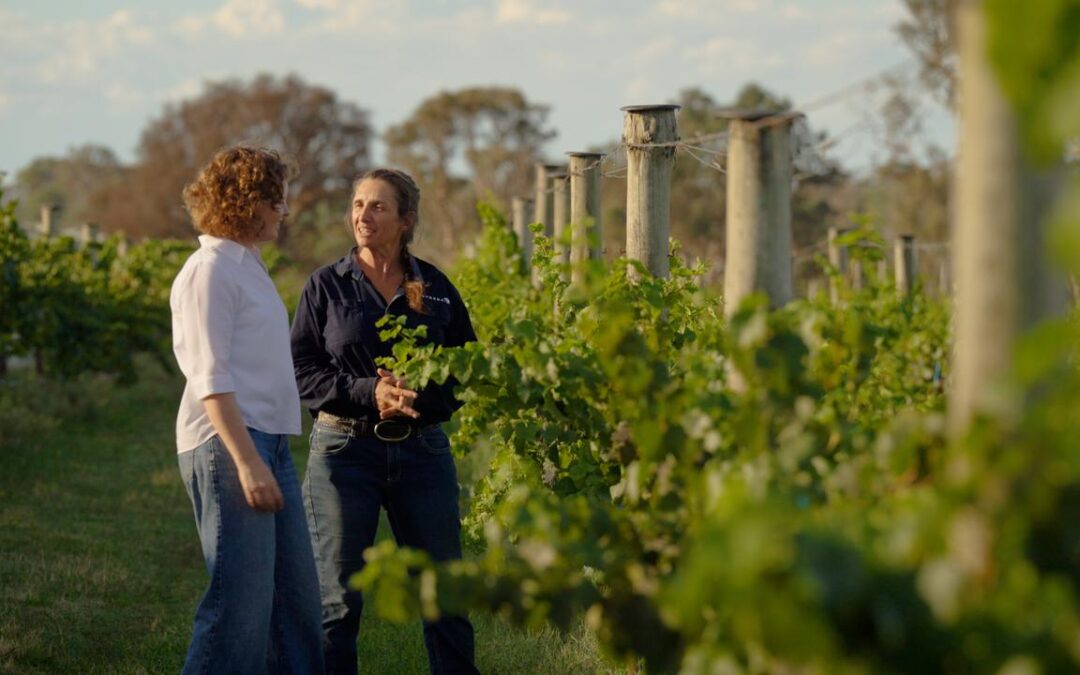
A Sydney hotel is now serving shiraz grown from grapes fertilised by food scraps collected from its kitchens in a unique closed-loop endeavour.
Its made possible with a Australian agritech pioneer Goterra’s boxes containing thousands of black soldier fly larvae that gobble up food waste and excrete nutrient-rich fertiliser, taking seven to 10 days to process 95 per cent of the material.

The tech is similar to a worm farm but with the benefit of the maggots themselves that are a valuable protein source for fish and livestock.
The insect feed produced in Hyatt Regency Sydney’s “maggot robot” has been going to the hotel’s main egg supplier, further closing the loop on supply chains.
Executive chef at the hotel, Sven Ullrich, said guests were literally being served wine grown from their breakfast.
“It sounds wild, but it’s actually the most natural thing in the world, returning nutrients to the soil instead of sending waste to landfill.”

Goterra founder and chief executive Olympia Yarger says the collaboration with the hotel and its suppliers, including Four Winds Vineyard, is a story of sustainability, economic resilience and sovereign capacity.
“We’ve got fertiliser that has come less than three hours instead of from Russia or from South America,” she told AAP.
“And we’ve got protein that’s coming less than three hours to the poultry farmer.”
The US-Israel war on Iran has put pressure on global food systems, with about 20 per cent of fertiliser trade disrupted and urea prices surging more than 70 per cent amid the supply crunch.
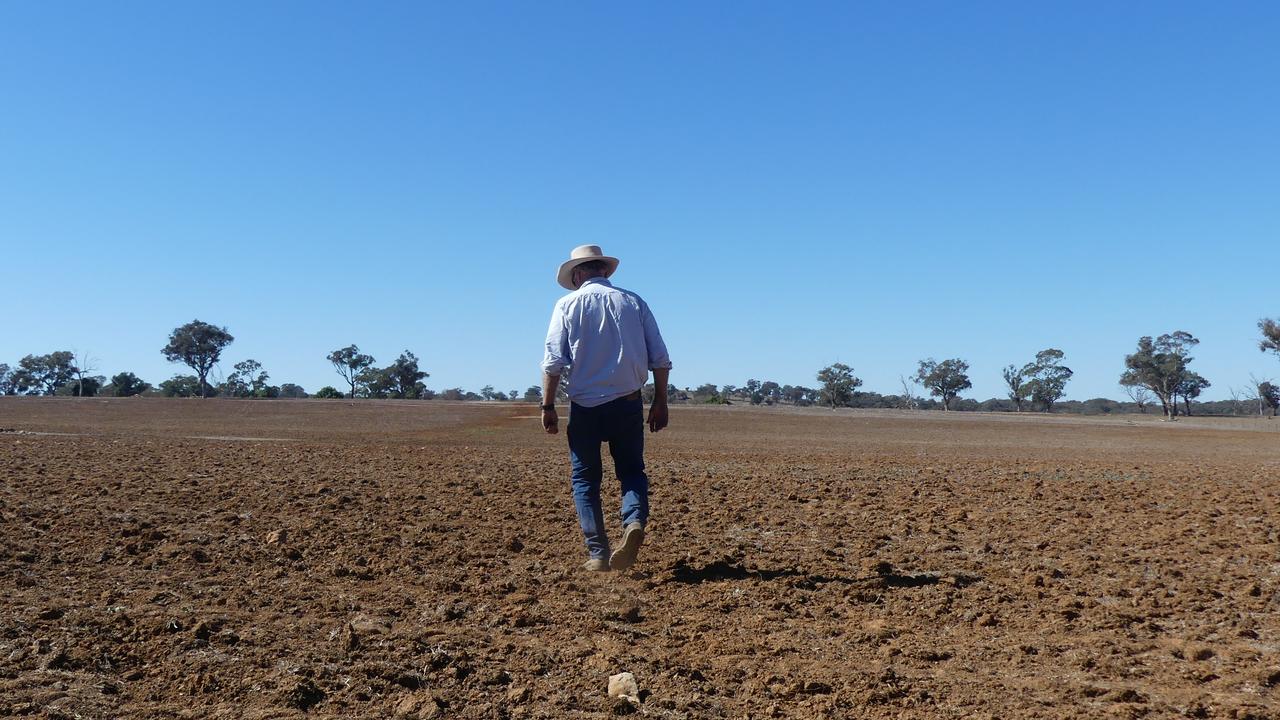
The combination of high fuel and fertiliser costs have been squeezing Australian farmers, forcing them to make tough choices about planting and likely feeding into higher grocery bills.
Waste upcycling for agricultural uses had been generating more attention since the war began, Ms Yarger said, but Australia was only just starting to grasp the opportunity.
Not all fertiliser needed to be produced in-country, she said, but even a modest reduction in reliance on overseas imports could vastly improve supply chain and economic resilience from geopolitical havoc.
“When you can produce in country, that is a direct financial benefit to those businesses that can use that product, because the transport is just inherently less,” she said.
Sites such as Melbourne airport and Barangaroo in Sydney are using the tech to manage on-site food leftovers, as are councils such as the City of Sydney to process household waste.
Managing waste on site saves on landfill costs, which are rising as space becomes tight, and cuts down on truck transport.
The agritech business is able to generate revenue through the fertiliser and larvae protein.
United Arab Emirates lifts all air traffic restrictions
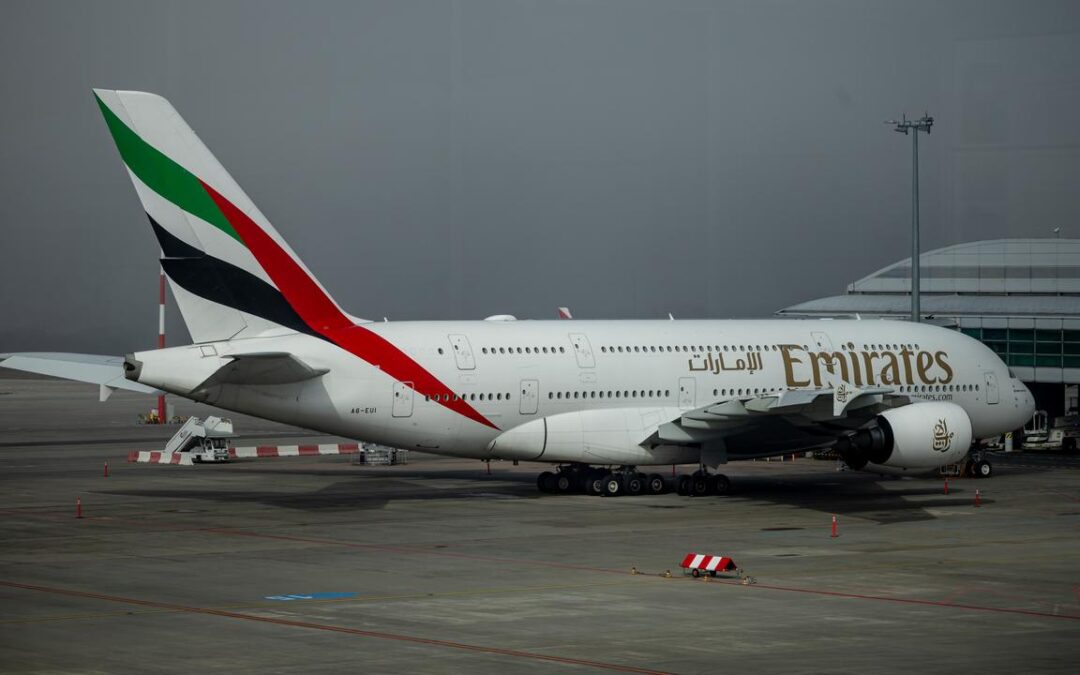
The United Arab Emirates has announced the full reopening of its airspace after weeks of restrictions imposed during the US-Israeli conflict with Iran.
“Following a comprehensive evaluation of operational and security conditions, we have officially lifted the temporary precautionary measures previously in place,” the General Civil Aviation Authority said in a statement posted on X.
It added that the airspace will continue to be closely monitored.
The UAE was among the Gulf states most affected by Iranian retaliatory attacks launched in response to US and Israeli strikes that began on February 28.
Limited air traffic resumed shortly after the conflict began, including flights to evacuate stranded passengers.
Bahrain, Iraq, Kuwait and Syria had previously lifted similar airspace restrictions imposed during the conflict after the United States and Iran agreed to a ceasefire.
While the truce remains in place, the underlying conflict has yet to be resolved.
Australian says flotilla crews bashed by Israeli troops
An Australian member of a Gaza aid flotilla has described how fellow activists were shot with rubber bullets, hit with rifle butts and bashed after Israeli soldiers boarded their boats.
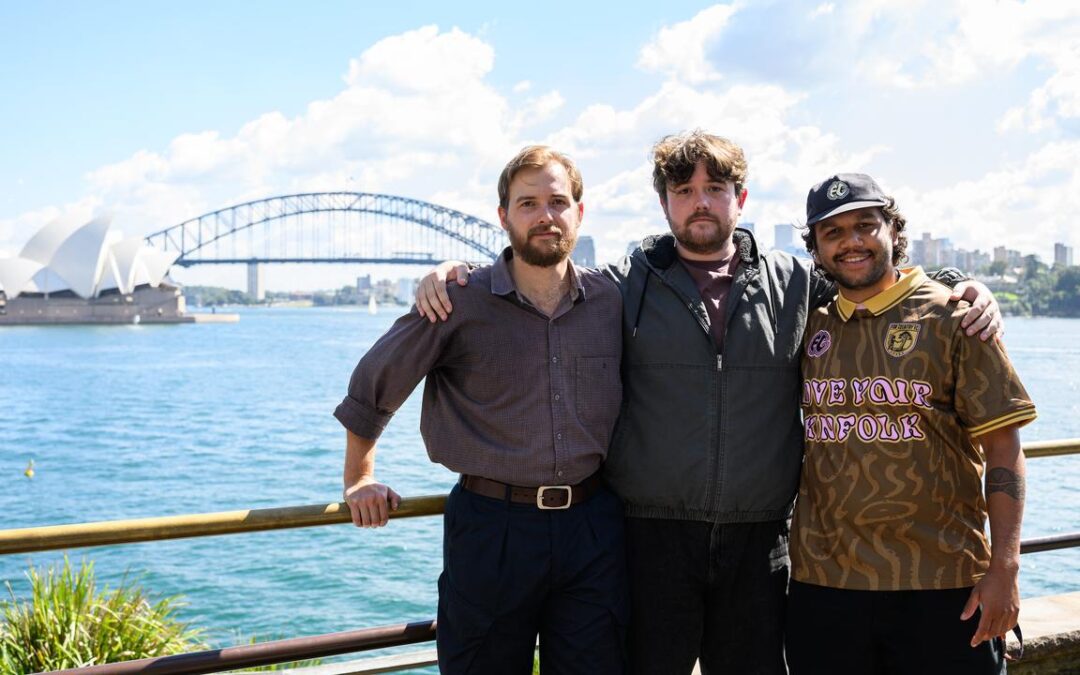
Zack Schofield was one of six Australians detained by the Israeli military while attempting to transport aid to Gaza.
They were among 175 flotilla participants detained on Wednesday by the Israeli Defence Force out of nearly 700 heading across the Mediterranean.
Speaking to AAP from the Greek island of Crete on Saturday he said some people were shot at point-blank range with rubber bullets as soldiers boarded their boats in international waters.
“Some of us were kicked and punched as we were being processed on our own boats, many of which were sunk,” Mr Schofield said.

The detainees were transferred to an Israeli prison ship which had containers on the deck to house them.
“We were dragged along the floor, forced to kneel with our heads touching the ground, some of us were dragged by our hair,” Mr Schofield said.
Some were taken into a container and beaten with the butts of rifles and an American was kicked in the testicles and bashed in the head, he said,
“We could hear the beatings.”
At one point the soldiers moved on the detainees with force, firing flash-bangs, one of which landed at his feet and exploded, Mr Schofield said.
The detainees were transferred to the Greek Coastguard, with many having to go straight to hospital.
“Compared to what Palestinians undergo in Israeli prisons … we got off lightly,” Mr Schofield said.
“The Israelis were doing everything they could to inspire terror in us.”
The flotilla members were extremely concerned for two Palestinian leaders of the aid mission who were taken to Israel and were probably being tortured, Mr Schofield said
“We’re demanding that Australia break its alliance with Israel … because Israel is constantly breaking every international law in the book and conducts violence against international citizens with absolute impunity”
The activists were involved in a second Global Sumud Flotilla, attempting to break an Israeli naval blockade.
Mr Schofield, along with Australians Ethan Floyd and Neve O’Connor, sent a video message from Sitia in Crete, saying detainees had been harmed.
Israel’s foreign affairs minister Gideon Sa’ar confirmed the vessels had been intercepted but insisted participants were not harmed.
Surya McEwen, Cameron Tribe and Bianca Webb-Pullman round out the six freed Australian detainees, among 17 known to have been participating in the flotilla.
Organisers claim the Israeli actions were unlawful as they occurred in international waters far from Gaza.
“This is piracy,” the Global Sumud Flotilla said in a statement.
Israel’s Ministry of Foreign Affairs said the two remaining detainees had been brought to Israel for questioning.
“Saif Abu Keshek, suspected of affiliation with a terrorist organisation and Thiago Ávila suspected of illegal activity, will be brought to Israel for questioning,” it said on X.
“We demand that all governments do all they can to pressure the Israeli regime to release all the illegal abductees,” the Global Sumud Flotilla said.
Israel controls access to the Gaza strip and denies withholding supplies for region’s two million residents.
The Department of Foreign Affairs and Trade said consular officials in Crete were providing assistance to Australians there as part of the flotilla.
“We understand people want to respond to the humanitarian situation in Gaza but we continue to urge Australians not to join others seeking to break the Israeli naval blockade as they will be putting themselves and others at risk of injury, death, arrest or deportation,” it said in a statement.

Bootlegger boom: big excise fuels black market booze
A spate of fire bombings could be just the beginning as concerns mount the tax system is driving a burgeoning alcohol black market putting lives and the budget bottom line at risk.
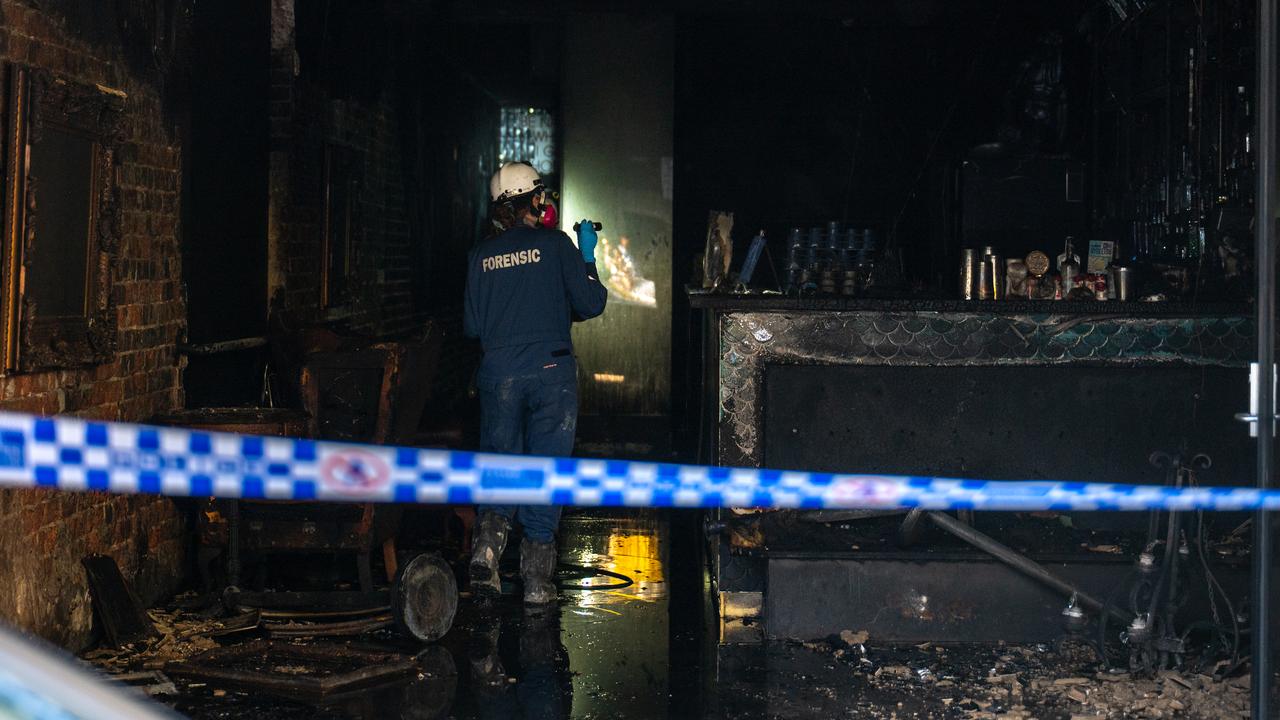
Police have not confirmed whether illicit alcohol was behind 15 incidents at hospitality venues across inner Melbourne since April 14, but the industry is warning Australia’s high excise settings is fuelling organised crime.
Left unchecked, the nation could face a second black market scourge, after the explosion in illicit tobacco that has decimated the federal budget’s excise take and spurred gang violence.
The experience of the tobacco market was a “cautionary tale”, industry body Spirits and Cocktails Australia chief executive Steven Fanner told AAP.

High excise rates equate to more than $30 on a standard 700ml bottle of spirits.
Mr Fanner warns the excise is interacting with the alcohol manufacturers remission scheme – a tax break intended to support craft distillers by allowing small manufacturers to produce their first 8500 litres or so excise-free – to do more harm than good.
The system is being gamed by dodgy operators and opportunistic middlemen, who are exploiting the scheme to buy up tax-free alcohol and undercut genuine manufacturers.
Spirits and Cocktails Australia and the Australian Distiller’s Association have written to the treasurer outlining their concerns over the scheme and calling for stronger integrity measures to ensure it isn’t exploited by bad actors.
They estimate tightening the scheme could save the federal budget about $224 million over four years.
Last November, the Australian Taxation Office estimated illicit alcohol sales were worth at least $767 million, which was more than 10 per cent of all spirits consumed legally in Australia, said the National Drug Research Institute.
A spokesperson for Assistant Treasurer Daniel Mulino said the alcohol remission scheme was about supporting Australian distillers.
“We take integrity very seriously. The ATO is responsible for compliance and we expect them to crack down on anyone who is doing the wrong thing,” the spokesperson said in a statement.
Police were aware alcohol could also be coming into the nation without being taxed, said Victoria Police Detective Superintendent Jason Kelly, although it wasn’t clear whether the attacks were the beginning of an illegal alcohol trade war.
“That’s the million-dollar question,” he told reporters on Tuesday.
“Everything is on the table.”
But Det Supt Kelly suggested unknown crime figures were employing the same techniques used in the state’s long-running tobacco turf war.
Nationals MP Pat Conaghan wants a review of the alcohol excise, which he says is unsustainable for operators and drives consumers to the black market.
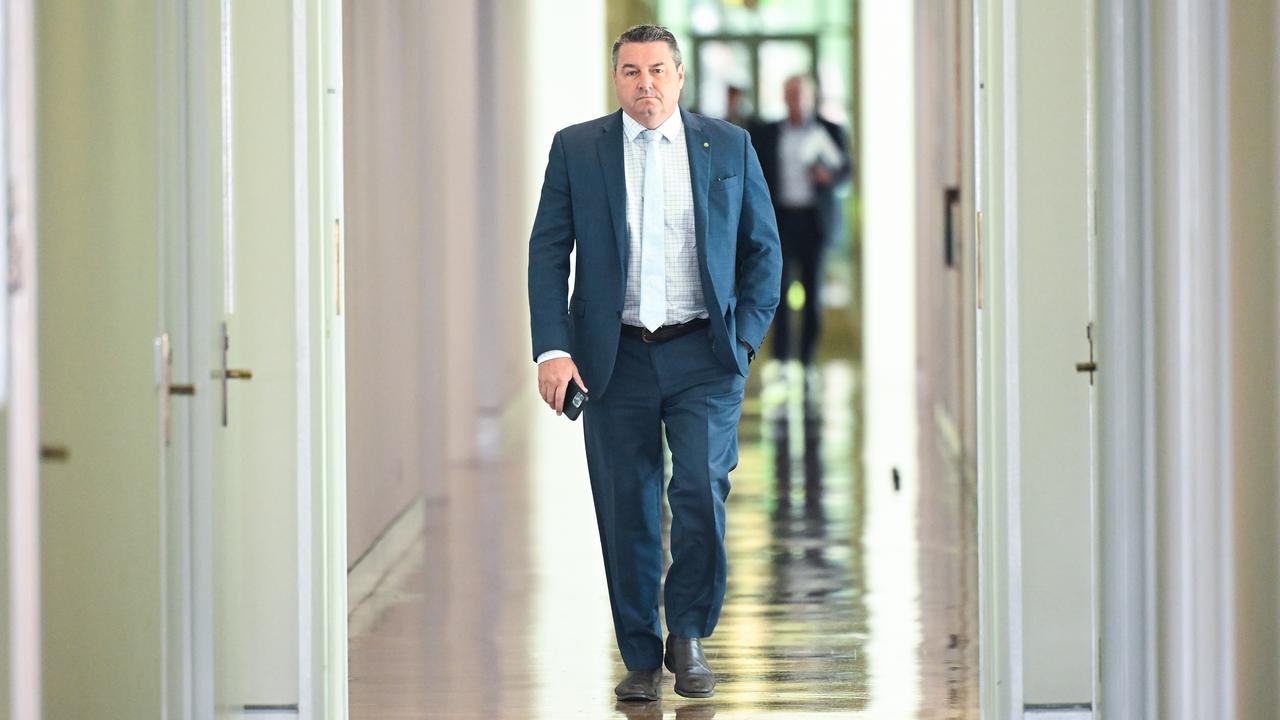
As a former undercover drug operative, he believes enforcement agencies are severely under-resourced and penalties are far too low to act as a deterrent.
Public health is also at stake.
Bootleg liquor increases the risk of methanol poisoning, and Mr Conaghan warns the deaths of teenage backpackers Bianca Jones and Holly Bowles in Laos could be repeated on Australian shores.
Economist Chris Richardson cautions it’s too late to eradicate the tobacco black market by simply cutting the excise without increasing enforcement.
While Mr Richardson estimates the tobacco tax take is $15 billion a year less than it would be without the black market, Mr Conaghan warns a similar situation in the alcohol market would cut government revenue by double that figure.
Mr Conaghan says there is still time to “break the back” of the illicit alcohol networks before they become entrenched.
“If we don’t get on top of it now, it will turn into the same kind of monster that tobacco is,” he said.

Fiscal restraint to define federal budget as costs rise
Treasurer Jim Chalmers has pledged to make spending restraint a key feature of the federal budget as the government flags major cost pressures.
Responsible economic management and spending restraint will be defining features of the May 12 budget and “crucial in the context of important and unavoidable spending pressures”, Dr Chalmers said.
“We’ve made a lot of progress together but there’s more work to do and that’s why sensible savings and spending restraint are a central focus of our economic plan,” he said in a statement.
Treasury figures released on Friday night highlighted more than $60 billion in spending pressures in the coming years, including $25 billion for the hospitals funding deal with the states and $14 billion worth of defence investments.
Other significant pressures include more than $6 billion in new and amended Pharmaceutical Benefits Scheme listings, $4.4 billion in extra disability support payments for pensioners and $3.2 billion in additional Jobseeker income support.
Some of the pressures are due to indexation caused by higher inflation, while an elevated exchange rate is undermining previously forecast revenue upgrades.
The government remained focused on “spending responsibly on the services and support Australians need, while still managing the budget carefully”, Finance Minister Katy Gallagher said.
“That means investing in hospitals and strengthening our national security, and ensuring we make room in the budget for additional spending in response to natural disasters and unavoidable infrastructure cost pressures,” Senator Gallagher said.
The government has promised the budget, under strain from higher inflation and rising borrowing costs on government debt, will focus on intergenerational equity.
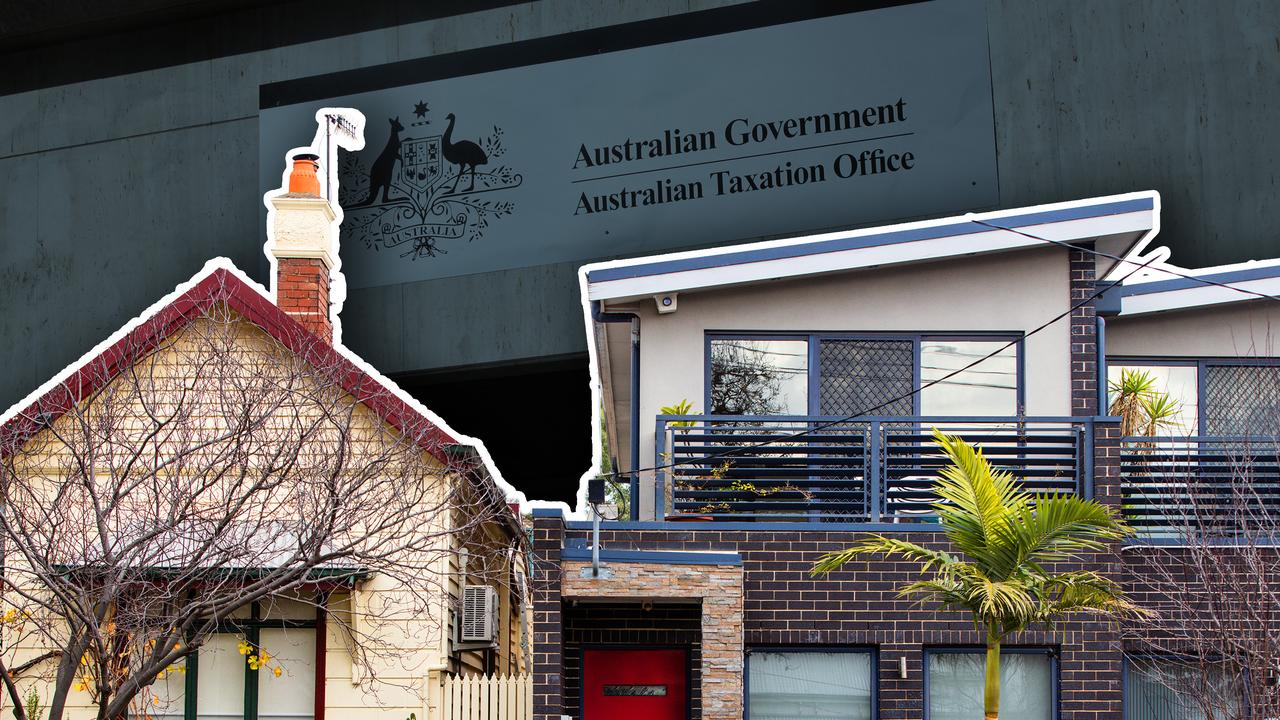
But it has downplayed expectations of a tax windfall from possible changes to negative gearing and capital gains tax (CGT).
The proposals, designed to boost home ownership, come amid warnings from Prime Minister Anthony Albanese that younger Australians believe the property system is stacked against them.

Outback town regroups after little girl’s death, riot
An outback town is exhausted and heartbroken after a young girl’s death and a chaotic night triggered an accused murderer’s evacuation, an Elder says.
Jefferson Lewis, 47, had to be airlifted to Darwin after an angry crowd attacked him then tried to storm an Alice Springs hospital on Thursday night, where he was taken following his arrest.
He is expected to be charged with the murder of the five-year-old girl, referred to as Kumanjayi Little Baby at her family’s request and in line with cultural traditions.
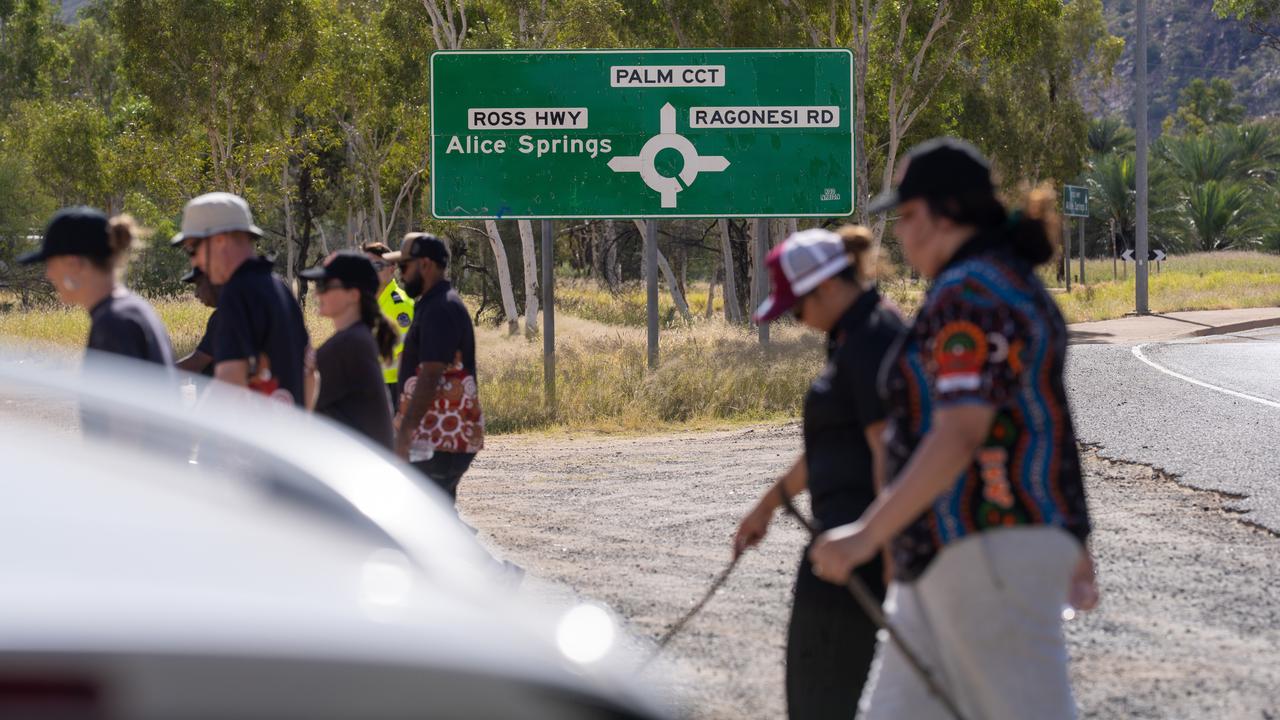
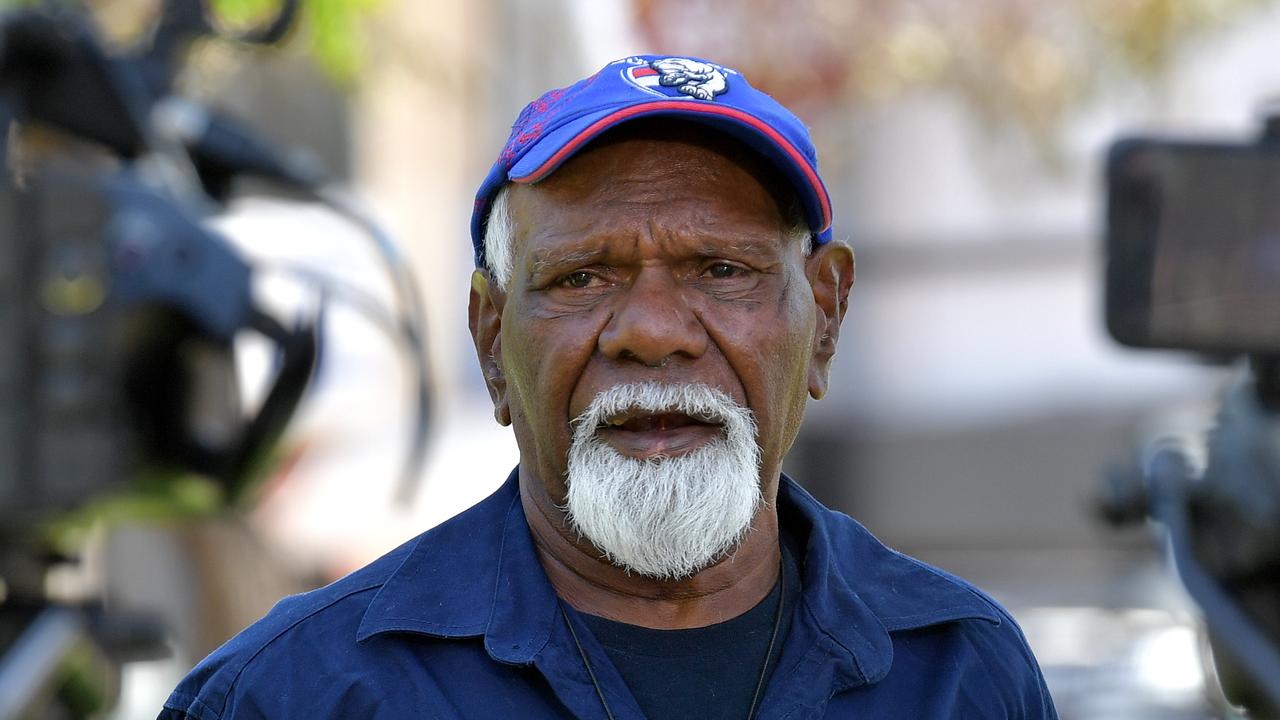
Aboriginal Elder Michael Liddle said the unrest was an explosion of rage that ignored the consequences and undermined the community’s united response to the girl’s disappearance.
“What took place yesterday was an incident of anger that turned into violence that had no thinking about the consequence,” the Alyawarre man told reporters on Friday.
“All week, the community of Alice Springs come together … searching for a little lady, a little baby that was taken by a monster, and that hard work was undone last night by some people who are very angry with the systems.”
Four ambulances were taken off the road and crews went into lockdown for about five hours as the riot escalated outside Alice Springs hospital.
“If you had a bleed out or you had a heart attack in that time, you couldn’t call the ambulances,” Mr Liddle said.
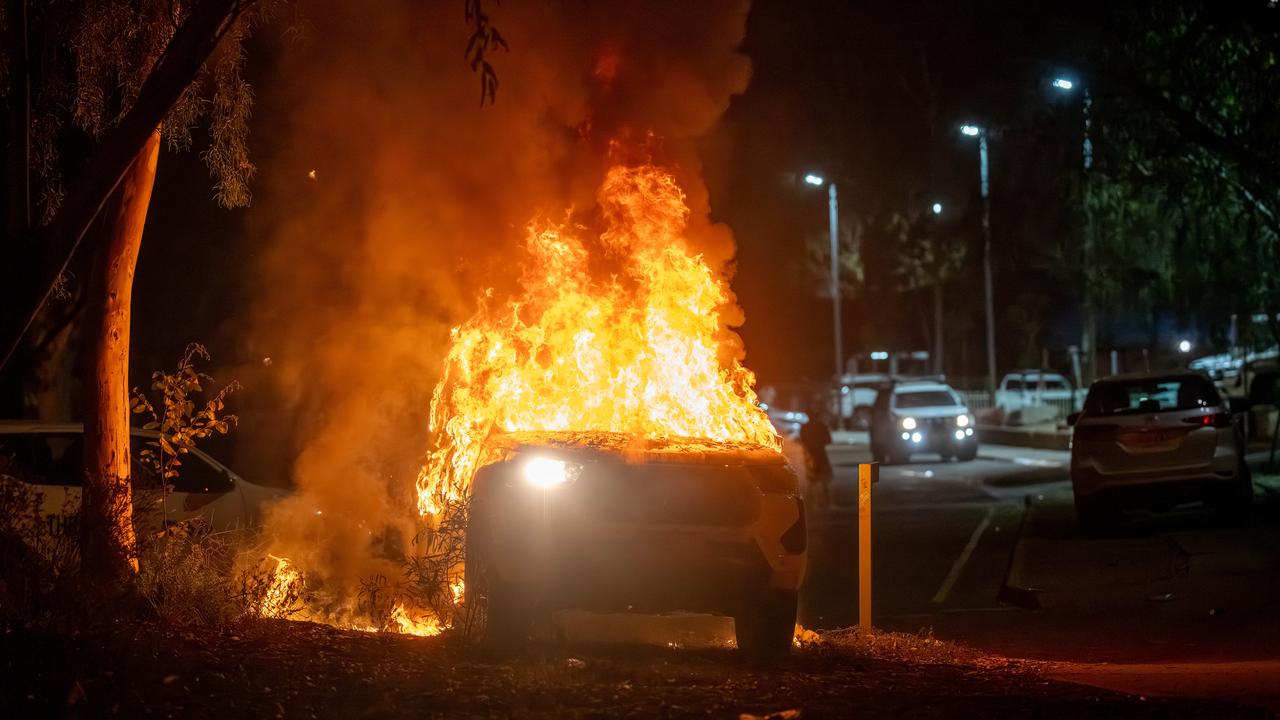
The family of the five-year-old girl called for calm, asking people to let justice take its course.
“What has happened this week is not our way,” senior Warlpiri elder and family spokesman Robin Granites said in a statement.
“Our children are precious – of course we are feeling angry and hurt at what has happened.
“It is time now for sorry business, to show respect for our family and have space for grieving and remembering.”
Takeaway alcohol sales will be limited on Saturday as authorities attempt to stem further unrest.
The hunt has begun for rioters, with one woman arrested on Friday for attempting to torch a police vehicle.
Police were also looking for people they believed sheltered Lewis over recent days.
Northern Territory police said it was a minority of people who engaged in what they described as “disgraceful behaviour”.
Elder Warren Williams said residents in the town were devastated and fearful.
“At the moment, I feel devastated by what happened all this week,” he said.
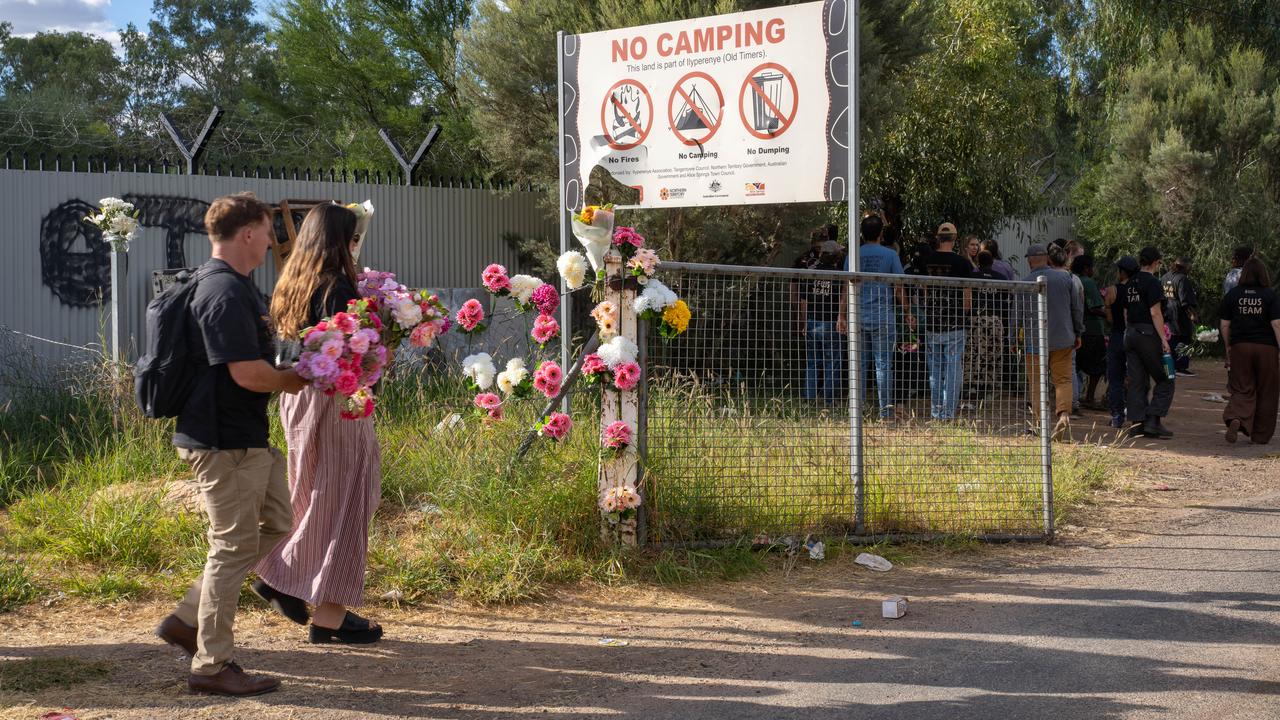
Rumours and calls for “payback” or traditional punishment under central Australia’s Aboriginal lore have surfaced following Lewis’ arrest.
But Mr Liddle warned that risked inflaming the situation and distorting cultural practices.
He said the unrest was tied to deeper trauma and a lack of support for people leaving prison.
Lewis allegedly abducted the little girl just six days after being released from prison.
Despite the chaos, Mr Liddle said the town’s response when the little girl went missing showed its true character.
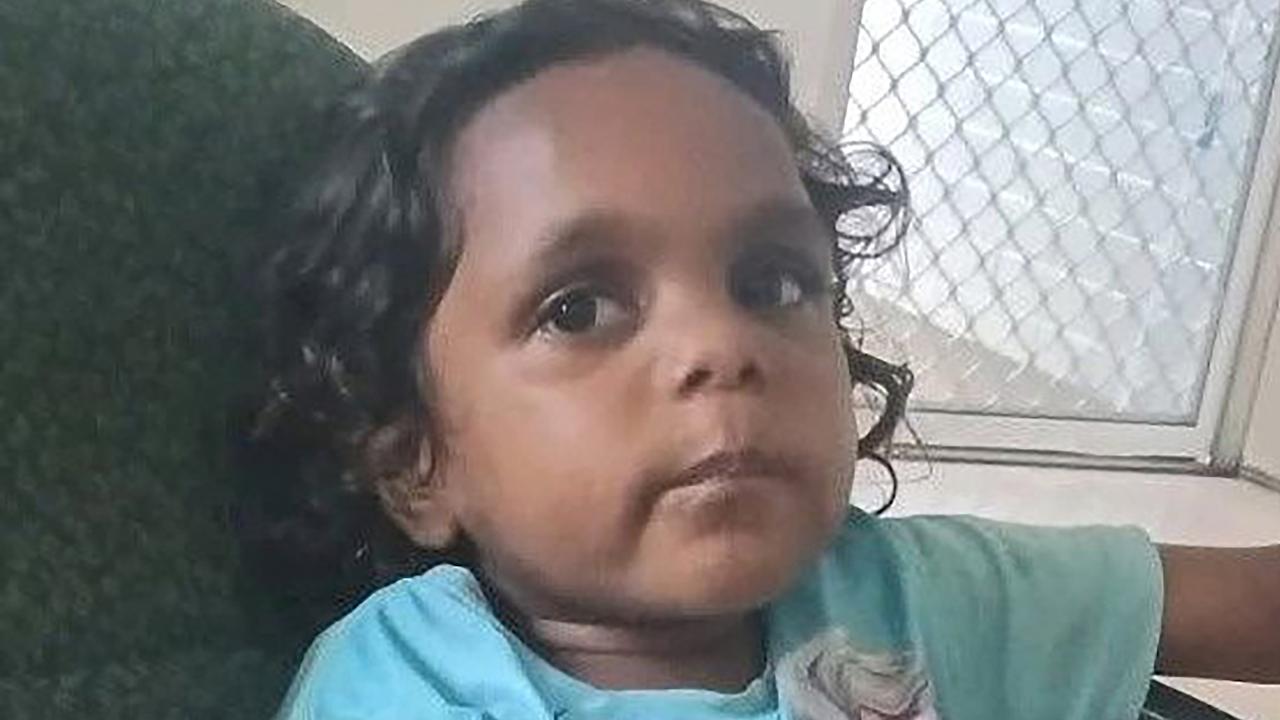
Almost 200 people scoured tough terrain around Alice Springs for the child before a body was found on day five of the search.
“With all the sadness that Alice Springs community is enduring … it just really shows the coming of people and the strength in the community and support,” Mr Liddle said.
Lewis remains in custody and is expected to be charged with murder in the coming days.
13YARN 13 92 76
Lifeline 13 11 14
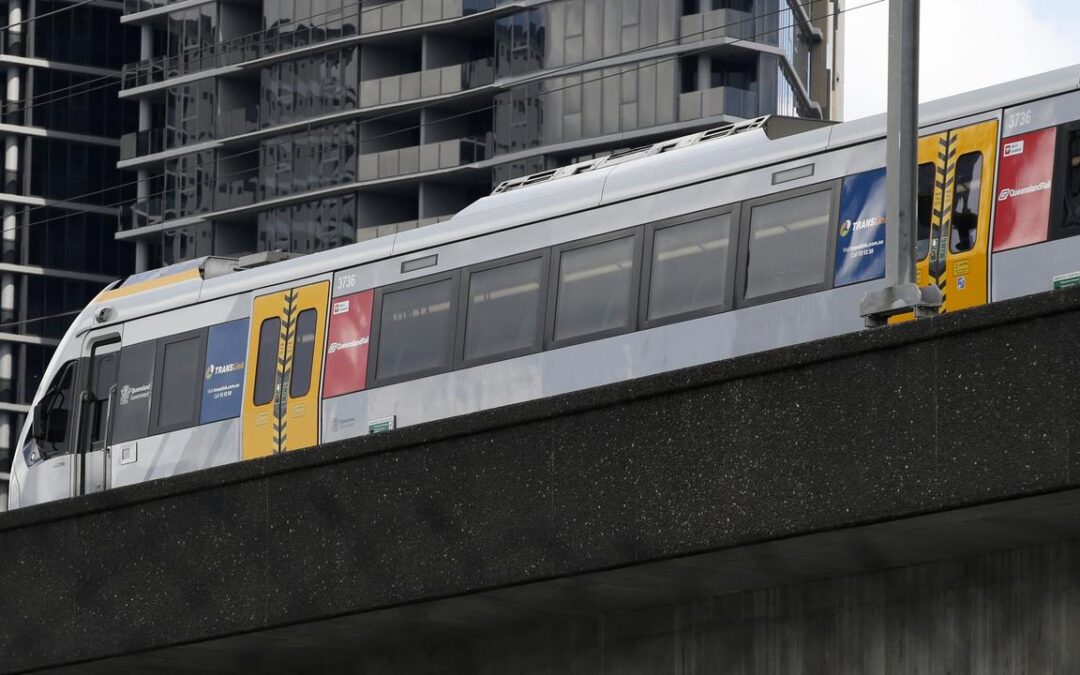
Rail service slashes weekday trains during union fight
Hundreds of weekday train services in one of Australia’s biggest cities will be slashed from next week as a result of an industrial dispute between a rail operator and workers.
Queensland Rail said 300 fewer services would operate on the state’s southeast network in and around Brisbane from Tuesday, with the new timetable to be similar to a Saturday.
There would be 15-minute and 30-minute intervals between peak-hour services instead of trains running every six to 10 minutes, it said on Friday.
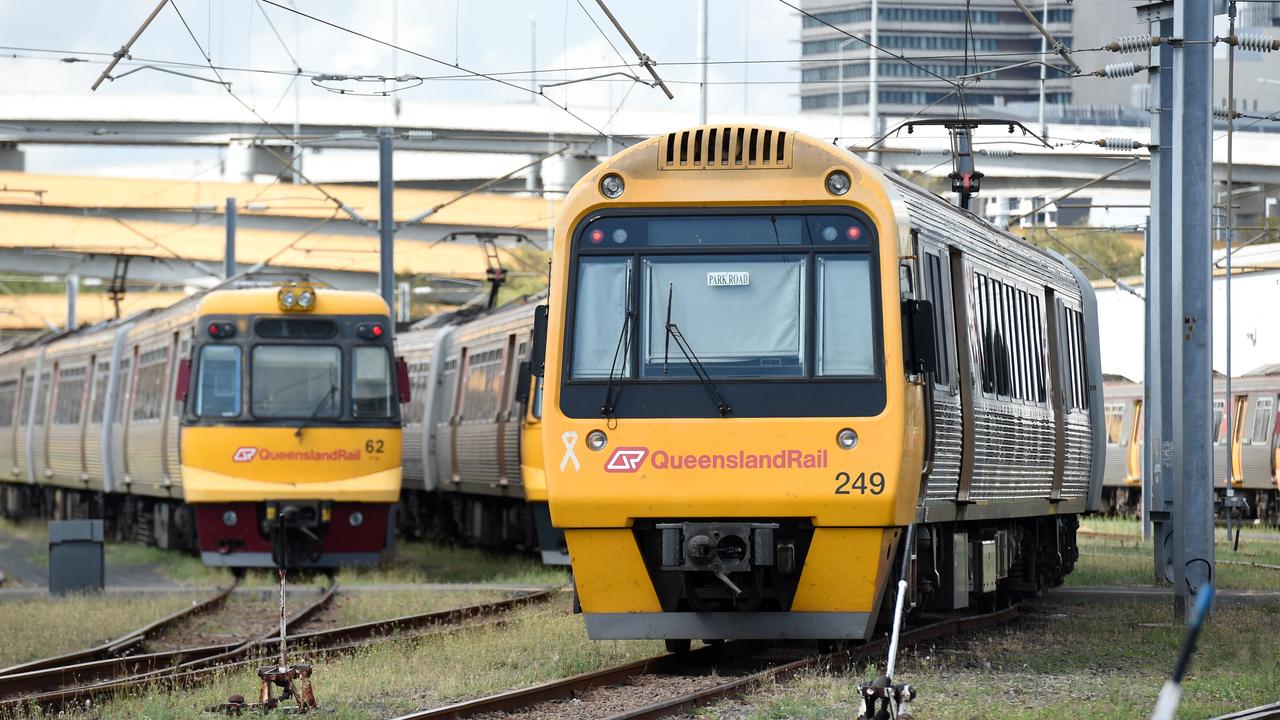
The agency said a maintenance backlog linked to industrial action had caused “a shortfall of train availability”, prompting the service cutbacks.
“This maintenance backlog means there are not enough trains to meet the full timetable,” it said in a statement, adding the new timetable would run until further notice.
Queensland Rail and unions have been locked in weeks-long talks over a new enterprise agreement, sparking the protected action.
Transport Minister Brent Mickelberg said commuters should prepare for scaled-back services.
“Trains will be more crowded. It will be slower as more people are required to move in and out of the trains,” Mr Mickelberg told reporters.
Queensland Rail chief executive Kat Stapleton said the action would impact commuters trying to get “to school, work, appointments and the footy”.
“We know our customers are frustrated. I am frustrated too,” she said.
“We want the unions to come back to the table and seriously consider the fair and reasonable and enhanced offer that we have presented.”
The Australian Manufacturing Workers Union said train users were paying the price for poor planning from Queensland Rail and the state government.
“The AMWU has made it clear for weeks that industrial action can be withdrawn if agreement is reached,” a spokesperson said in a statement.
“The solution is there – Queensland Rail and the LNP government need to stop playing politics, take responsibility and come to the table.”

Clean up AI or go away: rules proposed for data centres
Australian planning authorities should withhold development approvals for data centres until they can guarantee the artificial intelligence models they host do not break the law.
Groups appearing before the NSW government’s data centre inquiry issued the recommendation on Friday, as well as calls to ensure developers used renewable energy to power data centres and were not able to evade planning laws.
But a lobby group for the booming industry said the amount of water used in data centres had been exaggerated, and establishing more local facilities would allow Australia to have greater control over the future of AI.
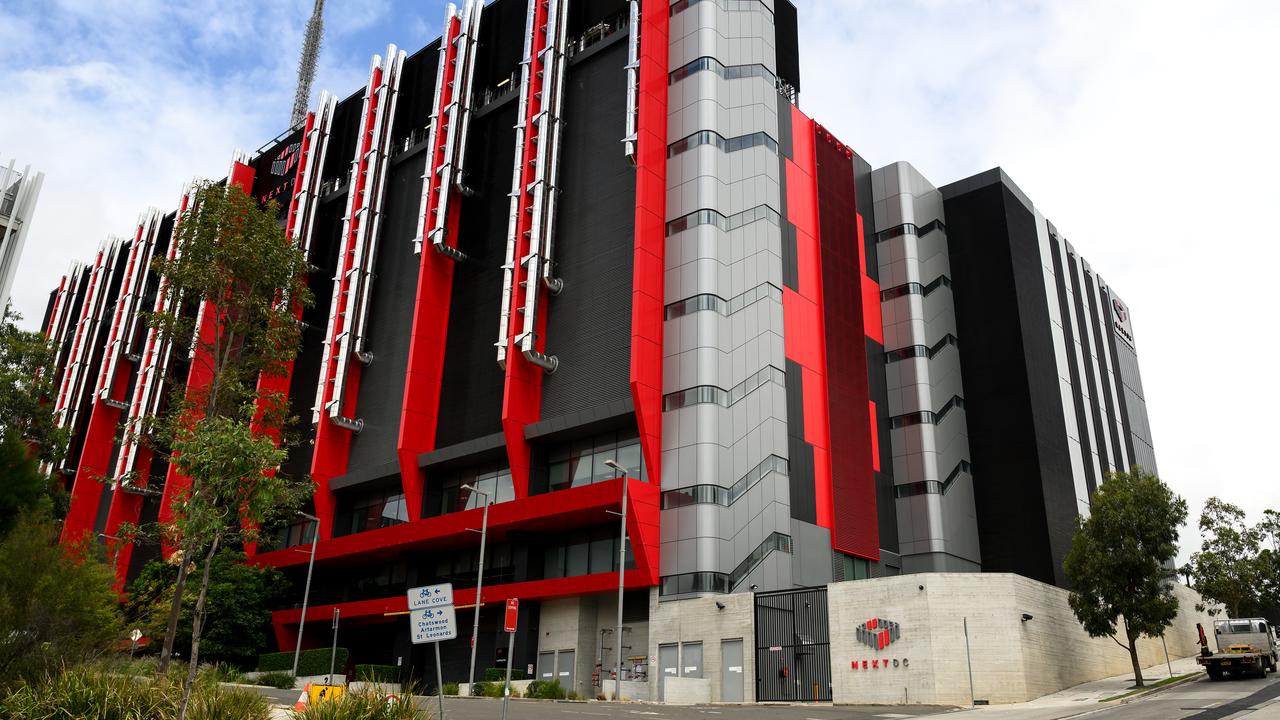
Three groups appeared at the first hearing of the NSW Legislative Assembly inquiry, which was established in January to investigate whether the state was equipped to handle the environmental and economic impacts of data centre development.
Ninety data centres have been established in NSW – more than any other state – as companies strive to meet demand for artificial intelligence technology.
But some generative AI firms have trained their models using Australian creations under copyright, Australian Writers’ Guild group chief executive Claire Pullen told the inquiry, and had resisted efforts to reveal, licence or remove the content.
Australian governments could force their hand, she said, by using development planning laws.
“A relatively low-effort piece for government, frankly, is just to say until you have made these disclosures or quarantined these particular models or types of data, your planning approval won’t go ahead for the data centre,” she said.
“There would be a way to give preferential treatment around planning and procurement to tech companies that are prepared to certify that all the data in their centres is ethical and that models that they’re running in their centres are free of stolen work.”
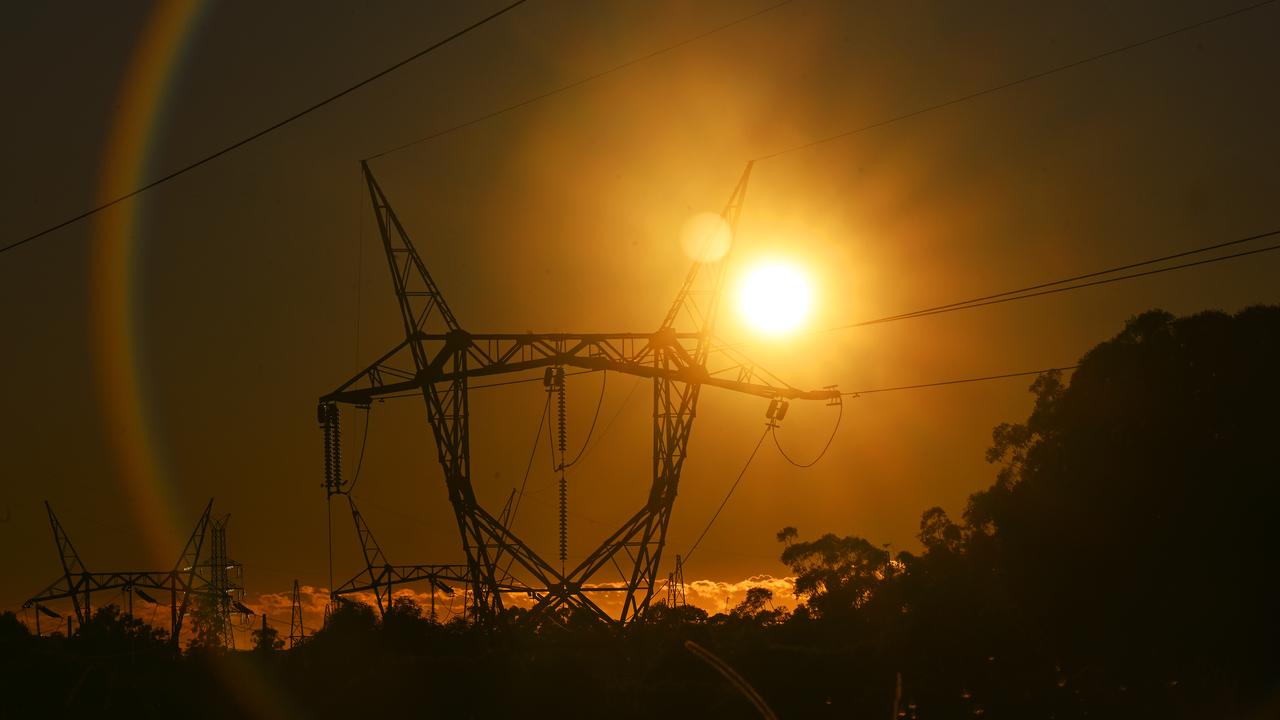
Other considerations for approving data centres should include commitments to use renewable energy and meet existing planning laws, Protocol Policy Lab research officer Devjeet Matta told the committee.
In Singapore, for example, data centres are approved if they can meet established benchmarks, and the UK provides incentives to build facilities near wind farms.
“There’s a real urgency in trying to get these data centres approved and ride the AI wave but, at the same time, I think it’s important to keep in mind sustainability metrics,” he said.
Belinda Dennett, who appeared on behalf of the Data Centres Australia group, said the environmental impact of data centres had been overstated.
She dismissed Sydney Water’s forecast that data centres would use 25 per cent of drinkable water by 2035 as misinformation, saying an industry report found it would be significantly lower.
“The (Australian Bureau of Statistics) water accounts show that data centre water use is 0.04 per cent of Australia’s water use and less than one per cent of Sydney’s water use,” she said.
Snoring leader buys restless leg syndrome device maker
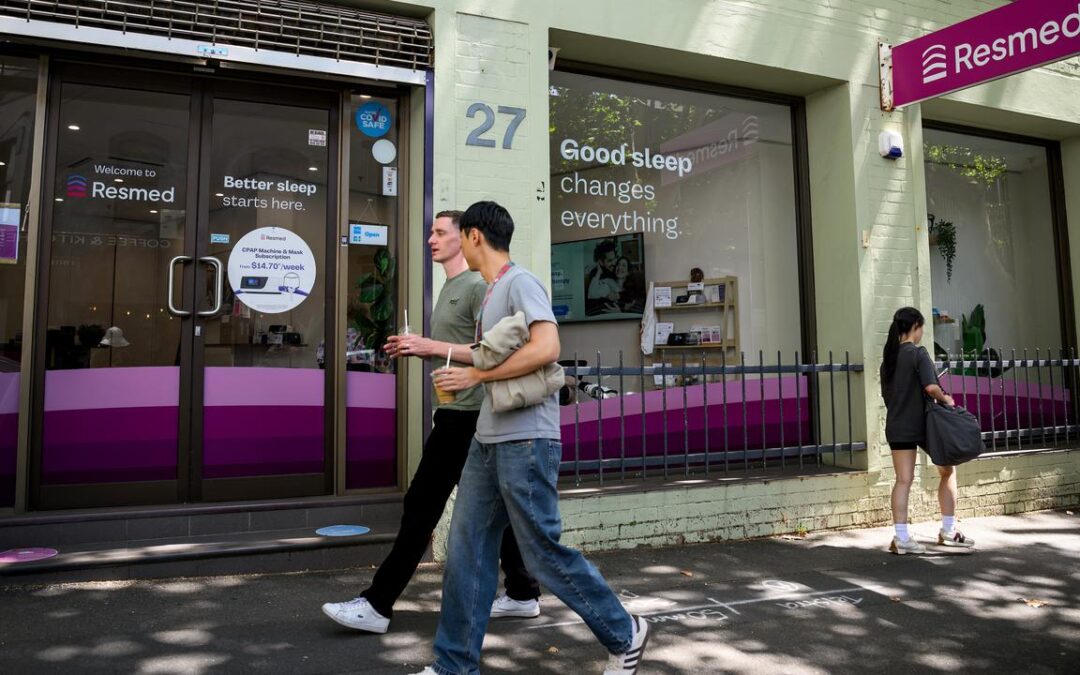
An Australian-American medical giant leading the world in products to treat sleep apnoea is branching out into another major sleep disorder – restless leg syndrome.
Resmed has bought Noctrix Health, a California-based company that makes a wearable device to treat Will-Ekbom Disease for $US360 million ($500 million).
The syndrome is the third-biggest sleep disorder, affecting as many as seven per cent of the adult US population, Resmed boss Mick Farrell told AAP on Friday.
“Their legs will pivot and kick, and it’s very bad for the bed partner, obviously,” he said.
“It can be treated by drugs, but they have awful side effects, so many people don’t; they just go without treatment, and have this awful thing all their lives.”
Noctrix’s newly launched Nidra device has cuffs that wrap around a patient’s leg and provide electro-stimulation to stop the twitching.
Noctrix is much smaller than Resmed, currently generating about $US24 million ($A33 million) a year in revenue, compared to about $US5.5 billion ($A7.7 billion) for its new parent.
Mr Farrell said Resmed had been eyeing the company for years and decided now was the time to buy.
“They’re growing faster than us, and their gross margin’s higher than us, and we can scale them nationally and beyond,” he said.
The Nidra product is similar to Resmed’s continuous positive airway pressure (CPAP) machines used to mitigate sleep apnoea, including snoring and breathing interruptions.
Both are non-invasive devices and available via prescription from sleep doctors, Mr Farrell said.
The US and Australia-listed Resmed also has some digital products for patients who suffer from insomnia.
On Friday, Resmed announced revenue for the third quarter rose 11 per cent to $US1.4 billion ($A2 billion), while gross margin climbed by 2.9 percentage points.
During the quarter, Resmed accumulated more evidence Ozempic-style GLP-1 drugs will be a tailwind for Resmed, rather than a headwind, Mr Farrell said.
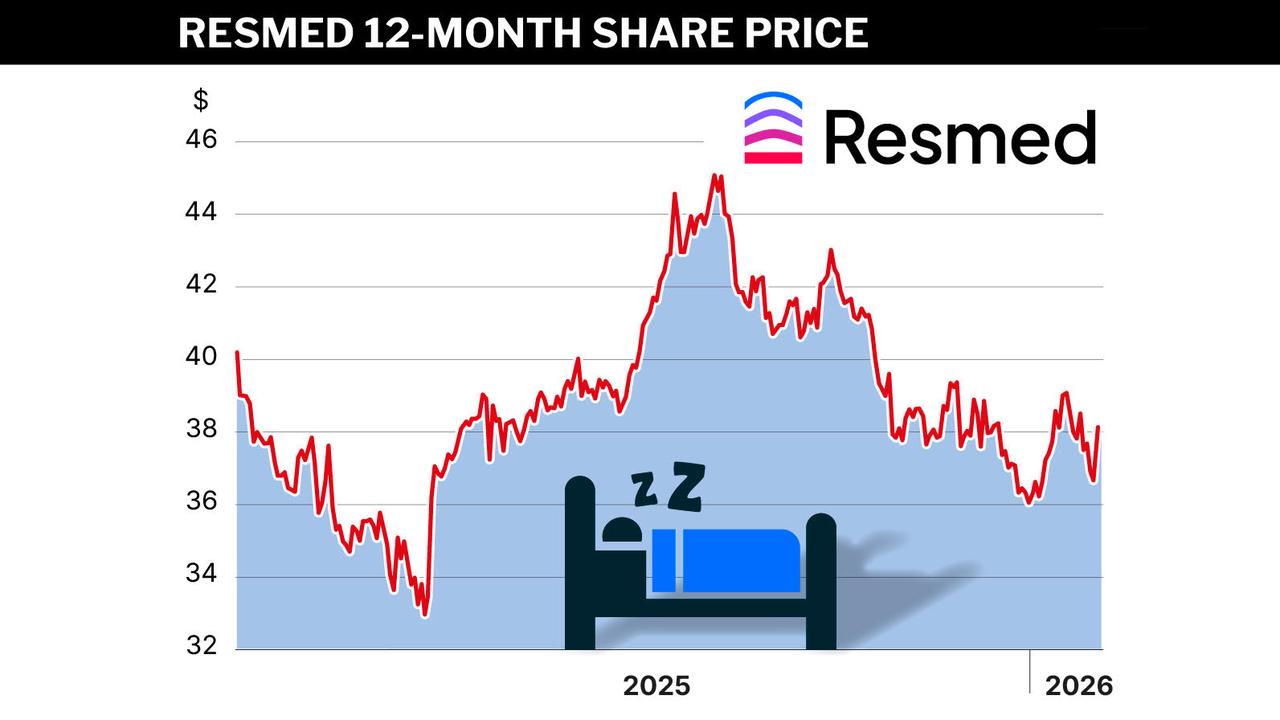
Since sleep apnoea is closely linked to obesity, investors initially thought the opposite, prompting a big sell-off in Resmed shares in late 2023 and early 2024.
Resmed tracking of 1.7 million patients who were using a CPAP machine and then prescribed a GLP-1 drug showed they were five per cent more likely to be using a CPAP machine two years later.
That compared to patients who hadn’t been prescribed a GLP-1 drug.
“I have the correlation. I don’t know the causality or the root cause of it. We’ve got a lot of hypotheses,” Mr Farrell said.
Weight loss may lower the pressure needed to keep a patient’s tongue off their uvula, making CPAP machines more comfortable to use, he said.
RBC Capital Markets analyst Craig Wong-Pan said Resmed’s results were slightly above consensus.
Its Australian shares dropped 4.3 per cent to $28.51 in afternoon trading.
Investors might have been concerned by the retirement of the company’s chief financial officer of the past 20 years, Brett Sandercock.
He’ll be replaced by Aaron Bloomer, who recently served a similar role at cancer diagnostics company Exact Sciences.