Australia’s disability arts sector is sounding the alarm about cuts to the National Disability Insurance Scheme.
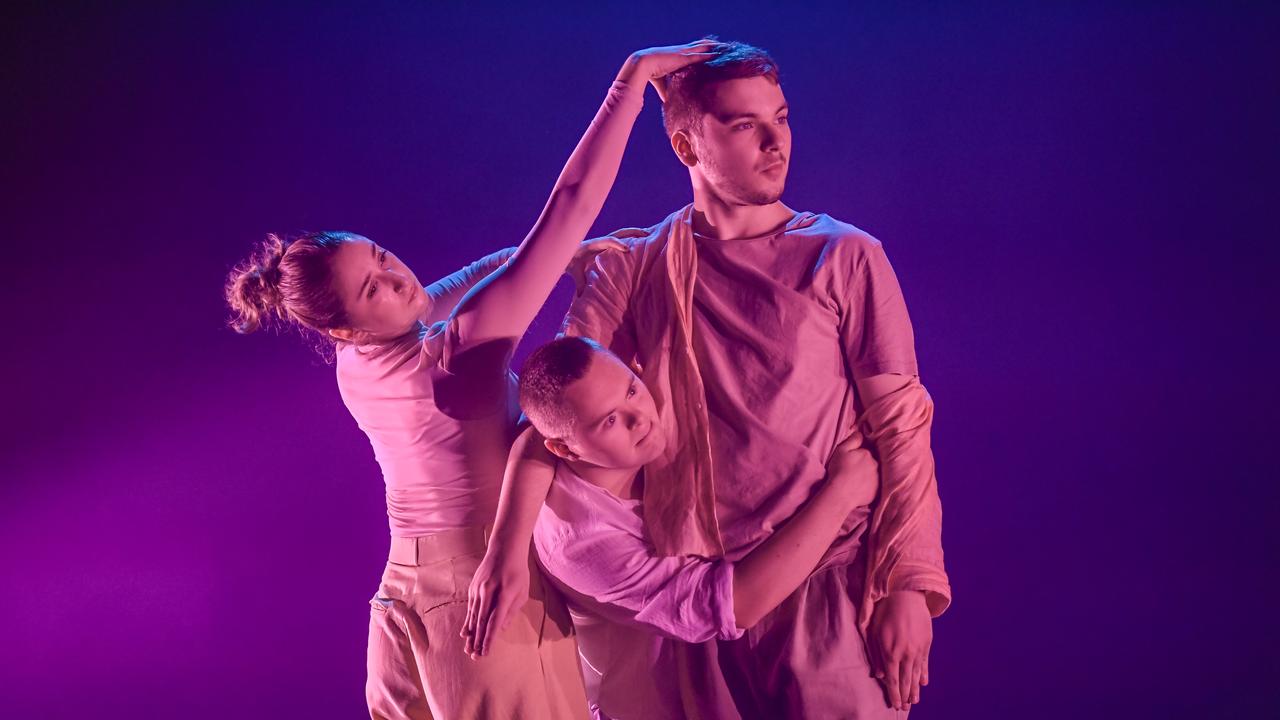
At Adelaide-based company Restless Dance Theatre, people with disabilities make groundbreaking dance that has toured Australia and internationally.
Almost all of its dancers rely on NDIS funding, and weekly classes can lead to further training and ultimately professional employment, Restless artistic director Michelle Ryan says.
“One of the things I would really like government and the community to understand is that NDIS participants can also be highly successful artists,” she said.
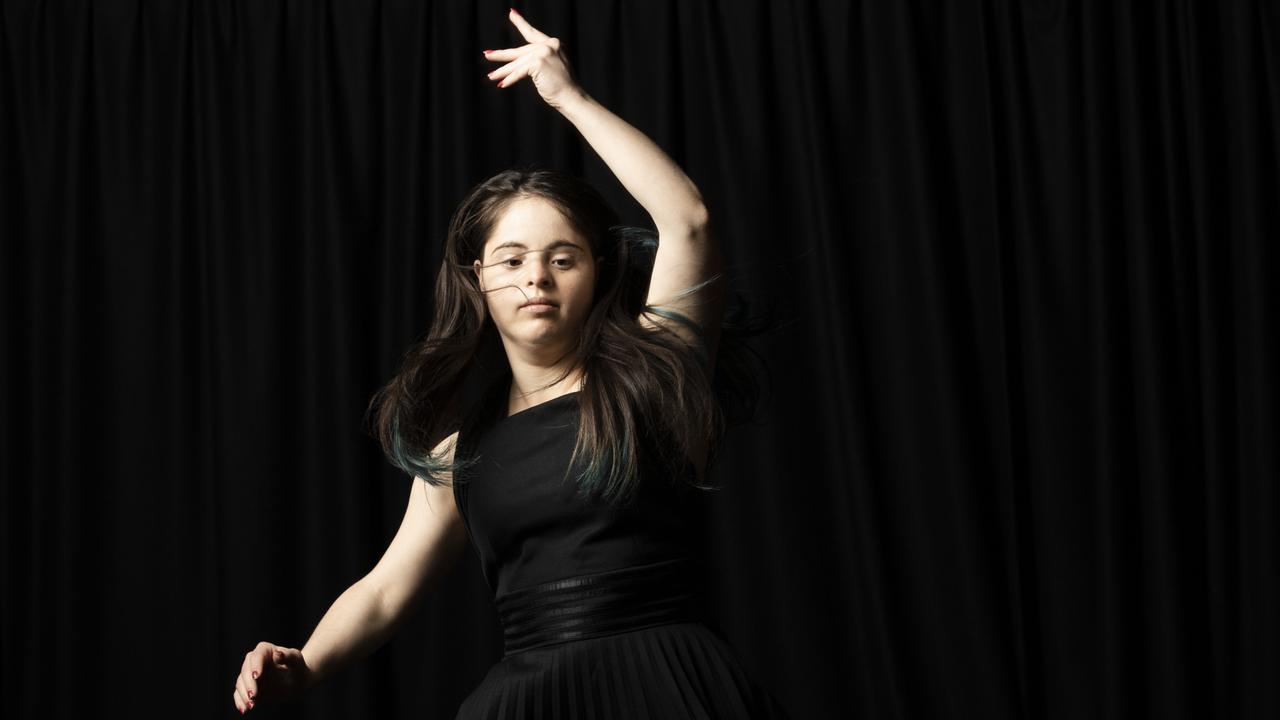
But large-scale changes to the scheme that passed parliament in August will halve overall funding for social, civic and community participation – the funding stream that supports organisations such as Restless – from October.
Many organisations are worried NDIS participants will have to prioritise daily living expenses over arts activities that provide community connection and mental health support.
They warn the cuts could harm trust built over years with participants who might not understand why changes are being made.
Leading arts disability groups from across Australia shared their concerns at a recent meeting chaired by Arts and Disability Network Australia.
NDIS Minister Jenny McAllister’s office has been contacted for comment.
West Australian disability arts organisation DADAA runs three studio/gallery sites across Fremantle, Lancelin and Midland, and client services director Alimul Al Tasin is worried NDIS participants will have to cut back sessions or stop coming altogether.
“Our concern is the social isolation, because they see their peers every week … when they’re not coming in, we are concerned about their wellbeing,” he said.

The NDIS cuts were dramatic, and there was no other source of funding to replace the scheme, the chief executive of peak body Arts Access Victoria Joshua Pether said.
Many NDIS participants described these arts programs as a lifeline and credited them with providing life-saving support, Pether said.
At Hands On Studio, run out of Griffith and O’Connor in the ACT, director Tilly Davey has heard from participants who were worried and confused.
“Lots of people think they’ve done something wrong, and they’re going to have nothing left in their NDIS plan to support them,” she said.
Some Hands On participants have been attending programs for 30 years, and families have been left wondering how they will cover the cost of classes without the NDIS.
“Some parents are in their eighties or nineties and they think, ‘what are my children going to do? I can’t continue, I can’t support them on a daily basis’,” Davey said.
At Hobart’s Second Echo Ensemble, which marked its 20th anniversary in 2025, general manager Judith Abell sees people running out of money for transport.
She said the cuts would compound the isolation caused by having a disability and living in regional Australia.
“They might have had a local place to go to participate in something, social and community support, and that’s going to be taken away,” she said.
“I just think the layers of damage that this is causing are actually much broader than perhaps imagined.”

Australian Associated Press is the beating heart of Australian news. AAP is Australia’s only independent national newswire and has been delivering accurate, reliable and fast news content to the media industry, government and corporate sector for 85 years. We keep Australia informed.