
Aussies adjusting to volatility: business banking giant
Geopolitical tensions driven by the Middle East crisis and high fuel prices have created a volatile macroeconomic environment, Australia’s biggest business bank says.
National Australia Bank, which is one of the big four, on Monday posted a 19.3 per cent fall in 2026 first-half statutory net profit to $2.75 billion, on revenue of $11.16 billion.
Its preferred cash net profit, which excludes large items, was flat at $3.59 billion from the same period last year, but 2.3 per cent higher from the end of its 2025 fiscal year.
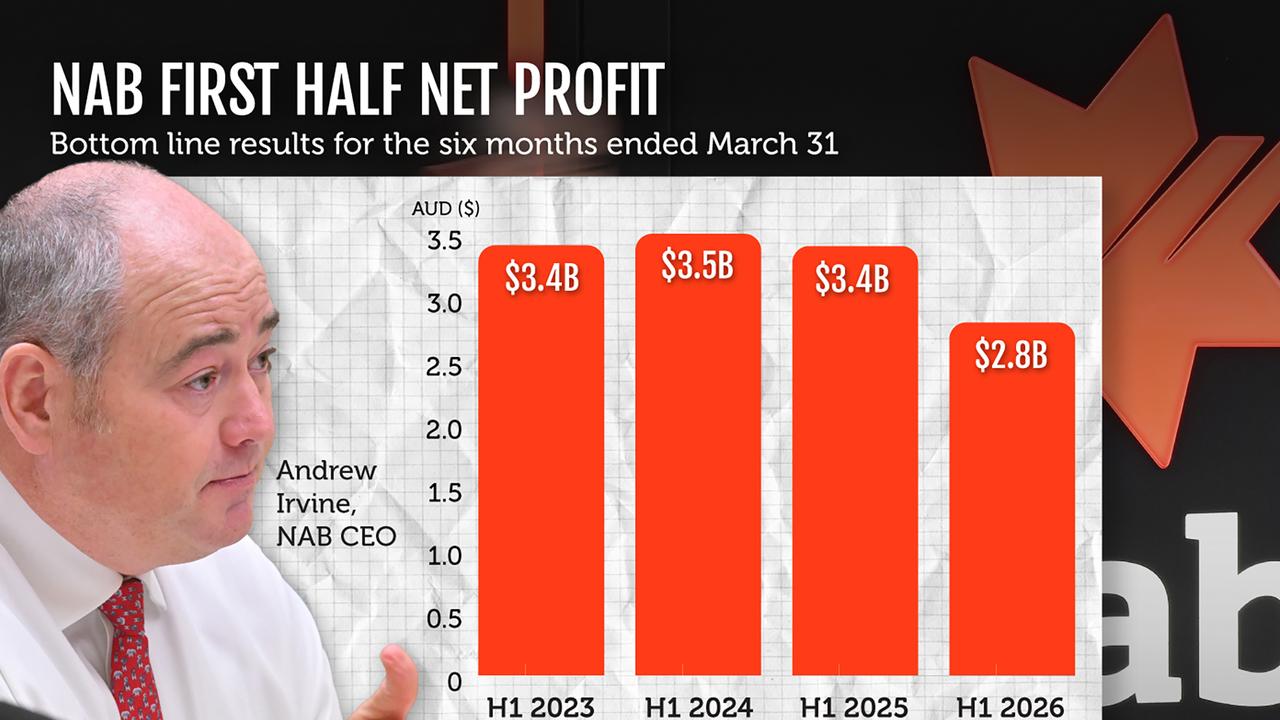
NAB’s result was supported by strong growth of 5.4 per cent in its business and private banking arm and a higher net interest margin, which reflects its earnings on lending activity.
Chief executive Andrew Irvine said global conflict, including in the Middle East, continued to contribute to ongoing economic volatility.
“We’re hearing that businesses are challenged by higher fuel costs, supply disruptions, inflation and elevated interest rates, and are becoming more cautious with spending and cash management,” he said in a statement on Monday.
“But Australians are resilient.
“Many businesses are experienced in managing cost volatility and are making the required adjustments through higher savings and offset balances.”
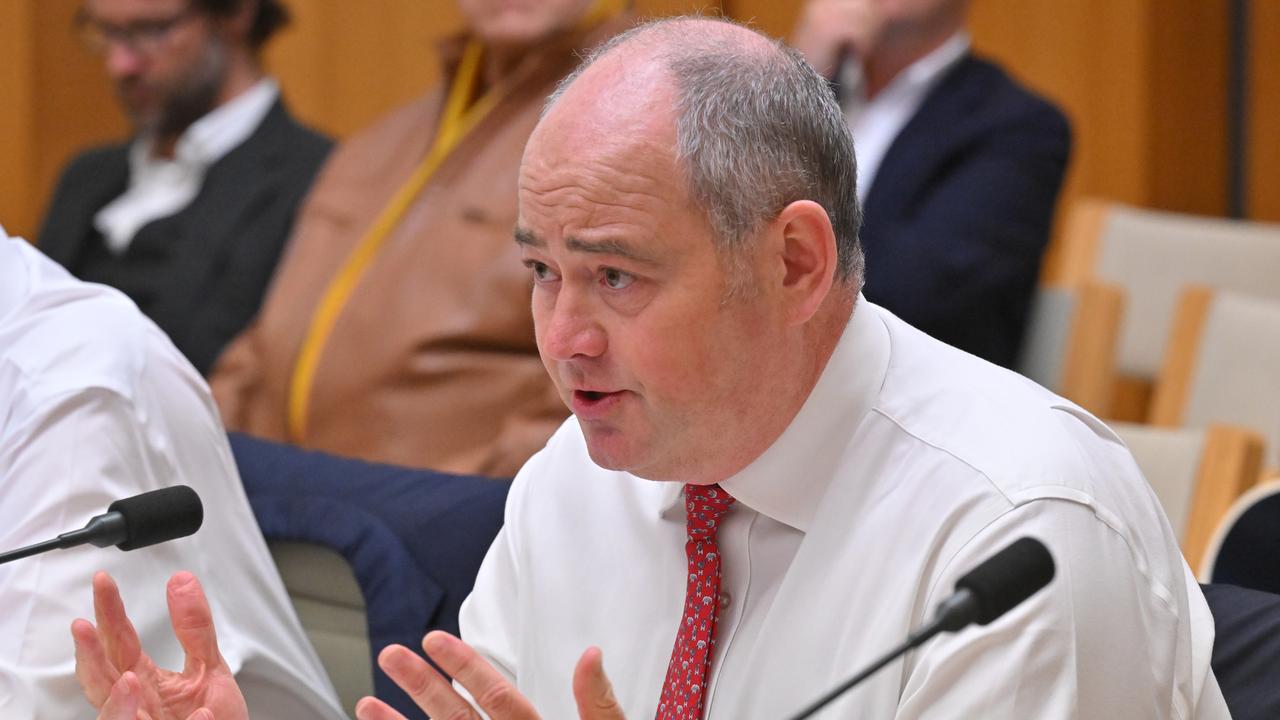
Mr Irvine said NAB was also well-positioned to navigate near-term challenges, on the back of its stronger balance sheet.
In April, ahead of its results, NAB warned that its results would be impacted by $706 million in credit impairment charges, and an increase of around $221 million from the end of its financial year.
The total included a $152 million “economic adjustment” charge to address the changing outlook for Australia’s economy, which is expected to weaken this year.
It also allocated $201 million for potential stress that might emerge in energy-related business sectors, likely to be impacted by fuel supply and cost costs related to the conflict.
NAB declared an interim dividend of 85 cents per share, in line with last time.
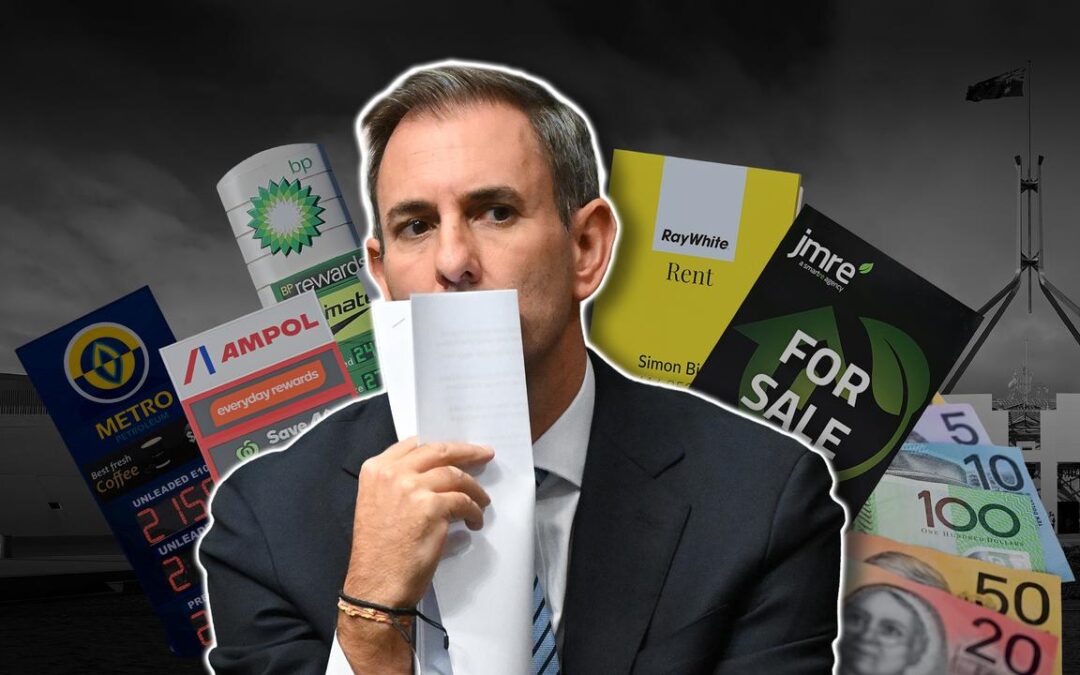
‘Most responsible’: Labor pledge for high-stakes budget
Labor will tout its most restrained budget yet as sweeping changes to the National Disability Insurance Scheme allow it to bank more savings than increased spending.
But the government also faces accusations it is coming after “mum and dad” investors as family trusts join capital gains tax discounts and negative gearing on the list of possible targets for change.
Treasurer Jim Chalmers, who will hand down the federal budget on May 12, said on Monday the fiscal blueprint would feature net savings for the second consecutive year.
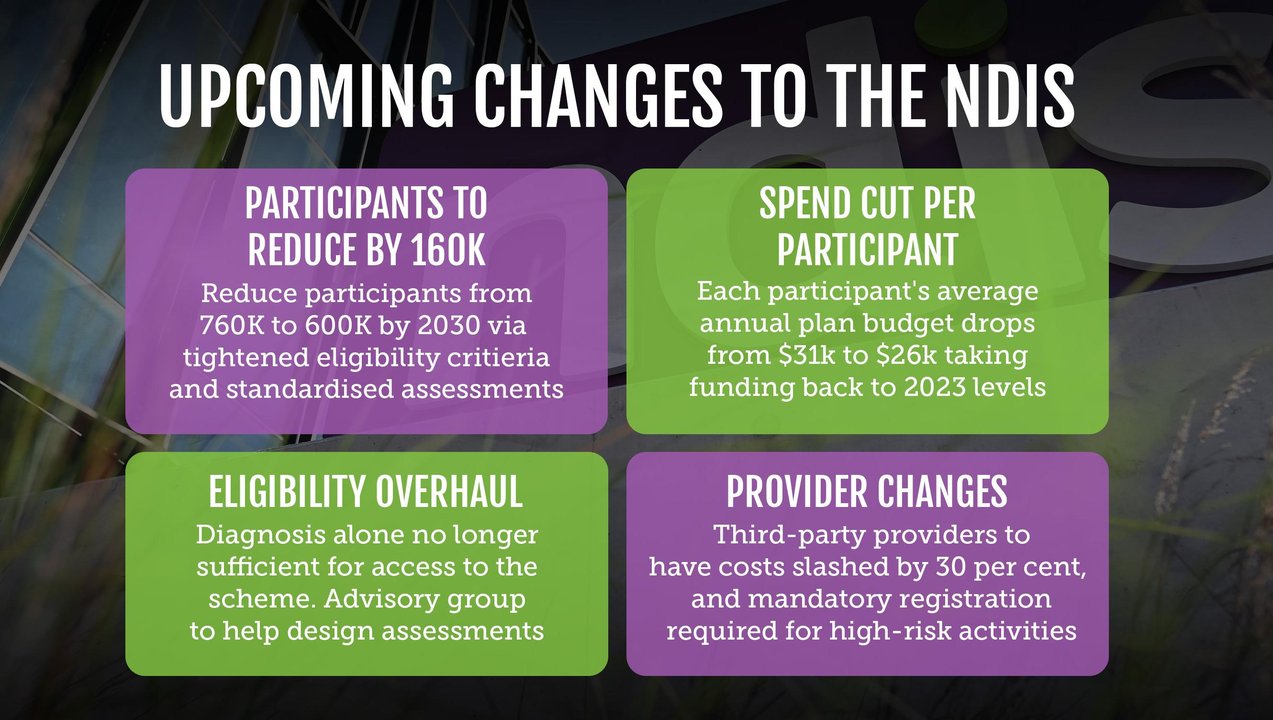
Labor recently announced at least 160,000 people were expected to be removed from the NDIS by 2030 as the government curbs growth in spending on the scheme.
The move will do the heavy lifting in budget repair, providing more than $35 billion in forecast savings, although states have sounded the alarm about the financial burden of people with disabilities being shifted onto their health and education systems.
A further $3 billion will be saved by removing the age-based loading for the private health insurance rebate, also announced in April.
Dr Chalmers said the government had shown restraint in its budget measures.
“Responsible economic management has been a hallmark of this Albanese government and the May budget will be our most responsible yet,” he said.
Senior Labor figures have done little to dampen expectations the budget will deliver major changes to the capital gains tax discount and negative gearing for investment properties.
Asked on Sunday if the public would support changes Labor had not taken to the 2025 election, Prime Minister Anthony Albanese said voters would make their own decisions about his government’s record.
He indicated the measures could go after existing investments, responding that everything in the budget was focused on “immediate needs” when asked about so-called grandfathering arrangements.
The government is also reportedly considering tax changes for family trusts.
In a speech to the Australian Chamber of Commerce and Industry in Melbourne on Monday, shadow treasurer Tim Wilson will paint the expected changes as a “tax agenda assault on family”.
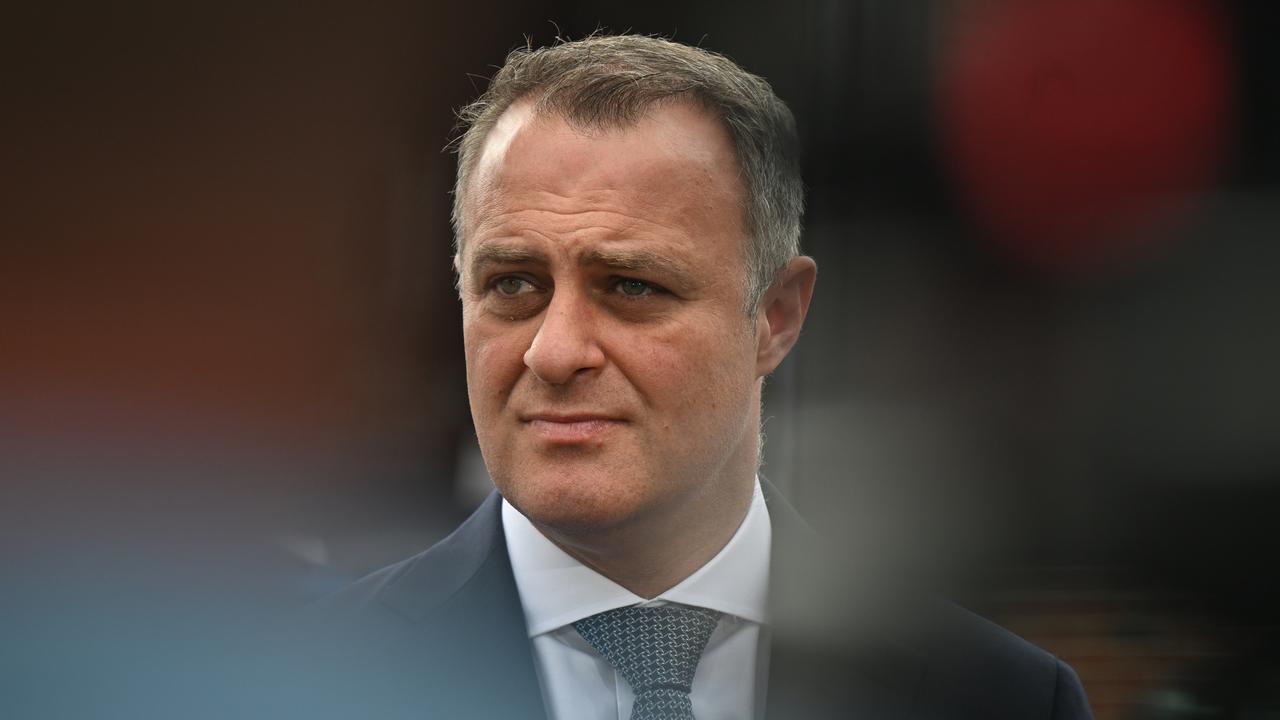
“Their capital gains tax applies to everyday Australians, mums and dads, but probably won’t to industry super funds nor foreign investors in renewable energy,” he will tell the business group.
“Labor is building a class of Australians dependent on them being in office. This government is not about a better Australia; it is about securing power.”
The government will suspend the commercial broadcasting tax for a further two years as part of the budget, which it estimated would save the industry $111 million through to June 2028.
The move follows announced restrictions on gambling advertising, which are expected to hit many media companies’ bottom lines.
Communications Minister Anika Wells said the changes eased financial pressure on the industry and helped ensure communities had access to free-to-air television and radio.
Japan’s ‘Iron Lady’ lands in Australia to shore up ties
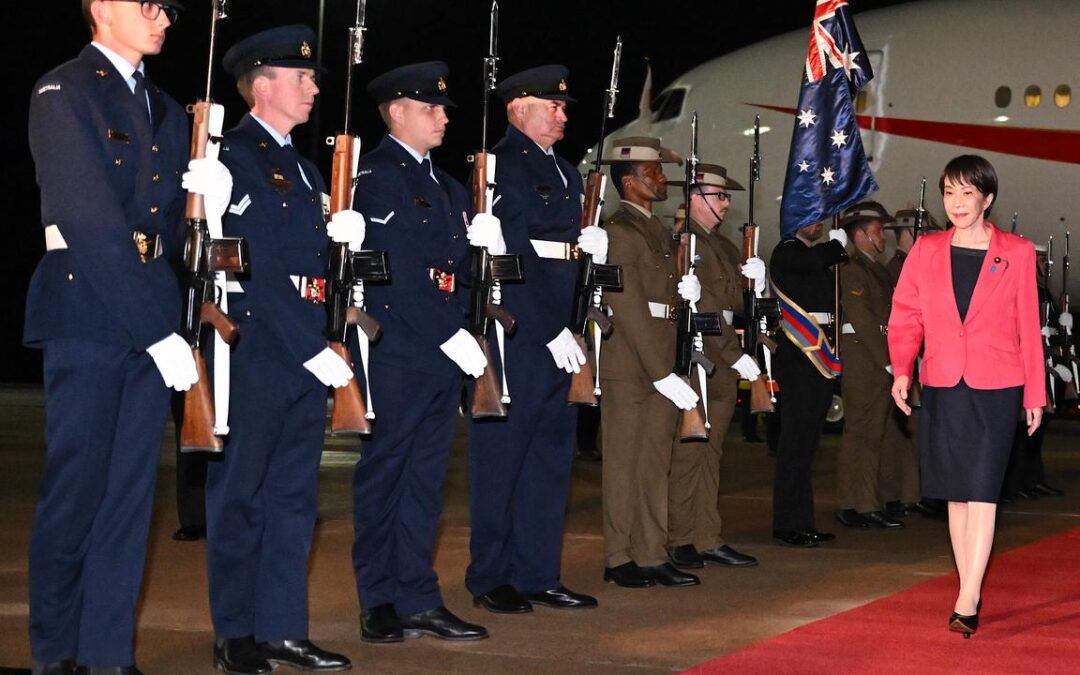
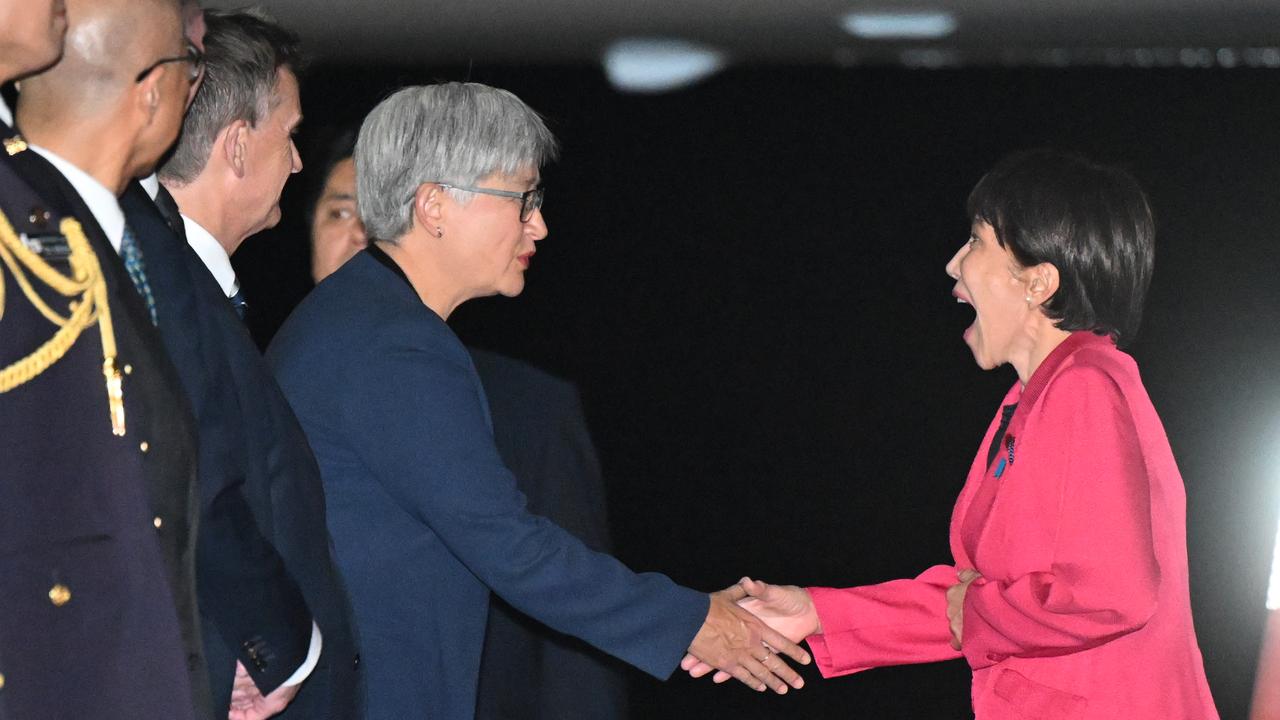
Japan’s “Iron Lady”, Prime Minister Sanae Takaichi, has arrived in Australia for her first visit as leader as the two nations seek to shore up energy and defence ties.
Ms Takaichi was greeted by Foreign Minister Penny Wong when she landed in Canberra on Sunday evening ahead of a meeting with Prime Minister Anthony Albanese at Parliament House on Monday.
The visit marks the 50th anniversary of the Nara Treaty, which set up relations and co-operation between Australia and Japan.
While that treaty was negotiated in the context of the 1973 Middle East oil shock, this trip also takes place against the backdrop of a fuel crisis caused by the US-led war on Iran.
A deal on critical minerals is expected, while Ms Takaichi is likely to seek assurances from Australia for certainty about gas supplies.
During her stay in the nation’s capital, the Japanese leader will also visit the Australian War Memorial, where she will lay a wreath at the tomb of the unknown soldier.
Australian Strategic Policy Institute senior analyst Alex Bristow said the centrepiece of the visit would be an uplift of the partnership and would likely include new initiatives.
“The joint statement on economic security that will be announced … is expected to include language on energy and critical mineral supply chains,” he said.
“It may go further and also address vital technologies, like AI, which Takaichi has prioritised in her domestic economic reforms.”
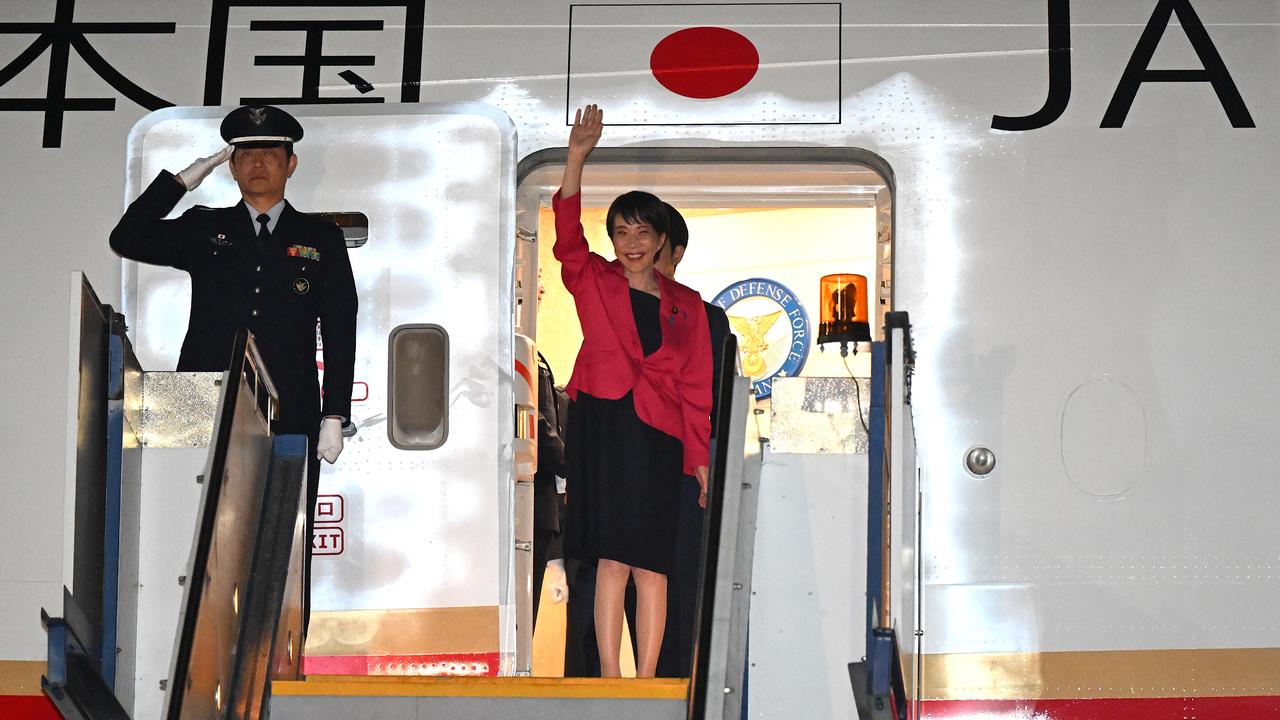
The conservative Japanese leader, who considers Margaret Thatcher an inspiration, won a massive election victory in October, giving her a mandate to push through key reforms, particularly on defence.
Although Australia and Japan do not have a formal alliance, the relationship remains close as the two countries work together on security issues in the Indo-Pacific.
Canberra chose Japan’s Mitsubishi Heavy Industries to supply its upgraded Mogami-class frigate for Australia’s navy for $10 billion.
It is the first time a Japanese prime minister has visited Australia since Fumio Kishida travelled to Perth in late 2022.
However, it will be the fourth time Mr Albanese and Ms Takaichi have met, with the leaders last holding talks on the sidelines of the G20 Summit in South Africa in November.
Israel approves plan to buy F-35, F-15IA fighter jets
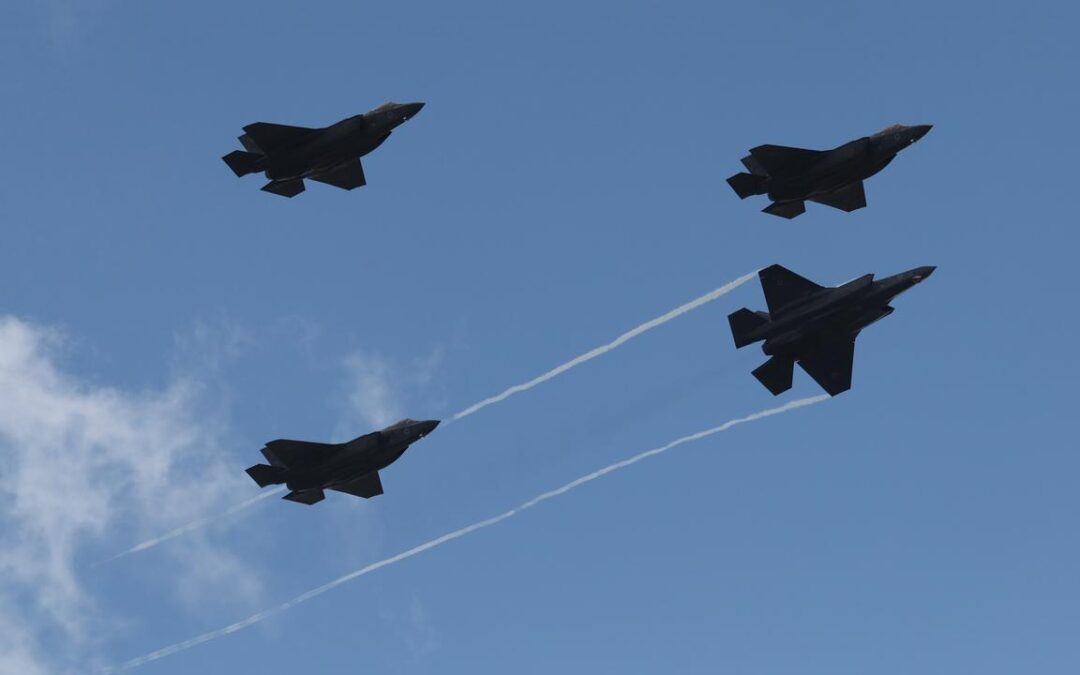
Israel has given final approval for a plan to purchase two new combat squadrons of F-35 and F-15IA advanced fighter aircraft from Lockheed Martin and Boeing in a deal worth tens of billions of dollars, the defence ministry says.
The deal, approved by Israel’s Ministerial Committee on Procurement, is a first step in a 350 billion shekel ($A165 billion) plan to bolster Israel’s military and “strengthen readiness ahead of a demanding decade for Israeli security”, the ministry said on Sunday.
It said the new squadrons would serve as a cornerstone of the military’s long-term force development, addressing regional threats and preserving Israel’s strategic air superiority.
“Alongside immediate wartime procurement needs, we have a responsibility to act now to secure the IDF’s military edge 10 years from now and beyond,” ministry director general Amir Baram said, referring to the Israel Defense Forces.
The recent war with Iran “reinforced just how critical the US-Israel strategic relationship is, and how essential advanced air power remains”, he said.
Under the deal, Israel would buy a fourth F-35 squadron from Lockheed Martin and a second squadron of F-15IA fighter jets from Boeing.
In December, Boeing was given an $US8.6 billion ($A11.9 billion) contract for Israel, including 25 new F-15IAs and an option for 25 more.
Baram said the next step would be to move forward with finalising the agreements with the US government and military counterparts.
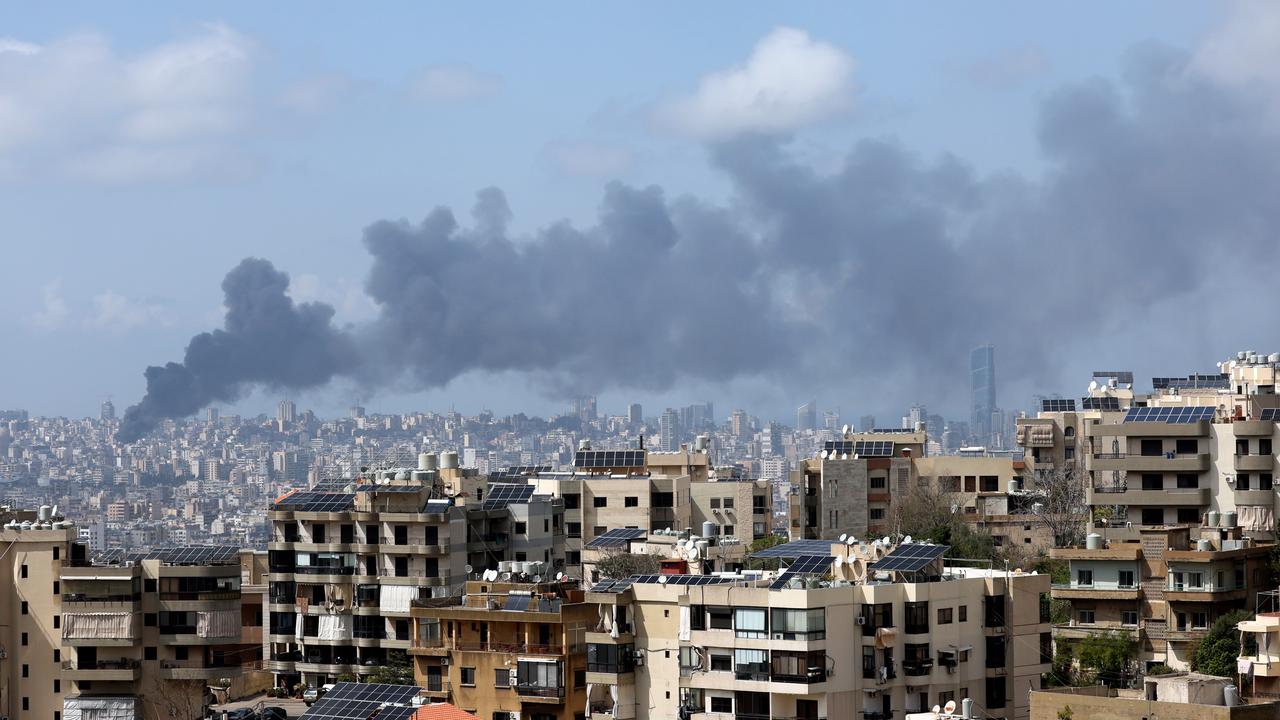
The US and Israel launched air strikes on Iran on February 28, but a ceasefire has been in place since April 8.
The US Navy maintains a blockade of Iranian ports.
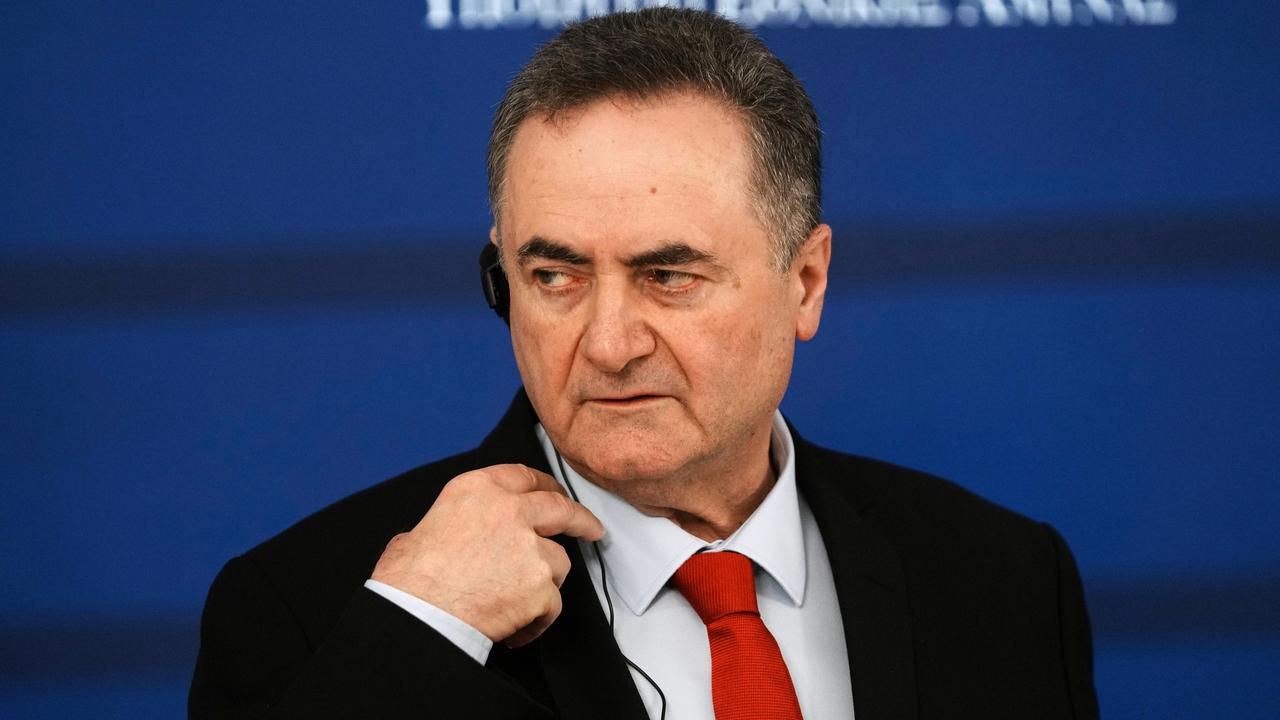
Defence Minister Israel Katz said the Iranian conflict demonstrated the air force’s power and its decisive role in protecting Israel.
“The lessons of that campaign require us to keep pressing forward on force build-up, to ensure air superiority for decades to come,” he said.
Israeli aircraft have also attacked Iranian-backed Hamas militants in Gaza and Hezbollah militants in Lebanon since the October 7, 2023, Hamas attacks on Israel.
Katz said the new aircraft would lead to a significant technological leap in integrating autonomous flight capabilities, next-generation defence systems, and establishing Israeli military dominance in space.
“Our mission is clear: to ensure the IDF has the tools, capabilities, and strength to operate anywhere, at any time,” Katz said.
“We will continue to invest, to grow stronger, and to stay ahead of our enemies – to keep Israel secure today and in the future.”
Tension simmers as man charged with ‘horrific’ murder
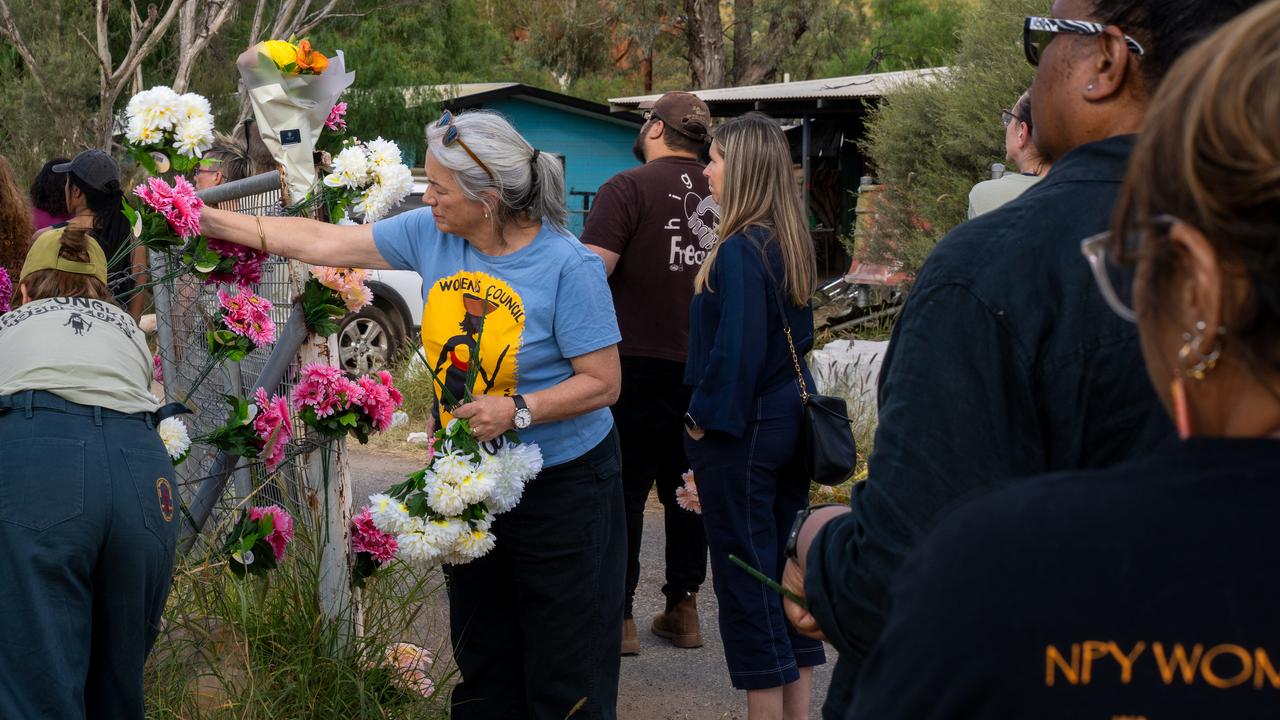
A man faces the possibility of life behind bars over the alleged murder of a five-year-old girl as the outback town of Alice Springs reels from unrest.
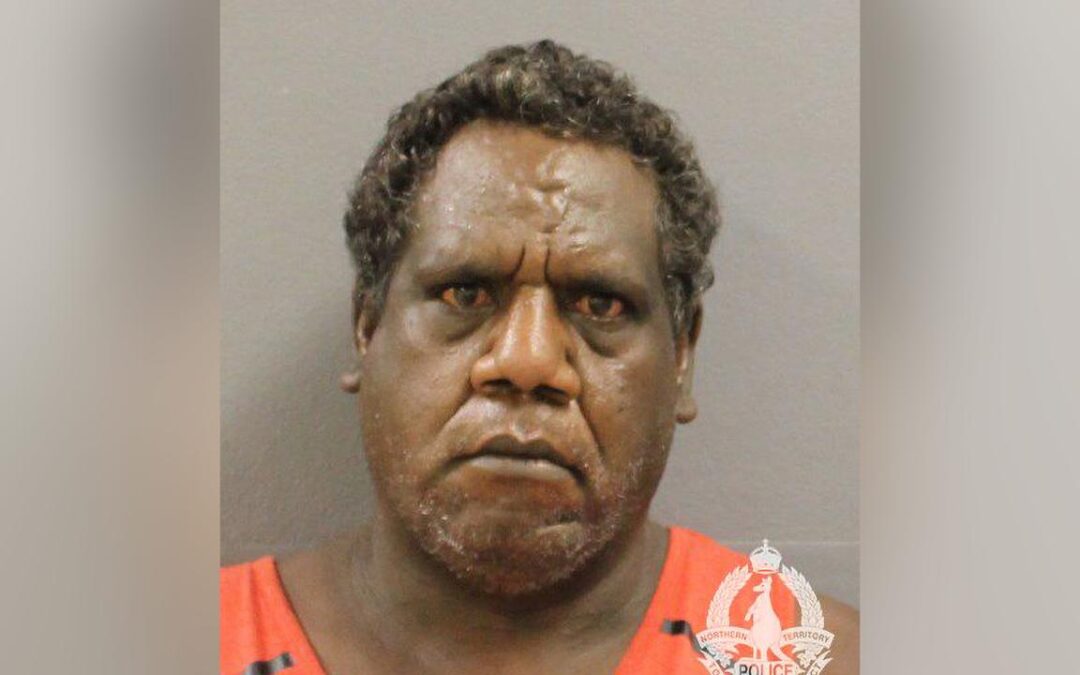
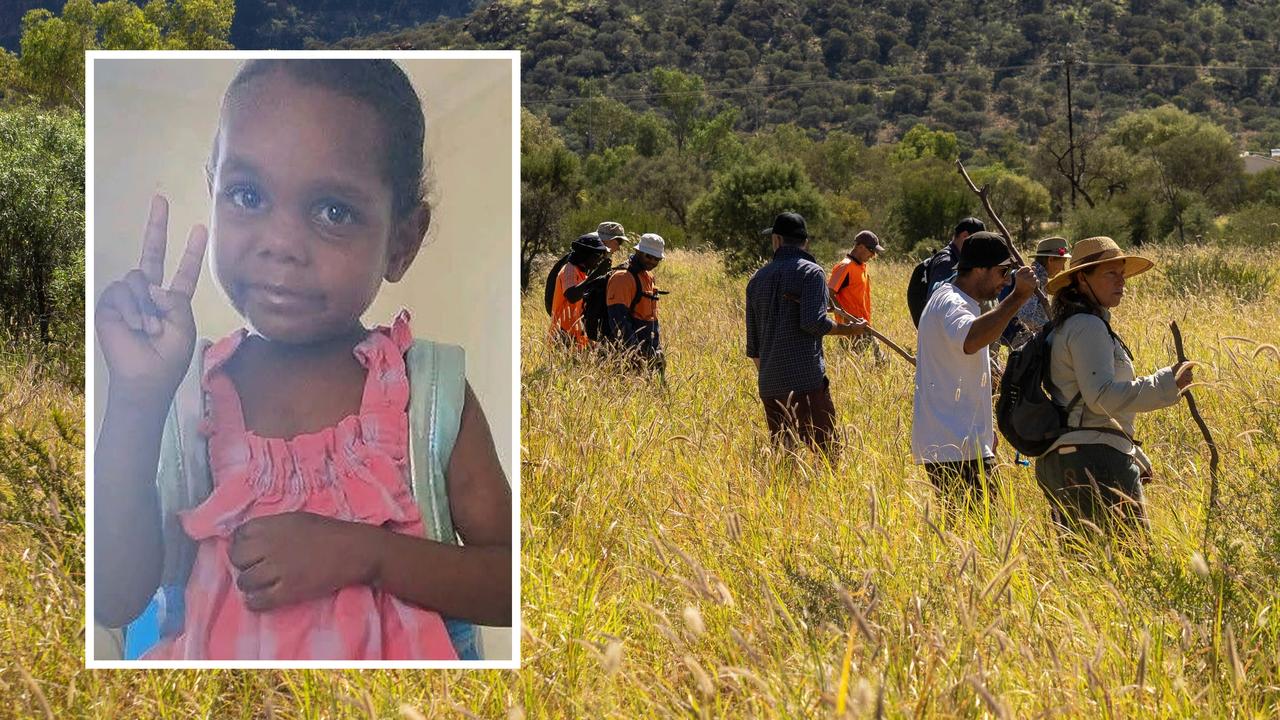
Jefferson Lewis, 47, has been charged with murder and other offences after the body of Kumanjayi Little Baby was found in bushland near the outback town on Thursday, five days after she went missing.
Kumanjayi – the name used for the child after she died in line with cultural tradition – disappeared from a home on an Indigenous town camp near Alice Springs, sparking a massive land and air search.
Her body was found in scrub outside the town after days of searching, prompting an outpouring of grief, anger and fear in the tight-knit central Australian community.
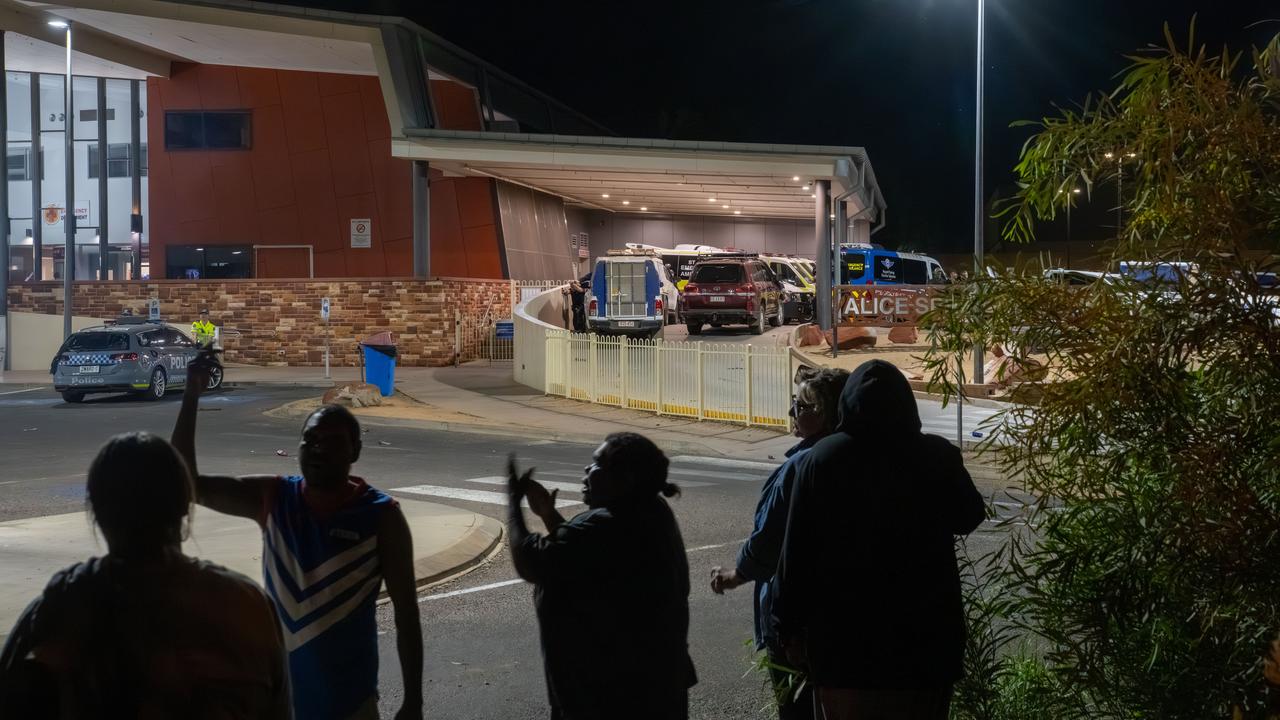
Lewis was arrested later on Thursday at another Alice Springs town camp after being beaten unconscious by locals.
He was taken to Alice Springs Hospital under guard as tensions continued to rise, with residents calling for immediate traditional justice.
Five emergency service workers were injured and police vehicles and ambulances were damaged in the chaos.
Lewis was evacuated to Darwin on the NT Police air wing before being remanded in custody ahead of an expected appearance in Darwin Local Court on Tuesday.
Police confirmed the murder charge at a media conference on Sunday, describing the case as deeply distressing for the girl’s family and the wider community.
NT Police Commissioner Martin Dole said detectives had worked around the clock on what he called an extensive and complex investigation.
“Our thoughts are firmly with Kumanjayi’s family, loved ones and the wider community that have been deeply impacted by these events,” he told reporters.
“It’s deeply distressing, not only for the family, but for the wider community. This is a horrific event and a horrific set of circumstances.”
NT Chief Minister Lia Finocchiaro visited the girl’s mother in Alice Springs as the family began sorry business, the term used for cultural mourning.
“Right now, our focus is on a family, a town and a territory grieving – the politics can wait,” a spokeswoman for Ms Finocchiaro told AAP.
The death has spurred calls for a review of conditions within town camps and money spent on the sites, including from NT Liberal senator Jacinta Nampijinpa Price.
Federal Nationals leader Matt Canavan also used the tragedy to renew calls for a royal commission into the abuse of Indigenous children and a broader inquiry into how public funds were spent in the area of First Nations affairs.
“Since the defeat of the voice (referendum), the government has effectively run scared from Indigenous policy,” Senator Canavan told ABC’s Insiders program on Sunday.
“You’ve got to get your hands dirty, get out into communities and take practical action to help people’s lives, not just throw money at it.”
But Prime Minister Anthony Albanese doused calls for an inquiry, saying his government’s $4 billion in spending on remote housing was already improving living standards.
Police continue to investigate widespread looting and violence that erupted following Lewis’s arrest, including attacks on emergency services and extensive damage to local businesses.
Officers have released footage showing people breaking into shops and stealing stock as Mr Dole insisted the behaviour had nothing to do with grief or cultural law.
“What you will see is criminal behaviour, plain and simple,” he said.
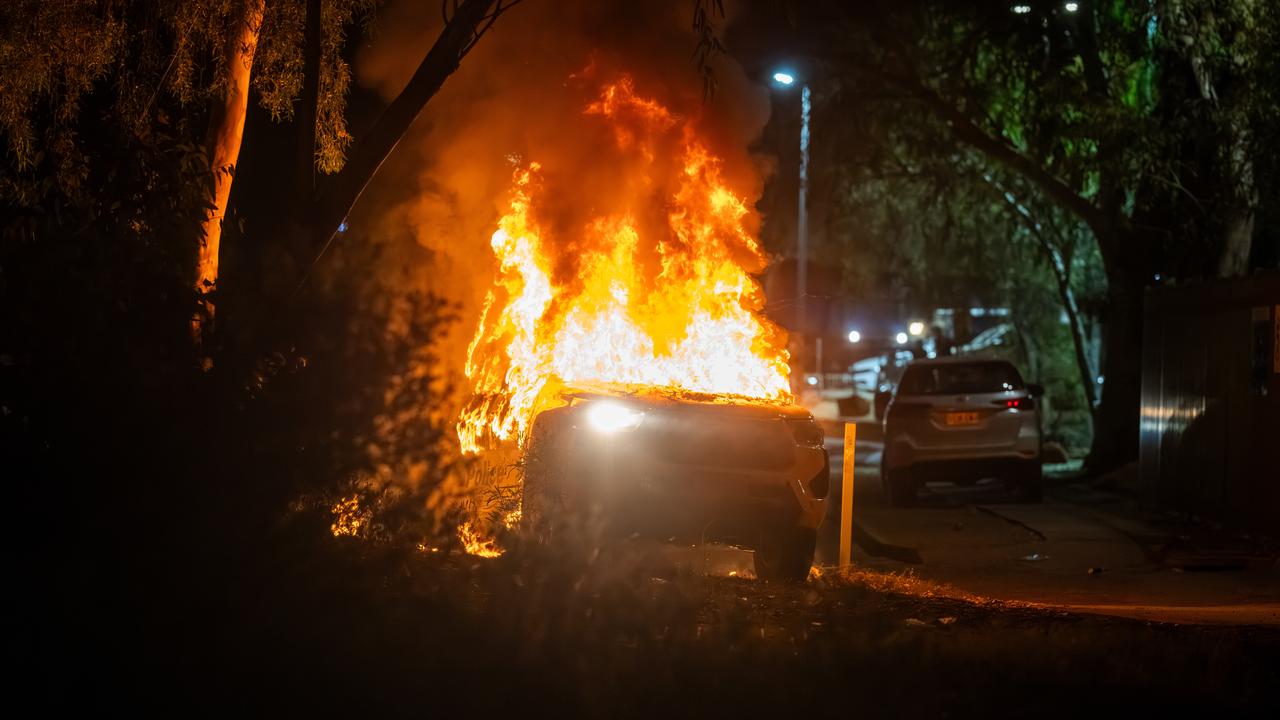
Two people have handed themselves in and several others have been arrested over the unrest, with more charges expected as investigators review hundreds of hours of CCTV and body-worn video.
Officers are also searching for people they believe sheltered Lewis before his arrest as they piece together his movements during the days-long search.
Community elders and the girl’s family have called for calm, urging residents to let the courts deal with both the alleged murder and the violence that followed.
13YARN 13 92 76
Lifeline 13 11 14
Close call tipped as Reserve Bank mulls third rate hike
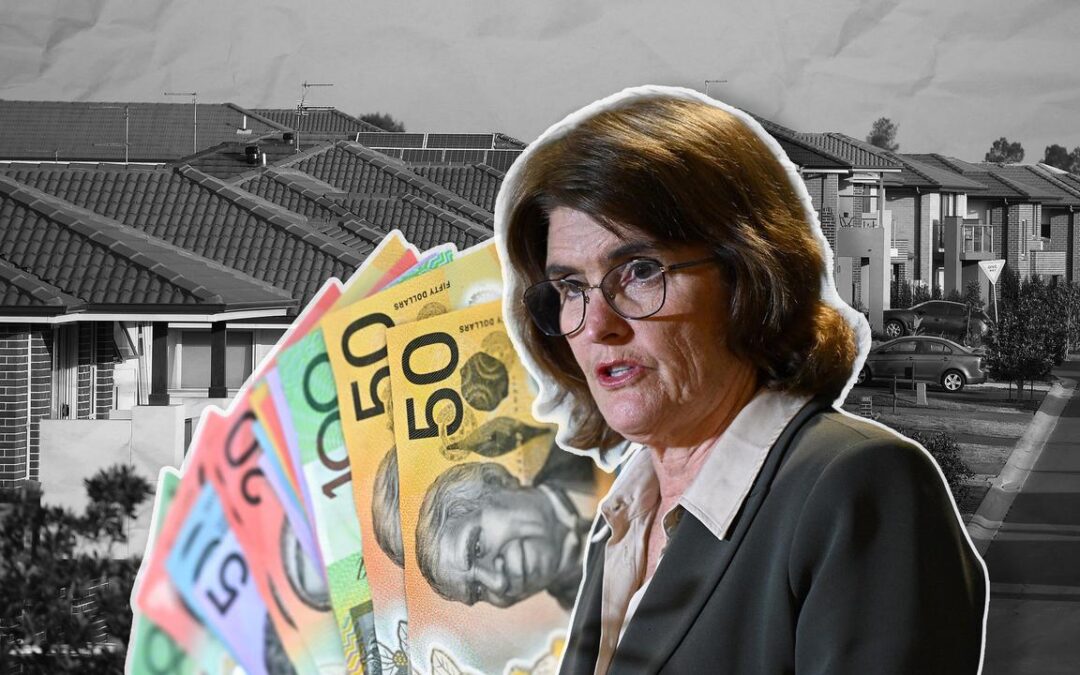
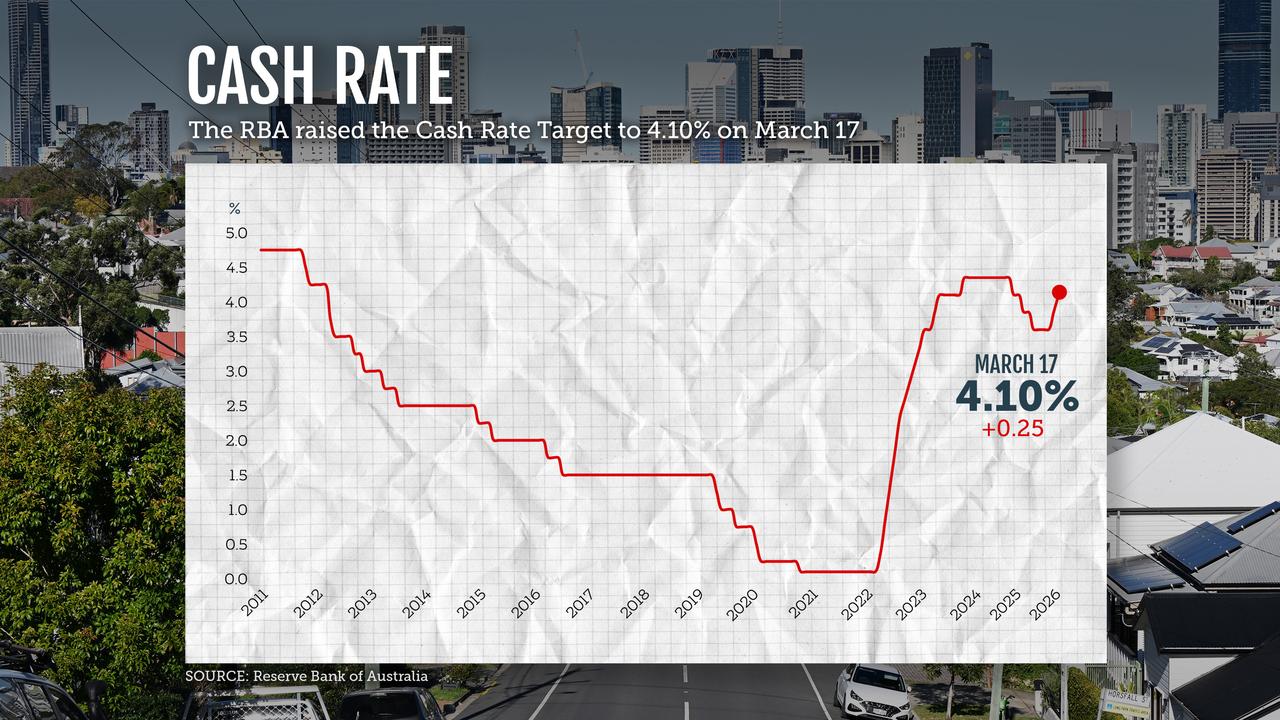
A repeat of the Reserve Bank board’s split decision to raise interest rates in March could be on the cards as the central bank frets over the dual threats of high inflation and a stalling economy.
Financial markets and most economists are tipping a third straight rate hike on Tuesday.
ANZ Bank head of Australian economics Adam Boyton is part of the chorus predicting the Reserve Bank will lift the official cash rate to 4.35 per cent – the same level as its post-COVID-19 pandemic peak.
But he thinks it won’t be a lay down misere, with several members likely to vote in favour of keeping rates on hold.
The combination of a tight labour market, above-target underlying inflation and concerns inflation expectations could become unanchored all point in favour of a hike.
At the same time, the US-Israeli war with Iran’s effects on the economy could convince some board members more time is needed to weigh the impact on economic growth.
In March, four of the board’s nine members voted unsuccessfully to keep rates on hold, arguing there was too much uncertainty around the domestic growth outlook and how the conflict in the Middle East would evolve.
Uncertainty around the path forward would be reflected in the bank’s post-meeting communications, Mr Boyton said, with no forward guidance expected.
“We expect, however, a tilt in the language in the post-meeting statement that will open the door to an extended pause,” he said.
Financial markets put the chance of a hike on Tuesday at about three-quarters and have fully priced in at least one more rate rise by November.
Westpac forecasts another two hikes after May, in June and August.
But economists at ANZ, NAB, Commonwealth Bank, Deutsche Bank and HSBC think the Reserve Bank will stand pat after Tuesday.
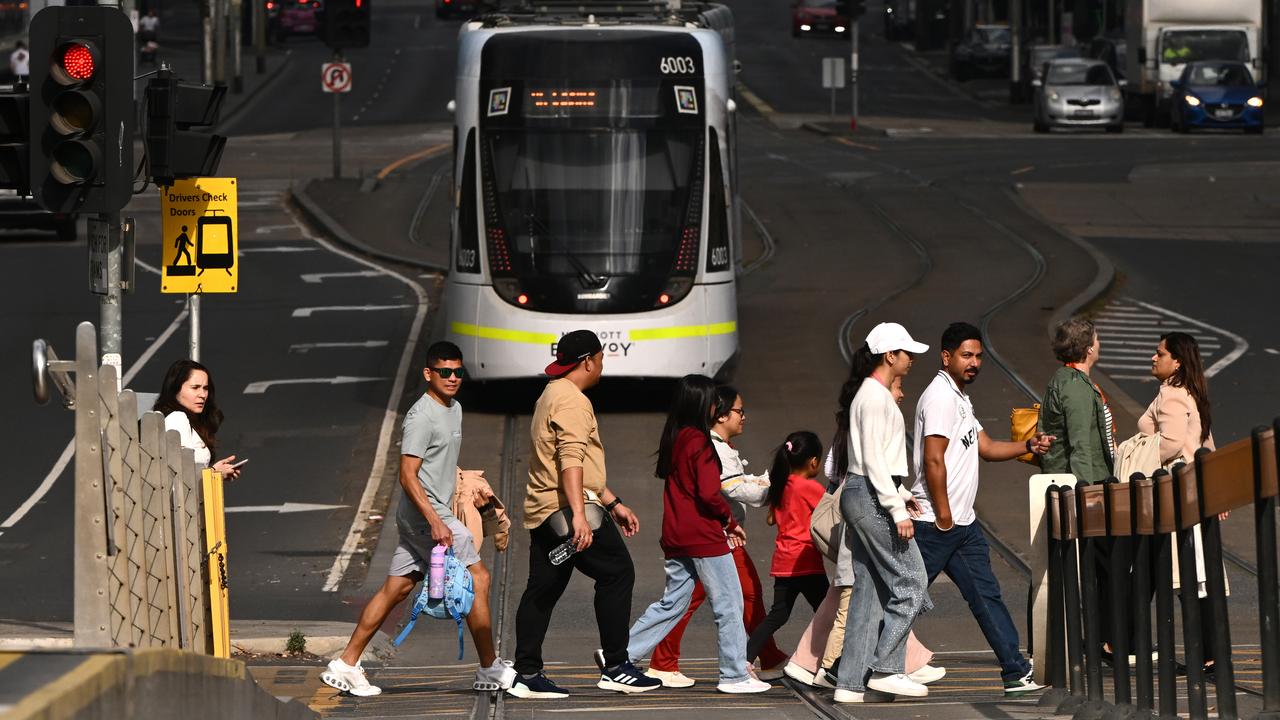
“Whether the RBA delivers further tightening beyond May will depend on how quickly the economy weakens,” HSBC’s local chief economist Paul Bloxham said.
“We see a recent sharp weakening in sentiment as a clear signal that a downturn is already under way.
“Our central case is that, beyond the May hike, the RBA remains on hold.”
Updated economic forecasts by Reserve Bank staff, released simultaneously to the monetary policy decision, will be closely scrutinised for hints about the path forward for rates.
Earlier on Tuesday, the Australian Bureau of Statistics will release household spending figures for March.
Economists predict a rise of 1.5 per cent, driven by higher fuel spending.
Building approvals figures for March will be published on Monday.
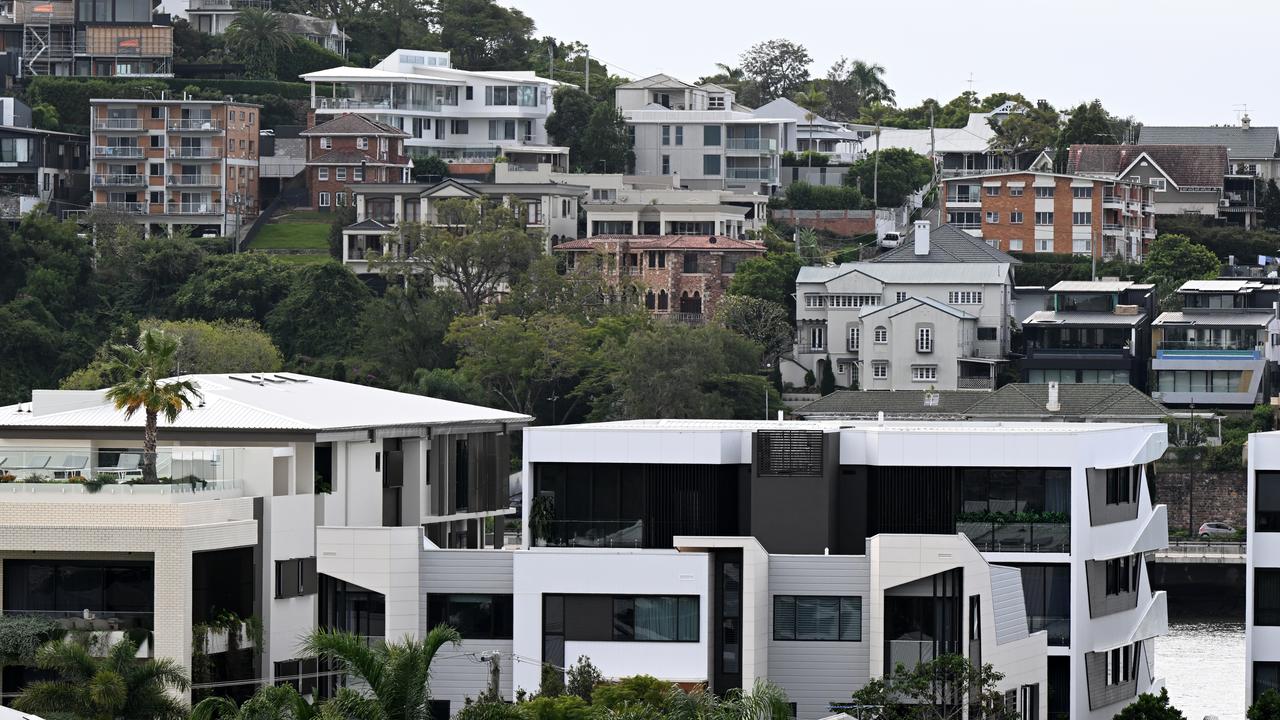
Trend dwelling approvals have been gradually rising since early 2024 to just over 210,000 per year.
But the slow progress the industry has been making in recent years could be scuppered by surging building material prices as a result of the Iran war, the National Housing Supply and Affordability Council has warned.
On Wall Street, the S&P 500 and the Nasdaq advanced to record closing highs on Friday, boosted by robust earnings and a dip in crude prices
The S&P 500 gained 20.46 points, or 0.28 per cent, to end at 7,229.47 points, while the Nasdaq Composite gained 217.67 points, or 0.87 per cent, to 25,109.98.
The Dow Jones Industrial Average fell 155.67 points, or 0.31 per cent, to 49,496.47.
Australia’s share market broke its worst losing streak since 2018 as oil prices eased from four-year highs and strong US earnings boosted investor sentiment.
The S&P/ASX200 gained 64 points on Friday, up 0.74 per cent, to 8,729.8, while the broader All Ordinaries improved by 67 points, or 0.75 per cent, to 8,954.6.
Drivers to wait until after budget for fuel relief call
Any decision to extend the halving of the fuel tax will come after the upcoming federal budget as Labor leaves the door open to changes for investment properties and family trusts.
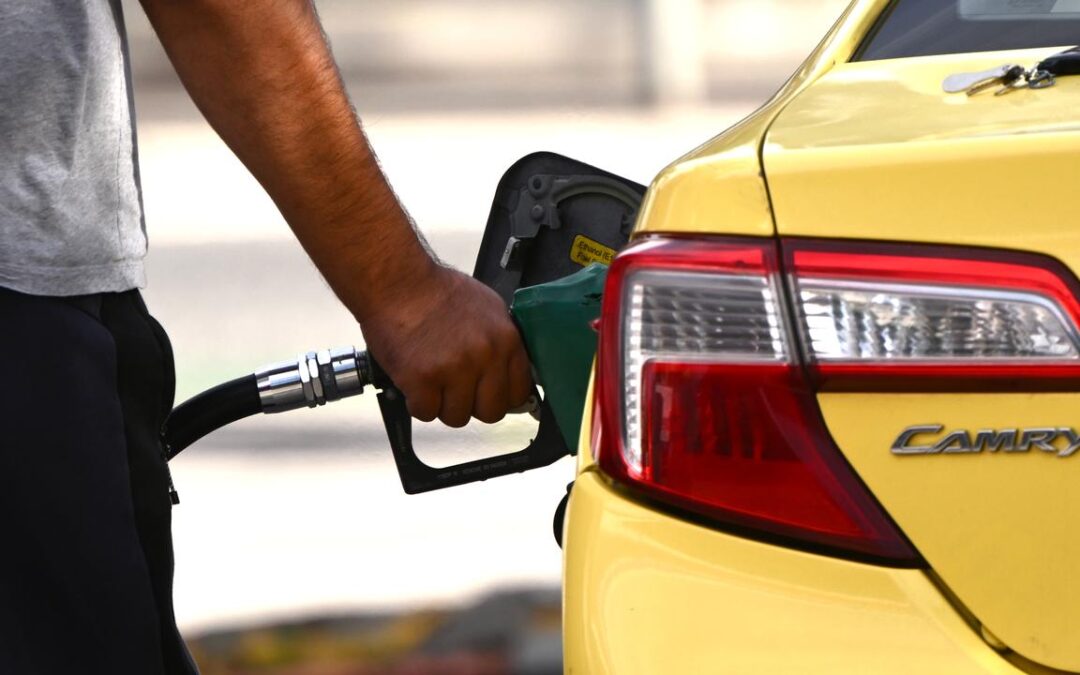
The three-month cut to the fuel excise kicked in at the start of April, resulting in the cost of petrol and diesel being slashed by 26.3 cents a litre as the federal government responded to soaring prices caused by the US-led war on Iran.
Assistant Treasurer Daniel Mulino said he would expect a call to be made on any extension following the May 12 budget being handed down.
“We need to really see how the overseas conflict evolves, how prices evolve for oil,” he told Sky News on Sunday.
“It is doing what it was intended to do. It’s not a silver bullet, but it is providing material support for people.”
Treasurer Jim Chalmers is expected to make changes to the capital gains tax discount and negative gearing in the budget as the government positions itself to tackle intergenerational equity and increasing support for far-right political parties.
Dr Mulino didn’t rule out further charges when asked about tax reform in the budget.
“I’m not going to announce the specific things that may or may not be in the budget, but I think the Australian public would hope that we would look at tax in the context of these broader themes of intergenerational fairness and productivity,” he said.
Coalition MPs have largely opposed changes to capital gains tax, arguing the shift could reduce the supply of new homes.
Nationals leader Matt Canavan said he wanted to see the details of Labor’s policies, but he didn’t support “extra tax increases”.
Opposition finance spokeswoman Claire Chandler also voiced her resistance to any changes that would lead to higher taxes.
“My default response as a Liberal is to say, well, we shouldn’t be supporting more taxes on something that we want to see more of, and we do want to see more housing,” she told Sky News.
Garbage to glass: larvae helps turn waste into wine
Worms and wine may not sound like a winning combination but together they are showcasing local, resilient agriculture supply chains less reliant on fertiliser shipped from afar.
A Sydney hotel is now serving shiraz grown from grapes fertilised by food scraps collected from its kitchens in a unique closed-loop endeavour.
Its made possible with a Australian agritech pioneer Goterra’s boxes containing thousands of black soldier fly larvae that gobble up food waste and excrete nutrient-rich fertiliser, taking seven to 10 days to process 95 per cent of the material.
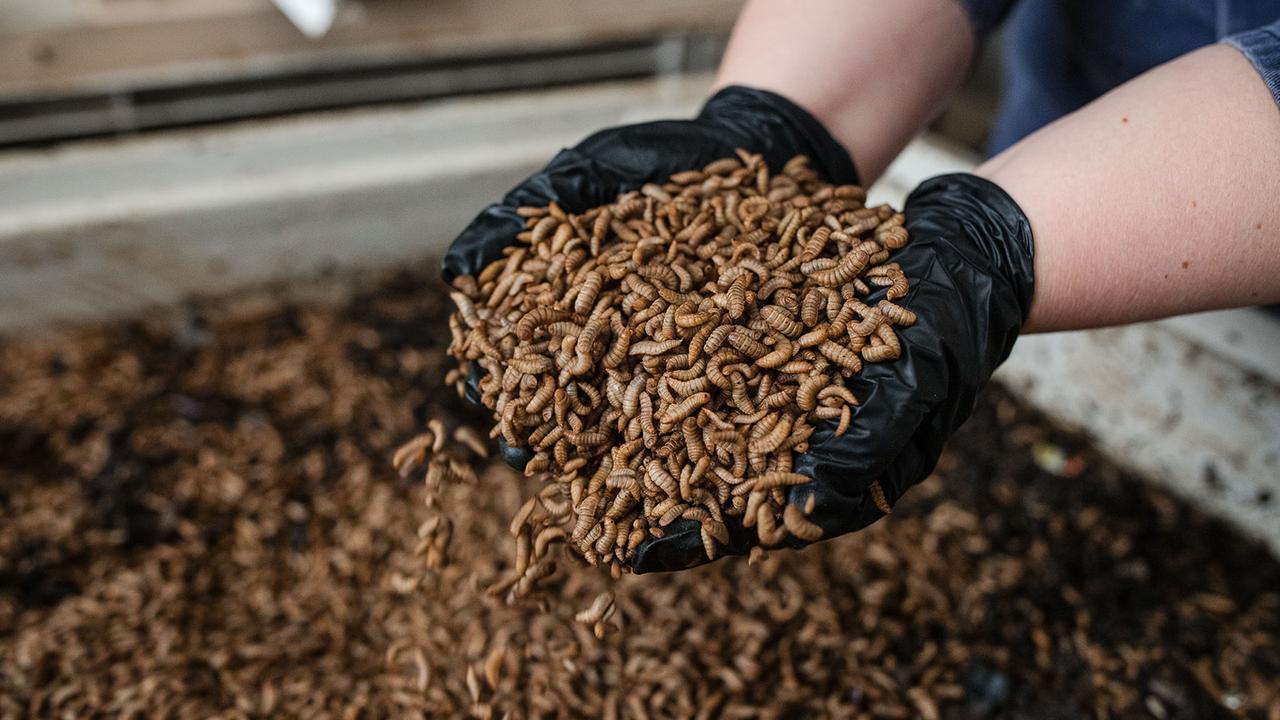
The tech is similar to a worm farm but with the benefit of the maggots themselves that are a valuable protein source for fish and livestock.
The insect feed produced in Hyatt Regency Sydney’s “maggot robot” has been going to the hotel’s main egg supplier, further closing the loop on supply chains.
Executive chef at the hotel, Sven Ullrich, said guests were literally being served wine grown from their breakfast.
“It sounds wild, but it’s actually the most natural thing in the world, returning nutrients to the soil instead of sending waste to landfill.”
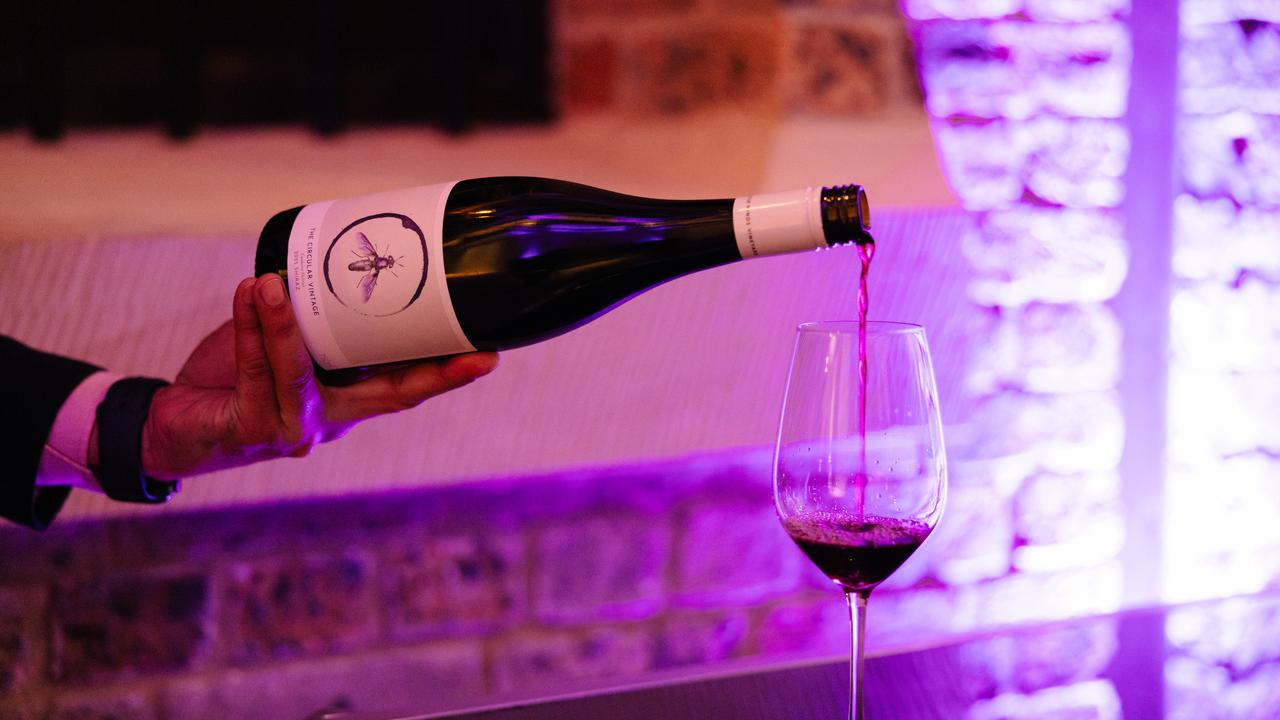
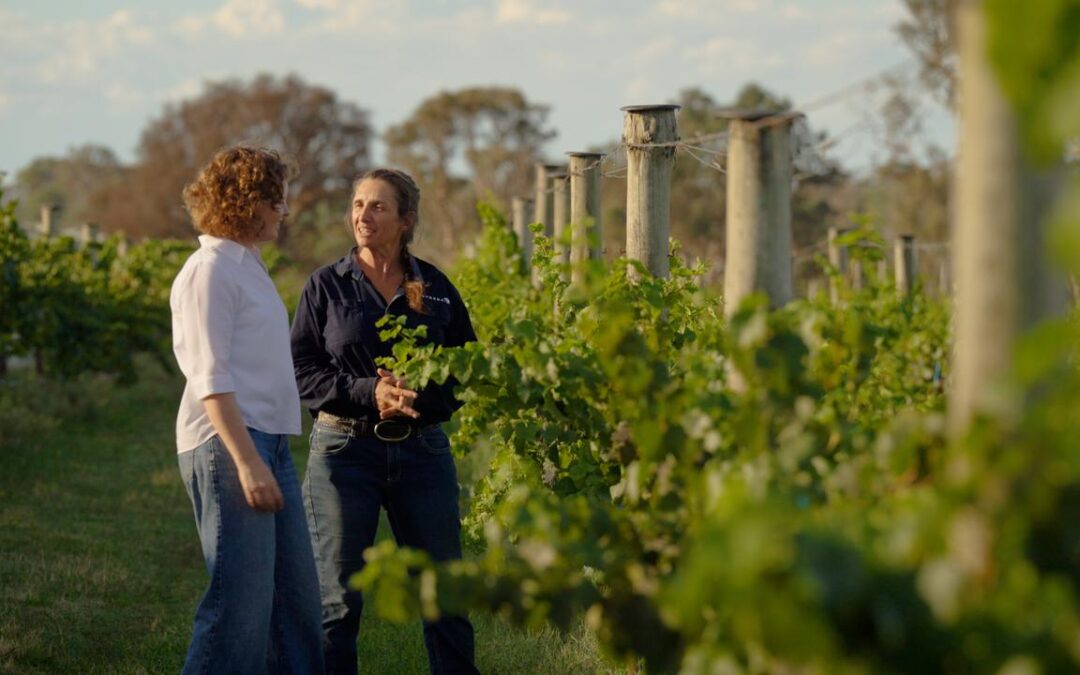
Goterra founder and chief executive Olympia Yarger says the collaboration with the hotel and its suppliers, including Four Winds Vineyard, is a story of sustainability, economic resilience and sovereign capacity.
“We’ve got fertiliser that has come less than three hours instead of from Russia or from South America,” she told AAP.
“And we’ve got protein that’s coming less than three hours to the poultry farmer.”
The US-Israel war on Iran has put pressure on global food systems, with about 20 per cent of fertiliser trade disrupted and urea prices surging more than 70 per cent amid the supply crunch.
The combination of high fuel and fertiliser costs have been squeezing Australian farmers, forcing them to make tough choices about planting and likely feeding into higher grocery bills.
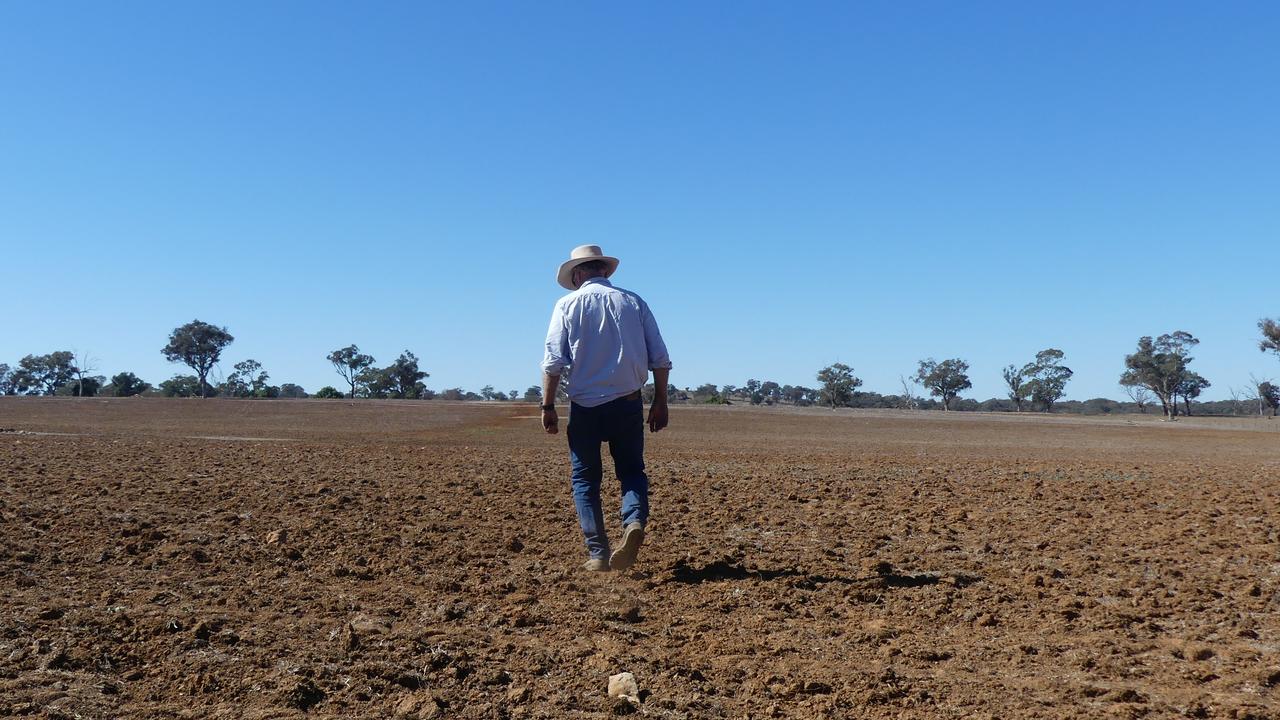
Waste upcycling for agricultural uses had been generating more attention since the war began, Ms Yarger said, but Australia was only just starting to grasp the opportunity.
Not all fertiliser needed to be produced in-country, she said, but even a modest reduction in reliance on overseas imports could vastly improve supply chain and economic resilience from geopolitical havoc.
“When you can produce in country, that is a direct financial benefit to those businesses that can use that product, because the transport is just inherently less,” she said.
Sites such as Melbourne airport and Barangaroo in Sydney are using the tech to manage on-site food leftovers, as are councils such as the City of Sydney to process household waste.
Managing waste on site saves on landfill costs, which are rising as space becomes tight, and cuts down on truck transport.
The agritech business is able to generate revenue through the fertiliser and larvae protein.
United Arab Emirates lifts all air traffic restrictions
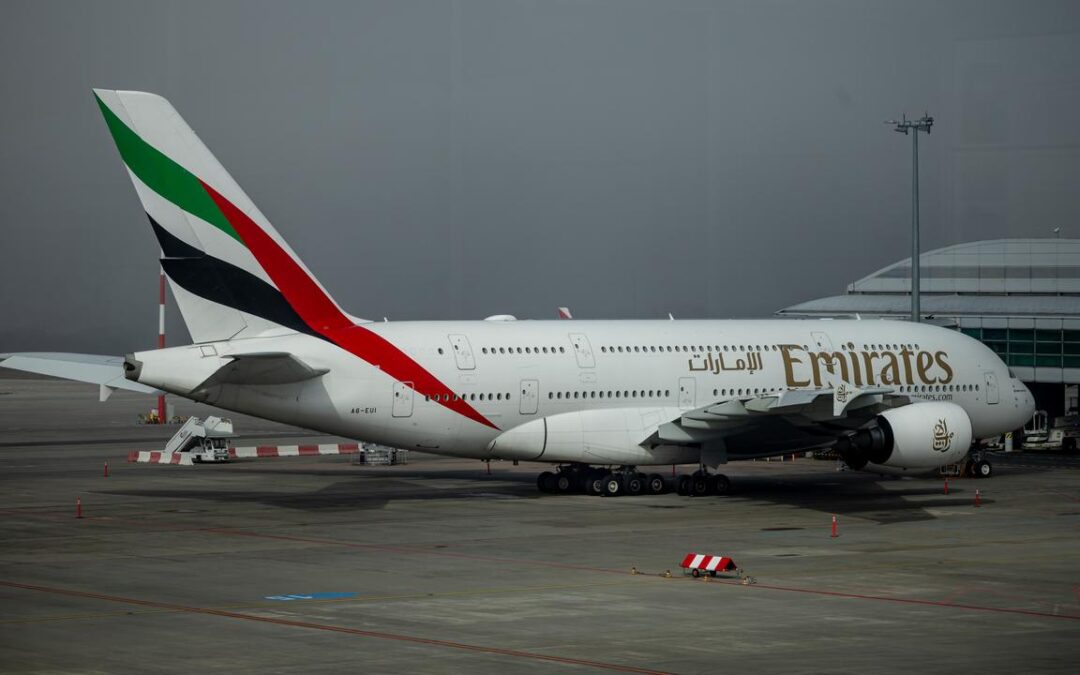
The United Arab Emirates has announced the full reopening of its airspace after weeks of restrictions imposed during the US-Israeli conflict with Iran.
“Following a comprehensive evaluation of operational and security conditions, we have officially lifted the temporary precautionary measures previously in place,” the General Civil Aviation Authority said in a statement posted on X.
It added that the airspace will continue to be closely monitored.
The UAE was among the Gulf states most affected by Iranian retaliatory attacks launched in response to US and Israeli strikes that began on February 28.
Limited air traffic resumed shortly after the conflict began, including flights to evacuate stranded passengers.
Bahrain, Iraq, Kuwait and Syria had previously lifted similar airspace restrictions imposed during the conflict after the United States and Iran agreed to a ceasefire.
While the truce remains in place, the underlying conflict has yet to be resolved.
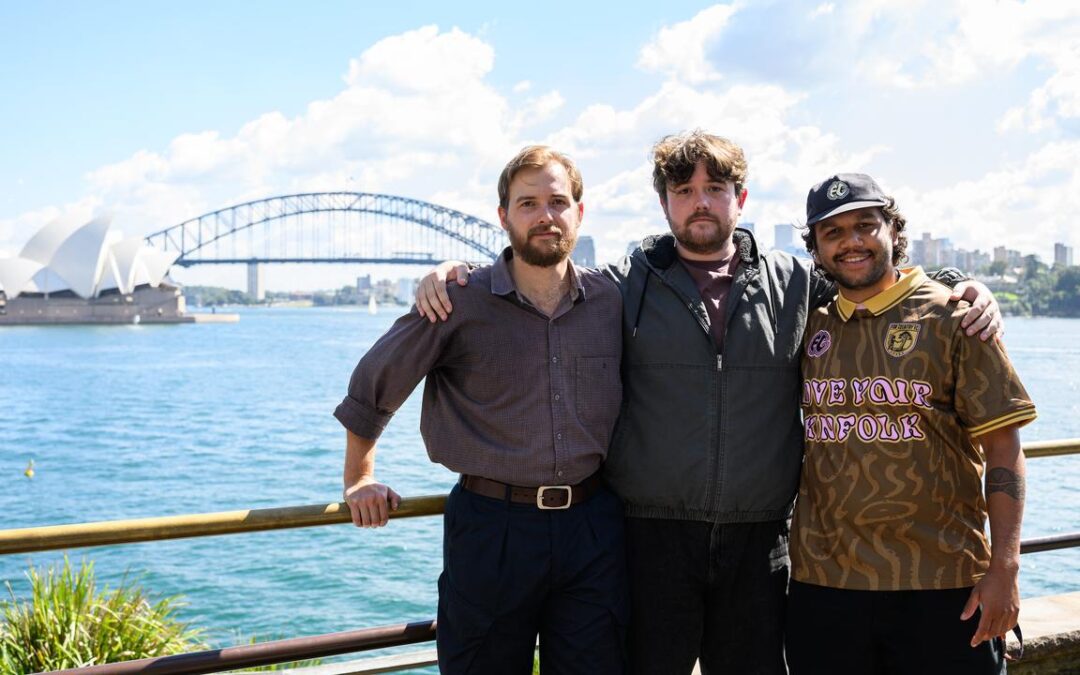
Australian says flotilla crews bashed by Israeli troops
An Australian member of a Gaza aid flotilla has described how fellow activists were shot with rubber bullets, hit with rifle butts and bashed after Israeli soldiers boarded their boats.
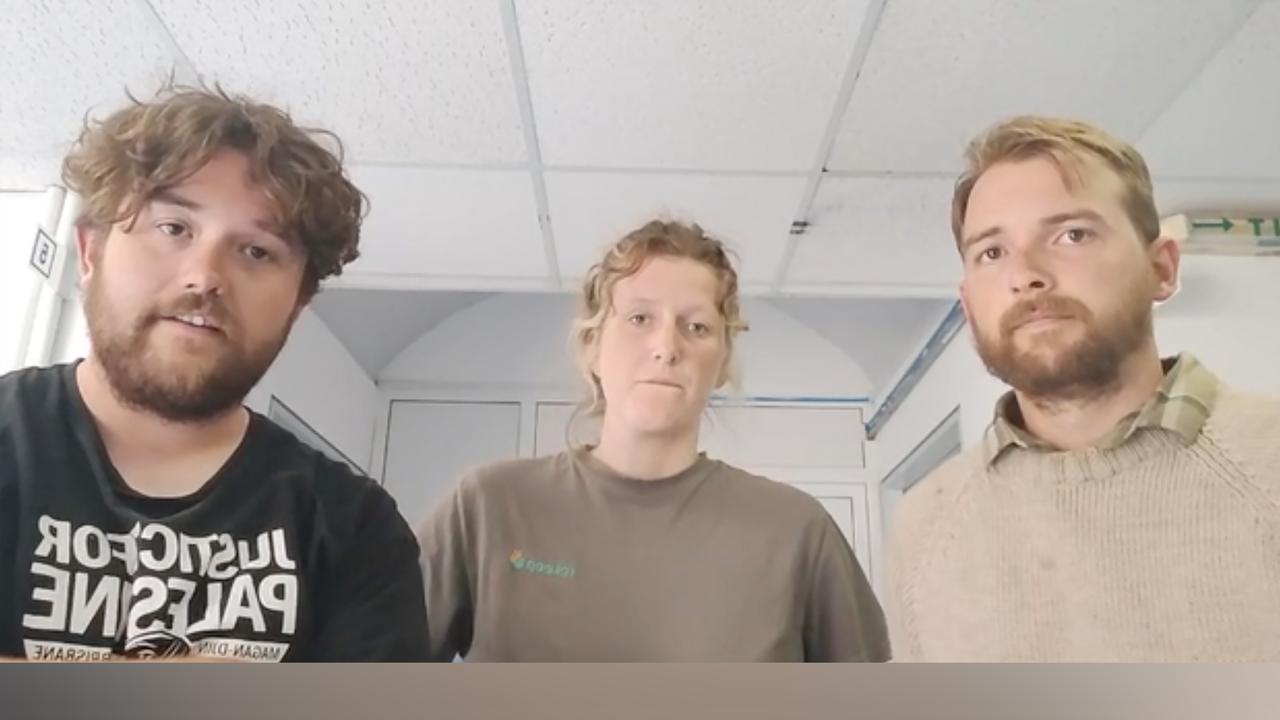
Zack Schofield was one of six Australians detained by the Israeli military while attempting to transport aid to Gaza.
They were among 175 flotilla participants detained on Wednesday by the Israeli Defence Force out of nearly 700 heading across the Mediterranean.
Speaking to AAP from the Greek island of Crete on Saturday he said some people were shot at point-blank range with rubber bullets as soldiers boarded their boats in international waters.
“Some of us were kicked and punched as we were being processed on our own boats, many of which were sunk,” Mr Schofield said.
The detainees were transferred to an Israeli prison ship which had containers on the deck to house them.
“We were dragged along the floor, forced to kneel with our heads touching the ground, some of us were dragged by our hair,” Mr Schofield said.
Some were taken into a container and beaten with the butts of rifles and an American was kicked in the testicles and bashed in the head, he said,
“We could hear the beatings.”
At one point the soldiers moved on the detainees with force, firing flash-bangs, one of which landed at his feet and exploded, Mr Schofield said.
The detainees were transferred to the Greek Coastguard, with many having to go straight to hospital.
“Compared to what Palestinians undergo in Israeli prisons … we got off lightly,” Mr Schofield said.
“The Israelis were doing everything they could to inspire terror in us.”
The flotilla members were extremely concerned for two Palestinian leaders of the aid mission who were taken to Israel and were probably being tortured, Mr Schofield said
“We’re demanding that Australia break its alliance with Israel … because Israel is constantly breaking every international law in the book and conducts violence against international citizens with absolute impunity”
The activists were involved in a second Global Sumud Flotilla, attempting to break an Israeli naval blockade.
Mr Schofield, along with Australians Ethan Floyd and Neve O’Connor, sent a video message from Sitia in Crete, saying detainees had been harmed.
Israel’s foreign affairs minister Gideon Sa’ar confirmed the vessels had been intercepted but insisted participants were not harmed.
Surya McEwen, Cameron Tribe and Bianca Webb-Pullman round out the six freed Australian detainees, among 17 known to have been participating in the flotilla.
Organisers claim the Israeli actions were unlawful as they occurred in international waters far from Gaza.
“This is piracy,” the Global Sumud Flotilla said in a statement.
Israel’s Ministry of Foreign Affairs said the two remaining detainees had been brought to Israel for questioning.
“Saif Abu Keshek, suspected of affiliation with a terrorist organisation and Thiago Ávila suspected of illegal activity, will be brought to Israel for questioning,” it said on X.
“We demand that all governments do all they can to pressure the Israeli regime to release all the illegal abductees,” the Global Sumud Flotilla said.
Israel controls access to the Gaza strip and denies withholding supplies for region’s two million residents.
The Department of Foreign Affairs and Trade said consular officials in Crete were providing assistance to Australians there as part of the flotilla.
“We understand people want to respond to the humanitarian situation in Gaza but we continue to urge Australians not to join others seeking to break the Israeli naval blockade as they will be putting themselves and others at risk of injury, death, arrest or deportation,” it said in a statement.