

Massive 11,000-carat ruby unearthed in Myanmar
Miners in Myanmar have discovered a rare ruby of enormous size, considered to be the second-largest by weight ever found in the conflict-battered Southeast Asian nation, state media reported.
The ruby, measuring 11,000 carats (2.2 kilograms), was unearthed near the town of Mogok, in the upper Mandalay region, the heartland of the lucrative gem-mining industry that has recently experienced intense fighting in the country’s wide-ranging civil war.
According to a report from the state-run Global New Light of Myanmar on Friday, the newly found rough ruby was discovered in mid-April, just after the traditional New Year festival.
While it weighs roughly half the weight of a 21,450-carat (4.29 kilogram) stone found in 1996, the new discovery is considered more valuable due to its superior colour and quality. It is described as having a purplish-red hue with yellowish undertones, a high-quality colour grade, moderate transparency and a highly reflective surface.
Myanmar produces as much as 90 per cent of the world’s rubies, primarily from the areas of Mogok and Mong Hsu. Gemstones, both legitimately traded and smuggled, are a major source of revenue for Myanmar.
Human rights activists and organisations such as the Britain-based research and lobbying group Global Witness have urged jewelers to stop purchasing gems sourced from Myanmar, as the industry has served as a vital revenue stream for its military governments over several decades.
A new, ostensibly civilian government was installed this year, but it followed elections described by human rights and opposition groups as a sham. The vote returned to power President Min Aung Hlaing, the army chief who led the most recent military takeover in 2021. He and his Cabinet recently examined the giant ruby at his office in the capital, Naypyitaw.
Gemstone mining also serves as a primary source of funding for ethnic armed groups fighting for autonomy, a factor that has helped fuel decades of internal conflict.
The security of these mining regions remains volatile. Mogok was captured in July 2024 by the Ta’ang National Liberation Army, or TNLA, a guerrilla force representing the Palaung ethnic minority. Although the TNLA took over and operated the mines, control was eventually transferred back to Myanmar’s army as part of a China-mediated ceasefire agreement concluded late last year.
Coalition ready to take ‘medicine’ on by-election D-Day
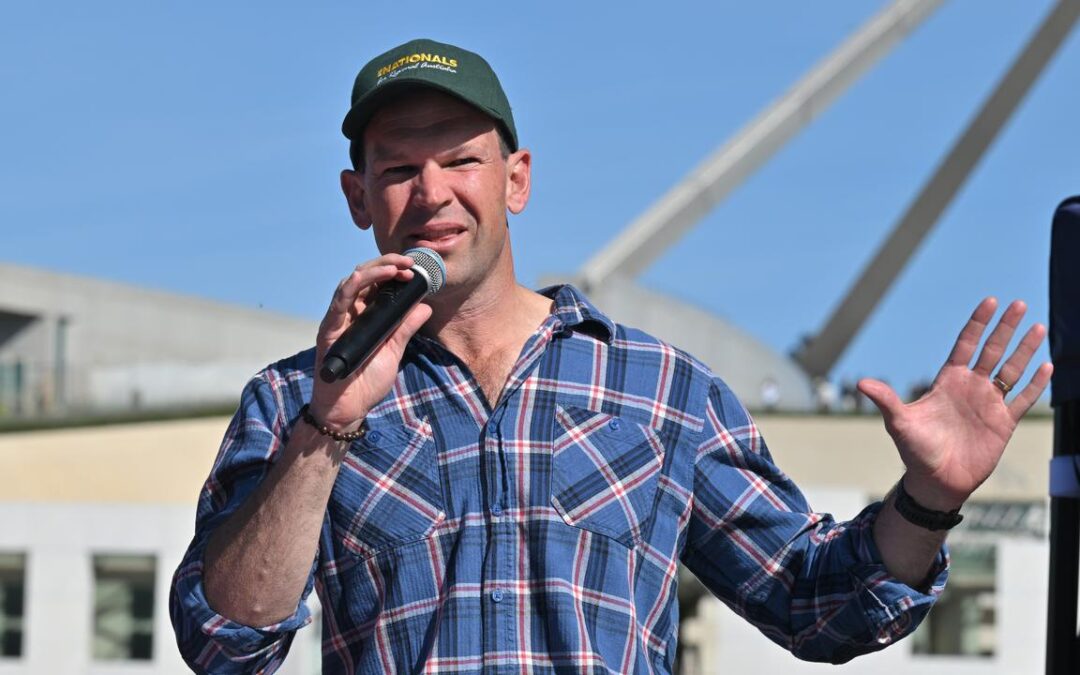
Nationals Leader Matt Canavan says he’s happy to cop regional voters’ concerns “on the chin” as One Nation appears likely to score its first victory in a federal electorate.
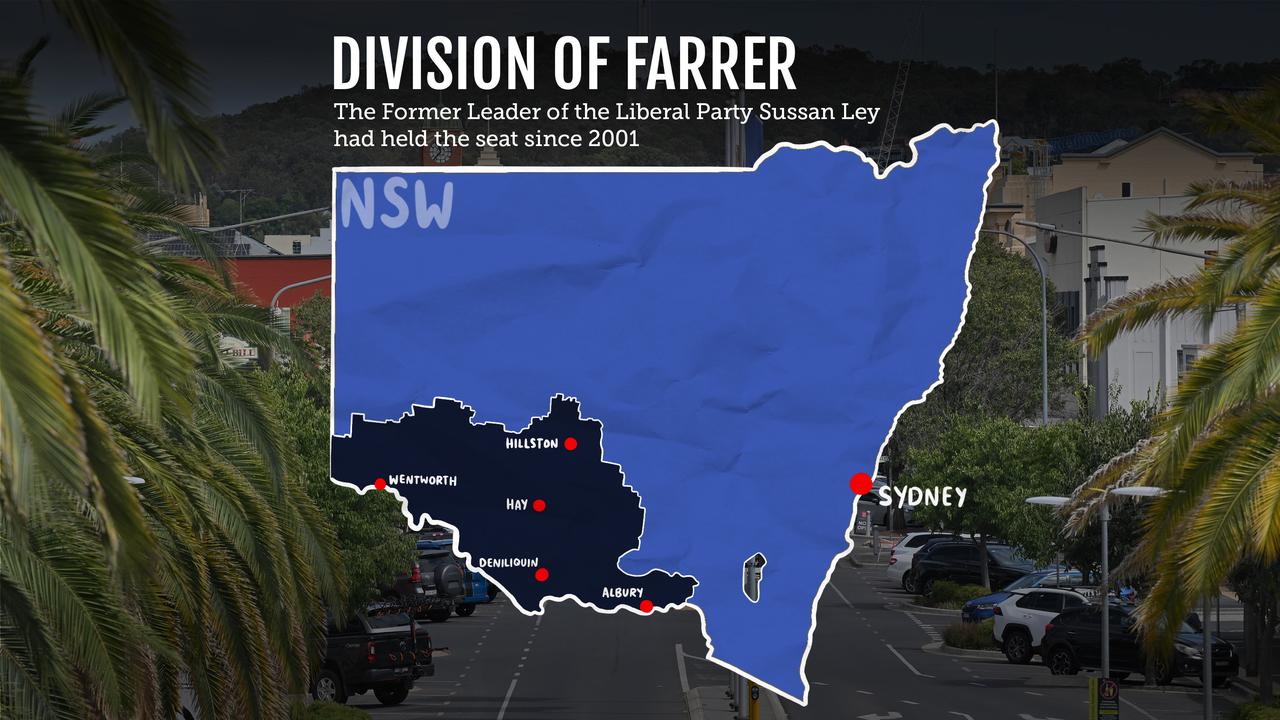
Voters in the southern NSW seat of Farrer will head to the polls on Saturday to choose a new MP after their former representative Sussan Ley resigned from parliament.
After spending 23 days campaigning in the regional electorate – including 11 nights sleeping in a swag – Senator Canavan conceded voters were frustrated with a perceived lack of leadership from Canberra.
“There’s no doubt people want to give the political class a kick, and this is a bit of a free kick,” he told AAP the day before the by-election while driving to the town of Corowa, where he planned to deliver donuts to campaign volunteers from all sides.
“Win, lose or draw, the great thing is being here to hear that response, to cop it on the chin, to take my medicine. I’m willing to do that.”
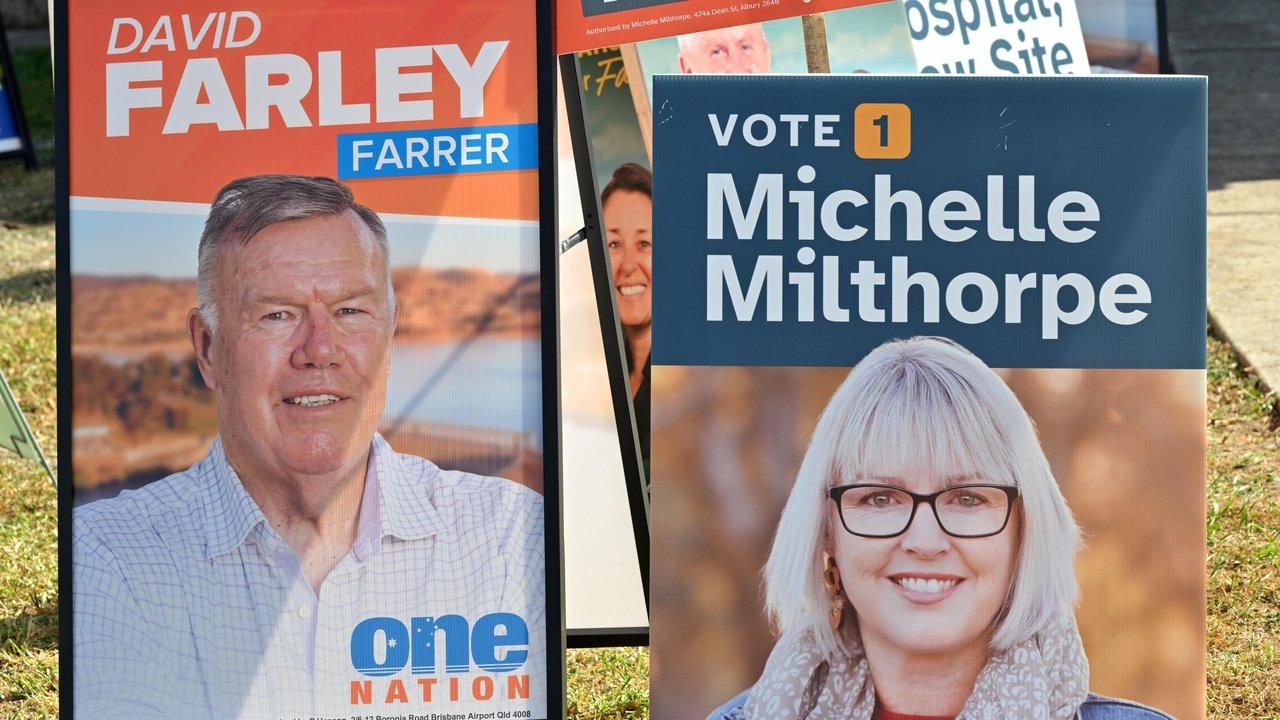
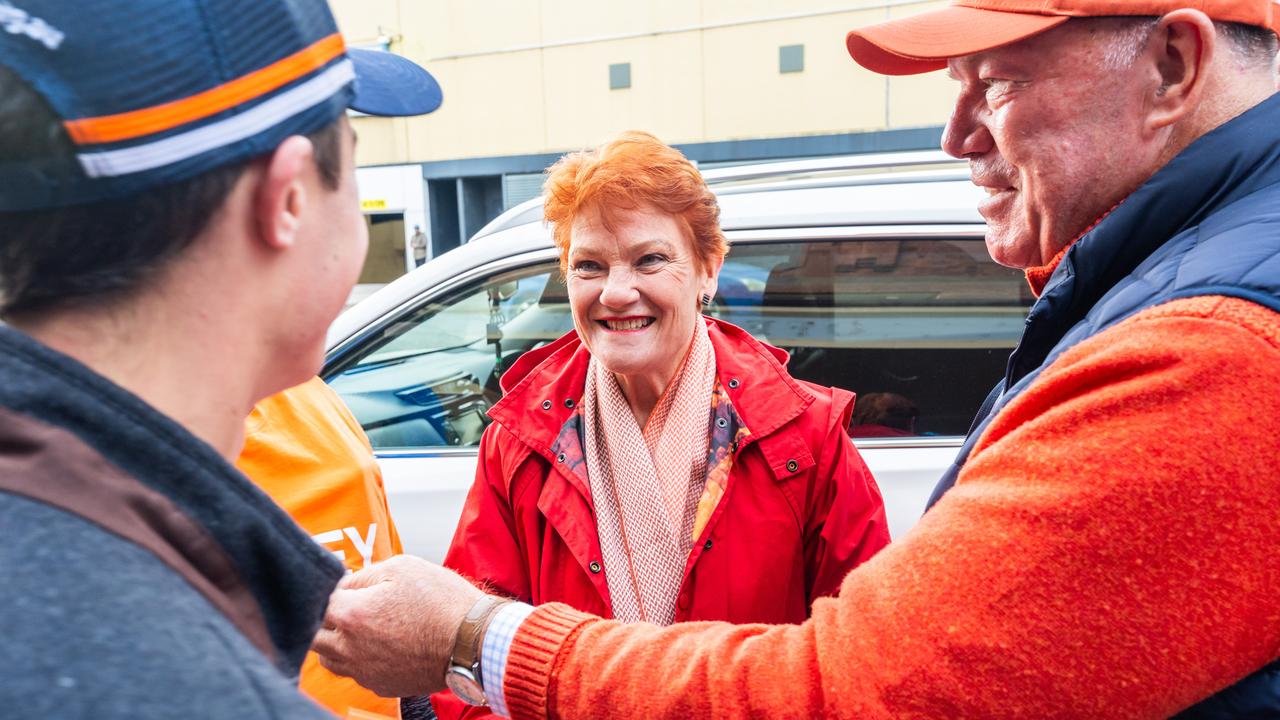
Pauline Hanson’s One Nation and a Climate 200-backed independent appear neck and neck to replace the former Liberal leader in the massive regional electorate, but analysts believe preferences could get the populist party over the line while coalition candidates will struggle.
The Nationals leader insisted other regional coalition seats are not at risk to a One Nation surge, arguing there were unique circumstances at play in Farrer.
“By-elections are always different… it’s a totally different race than normal,” he said.
While One Nation candidate David Farley and Independent Michelle Milthorpe appear close in the polls, preferences from coalition voters will improve Mr Farley’s chances of getting over the line, RedBridge pollster Tony Barry told AAP.
“Winning the seat on primary votes would be highly unlikely, but would be a complete boil-over if that were to occur. So preference flows will be critically important,” he said.
“With the coalition preferencing One Nation, they are the intuitive choice to win the seat.”
Polls have shown the Liberals candidate Raissa Butkowski and Nationals’ Brad Robertson trailing far behind.
If One Nation wins, it will show the populist party is a strong electoral force, particularly in regional areas, the former Liberal party strategist said.
“If they cannibalise the Liberal and National Party vote as expected, then it’s a very safe conclusion to say that we’re going to see similar voting behaviours and patterns in other regional seats,” Mr Barry said.
Prime Minister Anthony Albanese said the vote was a test for Senator Canavan and his Liberal counterpart Angus Taylor, and said it would be an extraordinary outcome if the Liberals and Nationals didn’t finish in the top two.
Labor isn’t running a candidate in the by-election.

Labor plots budget housing boost to fend off One Nation
Changes in the federal budget will counter political discontent fuelling the rise of right-wing populism, the treasurer says, as he unveils his centrepiece productivity package aimed at lifting living standards.
As voters prepare to cast their final ballots in the Farrer by-election on Saturday and probably elect a right-wing One Nation MP to federal parliament for the first time, Dr Chalmers revealed Labor will cut regulatory costs for businesses by $10.2 billion each year.
The productivity push, which includes slashing layers of reduplicative red rape for businesses and simplifying skills recognition for migrant workers, forms part of a broader theme around Tuesday’s budget of making it easier for young Australians to buy a home.
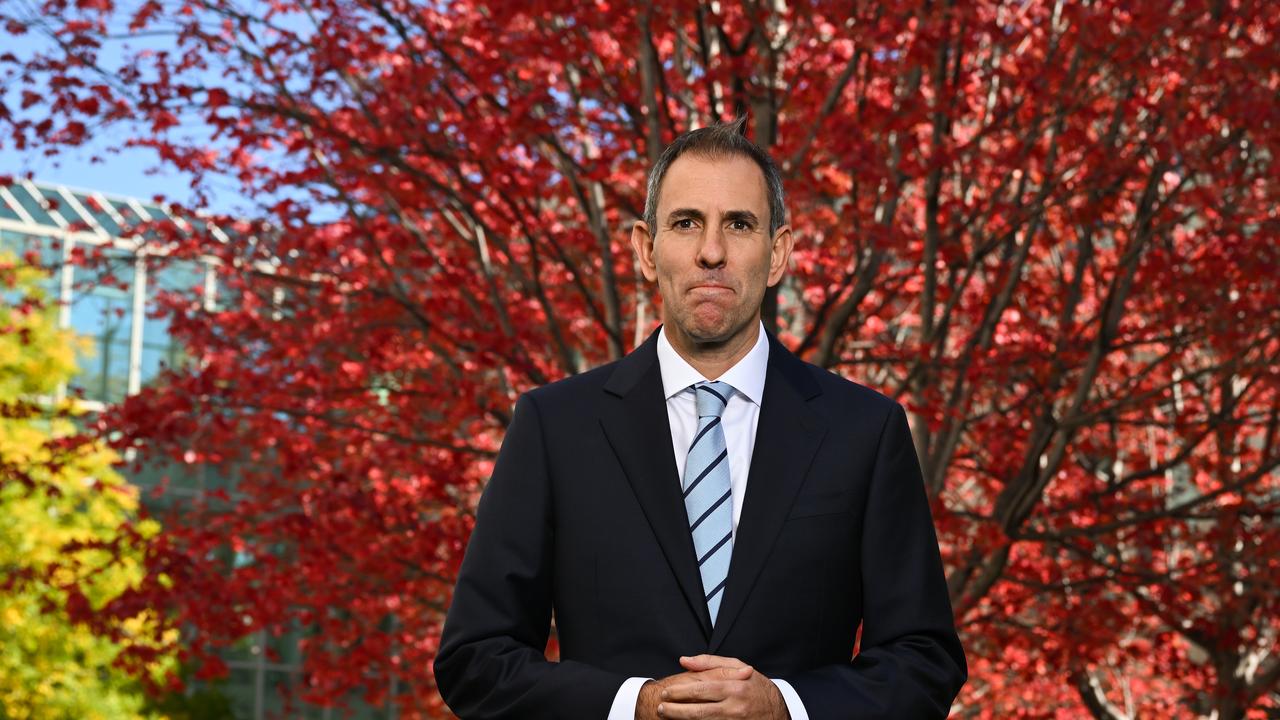
Economic disaffection was impacting politics around the world, Dr Chalmers said in an interview with AAP that was conducted before Nigel Farage’s right-wing populist Reform party enjoyed a massive swing in local elections in the UK.
“We don’t want to go down that path in Australia,” he said.
“We’ve got a lot more going for us here, but we’re not complacent about the risks.
“A big motivation for this budget is to help more Australians get a toehold in the economy and part of that is helping more people get a toehold in the housing market.”
The government maintains its primary focus to lift home ownership is to boost supply.
The budget promises to build on state and territory efforts to liberalise planning and zoning laws by removing red tape holding back modern methods of construction, like modular housing.
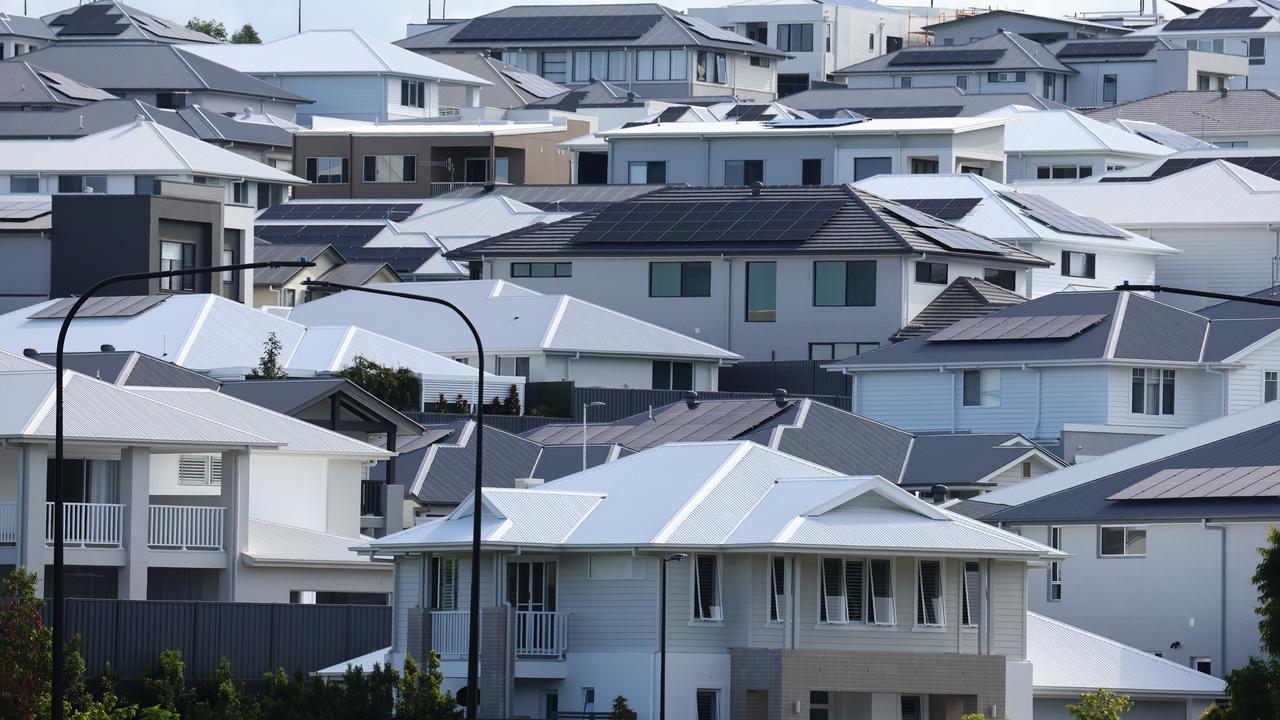
There will also be changes to the points test for skilled migrants and moves to speed up skills recognition for migrant tradies in a bid to address the worker shortage hitting the sector.
Support for home-buyers will go beyond productivity.
The budget will wind back negative gearing and capital gains tax discounts for property investors, which will give prospective owner-occupiers a relative edge over landlords, even if most economists expect the impact on prices to be marginal.
The housing reforms risk being framed as a cash grab targeting older generations and an attack on aspiration.
But Dr Chalmers said the “difficult decisions” the government was taking to tackle Australia’s intergenerational challenges should benefit everyone.
“Primarily, this is about providing more opportunity to more people,” he said.

“Whenever you’re going down the hard road of reform, rather than the path of least resistance, there’ll be the usual scare campaigns full of lies, and there’ll be people trying to make everyone angry about the sensible steps that we are proposing on Tuesday night.
“But overall, it’s about making our economy stronger and fairer, our budget more sustainable, in a way that we hope that every Australian will benefit from.”
The government’s productivity package is expected to boost GDP by $13 billion a year.
Small businesses will get their wish of the $20,000 instant asset write-off being made permanent, which the government says will save employers 376,000 hours on their tax returns.
But Labor is yet to announce any changes to business tax arrangements that would incentivise productivity.
Dr Chalmers confirmed the budget won’t include the Productivity Commission’s proposal for a novel corporate cashflow tax, which was intended to encourage investment but was rejected by the business community as too complex and adding to the tax burden.
Of the five fiscal blueprints in his time as treasurer, Dr Chalmers said this has been his most difficult, but also the most ambitious and the most responsible.
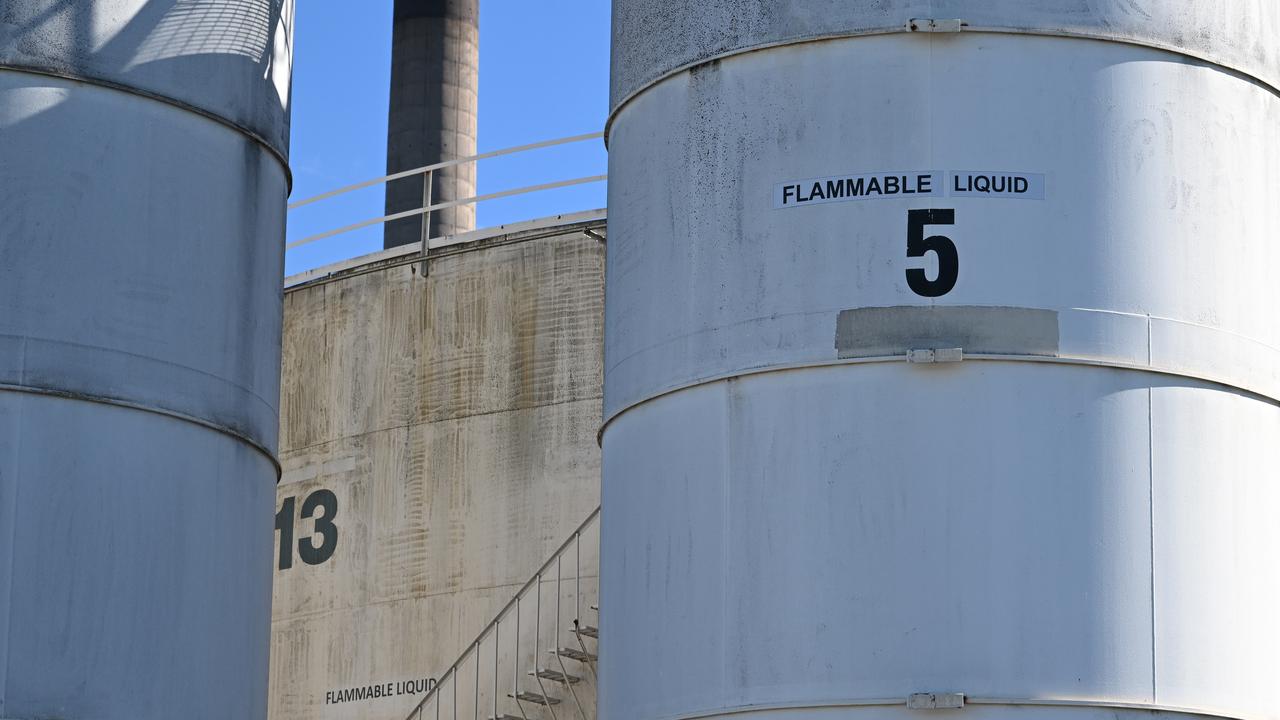
War in the Middle East has added a new focus of resilience to the budget, and $10.7 billion in new spending to increase Australia’s fuel reserves.
Feasibility studies will also be conducted into expanding existing fuel refineries or building new ones.
“Overwhelmingly, our approach has not been to try and turn back the clock to some kind of 1950s-style protectionism,” Dr Chalmers said.
“Our goal is to recognise the opportunities of the modern economy. To look forwards, not back.”
Racism ‘out of control’ as grieving communities suffer
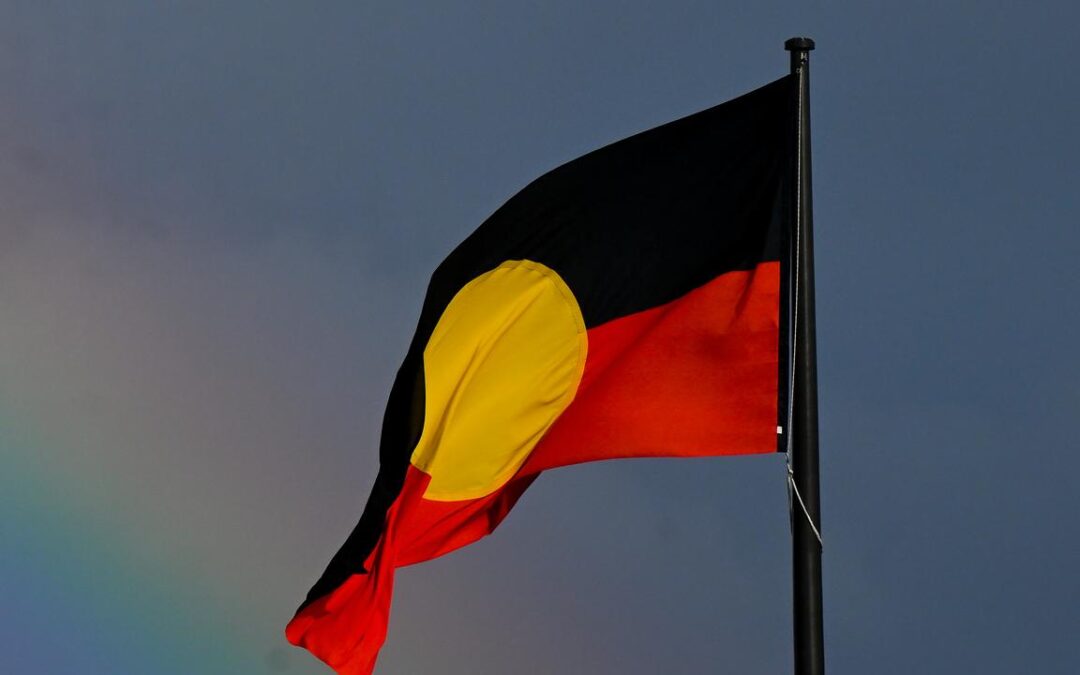
Racial narratives are spiralling out of control during a time of significant grief and remote communities are suffering, a federal inquiry into racism against Aboriginal people has been told.
The Alice Springs-based Ngaanyatjarra Pitjantjatjara Yankunytjatjara Women’s Council has made a scathing assessment of the fallout from a five-year-old girl’s alleged murder.
”In the past 48 hours, racial narratives have spiralled out of control, during a time of significant grief and sorry business,” council spokesperson Jessica Baker told the hearing in Adelaide on Friday.
”This is a national disgrace, and remote Aboriginal communities are suffering.”
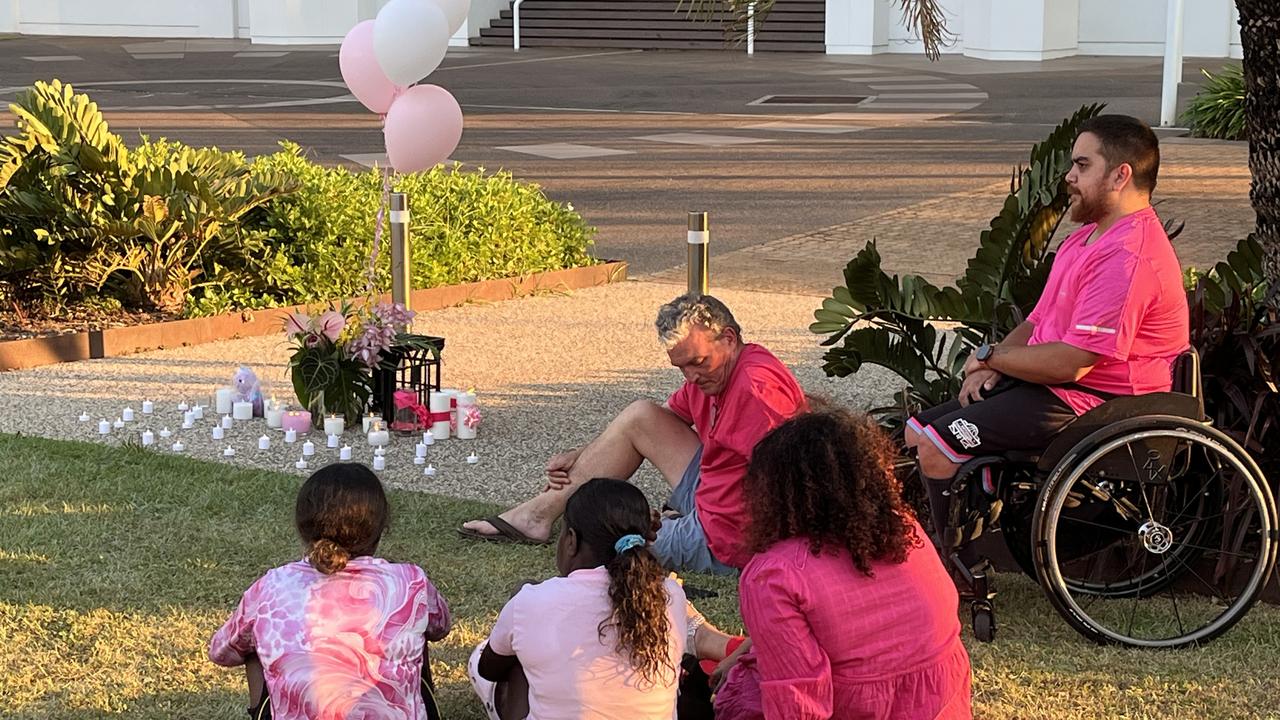
Kumanjayi Little Baby, a name used in line with cultural tradition after her death, was reported missing from a home at a town camp on the outskirts of Alice Springs on April 25.
Her body was found in scrubland on April 30 and Jefferson Lewis, 47, has been charged with her murder.
In the past two weeks, there had been ”alarming rates” of racism towards First Nations people in the media, Ms Baker said.
”We have seen respected veterans and elders booed by neo-Nazi groups at Anzac Day memorial services across the country, and an alleged comedian poking fun at the tragic death of Kumanjayi Little Baby,” she said.
Right-wing media was ”perpetuating hatred by crossing cultural boundaries, disrespecting family members during sorry business, and creating stories that do anything but address rising rates of violence against women and girls”.
”It is clear to us that women and girls are losing even more protection because of racist narratives and hate, but it’s framed around mother-blaming instead of focusing on the risks women and girls face in their communities,” Ms Baker said.
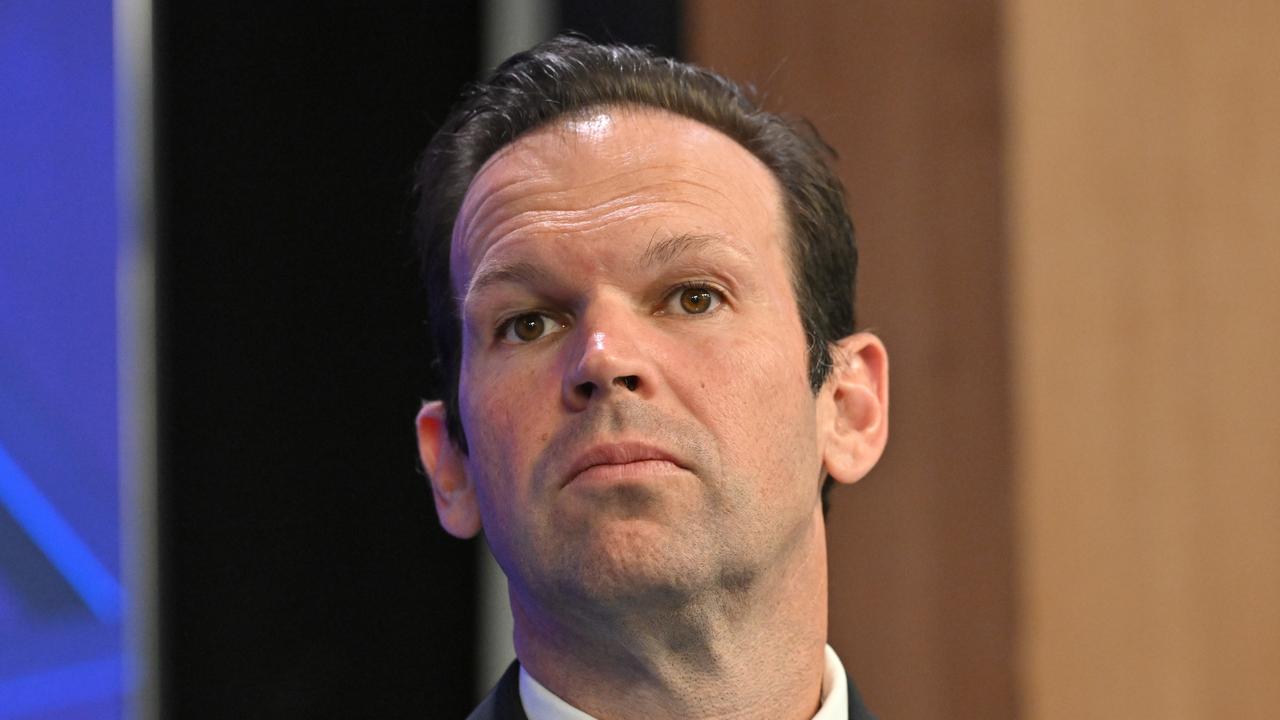
Nationals Leader Matt Canavan’s recent call for a royal commission into sexual abuse into Indigenous communities was ”both appallingly disrespectful and inherently racist”, Ms Baker said.

”It harkens back to the Howard era intervention of 2007, using false accusations to perpetuate lies about Aboriginal people and attempting to garner public attention, claiming public funds are being misused in remote communities.”
Recently, two members of a traditional healer team had been injured by police in separate but similar situations, she said.
”One got pepper-sprayed and tasered, the other was thrown to the ground and seriously injured, both elderly and innocent people,” Ms Baker said.
The respected and renowned community members were ”left with the trauma and humiliation of these interactions and unable to fulfil their roles of supporting communities”.
Racism was ”a poison infiltrating the land, rivers and air we breathe”.
”It has become so casual it is impossible not to breathe it in,” Ms Baker said.
NPY Women’s Council wants the federal government to hold state and territory governments accountable by demanding funds be diverted appropriately to “decolonise systems”.
”A genuine commitment must be made by governments to address systemic violence such as income inequality and housing insecurity,” Ms Baker said.
”Efforts to prevent, intervene and heal across a wide range of social issues are restricted when basic needs remain unmet.”
Action is also being sought by the National Commission for Aboriginal Torres Strait Islander Children and Young People, which wants an immediate investment in secure housing delivered through Aboriginal community-controlled organisations.
The commission is also seeking long-term funding for Aboriginal community-controlled organisations to lead family support and healing programs.
13YARN 13 92 76
Lifeline 13 11 14
‘Get back to work’: backlash over bureaucrat job freeze
An opposition’s plan to stop hiring bureaucrats for a decade has drawn battle lines ahead of a high-stakes state election.
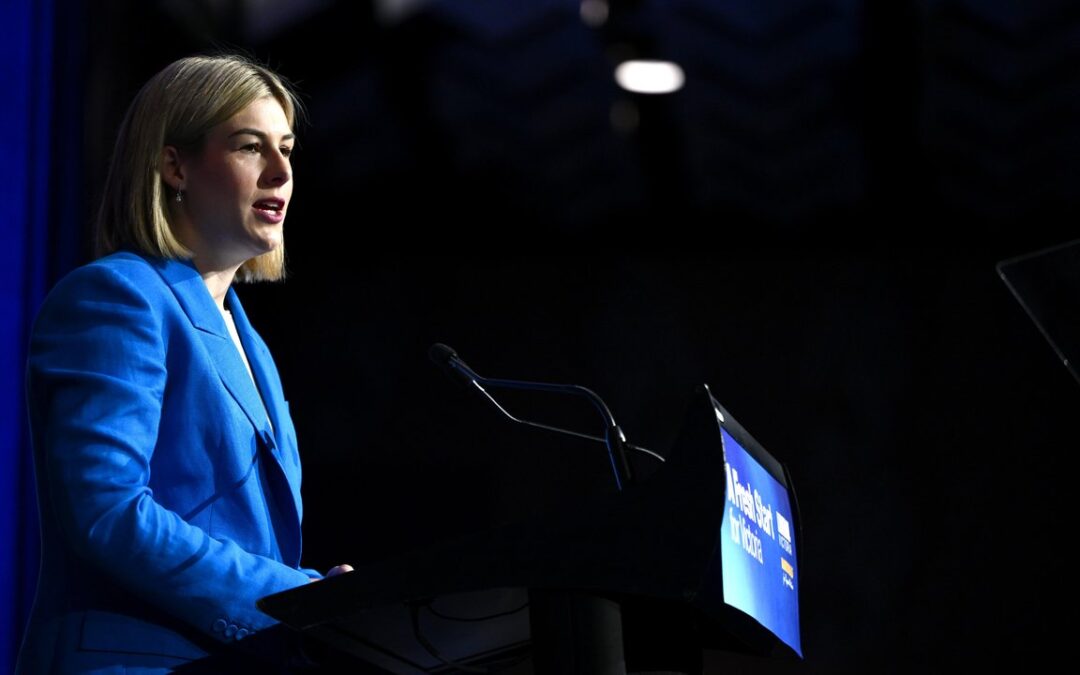
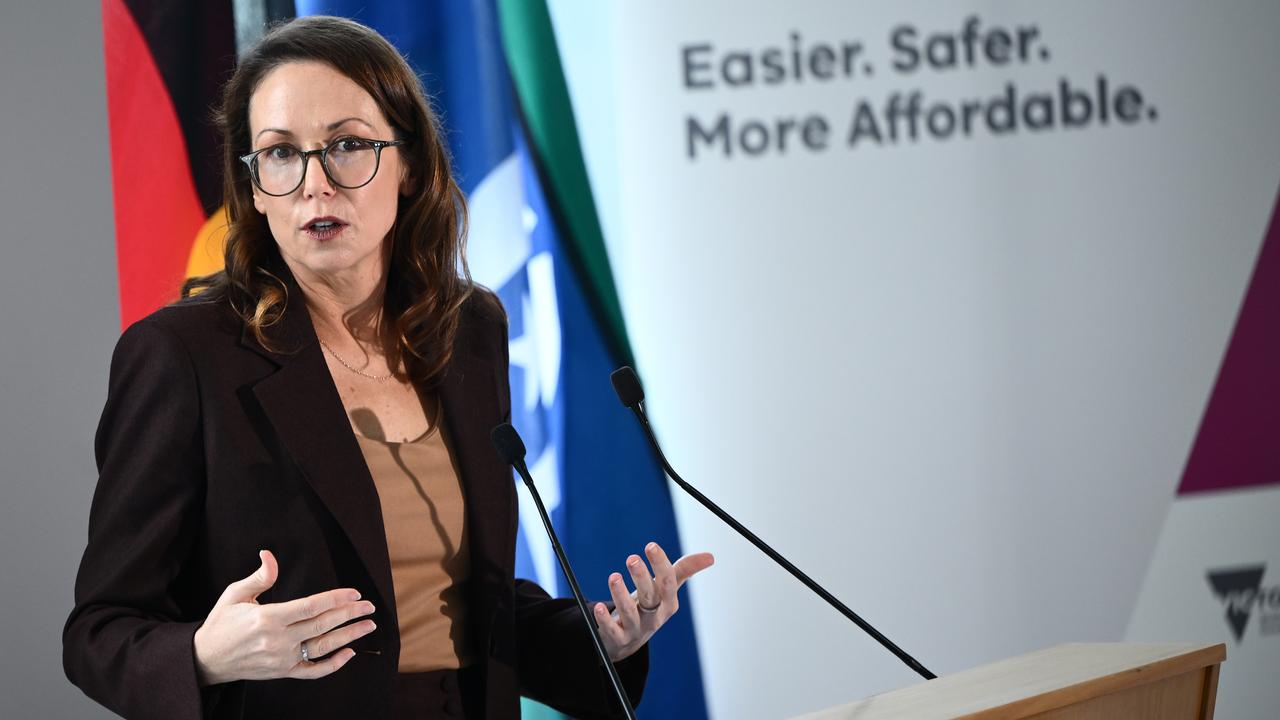
In her first substantive reply to Tuesday’s Victorian budget, Opposition Leader and shadow treasurer Jess Wilson on Friday unveiled a 10-year public service hiring freeze.
Under the pitch for the November state election, Victoria’s public service would be slashed by 7184 full-time equivalent staff in the first two and a half years of a coalition government.
The freeze would target back-office roles across 46 Victorian government departments and agencies and is expected to save $22 billion over 10 years.
Ms Wilson said falling staff numbers would be achieved through natural attrition and there would be no cuts to police, nurses, teachers, health care workers, firefighters and other essential services.
“No one is getting sacked,” Ms Wilson said in her speech.
“So I say to our friends outside, get back to work.”
Community and Public Sector Union members rocked up outside the Liberals’ Melbourne event on Friday afternoon to protest the policy.
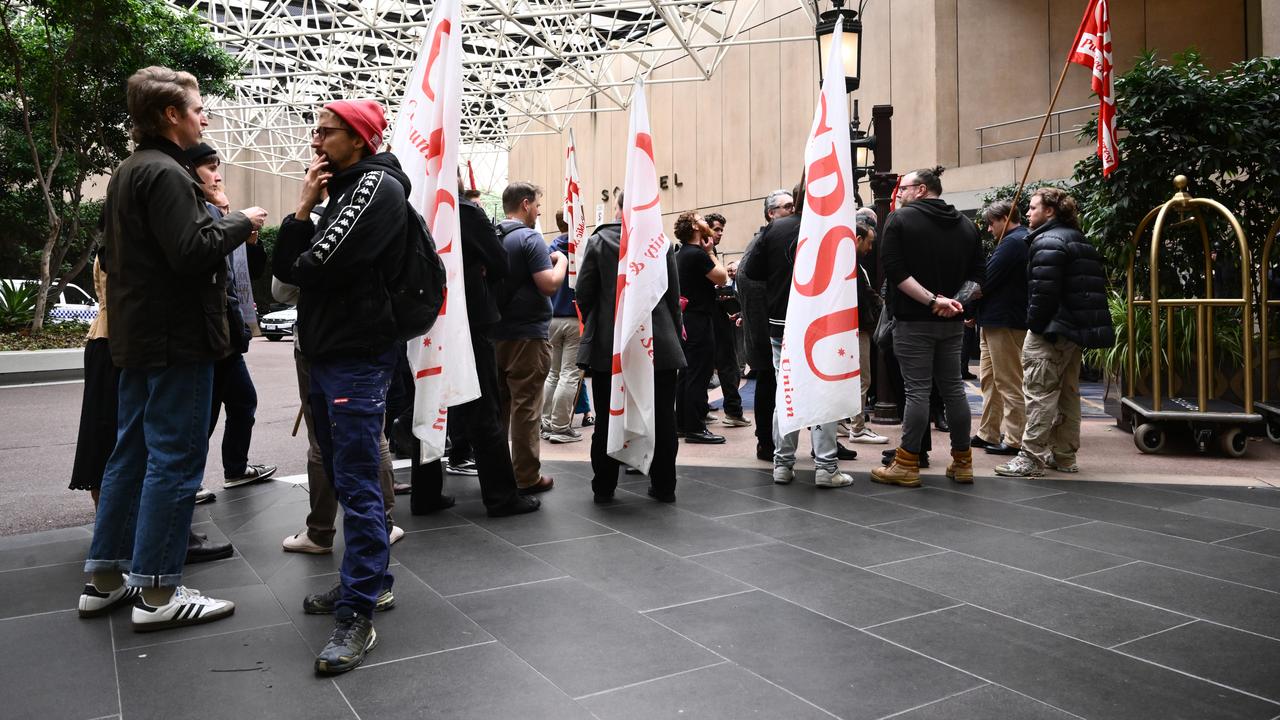
“Good luck getting rid of us,” the union’s state branch secretary Jiselle Hanna said.
Victoria’s education union also condemned the plan as state Labor released an attack ad claiming it amounted to more than $40 billion in cuts and would put one in seven public servants out of a job.
“You can’t cut that hard and deep without impacting our schools and our hospitals,” Premier Jacinta Allan said.
In response to the Silver review, Treasurer Jaclyn Symes committed to cutting more than 1000 public service jobs and merging or abolishing 29 government entities and boards to save more than $4 billion across the next four years.
But the budget papers show employee expenses are still expected to rise from $41.1 billion this financial year to $45.5 billion in 2029/30.
Asked how she would reach the Liberals’ saving targets if the expected natural attrition of about six per cent didn’t materialise, Ms Wilson called it a “hypothetical”.
The state Liberal leader gave her speech in front of a live counter showing Victoria’s net debt, daily interest bill and what it could have paid for in nurses, police and teachers.
Victoria is on track to accrue $199.3 billion in net debt by mid-2030, sending interest repayments soaring above $32 million a day.
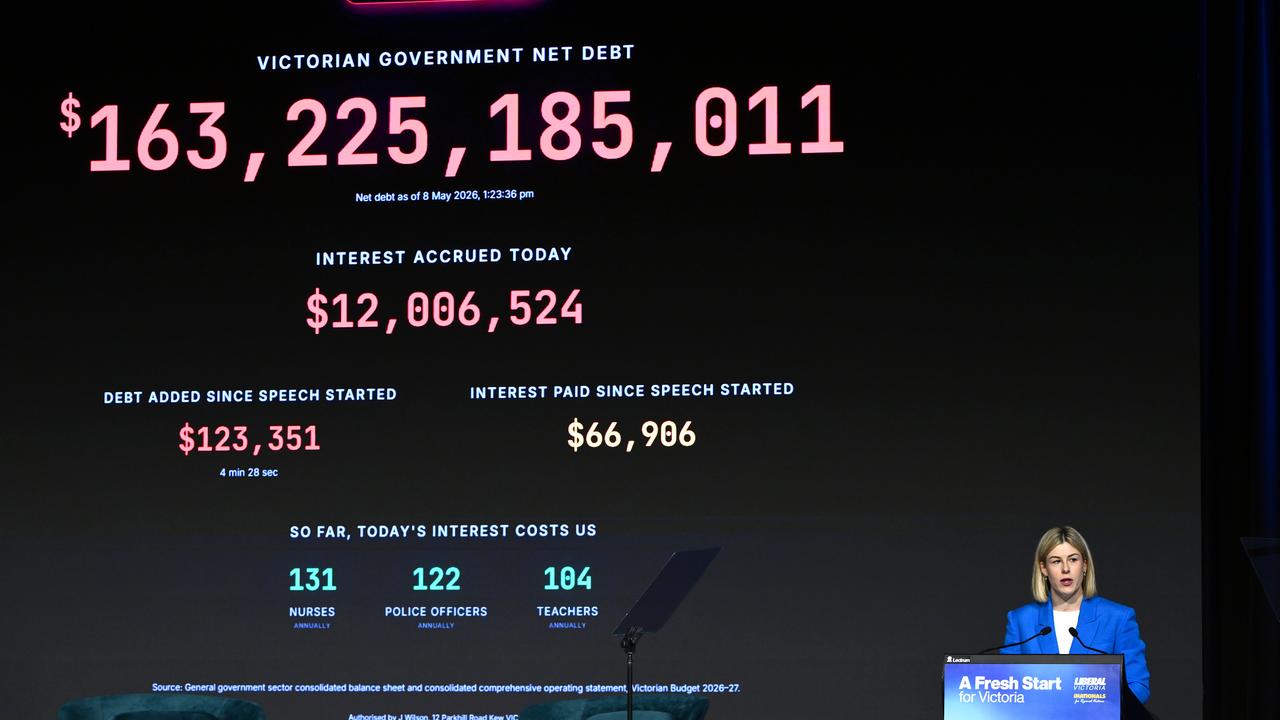
Treasury forecasts cash deficits of more than $30 billion over four years once spending on infrastructure projects is factored in.
Ms Wilson vowed to deliver a cash surplus by 2032, along with other fresh commitments to progressively lift the payroll tax threshold for businesses and land tax threshold for property investors.
“My team and I would love to do more and do it sooner but I have to be honest with Victorians, none of this will be easy,” she said.

Data breach fears grow as suspected ransom note appears
Australian universities and schools have been placed on high alert after a software program went offline following a cybersecurity attack.
The security breach of the cloud-based Canvas learning management system, operated by US company Instructure, initially occurred on May 2, globally impacting thousands of schools, universities and businesses.
On Friday, the system went offline for many universities, with some students, including those at University of Sydney, reporting they had received a ransom message posted through the platform.
”ShinyHunters has breached Instructure (again),” the message, seen by AAP, read.
”Instead of contacting us to resolve it they ignored us and did some ‘security patches’,” it said.
The University of Sydney said Canvas had been experiencing a global outage since 6am on Friday after Instructure placed it into “maintenance mode”.
“We are one of approximately 9000 institutions around the world that are impacted by this outage, and we are still awaiting clear advice from Instructure,” it said in a statement on Friday afternoon.
It acknowledged disruptions to students and staff and advised them not to attempt to log in to the service pending further updates.
The University of Melbourne has also been impacted by the outage and has extended its deadlines over the weekend.
It is not known whether any personal information has been leaked in the cyber hack, with the system widely used to deliver and manage learning for students and staff.
South Australia’s Flinders University, RMIT in Melbourne, Tasmania’s Technical and Further Education Institute, and University of Technology Sydney have all been affected.
On Thursday, Queensland education minister John-Paul Langbroek said he had been briefed on a breach involving Instructure, which delivers the education department’s QLearn program.
“Advice at this stage is names, email addresses and school locations have been compromised in the international data breach,” he said.
“No evidence of passwords, dates of birth or financial information being accessed in the data breach.”
Instructure confirmed the incident in a post to its status website over the weekend.
“Instructure recently experienced a cybersecurity incident perpetrated by a criminal threat actor,” Steve Proud, chief information security officer, wrote.
“We are actively investigating this incident with the help of outside forensics experts.”
The following day, he wrote the incident appeared to have been contained and later added further updates would be shared directly with customers.
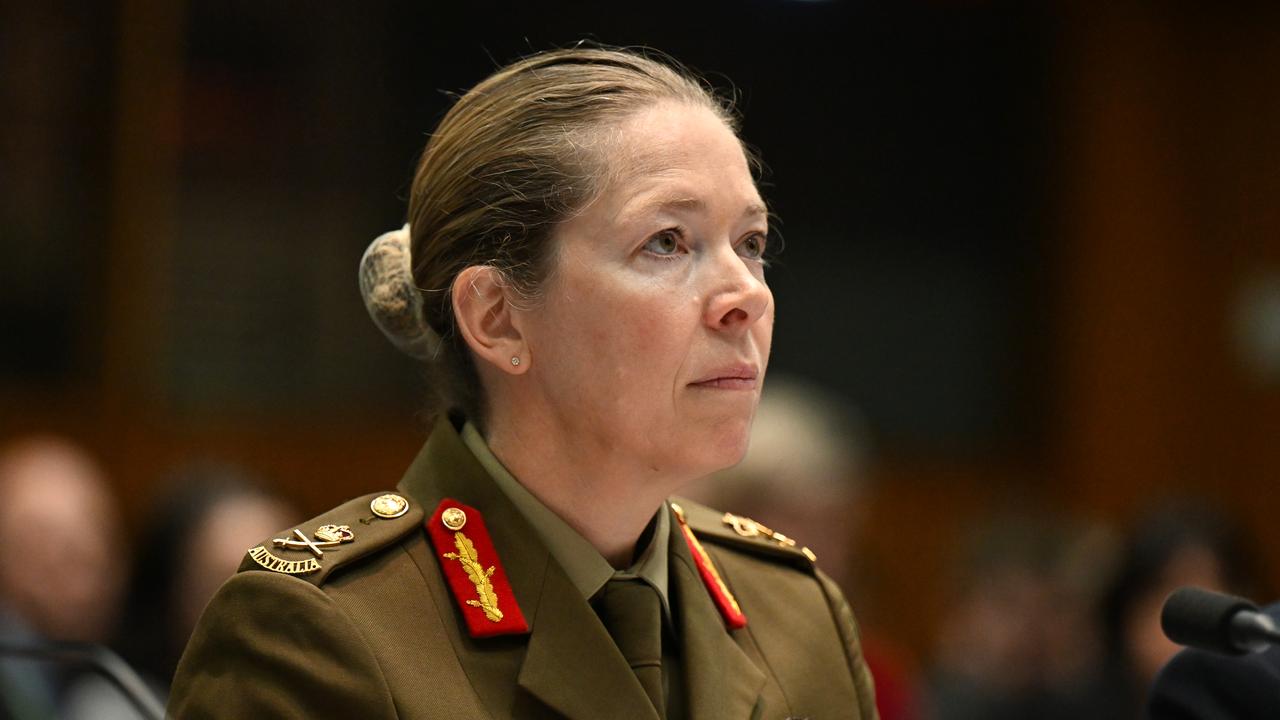
National Cybersecurity Co-ordinator Michelle McGuinness confirmed the incident in a post to LinkedIn on Friday.
“My team is working closely with state and territory governments and education peak bodies to collectively address the impacts arising from this incident,” Ms McGuinness said.
She added there was no sign personal identification documents or financial information had been impacted but that the full impact was not yet clear.
“Anyone impacted by a cyber incident should maintain a heightened awareness of potential scam activity,” she said.
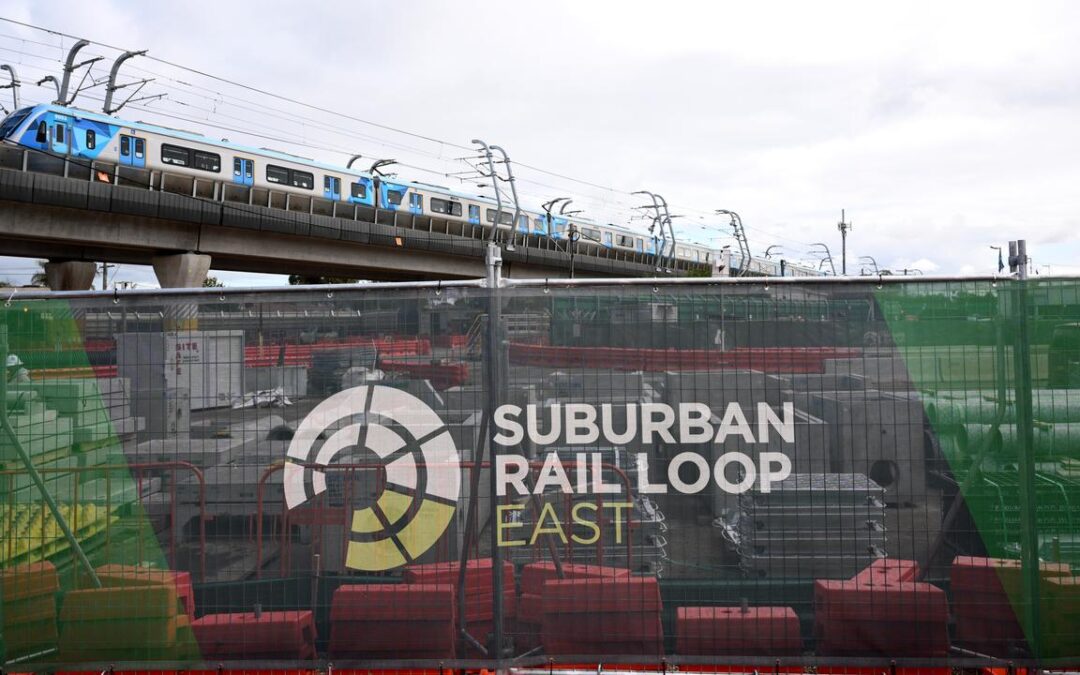
Full steam ahead: billions more locked in for rail line
Australian taxpayers will spend billions more to help fund Victoria’s mega Suburban Rail Loop project, days after the federal government axed regional freight rail plans.
Treasurer Jim Chalmers’ fifth financial blueprint will include an extra $3.8 billion for the massive infrastructure project, for which preparatory work started in 2023.
Prime Minister Anthony Albanese said Suburban Rail Loop East, connecting train lines in Melbourne suburbs of Cheltenham, Glen Waverley, Box Hill and Clayton, would make the city’s economy more productive and improve connectivity.
The cash splash takes the Commonwealth’s spend on the project to $6 billion – still $5.5 billion short of the amount the Victorian government wants from its federal counterpart for the rail line.
Despite the Victorian budget edging towards $200 billion in debt, the state government has committed to funding $11.5 billion of the rail project with the other third coming from “value capture”, such as elevated land tax revenue.
Australian cities have historically relied on radial rail networks to ferry commuters from the outer suburbs to a central hub.
But the great cities of the world, such as Paris, New York and London, also have orbital rail networks that enable people to get around a city without going into the middle and then back out again, Mr Albanese said.
“And that is what this vision does,” the prime minister told reporters.
Tunnelling for the project is expected to start by the end of 2026, with new line scheduled to be running by 2035.
Two further stages to extend the line across the city’s north and west are planned to follow.
But the rail loop has been much-maligned due to the first stage’s $34.5 billion price tag.
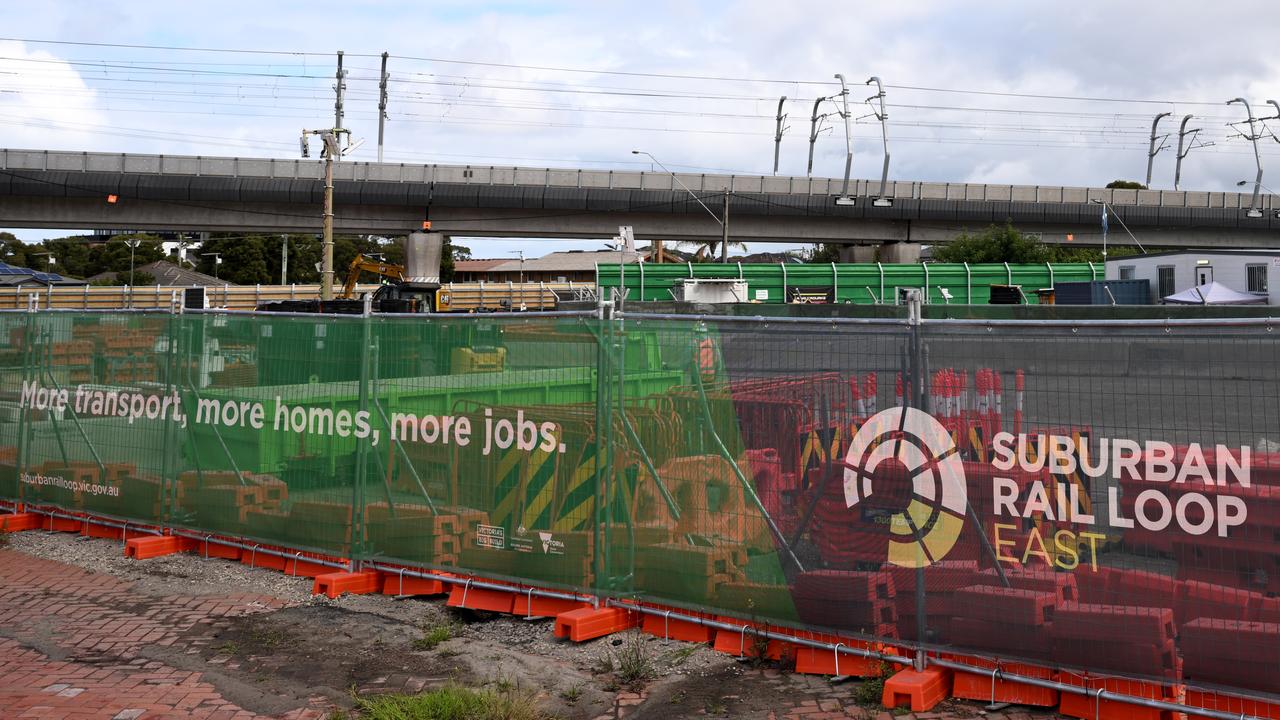
Victorian Opposition Leader Jess Wilson has promised to pause construction and review the project if she forms government in the November state election, despite $7.7 billion already due to be spent by mid-2027.
The Victorian government argues the spending is worthwhile because it will reshape how people travel around Melbourne, creating new hubs in the suburbs and generating thousands of jobs.
Despite the criticism, the cost per kilometre is forecast to be similar to comparable projects such as Sydney’s under-construction Parramatta to CBD Metro.
Monash University professor of public transport Graham Currie said there was no doubt the project would be expensive, but it was a “long-term, visionary” project that would have massive benefits.
“Melbourne is forecast to be the size of London by 2050 and London has much better railways than Melbourne,” he told AAP.
“If we can’t run Melbourne in 20 to 30 years time because there is too much traffic everywhere, what are we going to do?
“By then we might be wondering why we didn’t build more of these.”
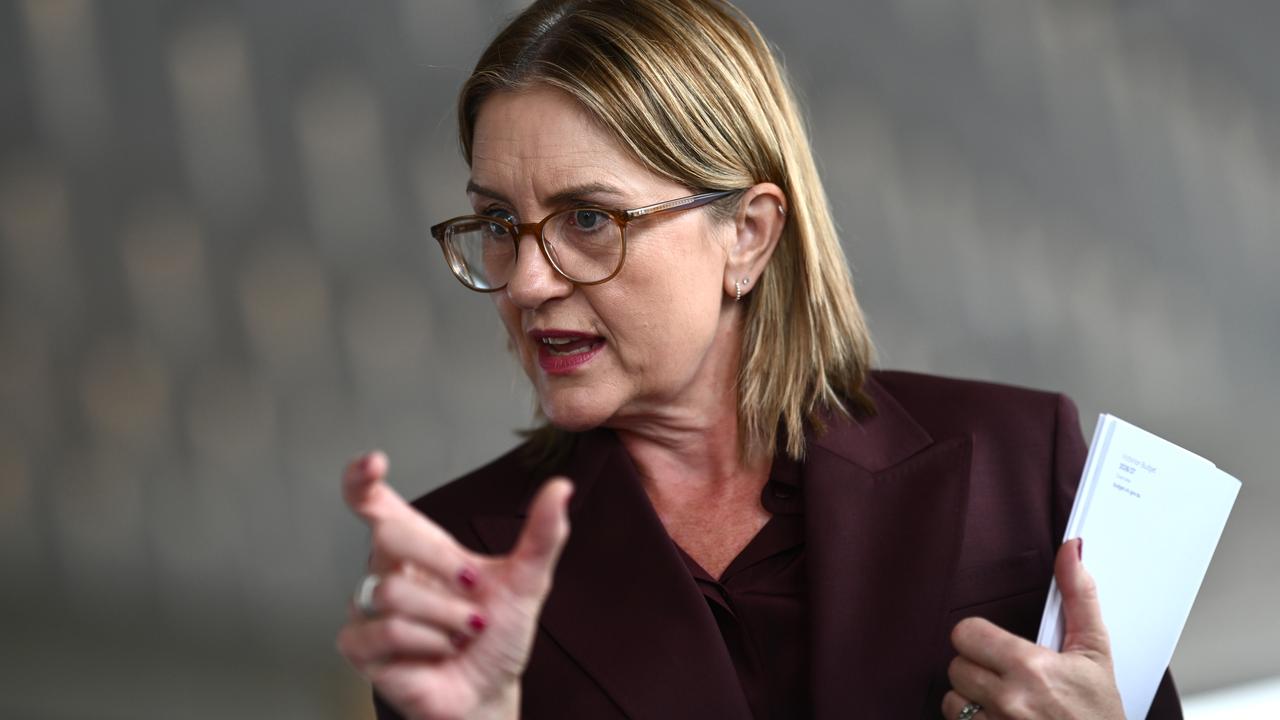
Victorian Premier Jacinta Allan praised her federal counterparts, saying they were a “partner in Canberra who gets what our growing state needs”.
“The Suburban Rail Loop will slash travel times and cut congestion for busy families,” she said.
The federal government angered farmers and regional leaders this week when it announced a major freight rail line intended to connect Melbourne and Brisbane would be cut short because of cost blowouts.
Tuesday’s budget will include plans to pare back the Inland Rail project and instead end it at Parkes, in central NSW, after analysis showed costs had soared from $16.4 billion to $45 billion.
The project had been funded “off-budget”, deemed an investment that would generate a return for the government over time.
But the government received advice that the extra $29 billion needed to finish the project would have provided an insufficient return to justify being funded off-budget, adding to the underlying deficit, Finance Minister Katy Gallagher said.
She said axing the project north of Parkes will reduce more than $4 billion from federal debt over four years from 2028/29.
20250407156606777901

Shares drop, oil rebounds as US and Iran exchange fire
Renewed conflict in the Persian Gulf is weighing on Australia’s share market in the final session of the week, rattling a fragile truce and hitting investor confidence.
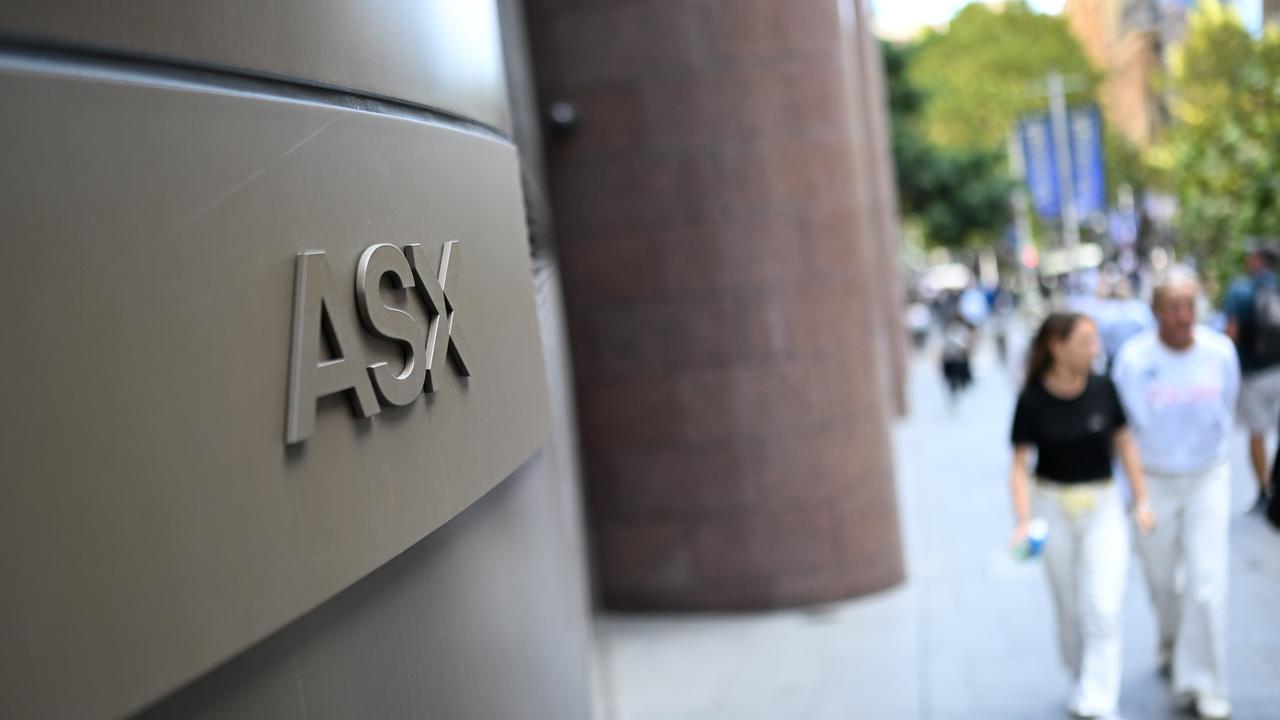
The S&P/ASX200 fell 143.6 points by midday, down 1.62 per cent, to 8,734.5, as the broader All Ordinaries lost 137 points, or 1.5 per cent, to 8,970.7.
The local market had rallied over the past two sessions on hopes of de-escalation of the US conflict with Iran, but a firm peace deal looks elusive, IG market analyst Tony Sycamore said.
“Tensions flared again this morning after reports of US strikes on targets in southern Iran, including the key oil port of Bandar Abbas and Qeshm Island,” he said.
Iran responded by targeting US vessels in the eastern Strait of Hormuz, vowing to retaliate against any further attacks.
“This continues the recent pattern of escalation into weekend before de-escalation, ahead of the reopening the following week,” Mr Sycamore said.
Despite Friday’s fall, the local exchange remains on track to narrowly break a three-week losing streak after rebounding strongly on Wednesday and Thursday.
The heavyweight financials sector was weighing heavily heading into the weekend, dipping 2.3 per cent, tracking tumbles in the big four banks.
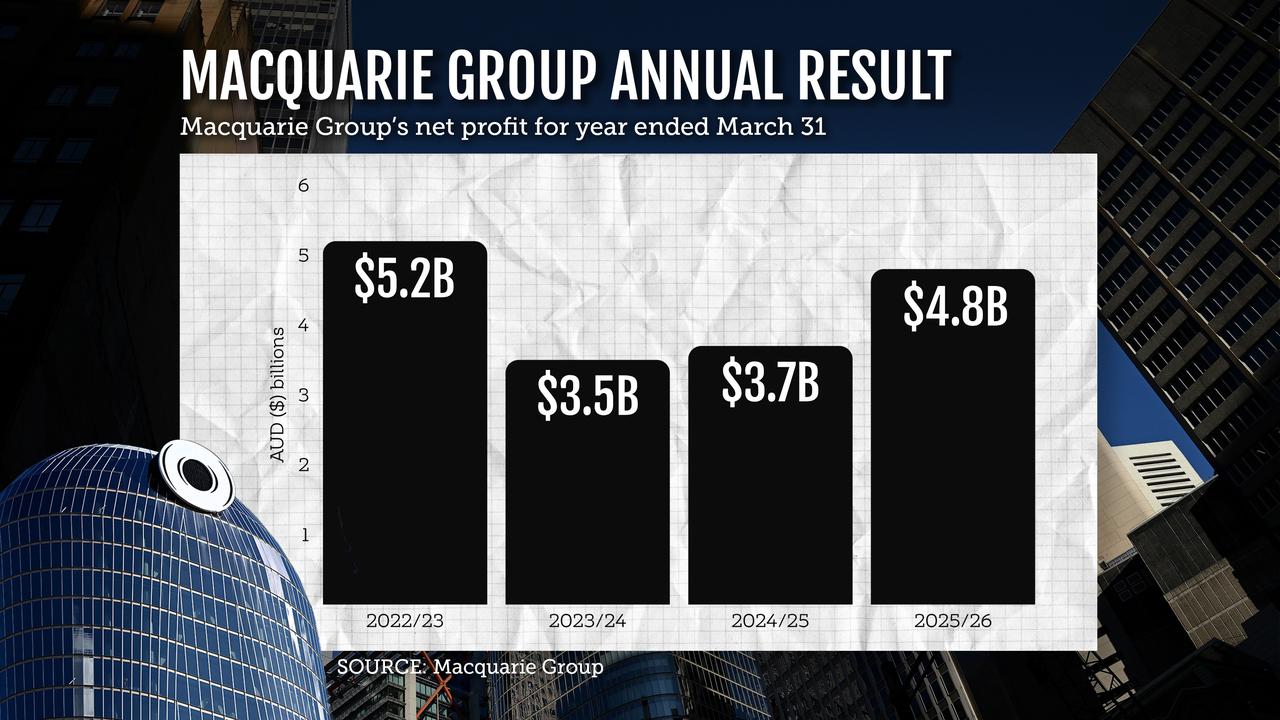
Investment giant Macquarie Group fell 1.9 per cent to $236.50 despite delivering an eye-watering $4.8 billion net profit in the year to March, up 30 per cent on its 2025 financial year.
Miners also dragged, with basic materials falling 1.6 per cent as BHP, Rio Tinto and Fortescue handed back some of the previous two sessions’ gains.
Gold miners edged lower as the precious metal hovered near $US4,720 ($A6,546) an ounce.
Even energy and utility stocks weren’t spared from the sell-off despite an increase in oil prices, each sector tumbling one and two per cent respectively by lunchtime.
Consumer-facing stocks were also in the red, as Wesfarmers, Woolworths and Coles fell.
Real estate stocks tumbled two per cent in a broad-based dump that wiped the previous two sessions’ gains in the first hour of trade.
There were a handful of companies that dodged the sell-down, with real estate.com.au owner REA Group up 3.4 per cent to $180.39 after posting strong earnings growth in the third quarter.
News Corporation charged more than four per cent higher after its revenue jumped to $US2.2 billion in the three months to March, up nine per cent on the same quarter in 2025, putting it on track for a record full-year profit.
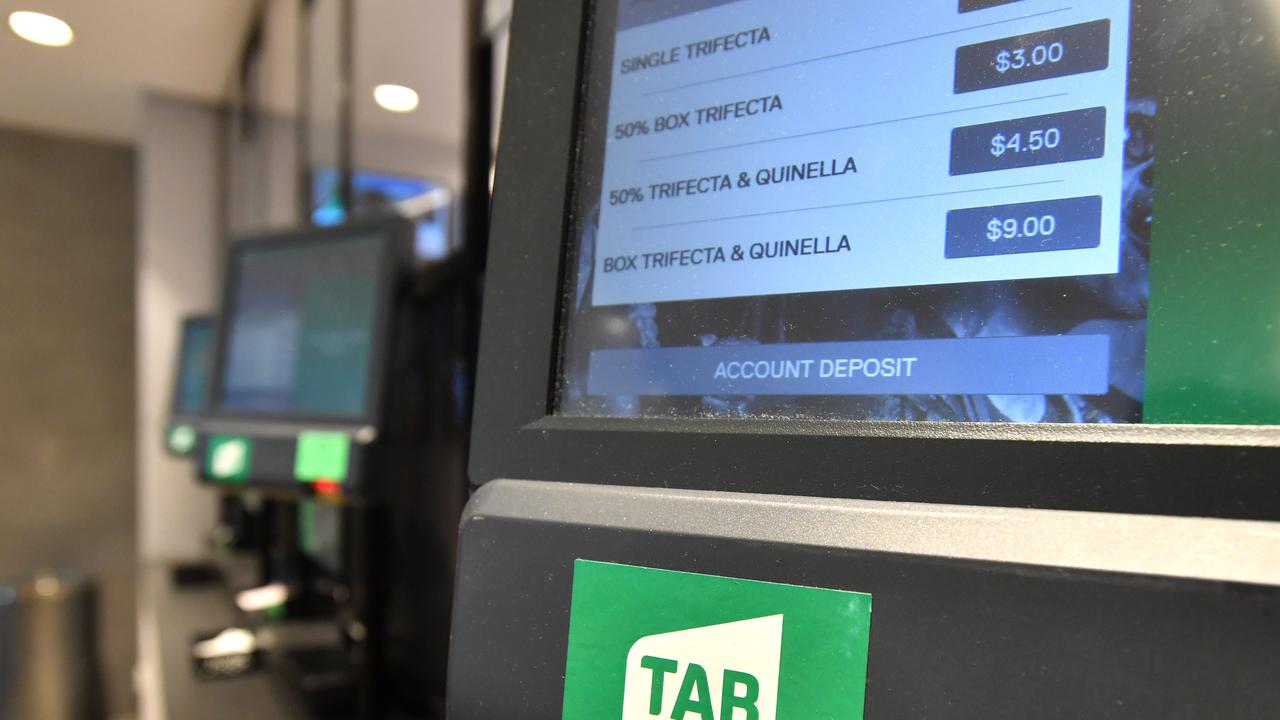
Tabcorp fell for a second day after flagging an AUSTRAC investigation into potential money-laundering obligation breaches, with its share price plunging almost 30 per cent in two sessions.
The Australian dollar is buying 72.09 US cents, down from 72.50 US cents on Thursday at 5pm, as souring risk sentiment supported the greenback.
Former foreign minister resigns as top uni chancellor
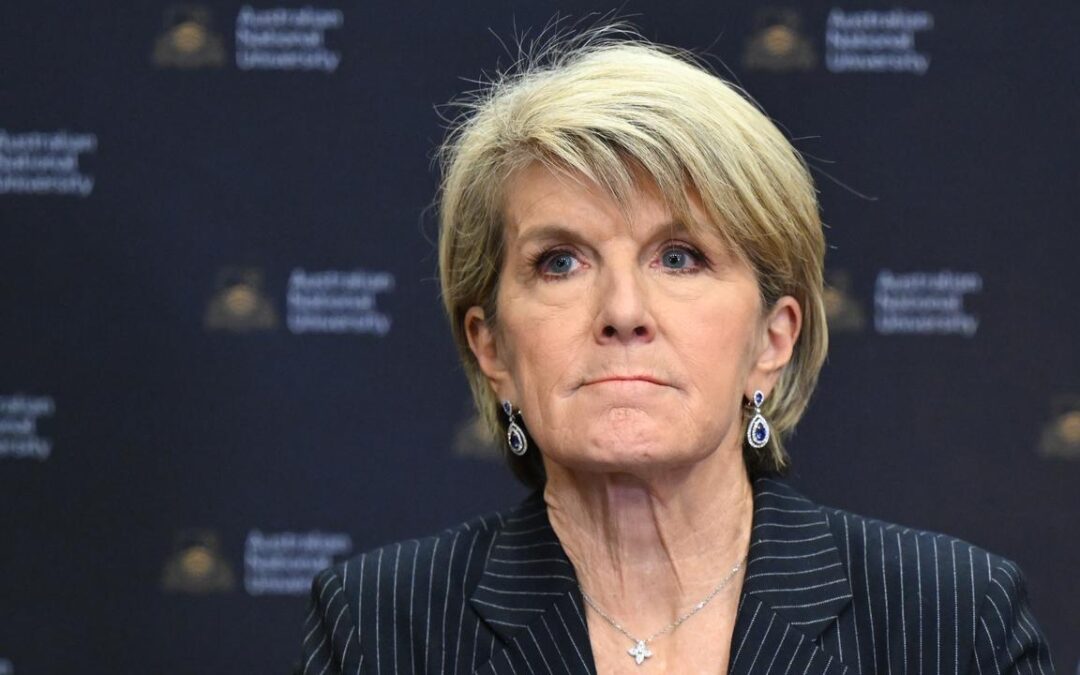
Former foreign minister Julie Bishop has resigned as chancellor of one of the nation’s most prestigious universities, effective immediately.
Previously one of the Liberal government’s most senior ministers, Ms Bishop’s tenure at Australian National University was marred by months of turmoil including job cuts, bullying allegations and ugly disputes between staff and university management.
A contentious cost-cutting proposal, which would have made hundreds of staff forcibly redundant, was abandoned when Vice Chancellor Genevieve Bell quit her post in late 2025.
At the time, Ms Bishop said she had the full confidence of the university council and intended to serve out the rest of her term until the end of 2026.
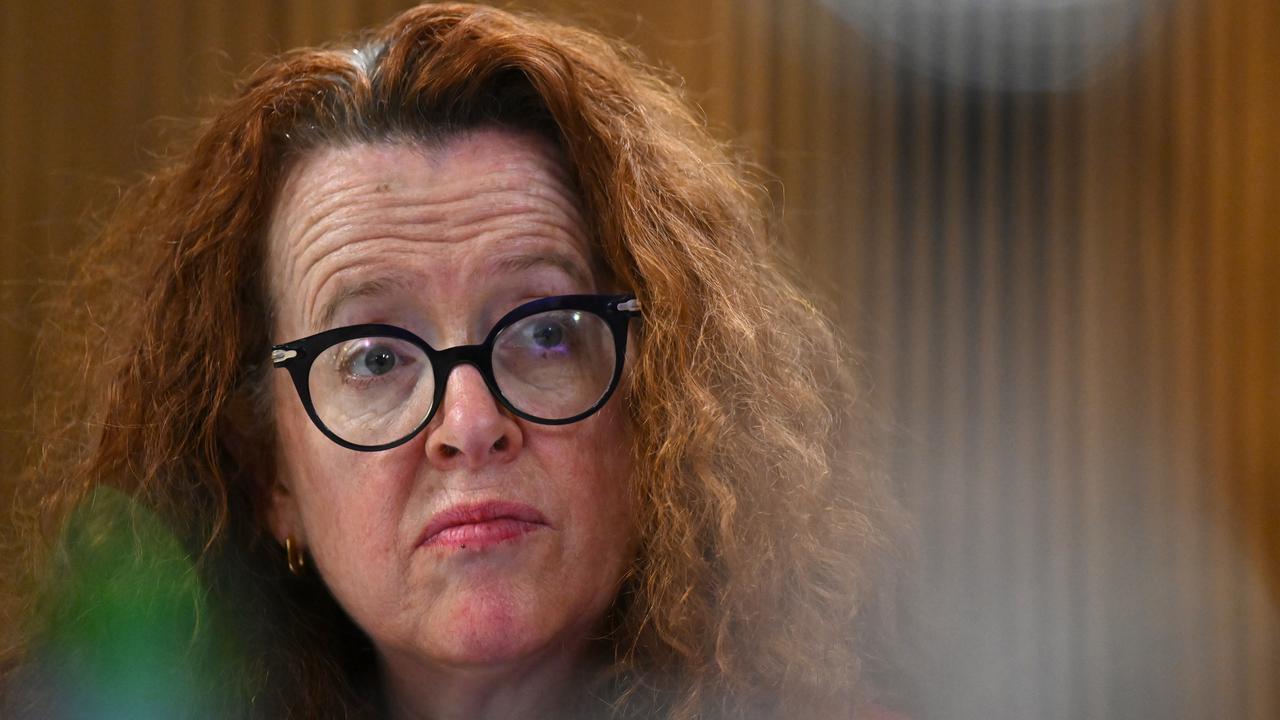
It’s unclear why Ms Bishop chose to step down early, but the Australian Financial Review reported she believed the universities regulator, which had intervened in the running of the ANU council, had overreached.
The university must now work openly with staff, students and the broader community to rebuild confidence, ACT senator and senior minister Katy Gallagher said.
“I note the resignation of ANU Chancellor Julie Bishop,” she said in a statement.
“The challenges facing ANU did not arise overnight, and rebuilding trust and confidence across the university community will take time and careful work.”
The hard work of students, academics and alumni had forced the university’s leaders to take responsibility for governance and leadership failures, independent ACT senator David Pocock said in a statement.
“In stepping aside, the chancellor is acting in the best interests of the ANU,” he said.
“When things go so terribly wrong at the helm of such an important institution, especially one governed by Commonwealth law, there must be accountability.”
Investment bank Macquarie posts second-highest profit
Investment giant Macquarie Group has posted its second-biggest annual profit, recording $4.8 billion, a 30 per cent jump from the prior year.
Market expectations had been for a profit of $4.4 billion for the 12 months to March 31.
Its half-year profit was $3.2 billion, a record half-year result and nearly double that from a year ago.
“Shemara, congratulations on a cracking result,” veteran banking analyst Brian Johnson, of MST Financial, told Macquarie chief executive Shemara Wikramanayake during a briefing on Friday.
Ms Wikramanayake said each of Macquarie’s four businesses had used its specialist expertise to navigate the current environment and identify opportunities for long-term growth.
Macquarie’s commodities and global markets division grew the most, with its profit climbing 49 per cent to $4.2 billion, following the sale of its British smart meter asset provider OnStream.
Macquarie Capital contributed a net profit of $1.5 billion, up 43 per cent from a year ago, reflecting higher income from equity investments, mergers and acquisitions fees.
Macquarie Asset Management’s net profit was up 27 per cent to $2.6 billion, driven by higher performance fees, while Macquarie’s banking and financial services division’s contribution rose 17 per cent to $1.6 billion.
Macquarie said it would return half of its half-year profit to shareholders, paying an second-half dividend of $4.20 per share.
That takes its dividends for the year to $7 per share, up from $6.50 per share a year ago.
Macquarie also released its annual and sustainability reports on Friday, which activist group Market Forces said showed it had increased funding for fossil fuel projects.
“Macquarie’s disclosures reveal it has tripled finance for oil and gas in the past four years, confirming it’s Australia’s ‘drill baby drill’ bank, while its big four peers have all reduced funding for fossil fuels,” the group’s banks analyst, Morgan Pickett, said.
The investment bank had just backed Whitehaven Coal’s mine expansion plans, and bankrolled gas fracking projects in Australia’s Beetaloo Basin south of Darwin, Mr Pickett said.
Close to noon on Friday, Macquarie Group shares were down 0.9 per cent to $239.80.