
Australia caught in US plans for ‘anti-slavery’ tariffs
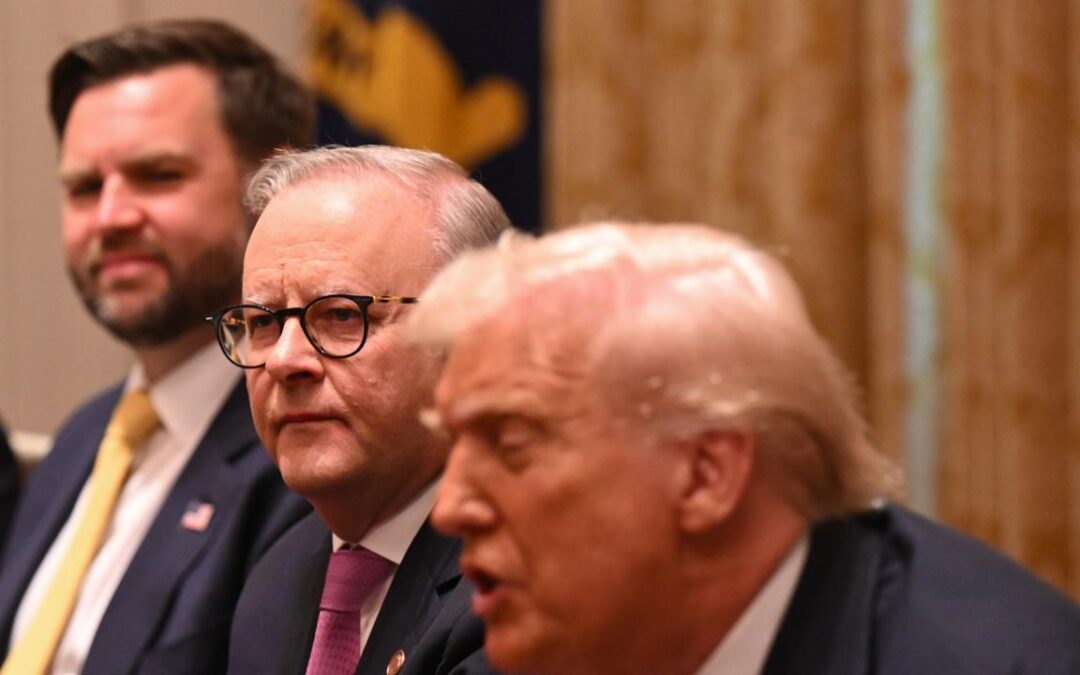
The prime minister has blamed an “ideological disagreement” for the latest round of American tariffs proposed for countries including Australia over what the US says is their failure to address modern slavery.
The White House is proposing new levies for 60 countries that it says are not doing enough to fight slavery in their supply chains.
Under the proposal, a 10 per cent temporary tariff imposed in February on Australian goods would increase to 12.5 per cent from July 24.
“The acts, policies and practices of Australia related to the failure to impose and effectively enforce a forced-labour import prohibition are unreasonable and burden or restrict US commerce,” US Trade Representative Jamieson Greer found in a report published overnight.
The tariffs are unwarranted and will only push up prices for consumers in the US, Prime Minister Anthony Albanese said on Thursday.
“There is an ideological disagreement where the United States administration has broken with what was a decades-long understanding that tariffs are not positive for the country that is imposing them,” he told the ABC’s AM program.
Trade Minister Don Farrell spoke with Mr Greer on the sidelines of the OECD ministerial meeting being held in Paris to argue the new import tax was unjustified.
Australia has “robust, comprehensive and world-leading” laws to tackle modern slavery, Mr Albanese said.
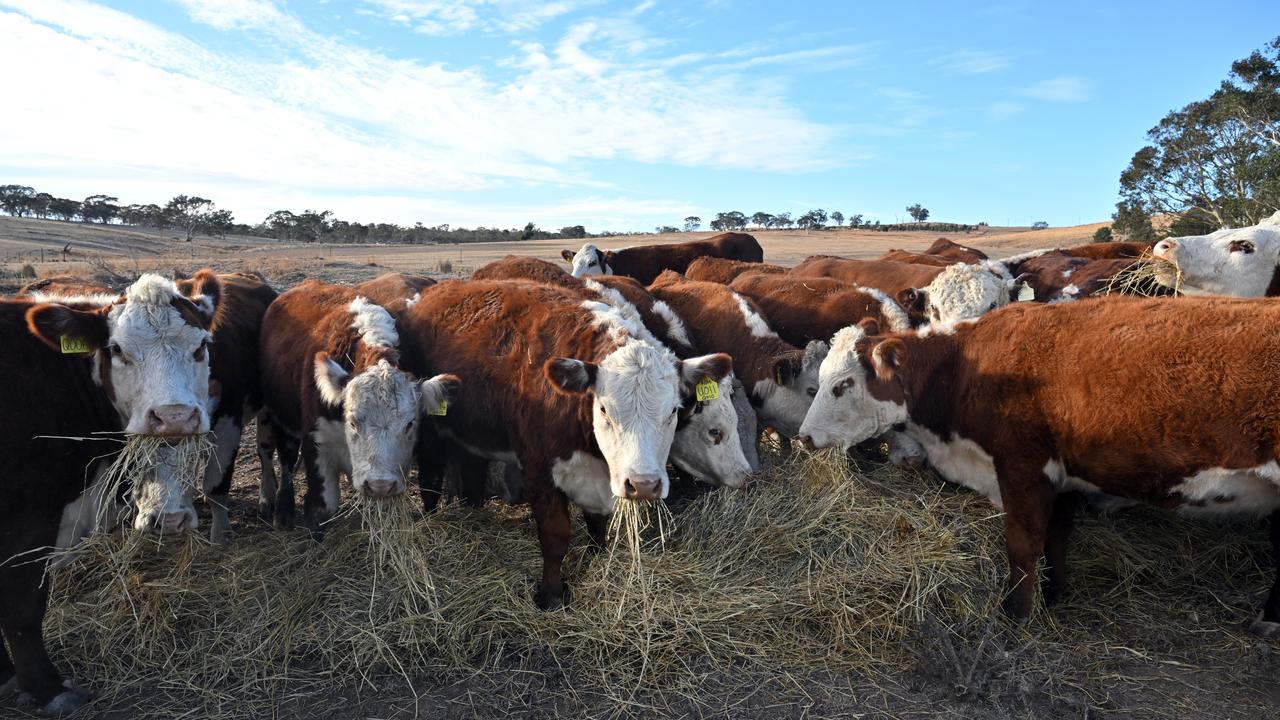
Beef and gold from Australia will maintain their existing exemptions from US tariffs, AAP understands.
Other American allies including Canada, Israel, Japan, New Zealand and the European Union, along with adversaries including China and Russia, are also covered under the latest tariff ruling.
“The failure of our most important trading partners to address the importation of goods made with forced labour is unacceptable … we will no longer tolerate this disparity,” Mr Greer said in a statement on Wednesday (AEST).
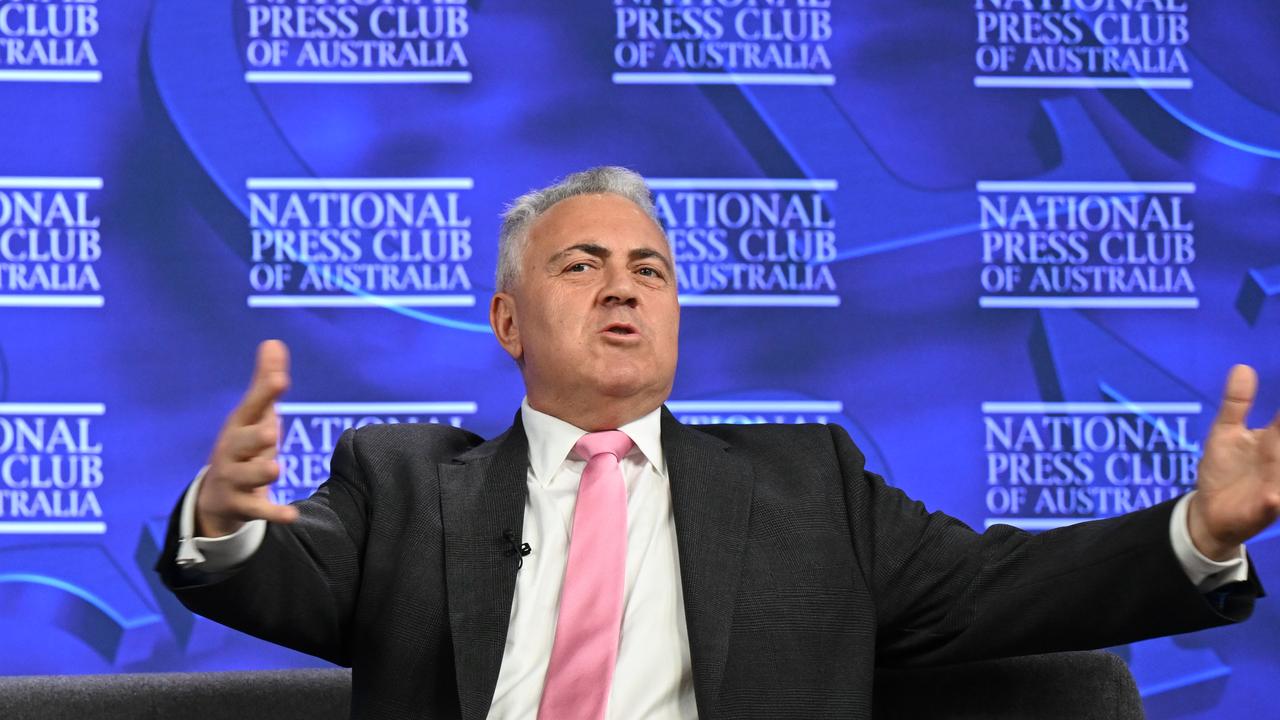
Former Australian ambassador to the US Joe Hockey said he’d argued personally with Mr Trump about his tariff policies and warned he was “not for moving”.
“America is running out of money, and they need to get it from somewhere. And the President of the United States is convinced that foreigners pay tariffs imposed by America, whereas in fact it is American consumers that pay higher prices,” Mr Hockey told ABC Radio National on Thursday.
SpaceX’s public offering could make Musk a trillionaire
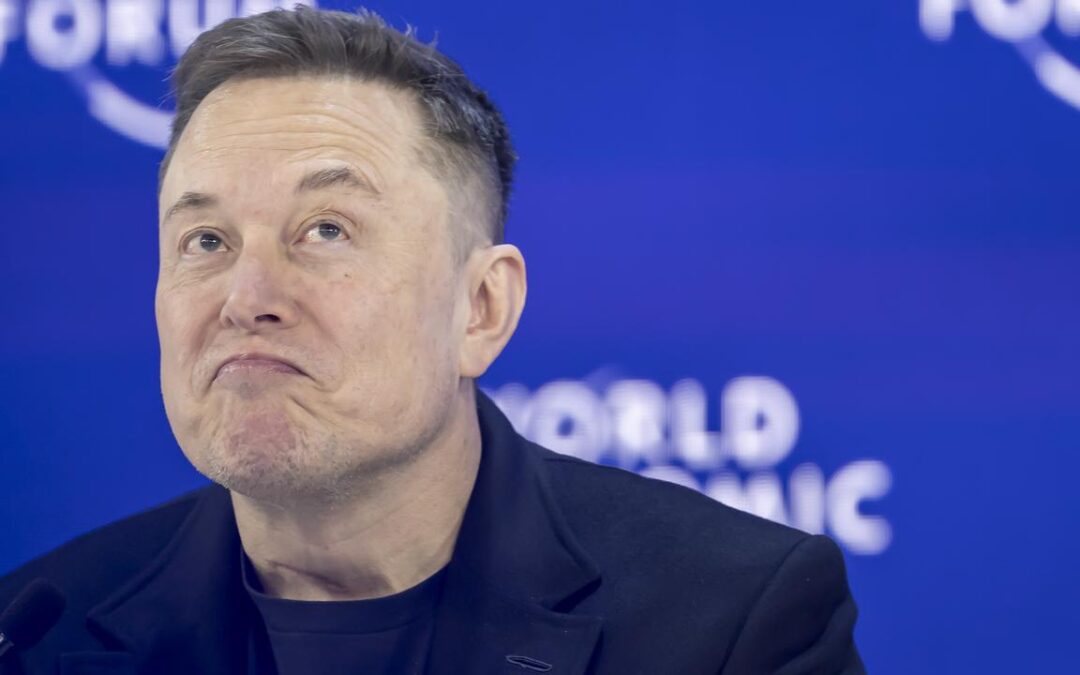
SpaceX has publicly set a $US135 ($A189) price for shares in its initial public offering, upending the longstanding Wall Street price-discovery apparatus and underscoring Elon Musk’s determination to raise record sums his way.
The company’s decision to publish a price on Wednesday a week ahead of its landmark offering has few if any precedents among major US IPOs, and reflects Musk’s standing in the financial world as an adventurer with a golden touch.
SpaceX’s amended IPO filing confirms a Reuters report on the $US135 ($A189) price from earlier this week. The company is aiming to raise $US75 billion ($A105 billion), the most ever for an IPO, in a deal that would value it at $US1.75 trillion ($A2.45 trillion), immediately placing it among the top 10 most valuable US-listed firms.
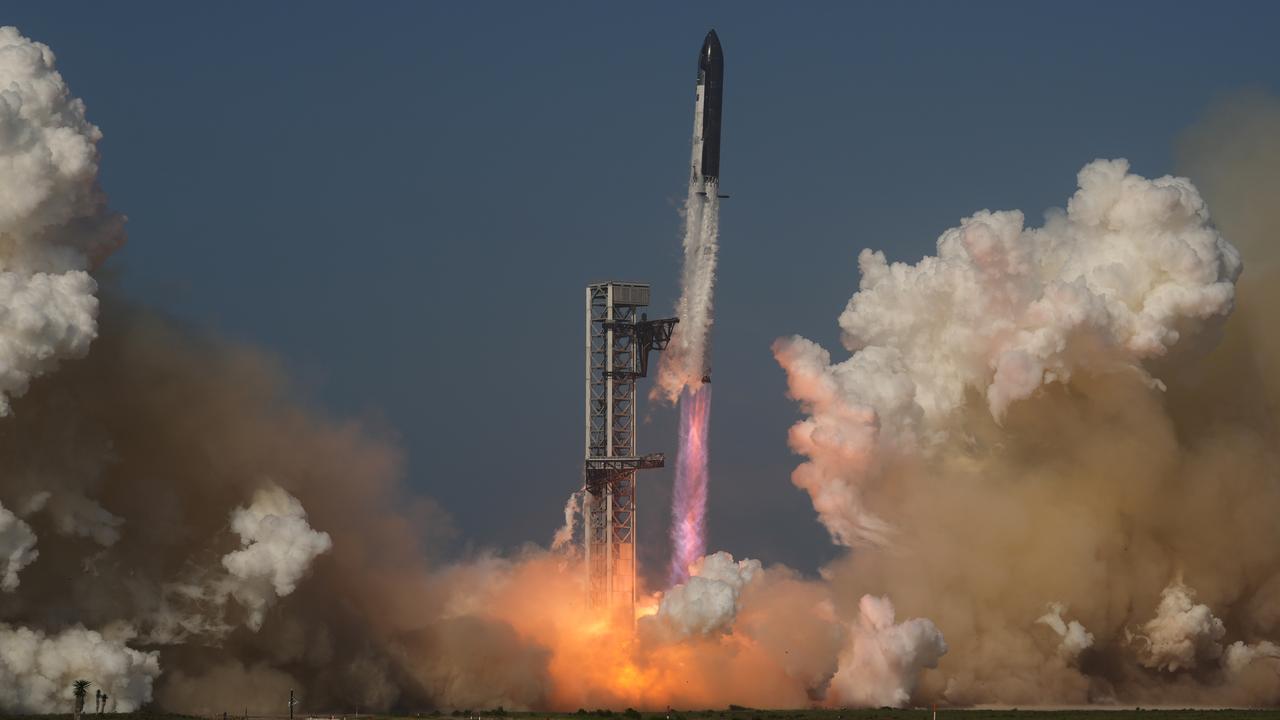
The company will kick off an investor roadshow on Thursday, with pricing expected on June 11. Trading in shares will begin on the Nasdaq the next day.
Musk has rewritten the IPO playbook for SpaceX in many other ways, from planning to give retail investors a larger role in allocations to pushing for early index inclusion, and structuring governance to preserve strong founder control.
“Nothing about this IPO is normal in any course or sense, but then again this is the largest IPO in history so maybe that is not surprising,” said an investor who is planning on buying into the IPO.
The road show is where companies and their bankers typically sound out investors in order to arrive at a price range for their share sale. The process emphasises bankers’ relationships with potential investors and their understanding of the market for the coming offering.
After a series of testing-the-waters meetings with investors ahead of the roadshow, SpaceX indicated it was looking for a valuation of about $US1.75 trillion ($A2.45 trillion), while some investors sought $US1.5 trillion ($A2.1 trillion) or less.
The company’s plans, including the size of the raise, are subject to change as the next round of investor meetings gets under way, sources told Reuters.
On Wall Street, there has been a rush to get a piece of the deal, given Musk’s reputation and his control of an offering that stands to generate millions of dollars in fees.
The prospective investor said there has been a sense that major firms are “posturing” by saying “we put the money in early” – a position that both reflects and reaffirms Musk’s leverage over investors.

Other aspects of the SpaceX offering stand out. Major international banks including Mizuho, Deutsche Bank, UBS, and Barclays, have been urged to focus on lining up wealthy individual buyers in their home countries.
In the past, little attention was paid to individual investors, as bankers sought out feedback from large asset managers such as Fidelity Investments and powerful hedge funds such as Citadel.
Reuters previously reported that the company is considering allocating as much as 30 per cent of the offering to individual investors, an unusually large retail tranche aimed at tapping into Musk’s cult-like following that would also broaden ownership of the company.
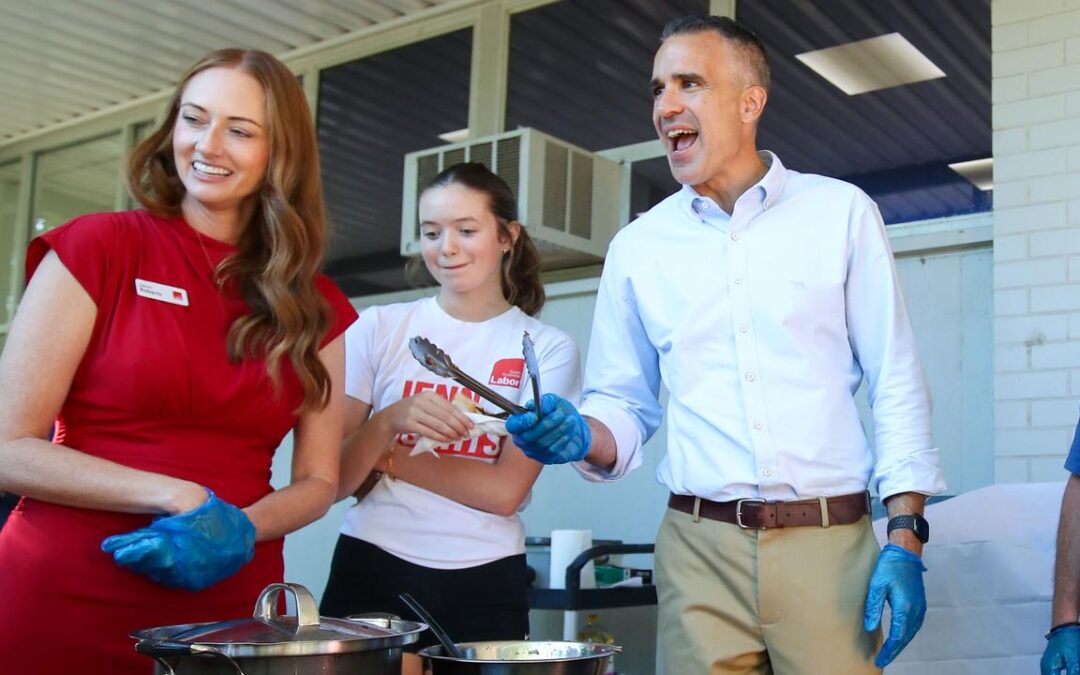
‘Budget is cooked’: debt pressure bites into spending
A government will impose a partial freeze on public service recruitment as it intensifies its budget focus on reining in the state’s growing debt burden.
But the South Australian Opposition says the budget is “cooked” and Labor has no plan to manage the state’s debt, which is predicted to balloon to close to $50 billion by 2039.
Treasurer Tom Koutsantonis will deliver the Malinauskas government’s first state budget on Thursday since its resounding election victory in March.
It has announced a partial freeze on recruiting of non-frontline public sector for the next 12 months, which is forecast to cut 1000 positions and save $120 million.
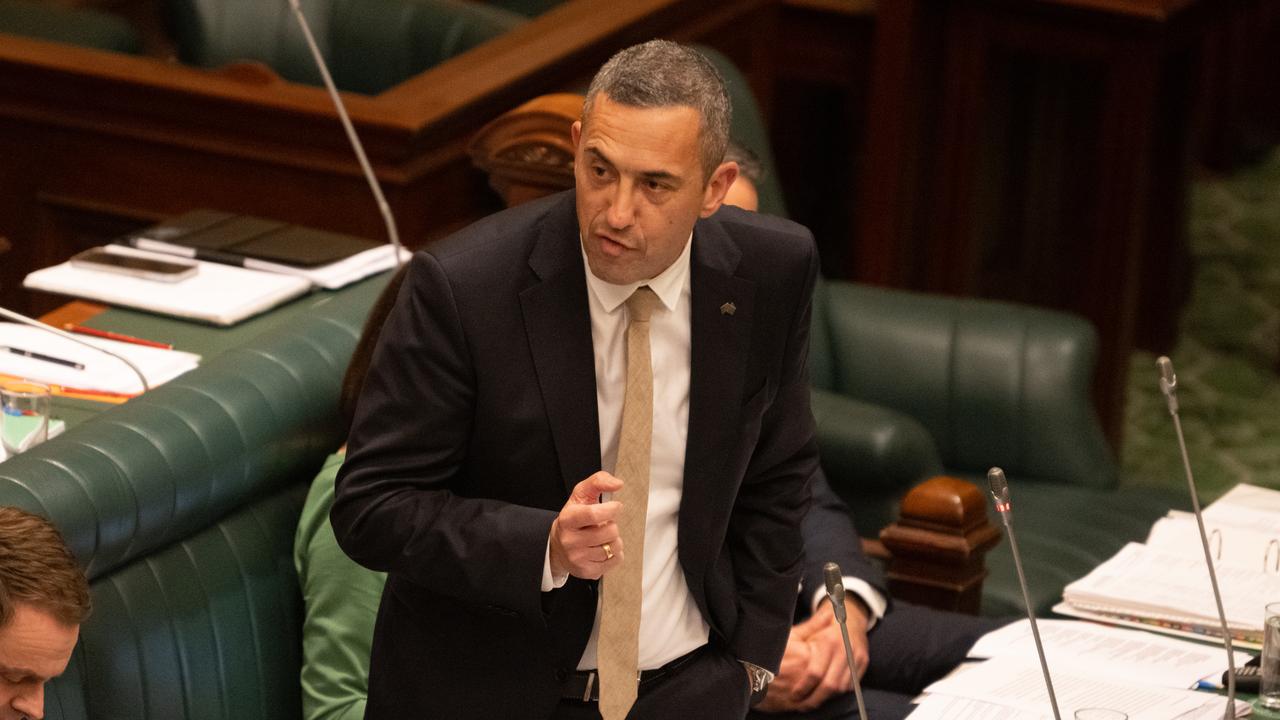
Mr Koutsantonis described it as “back office efficiency” that would not affect frontline areas such as teachers, police, doctors and nurses.
Flinders University public policy lecturer Josh Sunman told AAP the saving was a significant amount, “but it’s a drop in the ocean compared to what the debt bill is”.
Shadow treasurer Ben Hood said the state needed “a targeted, attrition-based approach to curb that backroom growth in the public sector”.
“Labor simply has no plan for debt management,” he said.
“The budget is cooked … and it is time for the premier and the treasurer to step up to the plate.”
Based on midyear budget review figures from December, debt interest was costing the state more than $5 million a day, or $1.9 billion a year, he said.
“That equates to $61 a second of interest being paid on the debt that South Australians are having to carry for this government,” he said.
Mr Sunman said the debt burden meant the government had limited budget capacity to respond to the cost-of-living crisis.
“Cost-of-living relief is really reductions in charges, things like stamp duty, and car registration, but with the debt situation, that’s not really something this government can do,” he said.
“The government’s year-to-year fiscal management is quite good, it stays within its means, but it needs to do more than that if it wants to kind of tackle the structural debt problem.”
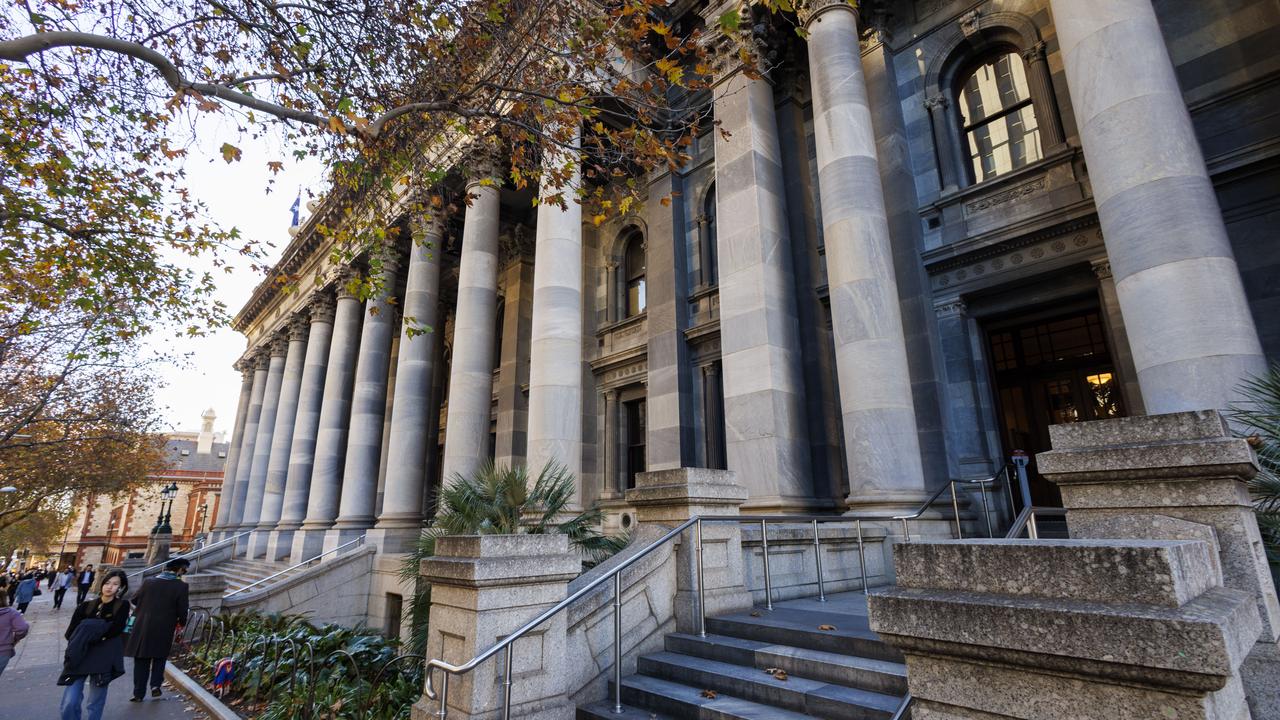
Much of the increased debt is attributable to the $15.4 billion Torrens to Darlington tunnel project, to complete the city’s north-south corridor link, and the new Women’s and Children’s Hospital, which is costing an estimated $3.2 billion.
The health budget will also top $10 billion for the first time, as the government continues to boost services and staff to address the persistent issue of ambulance ramping.
On Wednesday, Premier Peter Malinauskas re-announced the government’s commitment to widen Seniors Card eligibility to all South Australians over 60, as well as Aboriginal South Australians aged 50 or older.
“Currently, if you work 20 hours a week or more, you’re ineligible, and that’s crazy, because it means that people over the age of 60 are denied … cost of living (relief),” he said.
The policy will cost $8 million over four years and allow an estimated 80,000 extra people to access free bus, train and tram travel, and fuel, food and cinema ticket discounts.
The government will abolished stamp duty on house purchases by victims of domestic, family and sexual violence.
They will also be eligible for the First Home Owner Grant, even if they have bought a home previously, under the scheme designed to help vulnerable women re-establish themselves in secure housing.
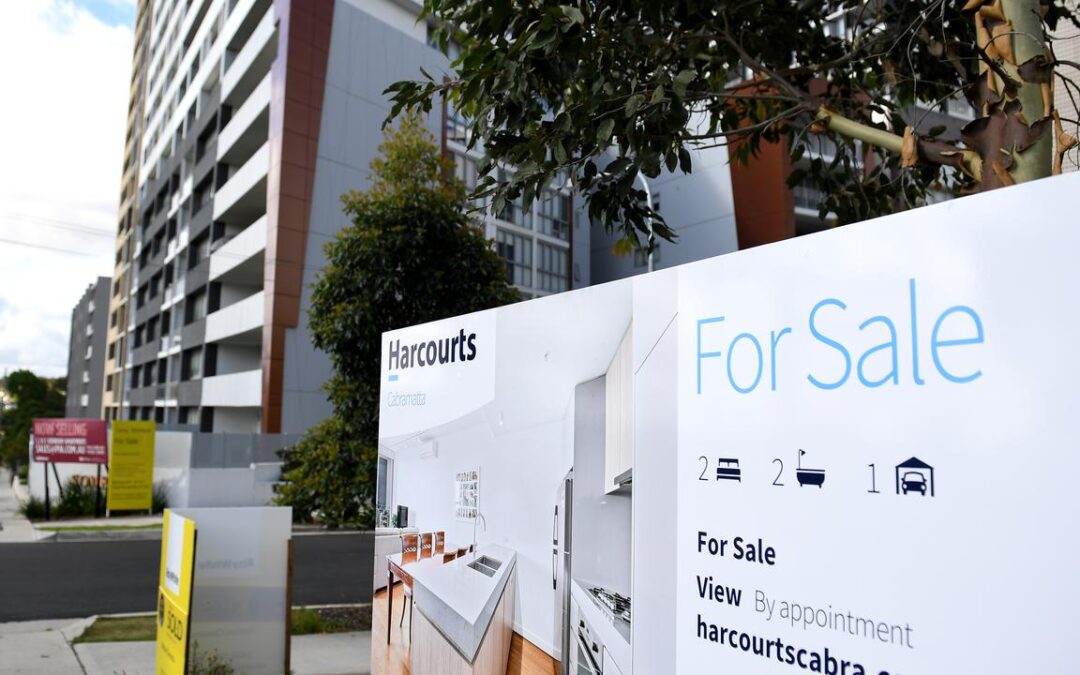
Housing slowdown sharper than Treasury forecast: CBA
Contentious tax changes will have a larger drag on home prices than the government forecast in the budget, according to analysis from Australia’s largest lender.
Winding back negative gearing and the capital gains discount for established properties will weigh on home prices by five per cent, compared to Treasury forecasts of a two per cent drag, Commonwealth Bank senior economists Trent Saunders and Ashwin Clarke found.
A slowdown in the property market was already underway before the budget due to global uncertainty and rising interest rates.
But the quick response to the tax changes suggested the near-term impact will be sharper than expected, the duo said in a research note on Wednesday.
“We now expect national dwelling prices to be flat over 2026, down from a forecast of three per cent at budget and five per cent in March.”
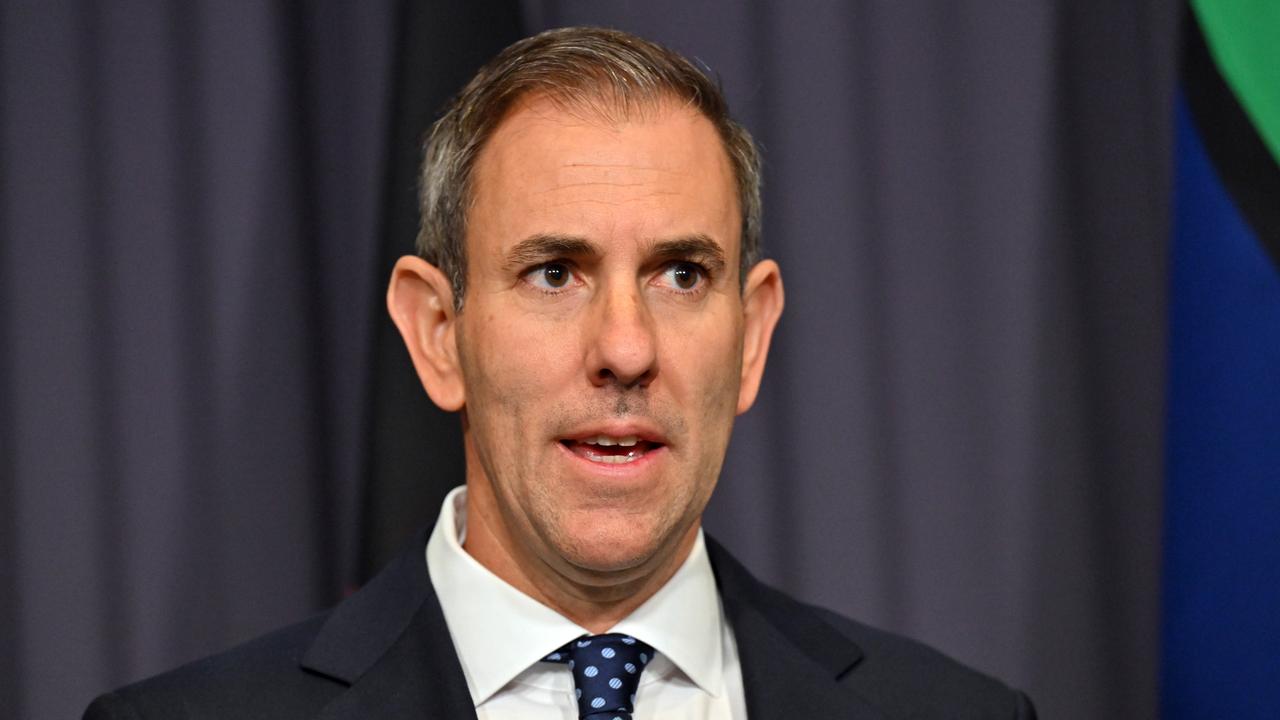
Treasurer Jim Chalmers refused to say whether it was the government’s intention for home prices to go down.
“We’re not targeting a particular price outcome in percentage terms or in dollar terms,” he told reporters in Canberra.
“The Treasury analysis that we released with the budget assumes that house prices continue to grow but a bit more slowly.”
Opposition housing spokesman Andrew Bragg was more definitive.
“The honest truth is that house prices in this country are too high for young people and they should go down,” he said.
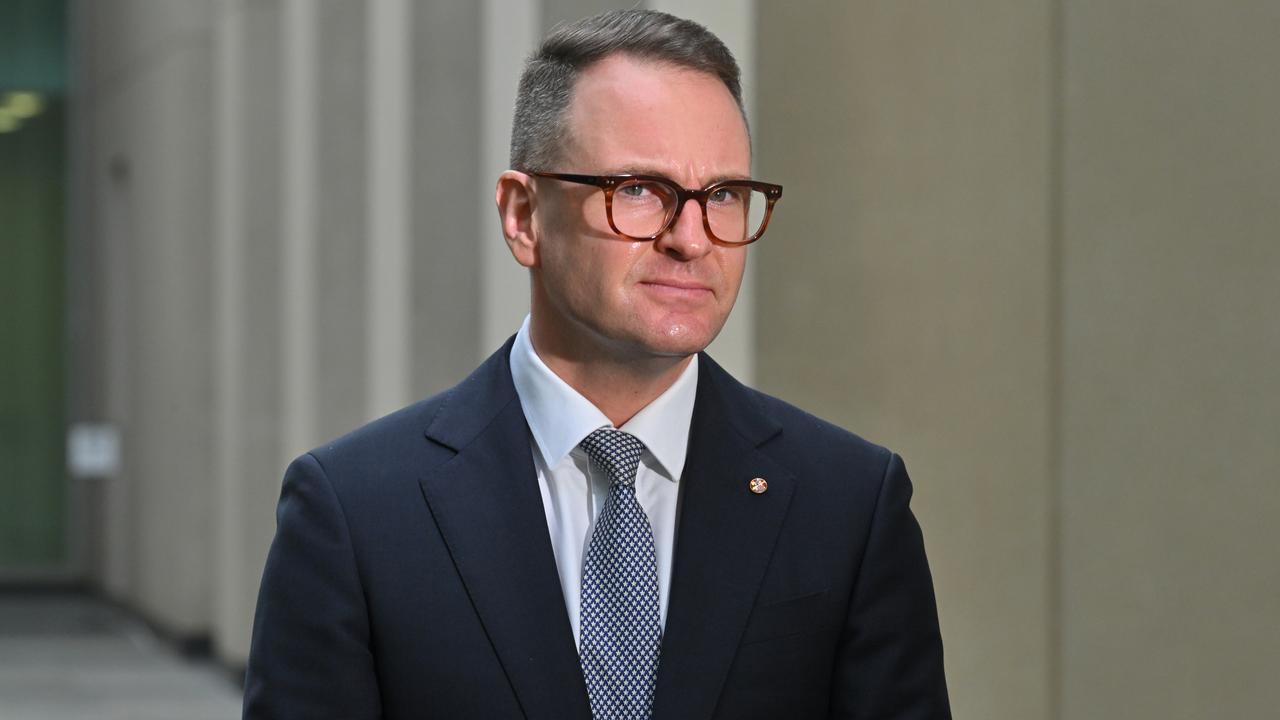
Labor’s five per cent deposit guarantee for first home buyers had “pump-primed” demand and driven up prices at the bottom end, Senator Bragg said.
But not only did he pledge to repeal the tax changes, he suggested the capital gains tax discount – which Treasury argued has fuelled investor demand and price growth – should be raised further.
Falling house prices might also help the RBA’s fight against inflation and potentially rule out more rate hikes, even if it is an inadvertent consequence.
The tax changes have clearly had an impact on housing sentiment, which could reduce spending via the wealth effect and presents downside risks to economic activity, NAB chief economist Sally Auld said.
“The question we’re mulling over is how big is the correction in housing likely to be, and what that might mean for activity, not so much in the current quarter, but possibly in the back half of the year,” she told AAP.
NAB still expects the Reserve Bank to hike interest rates one more time in August, despite Australian Bureau of Statistics data showing a slowdown in Australia’s economic growth rate in the March quarter.
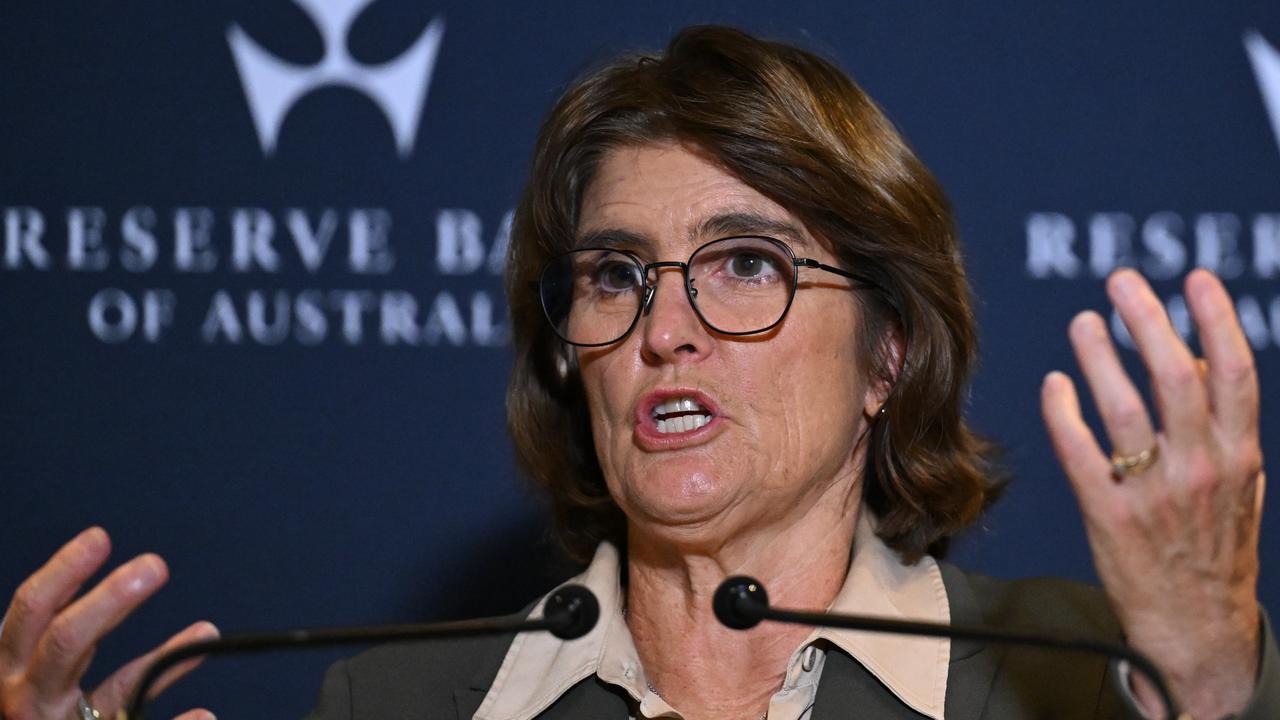
RBA governor Michele Bullock, as well as assistant governors Sarah Hunter and Christopher Kent, will reveal their reaction to the national accounts figures when they front a senate estimates hearing on Thursday.
With productivity growth going backwards and unit labour costs still elevated, inflationary pressures were likely to persist, EY senior economist Paula Gadsby said.
“Today’s result is unlikely to impact the Reserve Bank’s deliberations at its June meeting, and we expect the board will need to tighten monetary policy further in the second half of this year,” she said.
Vance, Rubio would be unbeatable in 2028 race: Trump
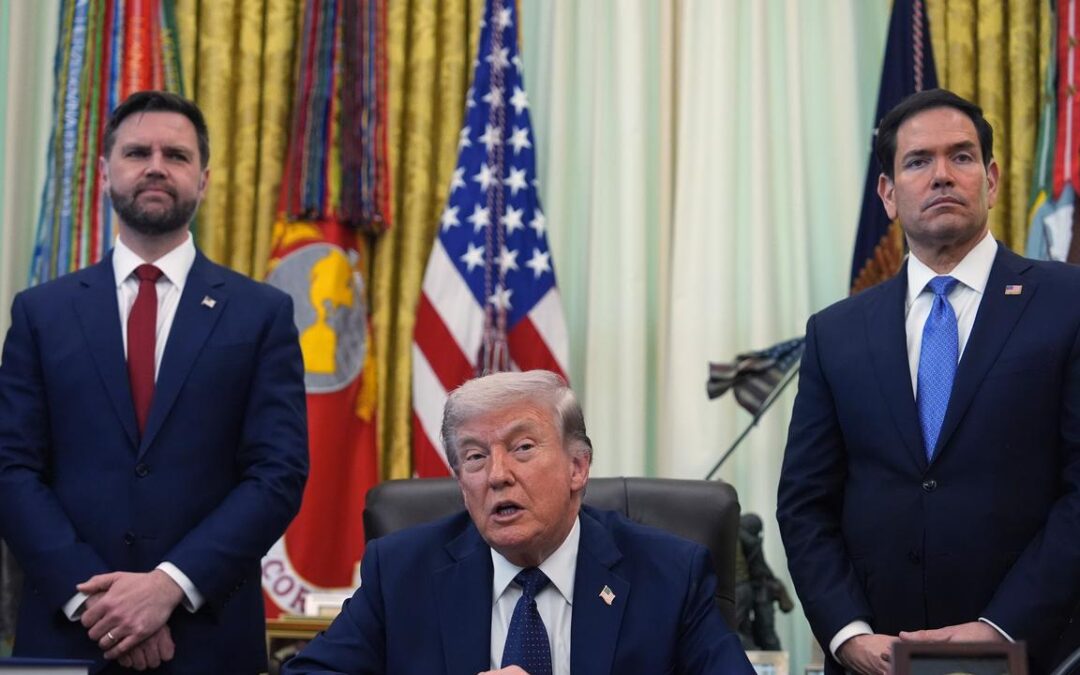
US President Donald Trump said in a podcast interview that Vice President JD Vance and US Secretary of State Rubio, teaming up for a 2028 presidential run, would be unbeatable.
Both men are seen as contenders for the 2028 Republican nomination, and Rubio’s recent turn at the White House podium drew praise from Republicans and even some Democrats who noted his smooth performance, which included quips and a 1990s hip-hop reference to describe Iran’s negotiating position.
“I would think that JD and Marco as a team would be very hard to beat,” Trump told Miranda Devine in a podcast aired on Wednesday.
“It’s interesting, human thing, the human equation. So I watch them together, they get along great,” he added.
Trump has continued to fuel the succession talk even as both Vance and Rubio downplay their 2028 ambitions.
Vance and Rubio have taken turns to take the stage at White House briefings to defend the Trump administration against a wide range of questions including the increasingly unpopular Iran war.
No one has formally entered the race for the November 2028 vote, but manoeuvring has begun.
Democratic contenders are already jockeying for a 2028 presidential run, signaling an open race with no clear party standard-bearer in the fight to succeed Republican President Donald Trump.
Global economic body weighs in on Australian rate rises
A global economic body is urging the Reserve Bank not to raise interest rates again unless inflation expectations become untethered.
As the economy slows as a result of the global energy shock, the central bank may even be required to cut interest rates, the Organisation for Economic Co-operation and Development said.
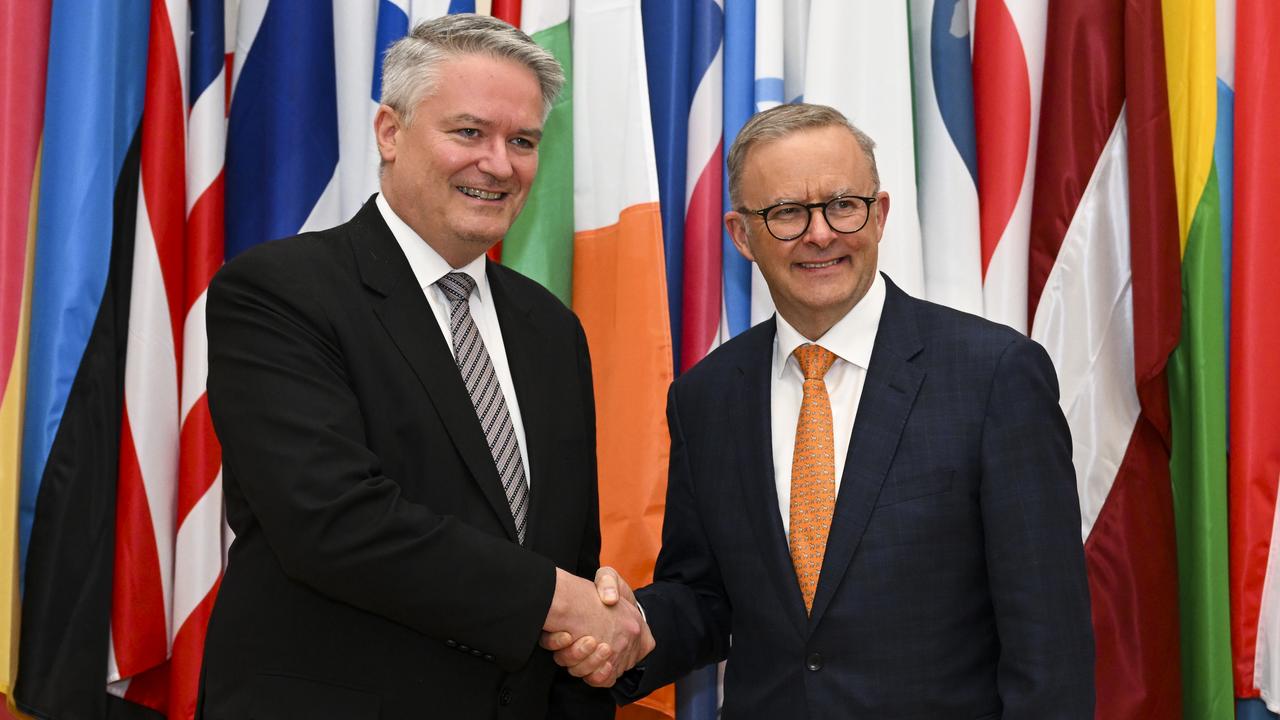
In its quarterly economic outlook on Wednesday, the Paris-based organisation – led by former Australian finance minister Mathias Cormann – said Australia’s economy had “considerable momentum” leading up to the Middle East conflict.
But Australia’s gross domestic product growth rate would slow to 1.9 per cent in 2026 and 1.8 per cent in 2027, in year-average terms, largely as a result of the energy shock.
The Australian Bureau of Statistics reported GDP grew at 2.5 per cent in the 12 months to March
In May, the RBA also forecast GDP growth to average 1.9 per cent in 2026, but predicted an even slower growth rate of 1.3 per cent in 2027.
The OECD predicted inflation to be 4.4 per cent in 2026, higher than the RBA’s forecast of 4 per cent, and 2.6 per cent in 2027.
As inflation subsides, the RBA should unwind some of the three interest rate hikes it had already delivered this year, the OECD said.
“Monetary policy should only be further tightened if inflation expectations become unanchored, threatening a prolonged inflationary episode despite the growth slowdown,” the report said.
“Conditional on expectations remaining anchored, an easing of policy may be needed as economic slack gathers.”
In a speech on Tuesday, Reserve Bank board member Ian Harper said inflation expectations over a 10-year period were starting to rise, reiterating similar concerns from RBA officials about expectations becoming unanchored.
The OECD also warned that if the impacts of the oil price spike on the rest of the economy were larger than projected, it could mean even higher interest rates or no rate cuts in 2027, which would further dampen growth over the two years.
Australia’s fiscal health was relatively robust, compared to other OECD countries, and the Middle East shock was not expected to have a major impact on budget outcomes, given Australia benefits from higher commodity prices.
But the OECD still urged Australian governments to bank revenue windfalls arising from the conflict and limiting temporary support measures to help affected sectors.
“Any fiscal support that countries provide in response to the shock need to be targeted towards those most in need and temporary, to avoid a further increase in public debt and preserve incentives to save energy,” Mr Cormann said.
The organisation also highlighted Australia’s heavy reliance on diesel imports and recommended speeding up the renewable transition.
“Australia’s vulnerability to fuel supply disruptions underlines the case for accelerating progress with electric vehicle adoption and renewables generation, with improved grid links and increased storage capacity,” the report said.
“Other needed policies, such as easing restrictive land-use regulation, especially in urban areas, could also help to curb fuel consumption and improve energy security, while at the same time boosting productivity growth and addressing affordability challenges.”
Australia’s unemployment rate was forecast to rise to 4.6 per cent in 2027, from 4.5 per cent currently.
‘Need to do more’: PM pleads case for budget tax change
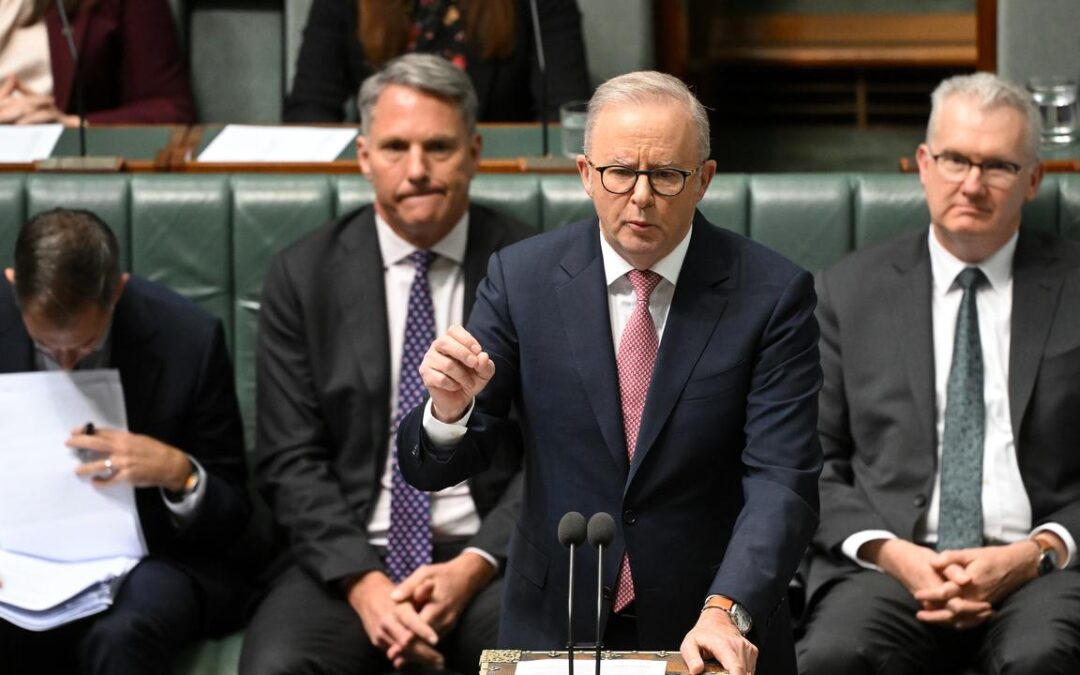
First home buyer programs are not enough on their own to get more people purchasing their own property, the prime minister says, shrugging off calls to hit pause on contentious tax changes.
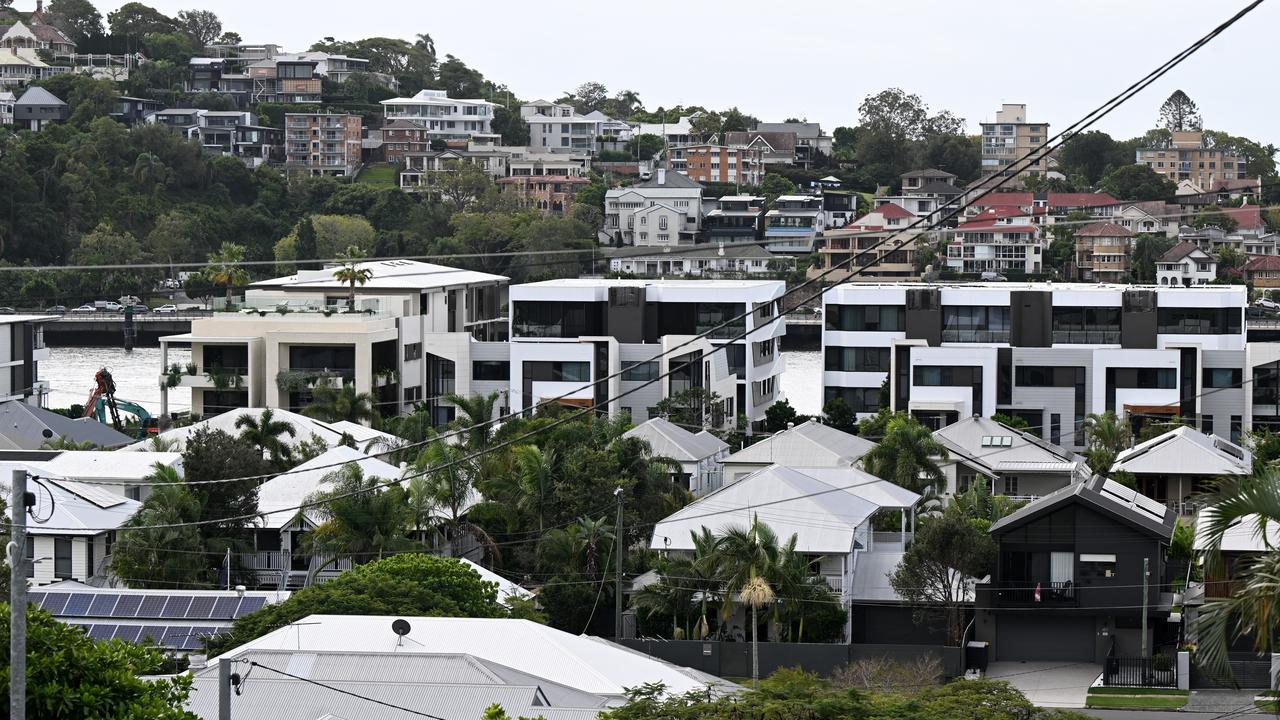
Federal parliament is continuing to debate looming tax changes that would limit negative gearing to new properties from July 2027, as well as axe a 50 per cent discount on capital gains tax to a rate tied to inflation.
The government has said the changes would help to get 75,000 more people into their first home within a decade.
Anthony Albanese said the measures were necessary, despite resistance from the coalition and business groups, because previous approaches to increasing home ownership were not enough by themselves.
“We know also that we needed to do more. We need to do more, because in spite of all of those programs we still were not doing enough,” he told parliament on Wednesday.
“Too many young people will tell the story of turning up to an auction on a Saturday and simply being outbid by someone who has a partner at that auction, an investor, and the partner is every Australian taxpayer.
“If they’re in a bidding war at an auction, the investor knows that if they go for $20,000 more then that’s running off their tax, if they’re going to negatively gear that property, something that’s not available to the first home buyer.”
Parliament is set to sit into the night to debate the changes, ahead of a vote in the lower house on Thursday.
While the laws will have passage through the House of Representatives, the future of the legislation remains unclear due to the coalition promising to vote against it and the Greens yet to signal whether they will back the measures.
A short Senate inquiry will be held later in June on the tax measures before it gets sent to the upper house for debate.
Independent MP Allegra Spender said the changes were being raced through parliament too quickly.
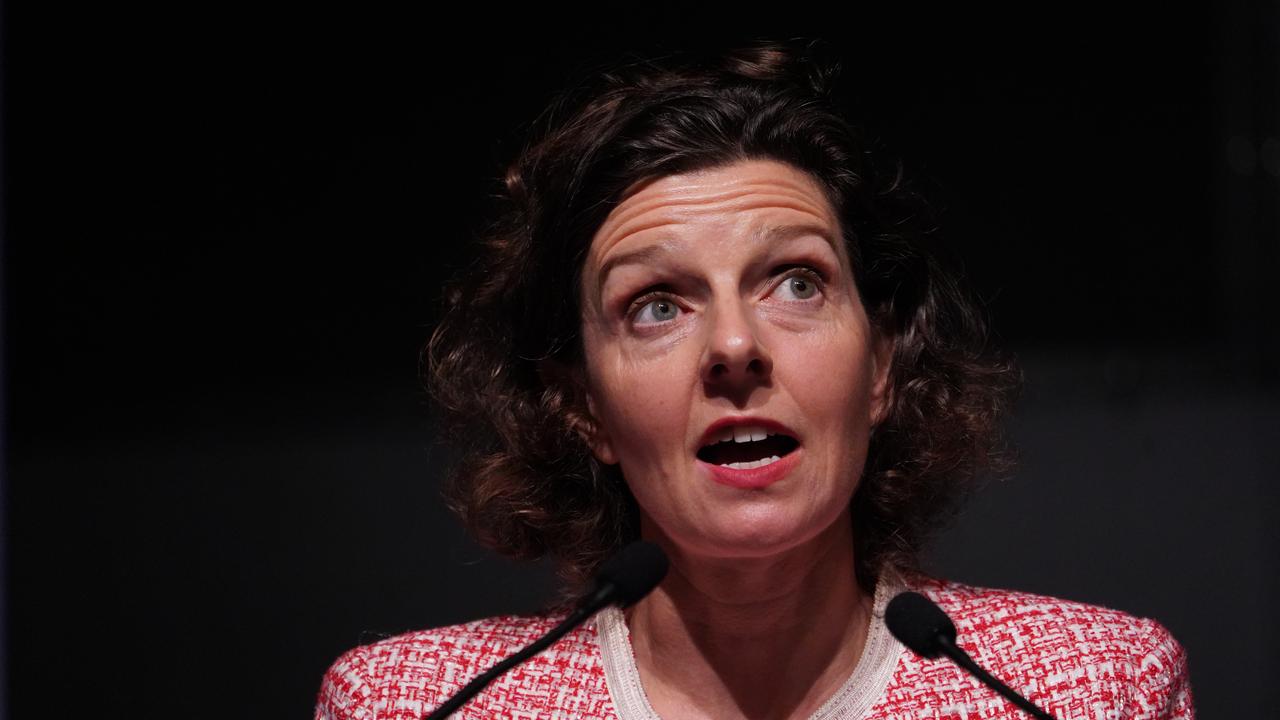
“It should not be rushed through like this. The government can’t say on the one side that this is some of the most significant tax reform in 25 years and then push it through the parliament as it is doing at the moment,” she told Sky News.
“Pause, take a breath, look at the model they’ve chosen, and take a look at other models.”
Treasurer Jim Chalmers sought to allay fears the measures would cause further impact to the budget bottom line.
“The Treasury’s forecasts in the budget are for the economy to continue to grow, obviously subject to developments, particularly in the Middle East,” he told reporters in Canberra.
New data lights up enormity of tobacco black market
Four in five vapes and cigarettes consumed in Australia were bought on the black market, up from 12 per cent less than a decade earlier, according to new official estimates.
The data, released by the Australian Bureau of Statistics on Wednesday, painted a much more sobering picture of the scale of the problem compared to the government’s hand-picked Illicit Tobacco and E-cigarette Commissioner.
In her 2025 annual report, commissioner Amber Shuhyta estimated illicit tobacco comprised 50-60 per cent of the total market.
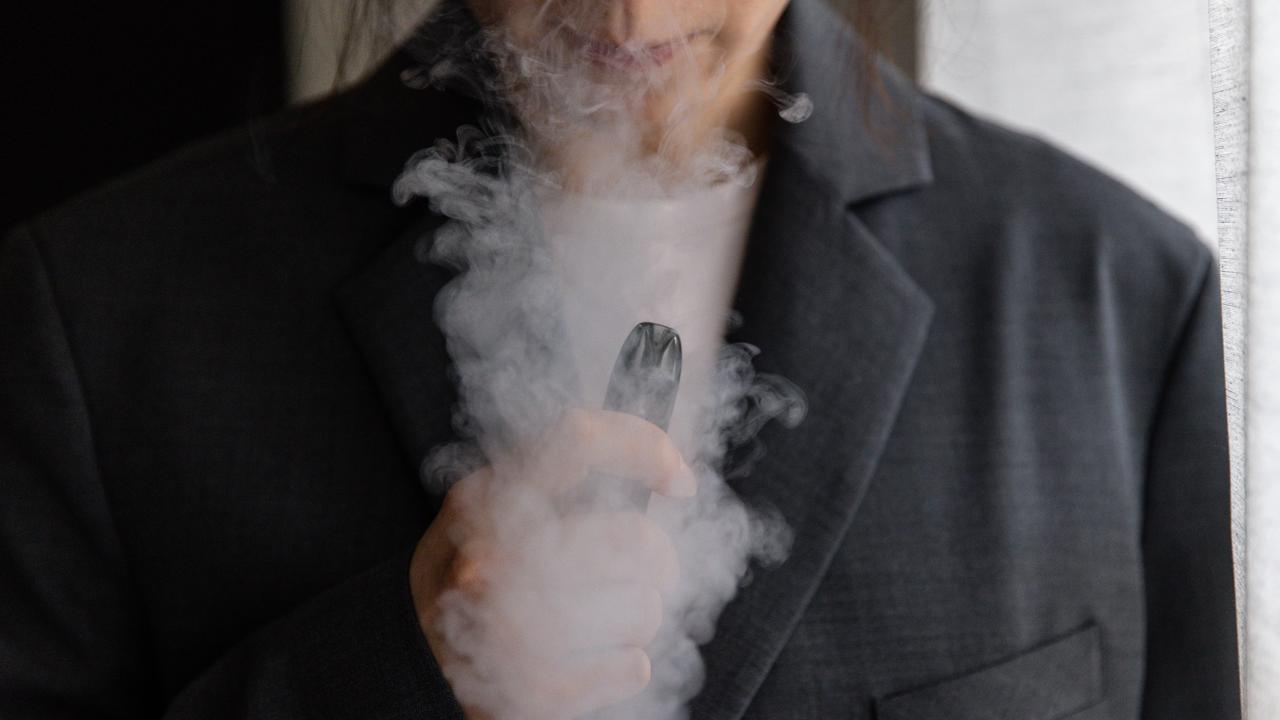
Between 2017 and 2025, the black market share of total nicotine consumption climbed from 12 per cent to 80 per cent, the ABS said.
The quantity of total nicotine consumed increased by 40 per cent, while the population only increased by 14 per cent over the same period.
Legal tobacco consumption fell to less than a third of the 2017 level.
Economists argue decisions by successive governments to ratchet up the tobacco excise – which increase 112 per cent between 2017 and 2025 – has created a massive profit incentive for organised criminals to develop a thriving black market.
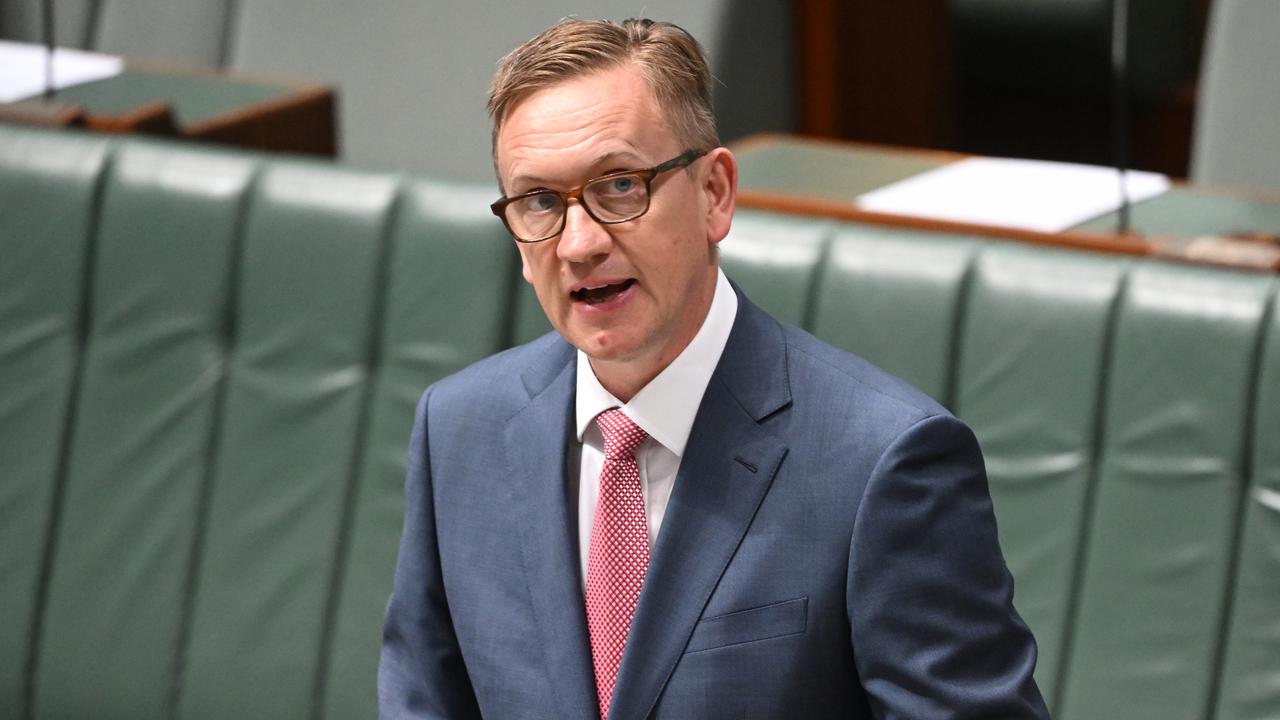
Assistant Customs Minister Julian Hill said while the ABS’s new data was experimental, its conclusions broadly reflected the illicit tobacco commissioner’s report.
The ABS used wastewater sampling to analyse quantities of nicotine excreted through the sewerage system and compared it to changes in over-the-counter sales from supermarket scanner and tax data.
But this method also captures usage of other products, such as nicotine pouches and quit-aid products like patches and gum.
Mr Hill said increased enforcement measures before, at and after the border were having an effect on the illicit tobacco trade.
“While the government has always acknowledged that the illicit trade might grow before it declines, there is very early evidence suggesting that in states such as Queensland, with strong closure powers and landlord penalties, nicotine users return to the legal market when the sleazy illegal shops have been forced shut,” he said in a statement.
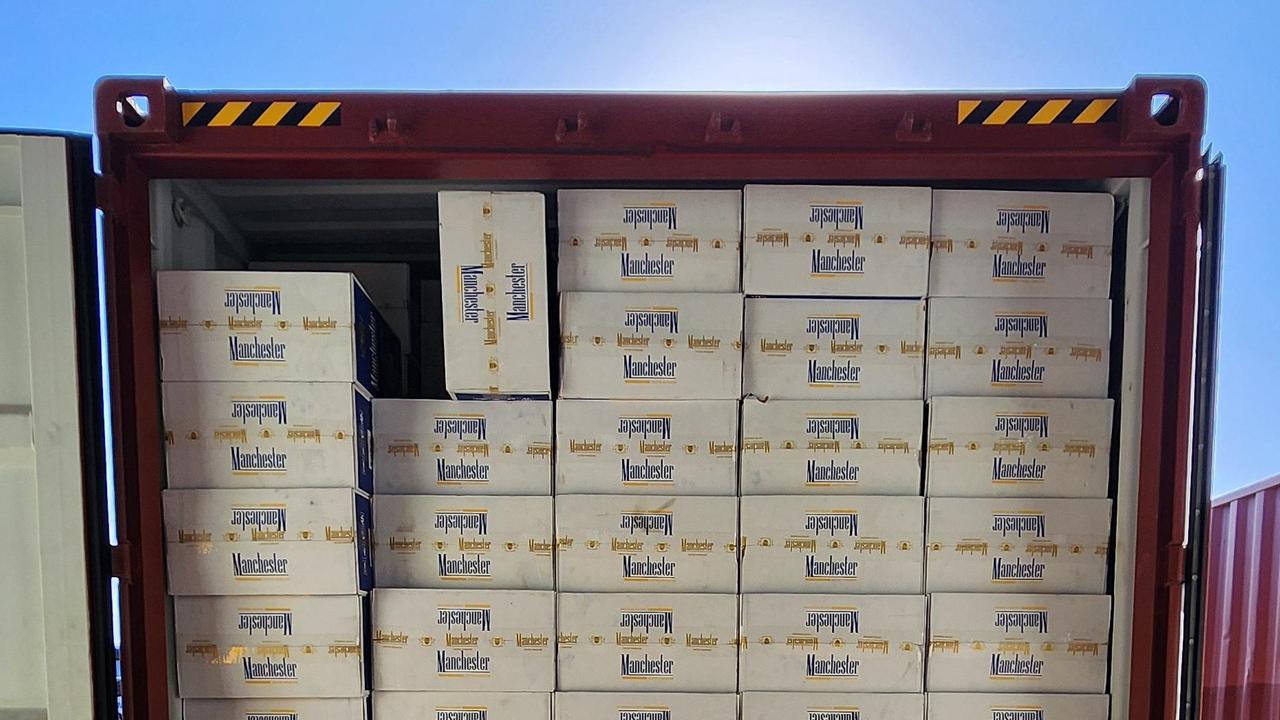
More than 2.6 billion cigarettes were seized in the last financial year – a 320 per cent increase on the number seized four years ago.
Estimates released in May’s federal budget revealed the tobacco black market wiped $6 billion from tax revenue in the five months since the previous fiscal update in December.
The excise was forecast to fall to just over $2 billion a year by 2030 after raking in more than $16 billion in 2020.
Shadow treasurer Tim Wilson has previously said the government was repeating the mistakes of prohibition-era America.
“It fundamentally turns lawful citizens into engaging in unlawful behaviour,” he said in May.
“The big question for everybody is: what would you need to cut excise (to) and whether there’s a political will to do it to actually get people to pack up and move out.”
Mr Hill accused the opposition of hypocrisy after raising the tobacco excise by 121 per cent during its time in office.
Big lottery operator plans to step up the fun factor
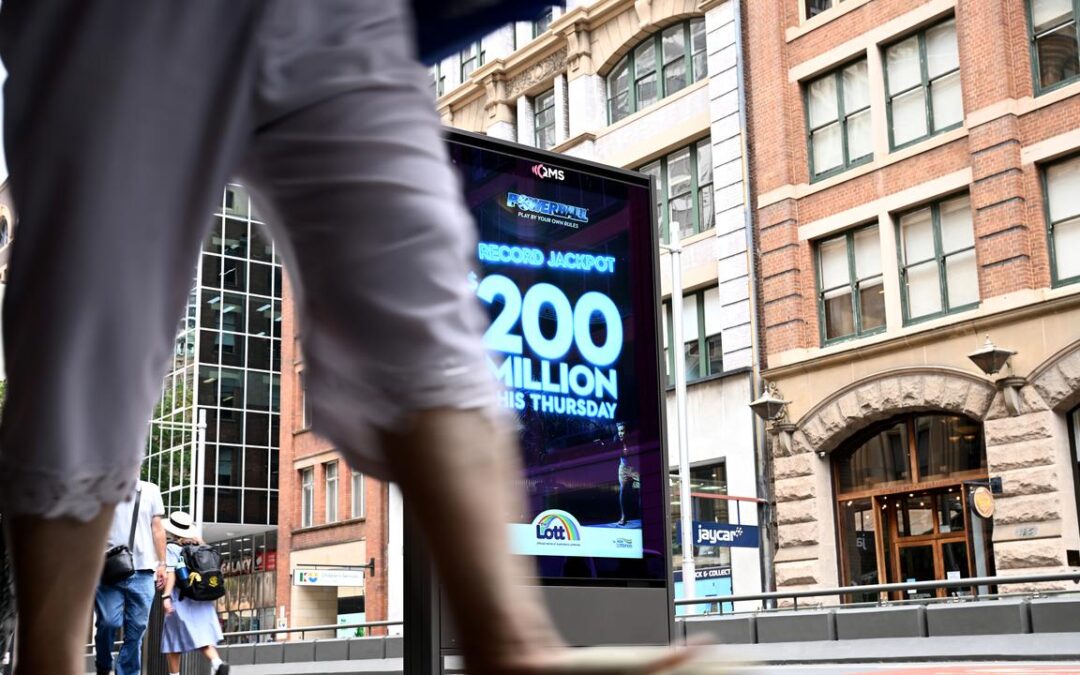
Australia’s largest lottery operator is building a new smartphone app because its digital operation has done a poor job of recreating the fun of playing the lottery.
The Lottery Corporation, which runs Powerball, Oz Lotto and Set for Life, plans to launch an AI-powered smartphone app built from scratch in the next 12 to 18 months.
Online lottery tickets were more convenient – and more profitable for the company – but something about the retail experience had been lost, the company’s chief operating officer for digital Loren Somerville said.
“It was never just a transaction in retail,” she told analysts at an investor day on Wednesday.

Buying a ticket from a local newsagent was a fun, ritualistic experience that might involve banter with the person behind the counter, while The Lott’s smartphone app just meant picking numbers from a grid and paying for them, Ms Somerville said.
“It’s a transaction chore, maybe a task on that never-ending to-do list,” she said.
“But we don’t want to be transactional. We want to be part of our customers’ entertainment universe, not their to-do list.”
Lottery tickets compete with streaming services, social media and exciting viral games for customer attention.
“To do that, we’re going to be stepping up the fun factor,” Ms Somerville said.
The new app’s underlying flow will remain the same, but will be redesigned so every interaction carries a sense of reward, surprise and anticipation.
It would also try to reintroduce some of the suspense and pacing of the televised lottery draws with personalised in-app reveals, Ms Somerville said.
She described lottery draws as one of the most fun and joyful parts of playing, recalling how when she was little, people would stop what they were doing to watch the results on the TV.
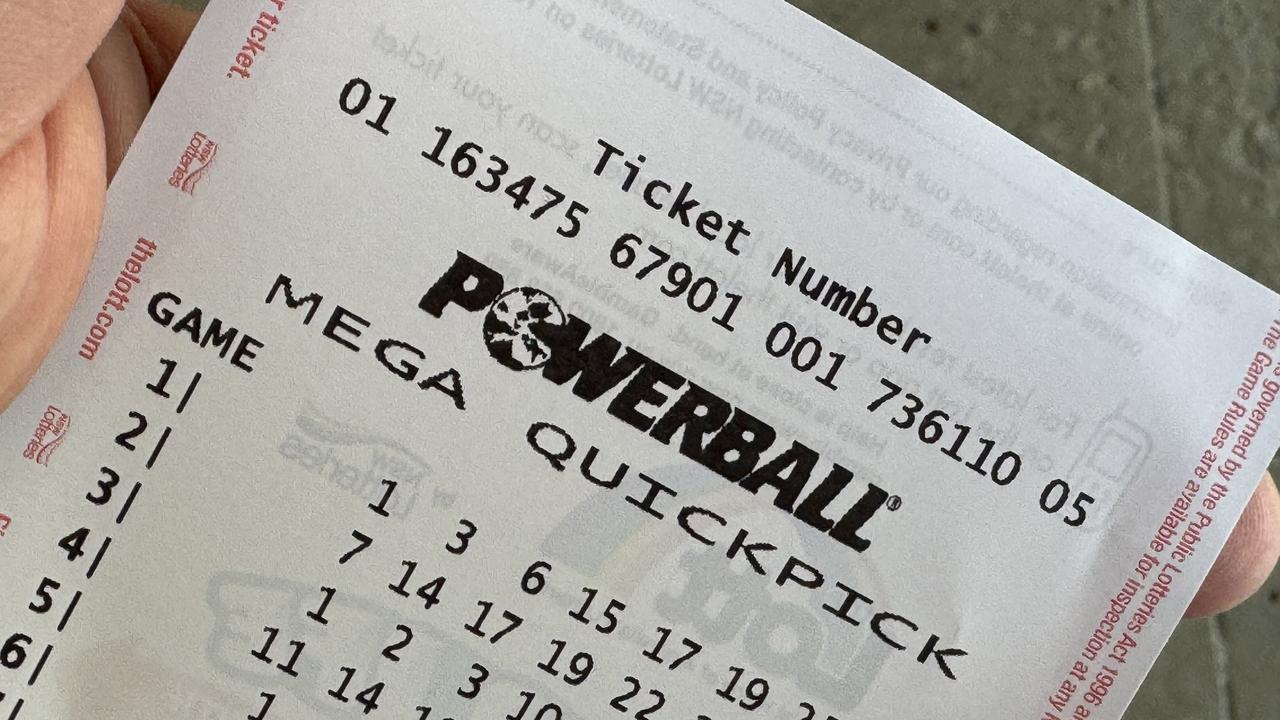
“You’d sit there with your ticket, you’d wait for the numbers, and in those few minutes before the draw, your whole future kind of opened up in front of you,” Ms Somerville said.
Players today receive results through email notifications.
“You find out you didn’t win in the same way you find out a parcel has been delivered,” Ms Somerville said.
“We’ve taken that one moment and made it special, and we just quietly skipped over it.”
The Lottery Corp also plans to modernise Keno as a licensed, venue-led social play game.
It is reviewing options for Oz Lotto, after bumping up the price of Powerball by 20c to $1.40 in November.
The Lottery Corp will also “refresh” its Set for Life game in September, raising the price from 60 to 70 cents while adding additional cash payouts, with the top prize remaining $20,000 a month for 20 years.
The changes had tested well in research and promotions, the group’s chief operating officer for lottery Callum Mulvihill said.
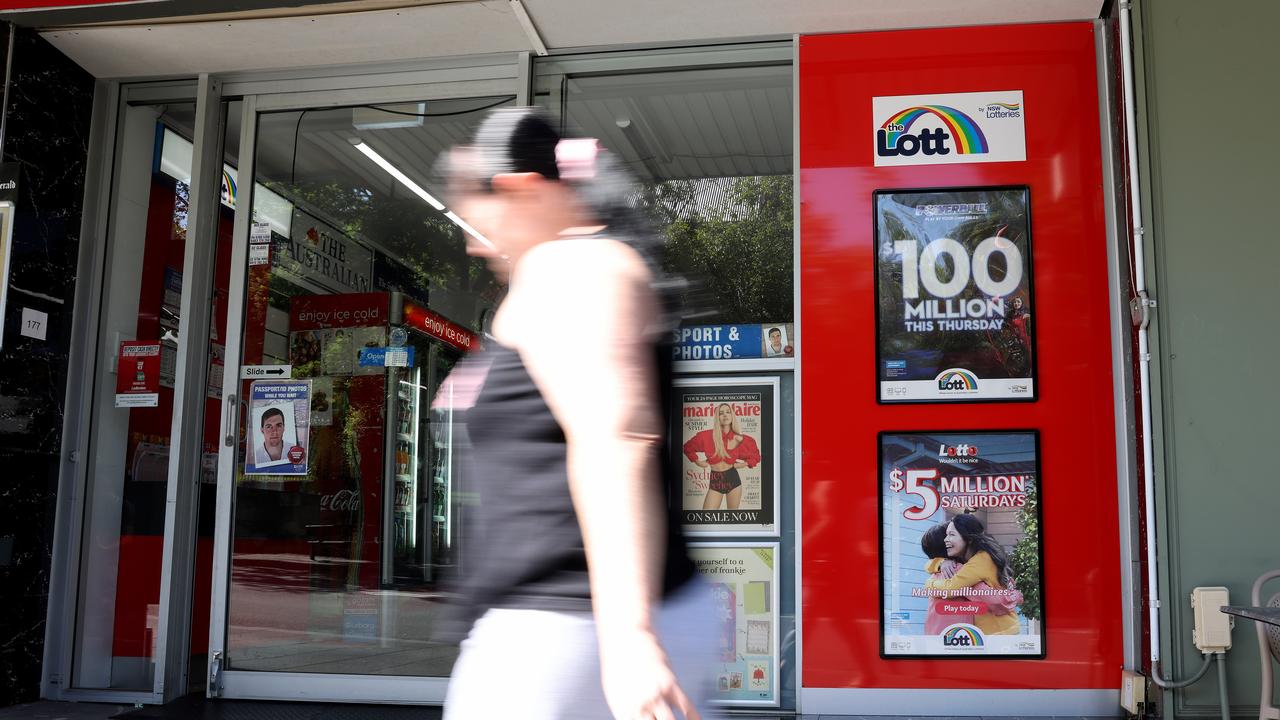
The Lottery Corp has been using AI to help design its games, harnessing data from its millions of customers and billions of potential prize permutations.
“This is exactly the environment where AI adds value,” Mr Mulvihill said.
“It just gives us the horsepower to do product development at scale and at pace, and with greater precision.”
The Lottery Corp shares were trading at $5.21 on Wednesday afternoon, down almost one per cent.
National Gambling Helpline 1800 858 858
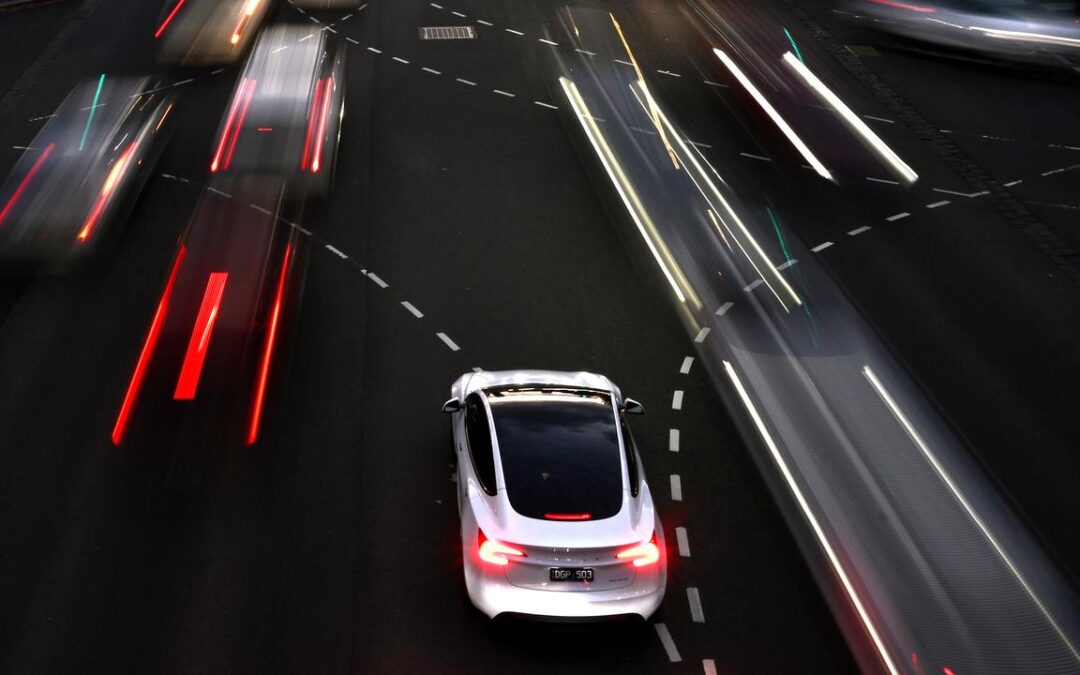
Shifting gears: electric cars surge during fuel crisis
A record number of Australian drivers are choosing electric and hybrid vehicles, with the low-emission cars closing in on half of all new vehicles sales for the first time.
Motorists are slamming the brakes on petrol and diesel cars, with their purchases dropping by as much as 30 per cent.
Figures from the Federal Chamber of Automotive Industries and Electric Vehicle Council revealed the extent of the trend on Wednesday, showing hybrid, plug-in hybrid and electric cars made up more than 46 per cent of all new cars sold during May.
Australians bought more than 21,300 electric vehicles during the month, representing almost one in every five new cars sold, and setting a record for the third month in a row.
Hybrid vehicles also proved popular with drivers, as sales of plug-in hybrid cars more than tripled and conventional hybrid vehicles grew by 11 per cent.
The low-emission sales surge follows significant petrol and diesel price hikes in March fuelled by conflict in the Middle East, and comes one month before the fuel excise discount is due to expire.
The swift switch to more fuel-efficient vehicles showed Australians were eager to avoid further price shocks, chamber chief executive Tony Weber said.
“The shift is particularly evident in the SUV segment, where consumer preferences are changing rapidly,” he said.
“Today’s SUV buyer is increasingly choosing hybrid, plug-in hybrid, and electric options.”
In SUVs, plug-in hybrid sales surged by 377 per cent during May and electric SUVs grew by 167 per cent.
By comparison, petrol-powered SUVs slowed by 31 per cent, and diesel models dropped by 41 per cent.
Across all types of vehicles, motorists bought 30 per cent fewer petrol cars during the month, although they still represented more than one in every four vehicles sold.
Toyota remained the most popular automaker in Australia during May, followed by electric vehicle brand BYD, Ford and Hyundai.
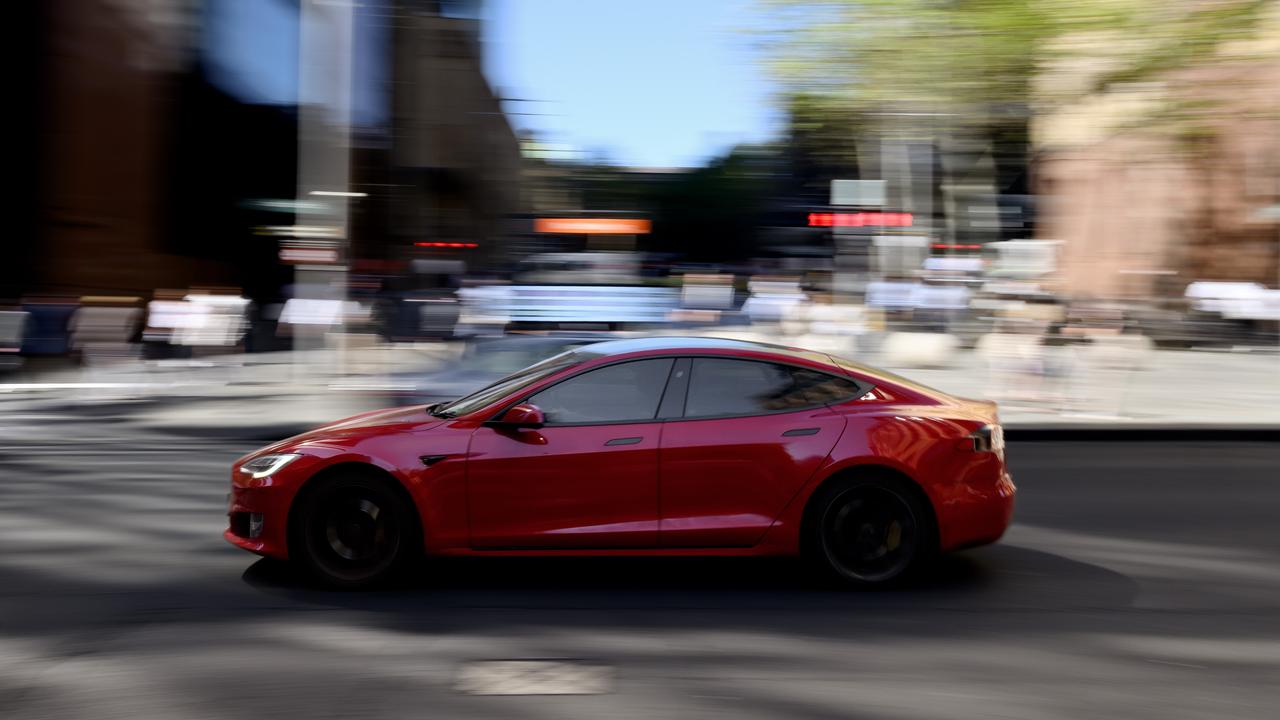
Tesla claimed the title of Australia’s best-selling vehicle for the month, with its Model Y making 5605 sales, toppling the Ford Ranger (4474), Toyota HiLux (4005), and Toyota RAV4 SUV (3865).
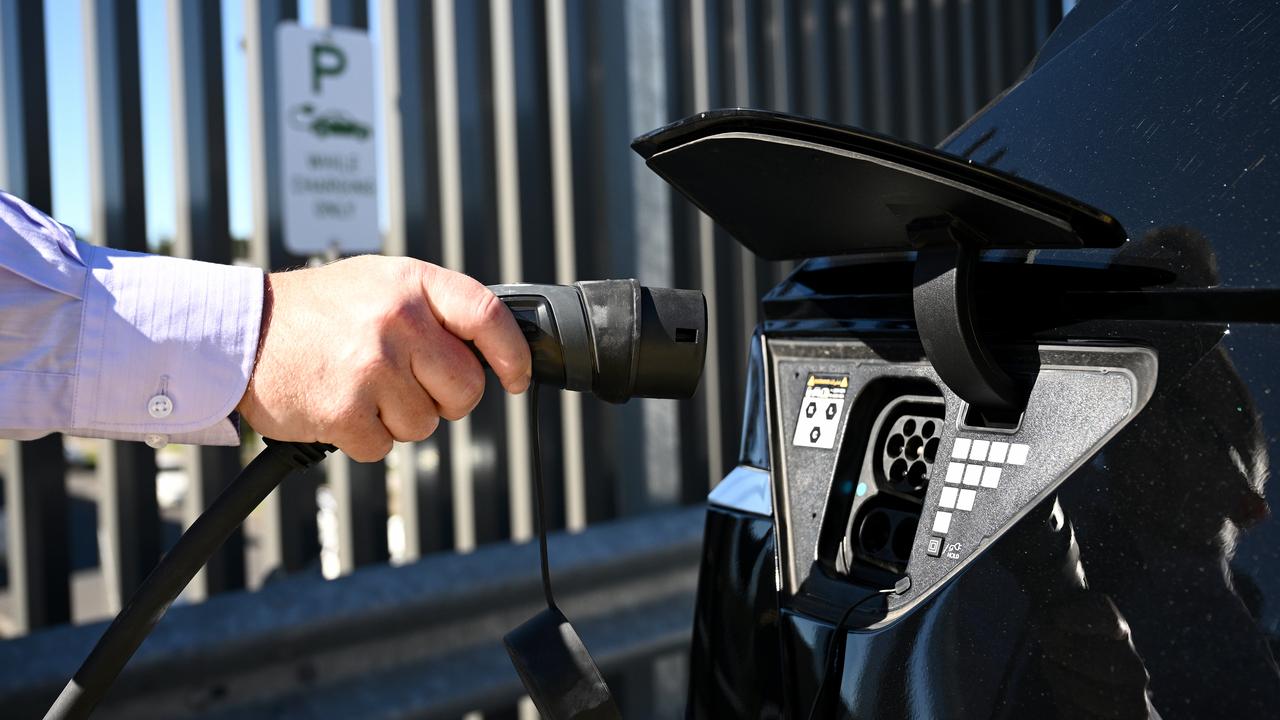
The record-breaking sales represented a milestone for battery-powered vehicles, Electric Vehicle Council chief executive Julie Delvecchio said, and showed consumers recognised the cars could save them money.
“When fuel prices hurt, people look for alternatives,” she said.
“May 2026 is an important moment for Australia’s EV transition.”
Governments should focus on expanding Australia’s charging stations, Mr Weber said, to ensure they kept pace with the electric car sales boom.
“Charging infrastructure rollout must accelerate if Australia is to maintain consumer confidence and support continued uptake,” he said.
“Continued investment and enabling policy settings will be essential.”