
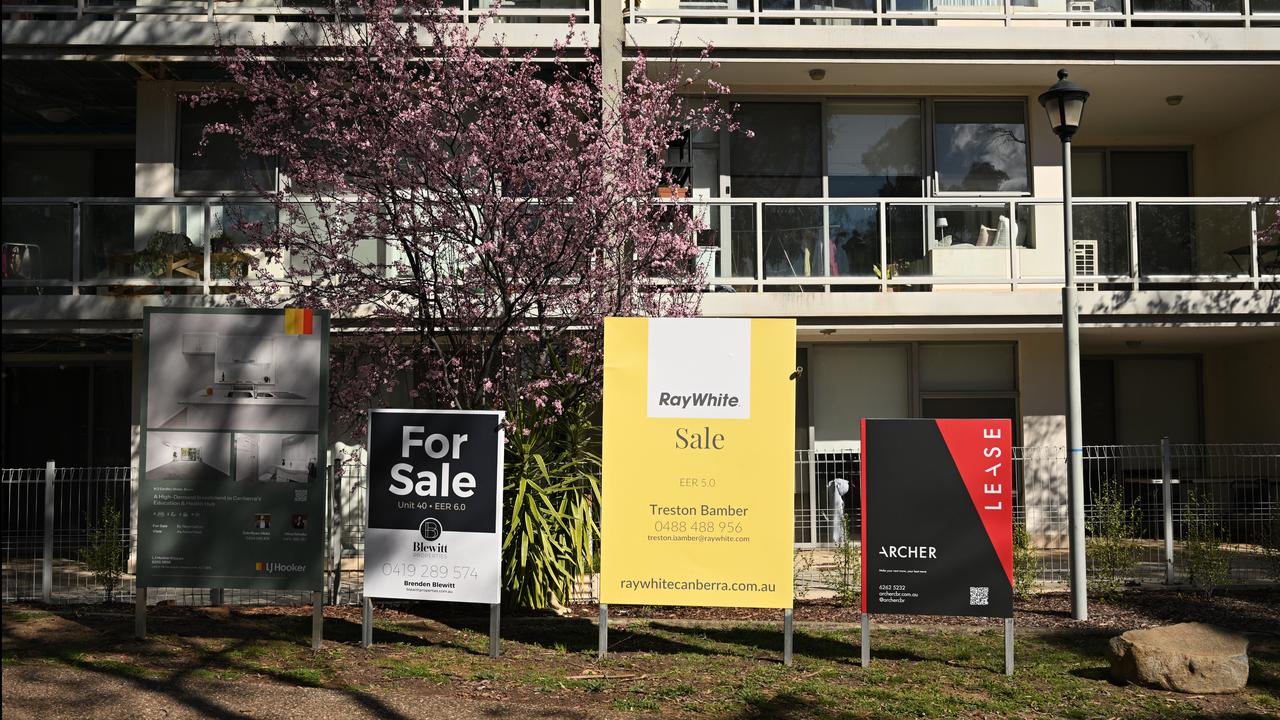

Every political party says that Australia is in the midst of a housing crisis, but they still can’t agree on how best to fix it.
Partisan differences have prevented another Senate inquiry into intergenerational housing inequity from charting a clear way forward, as it handed down its report on Wednesday.
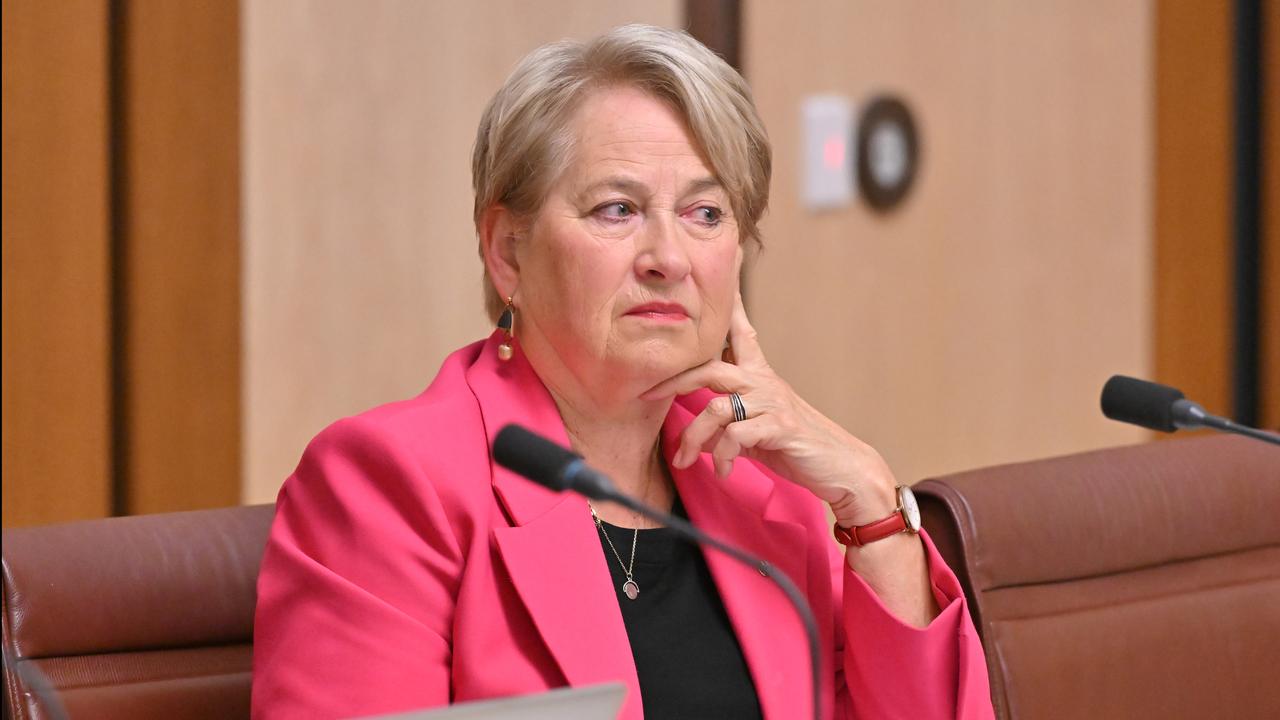
Greens senator and committee chair Barbara Pocock repeated calls in the report for more public housing, a national rent cap and low-interest mortgages for first-home buyers.
The coalition, represented by opposition housing spokesman Andrew Bragg, once again promised to repeal Labor’s changes to negative gearing and the capital gains tax, slash the size of the construction code, and increase reporting requirements for Housing Australia.
Meanwhile, Labor’s senators Carol Brown and Corinne Mulholland insisted that the government’s budget changes and boost to social-housing funding through the Housing Australia Future Fund were already making a difference.
Curbs to investor tax breaks have contributed to property prices falling 3.6 per cent nationwide since their March peak, according to Cotality.
Credit growth figures released on Wednesday also showed growth in owner-occupier loans had overtaken investors, rising 0.5 per cent in August compared to 0.4 per cent for investors.
Still, investors and owner-occupiers were both softening in line with the cyclical downturn.
But Senator Bragg said budget tax changes made housing inequity worse because they destroyed the opportunity for young people to create enough wealth to afford a deposit.
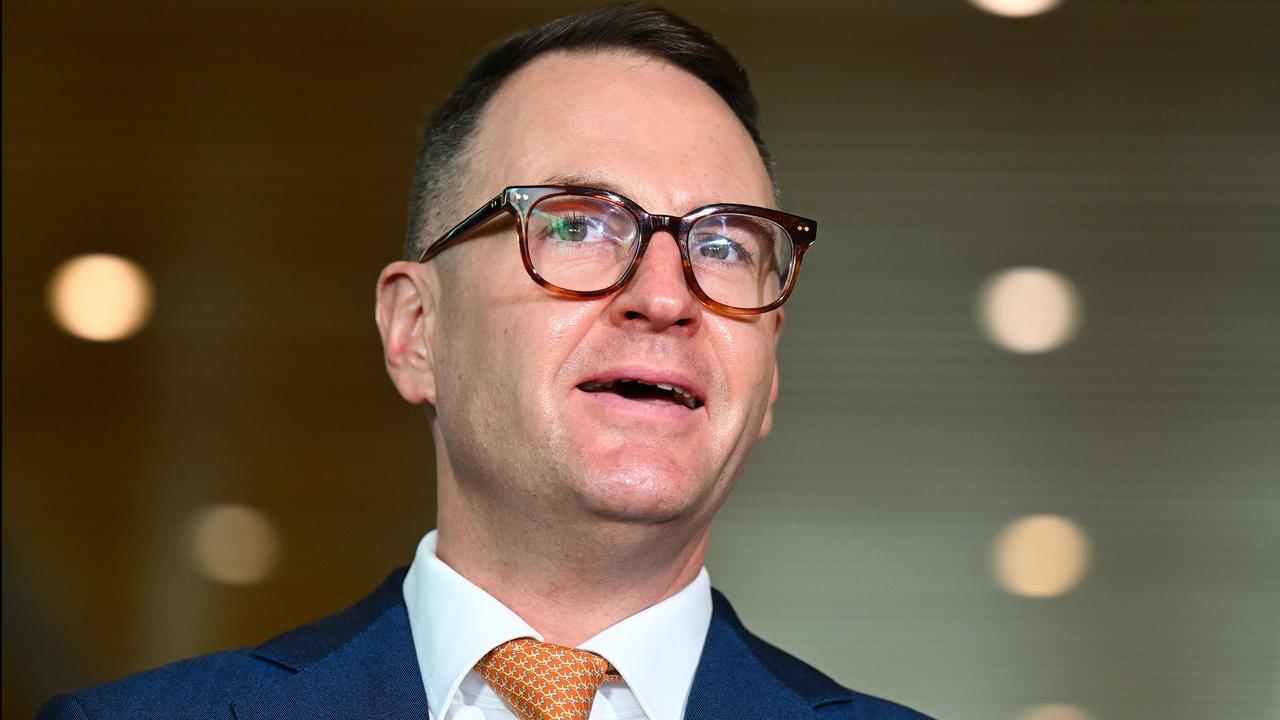
“The government have made it illegal to build a cheap house through the construction code,” he told News24.
Senator Pocock called for at least 10 per cent of total housing stock to be made up of public and community housing, up from the current level of about 3.7 per cent.
She said the inquiry revealed “a housing system stacked against younger generations who have lost the intergenerational housing lottery”.
“With 640,000 people in need of social housing, the government’s pathetic attempts at building social and affordable housing won’t meet existing demand. Every target is being missed,” Senator Pocock said.
Labor touted its work on boosting supply as it seeks to build 1.2 million new homes in five years as part of the National Housing Accord, even though it is falling further behind schedule.
Dwelling approvals fell 6.1 per cent in August to 16,953, driven by a 21.2 per cent decline in detached homes, the Australian Bureau of Statistics reported.
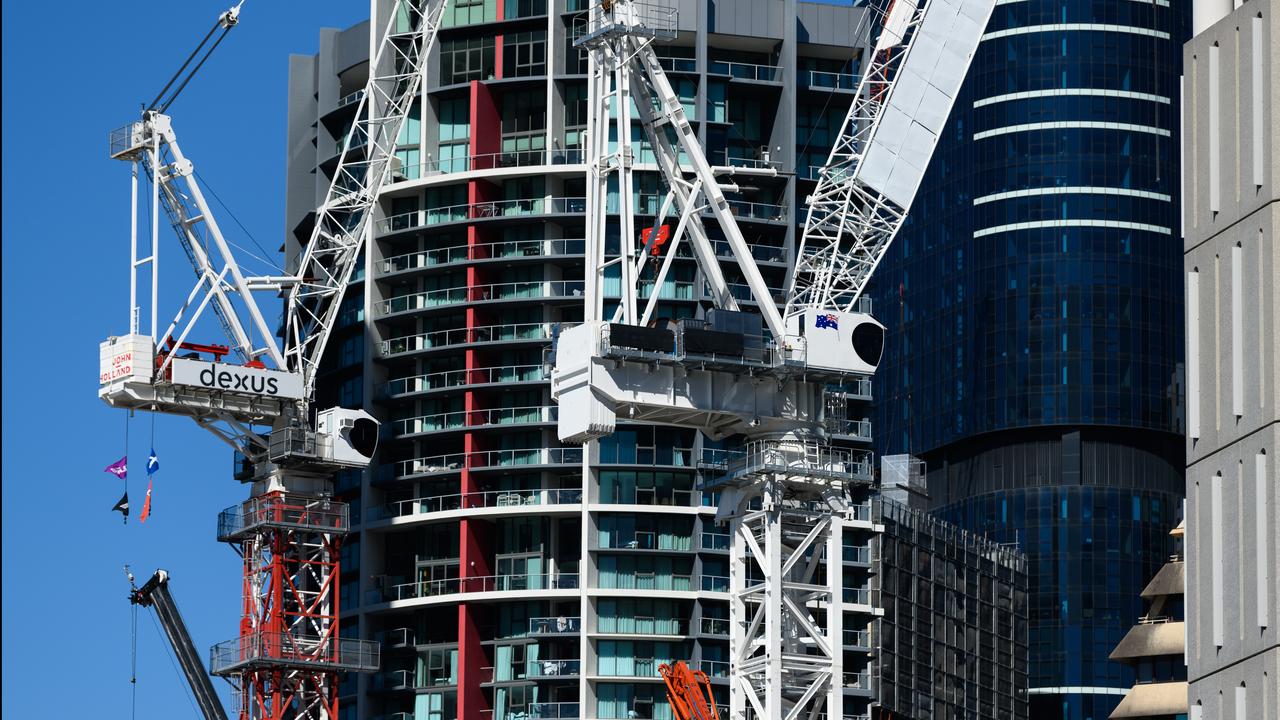
Monthly approvals were still near a five-year high at 18,202.
Master Builders Australia said higher construction costs, interest rates and taxes were making it harder for the sector to meet its supply target.
“Modelling confirms that the budget will deprive us of many new homes over the years ahead and force rents even higher,” Master Builders chief executive Denita Wawn said.

Australian Associated Press is the beating heart of Australian news. AAP is Australia’s only independent national newswire and has been delivering accurate, reliable and fast news content to the media industry, government and corporate sector for 85 years. We keep Australia informed.