
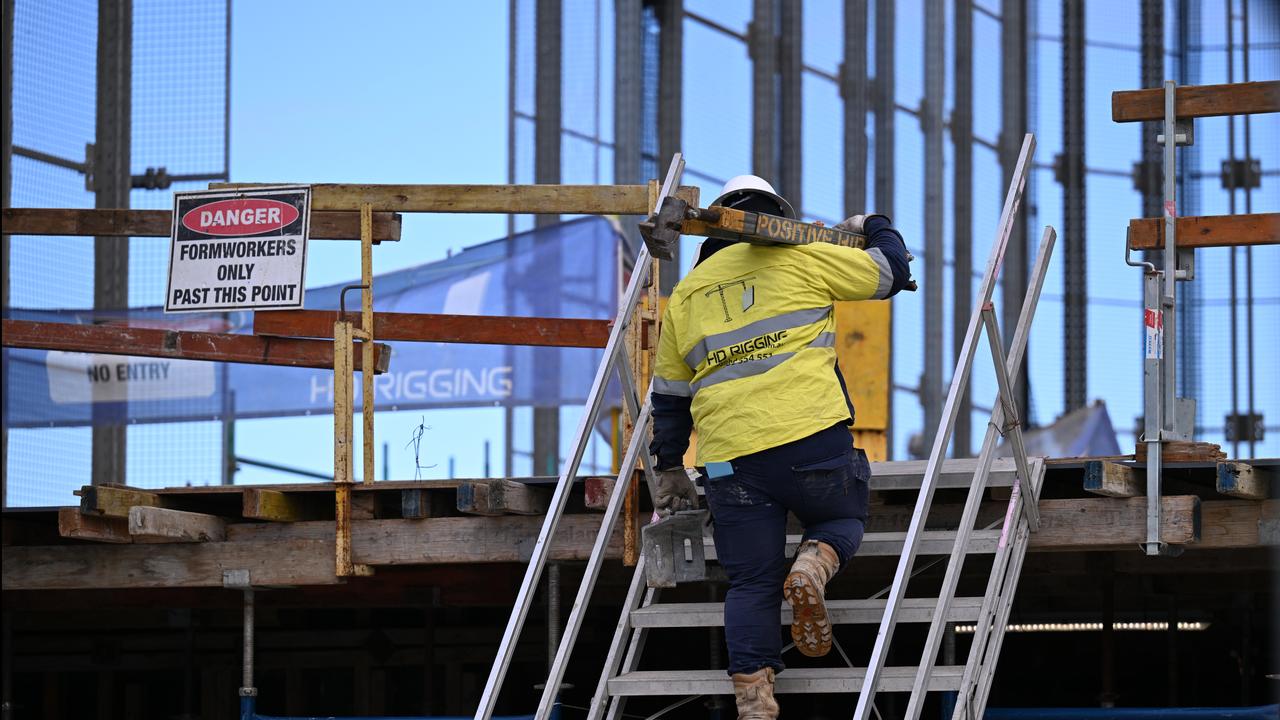

Built in a factory yard in the heart of Adelaide’s industrial suburbs, prefabricated homes are filling a niche for rural communities.
“Their timeline for construction and delivery is relatively short and their easy ability to provide that accommodation, whether it be emergency, short term or long term, is very important for us,” Flinders Ranges Mayor Ken Anderson told AAP.
Mr Anderson’s council is one of more than 60 in South Australia looking at modular homes to house the next generation of nurses, teachers and police into their communities.
A $3.35 million trial is underway by Renewal SA’s Office for Regional Housing aimed to stimulate an industry already gaining popularity around the world.
For the midnorth town of Quorn, where construction backlogs have drawn out to years due to workforce gaps and increased building costs, trucking a pre-fabricated home across the Augusta Highway could save years and thousands of dollars.
Two and three bedroom homes are currently on display in Adelaide, with destinations set for councils along the Yorke Peninsula and Flinders Ranges.
Acting SA Housing Minister Michael Brown said his government believed modular homes could contribute to its set target of delivering 13,500 homes annually, specifically in the regions.
Master Builders SA CEO Will Frogley said traditional homes would never be replaced.
However, he was not surprised by the scale of interest in modular homes given the serious labour shortages in the construction industry.
Master Builders Workforce Blueprint showed 141,000 vacancies in the building construction industry nationally, with 4000 currently in SA.
Building costs have also surged 30 per cent in areas such as tiling in the past five years, according to Cotality’s Cordell Construction Cost Index.
“We’ve been the canary down the coal mine in terms of the inflation challengers that are affecting the whole country,” Mr Frogley told AAP.
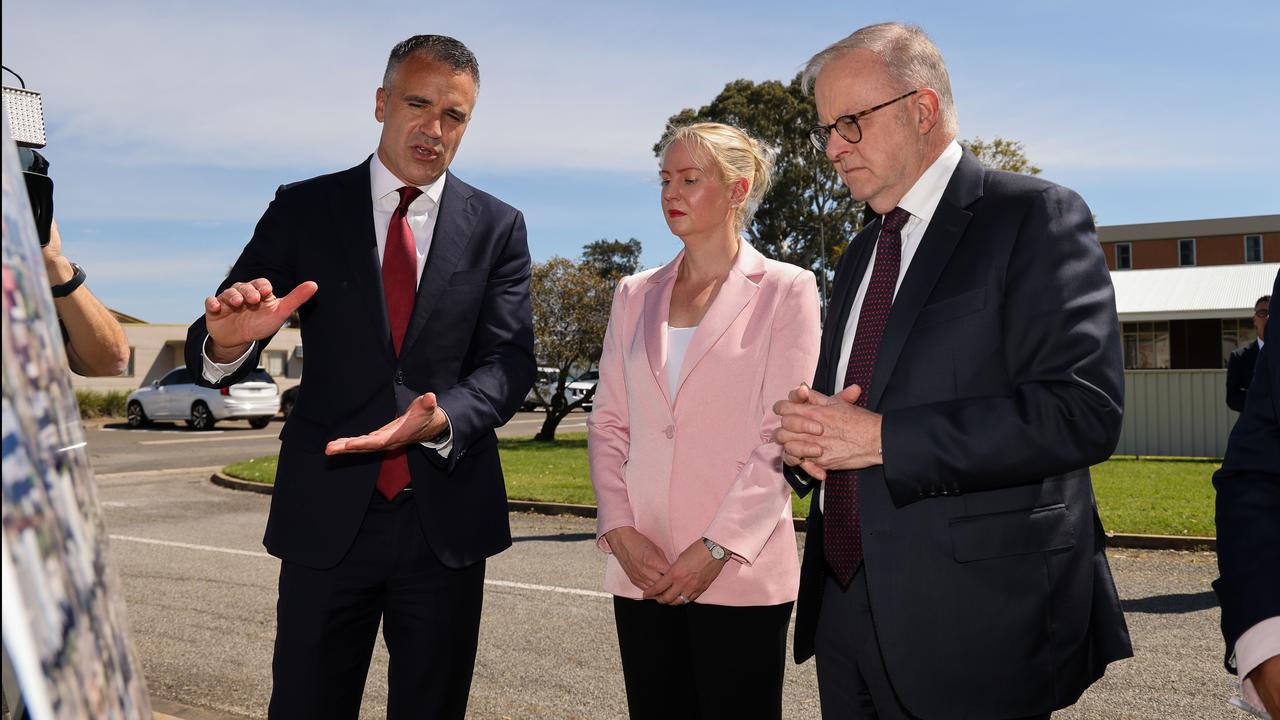
As construction slowed in the regions, Prime Minister Anthony Albanese and SA Premier Peter Malinauskas on Tuesday backed a plan to divest 12.81 hectares of land outside Adelaide for new housing and community facilities.

“What you’re seeing is inflationary pressures being a global phenomenon, which is why you’ve seen interest rate increases, including just in the last fortnight in the United States and in other advanced economies,” Mr Albanese said.
It came after the RBA lifted the cash rate to 4.6 per cent, meaning the average owner-occupier variable rate would rise to 6.49 per cent, according to financial comparison site Canstar.
Master Builders Australia CEO Denita Wawn said combining the recent rate hike with logistical costs within the industry was eroding the financial viability of many prospective home-building projects.
”Australia is sleepwalking into a severe building and construction downturn at precisely the time we need to be building more,” she said.

Australian Associated Press is the beating heart of Australian news. AAP is Australia’s only independent national newswire and has been delivering accurate, reliable and fast news content to the media industry, government and corporate sector for 85 years. We keep Australia informed.