
The year was 2005.
Anthony Callea and the Pussycat Dolls were top of the charts, moviegoers flocked to watch Star Wars: Revenge of the Sith, and low-rise jeans were all the rage.
In politics, then prime minister John Howard was riding high – the first Australian leader in decades to command not only a majority in the House of Representatives, but also the Senate.
But newly released cabinet documents from 20 years ago reveal the beginning of the end for the Howard government, which would soon come tumbling at the hands of Kevin Rudd.
The never-seen-before records, made public by the National Archives, provide lessons and warnings to both sides of politics, as Labor debates how to best use its massive parliamentary majority, the opposition mulls changes to workplace rules and both sides grapple with Australia’s fraying social cohesion.
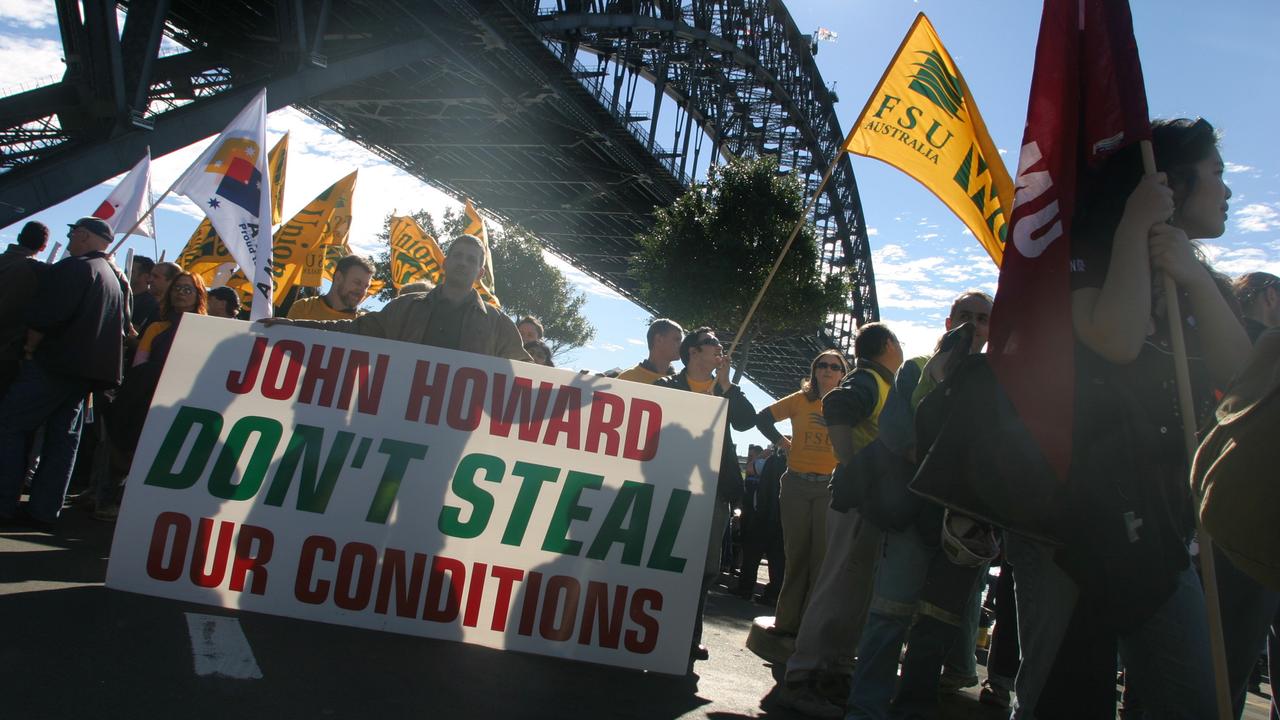
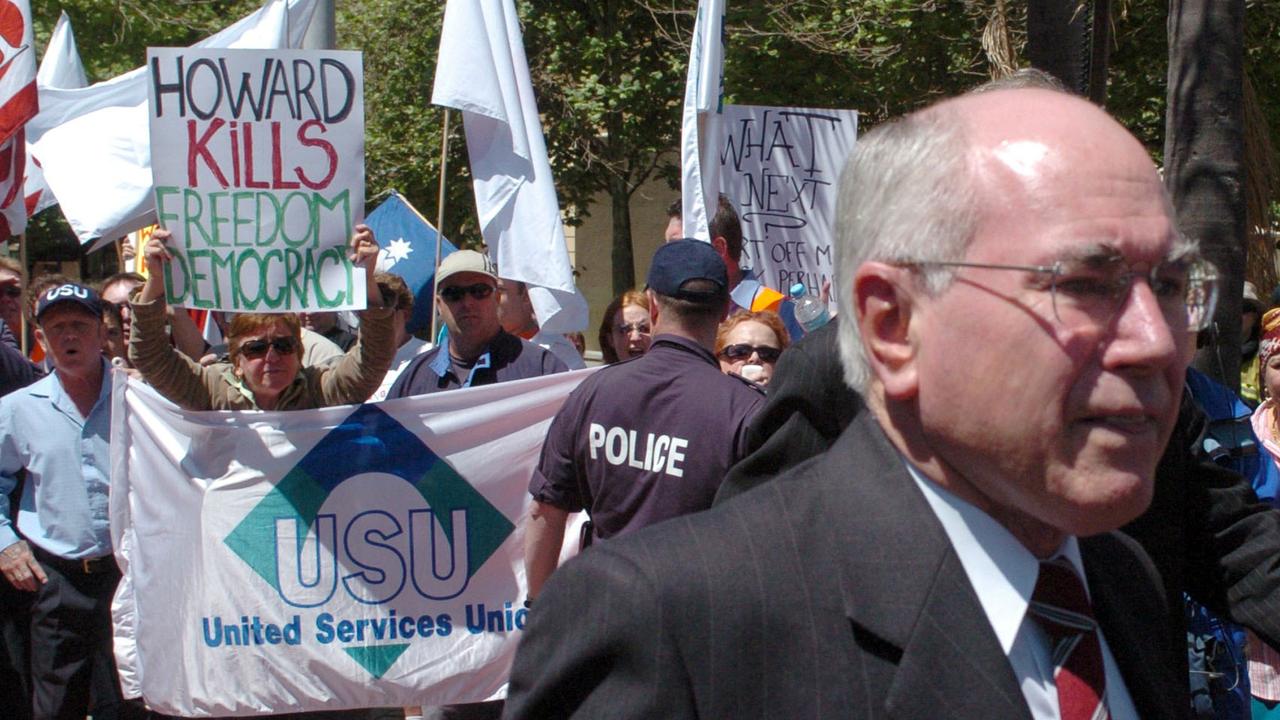
At the time, Mr Howard was drawing up landmark changes to Australia’s industrial relations laws to pare back the rights of some workers, including penalty rates and overtime, all in the name of making businesses more productive.
Former cabinet minister Phillip Ruddock concedes the government’s massive majority emboldened it to pursue more ambitious changes.
“From my point of view, it was a fundamental importance that we pursued measures that were likely to make the Australian economy more productive and efficient, and produce greater wealth,” he told AAP.
But the records show not all government departments were entirely on board with the changes.
While the then-department of finance and administration said the proposal would “enable Australia to move towards a unified workplace relations system”, the agriculture department was less convinced.
“The department remains concerned about the potential for industrial disputation arising out of opposition to the reforms from unions and state governments to negatively affect the operations of portfolio industries,” it wrote in a July memo.

Agriculture was also concerned a freeze on award wage increases could make it harder for farmers to attract talented workers.
Cabinet historian David Lee said WorkChoices sparked a major campaign of resistance, led by the Australian Council of Trade Unions.
This snowballed into the Kevin07 campaign, which thrust Kevin Rudd into the prime minister’s office after 11 years of coalition rule.
Mr Ruddock doesn’t believe his colleagues were expecting the onslaught of criticism.
“I don’t recall anyone offering a view that the changes were likely to impede our re-election,” he said.
As the current Liberals prepare to develop new industrial relations policies as part of their push to regain political relevance, the former minister says there are lessons to be learned from the contentious saga.
“You do amongst Liberals have a commitment to growth in the Australian economy, producing wealth for people generally,” Mr Ruddock said.
“Sometimes industrial relations become a significant impediment to that growth.”

Also in 2005, the government was grappling with the best way to approach counter-terrorism and national security in the wake of the London bombings – a conversation which has eerie echoes 20 years on after the Bondi massacre.
On July 7, 2005, four suicide bombers killed 52 people in attacks on London’s transport network.
After the attack, cabinet’s national security committee considered introducing some kind of national identification card, but never went through with the proposal.
Cabinet notes from the time also show discussions about a “national action plan” to encourage tolerance of different faiths and build leadership within the Muslim community.
Ministers discussed the importance of tackling a “sense of exclusion by young Muslims from their societies”.
“(This is) often caused by endemic racism and social and economic deprivation,” multiculturalism minister John Cobb wrote in a December memo.
Cabinet agreed to continue considering the submission “at a later time”.

Australian Associated Press is the beating heart of Australian news. AAP is Australia’s only independent national newswire and has been delivering accurate, reliable and fast news content to the media industry, government and corporate sector for 85 years. We keep Australia informed.