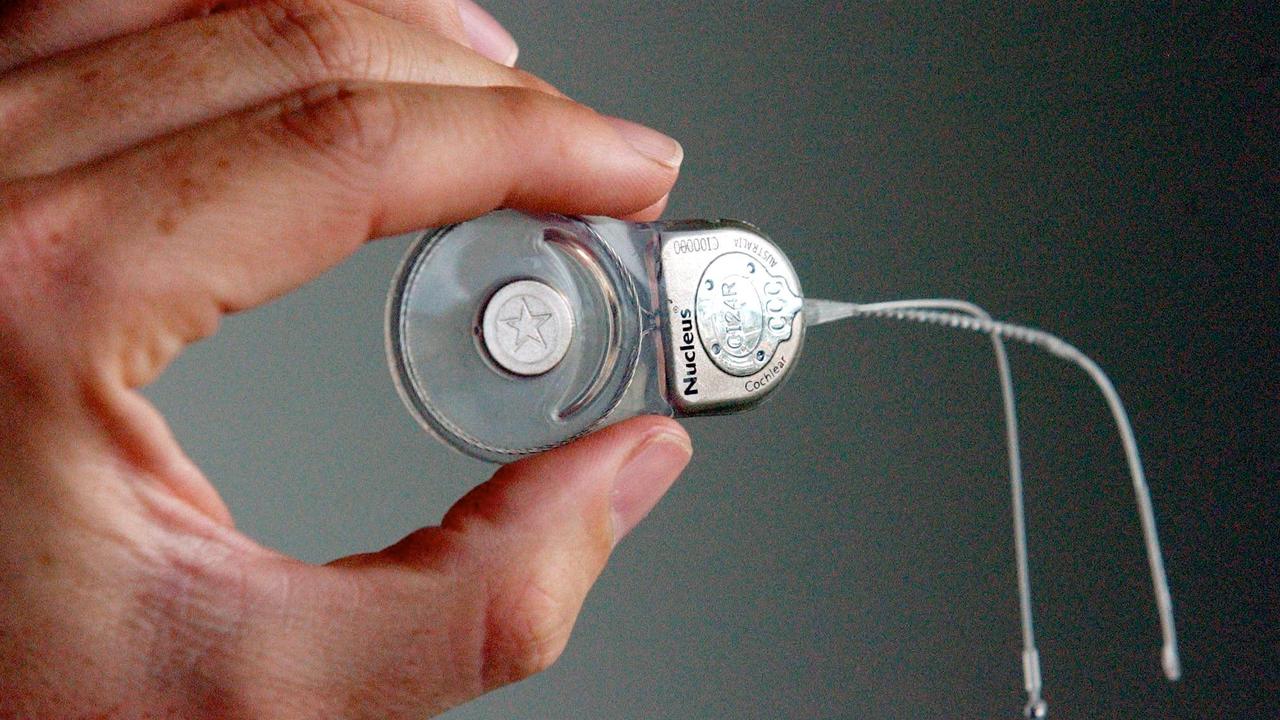
An Australian company that pioneered hearing implants sees its future growth in the ongoing “medicalisation” of adult hearing loss, after suffering a fall in earnings on softer markets in the Middle East and China.
But chief executive Dig Howitt says hearing loss is increasingly being recognised as a chronic disease requiring medical intervention rather than an optional “lifestyle” issue.
“We’ve seen medicalisation fundamentally transform treatment patterns in other conditions,” he told an earnings call on Tuesday.
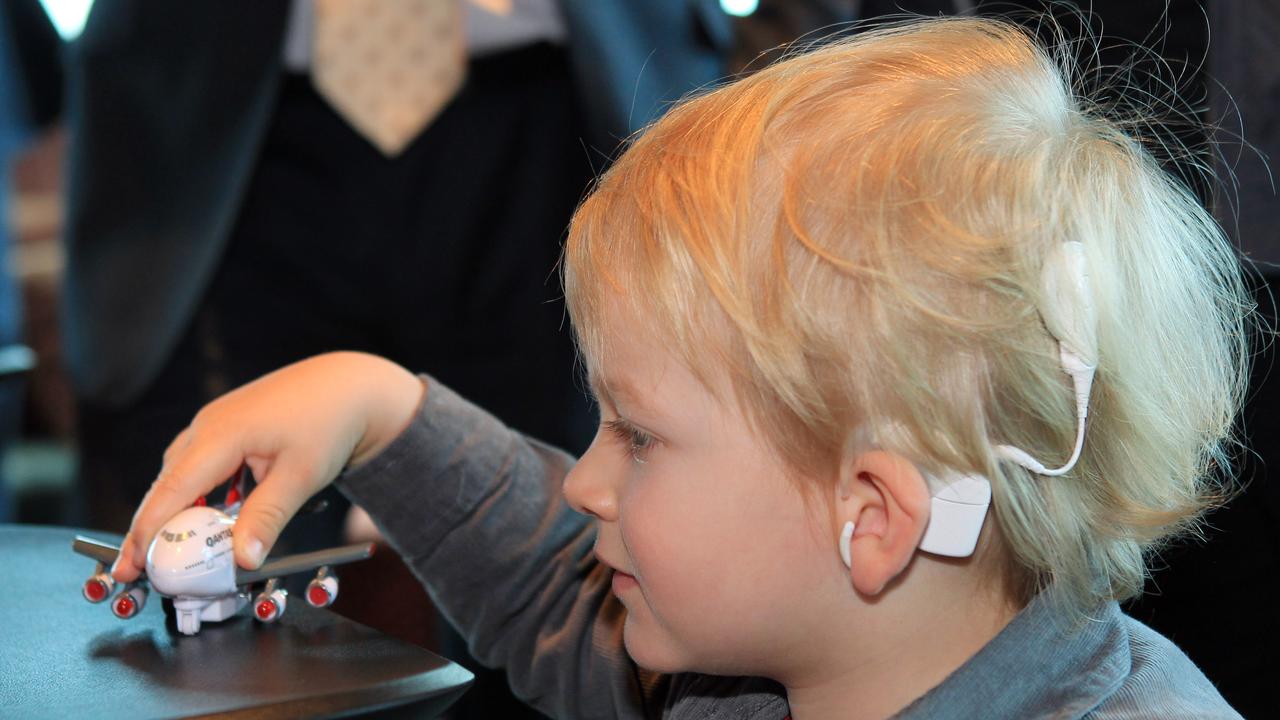
Mr Howitt pointed to the use of pediatric implants, saying that more than 20 years ago, parents of children with hearing loss had to self-navigate a path to get access.
“Today, they are the standard of care,” he added.
“Over 80 per cent of children (with hearing loss) in most developing countries will get one or two Cochlear implants by the time they are 12 months old.
“We’re now doing the same for adult hearing loss … The clinical evidence connecting untreated hearing loss to dementia and falls continues to strengthen.”
Cochlear shares were up by more than 7.5 per cent to $141.28 in early afternoon trading.
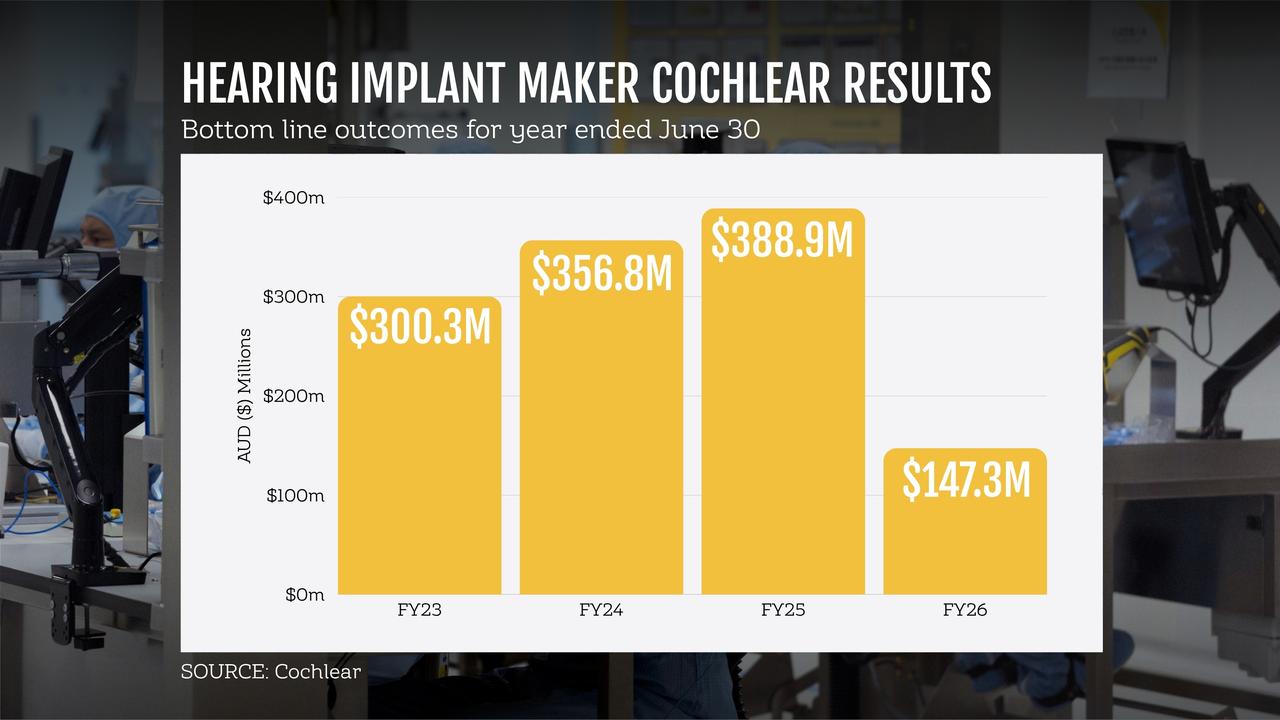
Sydney-based Cochlear, which was set up 45 years ago to commercialise its pioneering technology, saw its net profit fall by 62 per cent to $147.3 million in the 2025/26 year.
Sales revenue was flat at $2.3 billion, even though sales of its implant devices rose five per cent to almost 57,000 units.
While Cochlear’s unit sales grew at a faster rate than sales revenue, that growth was driven by a higher mix of lower-priced sales in emerging markets, where strong performances in Latin America and Eastern Europe were offset by declines in the Middle East and China.
“Performance in the Middle East was affected by conflict in the region, which disrupted market access,” it said.
Its strongest developed markets in terms of revenue were the US (up four per cent) and Asia Pacific (up seven per cent).
But Western Europe faltered, dropping by eight per cent due to elective surgery backlogs in the UK and industrial action in Spain.
While Cochlear’s underlying net profit of $322 million was at the upper end of its guidance and better than expected, it was still down 21 per cent year-on-year.
Cochlear is forecasting a modest rise in underlying net profit to between $330 million and $350 million for the 2026/27 year.
The group declared a final dividend of $1.30 per share, taking the total for the year to $3.45, which was lower than the $4.30 paid out to shareholders in 2024/25.

Australian Associated Press is the beating heart of Australian news. AAP is Australia’s only independent national newswire and has been delivering accurate, reliable and fast news content to the media industry, government and corporate sector for 85 years. We keep Australia informed.