

One Nation’s leader is adamant a policy to deliver “net-negative” migration won’t push Australia into recession.
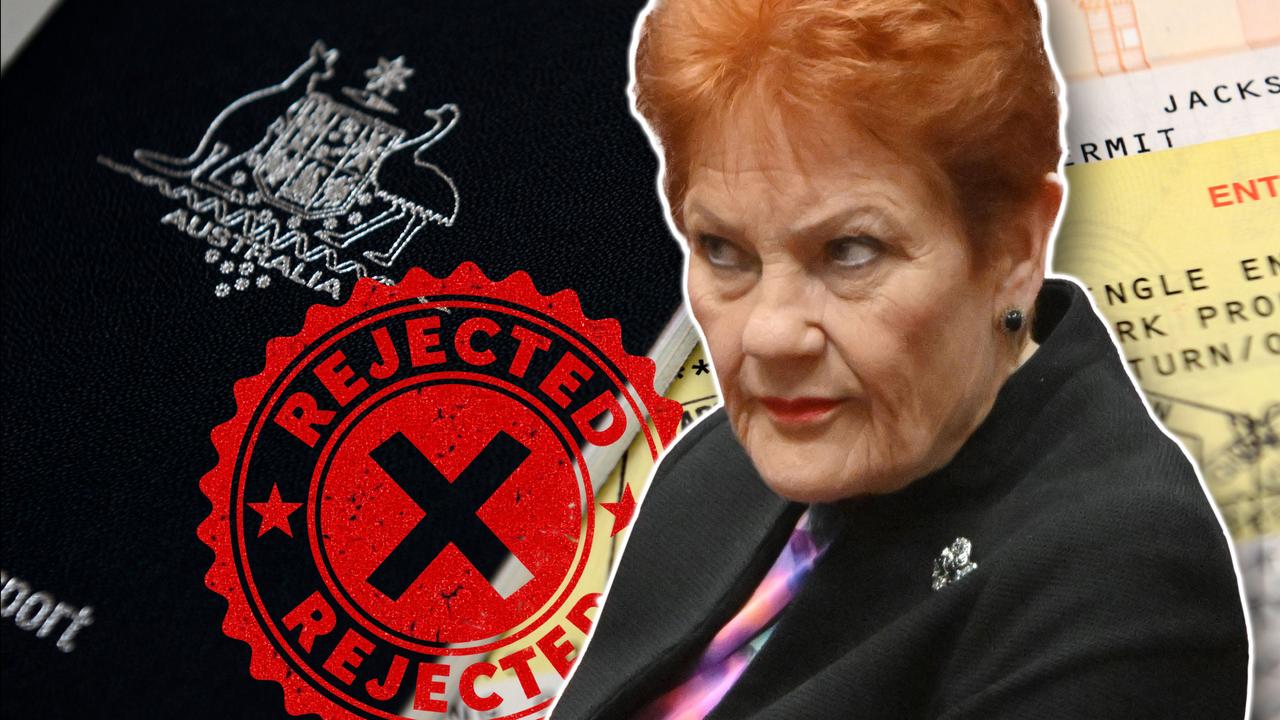
Pauline Hanson dismissed concerns the party’s migration policy, which would lower immigration numbers by hundreds of thousands of people, had not been modelled for its economic impact.
Senator Hanson said she was “sick of listening” to bureaucrats, politicians and big business, adding they get it wrong on migration numbers and only care about cheap labour.
“We’re not addressing real concerns here,” she told News24 on Tuesday.
“Do you trust these economists, what they come out and say? Because I don’t.”
But Senator Hanson said she had no problem with the Parliamentary Budget Office looking at the policy, which would cut migration back to 2017 levels.
“Did the economy crash at that time? No,” she said.
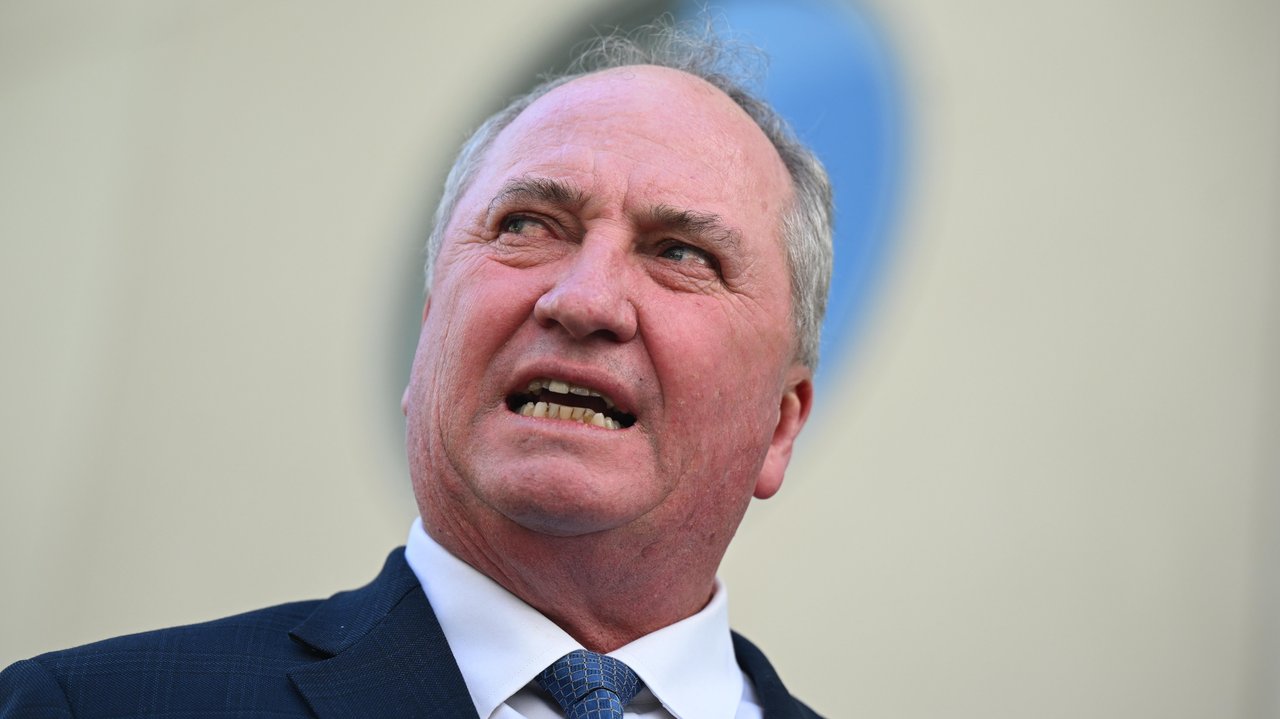
One Nation MP Barnaby Joyce rubbished the Parliamentary Budget Office on Monday night, while defending the decision to release a migration policy without including the possible cost.
One Nation plans to reduce the number of temporary visa holders and overstayers by more than 750,000 over three years.
International student visas would bear the brunt of the cuts, with visa grants set to be reduced from more than 290,000 to 115,000 per year and secondary visas for family members eliminated.
Mr Joyce dismissed criticism for not modelling the economic impact of the policy or using the Parliamentary Budget Office to do so.
“They’re not elected. I am,” he told the ABC’s National Forum on Monday night, questioning the quality of the analysis provided by government agencies.
“I’ve never seen forward estimates in any budgetary paper being even close to the mark of what it’s supposed to do, and so the will of the Australian people is so pronounced. This has to be dealt with.”
Experts warned One Nation’s pledge to deliver three years of negative migration has only happened in times of severe economic stress and during World War II.
Industry Minister Tim Ayres said if the police was implemented, it would be a wrecking ball through regional economies.
“It would hurt the agriculture sector. It would hurt the hospitality and the aged care sectors in particular,” he said.
Labor’s decision to slow working visa applications has prompted criticism from the Australian Tourism Industry Council.
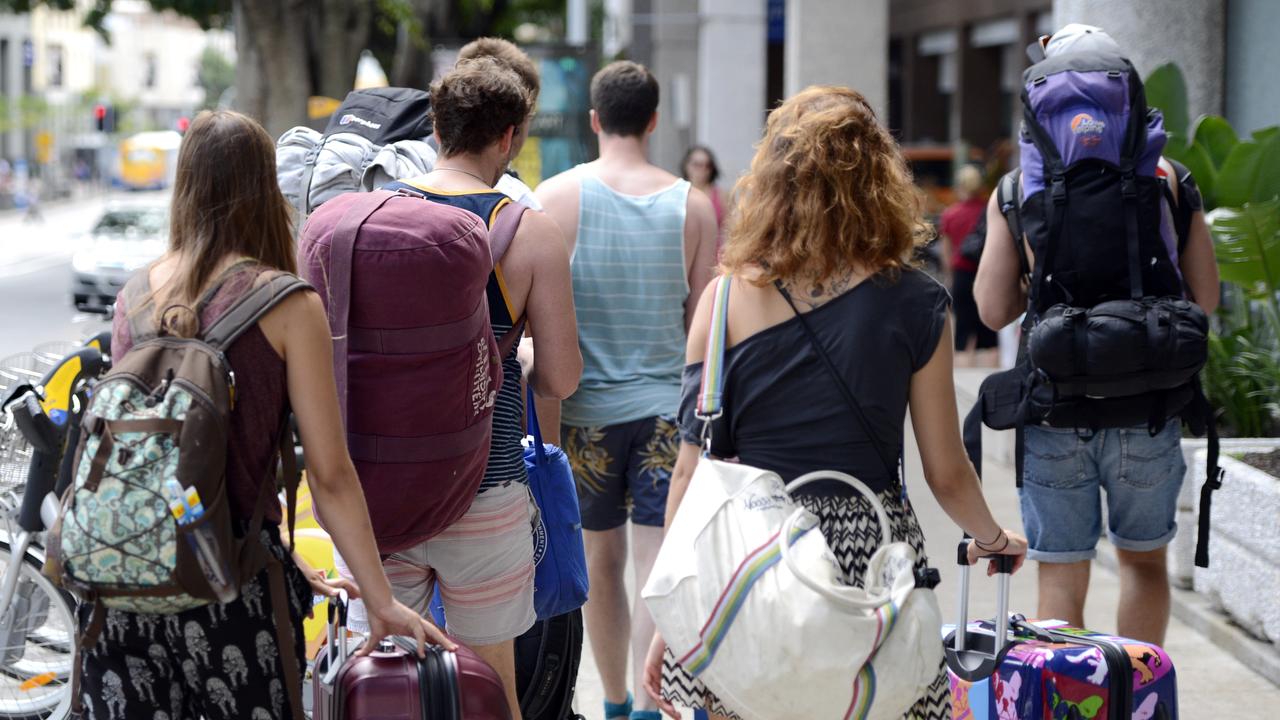
Chief executive Erin McLeod said the reduced intake of backpackers threatens the viability of many regional towns.
“Working holiday-makers fill critical roles where there are labour shortages across our regional destinations,” she said.
International pressures from higher fuel prices had already hit the regional tourism sector hard, due to lower visitor numbers during peak seasons, Ms McLeod said.
Nationals MP David Littleproud offered an “ironclad” pledge that the coalition’s policy will not include changes to any working holiday visa.
Intensifying debate over migration levels comes as the government is yet to announce how it will meet an annual net overseas migration forecast of 225,000 a year in the May budget.
The immigration minister was due to front the National Press Club earlier in August to outline changes to reduce migration levels, but he pulled out at the last minute over policy concerns that erupted during a Labor caucus meeting.

Australian Associated Press is the beating heart of Australian news. AAP is Australia’s only independent national newswire and has been delivering accurate, reliable and fast news content to the media industry, government and corporate sector for 85 years. We keep Australia informed.