
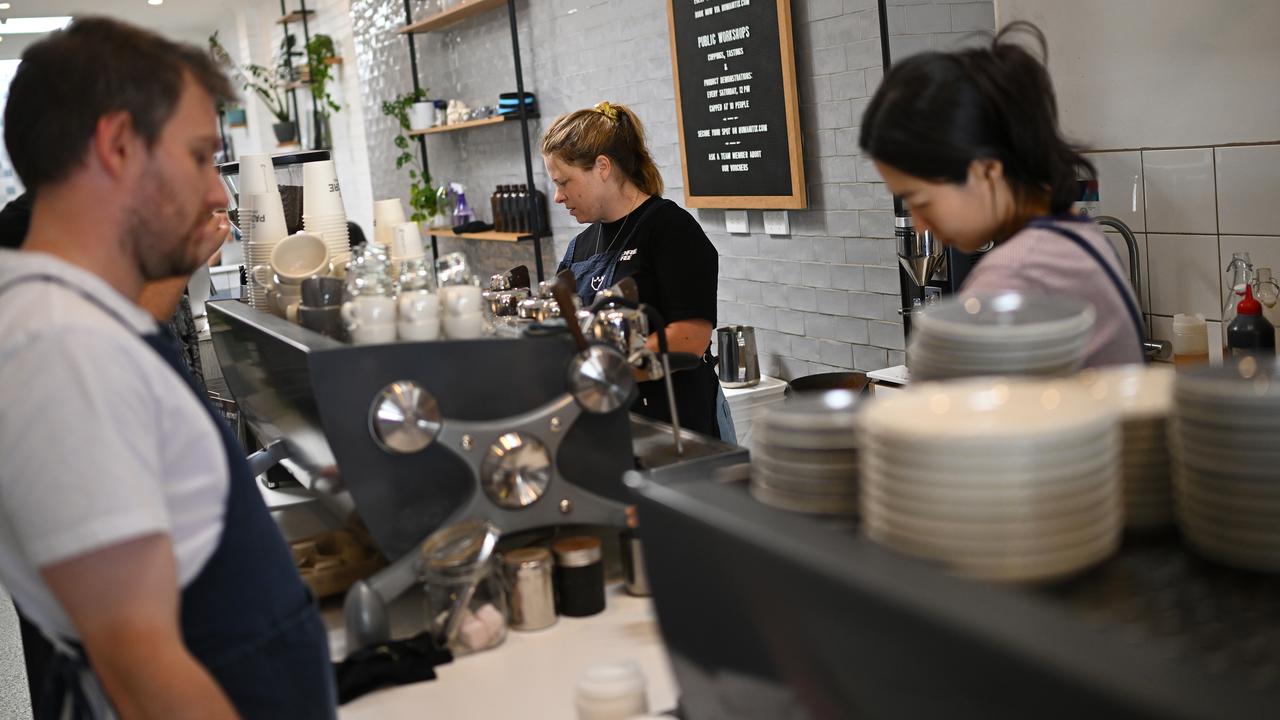

Struggling restaurants and cafes are facing even tougher times ahead after interest rates rose for the fourth time in 2026, adding to cost-of-living pressures on households and businesses.
The increase, delivered by the central bank, is likely to prompt consumers to cut back on dining out, as they rethink budgets and adjust how often they go out to eat or drink.
“We expect traffic to slow down considerably by the end of the year. It’ll potentially most likely be negative,” Sanjev Kangatharan from market and consumer research group Circana told AAP.
“That means traffic will be in decline in the food service industry.
“Things are going to get quite tough.”

While consumers aren’t likely to stop eating out altogether, hospitality operators could soon start noticing fewer visits, customers trading down to cheaper options, demand for promotions and people generally being more selective about when and where they spend.
Of the three or four main categories, the restaurant or dine-in segment could be hit the hardest.
“What we expect is a dynamic that we’ve seen in previous years, is that people will pull out of that upscale restaurant (or full service) category,” said Mr Kangatharan, who heads Circana’s foodservice division in Australia.
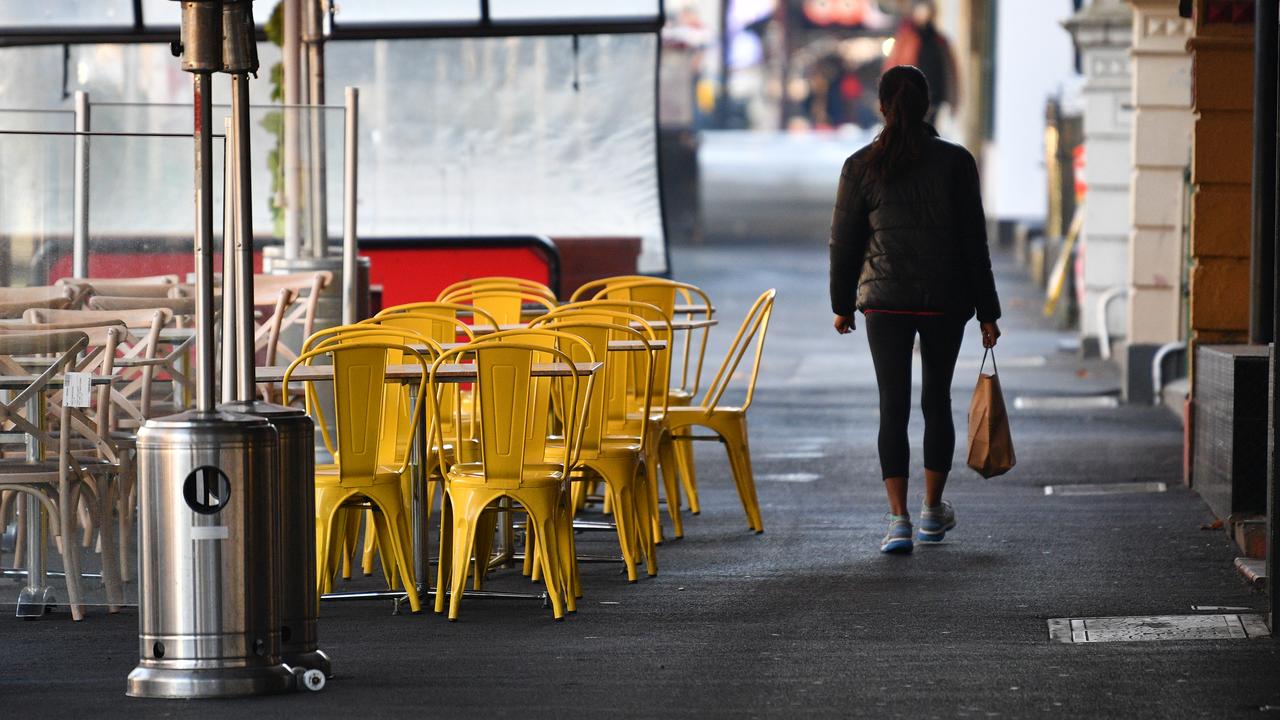
This grouping has an average bill of around $29, according to Circana, which has a tool that’s been tracking foodservice consumption in Australia for more than 15 years.
“And $29 in 2026, you could actually buy four to five staple grocery items – so that’s definitely going to be a channel where traffic is going to pull out,” he said.
At the same time, those consumers could trade down to the quick service restaurant category, which includes cafes and fast food, which Circana notes is a normal behavioural shift in tougher times.
Conversely, the big winner could be larger supermarkets, which are now rolling out a wide range of ready meals and takeaway food for even lower prices.
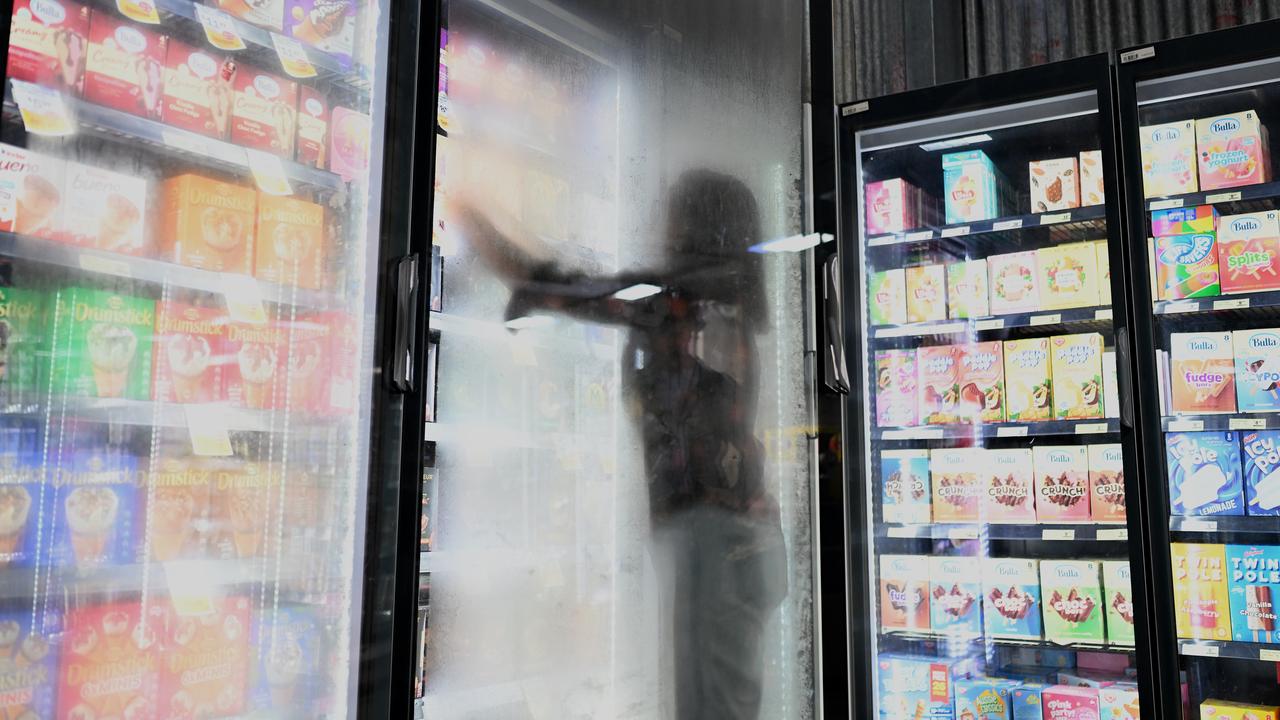
“They’ll definitely pick up, purely because of the fact of consumers trading down,” Mr Kangatharan said.
The threat means hospitality operators, which are already doing it tough, will need to up their game to encourage customers to keep coming back.
This could mean more “deals”, rather than straight discounting, through food and drink bundles for eat-in or takeaway options or other promotions to encourage loyalty.
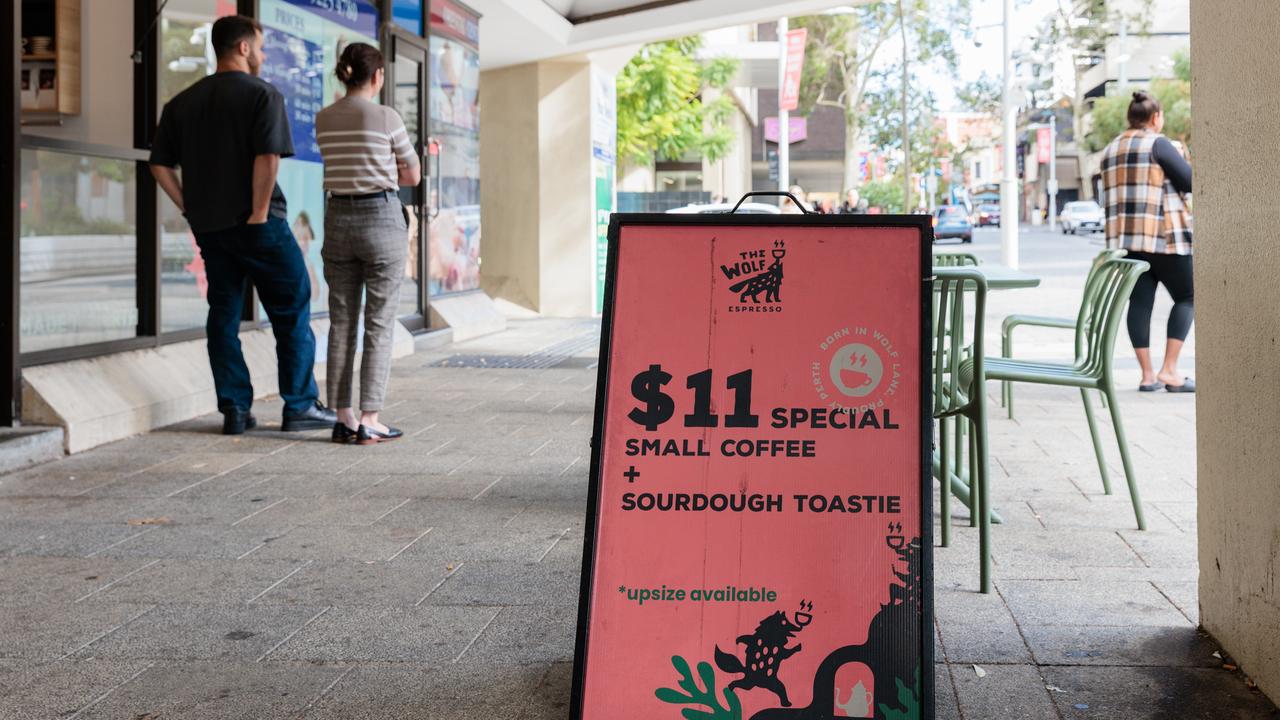
Consumer engagement with loyalty programs has increased 16.3 per cent over the past three years, Circana’s industry-specific CREST data shows.
Mobile app ordering for delivery and pickup is up 24 per cent and traffic through self-service kiosks has grown by 57 per cent.
Still, younger customers are definitely going to pull away, Mr Kangatharan suspects, while families will certainly be more selective.
“All I can say, as an advisor to industry, is that we have still seen operators succeed in this environment.”

Australian Associated Press is the beating heart of Australian news. AAP is Australia’s only independent national newswire and has been delivering accurate, reliable and fast news content to the media industry, government and corporate sector for 85 years. We keep Australia informed.