
An influential global body has welcomed Labor’s move to reduce superannuation tax concessions and rein in spending but wants more reforms as long-term pressures weigh on the budget.
The Organisation for Economic Co-operation and Development’s missive comes as Treasurer Jim Chalmers progresses reforms from 2025’s productivity roundtable in the lead-up to the May budget.
The Paris-based organisation praised the government’s efforts so far to take up the mantle on reform, citing work aimed at boosting competition and the energy transition.
Dr Chalmers said the report was a powerful endorsement of Labor’s economic management and reform agenda.
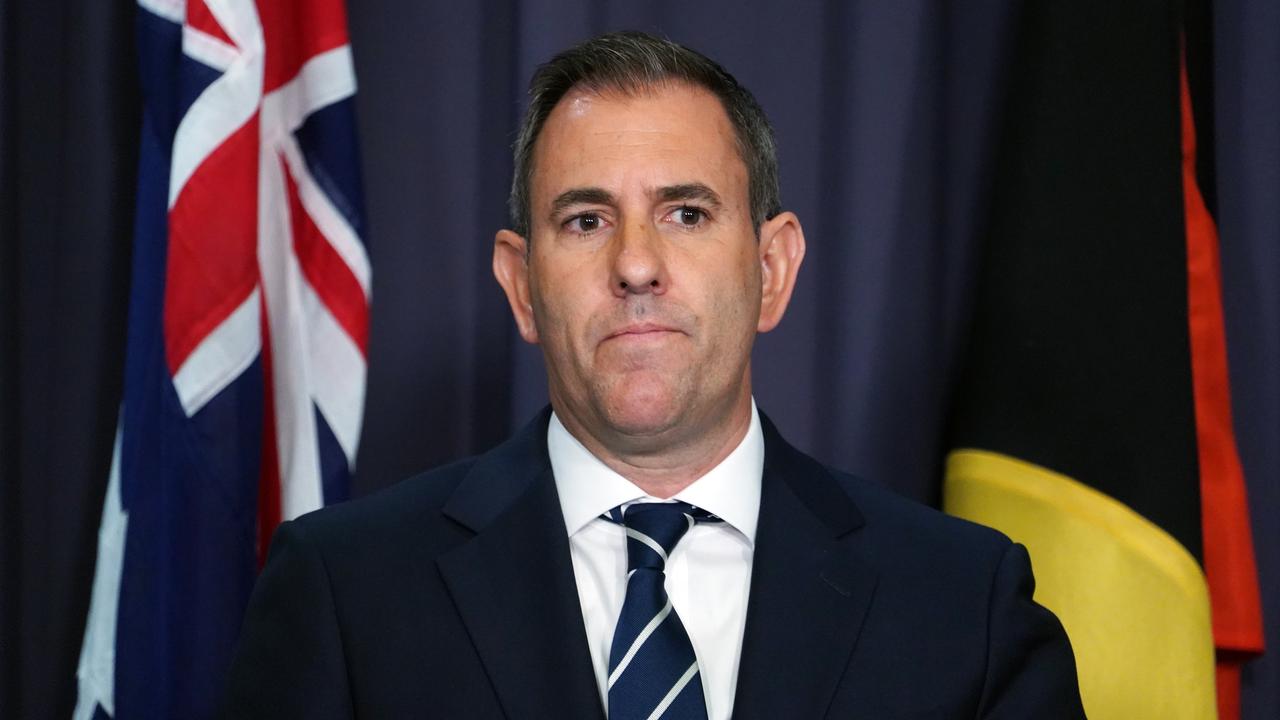
“The report describes our new mandatory notification merger regime as ‘a major step forward’ which will ‘bring Australia in line with OECD best practices’ and describes the government’s revitalised National Competition Policy as a positive step to boost competition,” the treasurer said in a statement.
“More homes, more cleaner and cheaper energy and progress on addressing Australia’s longstanding productivity challenge feature prominently in this report and the report also highlights they are big features of Labor’s economic plan.”
But further reforms were needed “to raise productivity growth, improve housing affordability and facilitate the energy transition”, the OECD said in its latest economic survey of Australia, released on Thursday morning, AEDT.
“While Australia has a relatively light government debt burden, long-term pressures need to be addressed,” the report said.

Labor’s move to reduce tax concessions for wealthy retirees was a good start but further changes should be pursued, such as lowering the cap on concessional superannuation contributions from $30,000 per year.
“This would help to return the superannuation system to its original purpose of ensuring adequate retirement incomes rather than providing concessional tax arrangements for wealth accumulation,” the report said.
Australia’s ageing population would heap health and care costs on the budget, which was already forecast to sink to a deficit of $36.8 billion this financial year, the OECD said.
Spending growth in the NDIS needed to be restrained more effectively, it said.
On the other side of the ledger, the report warned the government’s revenue base will be hit as the transition to electric vehicles erodes the fuel tax take, unless Dr Chalmers gets his proposed road user charge over the line.
The OECD, helmed by former coalition finance minister Mathias Cormann, also noted Australia’s high housing costs.
It recommended transitioning away from stamp duty on property purchases in favour of land taxes, and reduce tax concessions on housing like negative gearing and the capital gains discount, to ease price rises.

Australian Associated Press is the beating heart of Australian news. AAP is Australia’s only independent national newswire and has been delivering accurate, reliable and fast news content to the media industry, government and corporate sector for 85 years. We keep Australia informed.