

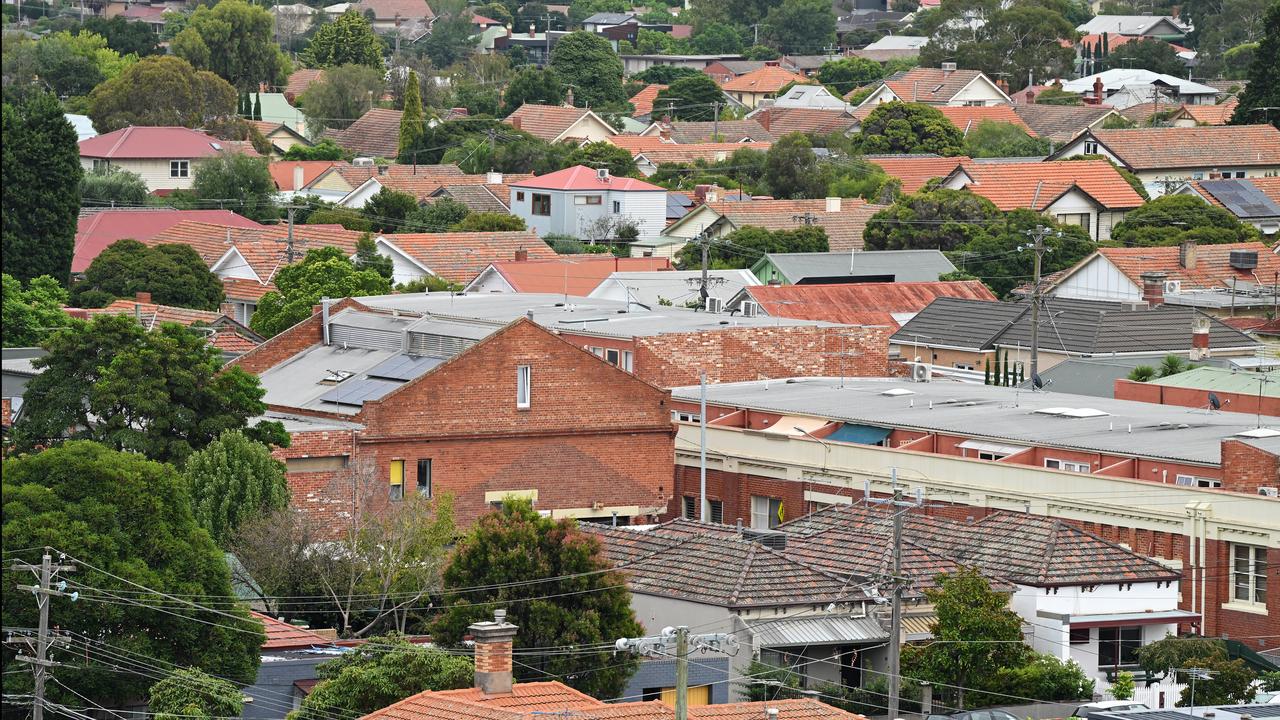
Less than one per cent of borrowers are estimated to be facing negative equity despite soaring interest rates, the Reserve Bank of Australia says.
Mortgage holders, whacked with a 25 basis point rate hike on Tuesday, are realistically capable of absorbing shocks to the market, the bank’s half-yearly Financial Stability Review said.
Despite a steep six-month price decline, the bank reported most Australians have sufficient cash flow and savings to mitigate downturns.
In fact, housing prices could fall 20 per cent from current levels and only around five per cent of mortgages would fall into negative equity, RBA modelling suggests.
The deepest downturn predictions by mainstream economists, such as HSBC chief economist Paul Bloxham, are around 13 per cent peak to trough.
Modelling based on Australia’s Prudential Regulation Authority and RBA numbers showed arrears rates generally remained low, and lenders have maintained high standards since the regulator instated a three per cent buffer.
The post-pandemic house price run also meant the vast majority of owners have positive equity, the bank said.
”In short, while there are pockets of stress in the household and business sectors, both sectors display a good level of resilience overall,” it said.
Stability risks from businesses have been mitigated by above-average cash buffers, which surged post-pandemic.
Total insolvencies had fallen to about average over the past year, though they remain elevated among the hospitality, construction and transport sectors.
However, the RBA was not fearful there would be greater system-wide stress.
”The risks associated from them remain contained, as far as the RBA is concerned,” the report said.
”Banks’ exposure remains limited, as they involve small companies and companies with little bank debt.”
The report comes after the RBA lifted interest rates for a fourth time in 2026 on Tuesday, while separately this week headline inflation rose from 3.5 per cent to a four-month high of 4.0 per cent.
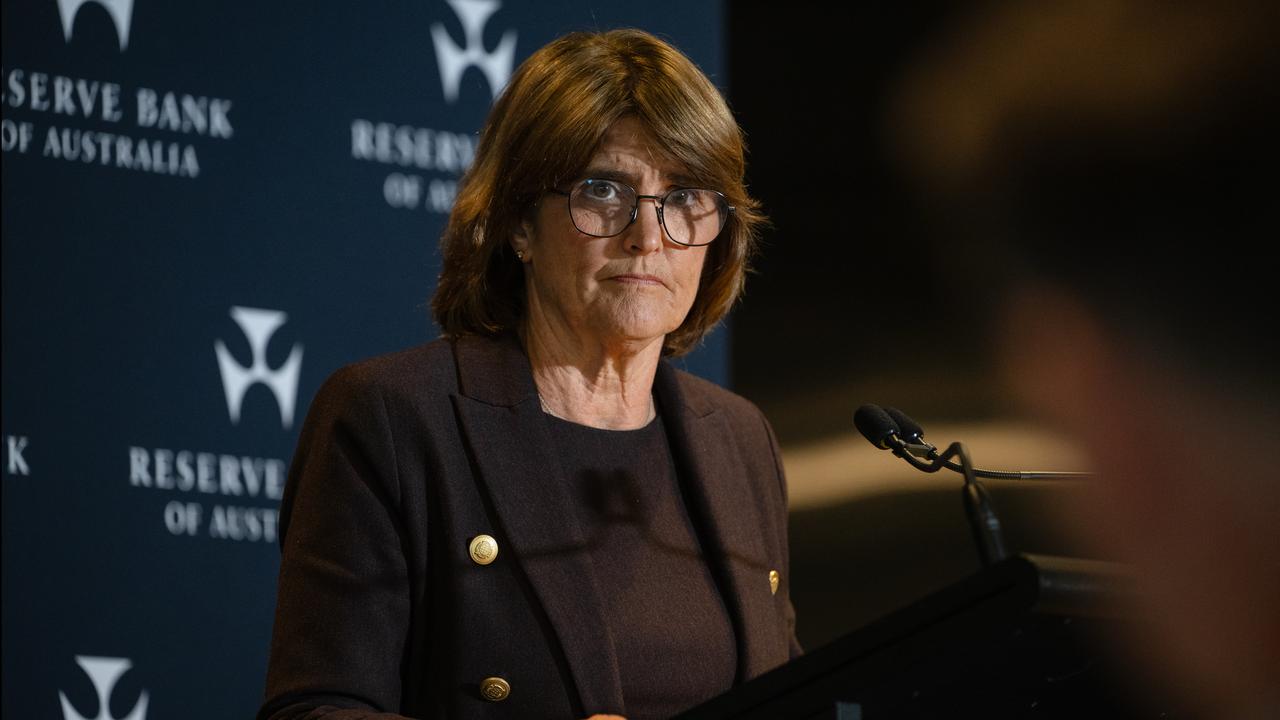
RBA governor Michele Bullock was unapologetic for taking rates to their 15-year high of 4.6 per cent.
She said the bank had to act on interest rates for the good of all Australians – including those without loans.
”Pay packets don’t go as far as they used to, and that’s why we need to stop this high inflation,” she said.
Outside of Australia’s solid positioning, the bank identified finance infrastructure as a key concern.
Global systems are increasingly interconnected, pushed by rapid technological innovation.
But, within the system, a varying level of preparedness exposes international markets to heightened risks.
”This can amplify the effects of operational disruptions and propagate widespread financial stress,” the RBA’s report noted.
Prolonged outages would have dire consequences for payments infrastructure, and the flow and accessibility of money.
Risks could spawn from technology flaws, bad actors or utilities grids.
“Operational risk … is an increasingly important consideration for financial stability,” the report, which assesses the health of the market, noted.
Other principal risks to Australia’s financial systems stem from aboard, the report found.
High sovereign debt internationally, raised asset prices and increased reliance on borrowed cash amongst creditors have the global system on edge.

Australian Associated Press is the beating heart of Australian news. AAP is Australia’s only independent national newswire and has been delivering accurate, reliable and fast news content to the media industry, government and corporate sector for 85 years. We keep Australia informed.