
Artificial intelligence will be purged from more classrooms and kept away from assessments as part of a “digital detox” for schools.
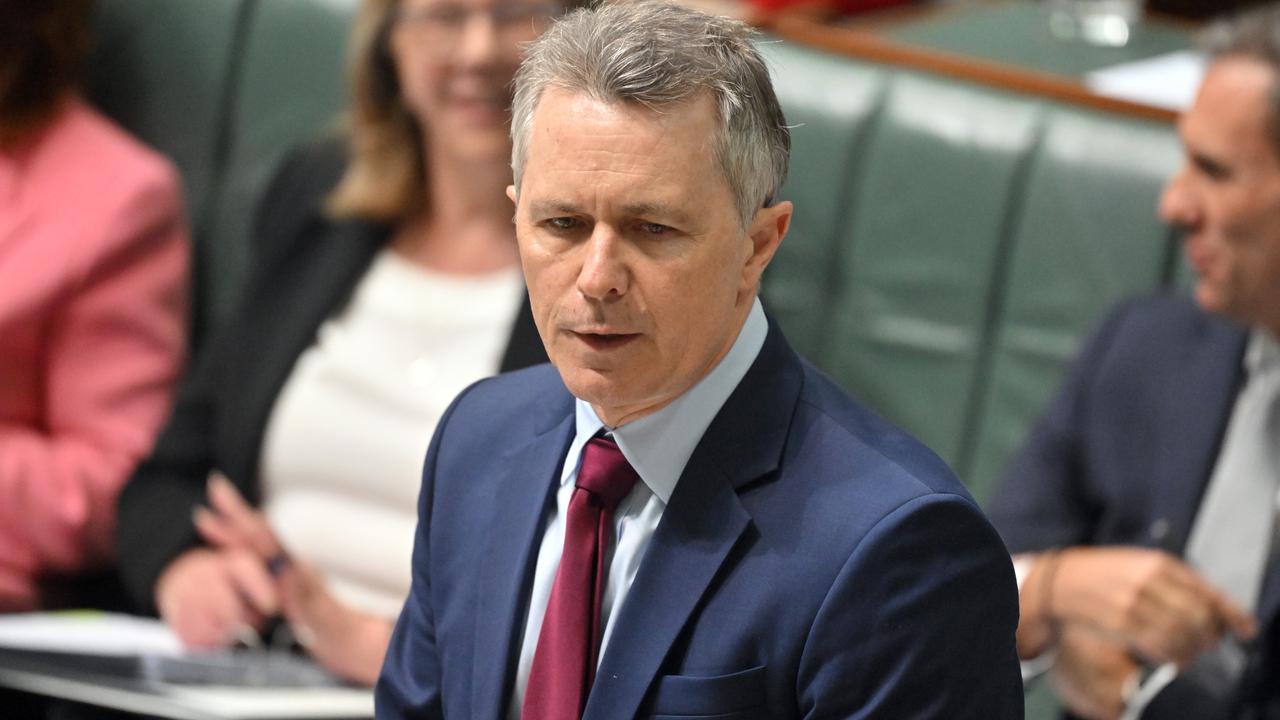
Mandatory lessons on democracy, Jewish contribution to Australian society and financial literacy will also appear on the curriculum as part of sprawling changes announced by Education Minister Jason Clare on Thursday.
“This (screens in classrooms) has gone too far – I think mums and dads know it too. They see what screens do to their kids at home,” he told ABC News.
“We thought school was different – that screens would help. But more and more evidence tells us that kids who have spent a lot of time on screens at school do worse.”
The detox will initially involve paring back the use of generative AI, such as ChatGPT, in primary schools and in high school assessments, but some states still need convincing harsher restrictions are necessary.
A task force will examine how jurisdictions can continue regulating classroom screen time and is expected to report back three times in 2027.
The changes got the green light from a meeting of state and federal education ministers on Monday.
“We heard the story from one minister about teachers standing at the back of classrooms now, so they can keep an eye on what’s on the screen that kids have,” Mr Clare relayed.
“Some states have already acted to limit screen times, some are trialling it, others have said they want more evidence, and that’s what the task force we’re setting up is designed to provide.”
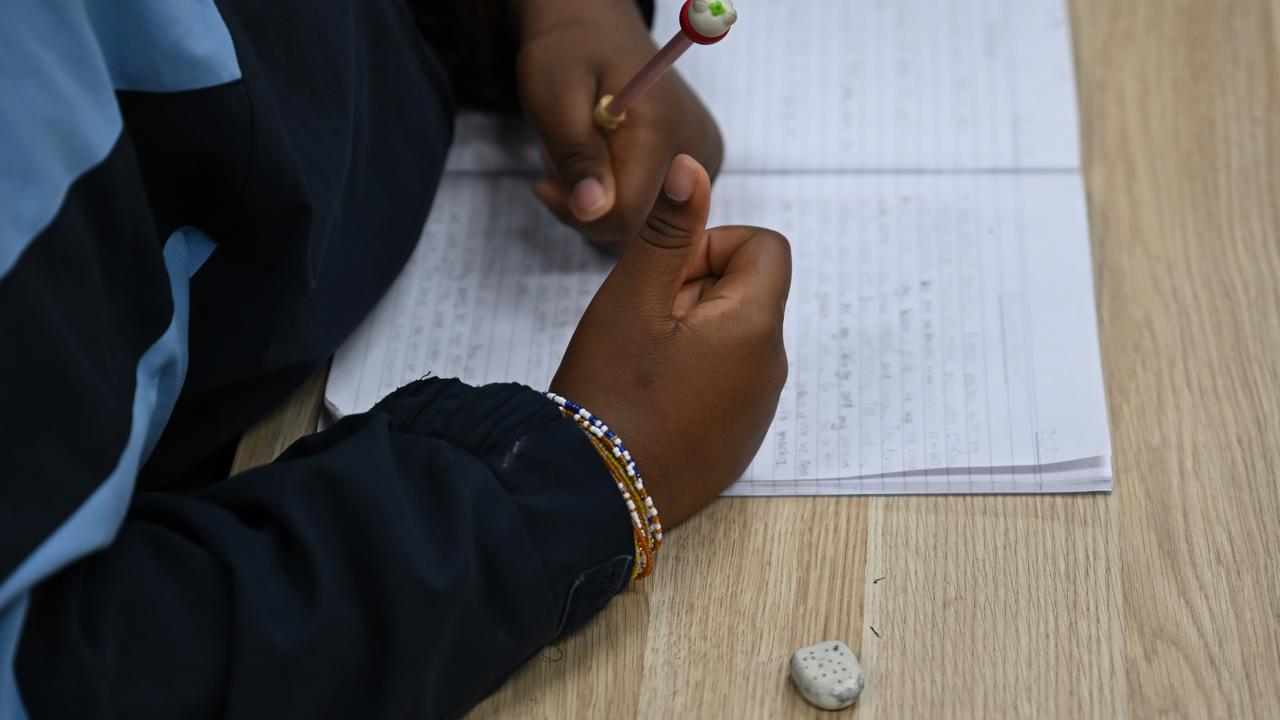
Year 5 NAPLAN will return to pen and paper, with its administrator the Australian Curriculum Assessment and Reporting Authority mulling over a plea from NSW for the national testing scheme to ditch screens across the board.
School tech limits first emerged in Victoria, which in June ruled students could spend no longer than two hours a day on screens and ordered teachers to regularly schedule device-free learning time, starting in 2027.
NSW followed suit in September with even stricter rules, allowing up to 45 minutes’ daily screen use in primary school and subject-dependent restrictions past Year 7, mandating at least half of learning time be device-free.
“If you just outsource all of this to technology, you don’t build the critical thinking and problem-solving skills that you’re going to need as an adult,” Mr Clare said.
Global testing in September gave Australian students their worst ever marks and found they were spending almost 2.6 hours on screens per day compared to the OECD average of 1.7.
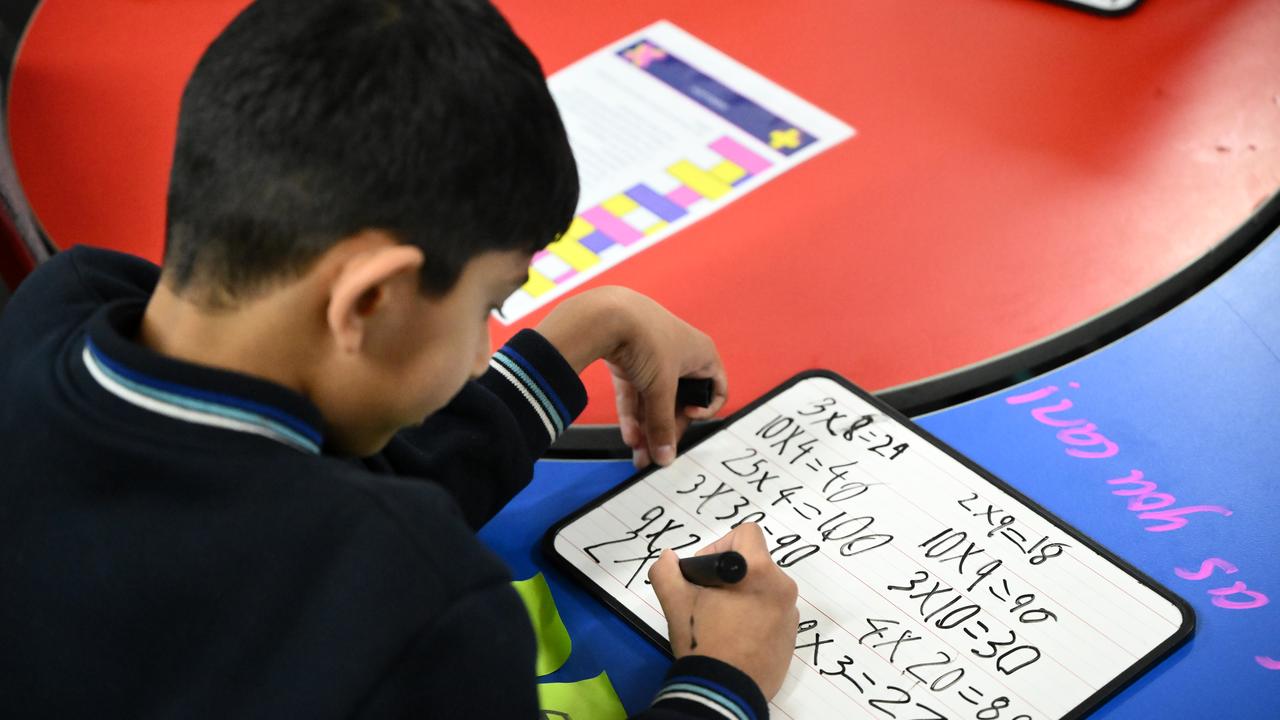
“You didn’t get a calculator when you’re in kindergarten – you had to learn to count. You learnt the times tables before you were given a tool in high school to do it faster.”
Civics will also become compulsory for Years 9 and 10, after ACARA testing found students’ democracy knowledge had sunk to its lowest level since 2004.
More lessons about the Holocaust and on Jewish contribution to Australian society will roll onto the curriculum from 2027, with a council to be chaired by education reformer David Gonski to examine further potential additions.
“Hate comes from fear, and fear comes from ignorance,” Mr Clare said.
“Education can’t do everything here to turn that around, but it can do a lot.”

Australian Associated Press is the beating heart of Australian news. AAP is Australia’s only independent national newswire and has been delivering accurate, reliable and fast news content to the media industry, government and corporate sector for 85 years. We keep Australia informed.