
Australians use discretionary trusts at a far greater rate than in equivalent economies, despite business groups arguing the structure is a vital way for small businesses to protect assets and organise succession planning.
Labor has proposed to impose a minimum 30 per cent tax on discretionary trusts to stamp out the rapid growth of income splitting, which allows people with trusts to minimise tax by spreading income among recipients with lower marginal tax rates.
The Australian Chamber of Commerce and Industry told a Senate inquiry into the legislation that the change would force many of Australia’s 240,000 small businesses using a trust to restructure to avoid the new tax.
That would result in expensive transition and compliance costs, further weighing on the nation’s productivity slump.
Discretionary trusts more than doubled from 370,000 in 2001/02 to 840,000 in 2022/23, Treasury said in the May budget.
Over the same time period, the number of companies in Australia only increased by 70 per cent.
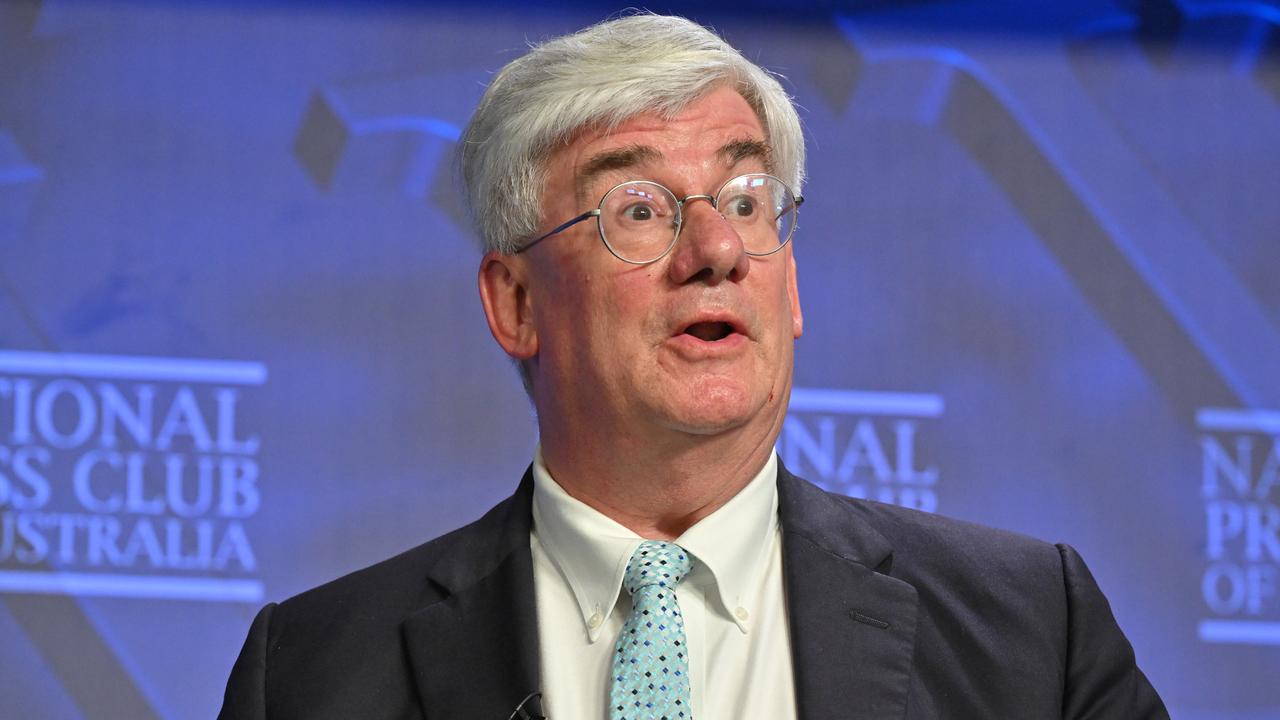
Independent economist Saul Eslake said many business owners used trusts for legitimate reasons.
In Australia, as in many other jurisdictions, trusts can be used to shelter assets from a vengeful spouse or arranging an orderly transfer of assets between generations, for example.
But the high usage of trusts in Australia compared to similar economies showed they were being used as a legal means to minimise tax, he said.
There are 40 discretionary trusts per 1000 people in Australia, Mr Eslake told a committee hearing on Friday.
“In the US, the equivalent number is nine, and in the UK, the equivalent number is two,” he said.
“What is it about Australia that means that we need three-and-a-half to four times as many trusts per head of population as the US and 20 times as many trusts per head of population as the UK?
“The answer is because of the opportunities that the Australian tax law provides compared with the tax laws of the US and the UK for the use of trusts to reduce the amount of tax that is paid.”
Mr Eslake also pushed back against complaints from business groups that the rule change would result in excessive compliance costs.
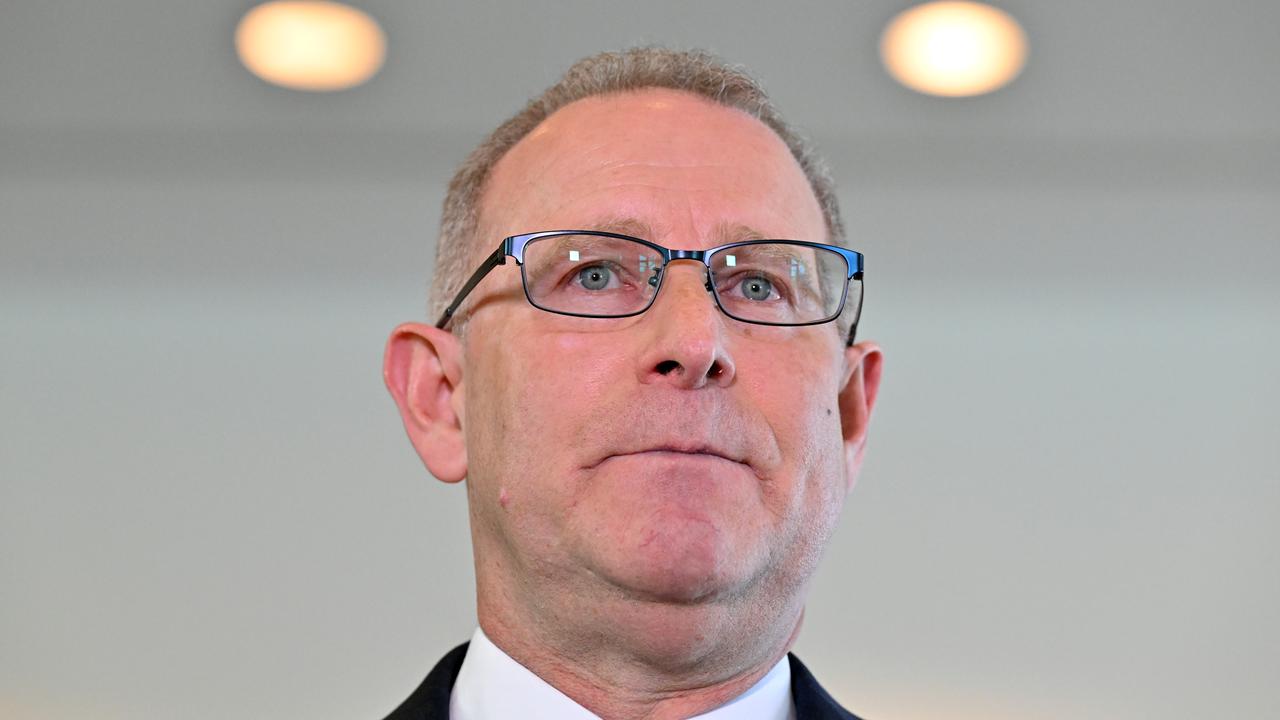
But with some small businesses facing more than $50,000 in restructuring costs, plus the prospect of having to pay stamp duties on top of higher income tax, the changes would harm the sector and worsen productivity, Australian Chamber of Commerce and Industry chief executive Andrew McKellar said
“It has a punitive effect on small business,” he said.
“It will hamper business investment, risk taking, the entrepreneurship that we need in the Australian economy, and be a dead weight on productivity.”

Australian Associated Press is the beating heart of Australian news. AAP is Australia’s only independent national newswire and has been delivering accurate, reliable and fast news content to the media industry, government and corporate sector for 85 years. We keep Australia informed.