
Labor’s budget tax changes have sparked the biggest fall in investor home loans on record, and another rate rise means there’s more to come.
The Reserve Bank hiked interest rates to an 18-year high on Tuesday, adding to borrowing costs and weighing on housing demand.
While the government has shared credit for the housing downturn with the central bank, lending figures showed the curbs to investor tax breaks were having the desired effect of giving owner-occupiers the upper hand.
Home loan figures released by the RBA on Tuesday showed loan commitments have fallen 27 per cent below their November 2025 peak.
But owner-occupier lending has had only a modest decline.
The fall was most pronounced for investors, which experienced the largest drop in loan commitments during any hiking cycle on record.
It was also concentrated in loans to purchase established dwellings.
“This is consistent with the recent changes to negative gearing and capital gains tax decreasing the after-tax returns on investments in established housing,” RBA staff said in the bank’s Statement on Monetary Policy.
In the May budget, the government abolished negative gearing and reined in the capital gains tax discount for investors purchasing established homes, with an exception for new dwellings that added to overall housing supply.
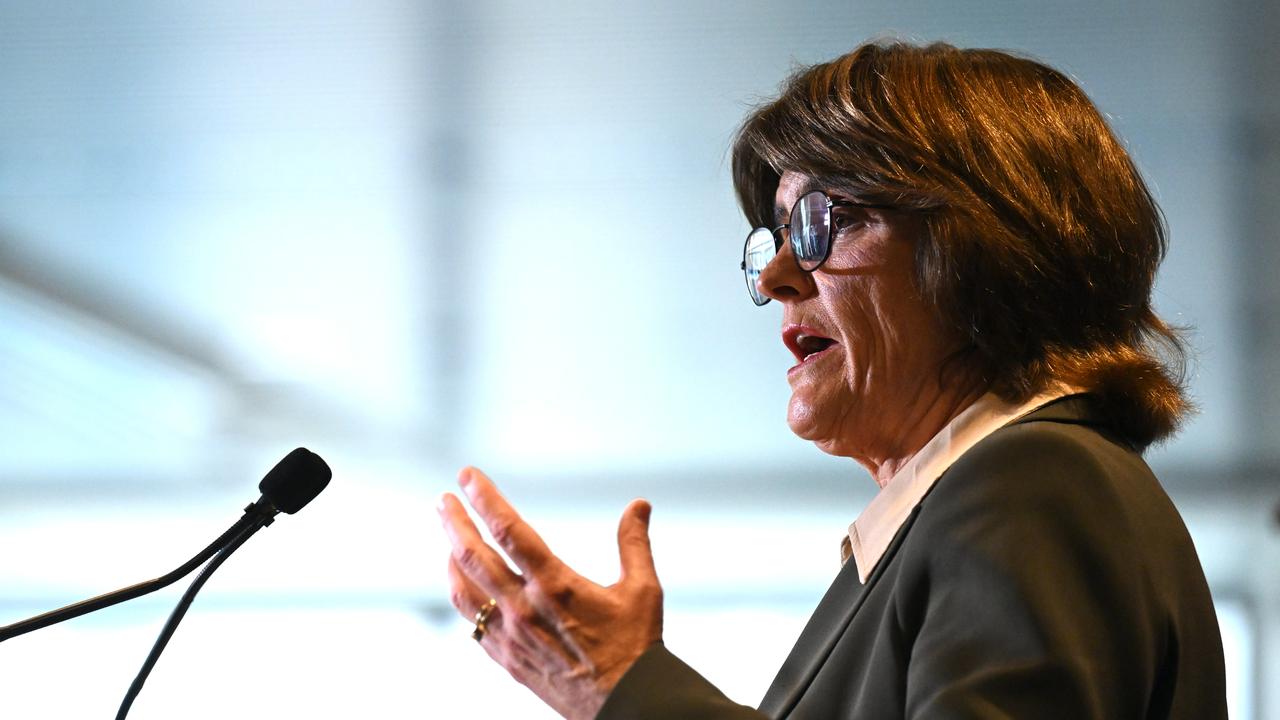
RBA governor Michele Bullock noted investors typically moved with the housing price cycle.
“When housing prices are going up, they’re tending to buy in and exaggerate it, and likewise on the downswing, it’s just much bigger this time,” she said.
“The fact that investors have declined so much further than they has in previous interest rate increasing cycles suggests that there’s something else going on here, and the something else going on is the tax changes.”
Home prices are on track for the deepest downturn in 40 years, with capital city values having already fallen 8.1 per cent from the March peak, according to property analytics firm Cotality.
Australia’s largest lender, Commonwealth Bank, has forecast a decline of 15 per cent across the nation’s capital cities before prices bottom out.
Restrictive rates will continue to impact the confidence and financial capacity of potential buyers, said Cotality.
“We expect housing values and turnover to continue trending lower in the face of higher interest rates combined with the downside influence of persistent cost of living pressures, weak sentiment and less investment demand post budget.”
Tuesday’s rate rise will further weaken investor demand.
“Housing loan commitments and credit growth tend to lag housing price growth by up to three months, largely reflecting lags between the purchase and settlement of property,” the RBA said.
“As a result, housing credit growth is expected to decline further over coming months as recent declines in housing prices and turnover continue to flow through to credit.”

Australian Associated Press is the beating heart of Australian news. AAP is Australia’s only independent national newswire and has been delivering accurate, reliable and fast news content to the media industry, government and corporate sector for 85 years. We keep Australia informed.