

The Reserve Bank has an eye to the future as it figures out what to do next with interest rates.
But that won’t stop it poring over almost two-month old inflation data, set to be released one day after its latest decision to hike interest rates in a case of scheduling bad luck.
RBA governor Michele Bullock told reporters on Tuesday, after the bank’s board lifted the cash rate to a 15-year high of 4.6 per cent, that the timing was unfortunate.
The trimmed mean, a measure of underlying inflation preferred by the RBA, is expected to hold steady at 3.6 per cent on an annualised basis, when updated figures are released by the Australian Bureau of Statistics on Wednesday.

If it comes in as expected, the August data would confirm that inflation was unacceptably high in the first half of the year, Ms Bullock said.
But for its next meeting in November, the RBA was more interested in where the economy was going to be, not where it was, she said.
“What we’re trying to do is make sure that we have financial conditions tight enough so that looking forward, that inflation pressure eases,” she said.
Interest rates tend to work with a lag of 12 to 18 months to take full effect, but there were signs that financial conditions were becoming more restrictive.
Mortgage payments as a share of disposable income were up; the housing market downturn was deepening.
“And so, what we are predicting, what is the hope here, is that this will be restrictive enough – those four interest rate increases – to bring things down,” Ms Bullock said.
“Now, will it be enough? I don’t know.”
NAB chief economist Sally Auld thinks the RBA has done enough.
“It is possible that with financial conditions now tighter, officials will be content to watch for a while and only react if more bad news is received on the inflation front,” she said.
With unemployment edging up and economic activity starting to soften, it would make sense for the RBA to shift its focus and step off the brake pedal.
Ms Bullock said it was still the board’s strategy to try get inflation down while preserving as many of the gains in the labour market as possible.
But Australia’s lacklustre productivity growth was making the job harder.
“The bottom line is that productivity is doing nothing,” she said.
“Over time, if you don’t get productivity growth, you don’t get growth in real wages, and that’s another reason why people are just feeling pretty poor and pretty hard done by.”
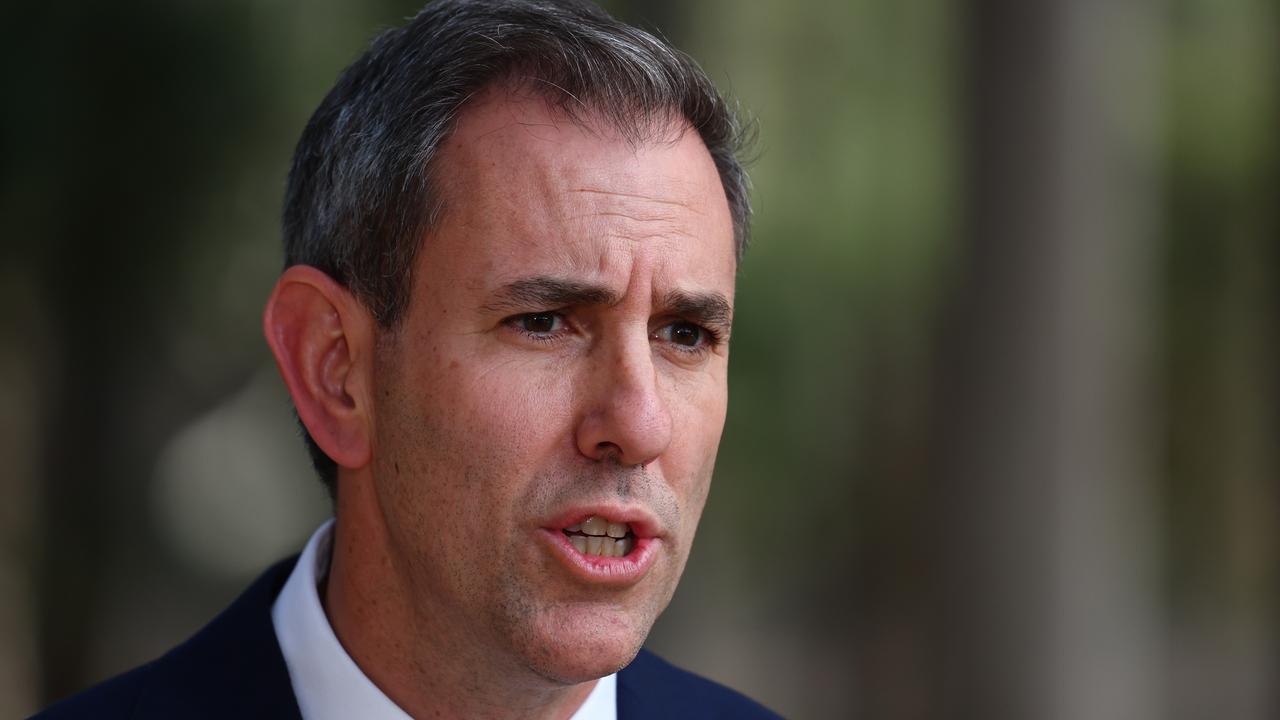
Ms Bullock said getting productivity moving again was the responsibility of Productivity Commission boss Danielle Wood and Treasurer Jim Chalmers, but businesses needed to step up to the plate as well.
Dr Chalmers said the budget contained the broadest productivity package in decades, but it would take time to turn around.

Australian Associated Press is the beating heart of Australian news. AAP is Australia’s only independent national newswire and has been delivering accurate, reliable and fast news content to the media industry, government and corporate sector for 85 years. We keep Australia informed.