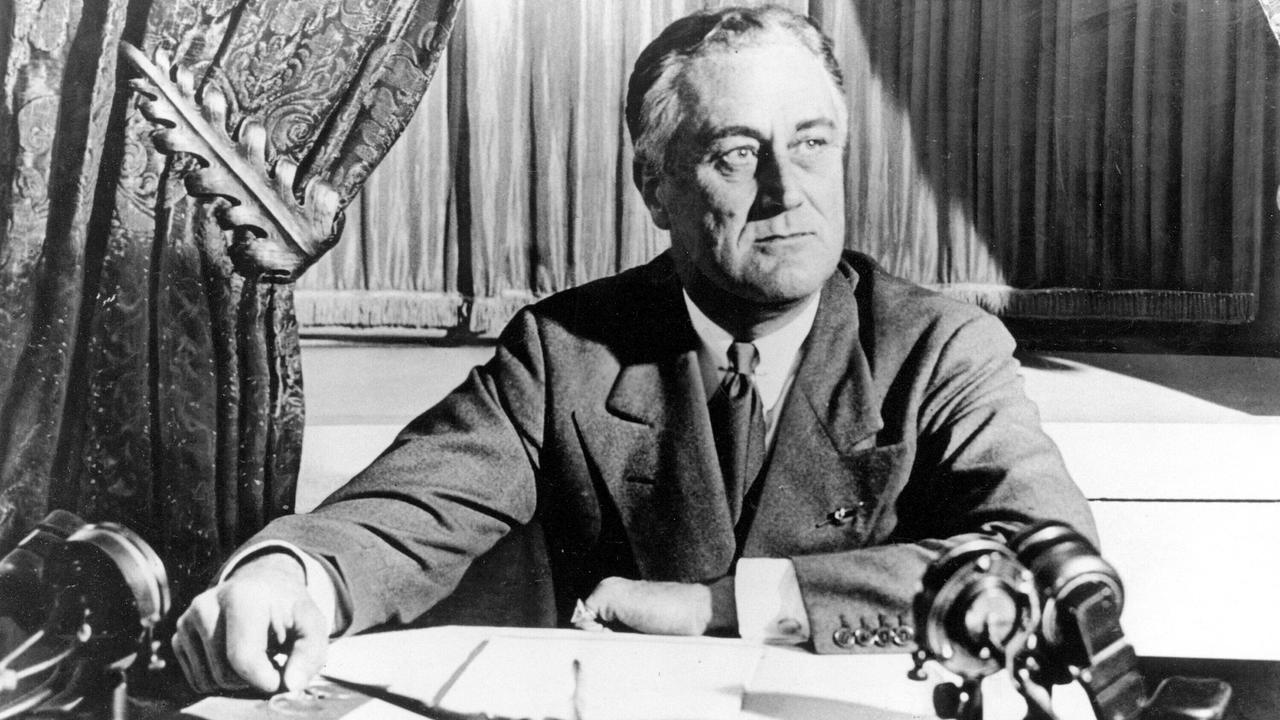

As the US dragged itself out of the Great Depression, newly-elected president Franklin D Roosevelt pioneered an informal style of radio address to nurture rapport with a bruised American public.
It’s unclear whether the LED lighting at InterContinental Brisbane, the setting for Reserve Bank deputy governor Andrew Hauser’s upcoming “fireside chat” will be as cosy.
Or whether mortgage holders will be as reassured by his comments.
Mr Hauser and Brighter Super chief executive Kate Farrar are set to discuss the economic outlook and the implications for interest rates on Wednesday.
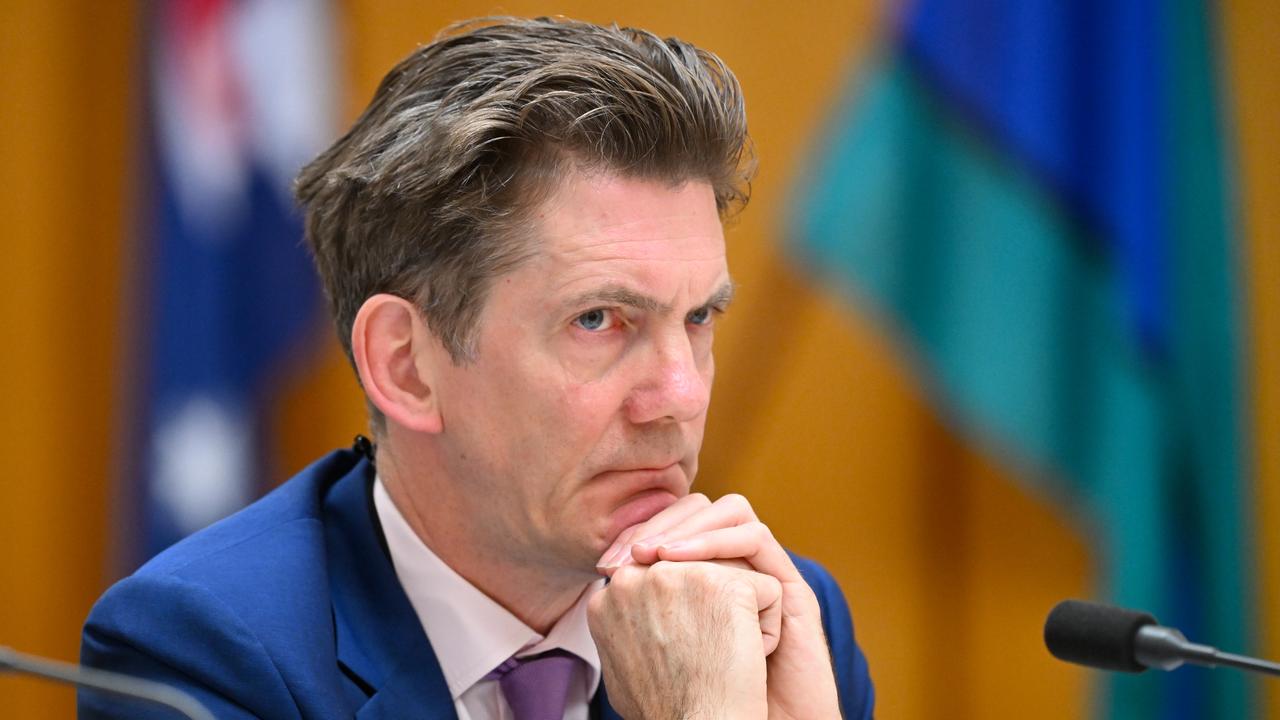
It will be the second speaking engagement by a senior RBA official since governor Michele Bullock’s press conference following last week’s rates meeting.
Consumer confidence, which has been battered by three rate hikes in 2026 and the Middle East oil shock, remains deeply pessimistic.
The Westpac-Melbourne Institute Consumer Sentiment Index, due to be released on Tuesday, will show what impact the rapidly deteriorating housing downturn and the RBA’s second straight rate hold have had on household finances.
While borrowers were spared another rate rise last Tuesday, Ms Bullock left the door open to further hikes, warning upside risks to inflation still have the central bank on edge.
One of those risks is a too tight labour market.
On the jobs front, the RBA has the opposite problem to the Great Depression; at 4.4 per cent, Australia’s unemployment rate is historically low and contributing to inflation pressures, Ms Bullock said.
But economists at ANZ Bank are forecasting the jobless rate to edge up to 4.5 per cent in figures to be released by the Australian Bureau of Statistics on Thursday.
“A small up-tick in ANZ-Indeed Job Ads in July and an improvement in the employment index in the NAB business survey suggest a modest pick-up in employment,” said ANZ economist Jasmine Zheng.
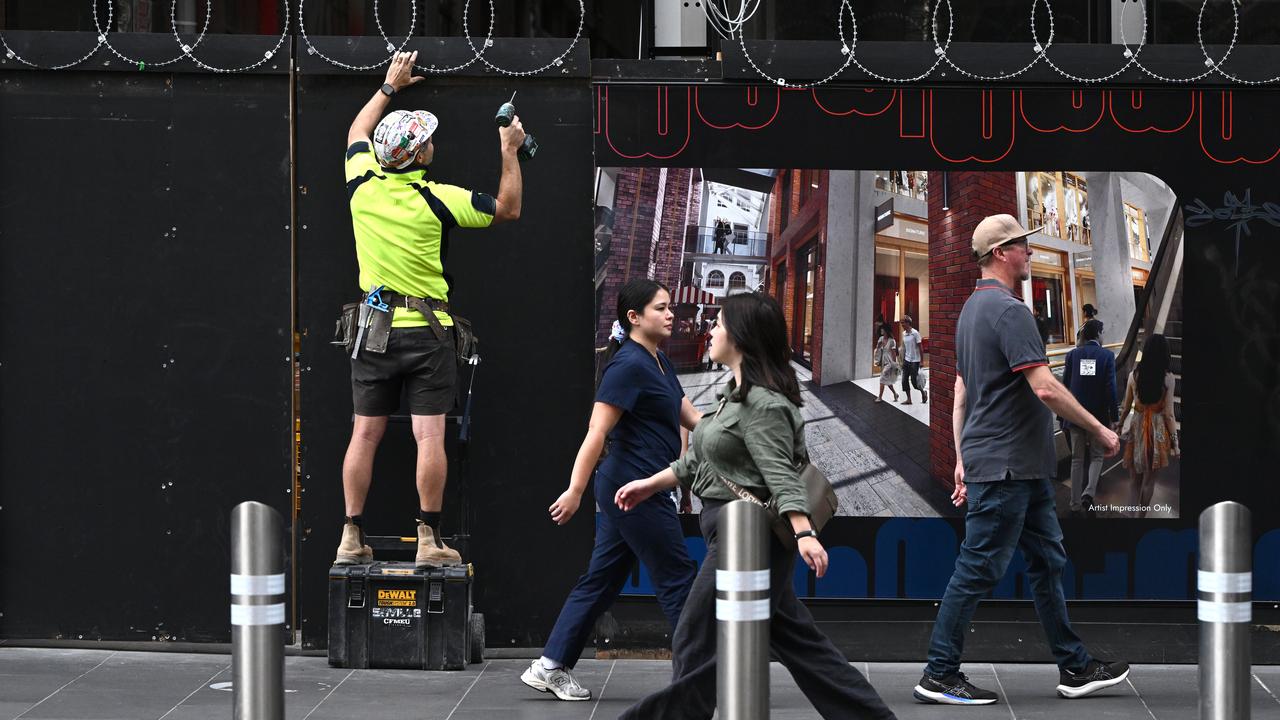
Another 20,000 jobs are expected to have been added to the economy in July following an increase of 76,300 in June, she added.
But the consensus forecast is for an increase of employment of 10,000 with the jobless rate tipped to hold steady.
With the RBA recently forecasting unemployment to hit 4.5 per cent by year’s end, a rise in the rate would reinforce that the economy is sufficiently slowing to bring inflation under control, said IG market analyst Tony Sycamore.
“A softer-than-expected number – particularly a rise in the jobless rate toward 4.6 per cent – would reinforce the view the labour market is loosening in line with the RBA’s updated projections and raise hopes the RBA may stay on hold into year end,” he said.
“Conversely, a strong print would keep the tightening risk alive ahead of the RBA’s next board meeting in September.”
On Wednesday, the ABS will also release wage price data for the June quarter.
AMP chief economist Shane Oliver expects wages growth to be unchanged at 0.8 per cent for the quarter, causing the annual growth rate to slow to 3.2 per cent.
But the RBA will be banking on a larger spike in the September quarter, given the larger-than-expected pay rise the Fair Work Commission handed minimum wage and award workers, which kicked in on July 1.
Wall Street investors are meanwhile digesting weaker-than-expected US retail data.
The S&P 500 closed lower on Friday, dipping from a record high and weighed down by stumbling services and software supplier Applied Materials.
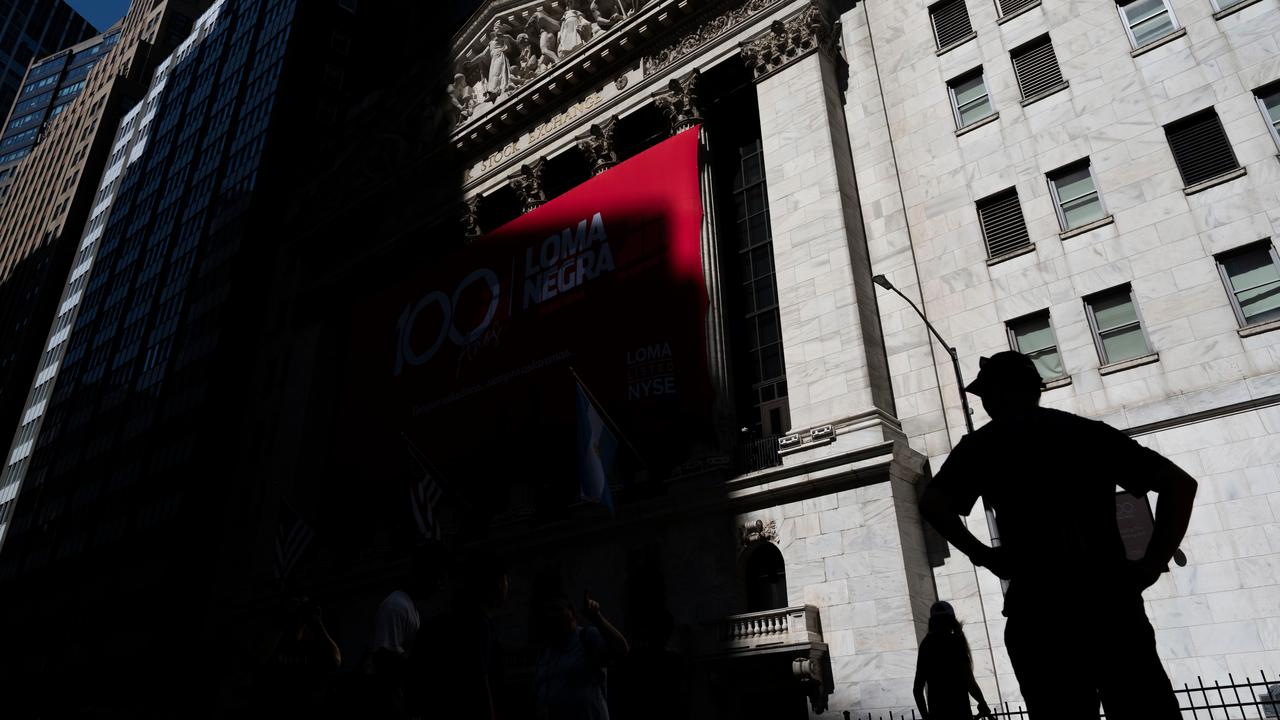
The index declined 0.17 per cent to end the session at 7,785.76 points. The Nasdaq slipped 0.28 per cent to 26,729.16 points and the Dow Jones 0.20 per cent to 53,732.41 points.
Australian share futures dropped 33 points, or 0.36 per cent, to 7,625.
The S&P/ASX200 fell 73.3 points on Friday, down 0.8 per cent to 9,115.2, as the broader All Ordinaries lost 68.2 points, or 0.73 per cent, to 9,313.2.

Australian Associated Press is the beating heart of Australian news. AAP is Australia’s only independent national newswire and has been delivering accurate, reliable and fast news content to the media industry, government and corporate sector for 85 years. We keep Australia informed.