
Jet fuel made from used cooking oil will be used at an Australian airport for the first time, giving wings to new technology without frying the planet.
The Iran war, which led to the closure of the Strait of Hormuz, has been cited as a major factor in green-lighting the use of waste products for jet fuel at Brisbane Airport through Viva Energy under a $5 million project.
Months after tankers were delayed and shipping routes were thrown into doubt, Brisbane has become the first Australian airport with a dedicated end-to-end pipeline for lower emissions jet fuel.
Airlines using Brisbane and some regional Queensland airports will be able to buy sustainable aviation fuel (SAF) blended into their regular jet supplies at Viva Energy’s Pinkenba Terminal.
Made from biogenic feedstocks such as used cooking oil, it will be stored, blended, certified and pushed into Brisbane Airport’s existing jet fuel system in a set-up designed to look and feel like business as usual for pilots and passengers.
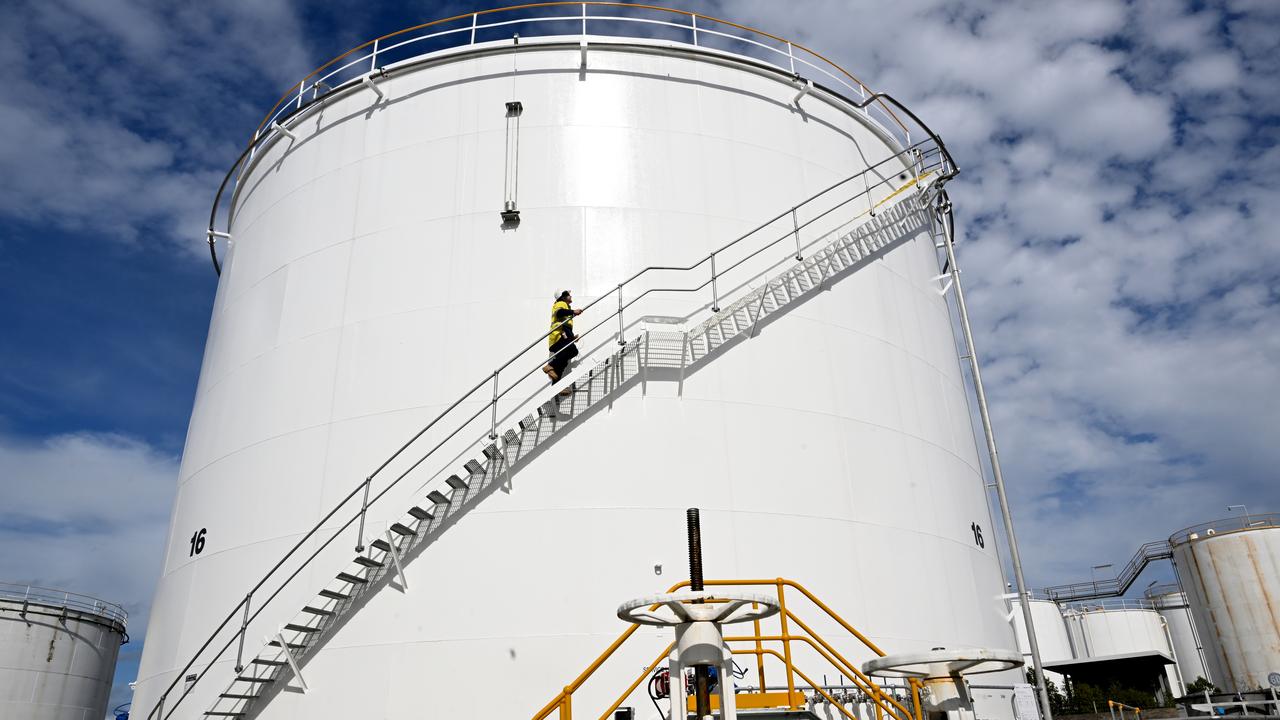
The project involved refurbishing a 3.3 million litre storage tank and building a certification and accounting system to track and account for the fuel’s environmental benefits.
Blended lower emissions jet fuel will be delivered to aircraft through the airport’s existing infrastructure.
It is the first dedicated end-to-end SAF storage and blending facility directly connected to an Australian airport fuel network and integrated with a carbon credit transfer program, Viva Energy says.
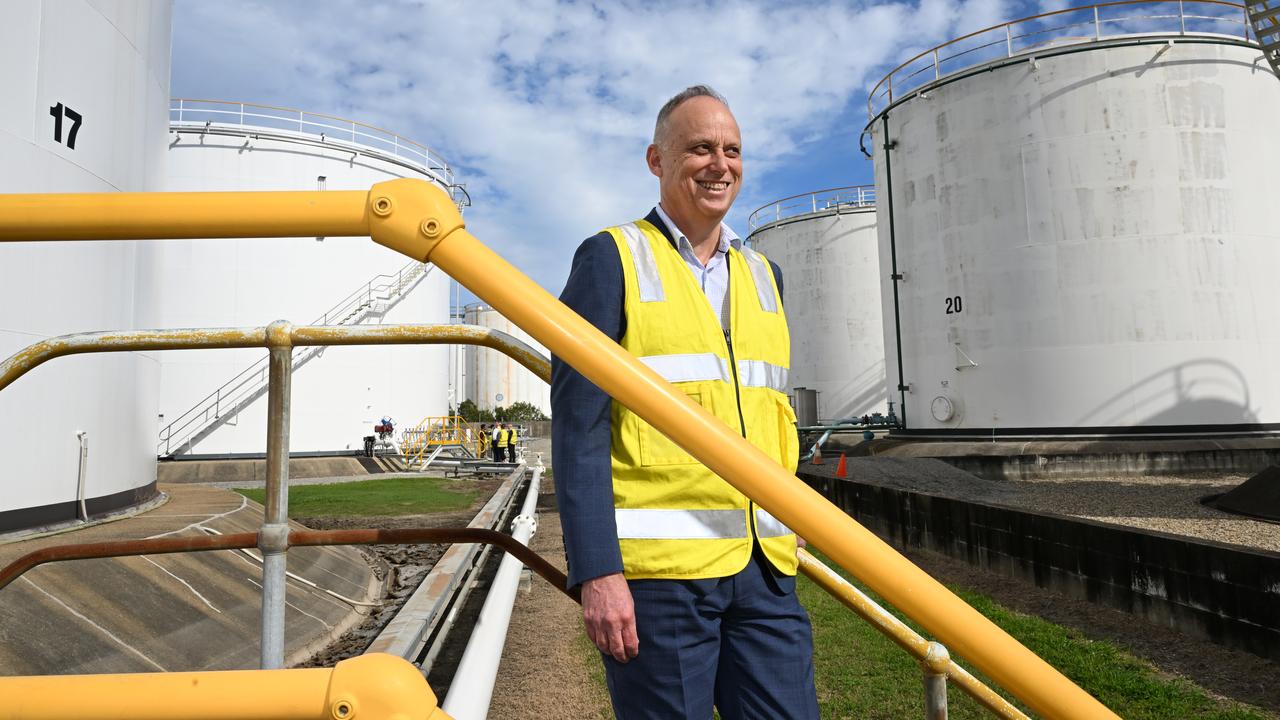
Viva Energy chief executive Scott Wyatt said the recent Middle East turmoil showed how quickly Australia could be squeezed when shipping was disrupted and demand surged.
“In the early days we had a lot of challenges ensuring supply and shoring up supply to the country,” he said on Monday.
“But to know where it was needed and how to get it there with the demand rush that was happening was critical.”
While Australia got through the crisis “in incredibly good shape”, the scramble to meet demand highlighted the importance of the transition to lower-carbon fuels, Mr Wyatt said.
“The transition is an important journey for us, but it’s going to be longer than we would like it to be,” he said.
“We’re a big believer in renewable fuels being part of that solution and the construction of this tank here at Pinkenba is a small but important part of beginning that journey for us.”
The Brisbane tank sits within a broader program that includes an SAF import facility in Victoria and projects at the Geelong refinery to process biogenic feedstocks in place of some crude oil, Mr Wyatt said.
“With the right policy settings from government we can potentially replace about a third of our crude oil with biogenic feedstocks, which is a meaningful step towards reducing the emissions of the hydrocarbon fuels that we process today,” he said.
At first glance the Pinkenba upgrade looks like “only a tank sitting amongst a number of other tanks”.
But restoring the vessel and setting up the processes to blend SAF into jet fuel and account for carbon reductions had been complex, Mr Wyatt said.
Brisbane Airport Corporation chief executive Gert‑Jan de Graaff said it was a significant and necessary step forward.
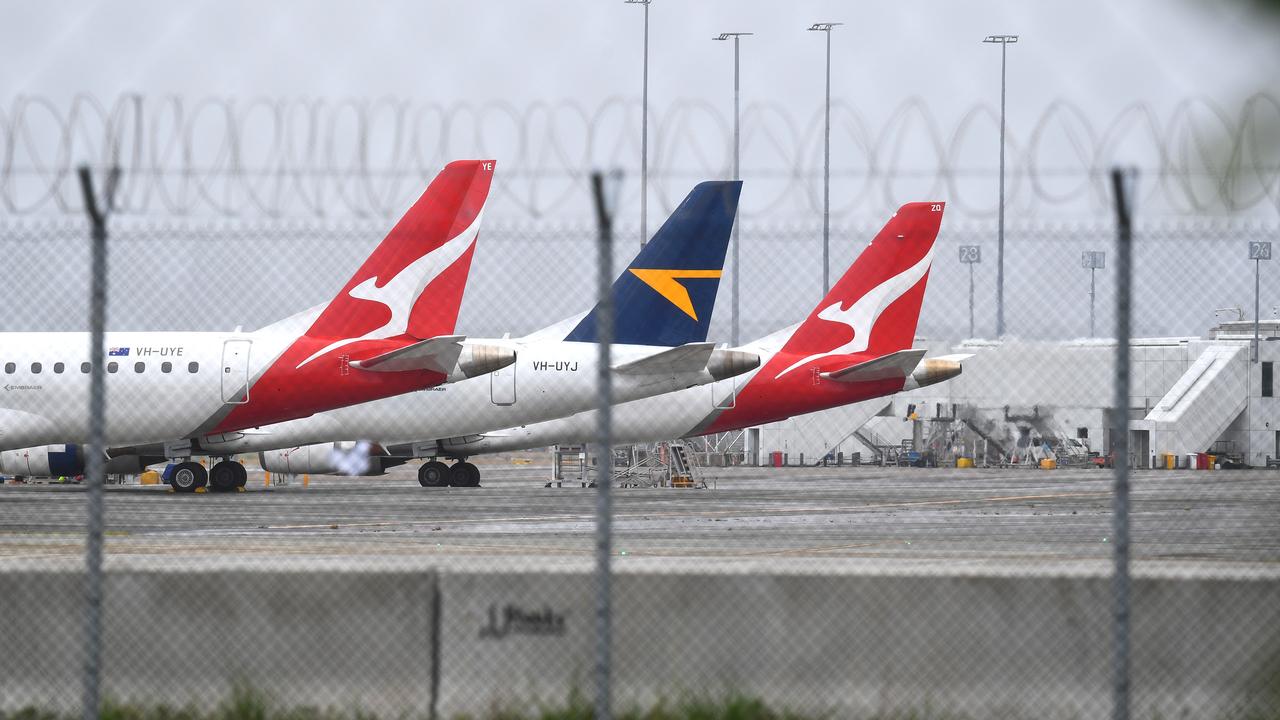
“The ability to distribute sustainable aviation fuels directly to all aircraft at Brisbane Airport is a game changer – not only for the airport, but also for the airlines and the passengers using this airport,” he said.
“There’s only so much you can do with hydrogen and with electrification of aircraft, and we’re dependent on this to keep Queensland, Brisbane, Australia connected to the world and to keep the internal state connected.”
Viva Energy has previously supplied SAF to the Royal Australian Air Force and to Virgin Australia flights from Proserpine, north Queensland.
It is commissioning another SAF blending and storage facility in Victoria.

Australian Associated Press is the beating heart of Australian news. AAP is Australia’s only independent national newswire and has been delivering accurate, reliable and fast news content to the media industry, government and corporate sector for 85 years. We keep Australia informed.