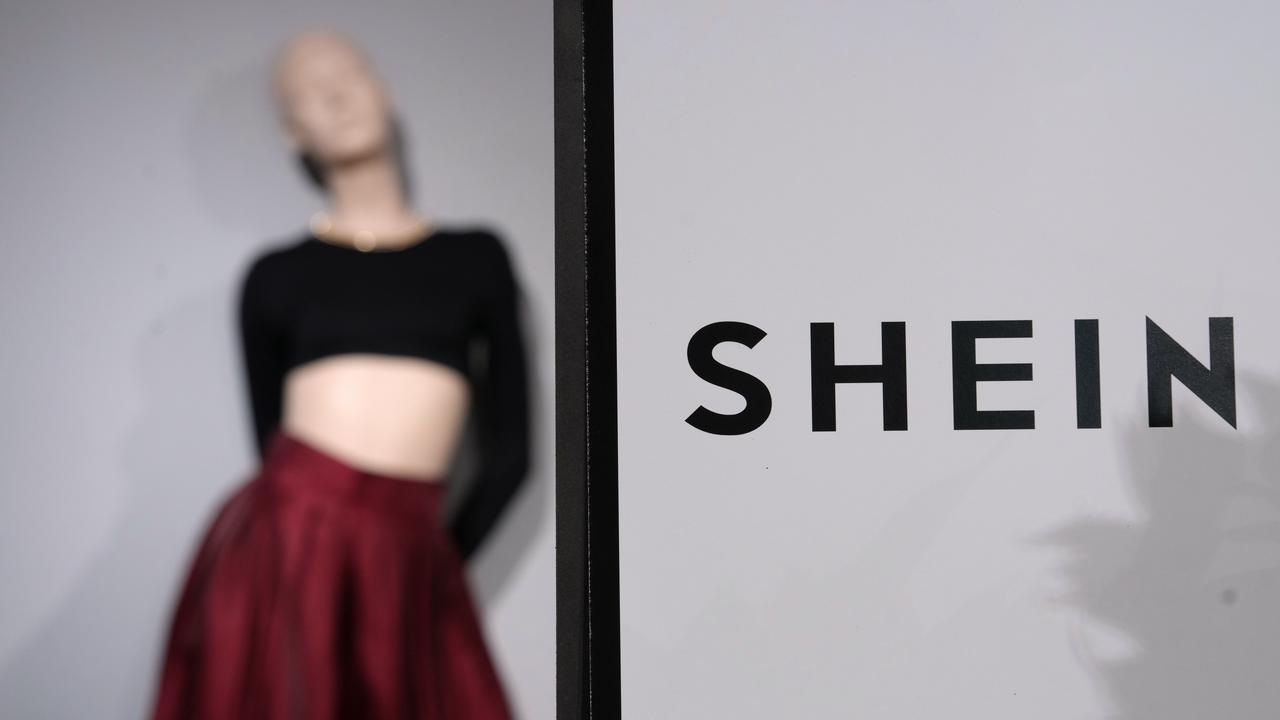
Everlane, the retailer that has bucked the fast-fashion industry by promising affordable ethically sourced and sustainable clothing, is being acquired by the king of fast-fashion Shein.
A letter to Everlane employees from their CEO Alfred Chang confirming the deal was obtained by the Associated Press on Friday.
Everlane, based in San Francisco, did not disclose a purchase price.
Chinese firm Shein declined to comment.
Everlane’s majority owner L Catterton could not be immediately reached for comment.
Everlane was founded in 2011 by Michael Preysman and Jesse Farmer with a mission to produce eco friendly and affordable clothing.
The company publicised regular audits of its pay and working conditions, as well as the brand’s environmental impact.
The online retailer opened its first physical store in 2017.
But the company in recent years has been embroiled in controversies surrounding treatment of its workers, according to media reports.
Everlane, which was joined by other eco-friendly brands like Allbirds, also found that offering a more transparent look at its factories was not enough for consumers, according to independent retail analyst Bruce Winder.
Winder said shoppers were also seeking more affordable prices, and “the novelty wore off”.
He cited Allbirds.
After sales of the once highly popular shoe tumbled, it rebranded itself NewBird AI and is now focused on artificial intelligence and cloud-computing services.
L Catterton began acquiring significant stakes in Everlane in September 2020, becoming its majority owner.
It also owns a significant stake in brands Boll & Branch, Etro and Birkenstock.
Preysman officially stepped down in 2022.
The online retailer Shein was founded in China in 2012 and become extremely popular with teens and young shoppers with $US15 ($A21) trendy dresses and sandals.
A majority of its items are mass produced and stitched together by workers in a web of factories in China.
It has moved its headquarters in Singapore.
“Like many brands, we’ve faced increasing pressure in a rapidly changing retail landscape,” Chang wrote in the letter.
“This partnership allows us to remain independent, and gives us the stability and resources to make a larger impact, without compromising on the quality and standards that make Everlane, Everlane.”
Chang, who became CEO in 2024, wrote that the deal will enable the business to invest more in its product, innovation and staff.
He emphasised that Everlane will remain an independent brand, staying true to its “sustainability” commitments.
Chang said he will continue as CEO and its leadership will remain in place.
The takeover bid arrives at a time when Everlane is struggling.
Sales are down and debt has mounted, according to Neil Saunders, managing director of GlobalData Retail.
The company needs new ownership to survive and Shein can provide that financial stability, he said.
Shein can establish a presence outside of fast fashion through Everlane, Saunders said, as growth within the industry becomes more difficult.
Winder noted that Shein also has an opportunity to redefine its brand by creating a portfolio of eco-friendly brands like Everlane.
But Everlane and Shein are an odd couple, analysts noted.
Shein is unlikely to completely retool Everlane’s supply network, Saunders said, but even being associated with the Shein group may be “somewhat jarring for core Everlane customers”.
“Ultimately, the deal likely saves Everlane,” he said.
“But that salvation comes at a price.”
Chang seemed to allude in his memo to some of the negative responses on social media when rumours of the deal were swirling, stating that the “past week has been a hard one. Seeing our company in the media, and in that light, was painful”.

Australian Associated Press is the beating heart of Australian news. AAP is Australia’s only independent national newswire and has been delivering accurate, reliable and fast news content to the media industry, government and corporate sector for 85 years. We keep Australia informed.