What did Wednesday’s economic growth figures tell us about the likely path of interest rates?
If financial markets are anything to go by, not much.
Yes, the Australian economy’s growth rate of 0.4 per cent in the September quarter was significantly lower than economist expectations of 0.7 per cent.
Immediately following the Australian Bureau of Statistics release, money markets slashed the prospects of a rate hike in 2026.
The Aussie dollar and bond yields fell in response.
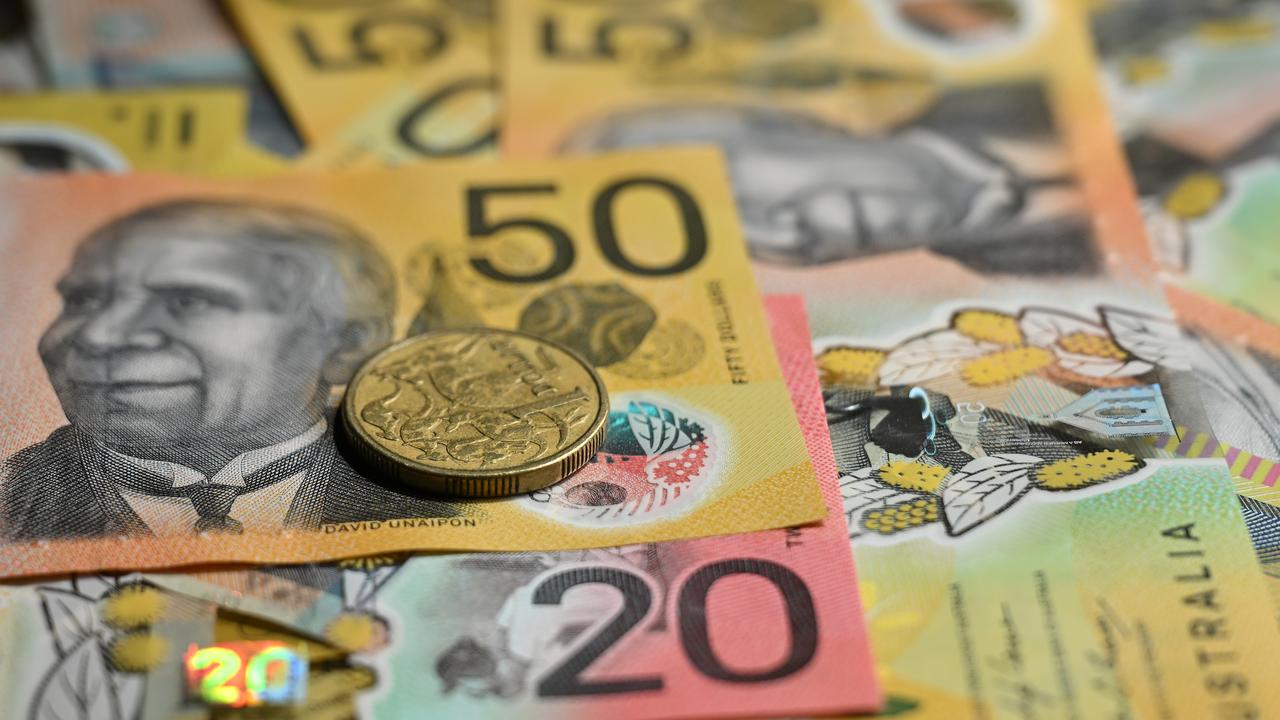
But diving into the details, the result was stronger than it appeared at first blush.
A sizeable hit to the figure came as firms ran down inventories to support exports, but that will support growth as companies replenish their stockpiles.
Overall, strong growth in domestic demand was consistent with an ongoing, gradual recovery in the economy, AMP chief economist Shane Oliver said.
“Which is good news in some ways, and at the same time you’ve got a bit of a pick-up in productivity occurring,” he told AAP.
After digesting the figures, the rates market settled back where it started, implying about an 85 per cent chance of a rate hike in 2026.
The pick-up in growth would do little to alleviate the Reserve Bank’s concern that the economy, growing at 2.1 per cent annually, was bumping up against its speed limit, Dr Oliver said.
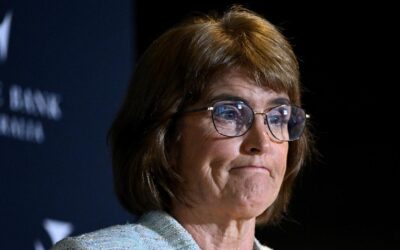
Earlier on Wednesday, RBA governor Michele Bullock conceded it was not yet clear whether the economy was at capacity but if the economy accelerated further, it could add to inflation.
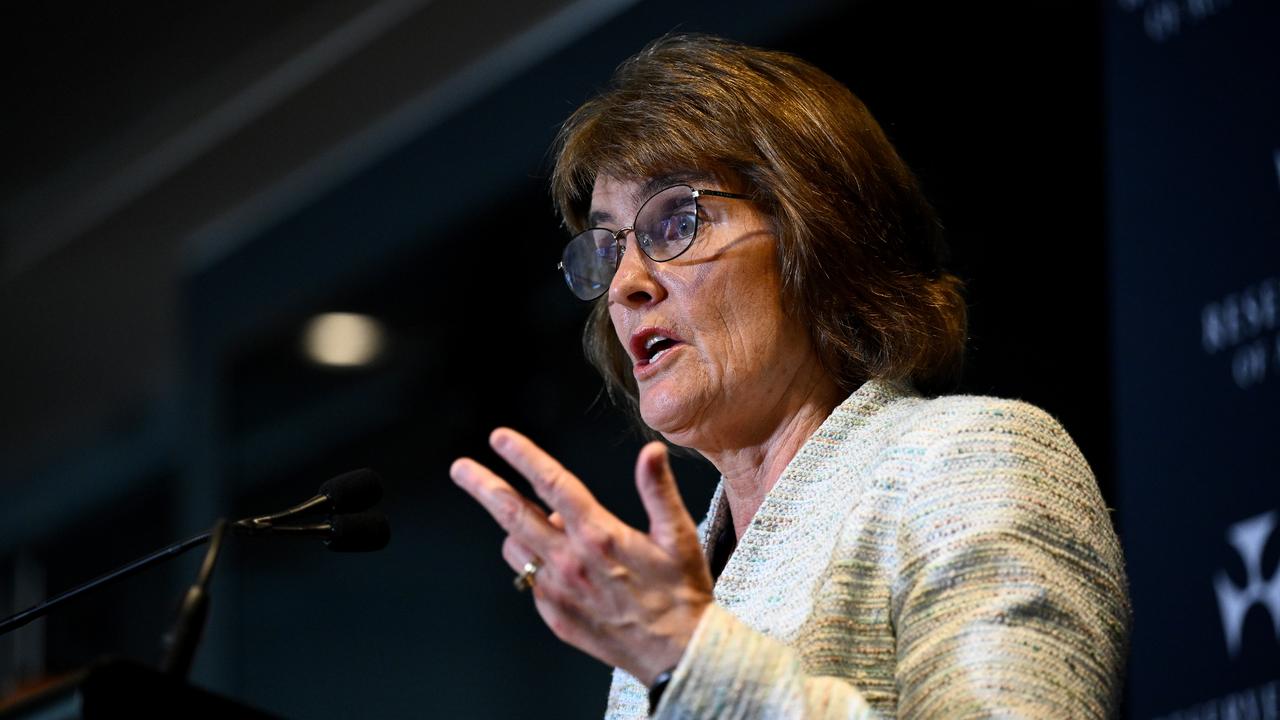
If inflation pressures persisted longer than previously thought, that would have implications for monetary policy, she told a Senate estimates hearing.
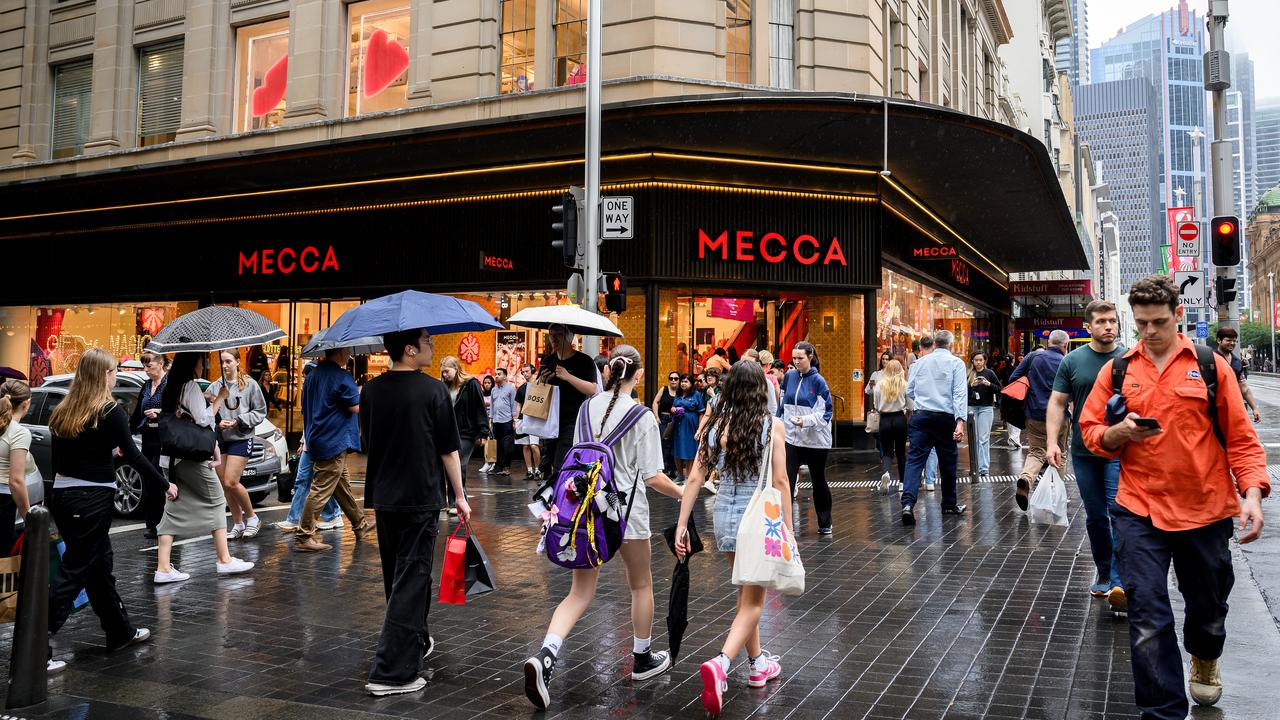
Pushing down the economy’s accelerator pedal has been a stronger-than-expected recovery in household consumption.
It rose 0.5 per cent in the September quarter, but that was partly reduced by smokers switching from over-the-counter tobacco to black market cigarettes. Offsetting this, consumption would have gained 0.6 per cent.
But it was still down from the 0.9 per cent rise in the June quarter, and a shift from discretionary spending to essentials indicated households were a little weary.
“Households remain cost conscious, delaying spending until sales events, such as Black Friday and Cyber Monday, which will likely feature in the December quarter data,” Commsec chief economist Ryan Felsman said.
Given talk around potential rate hikes next year, falling job vacancies, high debt levels and rising inflation, the consumer recovery was still quite fragile, Dr Oliver said.
“There are some threats to consumer spending so that’s why I think we need to be a little bit cautious about getting too excited here about the upswing,” he said.
“I think it’s wise for the Reserve Bank to remain a bit wary about considering rate hikes at this stage.”
Dr Oliver expects ABS data due to be released on Thursday will show household spending rose 0.4 per cent in October, a little below consensus forecasts of 0.6 per cent.

Australian Associated Press is the beating heart of Australian news. AAP is Australia’s only independent national newswire and has been delivering accurate, reliable and fast news content to the media industry, government and corporate sector for 85 years. We keep Australia informed.