

Backpackers, where the bloody hell are you?
The seasonal workers key to Australia’s tourism and agriculture sectors are leaving regional towns after the federal government’s decision to cap visas, an inquiry has been told.
Australian Tourism Industry Council board member Evan Hall said uncertainty around changes to the working holiday visa program was making it harder for regional and rural operators to find staff.
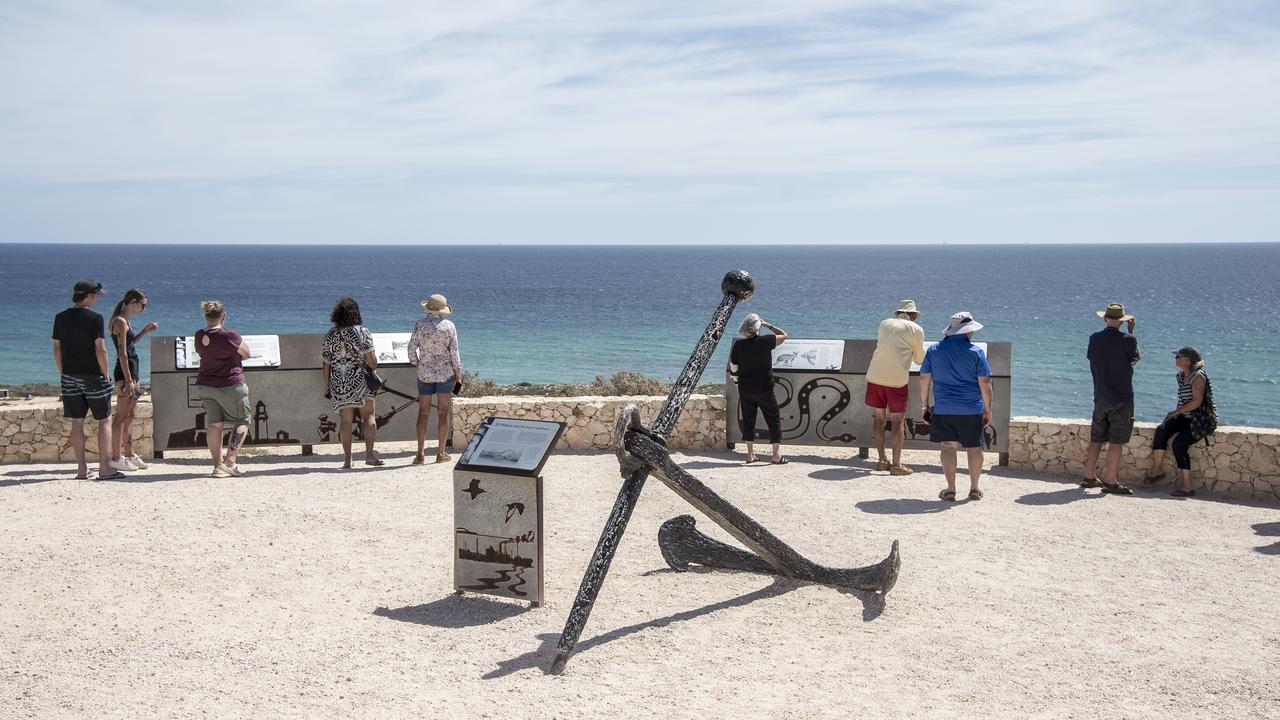
Exmouth, in Western Australia, was fearing the loss of young international workers who were critical for tourism in the whale shark season, Mr Hall said.
Backpackers, mostly from France and Germany, also helped the town of 2000 on the UNESCO World Heritage-listed Ningaloo coast clean-up after Cyclone Narelle in March.
“We are facing a policy disaster on the same scale as a natural disaster, as a cyclone,” Mr Hall told a federal inquiry into regional growth in Canberra on Thursday.
“It is deeply concerning and we’d really like that uncertainty addressed very soon.”
Home Affairs Minister Tony Burke announced changes to be rolled out during the next year, reducing the cap on second-year visas from 57,000 to 45,000 and cutting third-year visas from 31,000 to 5000.
Backpackers will enter a ballot for the chance to remain in Australia for more than a year, meaning there will be about 38,000 fewer second and third-year backpackers than in 2026.

The Working Holiday Maker Program typically granted backpackers a second or third visa if they worked in regional, rural and remote industries for at least three months.
Travellers who were already working when the announcement was made in September no longer feel obliged to stay in regional and rural areas, Mr Hall said.
“It’s been a fundamental deal that Australia has offered working holiday makers to attract them: do this amazing work and you will get to have a longer holiday in Australia.
“We’re in a situation where there’s a lot of backpackers who are now saying … there’s been a broken promise.”
Mr Hall said travel agents who link backpackers with regional work have also started advising travellers not to come to Australia.
The sector had productive talks with the minister’s office, but clarity was urgently needed, he said.
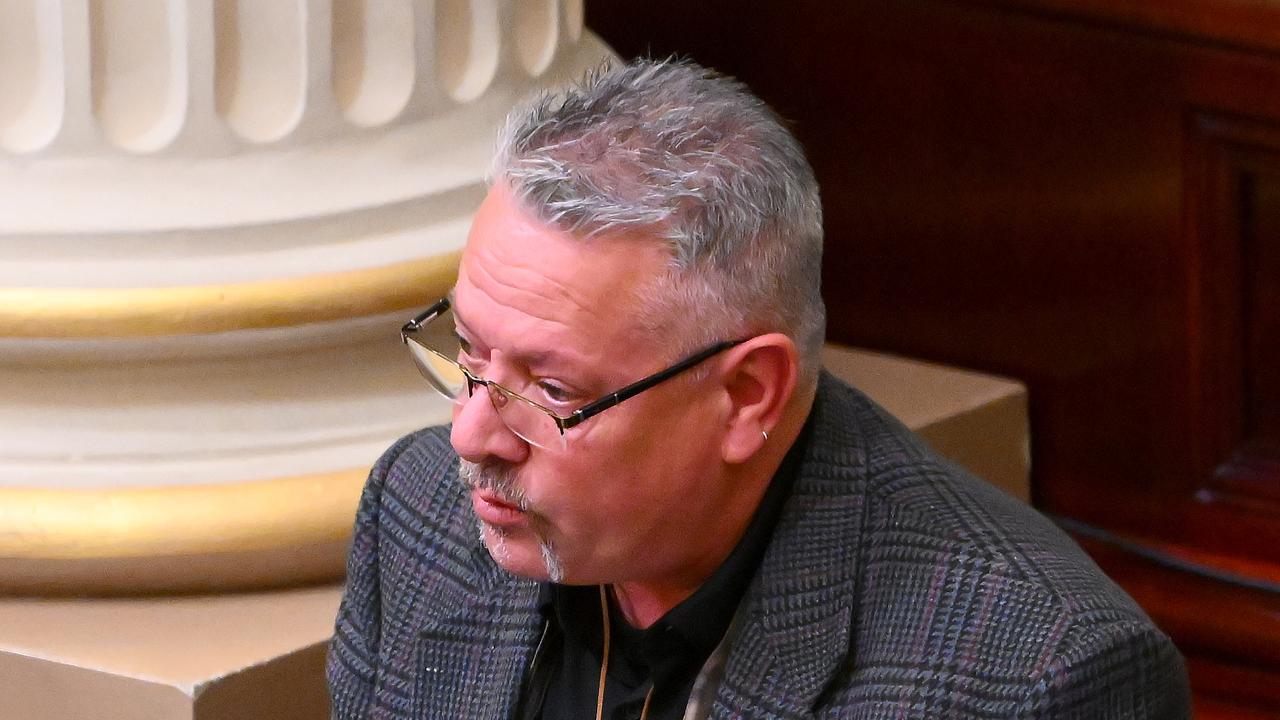
The joint committee inquiry is examining sustainable growth in regional areas.
Rodney Carter, interim director of the Mabo Centre and advocate for Indigenous rights and recognition, said traditional Aboriginal knowledge and growing practices could help agriculture businesses operate on a larger scale.
But First Nations ventures were often encouraged to remain “boutique” offerings, Professor Carter said.
“What happens when things are at boutique scale? We’ll see other people globally in a much easier position steal what we’ve got here.”

Australian Associated Press is the beating heart of Australian news. AAP is Australia’s only independent national newswire and has been delivering accurate, reliable and fast news content to the media industry, government and corporate sector for 85 years. We keep Australia informed.