The ageing Whyalla blast furnace was doomed to close, but timing is to blame for the hundreds of job losses it implies, the South Australian premier claims.
Peter Malinauskas also told ABC Radio National on Tuesday he was unable to state how much taxpayers have spent trying to keep the ageing blast furnace operating.
The facility, which has been offline since April, was permanently shut down in a surprise announcement on Monday, with more than 500 jobs lost.
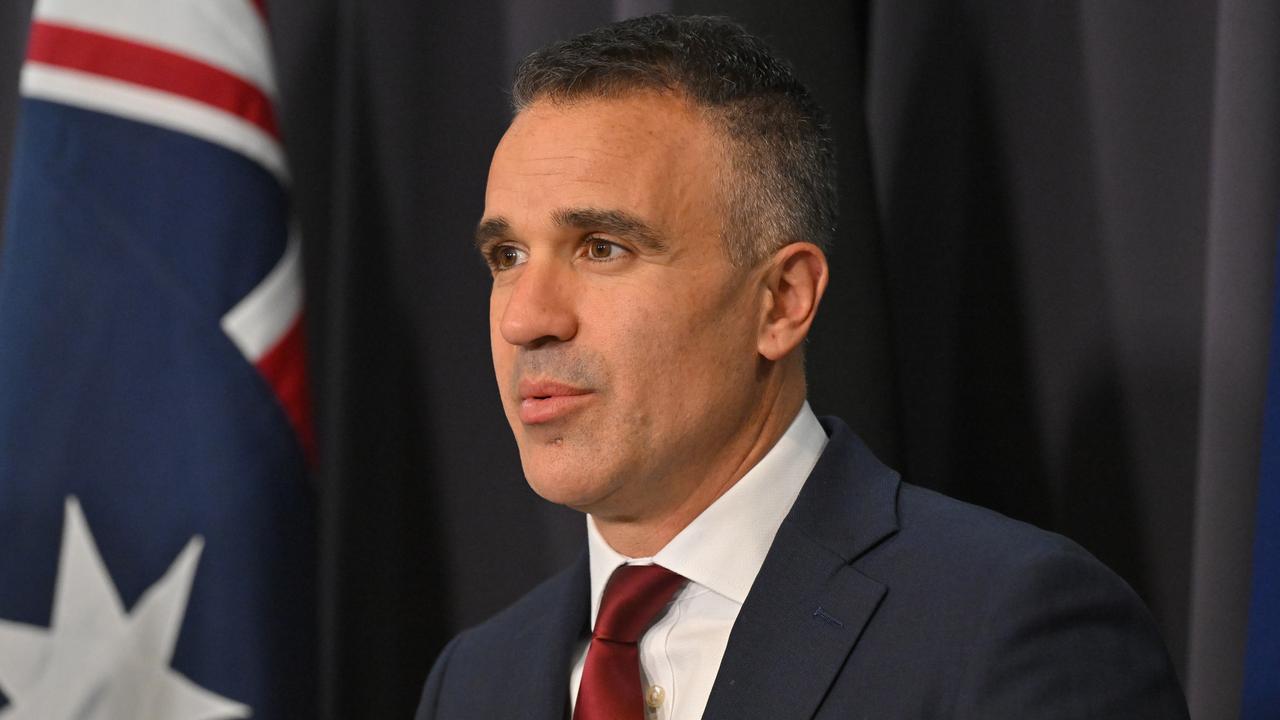
Mr Malinauskas said he had hoped the blast furnace could have continued to operate until a sale was secured and new technology installed.
But the furnace, which was first commissioned in the 1960s, was already living on borrowed time.
“Ideally, that closure would have happened later … but alas, that wasn’t able to be achieved,” he told the program.
“Timing is the issue here.”
The South Australian and federal governments have provided support to keep the site running since it entered administration in 2025.
Pressed on how much of the $2.4 billion support package was spent on keeping the blast furnace operational, Mr Malinauskas could not say.
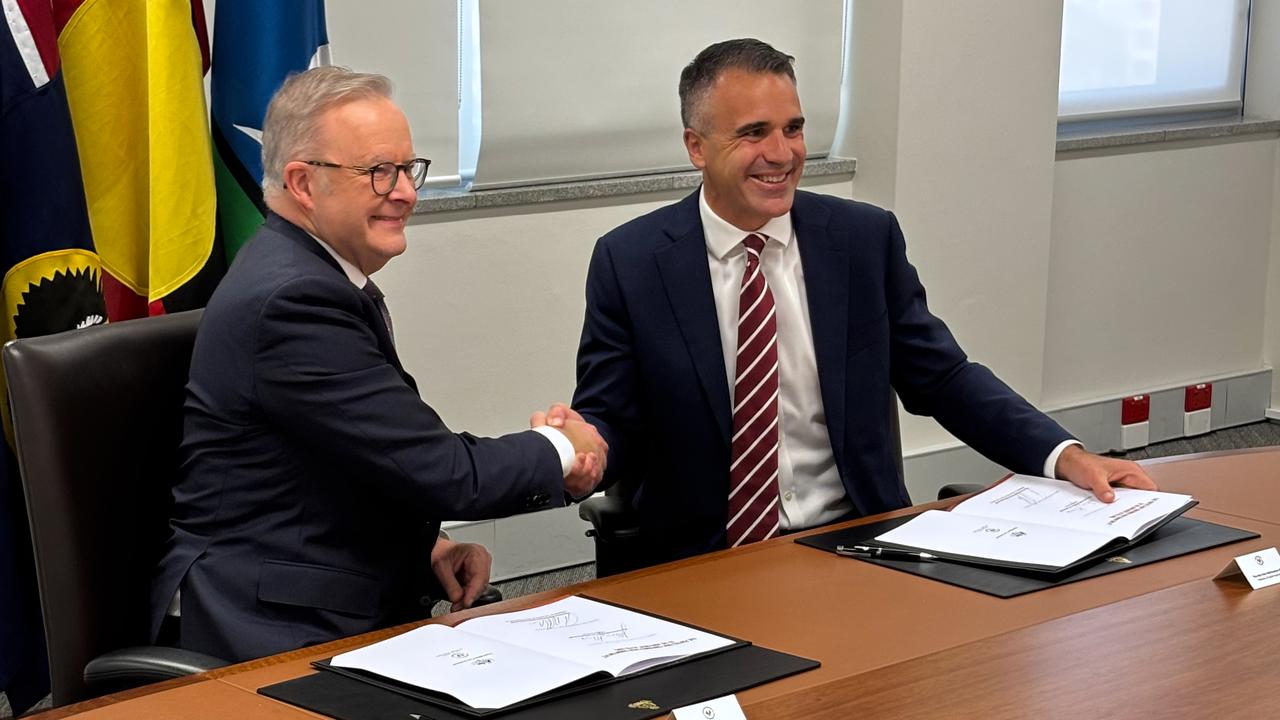
Federal industry minister Tim Ayers told the program it would have included “many millions of dollars” including workers’ wages.
But calculating the precise figure was difficult given it formed just one element of a broader funding package, he said.
“We are not in a position today to put a dollar figure,” he said.
He also pushed back on the coalition’s claims the closure was the result of energy policy, instead shifting the blame to its former owner.
“It’s got everything to do with the previous owner who has underinvested in that facility,” he said.
Whyalla is one of two Australian primary steelworks and the only local manufacturer of long products, including hot rolled structural steel sections and rail.
Negotiations are ongoing to find a new owner for the site, with the final two bidders Matt Latimore’s M Resources and India’s third-largest steelmaker Jindal Steel.
The sale is expected to be finalised by the end of 2026.
Mr Malinauskas insisted the closure of the blast furnace would not affect the sale, given any new buyer would have intended to turn it off.
Neither would the loss of the furnace undermine the goal of retaining steelmaking at Whyalla, he said.
“This is where we make our structural steel as a nation,” he said, claiming the capability was important to Australia’s sovereignty.
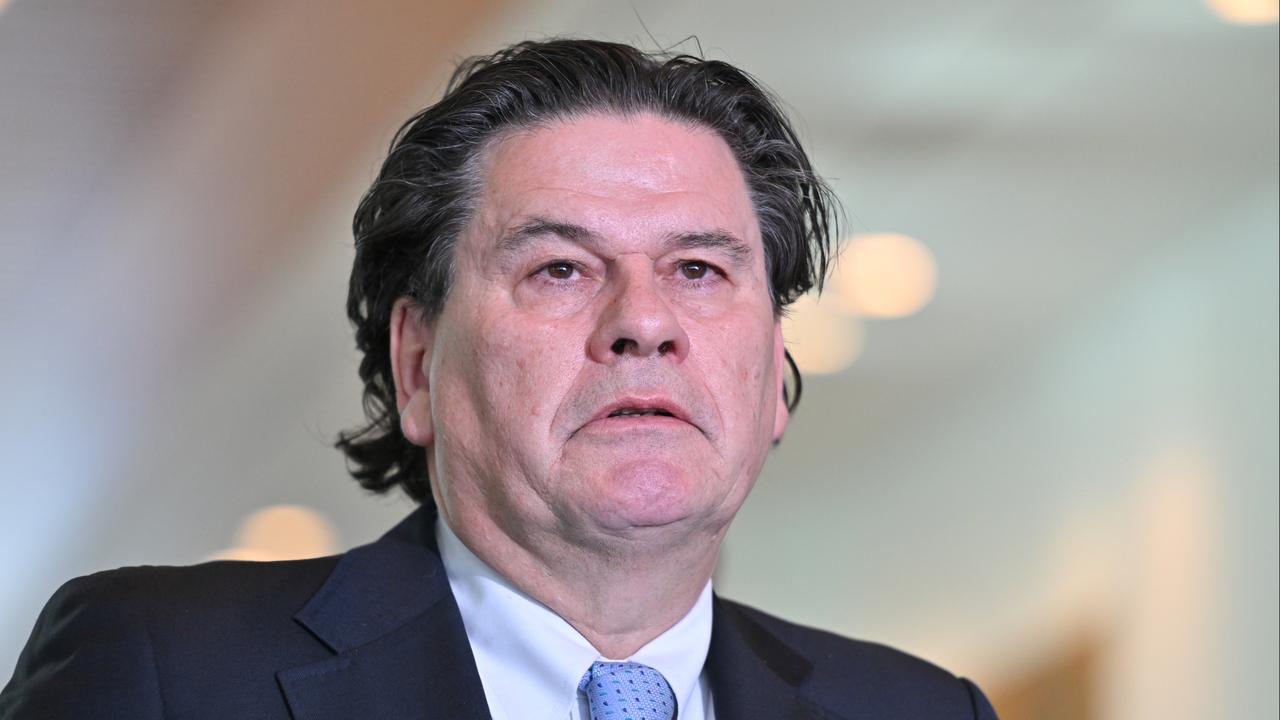
Australian Industry Group chief executive Inness Willox agreed steelmaking was critical to core capabilities but said the site’s history was a case study in the limits of government-subsidised industry.
“Industry doesn’t want and shouldn’t rely on … subsidies and props from government,” he told the program.
“It wants government policy that enables it to succeed.”

Australian Associated Press is the beating heart of Australian news. AAP is Australia’s only independent national newswire and has been delivering accurate, reliable and fast news content to the media industry, government and corporate sector for 85 years. We keep Australia informed.