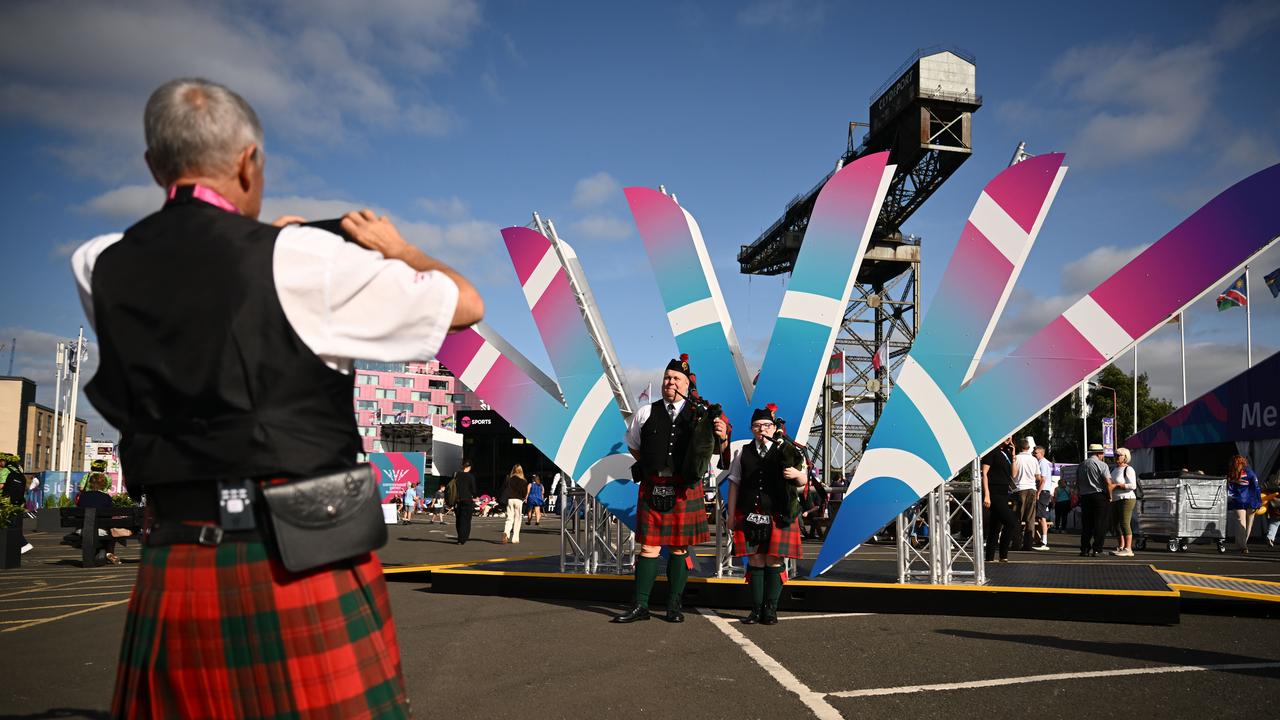

Scotland enjoyed a $426 million economic boost by taking the 2026 Commonwealth Games from a debt-riddled Victoria.
The scaled-back Glasgow Games were delivered under budget for $303 million, three quarters of which Victorian taxpayers paid for after the state was forced to cough up a major settlement fee for leaving the Games without a host in July 2023.
By comparison, Scottish taxpayers spent just one per cent of the final bill for site activities and securities, but no public funding was required for sporting competition, according the Glasgow 2026 Commonwealth Games Impact Evaluation report released on Monday.
Victoria’s controversial withdrawal from the July 2026 Games, 15 months after signing host contracts, cost taxpayers more than $589 million, according to the Victorian Auditor General’s Office (VAGO), of which $380 million went to the Games Federation.
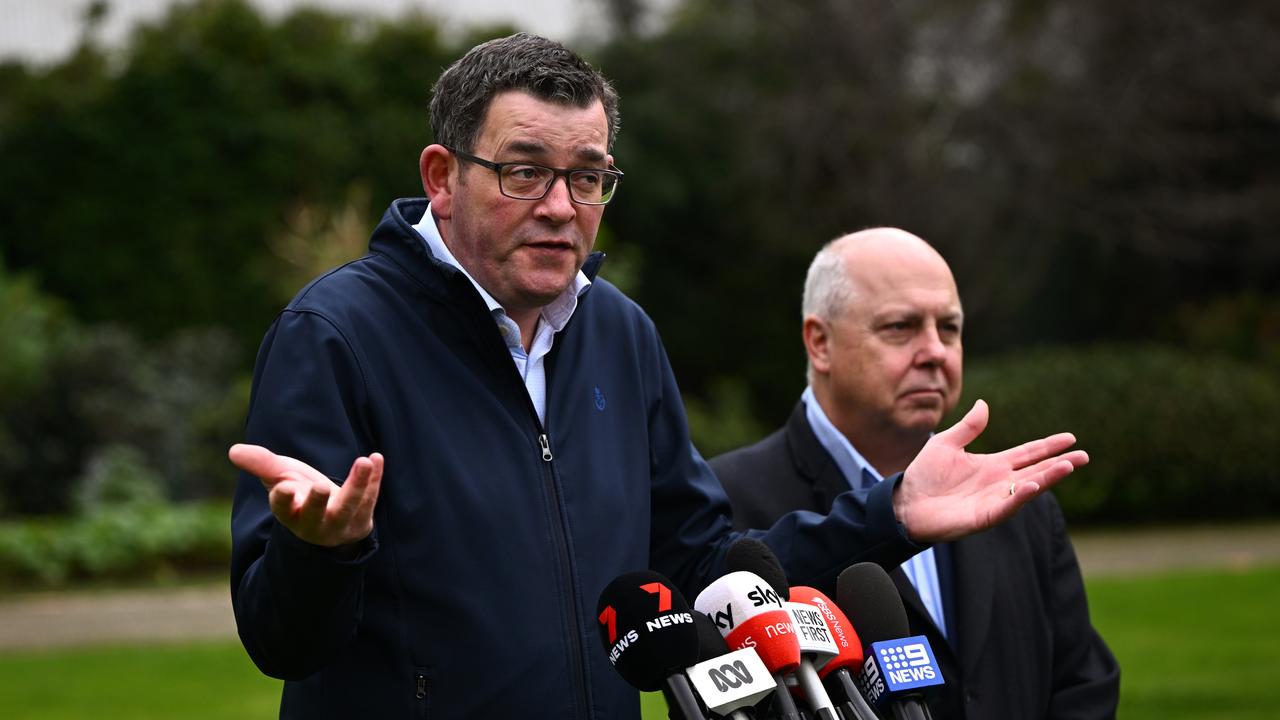
Then-premier Daniel Andrews cited cost blowouts reaching at least $6 billion for cancelling the regionally hosted sporting event, which was slated to highlight smaller cities including Geelong, Ballarat, Bendigo, Latrobe and Shepparton.
“We were pleased to be asked to host the 2026 Commonwealth Games – but not at any price. I think all Victorians would agree that more than $6 billion is just too much,” Mr Andrews said at the time.
A VAGO report later found that estimate was overstated and did not transparently disclose $1 billion in contingency allowances.
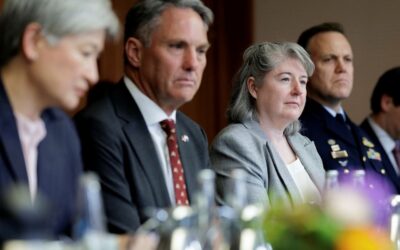
Commonwealth Games Australia chief Craig Phillips took aim at Victoria while congratulating his Scottish counterparts on their clear plan to re-imagine the Games and lean into existing infrastructure.
“The economic results we’ve seen through Glasgow 2026 are a testament to the Organising Company and Commonwealth Games Scotland,” Phillips said.
“A cost-ineffective Games only happens when the host is ineffective in designing and delivering a solution that capitalises on their strengths, including people and venues.”
The Games created 2400 full time jobs for Scotland and added $223 million gross value to the country’s economy, with international visitors staying an average 10 nights as part of their visit.
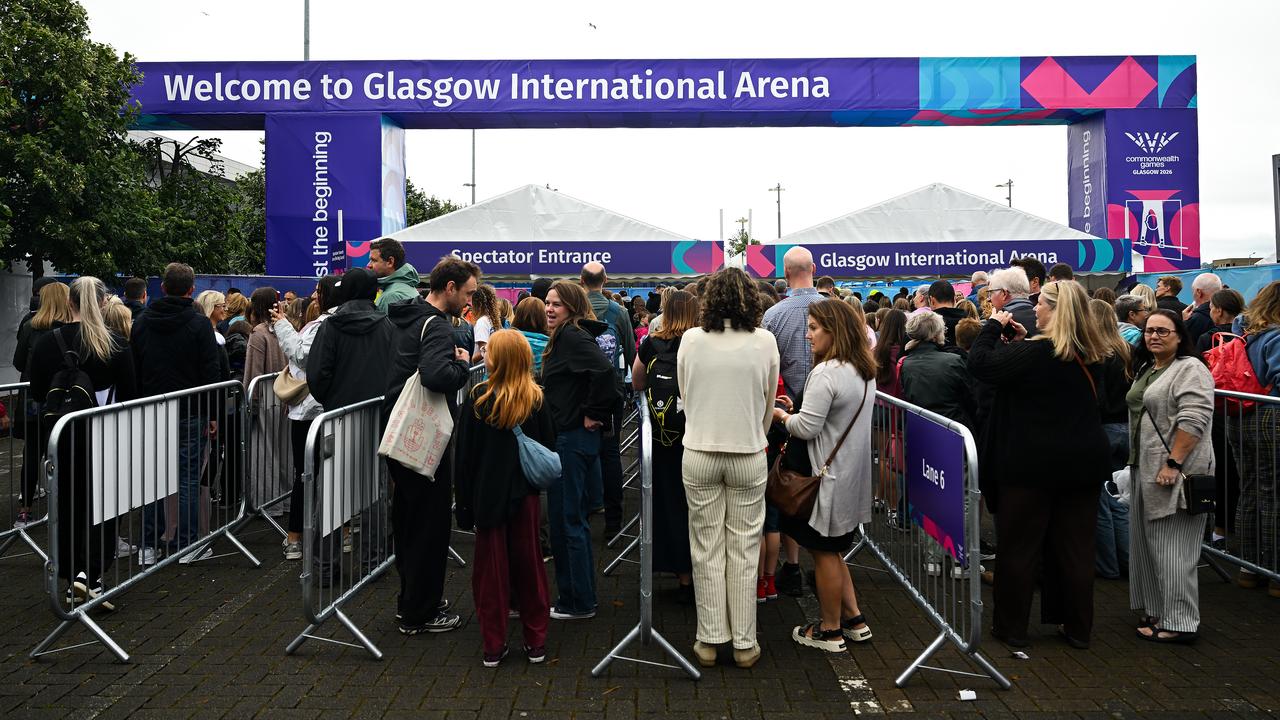
The Glasgow Games were viewed by 501 million people in 166 territories.
Spectators purchased more than 440,000 tickets across the 11 days of competition, including 185,000 visitors who spent more than $102 million in the host city.
More than 2700 athletes from 74 nations and territories competed across 10 sports, which garnered six world records.
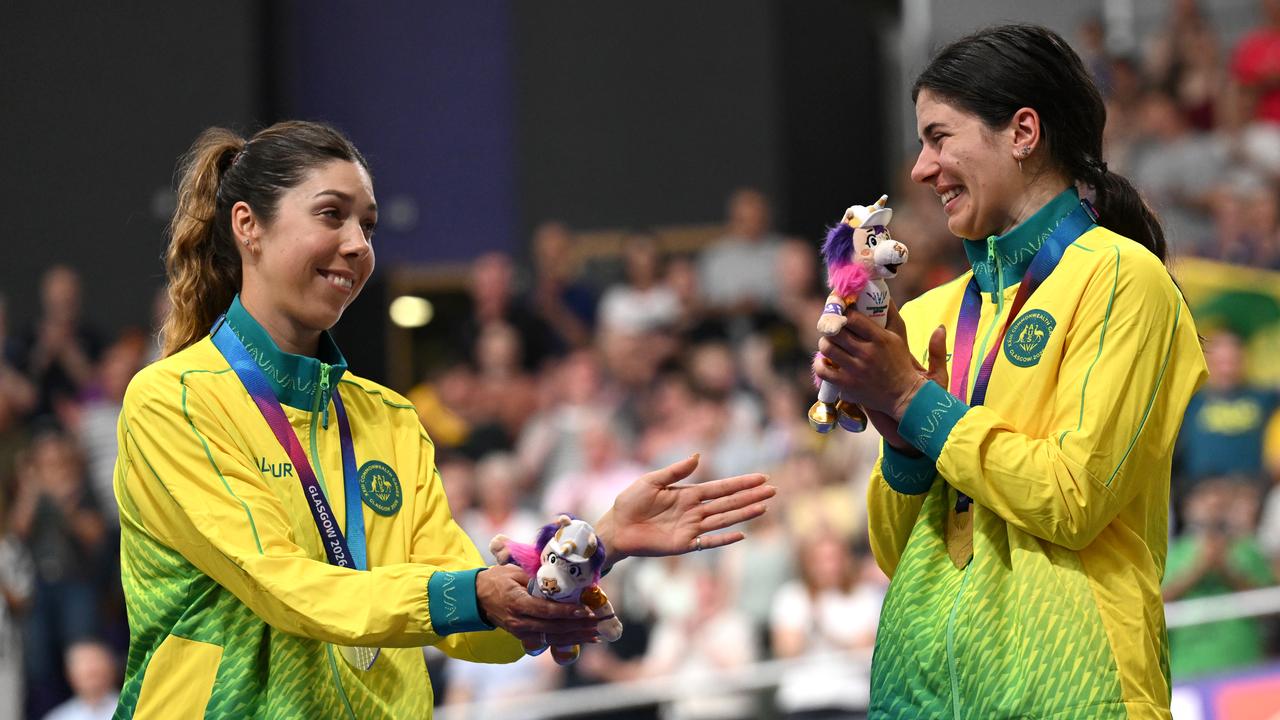
Australia dominated, topping the medal table with 70 gold, 45 silver, and 56 bronze medals.

Australian Associated Press is the beating heart of Australian news. AAP is Australia’s only independent national newswire and has been delivering accurate, reliable and fast news content to the media industry, government and corporate sector for 85 years. We keep Australia informed.