
Australian workers and industries risk becoming “hostages to the algorithm” without guardrails to deal with the rise of artificial intelligence.
Transport Workers’ Union national secretary Michael Kaine has issued a dire warning to a federal parliamentary inquiry on AI about potential fatalities if motorists take a back seat to driverless vehicles.
“Would you want an oil tanker, which is essentially a mobile bomb, careening up and down our highways?” he said.
“It is frightening beyond belief … and quite frankly scandalous.”

He said technology giants were “fattening up their bottom line” at the expense of road safety.
The union found strong community discontent with driverless vehicles in a poll it commissioned in May.
Seven in 10 of the 1506 people surveyed were opposed to fully automated taxis and trucks on Australian roads.
Mr Kaine said fatigue was also a crippling factor across the road and aviation transport industries, with AI data demanding maximum productivity beyond regulated shift work.
“It is something that could kill people,” he said.
“Workers are panicking because they now have invisible managers … that are surveilling them, that are holding them to account, that are disciplining them and that is a workplace health and safety issue.”
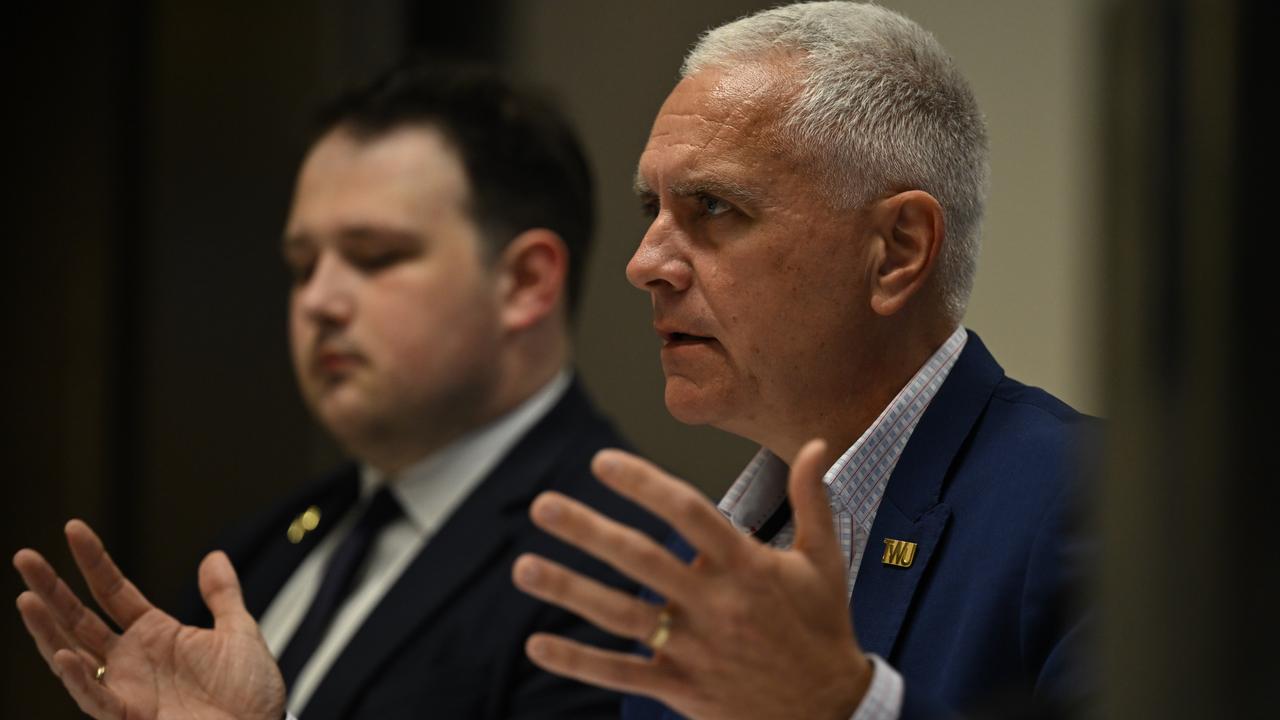
Labor senator Tony Sheldon told the inquiry AI technology users were being “held hostage to the algorithm”.
For National Farmers Federation general manager Michael Pyres, innovation is being encouraged through rapidly evolving tools yet this need not erode the protections of the workers using them.
“We need to put people at the centre,” he told the inquiry on Wednesday.
“AI should not be a substitute for appropriate and accountable management of fair treatment of work.”
Australian software giant Atlassian argues that regulations need to reflect how AI would transform organisations and people operating in an evolving global economy.
“We believe law and regulation, designed carefully, can be a ‘force multiplier’ for trust … in new industries and technologies, and encouraging their adoption in a way that brings the most benefit to us all,” it said in its submission.

In the knowledge economy, hundreds of academic and administrative staff have been axed in recent years as higher education moves toward automating everything from curriculum design to student enrolments.
The National Tertiary Education Union said it was locked in a dispute with RMIT in Victoria over an AI program that automatically assesses student enrolments and potentially undercuts 40 staff who oversee admissions.
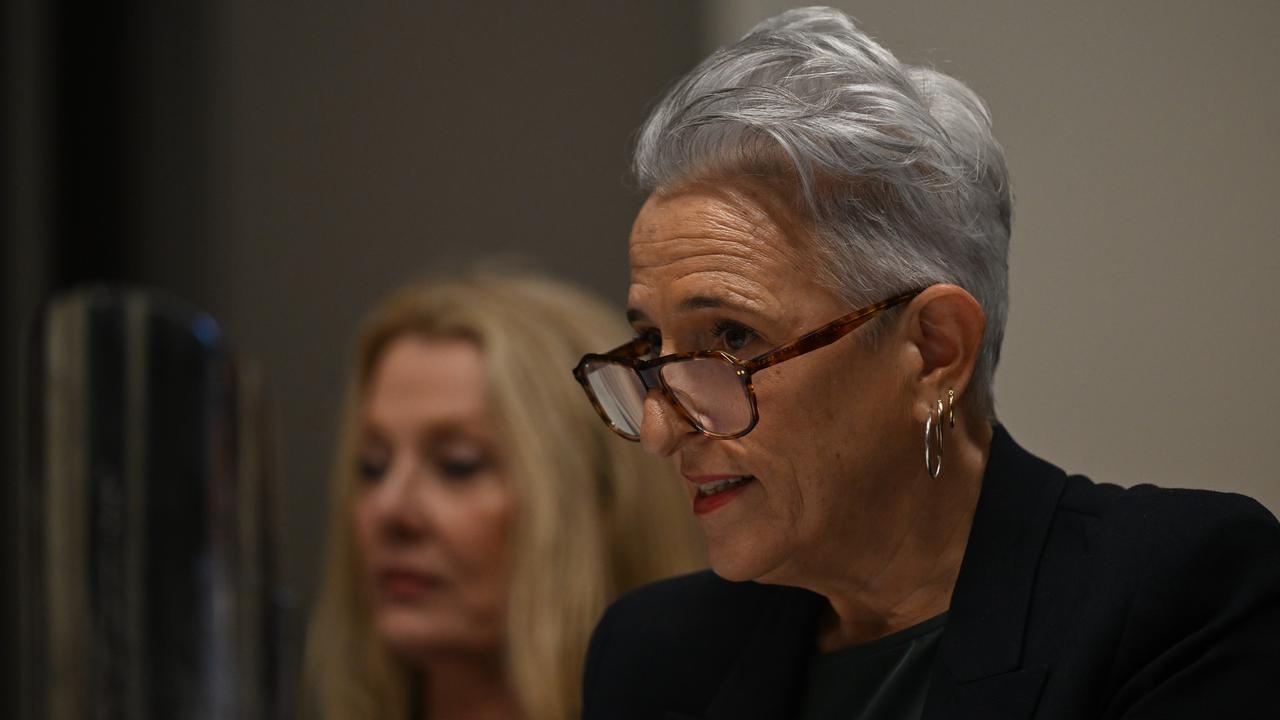
“AI completely takes the human out of the core of the equation,” the union’s Gabe Gooding told the committee on Thursday.
“People’s jobs are radically going to be changed and there is no consultation with them at all,” she said.
The creative arts industry has also been impacted, with several award-winning authors fronting the probe.
In an impassioned plea to the committee, Booker Prize shortlisted author Charlotte Wood said copyright protections had to be embedded to prevent the proliferation of “slop-spewing robots” extracting words from writers.
“If they want our labour, they must pay for it,” she told the inquiry.
“Unregulated AI companies are causing untold human misery across the globe and here in Australia … and we’ve seen this week political violence,” Ms Wood said, referring to the alleged targeted attack on independent MP Helen Haines.
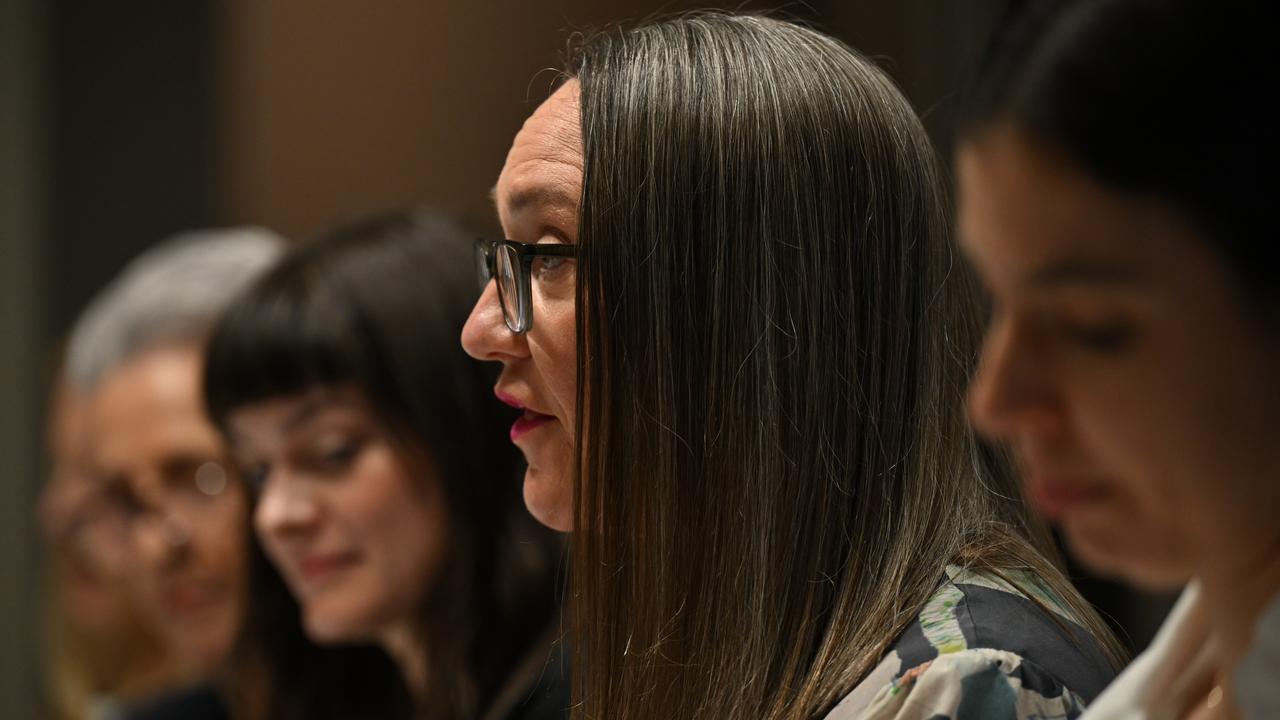
Book publisher Hachette’s Australian head Louise Stark informed the committee its American arm was suing Google in the US for wilfully stealing content from its authors to train its AI model Gemini.
She noted writers and publishers had lodged about 150 lawsuits against Meta and Anthropic.
“The theft was encouraged by these companies, which is why we’re really struggling to trust them on anything that weakens our copyright law,” she said.

Australian Associated Press is the beating heart of Australian news. AAP is Australia’s only independent national newswire and has been delivering accurate, reliable and fast news content to the media industry, government and corporate sector for 85 years. We keep Australia informed.