
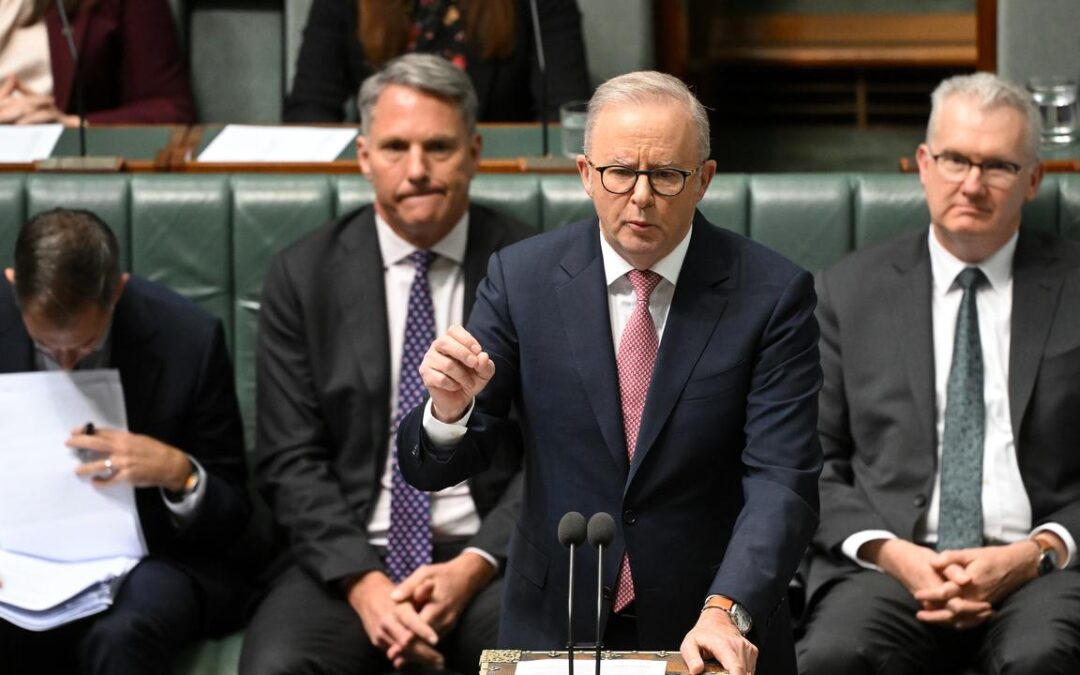
‘Need to do more’: PM pleads case for budget tax change
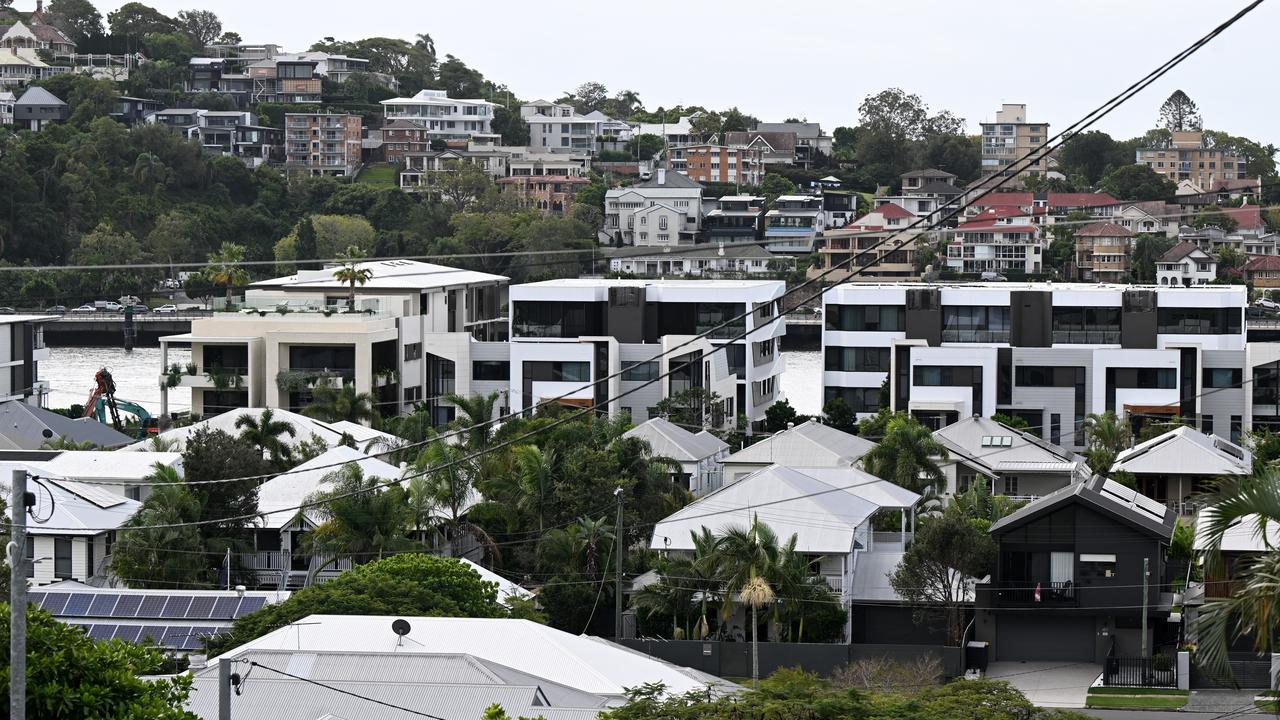
First home buyer programs are not enough on their own to get more people purchasing their own property, the prime minister says, shrugging off calls to hit pause on contentious tax changes.
Federal parliament is continuing to debate looming tax changes that would limit negative gearing to new properties from July 2027, as well as axe a 50 per cent discount on capital gains tax to a rate tied to inflation.
The government has said the changes would help to get 75,000 more people into their first home within a decade.
Anthony Albanese said the measures were necessary, despite resistance from the coalition and business groups, because previous approaches to increasing home ownership were not enough by themselves.
“We know also that we needed to do more. We need to do more, because in spite of all of those programs we still were not doing enough,” he told parliament on Wednesday.
“Too many young people will tell the story of turning up to an auction on a Saturday and simply being outbid by someone who has a partner at that auction, an investor, and the partner is every Australian taxpayer.
“If they’re in a bidding war at an auction, the investor knows that if they go for $20,000 more then that’s running off their tax, if they’re going to negatively gear that property, something that’s not available to the first home buyer.”
Parliament is set to sit into the night to debate the changes, ahead of a vote in the lower house on Thursday.
While the laws will have passage through the House of Representatives, the future of the legislation remains unclear due to the coalition promising to vote against it and the Greens yet to signal whether they will back the measures.
A short Senate inquiry will be held later in June on the tax measures before it gets sent to the upper house for debate.
Independent MP Allegra Spender said the changes were being raced through parliament too quickly.
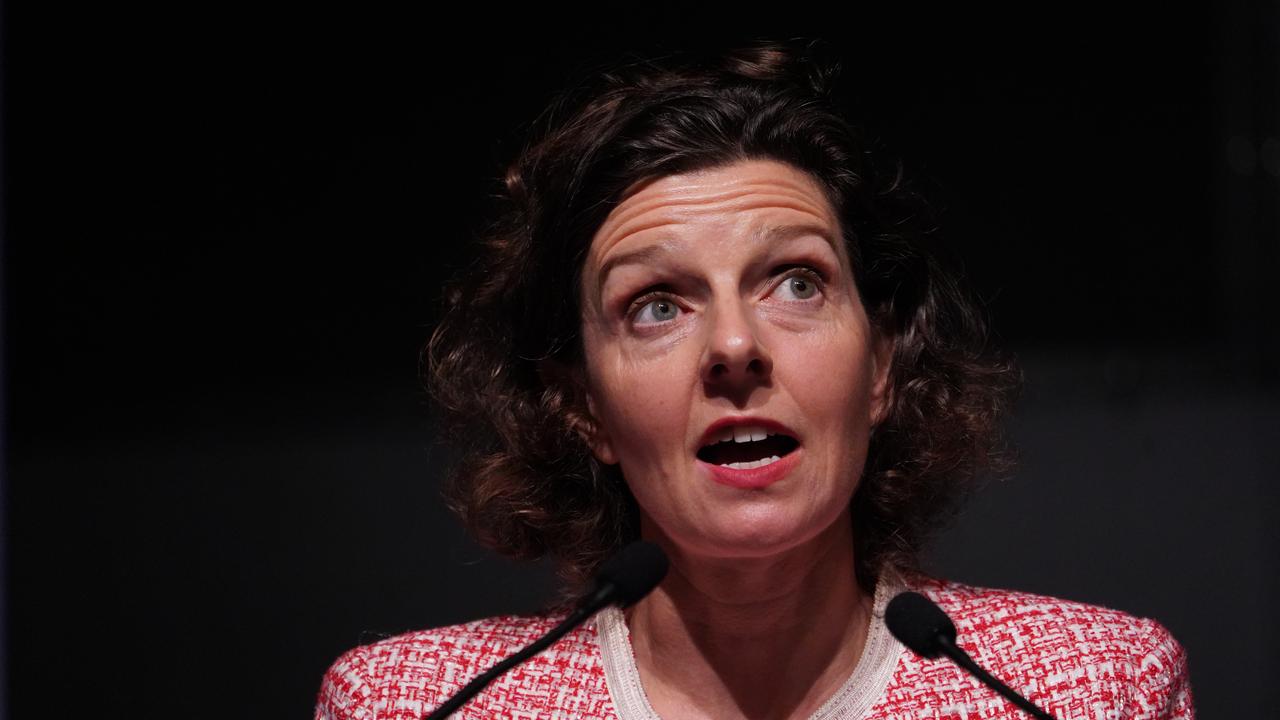
“It should not be rushed through like this. The government can’t say on the one side that this is some of the most significant tax reform in 25 years and then push it through the parliament as it is doing at the moment,” she told Sky News.
“Pause, take a breath, look at the model they’ve chosen, and take a look at other models.”
Treasurer Jim Chalmers sought to allay fears the measures would cause further impact to the budget bottom line.
“The Treasury’s forecasts in the budget are for the economy to continue to grow, obviously subject to developments, particularly in the Middle East,” he told reporters in Canberra.

New data lights up enormity of tobacco black market
Four in five vapes and cigarettes consumed in Australia were bought on the black market, up from 12 per cent less than a decade earlier, according to new official estimates.
The data, released by the Australian Bureau of Statistics on Wednesday, painted a much more sobering picture of the scale of the problem compared to the government’s hand-picked Illicit Tobacco and E-cigarette Commissioner.
In her 2025 annual report, commissioner Amber Shuhyta estimated illicit tobacco comprised 50-60 per cent of the total market.

Between 2017 and 2025, the black market share of total nicotine consumption climbed from 12 per cent to 80 per cent, the ABS said.
The quantity of total nicotine consumed increased by 40 per cent, while the population only increased by 14 per cent over the same period.
Legal tobacco consumption fell to less than a third of the 2017 level.
Economists argue decisions by successive governments to ratchet up the tobacco excise – which increase 112 per cent between 2017 and 2025 – has created a massive profit incentive for organised criminals to develop a thriving black market.
Assistant Customs Minister Julian Hill said while the ABS’s new data was experimental, its conclusions broadly reflected the illicit tobacco commissioner’s report.
The ABS used wastewater sampling to analyse quantities of nicotine excreted through the sewerage system and compared it to changes in over-the-counter sales from supermarket scanner and tax data.
But this method also captures usage of other products, such as nicotine pouches and quit-aid products like patches and gum.
Mr Hill said increased enforcement measures before, at and after the border were having an effect on the illicit tobacco trade.
“While the government has always acknowledged that the illicit trade might grow before it declines, there is very early evidence suggesting that in states such as Queensland, with strong closure powers and landlord penalties, nicotine users return to the legal market when the sleazy illegal shops have been forced shut,” he said in a statement.
More than 2.6 billion cigarettes were seized in the last financial year – a 320 per cent increase on the number seized four years ago.
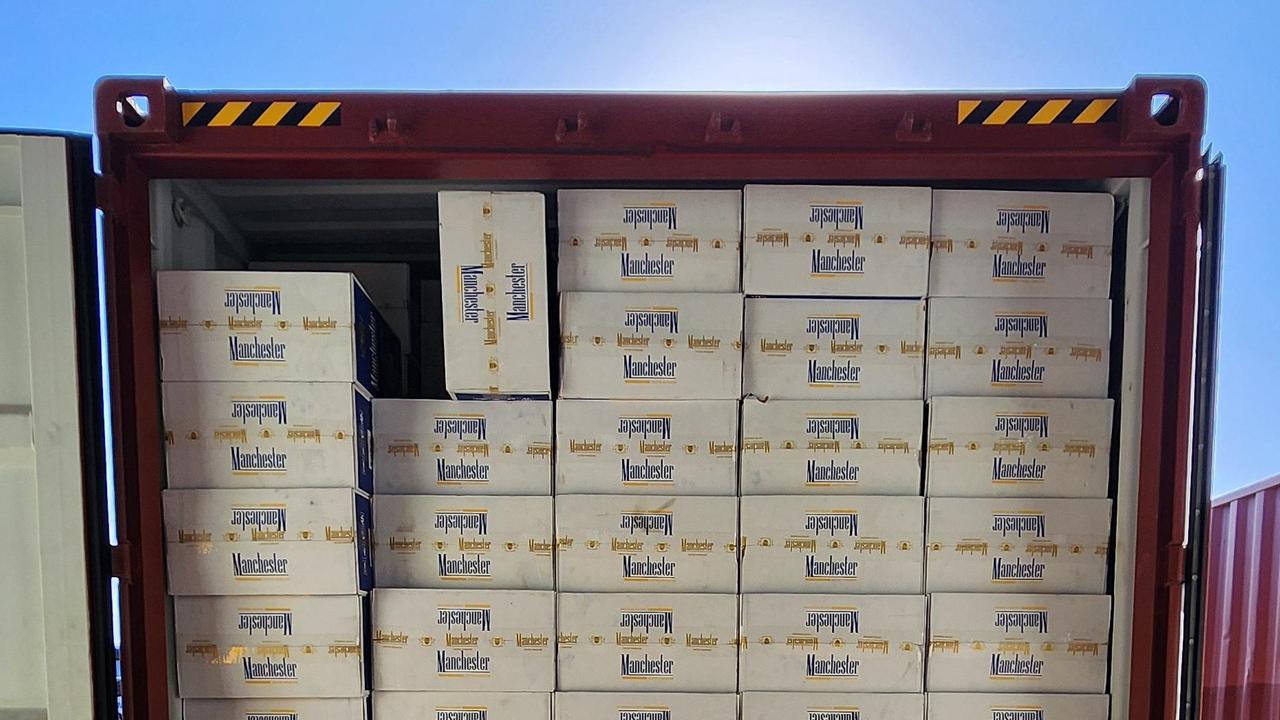
Estimates released in May’s federal budget revealed the tobacco black market wiped $6 billion from tax revenue in the five months since the previous fiscal update in December.
The excise was forecast to fall to just over $2 billion a year by 2030 after raking in more than $16 billion in 2020.
Shadow treasurer Tim Wilson has previously said the government was repeating the mistakes of prohibition-era America.
“It fundamentally turns lawful citizens into engaging in unlawful behaviour,” he said in May.
“The big question for everybody is: what would you need to cut excise (to) and whether there’s a political will to do it to actually get people to pack up and move out.”
Mr Hill accused the opposition of hypocrisy after raising the tobacco excise by 121 per cent during its time in office.
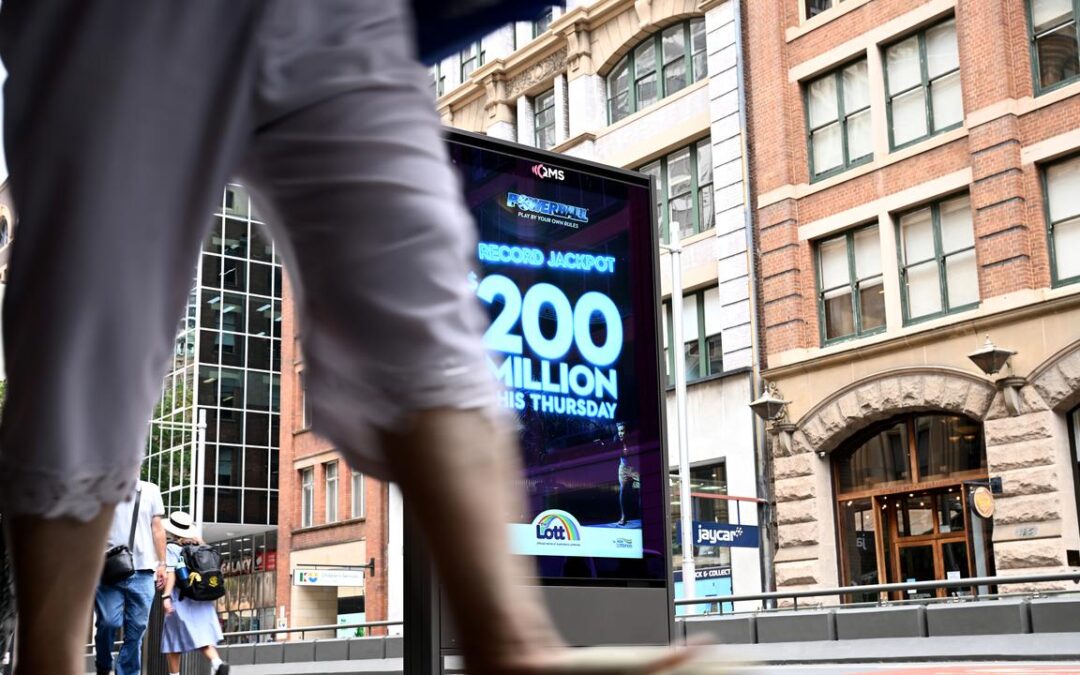
Big lottery operator plans to step up the fun factor
Australia’s largest lottery operator is building a new smartphone app because its digital operation has done a poor job of recreating the fun of playing the lottery.
The Lottery Corporation, which runs Powerball, Oz Lotto and Set for Life, plans to launch an AI-powered smartphone app built from scratch in the next 12 to 18 months.
Online lottery tickets were more convenient – and more profitable for the company – but something about the retail experience had been lost, the company’s chief operating officer for digital Loren Somerville said.
“It was never just a transaction in retail,” she told analysts at an investor day on Wednesday.

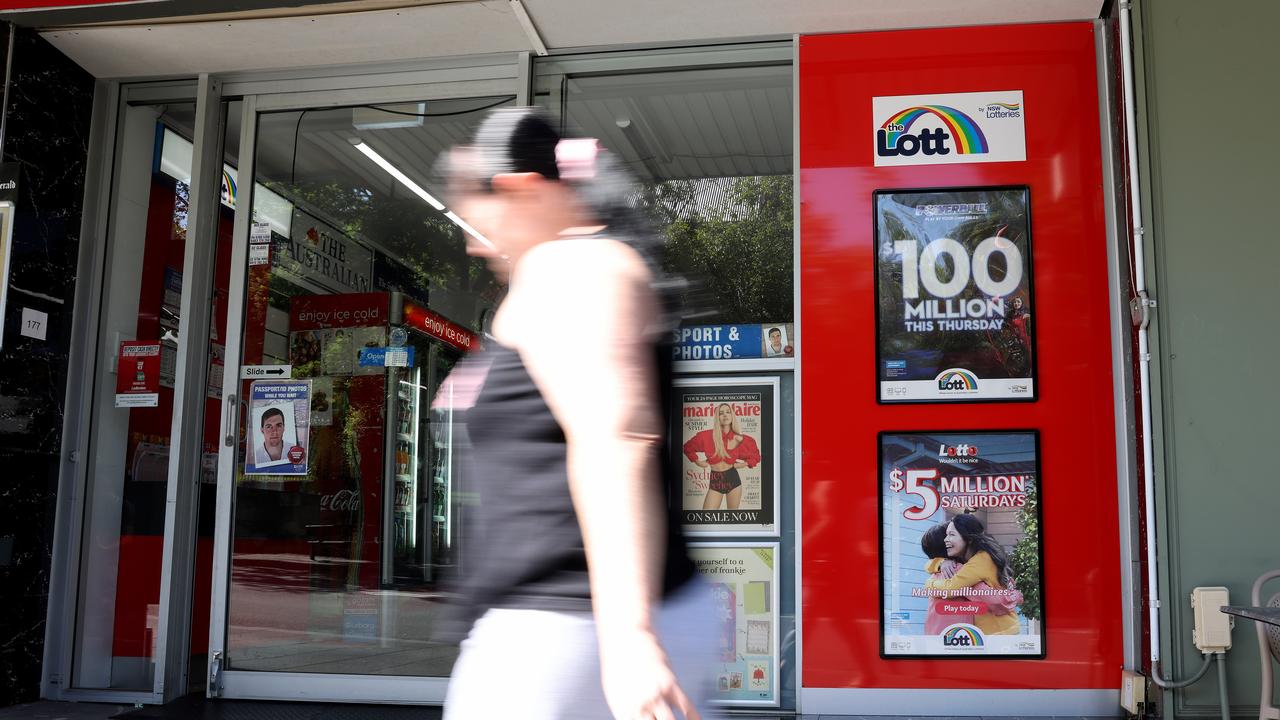
Buying a ticket from a local newsagent was a fun, ritualistic experience that might involve banter with the person behind the counter, while The Lott’s smartphone app just meant picking numbers from a grid and paying for them, Ms Somerville said.
“It’s a transaction chore, maybe a task on that never-ending to-do list,” she said.
“But we don’t want to be transactional. We want to be part of our customers’ entertainment universe, not their to-do list.”
Lottery tickets compete with streaming services, social media and exciting viral games for customer attention.
“To do that, we’re going to be stepping up the fun factor,” Ms Somerville said.
The new app’s underlying flow will remain the same, but will be redesigned so every interaction carries a sense of reward, surprise and anticipation.
It would also try to reintroduce some of the suspense and pacing of the televised lottery draws with personalised in-app reveals, Ms Somerville said.
She described lottery draws as one of the most fun and joyful parts of playing, recalling how when she was little, people would stop what they were doing to watch the results on the TV.
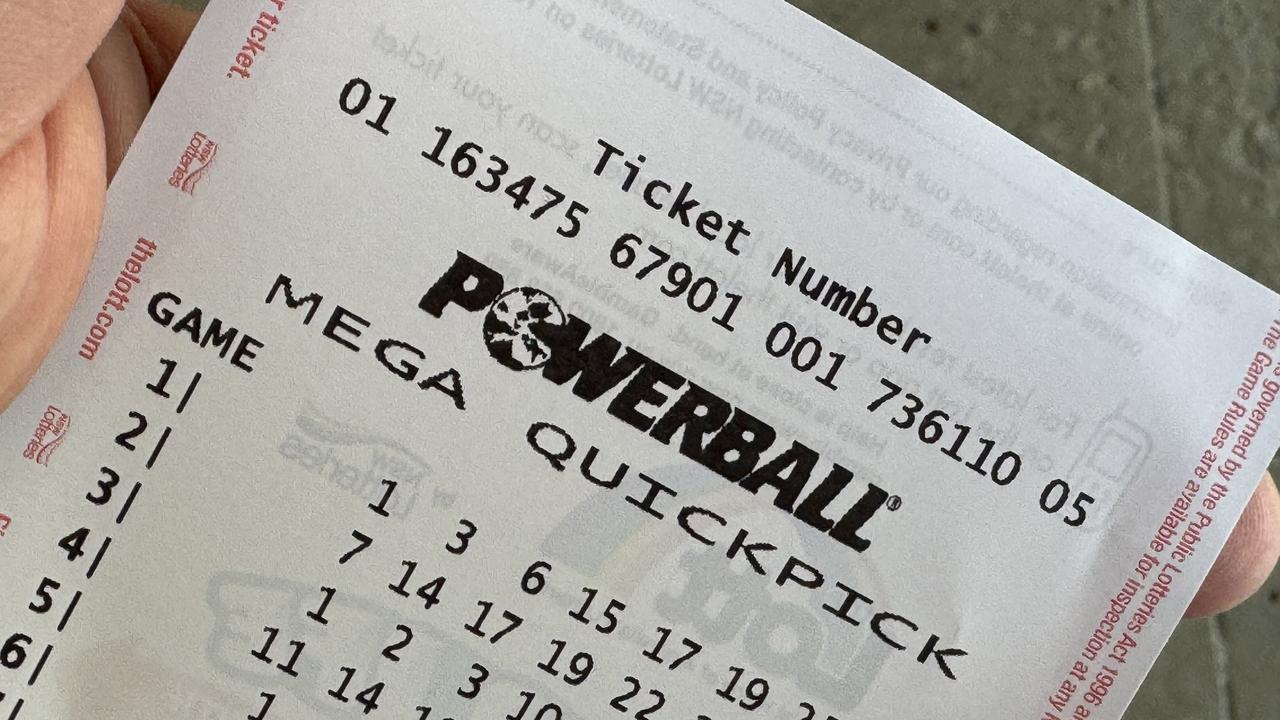
“You’d sit there with your ticket, you’d wait for the numbers, and in those few minutes before the draw, your whole future kind of opened up in front of you,” Ms Somerville said.
Players today receive results through email notifications.
“You find out you didn’t win in the same way you find out a parcel has been delivered,” Ms Somerville said.
“We’ve taken that one moment and made it special, and we just quietly skipped over it.”
The Lottery Corp also plans to modernise Keno as a licensed, venue-led social play game.
It is reviewing options for Oz Lotto, after bumping up the price of Powerball by 20c to $1.40 in November.
The Lottery Corp will also “refresh” its Set for Life game in September, raising the price from 60 to 70 cents while adding additional cash payouts, with the top prize remaining $20,000 a month for 20 years.
The changes had tested well in research and promotions, the group’s chief operating officer for lottery Callum Mulvihill said.
The Lottery Corp has been using AI to help design its games, harnessing data from its millions of customers and billions of potential prize permutations.
“This is exactly the environment where AI adds value,” Mr Mulvihill said.
“It just gives us the horsepower to do product development at scale and at pace, and with greater precision.”
The Lottery Corp shares were trading at $5.21 on Wednesday afternoon, down almost one per cent.
National Gambling Helpline 1800 858 858
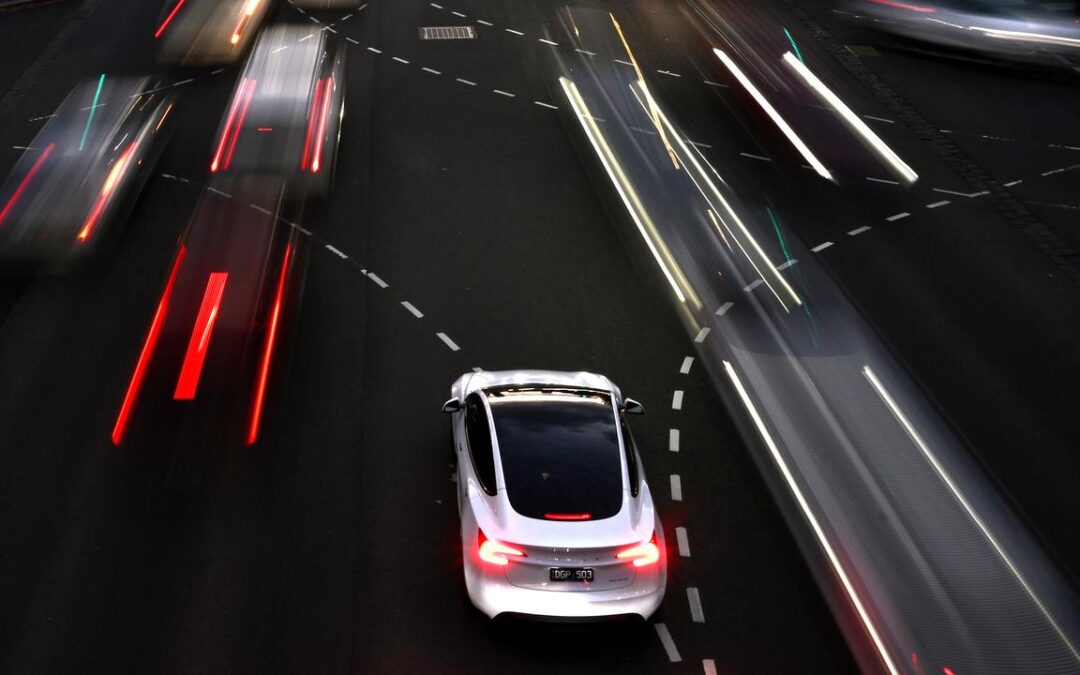
Shifting gears: electric cars surge during fuel crisis
A record number of Australian drivers are choosing electric and hybrid vehicles, with the low-emission cars closing in on half of all new vehicles sales for the first time.
Motorists are slamming the brakes on petrol and diesel cars, with their purchases dropping by as much as 30 per cent.
Figures from the Federal Chamber of Automotive Industries and Electric Vehicle Council revealed the extent of the trend on Wednesday, showing hybrid, plug-in hybrid and electric cars made up more than 46 per cent of all new cars sold during May.
Australians bought more than 21,300 electric vehicles during the month, representing almost one in every five new cars sold, and setting a record for the third month in a row.
Hybrid vehicles also proved popular with drivers, as sales of plug-in hybrid cars more than tripled and conventional hybrid vehicles grew by 11 per cent.
The low-emission sales surge follows significant petrol and diesel price hikes in March fuelled by conflict in the Middle East, and comes one month before the fuel excise discount is due to expire.
The swift switch to more fuel-efficient vehicles showed Australians were eager to avoid further price shocks, chamber chief executive Tony Weber said.
“The shift is particularly evident in the SUV segment, where consumer preferences are changing rapidly,” he said.
“Today’s SUV buyer is increasingly choosing hybrid, plug-in hybrid, and electric options.”
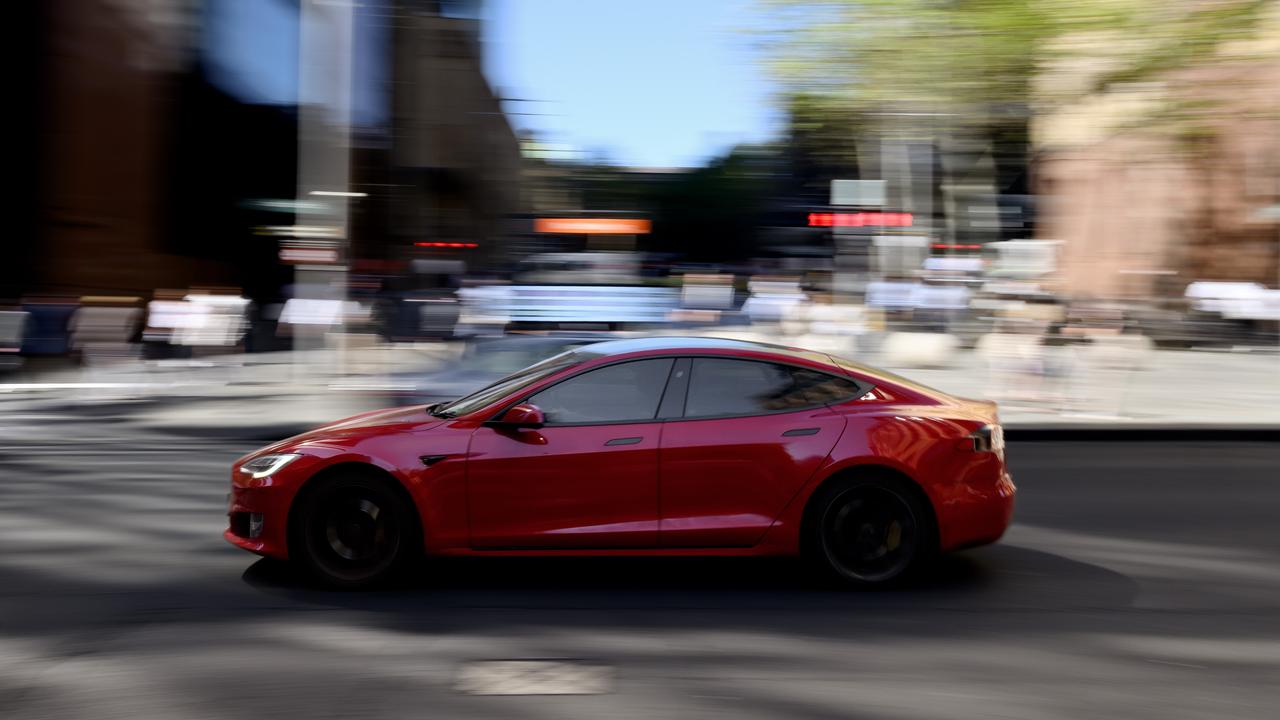
In SUVs, plug-in hybrid sales surged by 377 per cent during May and electric SUVs grew by 167 per cent.
By comparison, petrol-powered SUVs slowed by 31 per cent, and diesel models dropped by 41 per cent.
Across all types of vehicles, motorists bought 30 per cent fewer petrol cars during the month, although they still represented more than one in every four vehicles sold.
Toyota remained the most popular automaker in Australia during May, followed by electric vehicle brand BYD, Ford and Hyundai.
Tesla claimed the title of Australia’s best-selling vehicle for the month, with its Model Y making 5605 sales, toppling the Ford Ranger (4474), Toyota HiLux (4005), and Toyota RAV4 SUV (3865).
The record-breaking sales represented a milestone for battery-powered vehicles, Electric Vehicle Council chief executive Julie Delvecchio said, and showed consumers recognised the cars could save them money.
“When fuel prices hurt, people look for alternatives,” she said.
“May 2026 is an important moment for Australia’s EV transition.”
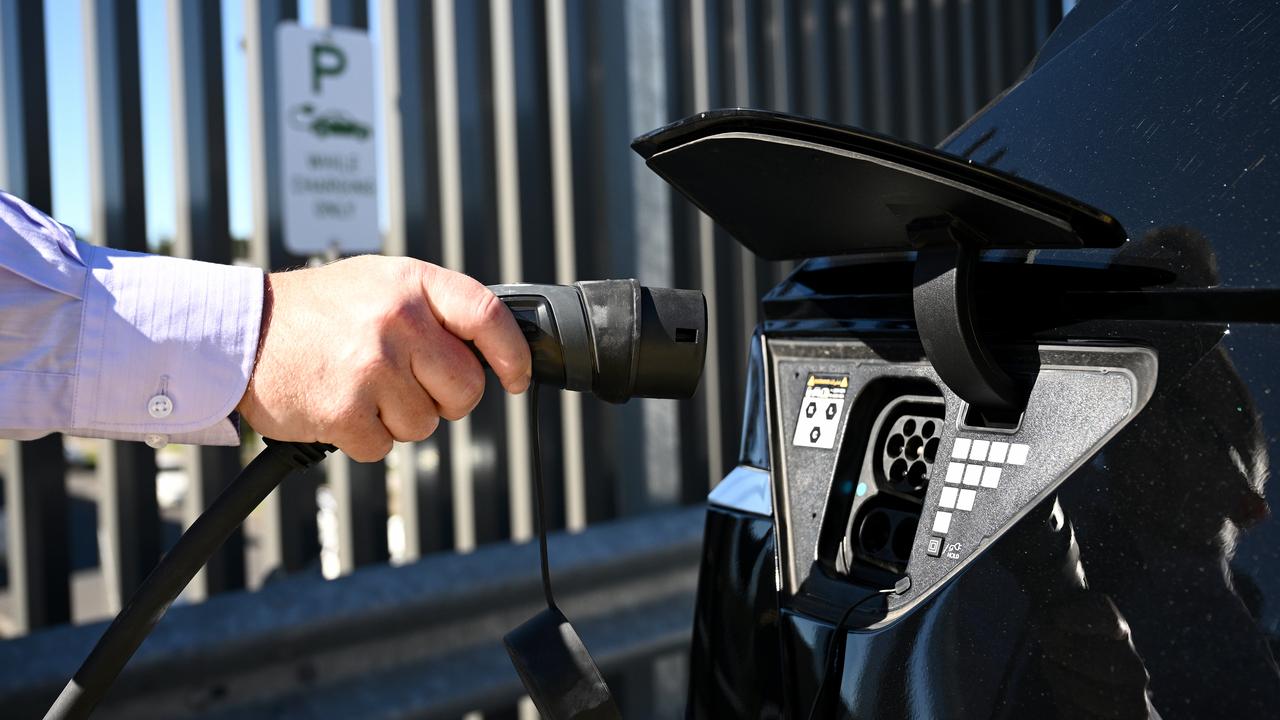
Governments should focus on expanding Australia’s charging stations, Mr Weber said, to ensure they kept pace with the electric car sales boom.
“Charging infrastructure rollout must accelerate if Australia is to maintain consumer confidence and support continued uptake,” he said.
“Continued investment and enabling policy settings will be essential.”
Aussie shares lift as weak growth softens rate outlook
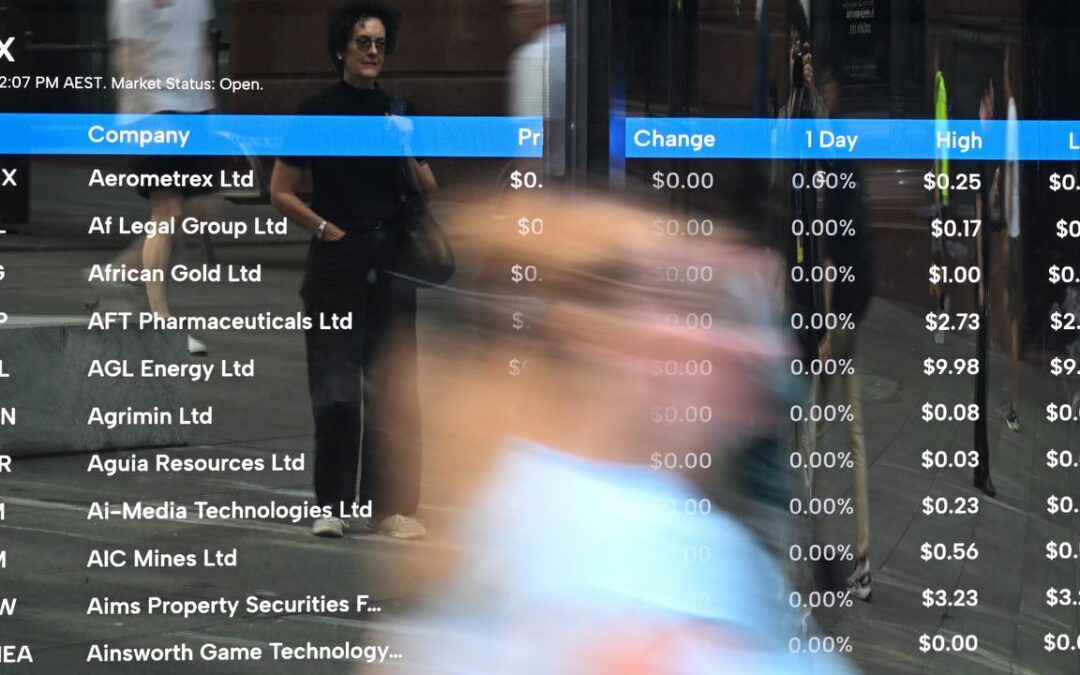
The ASX is creeping higher after cooler-than-forecast economic growth figures became the latest in a series of soft data to take pressure off the need for more interest rate rises.
The S&P/ASX200 rose 41.8 points by midday, up 0.48 per cent, to 8,766.2, as the broader All Ordinaries gained 33.7 points, or 0.39 per cent, to 9,001.
Australia’s economy grew at 0.3 per cent in the three months to March, undershooting expectations by 0.5 per cent and coming in at 2.5 per cent in annual terms.
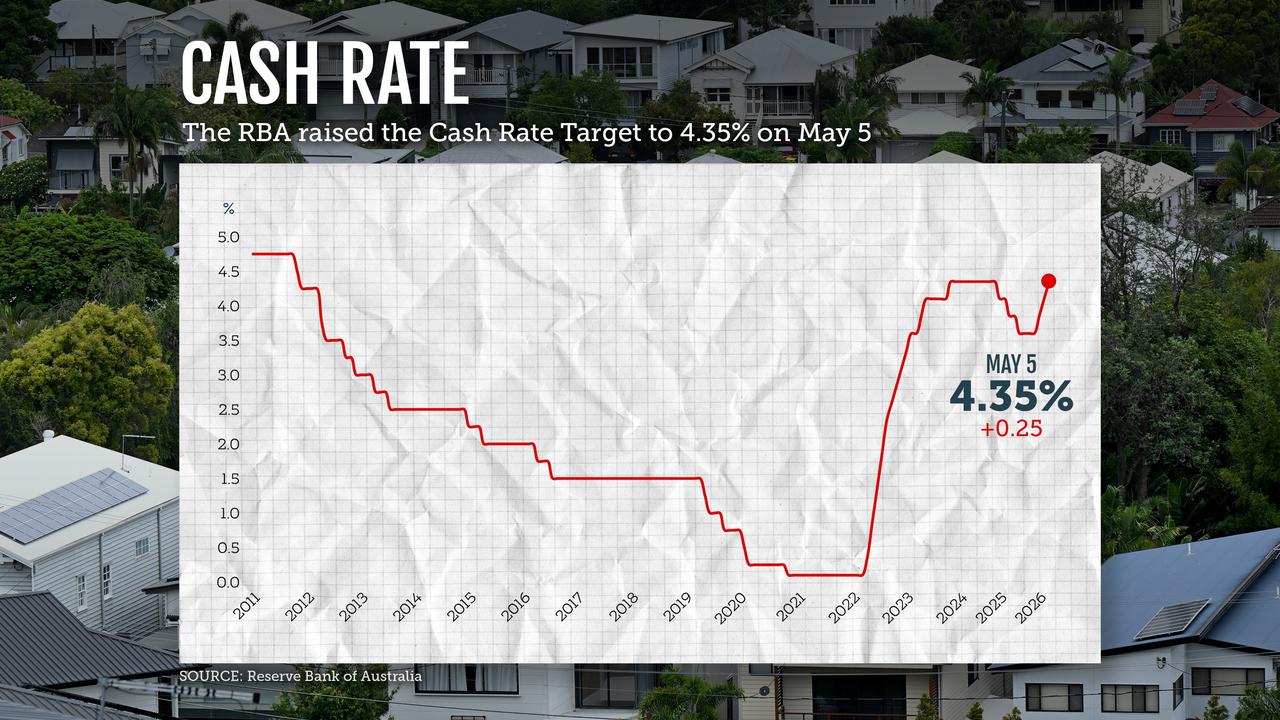
The figures followed softer than expected April jobs and inflation figures, lowering the odds the Reserve Bank will have to continue hiking the cash interest rate on its road to temper sticky price growth.
The ASX-listed mining sector was doing some heavy lifting, with materials up two per cent as BHP and Rio Tinto shot to new record highs as copper prices surged.
Energy stocks rallied 1.4 per cent as Brent oil firmed to $US97 a barrel, as Middle East tensions continued to flare and with US-Iran talks at an apparent standstill.
“While commodity markets were relatively steady overnight, investors remain alert to any developments that could quickly shift energy prices or broader risk appetite,” Moomoo dealing manager Chris Strazzeri said.
Coal miners also advanced, and uranium stocks made a comeback as a resurgent artificial intelligence narrative sent Wall Street’s tech-led Nasdaq to new highs overnight.
However, the uplift wasn’t universal and favoured chipmakers and data centre infrastructure plays over software companies, which sold off.
The sell-off was echoed on the local market, with Xero, WiseTech and Life360 each down between two and three per cent, while data centre group NextDC surged 2.8 per cent.
Australia’s heavyweight financials sector continues to languish amid a softening housing market, growth concerns and tax regime change, the sector trading roughly flat as three of the big four banks eked minor gains but insurers and investment firms lost ground.
Consumer discretionaries tipped 0.5 per cent lower, the segment remaining vulnerable in the current economic situation, according to VanEck investments and capital markets head Russel Chesler.
“Australia could now be entering a stagflationary regime of low growth and high inflation,” Mr Chesler said.
“GDP growth is slowing, unemployment is rising and inflation remains elevated.”
In company news, Ampol shares rallied more than two per cent after the competition watchdog approved the refinery operator’s EG Australia acquisition, subject to conditions.
Maggie Beer shot 14 per cent higher after receiving an up to $10 million takeover bid for its Hamper and Gifts Australia (HGA) business from an unnamed suitor.
The Australian dollar is buying 71.77 US cents, roughly on par with 71.78 US cents on Tuesday at 5pm AEST.

‘You guys have no idea’: Air Force blasted on planes
The Australian Defence Force has been criticised for its phase out of planes it has operated for only a decade in favour of commercial replacements.
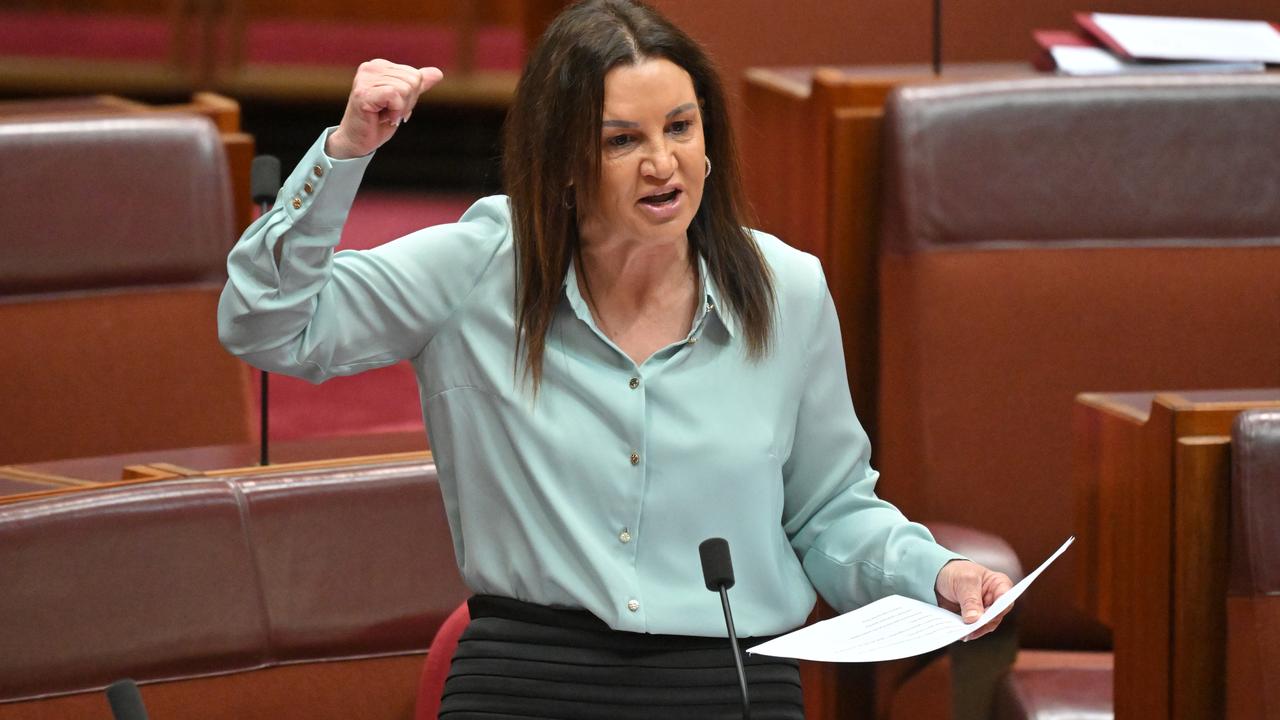
“You guys don’t really actually have a plan, do you? You have no idea,” independent senator Jacqui Lambie told senior Air Force officials at a federal budget inquiry on Wednesday.
“It’s really embarrassing for me who wore that uniform.”
The Royal Australia Air Force will phase out C-27J Spartan planes just 11 years after the first one landed in Australia, but it is yet to disclose a detailed replacement plan.
The Spartans – which are small enough to land on short, soft runways but can carry troops and equipment – is being phased out just over a decade after they were first brought in.
The fleet of 10 cost Australia about $1.4 billion, with the first plane arriving in early 2015.
But Chief of Air Force Air Marshal Stephen Chappell told the ABC in May that circumstances had changed “drastically” since the decision to acquire the C-27Js, such as relationship shifts in the Pacific.
Commercial planes are now “part of the option set” the Air Force will consider when replacing the Spartans, Air Marshal Chappell said on Wednesday.
“There will not be a capacity gap (during the phase out). How we will fill that capacity will be a combination of C-27s over at least the next couple of years … and maybe one or more (commercial) option,” he said.

The defence force will shuffle $5 billion from the $425 billion Integrated Investment Program, designed to increase military capability to 2036.
Some of that figure will account for the phasing out of Spartans, but opposition defence spokesman James Paterson estimated that would only account for a maximum of $1 billion, leaving a $4 billion shortfall.
“In the figures I have in front of me, that’s a reasonable estimate,” Air Marshal Chappell said.
Defence officials were tight-lipped in the Senate inquiry when asked about where the rest of the savings would be made.
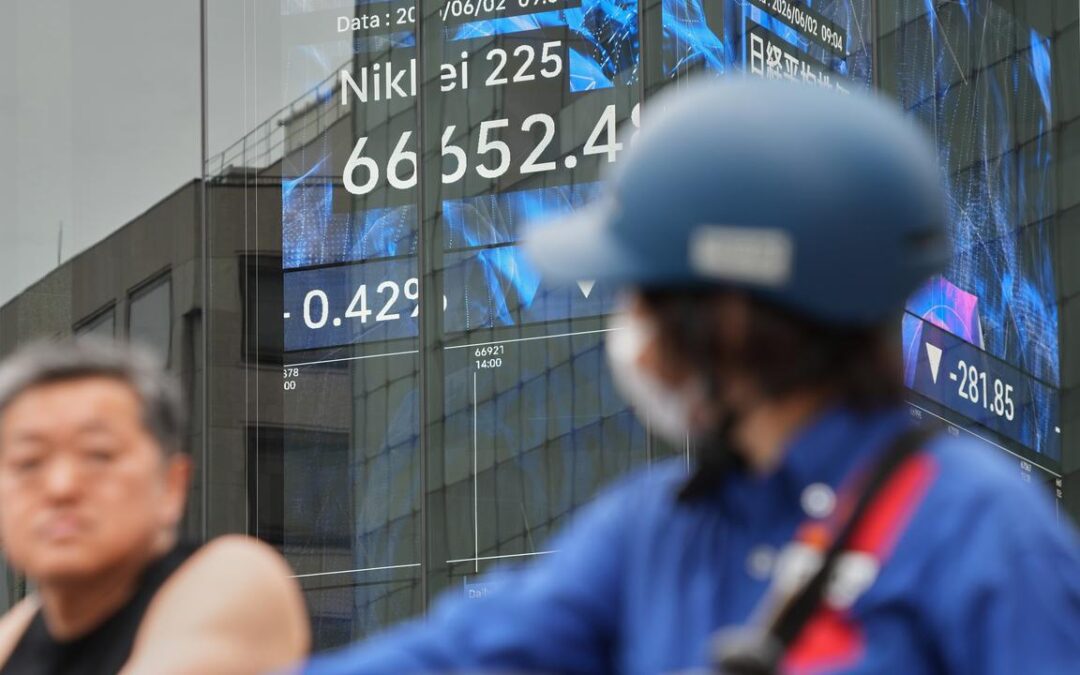
Oil jumps on Mideast missiles, AI bulls carry stocks
Oil prices rose for a third day running on Wednesday and the dollar was on the brink of breaking above 160 yen as fresh hostilities flared in the Gulf after US-Iran peace talks stalled.
US crude futures jumped around 2.0 per cent to $US95.40 ($A133.02) a barrel. The dollar hit 160 yen, then paused as traders became wary of potential Japanese intervention around that level.
S&P 500 futures dipped, although the AI bull run pushed on in Asia, where stock indexes climbed to record highs in Taiwan and Japan. South Korean markets were closed.
US Central Command said Iran fired missiles at Kuwait and Bahrain, which were thwarted or failed, prompting US forces hit back at Iran’s Qeshm Island in the Strait of Hormuz.
Iran’s Revolutionary Guards said it had attacked the US Fifth Fleet headquarters. Iran and the United States said last week that they had reached a tentative deal to halt the war, but the two sides have yet to sign off on any agreement.
“Last week … trajectory was towards some sort of MOU and markets were high on the belief that that was coming,” said Chris Weston, head of research at broker Pepperstone in Melbourne.
“Things are looking more precarious (now). It does suggest that people are coming back to the negotiating table with less scope to get that done and I think we’re seeing some of those bets being unwound.”
Cryptocurrencies were tumbling, with bitcoin now down nearly 10 per cent in three sessions to hit a two-month low of $US66,123 ($A92,201) on Wednesday.
Still, the artificial intelligence theme seems impervious to war worries and Wall Street stock indexes eked small gains overnight, led by AI.
Shares in Marvell Technology soared 32.5 per cent to a record high after Nvidia boss Jensen Huang called the chipmaker the next trillion dollar company at the Computex week in Taipei.
SpaceX plans to raise $US75 billion ($A105 billion) in a blockbuster initial public offering next week, by selling 555.6 million shares at a target price of $US135 ($A188) per share, according to a source familiar with the matter.
Bonds, which had rallied through Tuesday, were steady early on Wednesday with the benchmark 10-year US Treasury yield at 4.46 per cent.
Overnight data showed US job openings increased by the most in five years in April, pointing to a resilient job market and offering little evidence the economy needs lower rates.
The US services ISM is due later on Wednesday, ahead of labour market data on Friday.
“In our view, the pickup in momentum across the US economy over early 2026 could see the US jobs report exceed downbeat consensus forecasts,” Peter Dragicevich, Asia-Pacific currency strategist at payments firm Corpay, said.
“If realised, we think this may bolster the view the US Fed could raise interest rates down the track, which in turn might see the USD strengthen.”
Markets, which had expected rate cuts before the Iran war, have priced in about 18 basis points of US rate increases this year.
A hike in Europe next week is all but fully priced in following data showing inflation accelerated further last month, while traders see about a 75 per cent chance of a June rise in Japan.
Foreign exchange markets were broadly steady, with the euro at $US1.1627 ($A1.6213) and the dollar just shy of 160 yen at 159.86.
Australia’s economy slowed in the March quarter, data showed, as a boom in data centres boosted business investment but also sucked in imports, though the currency held steady at $US0.7177 ($A1.0008).
SpaceX plans to raise $US75 billion in IPO, source says
SpaceX plans to raise $US75 billion ($A105 billion) in its initial public offering by selling 555.6 million shares at a target price of $US135 ($A188) per share, a source familiar with the matter has told Reuters.
Reuters reported earlier on Tuesday the rocket and satellite communications company hoped to raise at least $US75 billion ($A105 billion), at a valuation of $US1.75 trillion ($A2.44 trillion).
The listing leads a wave of high-profile private companies preparing to test public markets after years of muted large-cap IPO activity, with SpaceX widely viewed as one of the most consequential offerings in recent history alongside artificial intelligence giants OpenAI and Anthropic.
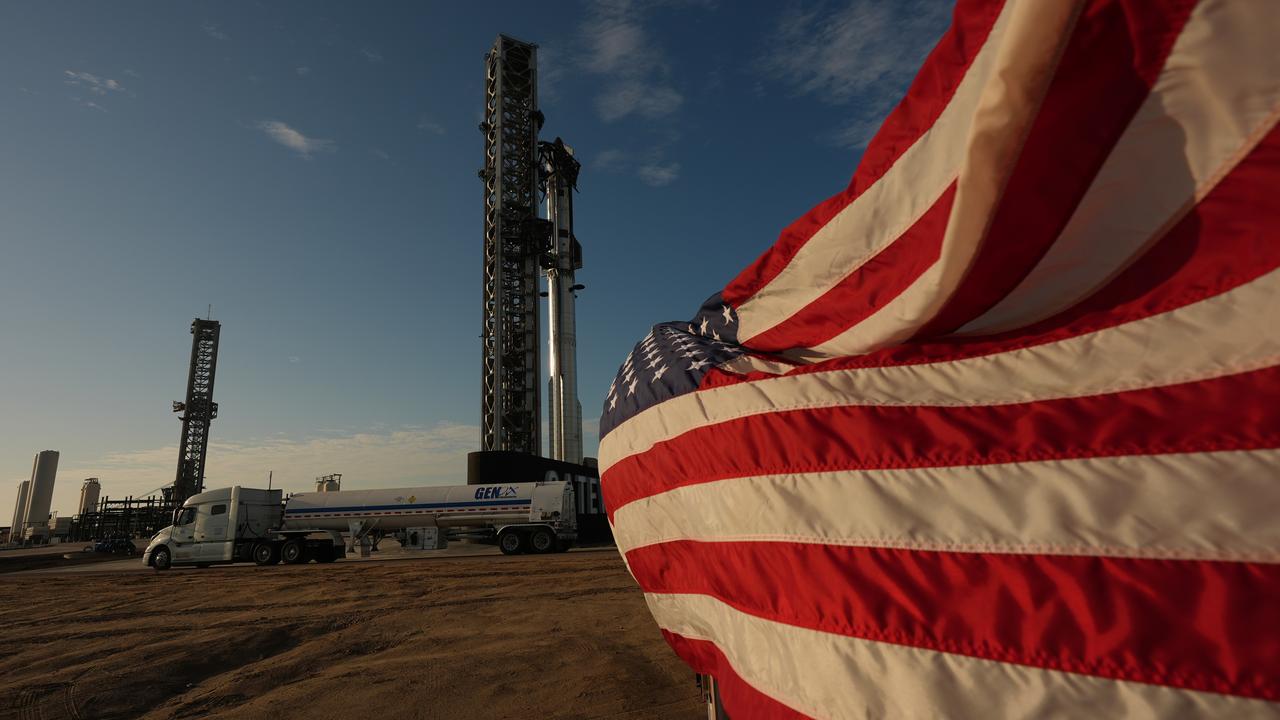
The company’s valuation relies on SpaceX dominating technologies and markets that do not yet exist – from Mars missions to AI data centres in space.
The specific target price is extremely unusual at this stage because companies planning to go public typically set a price range before talking to investors in a series of presentations called a roadshow. SpaceX’s roadshow begins on Thursday.
Usually a specific target price is not set until the day before the debut.
The roadshow — expected to be one of the most closely watched IPO marketing tours in recent years — will allow prospective investors to meet with SpaceX executives as investment bankers try to build demand for a record-breaking $US75 billion ($A105 billion) order book.
Reuters previously reported that the company is considering allocating as much as 30 per cent of the offering to individual investors, an unusually large retail tranche aimed at tapping into Elon Musk’s cult-like following and broadening ownership of the company.
‘Capability that matters’: submarine switch played down
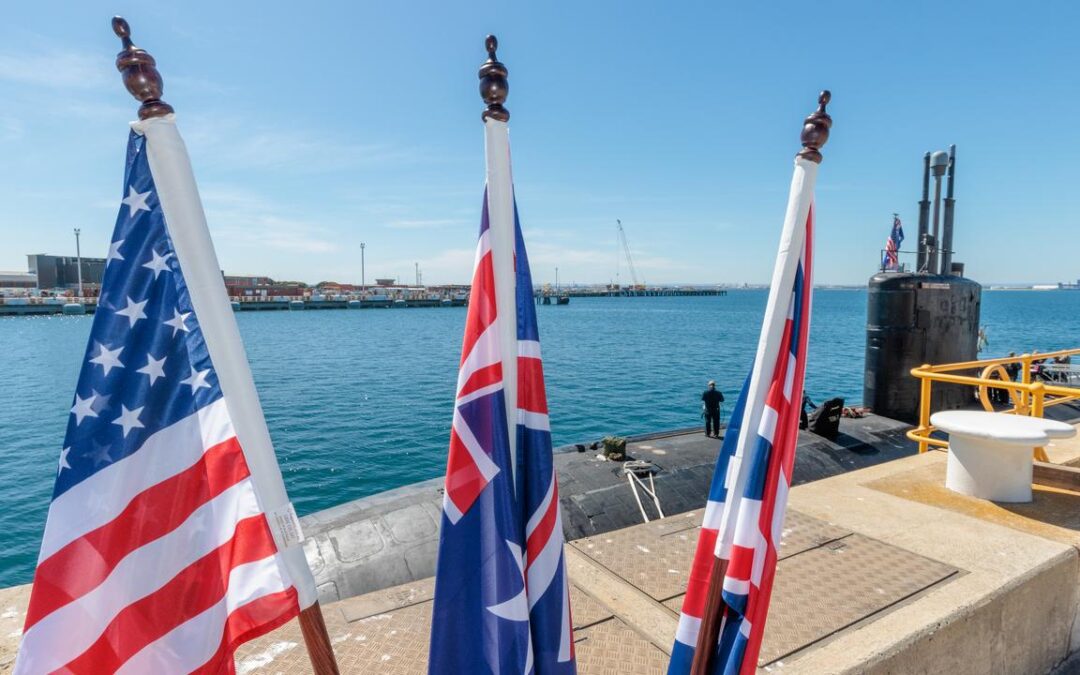
Australia receiving only used nuclear submarines from the US will not change the government’s commitment to the AUKUS pact, the foreign minister says.
The $368 billion plan originally had Australia receiving three nuclear submarines from the US – two used and one new Virginia-Class vessels – before building its own in Adelaide.
But after changes to the deal, Australia will now get three used submarines from the US.
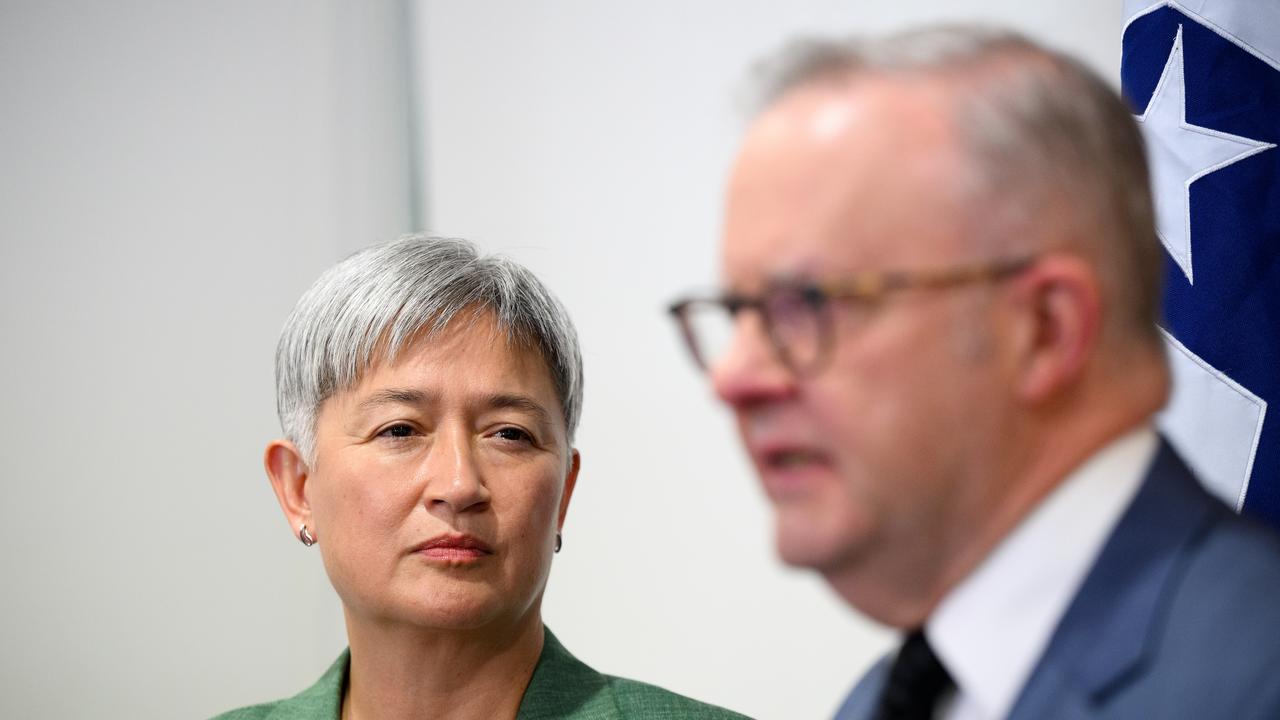
Foreign Minister Penny Wong said it did not matter whether the submarines were used or new.
“Whether it’s two (used) and one (new) or three, it’s the capability that matters,” she told ABC Radio on Wednesday.
“We want three submarines to deal with, from the United States, to deal with a capability gap before the AUKUS submarines are to be delivered … that is the plan.”
Defence officials revealed at a federal budget inquiry Australia preferred to receive second-hand vessels from the US.
Defence secretary Meghan Quinn told the inquiry on Tuesday night a reworking of the AUKUS deal was a joint idea between Australia and the US.
“Australia’s position is that we would have always … had a preference for three in-service (submarines),” she said.
“There are many reasons why three in-service (submarines) would be simpler, lower-cost through the training of staff, the sustainment arrangements, the maintenance requirements, and all of those considerations.”
Defence Industry Minister Pat Conroy said the change in the AUKUS deal did not mean a fundamental altering of the security pact.
“It will be cheaper, simpler to manage, and it’s been confirmed by the Pentagon overnight,” he told ABC Radio.
“We’ll get submarines … about six years into their 33-year life cycle. They’ll be cheaper, they’ll be really effective at that stage, and we’ll be acquiring the most capable nuclear-powered conventionally armed submarines in the world.”
Mr Conroy said Australia would save a “considerable” amount by not acquiring a new submarine, but did not disclose the cost.
He denied the used submarines would be more costly to maintain in the long term.
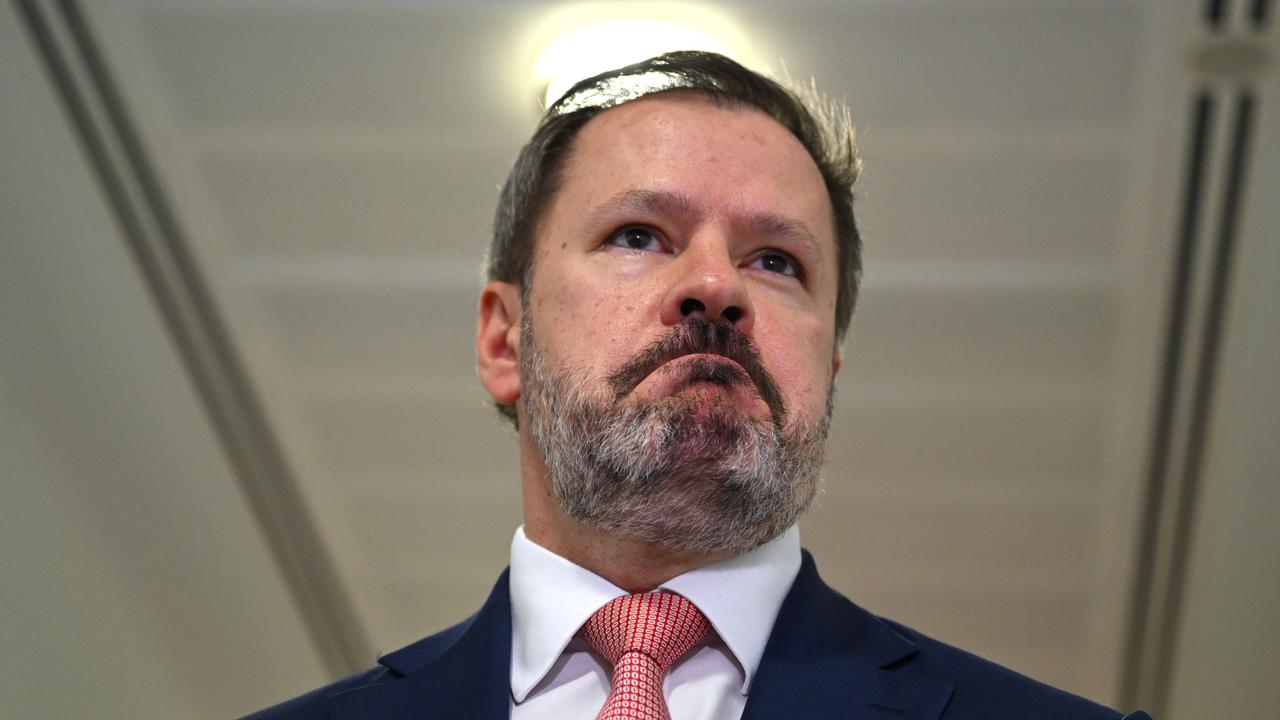
The comments come after Labor backbencher and former minister Ed Husic called for the government to rethink the multibillion-dollar plan.
Mr Husic said on Tuesday the deal also had to be rethought due to America becoming a more unreliable ally.
“You do wonder whether or not we will get the deal, even the reconfigured one that we have got,” the western Sydney MP told reporters at Parliament House.
Senator Wong said the backbencher was entitled to his view on AUKUS.
“It is in the best interests of our country for this project to continue to proceed. We believe it is necessary for Australian security and we believe chopping and changing will only set the country back,” she told ABC TV.
Tardy approvals leaving clean energy dollars in limbo
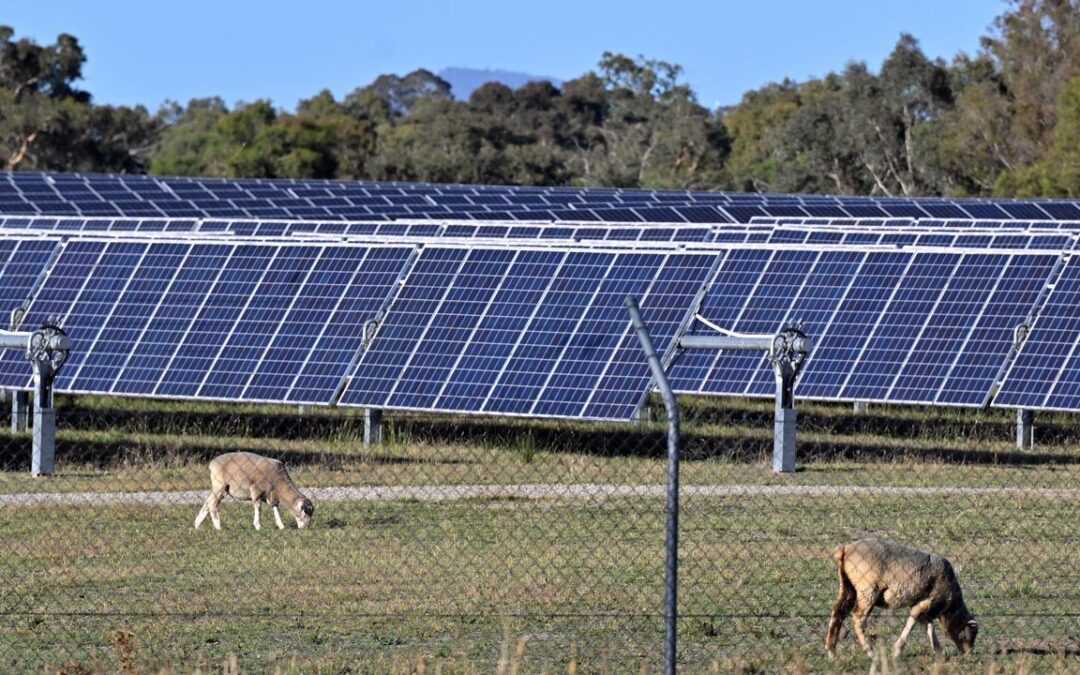
Solar farm and big battery approval times have blown out in Australia’s largest electricity market and wind projects are still taking nearly 1400 days to be green-lit despite improvement.
The planning system remains a bottleneck for major renewables projects in NSW, which needs more grid-scale generation and storage so it can retire its ageing and emissions-intensive coal-fired power stations.
The average large scale solar project is now taking almost 1140 days to satisfy planning rules, a report from the Clean Energy Investor Group finds.
This was up from roughly 700 days when average approval time-frames were last calculated in 2023, and was more than three times Queensland’s 355-day typical approval times.
Grid-scale battery projects are averaging 614 days before they exit the planning system.
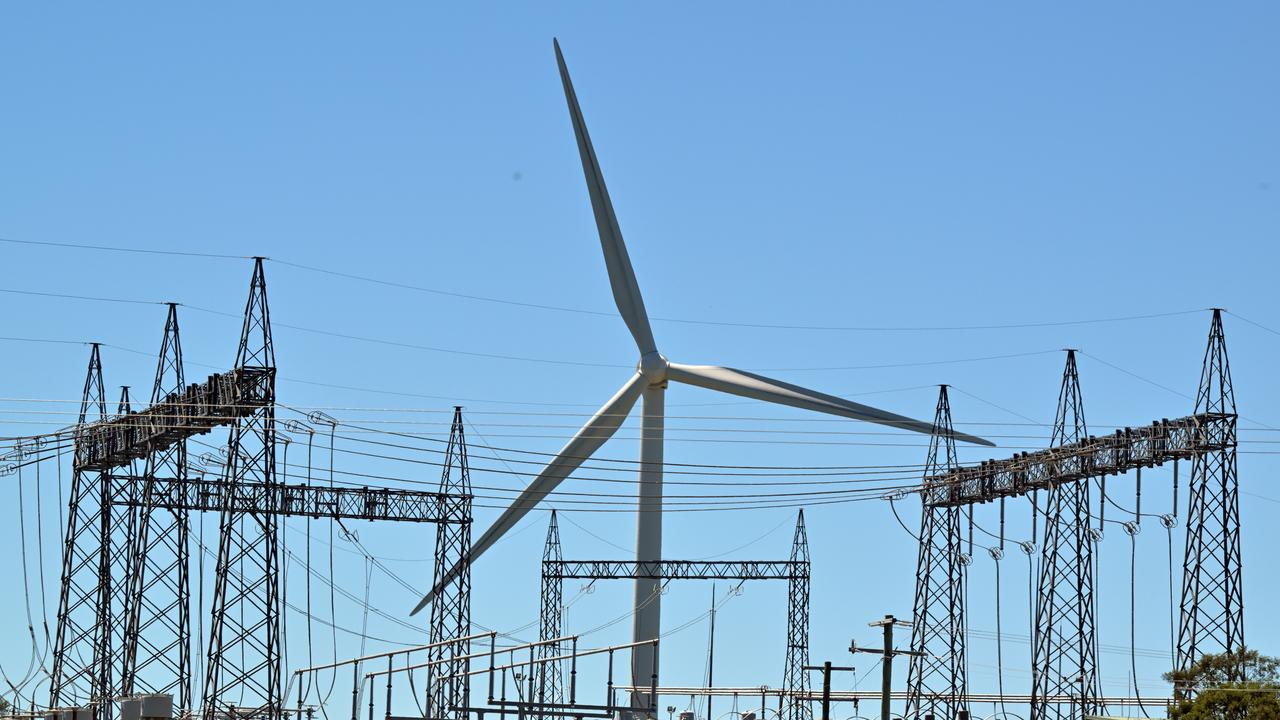
Wind farms are making it through the state’s planning system quicker than the 3488 days averaged in 2023, but still take longer than in other states.
Renewable energy is now generating almost half of Australia’s electricity and is increasingly muscling out emissions-intensive coal and gas.
But a national target of an 82 per cent renewably-powered grid by 2030 faces headwinds as large-scale projects struggle to get off the ground.
Financial commitments for renewable energy fell sharply in 2025, with investments halving to $4.4 billion, according to the Clean Energy Council’s latest industry update.
Planning is not the only bottleneck, with rising capital costs, transmission and curtailment risk and logistics constraints among post-approval barriers.
CEIG chief executive Richie Merzian said planning systems still needed improvement to speed up decision-making, especially in NSW.
“NSW is charging developers up to 48 times more for a planning application than Queensland but taking three times longer to approve solar and wind farms. Something has to change,” he said.
Steps taken to streamline the system were helping but approvals for major clean energy projects were still “too slow, too uncertain and too expensive”.
Better-resourced development agencies and streamlined planning pathways for clean energy was recommended by the group, as well as a review of application fees.
NSW developers pay 48 times more on application fees than in Queensland and more than 10 times more than in Victoria and Western Australia.
Mr Merzian said clean energy investors were geared up to deploy billions into renewables infrastructure in the state, further supporting an economy already relying heavily on the energy transition for stimulus as flagged recently by Treasurer Daniel Mookhey.
During an address at the National Press Club, prominent energy policy expert Michael Liebreich urged Australia to rein in cost pressures in renewables supply chains, especially for wind projects.
“Its price has soared more than double since 2019,” he said during his address in Canberra.
“Some of that is inflation, some is interest rates, but a big chunk is not.”