

Bank plunge could spell end of an era for ASX investors
The dominance of listed bank stocks could be coming to an end, and investors should look elsewhere for better returns following a dive in the value of Australia’s biggest institution, a global asset manager warns.
The economic conditions that made the big banks the default trade for a generation of investors – disinflation, falling interest rates, unbroken housing credit growth, and benign provisioning – have reversed, according to VanEck.
Inflation remains persistent, interest rates are rising and banks have had to set aside more capital for credit provisions in case their loans go bad, the manager said in its annual Australian Equities Outlook released this week.

There are also concerns changes outlined in the 2026/27 federal budget could deter property investing.
On Wednesday, Commonwealth Bank of Australia shares suffered their biggest-ever single-day loss.
The stock dropped 10.4 per cent to $153.67 after CBA missed its third-quarter earnings forecasts because it had to set aside another $300 million for credit provisions.
CBA shares bounced back a bit on Thursday and Friday but still finished at just $159.40, down 9.4 per cent for the week and slightly in the red year-to-date.
“If you look at the Australian banks, the way they’ve been priced, certainly their valuations have been out of line with international counterparts for a long time period,” VanEck head of investments Russel Chesler told AAP.
“Banks have been priced to perfection. The market’s really expecting them to continue delivering really strong results.
“Any sort of disappointment is going to weigh heavily on the banks, and we’ve seen that now.”

Some of the reasons behind CBA’s share price fall could also be due to the 2026/27 budget handed down by Treasurer Jim Chalmers on Tuesday.
“I think the market is expecting that with the changes to negative gearing, you’re likely to see fewer investors coming into the (property) market, less borrowing from an investment perspective into property,” Mr Chesler said.
That could hurt the banking sector’s mortgage businesses, but it remained to be seen, Mr Chesler noted, as negative gearing would still be allowed for new builds.
Regardless, VanEck believes there’s more opportunity in the Australian Securities Exchange’s mid-cap companies, which it defines as companies in the ASX100 (or top 100) but not the ASX50.

Mid-caps were a standout this earnings season, delivering the strongest surprises, VanEck’s outlook report says.
They also trade at a lower valuation, Mr Chesler said.
“So from our perspective, we think there’s value in them,” he said.
VanEck is also a fan of what traders are referring to as HALO companies – “heavy assets, low obsolescence” – businesses that have cash flows tied to real-world demand and supported by long-lived infrastructure.
Mr Chesler pointed to Queensland rail freight operator Aurizon, toll road owner Transurban and Telstra as companies whose pricing power and asset quality are likely to ensure they do well in an environment where interest rates remain higher for longer.
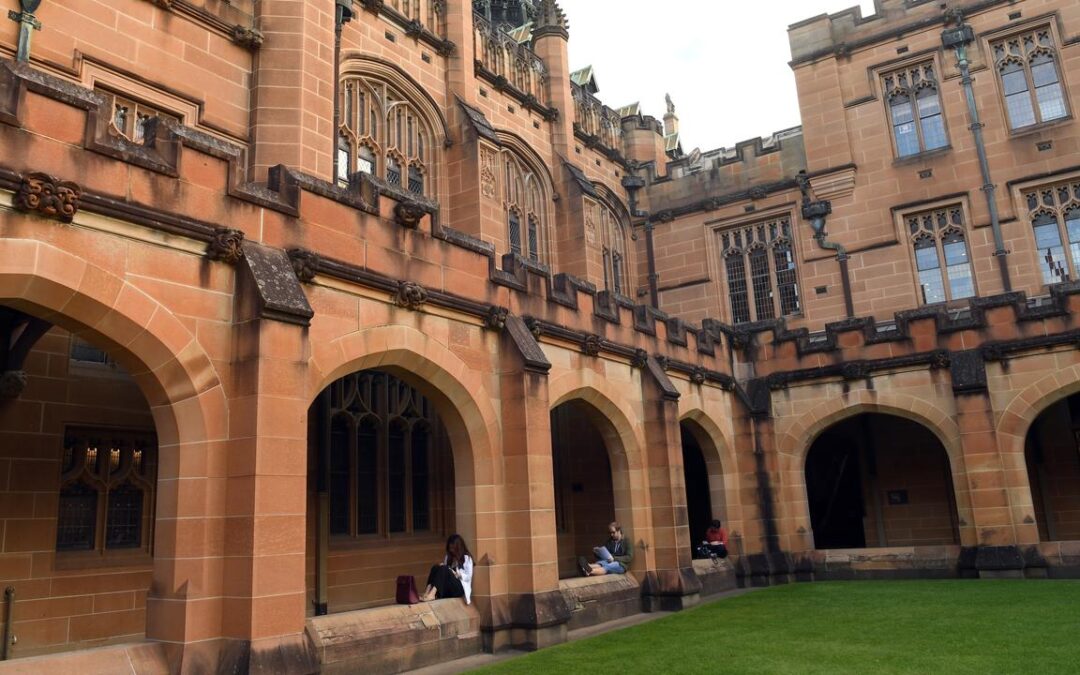
Universities blast coalition plan to slash migration
Universities and academics have blasted the coalition’s plan to cut Australia’s migrant intake, warning it would hurt the economy and cost jobs.
The opposition is promising one of the biggest cuts to migration in Australian history, and Nationals leader Matt Canavan has described the nation’s current intake of international students as a “scam”.
But the universities sector, which relies heavily on foreign students who can be charged much higher fees, said any cuts to immigration would have major consequences.
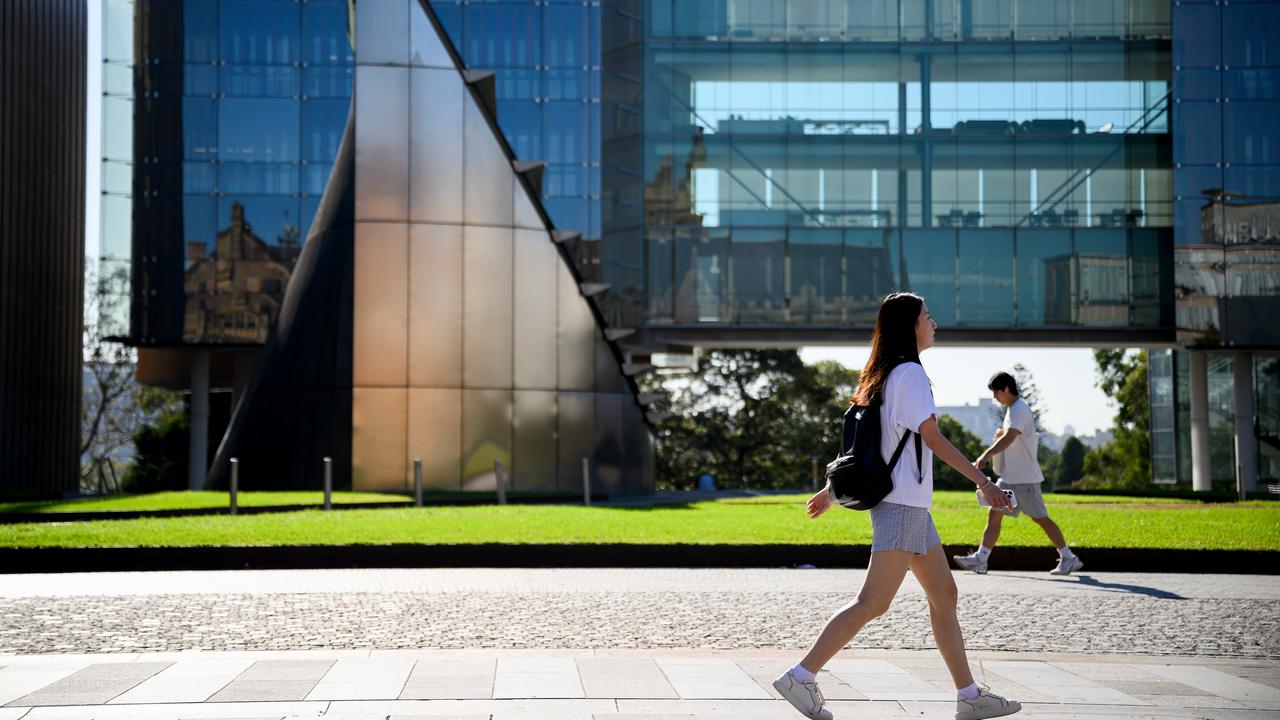
“Significant cuts to international student numbers would have real consequences for the economy and our universities at a time both are doing it tough,” Universities Australia chief executive Luke Sheehy said in a statement.
“Australia cannot afford another race to the bottom driven by stop-start policy settings, political signalling or measures that damage our economy, our universities and our global reputation.”
Under the coalition’s plan, Australia’s migrant intake would be capped at the number of homes completed in the previous year.
Opposition Leader Angus Taylor has refused to put an exact figure on his preferred net overseas migration rate until closer to the election, but based on the most recent data, the plan would cut immigration by about 40 per cent.
Senator Canavan declared the current student visa system was ripe for reform, arguing far too many foreigners were studying at Australian universities.
“It’s a total scam at the moment. I mean, it’s just ridiculous,” he told ABC Radio National.
“I’m not saying we shouldn’t have foreign students, we’ve always done that, but the principal role of an Australian university should be to teach Australian students.”
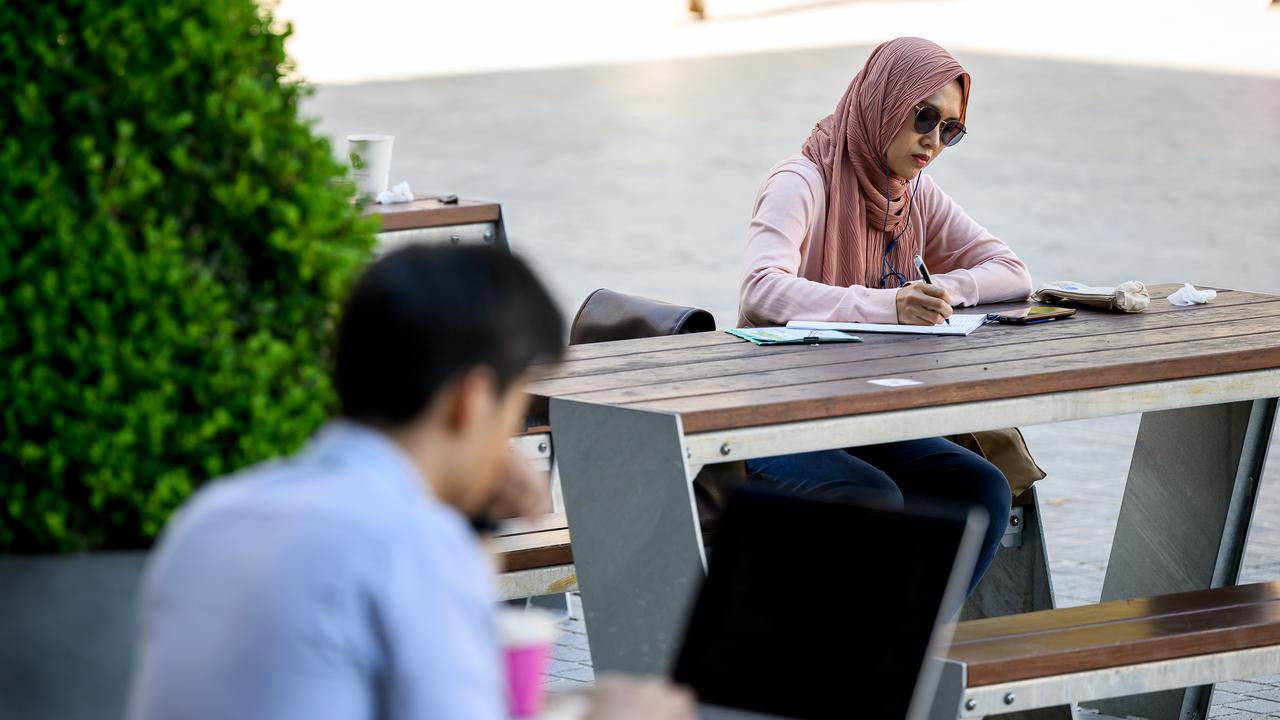
Senator Canavan claimed many foreign students were not coming to Australia to learn – they were using their studies as a pathway to citizenship.
The National Tertiary Education Union, which represents academics around the country, warned any cut to migration would hurt universities and their staff.
“Fewer international students won’t fix the housing crisis,” national president Alison Barnes said.
“More often than not, they’re living in accommodation like extra bedrooms, on campuses or other rooms that locals don’t want to or can’t live in.”
Dr Barnes said university executives would use any cut to student numbers as an excuse to axe jobs, and called for more detailed policy from the opposition on higher education.
“Sadly, the opposition leader is more interested in aping Pauline Hanson than setting out a vision for higher education,” she said.
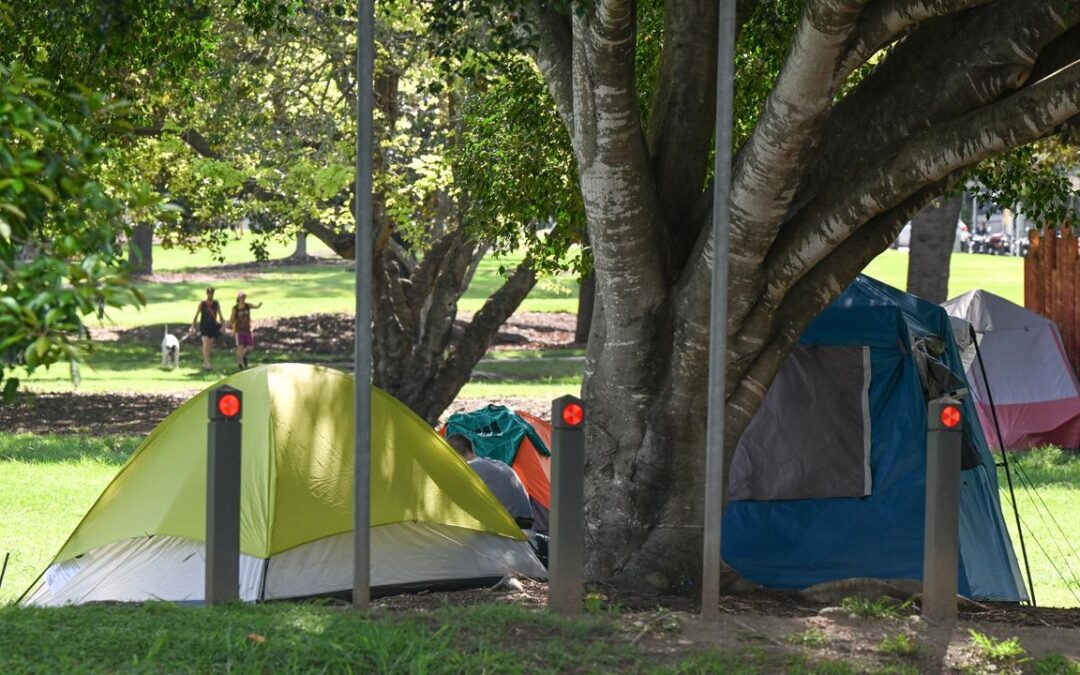
Rent hikes, more homelessness as climate change bites
Climbing insurance premiums and other economic symptoms of climate change are expected to push rents higher and drive homelessness without well-targeted intervention.
Under a high-emissions future, characterised by the ongoing dominance of fossil fuels, homelessness rates could quadruple within a decade.
The University of Sydney modelling suggests even under a low-emissions scenario, in which timely emissions cuts limit temperature rise, homelessness could still double by the mid-2030s.
The study, published in Cities, runs simulations on how the Australian housing market – influenced by incomes, mortgage rates, insurance costs and other factors – would respond under various climate scenarios.
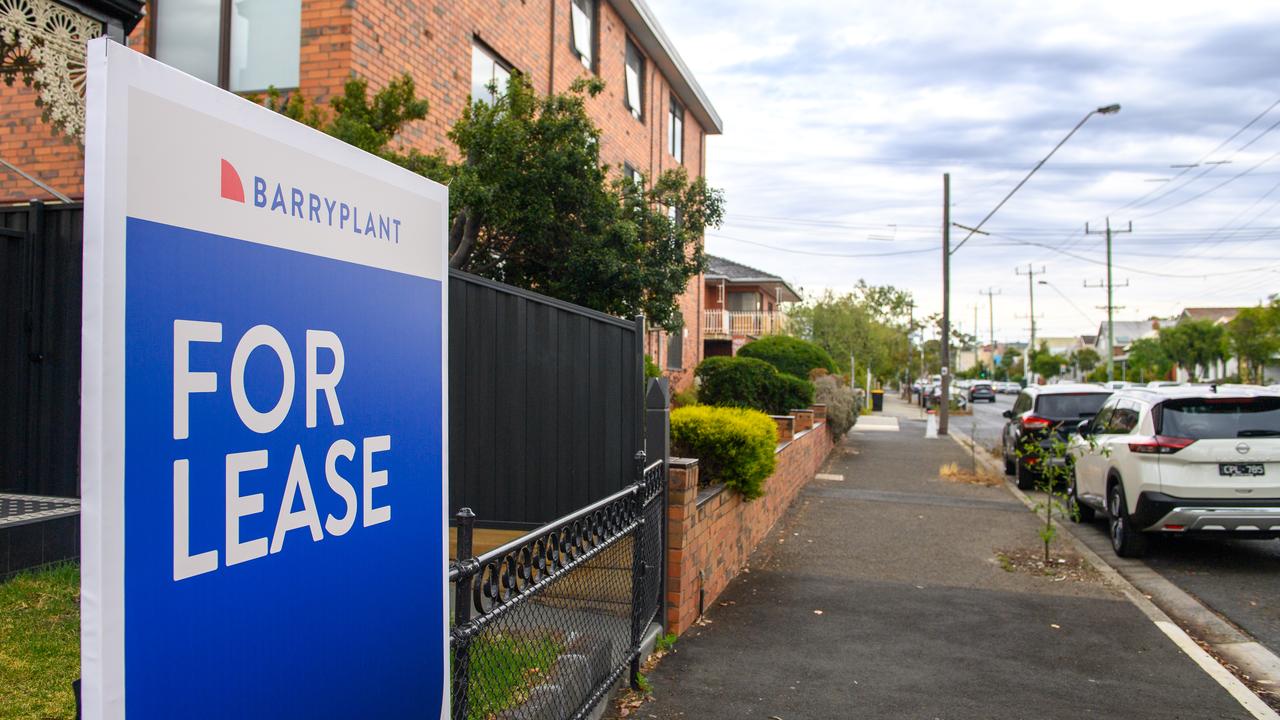
Each scenario assumes different levels of population growth, land availability, insurance costs, incomes and other economic markers that alter housing market dynamics.
Under all climate scenarios – but especially under a fossil fuelled future – housing affordability worsens and a higher proportion of households end up renting rather than owning homes.
Rents, in turn, are forecast to rise as demand for rentals increases and landlords pass on higher insurance costs.
As housing affordability and accessibility are stretched, vulnerable populations are expected to become more at risk of homelessness.
Nader Naderpajouh, head of the university’s School of Project Management, told AAP the housing market responded to climate change in a non-linear and complex way but the models suggested it would deepen housing inequity and leave renters and low-income Australians worse off.
“They are impacted disproportionately by climate change,” Associate Professor Naderpajouh said.
The findings suggest policymakers should be shaping their policy interventions to target low-income households, renters and people at risk of experiencing homelessness.
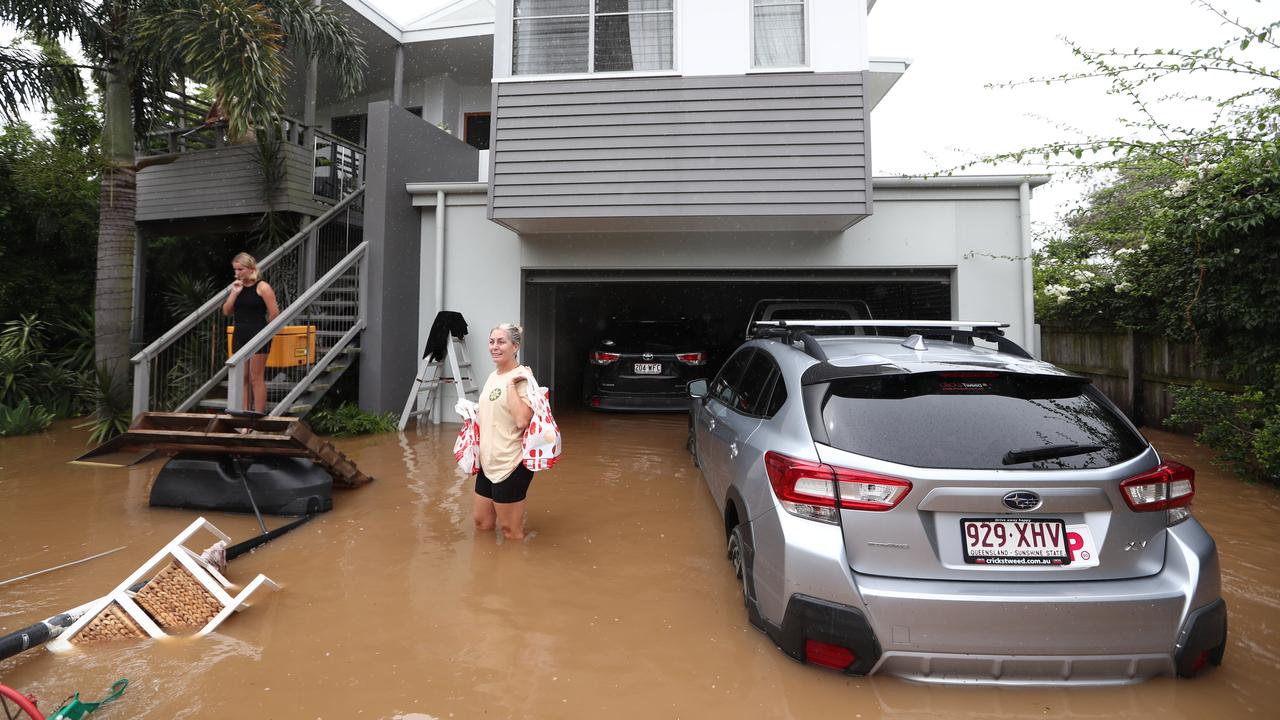
Blanket government support for insurance premiums or mortgage rates could, in fact, inadvertently deepen inequality, Assoc Prof Naderpajouh said.
Co-author Peyman Habibi-Moshfegh said climate change was often missing in discussions about the housing crisis.
“The numbers from our study show that future climate shocks need to be factored in when developing new housing policies and plans,” he said.
Climate change is already contributing to higher insurance premiums and reshaping the housing market.
Insurance costs are expected to rise dramatically in the coming decade, according to the National Climate Risk Assessment, with one million homes thought to be at high risk of falling into the uninsurable bucket by 2050.
The Climate Council estimates a $571 billion in damage-related loss to property values by 2030.
The international community has committed to limiting warming to well below 2C, while pursuing efforts to stay below 1.5C.
Under current policy commitments, warming between 2.3C-2.5C is expected – lower than previous estimates but still missing the Paris Agreement goal.

Neo-Nazi group outlawed under anti-hate legislation
A Neo-Nazi collective has become the second group to be effectively outlawed in Australia under anti-hate legislation.
The group, which has gone by a number of names including the European Australia movement, the National Socialist Network and White Australia, has been listed as a prohibited hate group, Home Affairs Minister Tony Burke announced on Friday after receiving advice from spy agency ASIO.
“This means that supporting, funding, training, recruiting, joining, or directing this group constitutes a criminal offence with a maximum penalty of 15 years in prison,” Mr Burke told reporters at parliament house.
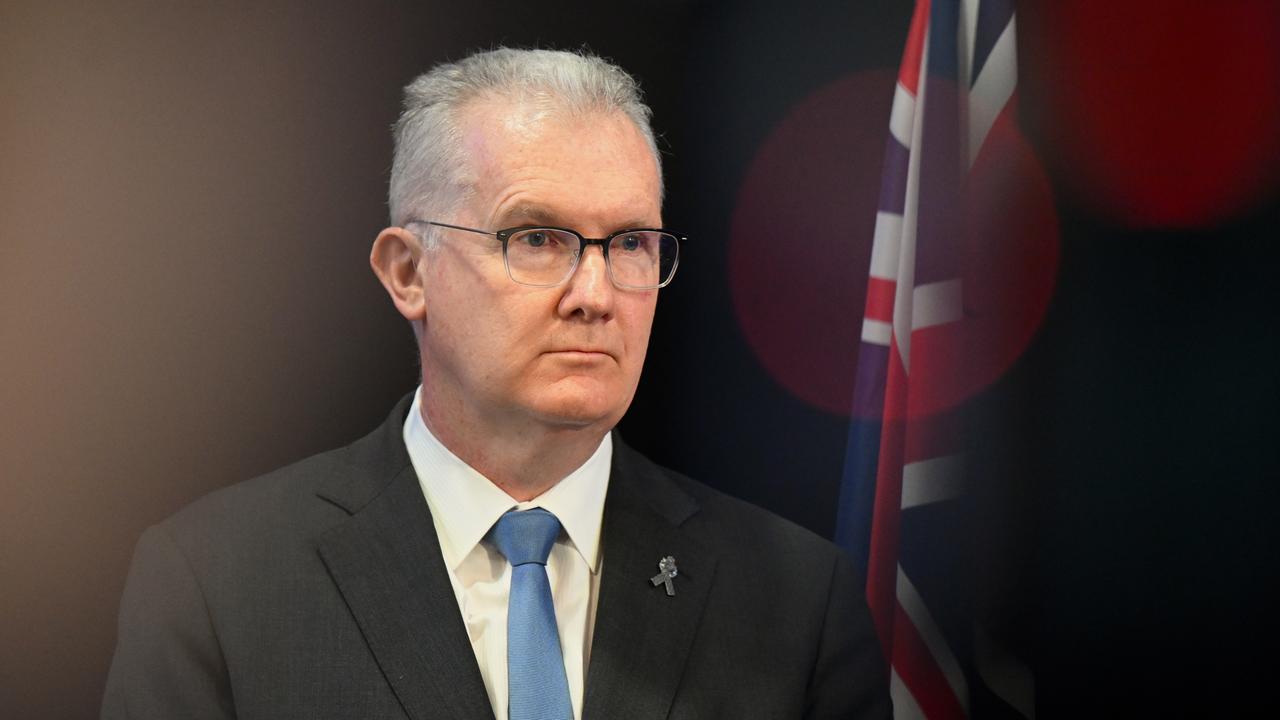
While the move wouldn’t stop people from holding bigoted views, it would prevent them from holding meetings and rallies.
“It sends a clear message to people who believe in racial supremacy that their views have no place in Australia,” Mr Burke said.
The group had “phoenixed” and changed its name to avoid scrutiny but still had many of the same members and carried out the same activities, Mr Burke said.
The White Australia movement is the second group to run afoul of anti-hate laws passed in the wake of the Bondi terror attack, after Islamist collective Hizbut Tahrir was listed as a prohibited hate group in March.
Mr Burke said he was first advised on April 22 that White Australia would likely meet the threshold to be listed, because it engaged in behaviour that would increase the risk of violence, and advocated or engaged in hate crimes.

Transgender ban from ‘women-only’ app remains unlawful
A “women-only” social media app has failed to overturn a finding it discriminated against a transgender user, paving the way for a gender identity battle in the High Court.
The Giggle for Girls app founder Sall Grover had attempted to appeal a 2024 decision which found Roxanne Tickle suffered indirect discrimination and ordered Ms Grover to pay $10,000 in compensation and legal costs.
It was the first time the Federal Court had weighed into gender identity discrimination.
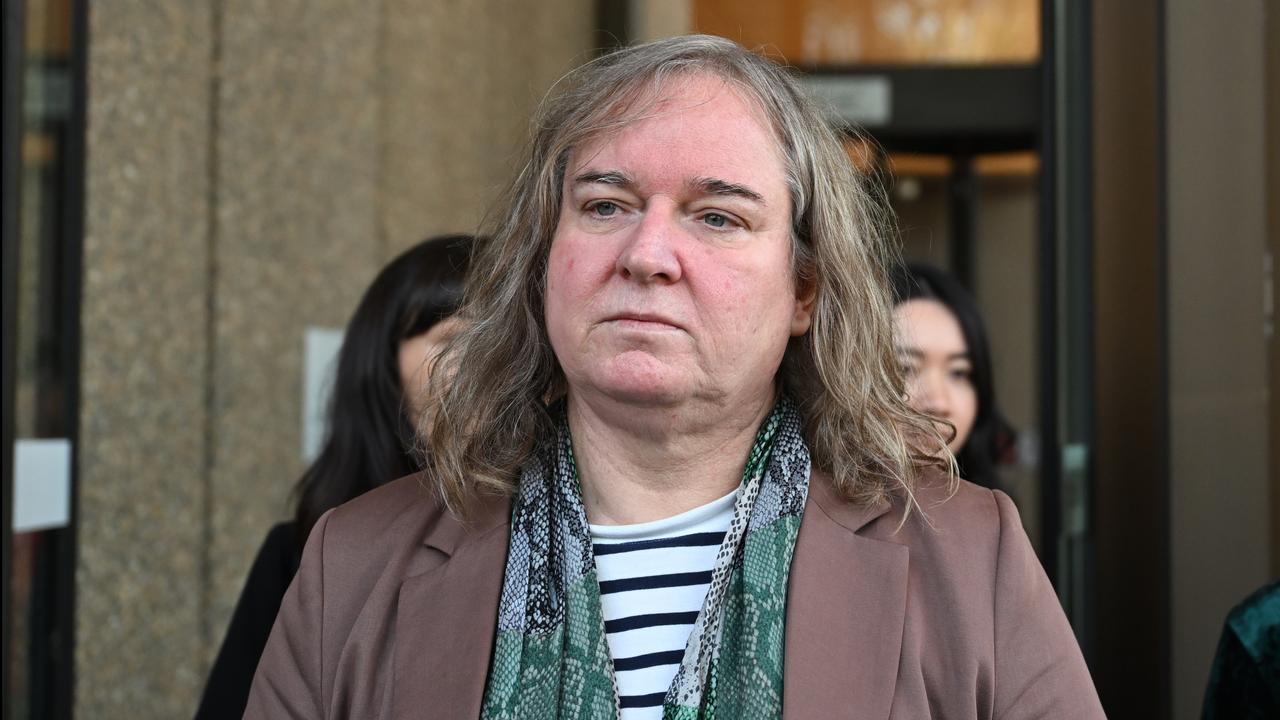
In a decision handed down by the full bench on Friday, Justice Melissa Perry told the court Giggle and Ms Grover excluded Ms Tickle from the Giggle app on the basis of her gender-related appearance by reference to her selfie.
“This amounted to direct discrimination by reference to a characteristic that pertains to people of Ms Tickle’s gender identity,” Justice Perry told the court.
The judges also ruled to reassess damages awarded by the court, increasing the amount to be paid to Ms Tickle to $20,000.
Ms Tickle was blocked from the Giggle app in September 2021 on the basis of her gender, despite a birth certificate listing her as female, the court was told during a series of often-heated hearings in April 2024.
Giggle’s barrister Bridie Nolan claimed Ms Tickle was a man so it was lawful to exclude her from the app because of provisions in the Sex Discrimination Act.
But Ms Tickle had undergone gender-affirming surgery and hormone treatments, identified as a woman with her family, friends and at work, and used women’s change rooms and shops in women’s clothing departments, her lawyer Georgina Costello said.
She had sought $200,000 in compensation, half of which was based on aggravated damages after an online campaign waged by Ms Grover.
The court was told Ms Grover had persistently misgendered Ms Tickle in media interviews and across hundreds of posts about the case made to her 93,000 online followers.
This resulted in an “enormous” amount of hate directed to Ms Tickle, Ms Costello said.

During an appeal hearing in August, lawyers for the app argued it was a “special measure” exempt from discrimination law because it sought to achieve substantial equality between men and women.
Its intention was to create a “safe space” for women, Ms Grover’s lawyers said.
But this was challenged by lawyers from the Sex Discrimination Commissioner, who argued “invidious discrimination” could be permitted to take place under the guise of a special measure.
Lifeline 13 11 14
Fullstop Australia 1800 385 578
Passengers from hantavirus cruise land in Australia
Passengers from a cruise ship afflicted by the rare and deadly hantavirus have touched down in Australia before a three-week quarantine.
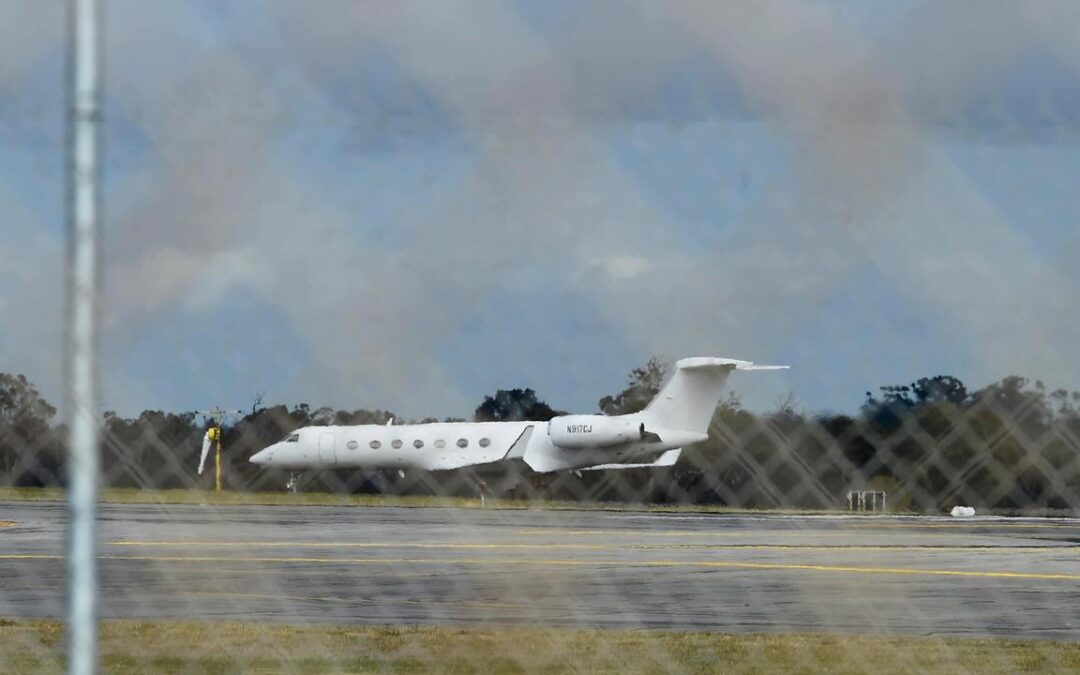
Four Australian citizens, one permanent resident and one New Zealander, who were evacuated from the MV Hondius cruise ship, landed near Perth at the Pearce RAAF Base about 1pm AEST on Friday.
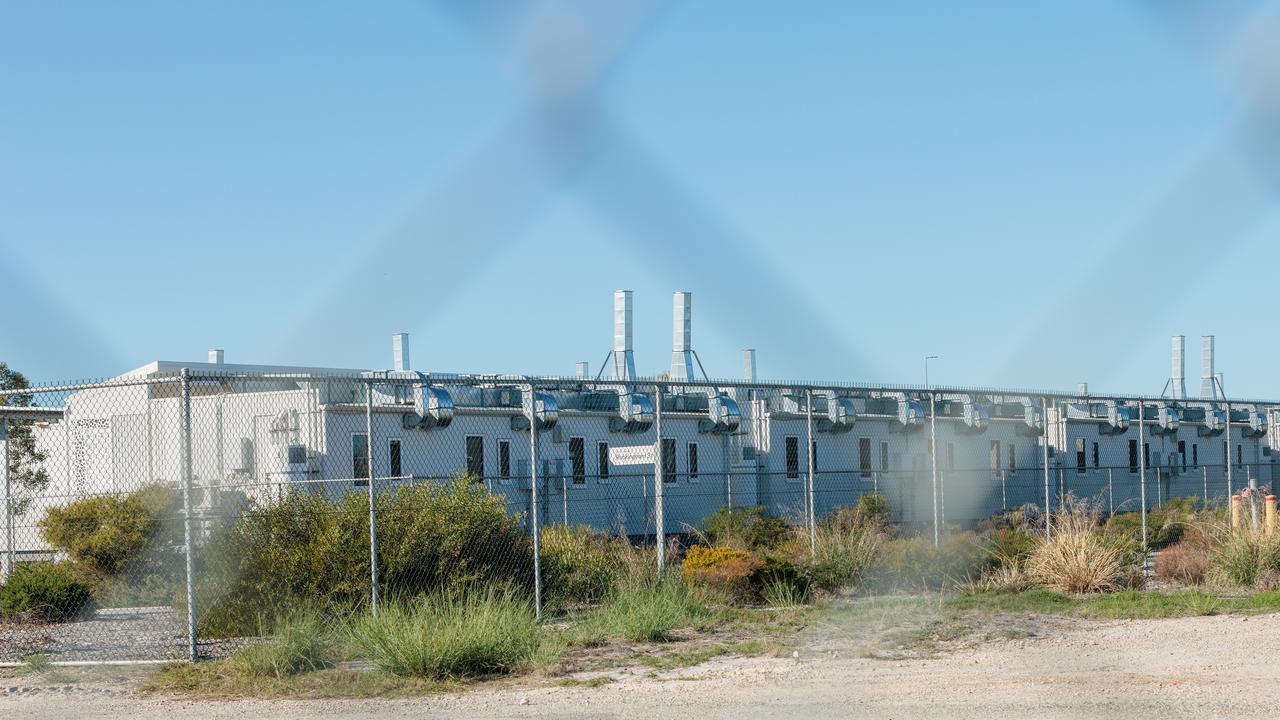
The group will be placed into quarantine at the Centre for National Resilience next to the base for at least three weeks.
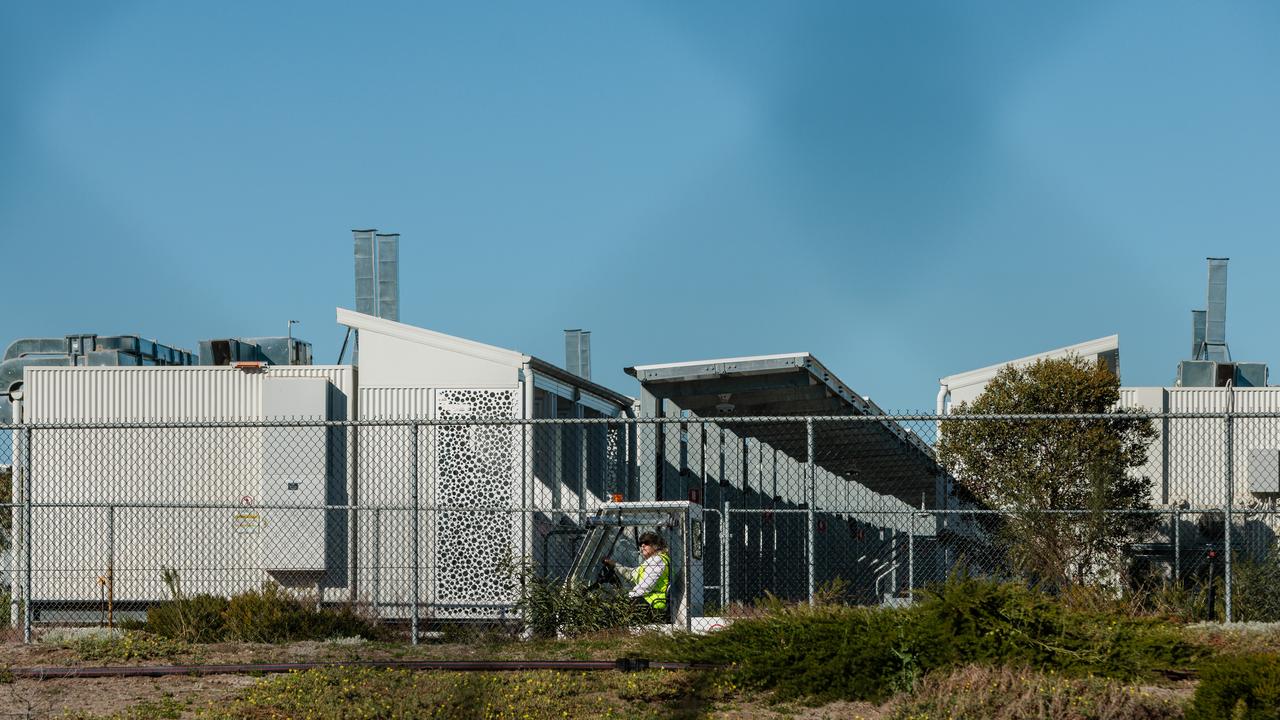
As of Thursday, all passengers were in good health and showed no symptoms, Health Minister Mark Butler said.
Three of the passengers live in NSW while the other two reside in Queensland.
It is unclear when they will be cleared to return home as their quarantine could be extended pending advice from chief health officers.
The biggest risk to Australians is not posed by this cohort, it is from those who had been exposed to the hantavirus and failed to undergo quarantine, University of the Sunshine Coast associate professor Erin Price said.
“The concern is really for people travelling,” Prof Price told AAP.
“Some of the passengers who were on this cruise ship disembarked before the outbreak was identified and have moved quite a bit around the world.
“That is a real worry.”
The MV Hondius ship docked in Tenerife on Sunday after three people died and others were confirmed to have tested positive for the virus, which is contracted through contact with infected rodents.
The Andes form of the hantavirus, which was the cause of the cruise ship outbreak, can be transferred from person to person through bodily fluids, including saliva, blood and urine.
People have been urged to wear a P2 respirator – also known as an N95 respirator – in public spaces such as airplanes to prevent them from inhaling the virus particles.
Blue surgical masks will not stop any viruses, Prof Price said as she stressed the importance of respirators.
The virus is also susceptible to alcohol-based hand sanitisers, so Prof Price has recommended regular handwashing with soap, wiping down surfaces and other regular hygiene practices like washing clothes and having a shower after a flight.
Symptoms can occur one to eight weeks after exposure and the window of infection is believed to be four days, including two days where those afflicted can be asymptomatic, Prof Price said.
Hantavirus is not as infectious as COVID-19 but its long incubation period could still pose issues, fuelling calls for clear, consistent and science-based messaging from governments to mitigate risks.
Early symptoms are flu-like and include fevers, fatigue, mascle aches, headaches, chills or dizziness.
Some from the cruise have also experienced gastrointestinal symptoms such as diarrhoea, vomiting and nausea.
If the virus becomes severe, those infected can become short of breath as their lungs fill up with fluid, leading to reduced oxygen levels, low blood pressure, heart issues and sometimes death.
Stocks down as dip buyers come to the rescue of banks
Australia’s share market is again heading lower after a brief reprieve on Thursday, as a rally in major miners runs out of steam.
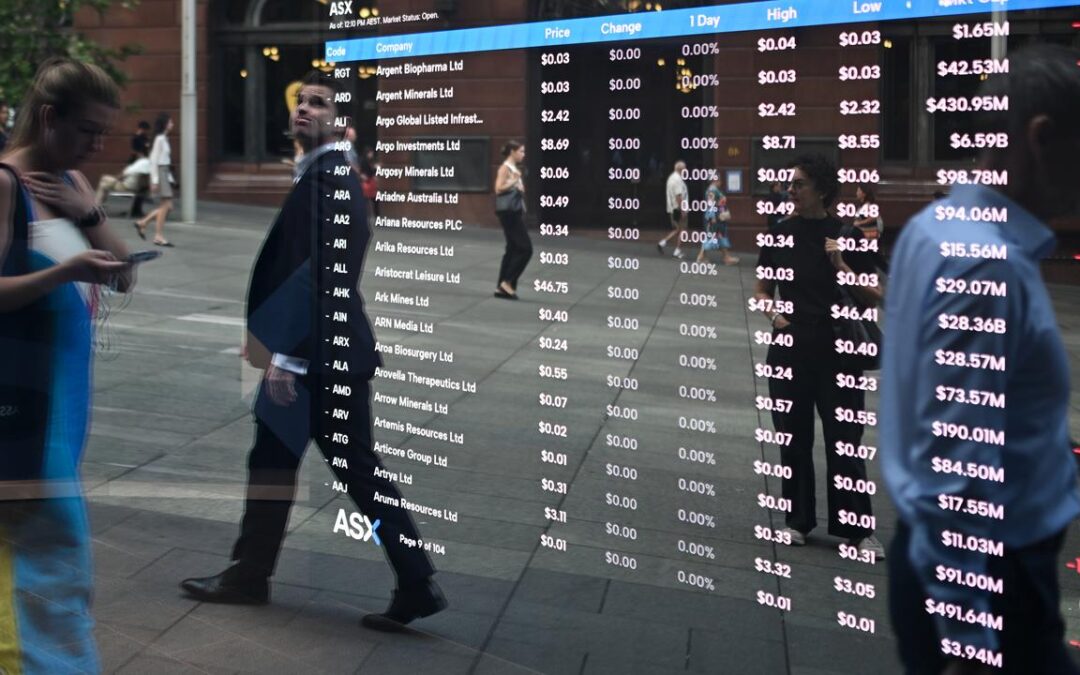
The S&P/ASX200 fell 15.9 points by midday on Friday, down 0.18 per cent to 8,624.8, as the broader All Ordinaries lost 16.6 points, or 0.19 per cent, to 8,864.7.
Dip buyers stepped in after a post-earnings-season sell-down of the big four banks, which peaked on Wednesday when Commonwealth Bank shares had their worst day on record, falling 10 per cent.
The drop wiped away almost $30 billion of the bank’s market value.
CBA was 2.4 per cent higher at $160.25, while Westpac edged up 0.3 per cent to $35.83, NAB gained 0.3 per cent to $36.52 and ANZ lifted 0.3 per cent to $35.12.
Energy stocks advanced on the back of rising oil prices, as RBC Capital Markets warned against optimism for a timely resolution to the Persian Gulf energy crisis.
“We are very sceptical of a June grand reopening or even that maritime traffic will return to February 27 levels for the foreseeable future,” RBC head of global commodity strategy Helima Croft said.
“The optimistic scenario seems predicated on the tenuous assumption that there is a relatively easy policy lever that can be pulled to get ships moving again through the strait once the economic pain becomes unbearable.”
Woodside, Santos, Ampol and Viva Energy all advanced as Brent oil futures crept above $US107 a barrel, while coal miners also improved and uranium stocks lost ground.
Miners weighed heavily on the bourse, the basic materials sector shedding 2.9 per cent as BHP and Rio Tinto cooled off from their record-breaking runs, tracking with a reversal in copper prices.
Gold miners were a sea of red, as the precious metal tumbled to $US4,612 ($A6,418) an ounce, dragging the All Ordinaries gold sub-sector 2.6 per cent lower.
The retreat followed stronger-than-expected US economic data, which supported the greenback and bond yields, and heightened the likelihood of US interest rate hikes, IG market analyst Tony Sycamore said.
Utilities also dragged on the bourse, falling more than two per cent after similar slides in AGL and Origin.
ASX-listed IT stocks bounced more than four per cent after falling for most of the month, helped by an almost nine per cent rebound in Xero after Thursday’s earnings miss sparked a sell-off.
Consumer-facing stocks staged modest rebounds of about 0.7 per cent, but both staples and discretionaries remained under pressure as fuel costs, inflation and rising interest rates weigh on confidence.
In company news, retail property group Vicinity Centres edged 0.6 per cent higher after exchanging contracts to buy Western Sydney’s Eastern Creek Quarter precinct for $400 million.
Mineral Resources shares slumped more than seven per cent after managing director Chris Ellison unloaded $112.5 million in stock in an on-market sale.
Penfolds Owner Treasury Wine Estates inched higher after French billionaire Olivier Goudet spent $31 million to up his stake in the winemaker to more than nine per cent.
The Australian dollar is buying 71.87 US cents, down from 72.03 US cents on Thursday at 5pm.
Asia shares fall as US yields hit one-year high
Asian shares came under pressure on Friday as investor euphoria over tech stocks gave way to inflation fears that saw Treasury yields spike to one-year highs and rising bets on a US rate hike this year.
Oil prices kept climbing amid the lack of progress to open the Strait of Hormuz, and as US President Donald Trump said China wanted to buy US oil.
Attacks on one ship and the seizure of another stoked concerns about energy supplies, with Brent crude futures up 5.7 per cent this week to $US107 ($A148) a barrel.
All eyes are on Beijing where Trump is set to wrap up his two-day state visit on Friday. Trump’s entourage includes Tesla CEO Elon Musk and Jensen Huang, chief executive of chipmaker Nvidia.
Nvidia surged 4.4 per cent overnight after the US cleared the sales of the company’s H200 chips to Chinese firms, lifting the S&P 500 and Nasdaq to new record highs.
The euphoria, however, failed to spread to Asia. MSCI’s broadest index of Asia-Pacific shares outside Japan fell 1.2 per cent on Friday, more than wiping out this week’s gain so far.
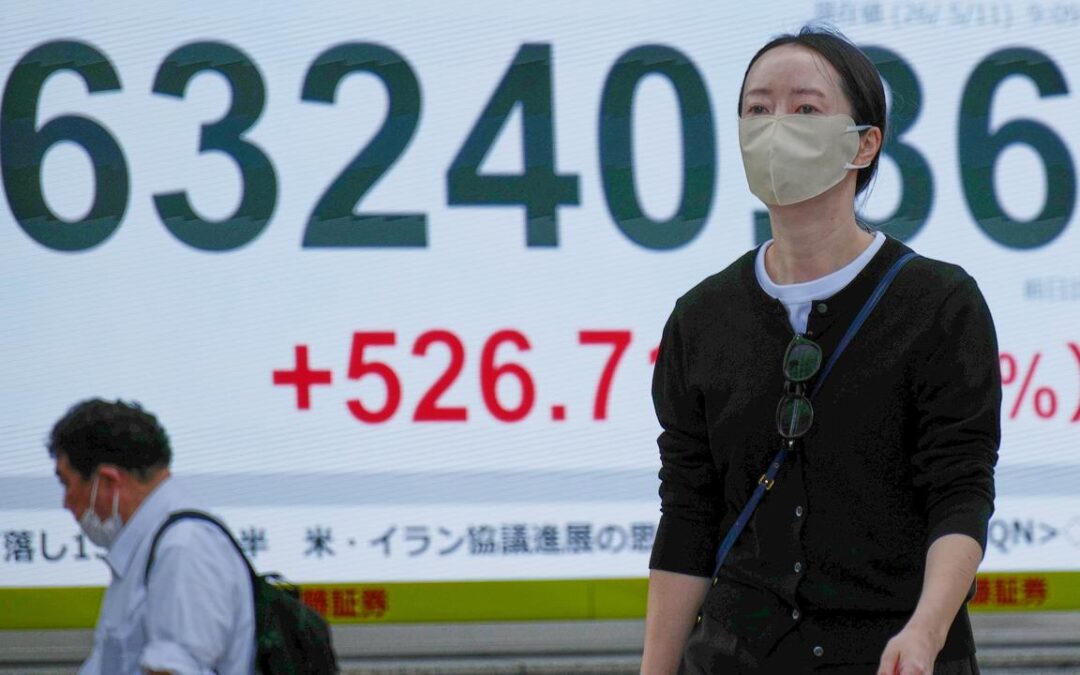
Japan’s Nikkei also dropped 1.2 per cent as data showed the country’s wholesale inflation accelerated to 4.9 per cent in April, the fastest pace in three years, leaving the Bank of Japan on track to raise interest rates.
South Korea’s KOSPI topped 8,000 points for the first time but ran into profit-taking and was last down 3.0 per cent. China’s blue-chip eased 1.0 per cent, while Hong Kong’s Hang Seng index fell 0.9 per cent.
“President Trump’s China visit is ongoing and offering a welcome break from Iran war angst. But that is what we are going right back to,” said Padhraic Garvey, regional head of research, Americas at ING.
“The front and centre issue is delivered inflation, which remains troubling from a Treasury market perspective. We maintain a viewpoint centred in an upside test for yields in the weeks ahead.”
Rising inflation risks driven by the surge in oil prices are weighing on investor appetite for US Treasuries, with a run of soft auctions this week — spanning three-year notes, 10-year notes and 30-year bonds — underscoring the market’s fragility.
The latest 30-year bond sale ended at 5.046 per cent, the highest yield for that maturity since August 2007. The higher yield attracted some buyers on Thursday but 30-year Treasury yields were on the march again on Friday, up five basis points to 5.06 per cent, the highest since July 2025.
While the long end of the Treasury curve grabbed headlines, borrowing costs are also spiking at the short end. The yield on US two-year notes rose six basis points on Friday to 4.056 per cent, the highest since May 2025, while the 10-year yield also climbed six bps to 4.518 per cent.
The dollar was set for a 1.2 per cent week gain – the most in two months – supported by the lack of progress in the Gulf. Solid US retail sales data also had markets pricing in a 45 per cent probability that the Federal Reserve will have to raise rates in 2026, even under the new leadership of Kevin Warsh.
The greenback’s strength pushed the yen to the weaker side of 158 per dollar and kept traders on alert for further intervention from Tokyo.
Sterling fell to a one-month low of $US1.3385 ($A1.8534), having slid 0.9 per cent in the previous session following the resignation of British health minister Wes Streeting, deepening the political crisis there.

Delta soars to Eurovision stardom in sparkling form
Delta Goodrem has sung for Australia at the second semi-final of Eurovision, playing a sparkly gold piano as she performed her song Eclipse.
The singer and former Neighbours star, who is arguably the best known act in the song contest for 2026, was accompanied by a harpist.
As her performance climaxed, Goodrem was elevated into the air from the top of her piano.
Entries from the UK and host Austria, who have both already qualified for the final, also performed on Thursday evening (Friday morning AEST).

The song competition, traditionally a good-natured celebration of pop music and high camp, has been marred by controversy as several countries boycotted over Israel’s participation.
The public broadcasters of five countries – Spain, the Netherlands, Ireland, Iceland and Slovenia – oppose Israel’s involvement because of the country’s military offensive in the Gaza Strip in response to the Hamas-led attack of October 7, 2023.
The final of Eurovision is scheduled for Sunday morning AEST.

Singers from the so-called “big four” – the UK, Germany, Italy and France – automatically qualify for the final, with their broadcasters contributing the most to Eurovision financially.
Australian fans Naomi and Justine, from Tasmania, arrived at the Wiener Stadthalle venue in Vienna on Thursday with high expectations.
“She’s known all over so she’s got a good shot, we reckon we’re through to the final and hopefully on the left side of the board,” Justine said.
Goodrem released the single Eclipse in March and it has reached No.1 on the Australian AIR Independent Singles Chart.
with PA and Reuters
Migrants help keep rural Australia alive, farmers say
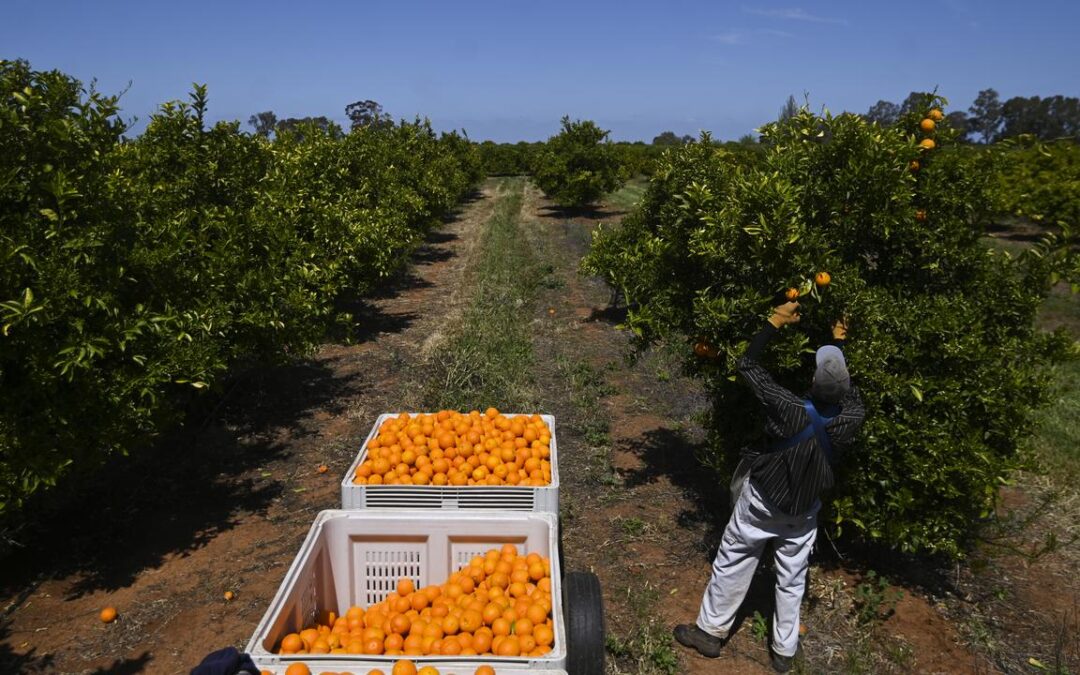
Skilled migrants do not take Australian jobs, but fill critical labour shortages, enrich cultural diversity and stem the decline of country towns, agricultural groups say.
Peak farming bodies have urged an inquiry to consider education campaigns on the essential role of skilled migrants, as conservative parties call for caps on overseas arrivals.
The inquiry, which is examining the economic, social and cultural value of skilled migration to Australia, is due to hear from farmers, small business groups and foreign affairs officials at a hearing in Canberra on Friday.
Dairy farmers rely on skilled workers, with more than 40 per cent of operations hiring overseas workers in 2024, according to a joint submission from Australian Dairy Farmers and Dairy Australia.
Public confidence could be strengthened by clear messaging that skilled migration “complements, not replaces, local workers”, the submission said.
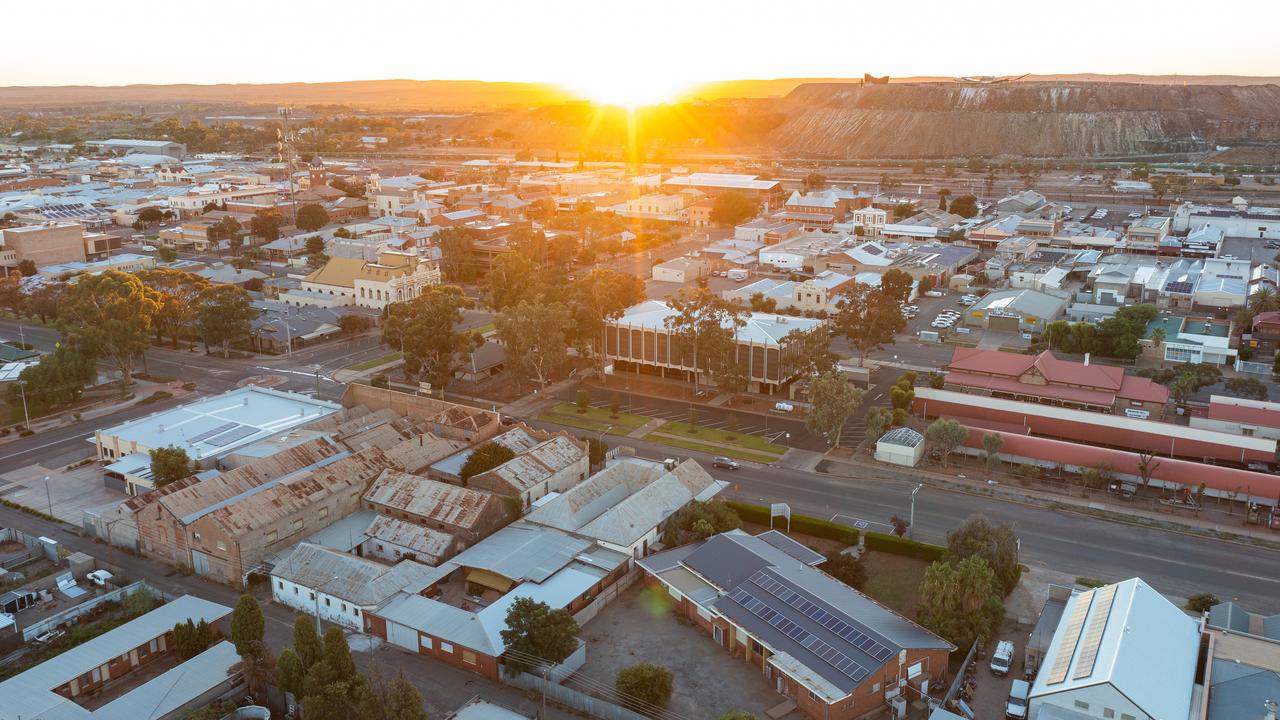
“Their presence reduces misconceptions, strengthens social cohesion, fills local schools, contributes to community organisations, and sustains regional service economies.”
Skilled migrants are also key to food security and the availability of fresh produce, the Australian Meat Industry Council’s submission said.
Public awareness campaigns about overseas workers’ value could be backed by community events to reduce misconceptions and help migrants and long-term residents connect, it said.
“Improved understanding would help shift the narrative from a narrow focus on numbers to an appreciation of who migrants are, what skills they bring, and how they keep regional Australia working.”
Labor is facing intensifying pressure from One Nation and the coalition to put a lid on migration to reduce demand for housing and services.
Measures revealed in Tuesday’s budget showed of the 185,000 places allocated for permanent migrants in 2026/27, more than 132,000 will be for skilled workers.
The visa allocations will put downward pressure on net overseas migration, the budget document said.
Anti-immigration rhetoric has resurfaced in recent months.
Since the Bondi massacre in December, One Nation leader Pauline Hanson has claimed overseas arrivals are linked to fraying social cohesion.
Opposition Leader Angus Taylor has promised to only allow arrivals equivalent to the number of homes built in the previous year.
A submission to the inquiry from the National Farmers’ Federation said a sustainable workforce was more important than where it was sourced from.
Skilled migrants often brought valuable international expertise and perspectives, it said.
“Passing on their culture and values can only be of benefit to communities in regional Australia.”