
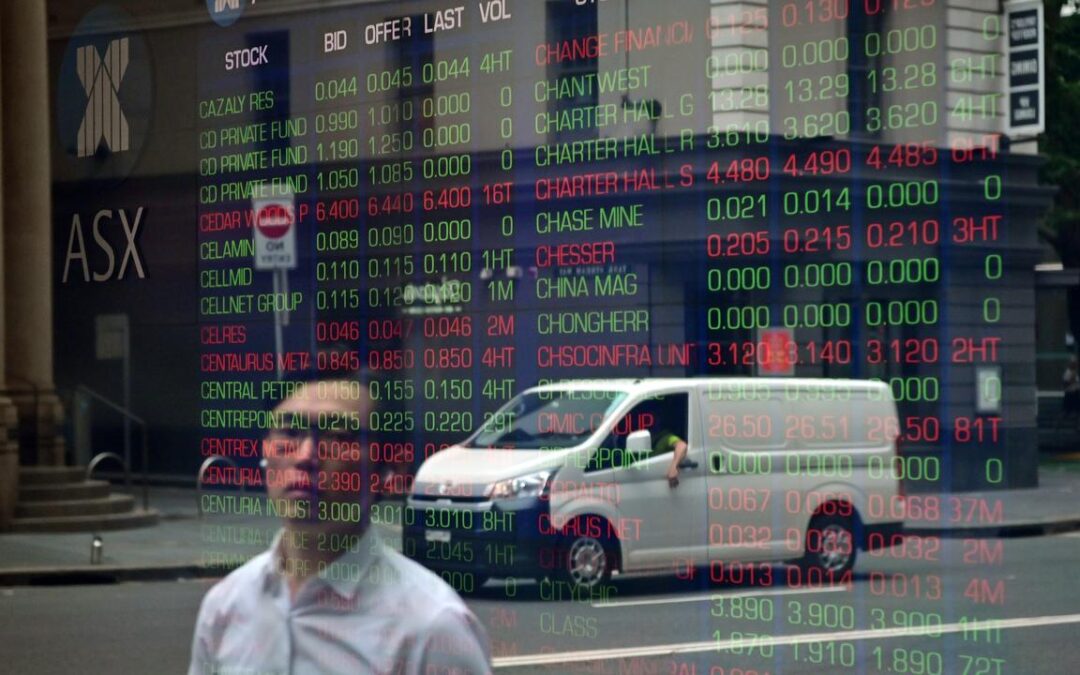
Shares tumble as miners and banks slide on Iran woes
Australia’s share market has wiped the previous session’s gains, amid a re-escalation of tensions between the US and Iran.
The S&P/ASX200 fell 111.2 points by midday, down 1.27 per cent, to 8,674.5, as the broader All Ordinaries lost 110.9 points, or 1.23 per cent, to 8,906.3.
The slump followed a weak session on Wall Street after a record-breaking rally in US tech stocks ran out of steam.
“Financial markets shifted back into a risk-off mode as the US and Iran exchanged fire again,” Westpac economist Mantas Vanagas said.
“With military action intensifying and tensions over Israel’s campaign in Lebanon rising, the two countries appear to be moving further away from common ground on a lasting agreement.”
In a positive sign, Israel and Lebanon have agreed to implement a ceasefire provided Hezbollah halts attacks on Israel, which could lead to a resumption of talks between the US and Iran.
Energy and utilities stocks rose as Brent crude hovered near $US97 a barrel, while traditionally defensive sectors, health care and consumer staples, also improved.
Ampol and Viva Energy advanced, with Ampol up more than two per cent to $35.79 after Macquarie raised its target price on the refinery operator to $46.50.
Miners were heavy, with basic materials tumbling 3.1 per cent, tracking with BHP and Rio Tinto, as the sector retreated from Tuesday’s record-breaking runs.
The miners’ respective drops came as iron ore futures tumbled to 12-week lows after exports from Rio’s Simandou mine in Guinea surged in May, six months after its first shipment to China.
Gold miners were also under pressure, as the metal slipped to $US4,464 ($A6,260) an ounce, while battery minerals and rare earths producers also fell.
Financials tipped one per cent lower as all four big banks and Macquarie lost ground, but insurers managed to carve out some modest gains.
Meanwhile, real estate stocks have fallen 2.8 per cent for the week as investors continue to mull a cooling property market and the impacts of proposed federal tax reforms on future investment.
Consumer discretionaries are on track to snap a three-session losing streak with a somewhat unconvincing 0.1 per cent rebound.
In company news, Pro Medicus gained 0.7 per cent to $160.81 after announcing its third contract win this week.
Treasury Wine Estates soared by more than a tenth after reaffirming its 2026 financial year guidance and flagging plans to slash its portfolio from 76 brands to less than 30.
Shares in alcohol and hotels giant Endeavour jumped more than three per cent $2.96 after an upgrade from investment behemoth Citi, which raised its target price to $3.25.
The Australian dollar was buying 71.30 US cents, slipping from 71.59 US cents on Wednesday at 5pm.

Penfolds maker eyes ‘power’ wines as palates shift
The behaviour of wine drinkers is evolving in favour of fewer tipples, but with a focus on top-tier varieties, one of Australia’s premium wine producers says.
Treasury Wine Estates, which owns the globally recognised luxury Penfolds brand, now plans to focus a good chunk of its resources on its top 10 “power brands”.
This segment, which includes Penfolds, Daou and Matua, already contributes 72 per cent of gross profit on 25 per cent of the stock exchange-listed company’s wine volume.

“Our power brands will represent the largest growth opportunities,” chief executive Sam Fischer told investors at a strategy day on Thursday.
“These are scalable brands with the ability to win across multiple markets.
“Collectively, they will receive disproportionate investment and organisational focus to support our growth ambition.”
For instance, Treasury Wine’s luxury red wines, including blends, Cabernet, Shiraz and Pinot Noir, already do well across China, the rest of Asia and Australia.
The story is the same for its luxury whites, including Chardonnay, Sauvignon Blanc and sparkling wines produced under the Penfolds Yattarna, Frank Family and Doau brands.
“Wine has played an enduring role in society for thousands of years,” Mr Fischer said.
“People all over the world enjoy wine as they celebrate, connect, and relax, and while we believe that these underlying occasions will endure, we do need to acknowledge that wine consumption is evolving.
“Luxury wine remains highly attractive, underpinned by the ‘premiumisation’ trend, as people drink less but better.”
At the same time, Treasury Wine has noted that consumers are seeking lighter wine styles, including low alcohol varieties, which now make up about 30 per cent of its volumes.
These wines – including Wynns, Squealing Pig, Stags’ Leap and Coldream Hills – as ‘regional heroes’, are also in line for more investment.

“Our ‘future state’ portfolio will be centred around three clear growth pillars,” Mr Fischer said.
“Strengthening our red wine leadership, our luxury red wine leadership in key markets, building a stronger position in luxury white wine, and growing our position in ‘modern refreshment’.”
However, Mr Fischer also flagged the possible sale of some of the group’s Americas business, pending a review.
He pointed to supply chain issues at its California vineyards, adding that the company had already reduced grower intake and left some to lie fallow.
“Currently, we are not generating an appropriate level of return for the capital that we have allocated in that business, and the focus of the review will be to consider a range of options,” Mr Fischer said.
“These options could include further refinement of our operating model, the acceleration of initiatives across the supply chain or the sale of selected brands or assets.”
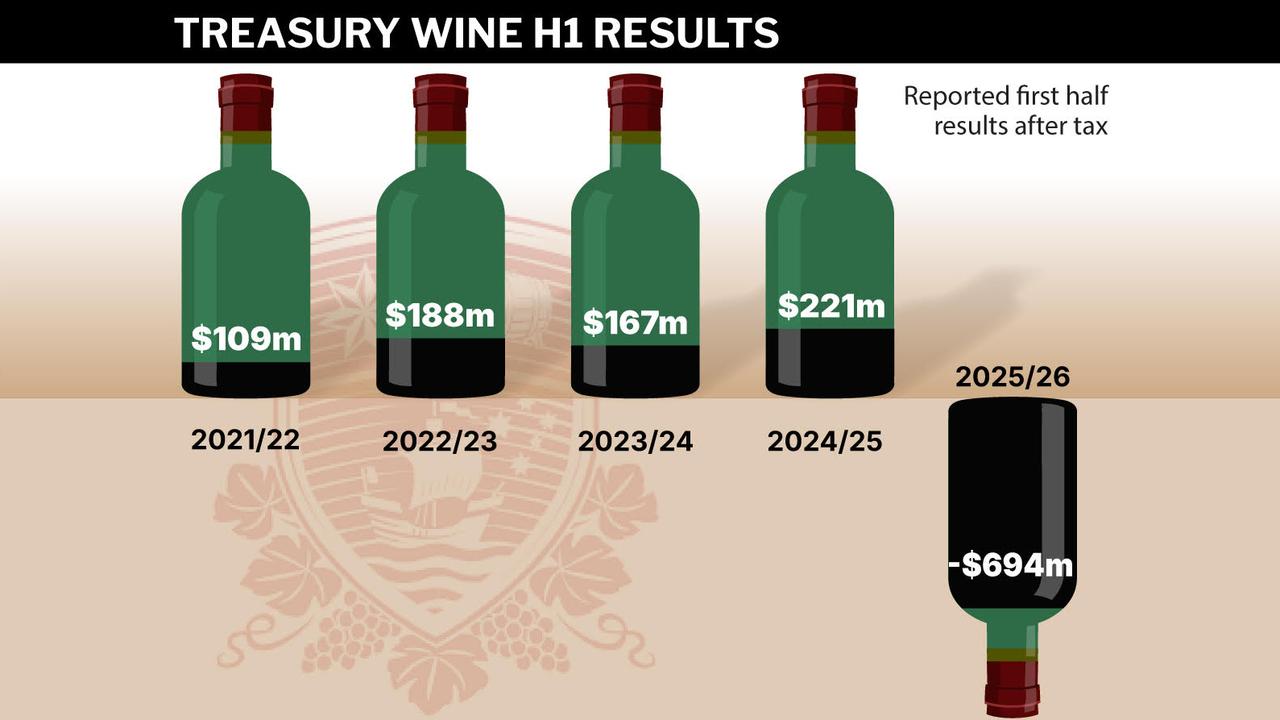
In February, the group reported a first-half bottom-line net loss of $649.4 million, due to a previously flagged impairment related to its US assets.
Stripping out that impact, its interim net profit was $128.5 million, down 46.3 per cent, while earnings before interest and tax came in at $236.4 million.
For the full 2025/26 year, Treasury Wines is now forecasting underlying earnings between $480 million and $490 million.
The company’s shares rose 12 per cent to $4.62 in early trading.
Asia stocks slide on flare-up of Mideast hostilities
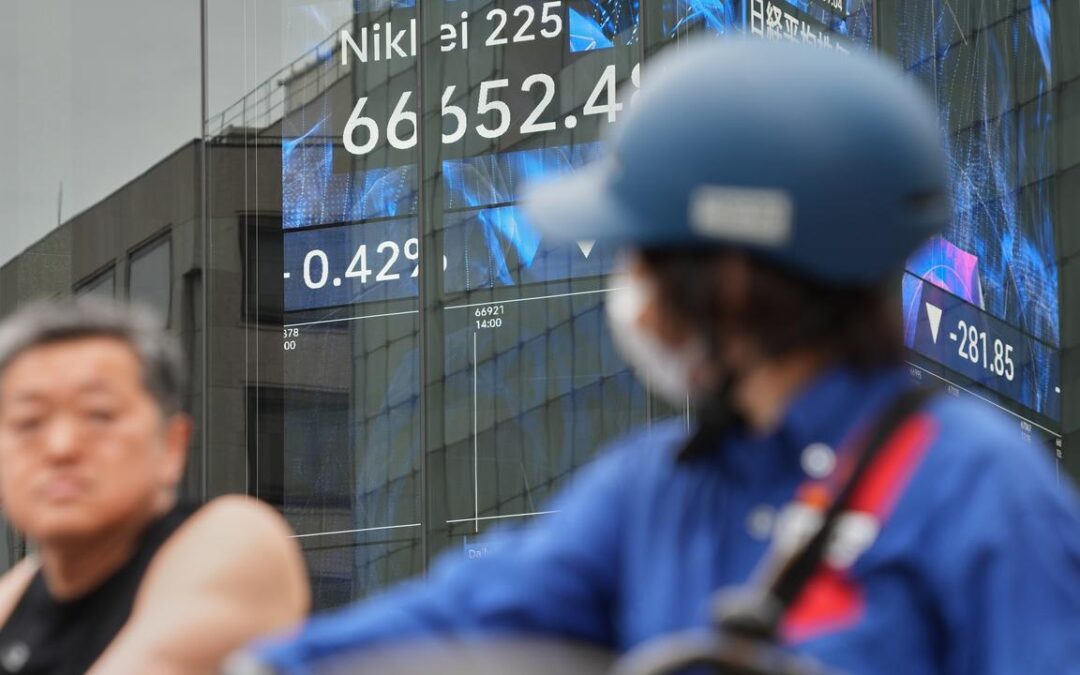
Asian stocks fell at the start of trading on Thursday as renewed fighting between the United States and Iran rattled stocks, even as conflicting signs of de-escalation left investors hesitant.
MSCI’s broadest index of Asia-Pacific shares outside Japan was down 0.8 per cent, while S&P 500 e-mini futures slipped 0.4 per cent. Korean shares reopened down 2.0 per cent after a holiday, while Japan’s Nikkei 225 slumped 1.3 per cent.
“Financial markets shifted back into a risk-off mode as the US and Iran exchanged fire again,” analysts from Westpac wrote in a research report.
Stocks on Wall Street tumbled overnight, with the S&P 500 falling 0.7 per cent and oil prices rising around 2.0 per cent as hostilities in the Middle East erupted anew and talks between Tehran and Washington showed little progress.
Traders looked through a better-than-expected US ISM services sector PMI print, which rose in May as businesses pre-emptively placed orders and rebuilt inventories in anticipation of shortages and higher prices because of the war.
Brent crude futures were 0.7 per cent lower at $US97.12 ($A135.91) a barrel as trading resumed on Thursday after Lebanon and Israel agreed to implement a ceasefire, which is contingent on a complete cessation of fire from the Iran-aligned Hezbollah militia and the evacuation of all its operatives from the South Litani Sector. The two sides had agreed in May to a ceasefire but hostilities had continued.
The Republican-led US House of Representatives approved a war powers resolution on Wednesday to block President Donald Trump from continuing the conflict against Iran. The measure is largely symbolic as it must still pass the Senate and would need a two-thirds majority in both chambers to override an almost certain presidential veto.
“Geopolitics continue to drive volatility and as conflicting signals dampen hopes for a quick solution to the conflict,” analysts from ING wrote in a research report.
Broadcom shares plunged more than 13 per cent in extended trading after missing Wall Street expectations for second-quarter revenue on Wednesday, while its top executive left a previous 2027 sales forecast unchanged, in a rare sign that the AI chipmaker may be losing steam.
In the currency markets, the yen was down 0.1 per cent at 159.945 yen per dollar after Bank of Japan Governor Kazuo Ueda said on Wednesday the central bank must discuss the pros and cons of raising interest rates if inflationary risks outweigh downside risks to the economy, in remarks that point to a strong chance of a rate hike later in June.
The US dollar index, which measures the greenback’s strength against a basket of six currencies, held steady at 99.45 after a three-day rally which took the currency to its strongest level since April 7.
The yield on the US 10-year Treasury bond was down 0.4 basis point at 4.485 per cent.
Gold rose 0.5 per cent to $US4,455.71 ($A6,235.16), firmly within the trading channel it has sat in since the middle of last month.
Bitcoin fell 1.3 per cent to $US64,047.39 ($A89,625.68), while ether rose 1.8 per cent to $US1,810.83 ($A2,534.01).
Australia caught in US plans for ‘anti-slavery’ tariffs
The prime minister has blamed an “ideological disagreement” for the latest round of American tariffs proposed for countries including Australia over what the US says is their failure to address modern slavery.
The White House is proposing new levies for 60 countries that it says are not doing enough to fight slavery in their supply chains.
Under the proposal, a 10 per cent temporary tariff imposed in February on Australian goods would increase to 12.5 per cent from July 24.
“The acts, policies and practices of Australia related to the failure to impose and effectively enforce a forced-labour import prohibition are unreasonable and burden or restrict US commerce,” US Trade Representative Jamieson Greer found in a report published overnight.
The tariffs are unwarranted and will only push up prices for consumers in the US, Prime Minister Anthony Albanese said on Thursday.
“There is an ideological disagreement where the United States administration has broken with what was a decades-long understanding that tariffs are not positive for the country that is imposing them,” he told the ABC’s AM program.
Trade Minister Don Farrell spoke with Mr Greer on the sidelines of the OECD ministerial meeting being held in Paris to argue the new import tax was unjustified.
Australia has “robust, comprehensive and world-leading” laws to tackle modern slavery, Mr Albanese said.
Beef and gold from Australia will maintain their existing exemptions from US tariffs, AAP understands.
Other American allies including Canada, Israel, Japan, New Zealand and the European Union, along with adversaries including China and Russia, are also covered under the latest tariff ruling.
“The failure of our most important trading partners to address the importation of goods made with forced labour is unacceptable … we will no longer tolerate this disparity,” Mr Greer said in a statement on Wednesday (AEST).
Former Australian ambassador to the US Joe Hockey said he’d argued personally with Mr Trump about his tariff policies and warned he was “not for moving”.
“America is running out of money, and they need to get it from somewhere. And the President of the United States is convinced that foreigners pay tariffs imposed by America, whereas in fact it is American consumers that pay higher prices,” Mr Hockey told ABC Radio National on Thursday.

SpaceX’s public offering could make Musk a trillionaire
SpaceX has publicly set a $US135 ($A189) price for shares in its initial public offering, upending the longstanding Wall Street price-discovery apparatus and underscoring Elon Musk’s determination to raise record sums his way.
The company’s decision to publish a price on Wednesday a week ahead of its landmark offering has few if any precedents among major US IPOs, and reflects Musk’s standing in the financial world as an adventurer with a golden touch.
SpaceX’s amended IPO filing confirms a Reuters report on the $US135 ($A189) price from earlier this week. The company is aiming to raise $US75 billion ($A105 billion), the most ever for an IPO, in a deal that would value it at $US1.75 trillion ($A2.45 trillion), immediately placing it among the top 10 most valuable US-listed firms.
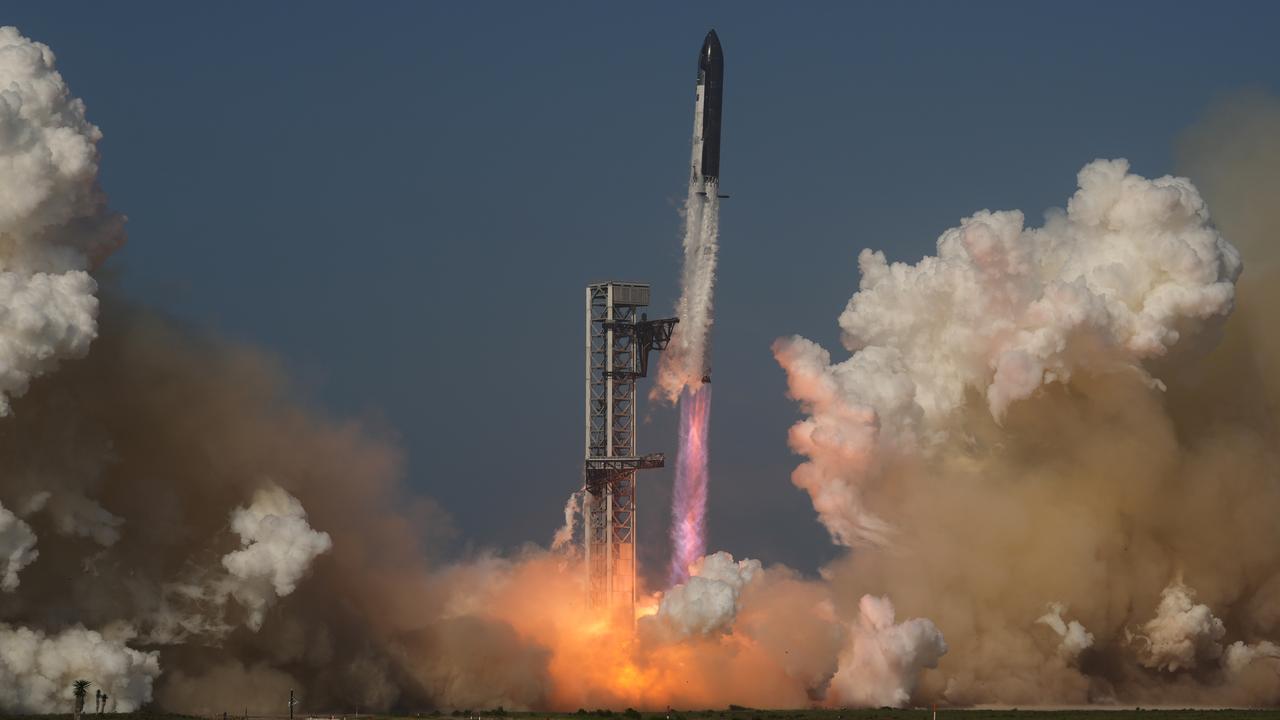
The company will kick off an investor roadshow on Thursday, with pricing expected on June 11. Trading in shares will begin on the Nasdaq the next day.
Musk has rewritten the IPO playbook for SpaceX in many other ways, from planning to give retail investors a larger role in allocations to pushing for early index inclusion, and structuring governance to preserve strong founder control.
“Nothing about this IPO is normal in any course or sense, but then again this is the largest IPO in history so maybe that is not surprising,” said an investor who is planning on buying into the IPO.
The road show is where companies and their bankers typically sound out investors in order to arrive at a price range for their share sale. The process emphasises bankers’ relationships with potential investors and their understanding of the market for the coming offering.
After a series of testing-the-waters meetings with investors ahead of the roadshow, SpaceX indicated it was looking for a valuation of about $US1.75 trillion ($A2.45 trillion), while some investors sought $US1.5 trillion ($A2.1 trillion) or less.
The company’s plans, including the size of the raise, are subject to change as the next round of investor meetings gets under way, sources told Reuters.
On Wall Street, there has been a rush to get a piece of the deal, given Musk’s reputation and his control of an offering that stands to generate millions of dollars in fees.
The prospective investor said there has been a sense that major firms are “posturing” by saying “we put the money in early” – a position that both reflects and reaffirms Musk’s leverage over investors.

Other aspects of the SpaceX offering stand out. Major international banks including Mizuho, Deutsche Bank, UBS, and Barclays, have been urged to focus on lining up wealthy individual buyers in their home countries.
In the past, little attention was paid to individual investors, as bankers sought out feedback from large asset managers such as Fidelity Investments and powerful hedge funds such as Citadel.
Reuters previously reported that the company is considering allocating as much as 30 per cent of the offering to individual investors, an unusually large retail tranche aimed at tapping into Musk’s cult-like following that would also broaden ownership of the company.
‘Budget is cooked’: debt pressure bites into spending
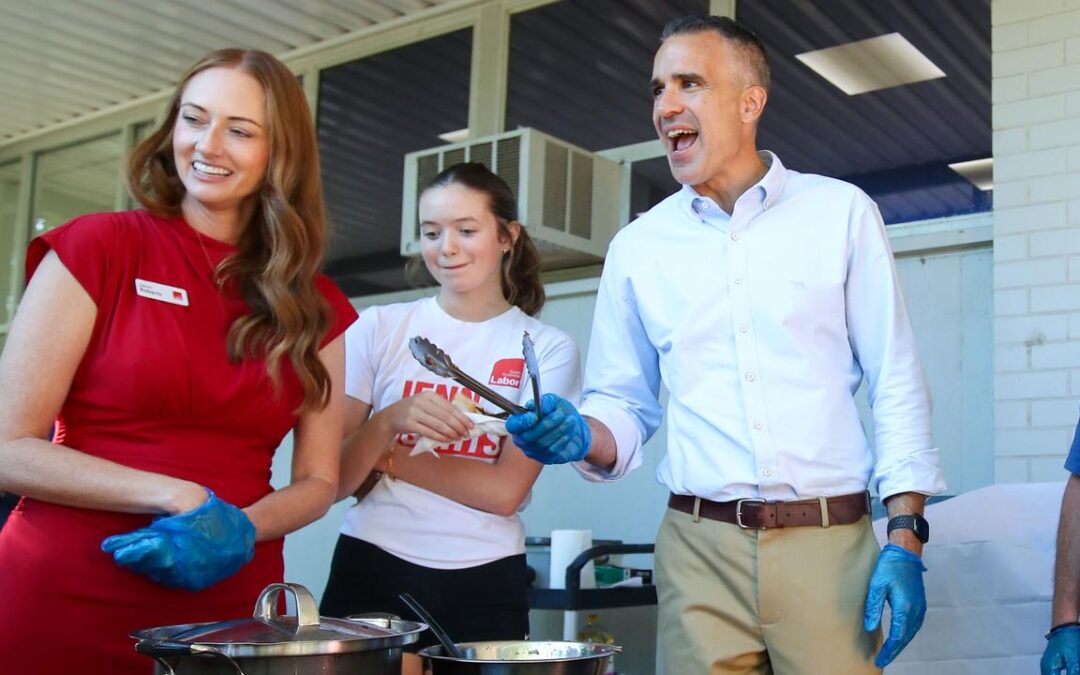
A government will impose a partial freeze on public service recruitment as it intensifies its budget focus on reining in the state’s growing debt burden.
But the South Australian Opposition says the budget is “cooked” and Labor has no plan to manage the state’s debt, which is predicted to balloon to close to $50 billion by 2039.
Treasurer Tom Koutsantonis will deliver the Malinauskas government’s first state budget on Thursday since its resounding election victory in March.
It has announced a partial freeze on recruiting of non-frontline public sector for the next 12 months, which is forecast to cut 1000 positions and save $120 million.
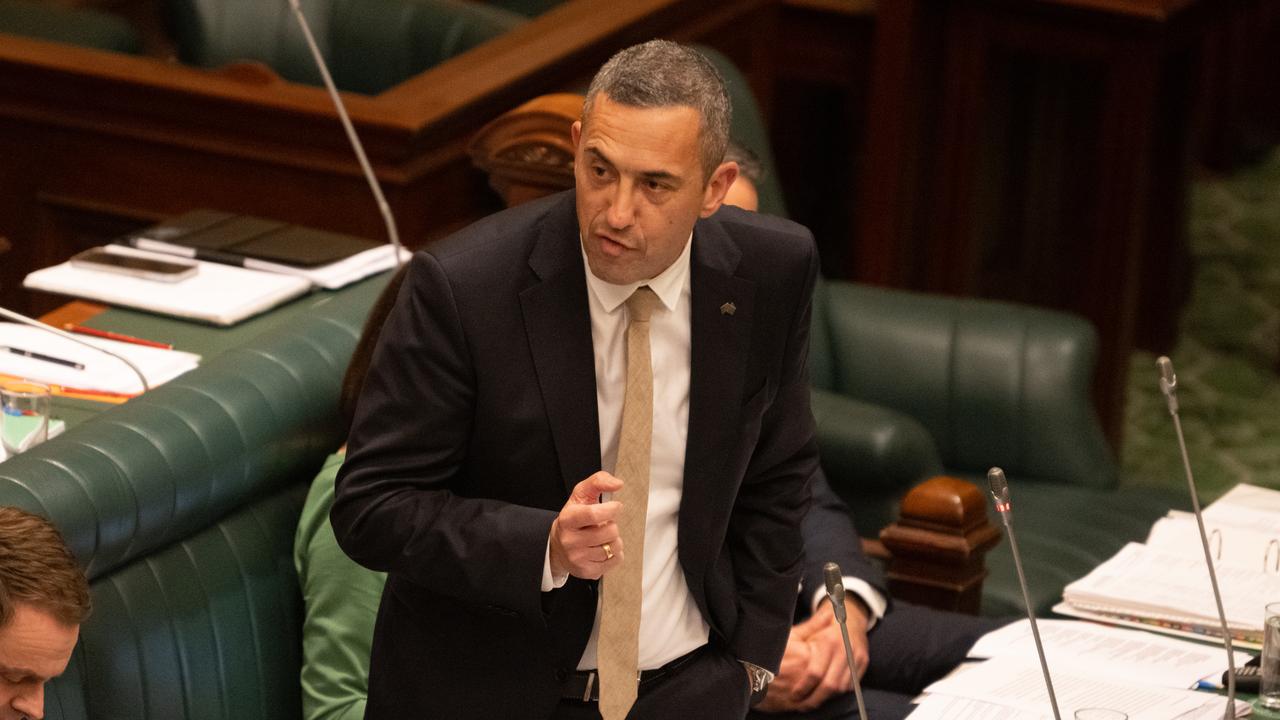
Mr Koutsantonis described it as “back office efficiency” that would not affect frontline areas such as teachers, police, doctors and nurses.
Flinders University public policy lecturer Josh Sunman told AAP the saving was a significant amount, “but it’s a drop in the ocean compared to what the debt bill is”.
Shadow treasurer Ben Hood said the state needed “a targeted, attrition-based approach to curb that backroom growth in the public sector”.
“Labor simply has no plan for debt management,” he said.
“The budget is cooked … and it is time for the premier and the treasurer to step up to the plate.”
Based on midyear budget review figures from December, debt interest was costing the state more than $5 million a day, or $1.9 billion a year, he said.
“That equates to $61 a second of interest being paid on the debt that South Australians are having to carry for this government,” he said.
Mr Sunman said the debt burden meant the government had limited budget capacity to respond to the cost-of-living crisis.
“Cost-of-living relief is really reductions in charges, things like stamp duty, and car registration, but with the debt situation, that’s not really something this government can do,” he said.
“The government’s year-to-year fiscal management is quite good, it stays within its means, but it needs to do more than that if it wants to kind of tackle the structural debt problem.”
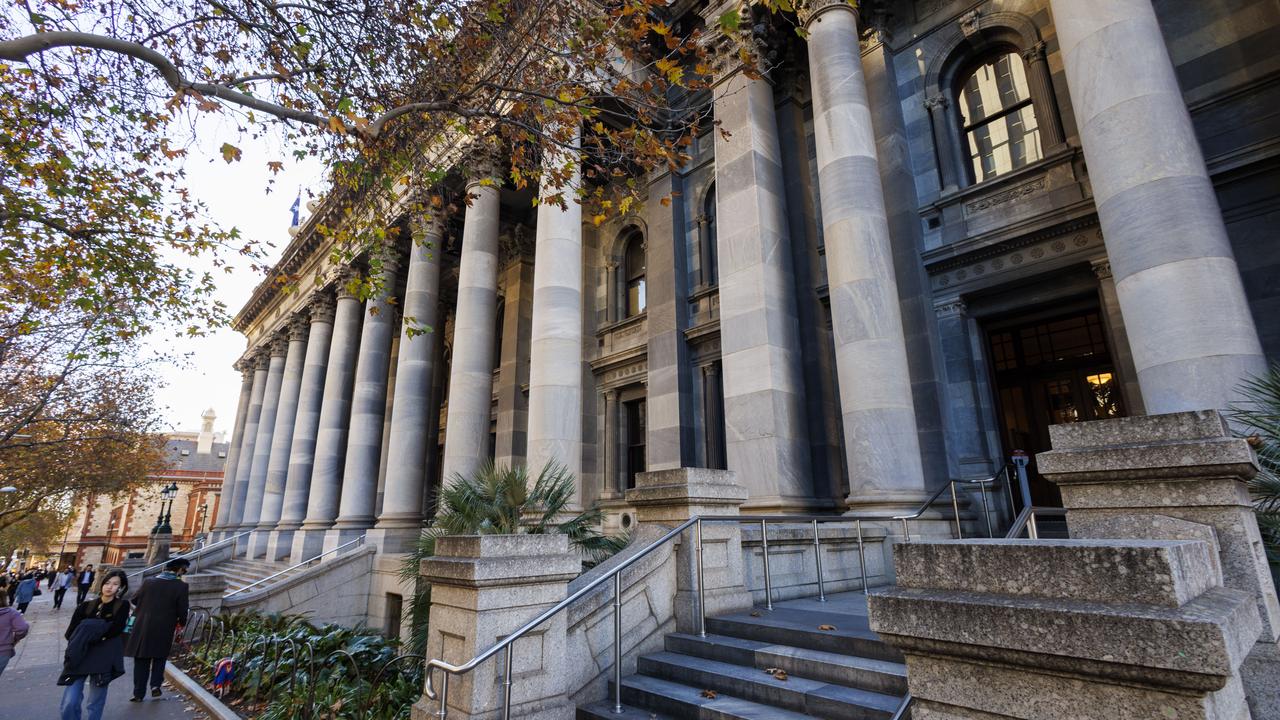
Much of the increased debt is attributable to the $15.4 billion Torrens to Darlington tunnel project, to complete the city’s north-south corridor link, and the new Women’s and Children’s Hospital, which is costing an estimated $3.2 billion.
The health budget will also top $10 billion for the first time, as the government continues to boost services and staff to address the persistent issue of ambulance ramping.
On Wednesday, Premier Peter Malinauskas re-announced the government’s commitment to widen Seniors Card eligibility to all South Australians over 60, as well as Aboriginal South Australians aged 50 or older.
“Currently, if you work 20 hours a week or more, you’re ineligible, and that’s crazy, because it means that people over the age of 60 are denied … cost of living (relief),” he said.
The policy will cost $8 million over four years and allow an estimated 80,000 extra people to access free bus, train and tram travel, and fuel, food and cinema ticket discounts.
The government will abolished stamp duty on house purchases by victims of domestic, family and sexual violence.
They will also be eligible for the First Home Owner Grant, even if they have bought a home previously, under the scheme designed to help vulnerable women re-establish themselves in secure housing.
Housing slowdown sharper than Treasury forecast: CBA
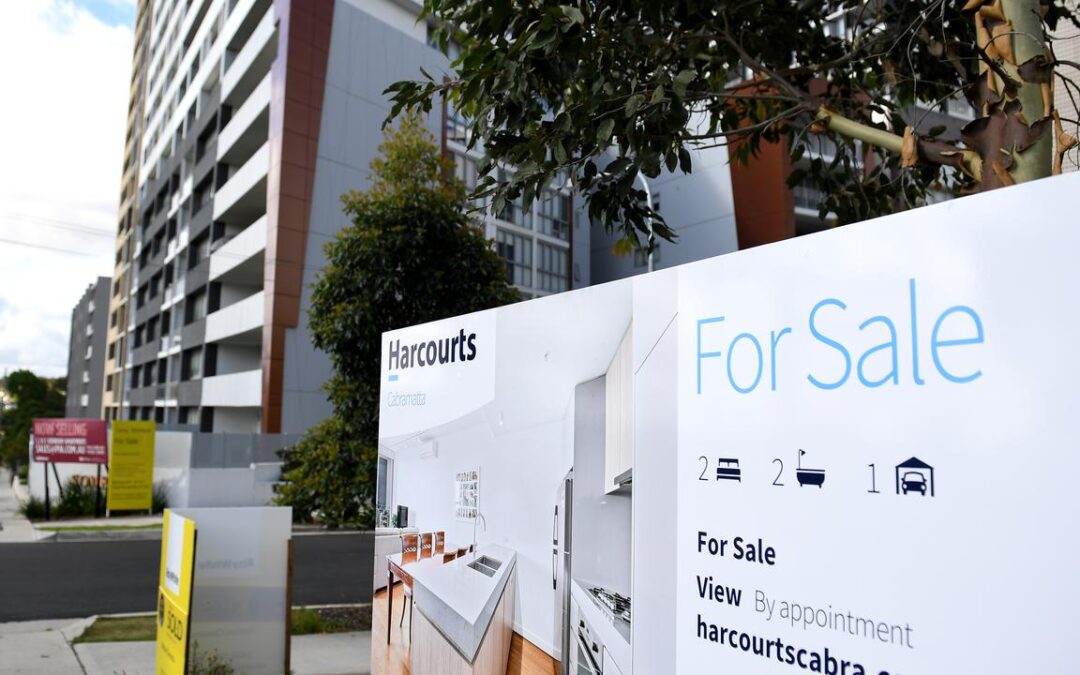
Contentious tax changes will have a larger drag on home prices than the government forecast in the budget, according to analysis from Australia’s largest lender.
Winding back negative gearing and the capital gains discount for established properties will weigh on home prices by five per cent, compared to Treasury forecasts of a two per cent drag, Commonwealth Bank senior economists Trent Saunders and Ashwin Clarke found.
A slowdown in the property market was already underway before the budget due to global uncertainty and rising interest rates.
But the quick response to the tax changes suggested the near-term impact will be sharper than expected, the duo said in a research note on Wednesday.
“We now expect national dwelling prices to be flat over 2026, down from a forecast of three per cent at budget and five per cent in March.”
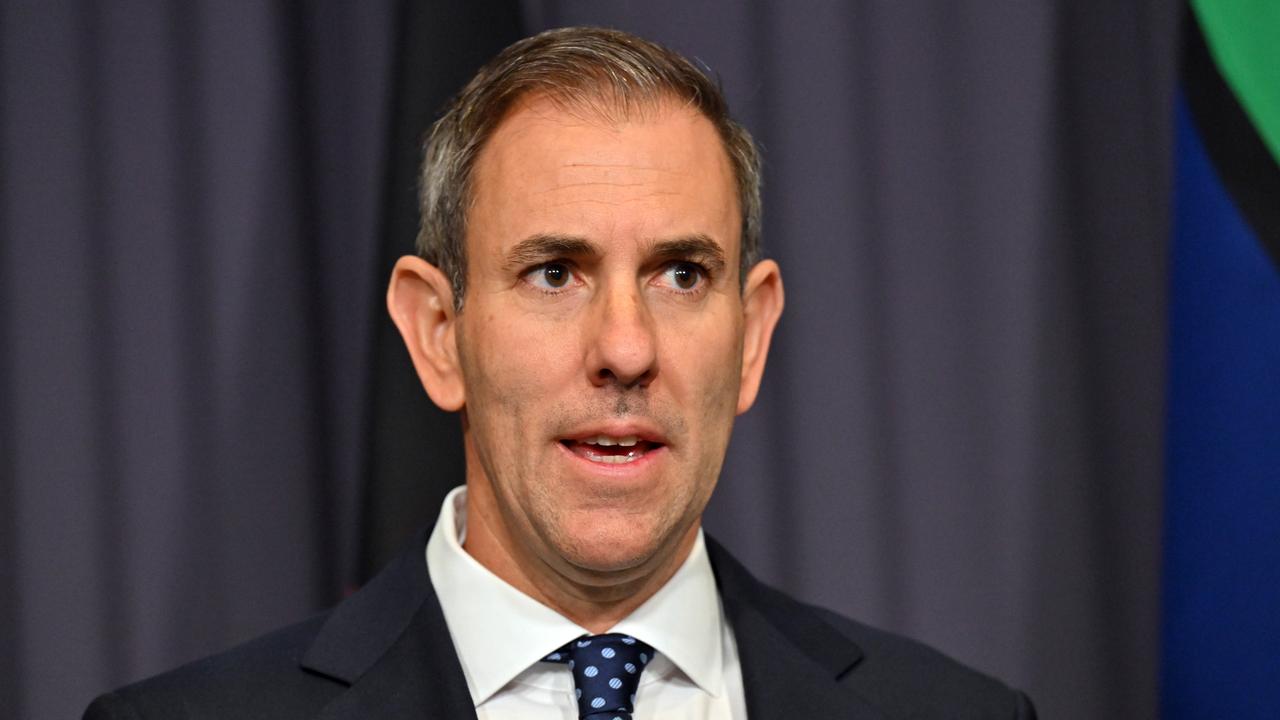
Treasurer Jim Chalmers refused to say whether it was the government’s intention for home prices to go down.
“We’re not targeting a particular price outcome in percentage terms or in dollar terms,” he told reporters in Canberra.
“The Treasury analysis that we released with the budget assumes that house prices continue to grow but a bit more slowly.”
Opposition housing spokesman Andrew Bragg was more definitive.
“The honest truth is that house prices in this country are too high for young people and they should go down,” he said.
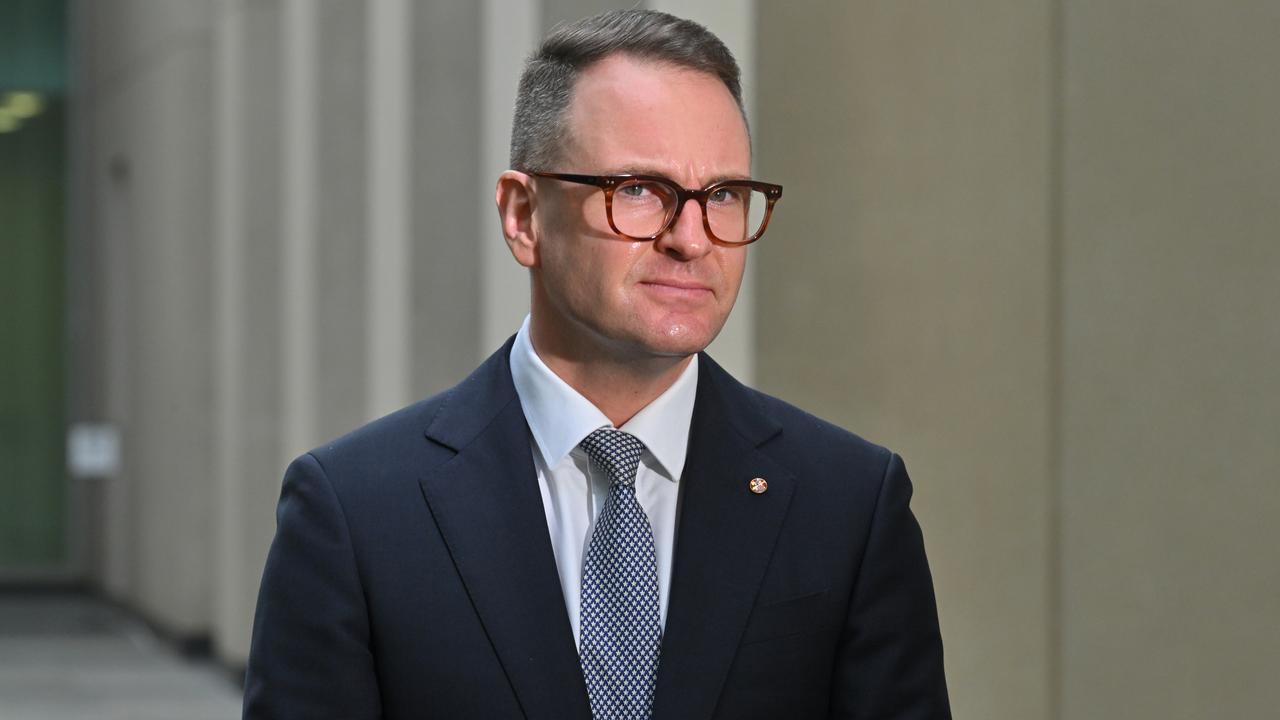
Labor’s five per cent deposit guarantee for first home buyers had “pump-primed” demand and driven up prices at the bottom end, Senator Bragg said.
But not only did he pledge to repeal the tax changes, he suggested the capital gains tax discount – which Treasury argued has fuelled investor demand and price growth – should be raised further.
Falling house prices might also help the RBA’s fight against inflation and potentially rule out more rate hikes, even if it is an inadvertent consequence.
The tax changes have clearly had an impact on housing sentiment, which could reduce spending via the wealth effect and presents downside risks to economic activity, NAB chief economist Sally Auld said.
“The question we’re mulling over is how big is the correction in housing likely to be, and what that might mean for activity, not so much in the current quarter, but possibly in the back half of the year,” she told AAP.
NAB still expects the Reserve Bank to hike interest rates one more time in August, despite Australian Bureau of Statistics data showing a slowdown in Australia’s economic growth rate in the March quarter.
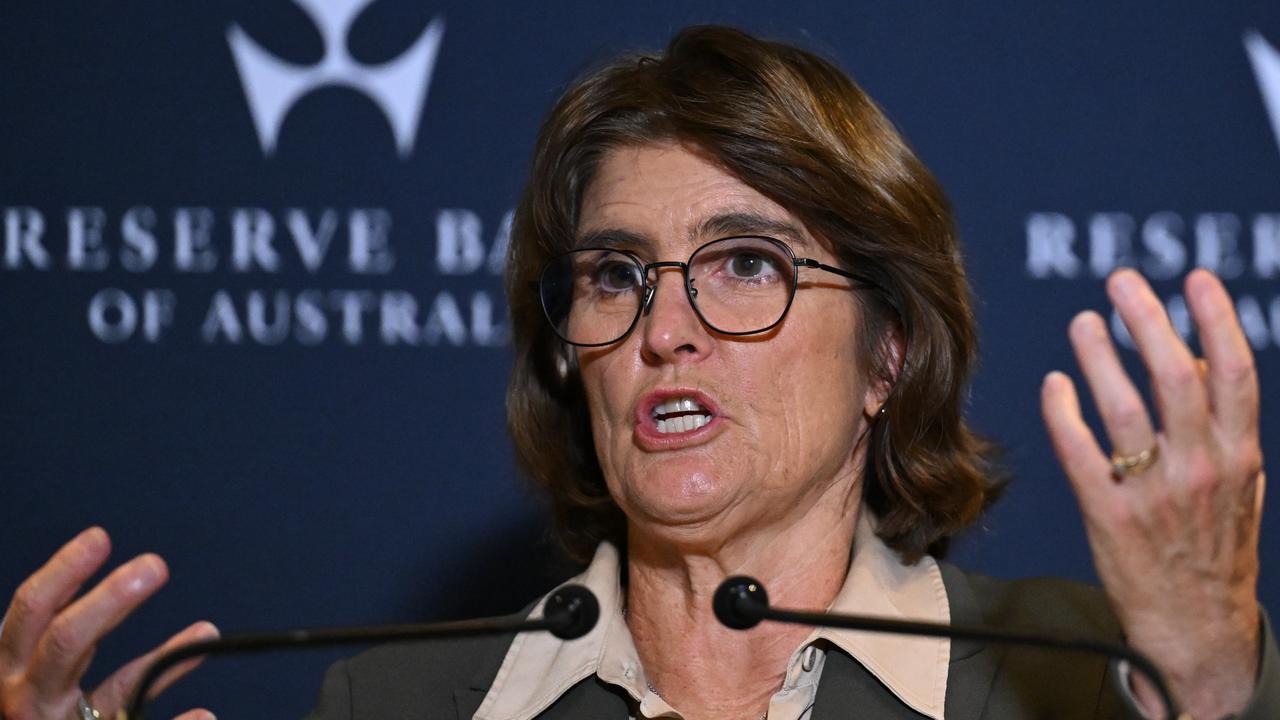
RBA governor Michele Bullock, as well as assistant governors Sarah Hunter and Christopher Kent, will reveal their reaction to the national accounts figures when they front a senate estimates hearing on Thursday.
With productivity growth going backwards and unit labour costs still elevated, inflationary pressures were likely to persist, EY senior economist Paula Gadsby said.
“Today’s result is unlikely to impact the Reserve Bank’s deliberations at its June meeting, and we expect the board will need to tighten monetary policy further in the second half of this year,” she said.
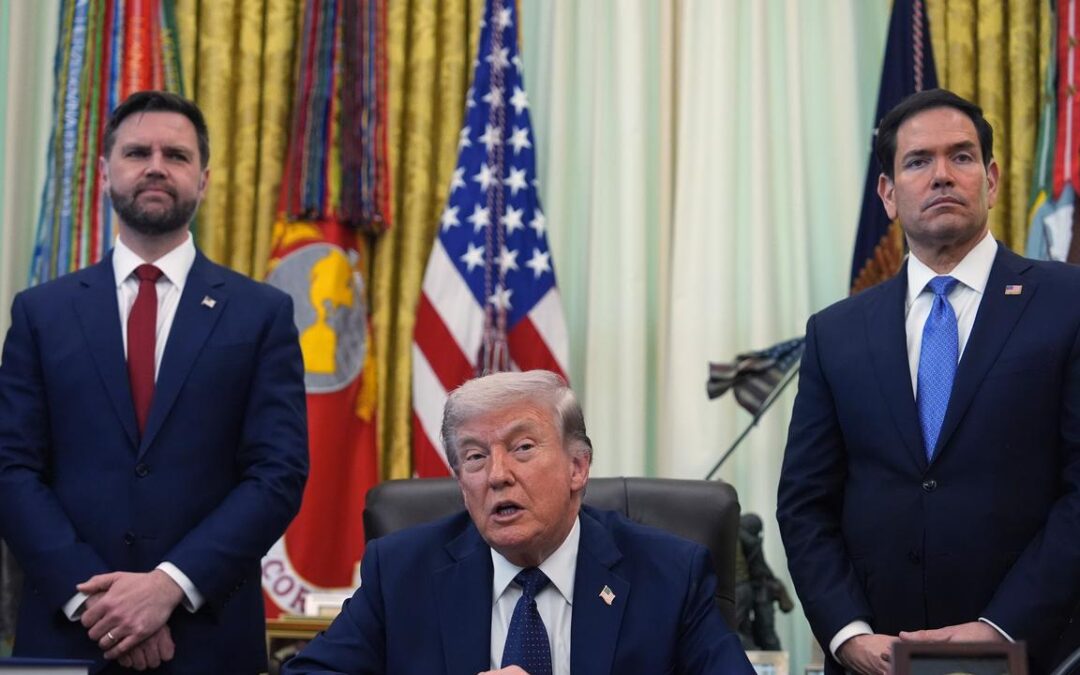
Vance, Rubio would be unbeatable in 2028 race: Trump
US President Donald Trump said in a podcast interview that Vice President JD Vance and US Secretary of State Rubio, teaming up for a 2028 presidential run, would be unbeatable.
Both men are seen as contenders for the 2028 Republican nomination, and Rubio’s recent turn at the White House podium drew praise from Republicans and even some Democrats who noted his smooth performance, which included quips and a 1990s hip-hop reference to describe Iran’s negotiating position.
“I would think that JD and Marco as a team would be very hard to beat,” Trump told Miranda Devine in a podcast aired on Wednesday.
“It’s interesting, human thing, the human equation. So I watch them together, they get along great,” he added.
Trump has continued to fuel the succession talk even as both Vance and Rubio downplay their 2028 ambitions.
Vance and Rubio have taken turns to take the stage at White House briefings to defend the Trump administration against a wide range of questions including the increasingly unpopular Iran war.
No one has formally entered the race for the November 2028 vote, but manoeuvring has begun.
Democratic contenders are already jockeying for a 2028 presidential run, signaling an open race with no clear party standard-bearer in the fight to succeed Republican President Donald Trump.
Global economic body weighs in on Australian rate rises
A global economic body is urging the Reserve Bank not to raise interest rates again unless inflation expectations become untethered.
As the economy slows as a result of the global energy shock, the central bank may even be required to cut interest rates, the Organisation for Economic Co-operation and Development said.
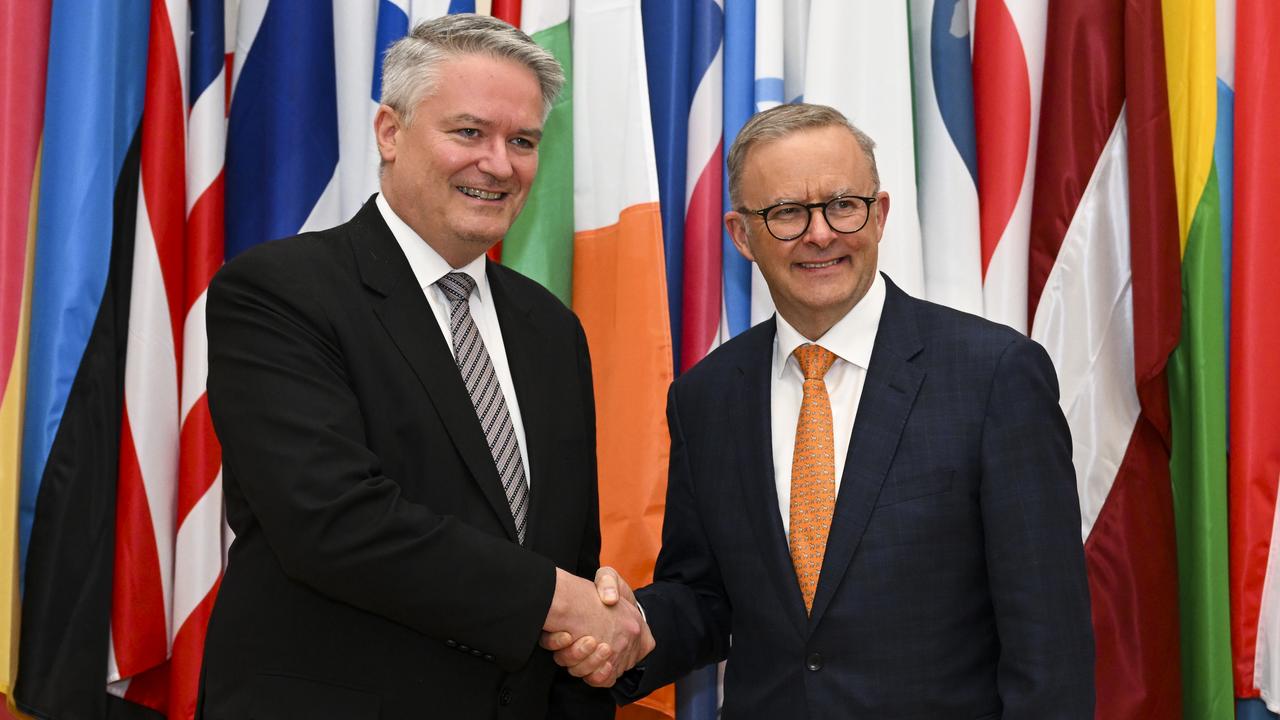
In its quarterly economic outlook on Wednesday, the Paris-based organisation – led by former Australian finance minister Mathias Cormann – said Australia’s economy had “considerable momentum” leading up to the Middle East conflict.
But Australia’s gross domestic product growth rate would slow to 1.9 per cent in 2026 and 1.8 per cent in 2027, in year-average terms, largely as a result of the energy shock.
The Australian Bureau of Statistics reported GDP grew at 2.5 per cent in the 12 months to March
In May, the RBA also forecast GDP growth to average 1.9 per cent in 2026, but predicted an even slower growth rate of 1.3 per cent in 2027.
The OECD predicted inflation to be 4.4 per cent in 2026, higher than the RBA’s forecast of 4 per cent, and 2.6 per cent in 2027.
As inflation subsides, the RBA should unwind some of the three interest rate hikes it had already delivered this year, the OECD said.
“Monetary policy should only be further tightened if inflation expectations become unanchored, threatening a prolonged inflationary episode despite the growth slowdown,” the report said.
“Conditional on expectations remaining anchored, an easing of policy may be needed as economic slack gathers.”
In a speech on Tuesday, Reserve Bank board member Ian Harper said inflation expectations over a 10-year period were starting to rise, reiterating similar concerns from RBA officials about expectations becoming unanchored.
The OECD also warned that if the impacts of the oil price spike on the rest of the economy were larger than projected, it could mean even higher interest rates or no rate cuts in 2027, which would further dampen growth over the two years.
Australia’s fiscal health was relatively robust, compared to other OECD countries, and the Middle East shock was not expected to have a major impact on budget outcomes, given Australia benefits from higher commodity prices.
But the OECD still urged Australian governments to bank revenue windfalls arising from the conflict and limiting temporary support measures to help affected sectors.
“Any fiscal support that countries provide in response to the shock need to be targeted towards those most in need and temporary, to avoid a further increase in public debt and preserve incentives to save energy,” Mr Cormann said.
The organisation also highlighted Australia’s heavy reliance on diesel imports and recommended speeding up the renewable transition.
“Australia’s vulnerability to fuel supply disruptions underlines the case for accelerating progress with electric vehicle adoption and renewables generation, with improved grid links and increased storage capacity,” the report said.
“Other needed policies, such as easing restrictive land-use regulation, especially in urban areas, could also help to curb fuel consumption and improve energy security, while at the same time boosting productivity growth and addressing affordability challenges.”
Australia’s unemployment rate was forecast to rise to 4.6 per cent in 2027, from 4.5 per cent currently.
‘Need to do more’: PM pleads case for budget tax change
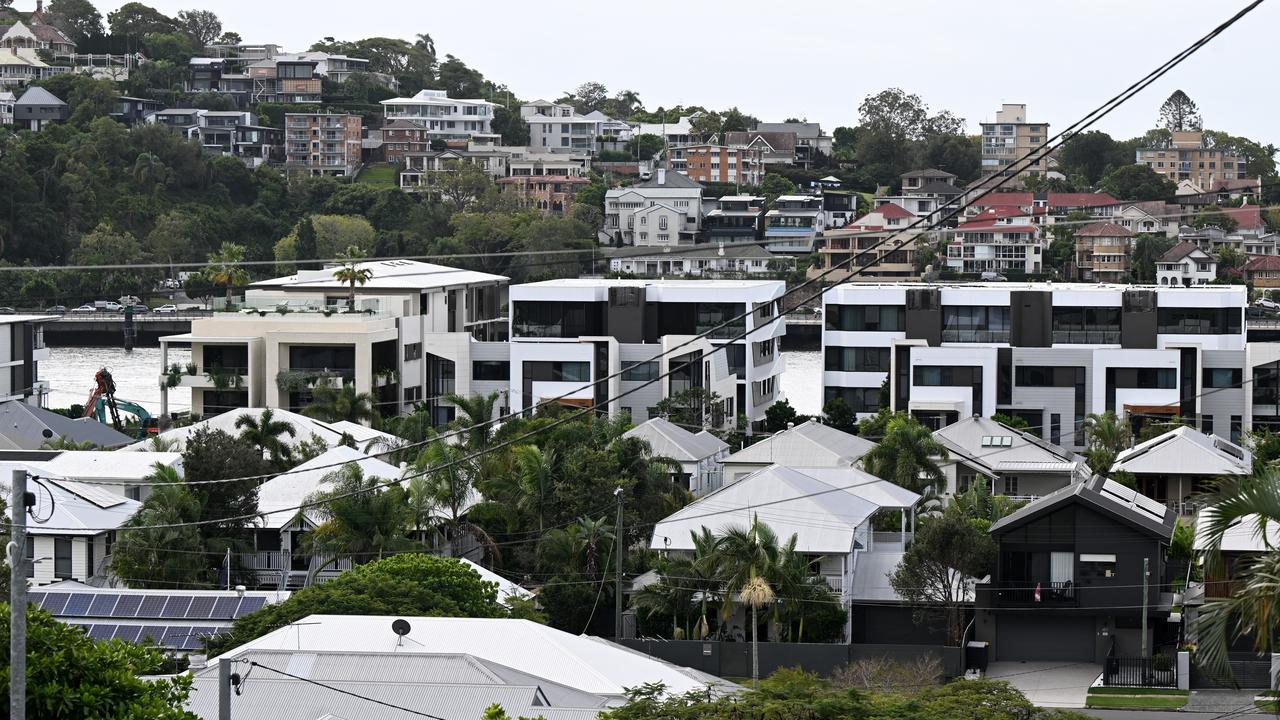
First home buyer programs are not enough on their own to get more people purchasing their own property, the prime minister says, shrugging off calls to hit pause on contentious tax changes.
Federal parliament is continuing to debate looming tax changes that would limit negative gearing to new properties from July 2027, as well as axe a 50 per cent discount on capital gains tax to a rate tied to inflation.
The government has said the changes would help to get 75,000 more people into their first home within a decade.
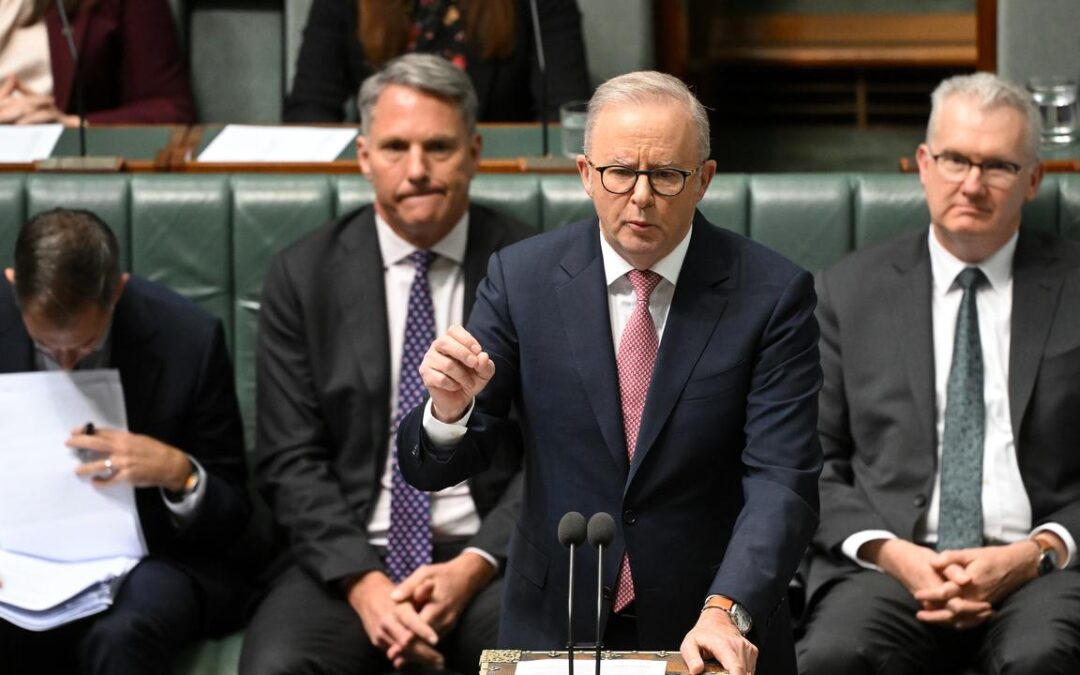
Anthony Albanese said the measures were necessary, despite resistance from the coalition and business groups, because previous approaches to increasing home ownership were not enough by themselves.
“We know also that we needed to do more. We need to do more, because in spite of all of those programs we still were not doing enough,” he told parliament on Wednesday.
“Too many young people will tell the story of turning up to an auction on a Saturday and simply being outbid by someone who has a partner at that auction, an investor, and the partner is every Australian taxpayer.
“If they’re in a bidding war at an auction, the investor knows that if they go for $20,000 more then that’s running off their tax, if they’re going to negatively gear that property, something that’s not available to the first home buyer.”
Parliament is set to sit into the night to debate the changes, ahead of a vote in the lower house on Thursday.
While the laws will have passage through the House of Representatives, the future of the legislation remains unclear due to the coalition promising to vote against it and the Greens yet to signal whether they will back the measures.
A short Senate inquiry will be held later in June on the tax measures before it gets sent to the upper house for debate.
Independent MP Allegra Spender said the changes were being raced through parliament too quickly.
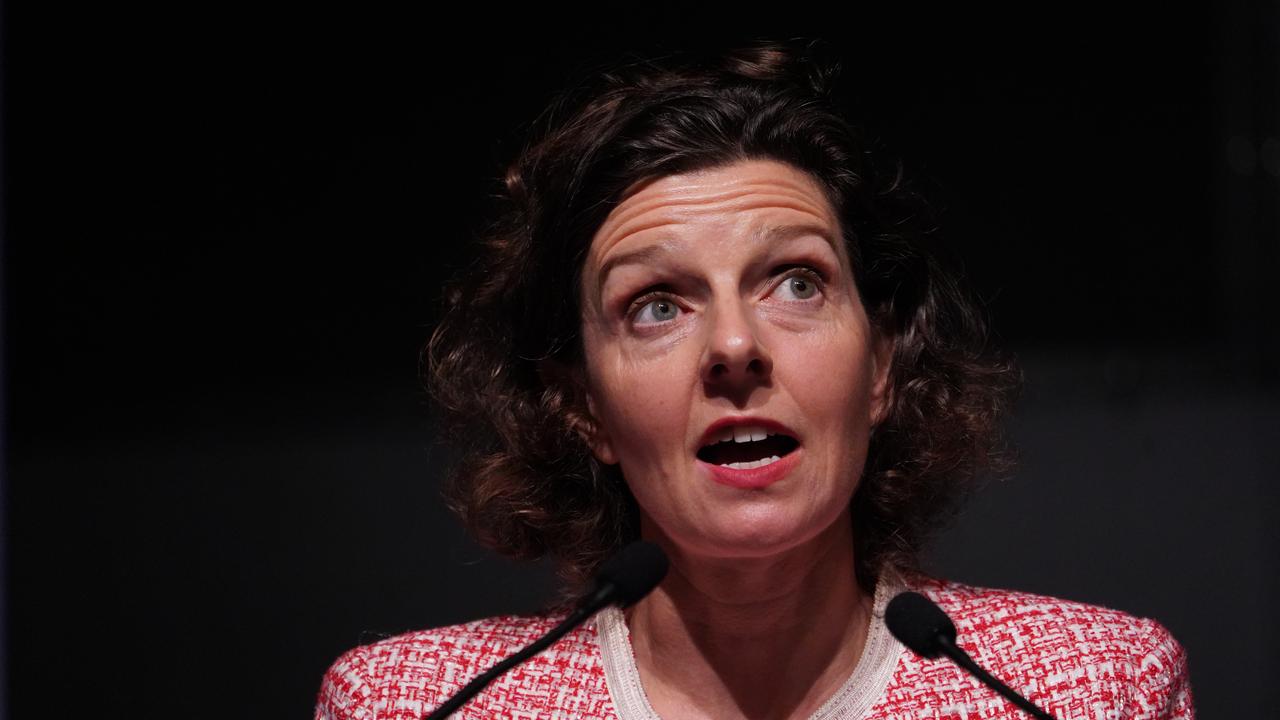
“It should not be rushed through like this. The government can’t say on the one side that this is some of the most significant tax reform in 25 years and then push it through the parliament as it is doing at the moment,” she told Sky News.
“Pause, take a breath, look at the model they’ve chosen, and take a look at other models.”
Treasurer Jim Chalmers sought to allay fears the measures would cause further impact to the budget bottom line.
“The Treasury’s forecasts in the budget are for the economy to continue to grow, obviously subject to developments, particularly in the Middle East,” he told reporters in Canberra.