
Power bill relief as energy caps slashed in one state
Hundreds of thousands of households will pay less for energy next financial year after a state regulator slashed the cap on standard electricity offers.
The average household on the Victorian Default Offer will pay $84 less than the year before after the Essential Services Commission unveiled the new cap on Monday to take effect from July 1.
Small businesses on the default offer will save an average of $241 in 2026/27 under the new settings.
The default offer is the maximum amount energy retailers can charge customers on a standing offer – a basic electricity contract for people who have not signed up to a market deal.
Most Victorians are on cheaper market offers rather than the default tariff, but it remains a safeguard for those unwilling or unable to shop around.
It also acts as a benchmark price across the wider market, with retailers required to compare their advertised offers against it.
About 512,000 Victorian households and 62,000 small businesses are currently on standing offers affected by the default offer.
Under the new announcement, the average household bill on a flat tariff will fall from $1675 to $1591, a reduction of about five per cent.
For small businesses, the average annual bill will fall from $3620 to $3380, or about six per cent.
The reductions are larger than those forecast in the regulator’s draft decision released in March.
Regional customers in the AusNet distribution area will receive the biggest cuts, with annual household bills dropping by $160 on average.
Lower environmental certificate costs, slightly cheaper wholesale electricity prices and reduced network charges for households drove the decrease, the commission said.
Victoria’s electricity market had remained relatively stable despite global fuel supply disruptions and international energy uncertainty, it added.
The default offer was now 14 per cent lower than the standing offer prices it replaced when introduced in 2019, the Victorian government said.
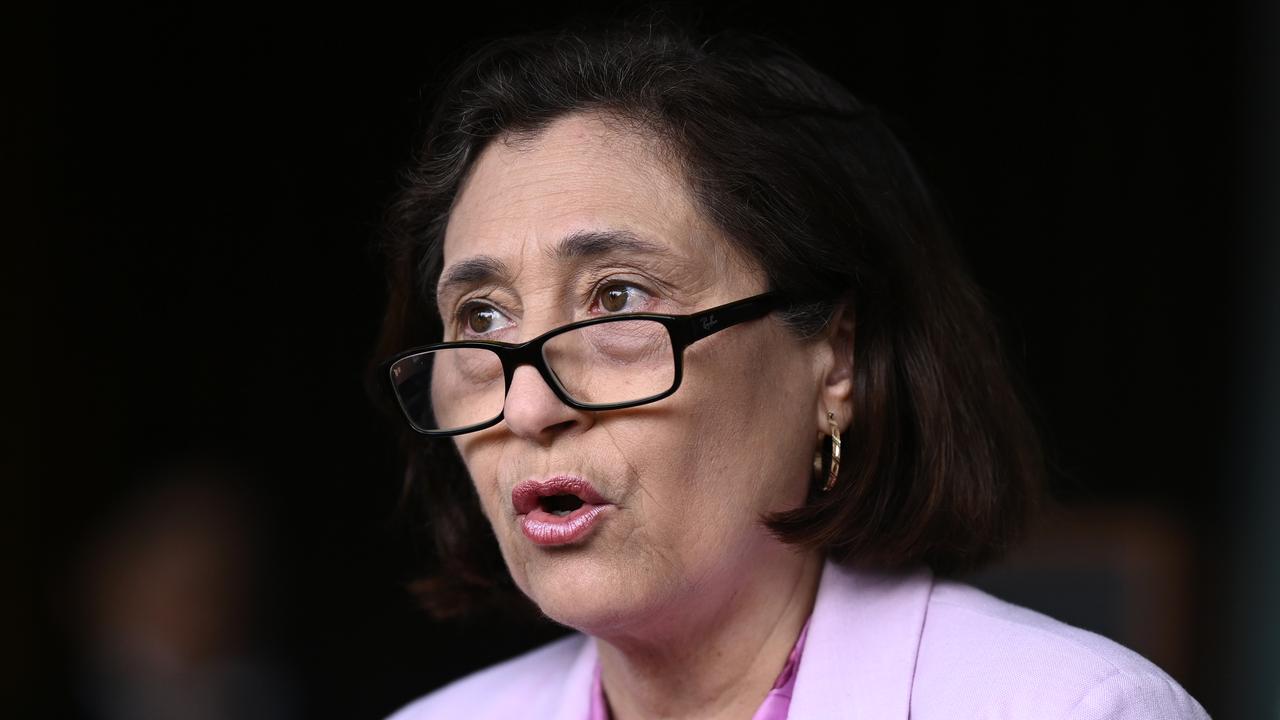
Energy Minister Lily D’Ambrosio said the cuts would provide relief during ongoing cost-of-living pressures.
“Labor is investing in the efficient, renewable energy that Victoria needs to make life cheaper for Victorians,” she said.
The state’s default electricity price remained lower than the benchmark used in other eastern states, she added.
However, NSW, South Australia and southeast Queensland on the national default offer can also expect significantly cheaper energy from July.
In March, the Australian Energy Regulator released a draft decision forecasting cuts of up to 10 per cent for some consumers due to lower wholesale and environmental costs.
The average household in NSW could pay $58 to $226 less than the year before, and bills could be roughly $216 lower in southeast Queensland.
A more modest $31 fall can be expected in South Australia.
Small businesses are in line for price drops between 7.6 per cent and 21.2 per cent, depending on the area.
The final national default offer will be released on Tuesday, before taking effect on July 1.
US Treasury rout tests tolerance for higher loan costs
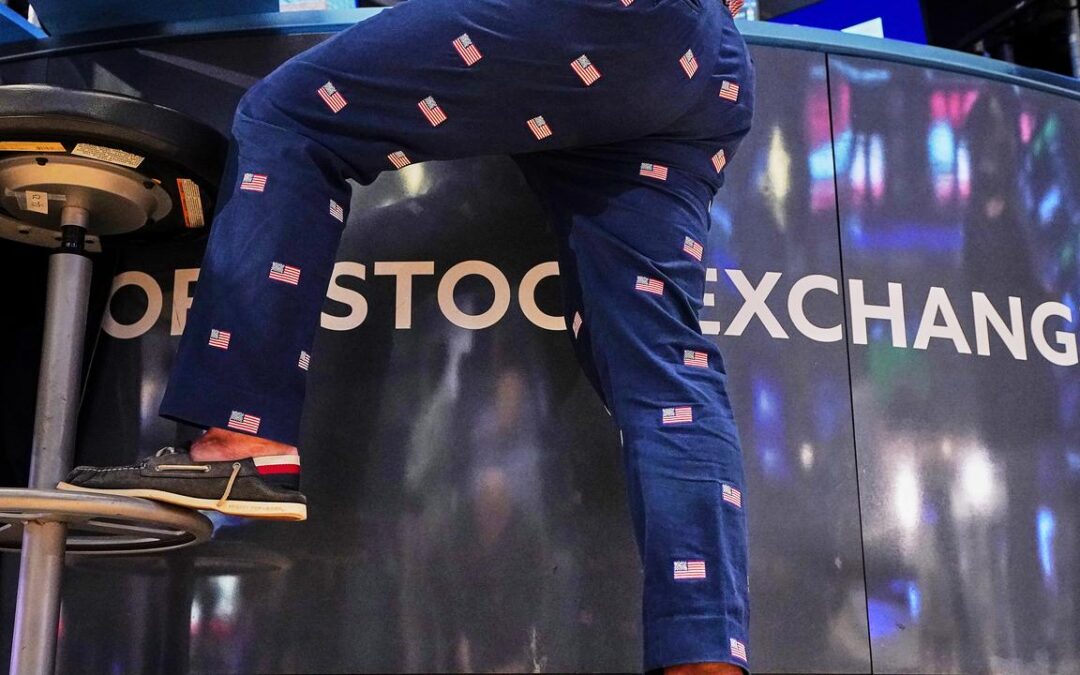
President Donald Trump’s resolve on Iran is being tested by a force largely beyond his control: the bond market.
As yields rose rapidly over the last week, a White House official said there was significant anxiety among staff over petrol prices and where the bond market is headed, with fuel prices the biggest source of anxiety right now.
Higher yields mean elevated borrowing costs for businesses and consumers, while rising oil prices push up inflation expectations.
That mixture can cause headaches for the administration as it prepares for midterm elections in November.
“The markets are showing him pain, and he has to figure out how to unwind that — and it’s not that easy,” said Greg Faranello, head of US rates strategy at AmeriVet Securities in New York.
“We’re already at levels that ultimately will spill over into mortgage rates and it’s going to spill over into the housing market.”
Trump said on Saturday that Washington and Iran have been making progress on a peace deal in the three-month-old war, although on Sunday he emphasised there was no rush for a deal, dampening hopes of an imminent breakthrough.
“I do think that if the administration is worried about higher yields, then trying to de-escalate the situation with calmer words is something they can do,” said Shawn Snyder, economic strategist at Potomac Fund Management in Bethesda, Maryland.
Over recent days and weeks, US Treasury investors have focused on the elusiveness of a deal and long-term consequences of the war, lifting yields well above 4.5 per cent on the benchmark 10-year note.
Meanwhile, Federal Reserve officials looking to squash inflation have been discussing the possibility of raising interest rates instead of cutting them as Trump has urged.
And some Republicans in Congress are growing concerned at some of Trump’s calls for spending ahead of the midterm elections which will decide whether they maintain thin control of the House and Senate.
Rising Treasury yields feed directly into borrowing costs across the economy, including mortgages, credit cards and business loans, and can cause financial stability issues.
US Treasury Secretary Scott Bessent and the White House both suggested that elevated yields would prove temporary.
On Wednesday, yields on US Treasuries retraced some of their sharp run-up, after Trump said talks with Iran were in their final stage.
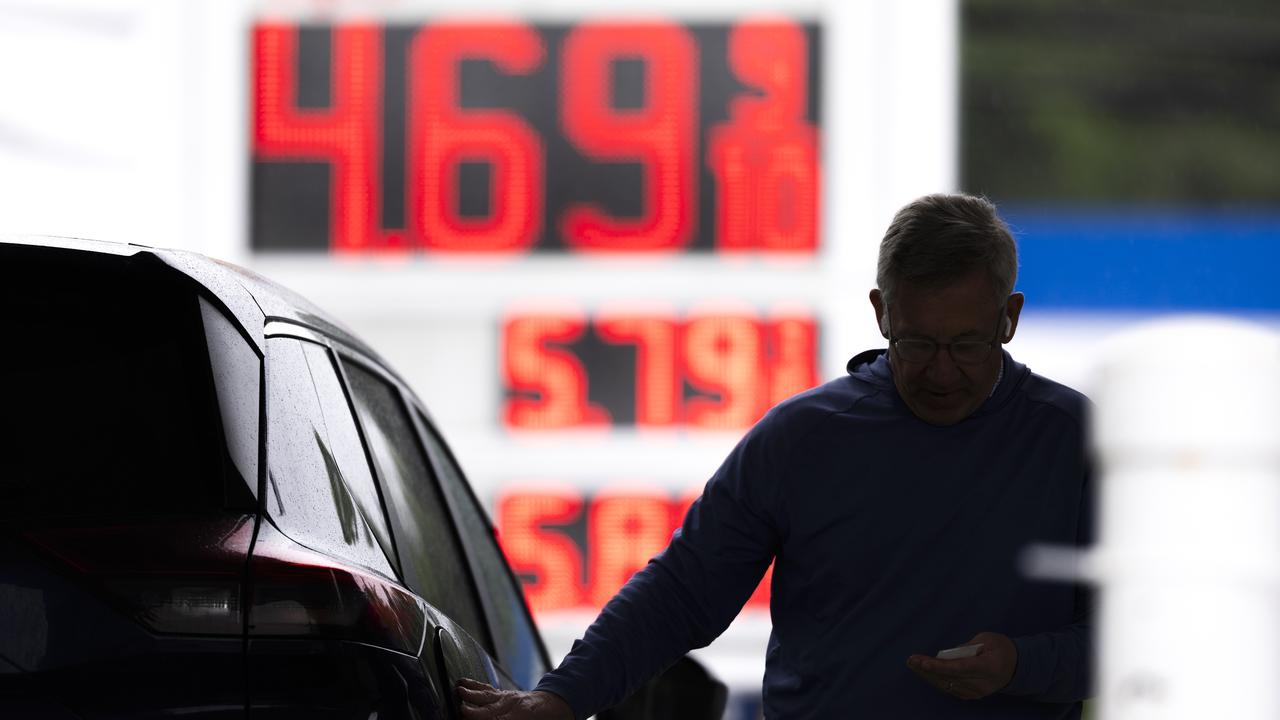
Earlier in the week, the 10-year yield touched 4.69 per cent, the highest since January 2025.
It has surged more than 50 basis points since the February 28 start of the US-Israeli war with Iran, and was last at 4.56 per cent.
Reaction to the latest progress on peace is yet to be seen in the market.
A sustained rise in borrowing costs could cool housing demand, weigh on consumer spending and, in a worst-case scenario, tip the economy toward recession.
That risk could prove especially significant heading into the US midterm elections.
“Affordability is a buzzword in Washington and for good reason because affordability really resonates with a large number of households and interest rates drive a lot of it,” said John Kerschner, global head of securitised products at Janus Henderson in Denver.
Still, if a peace deal is ultimately brokered, the effects could be transient.
This week, Bessent said elevated yields, especially at the long end of the curve, were being driven by the Iran war energy shock that will prove temporary.
The White House also said any disruption was likely to be short-lived.
“President Trump has always been clear about temporary market disruptions as a result of Operation Epic Fury,” White House spokesman Kush Desai said in a statement.
He said the administration was still focused on Trump’s “long-term agenda of accelerating economic growth, cutting red tape, and slashing fraud in government spending to restore America’s fiscal health”.
The bond market has long been a powerful political force that can shape policy in Washington, which must maintain investor confidence to finance government debt.
When investors lose faith, rising borrowing costs can pressure leaders.
Former President Bill Clinton’s adviser James Carville told the Wall Street Journal in the early 1990s that he wanted to be reincarnated as the bond market, because “you can intimidate everybody”.
Oldest Pearl Harbour survivor keeps memory alive at 106
On the day of the Pearl Harbour attack, the country’s oldest living survivor of the Japanese bombing was far below deck helping repair one the boilers of the USS St Louis.
Freeman Johnson, who turned 106 in March, never witnessed the surprise attack.
He never heard his shipmates firing anti-aircraft guns at the attacking planes, shooting down a torpedo plane.
By the time he was topside, the St Louis, a light cruiser, had evaded midget submarines and safely set out to sea.
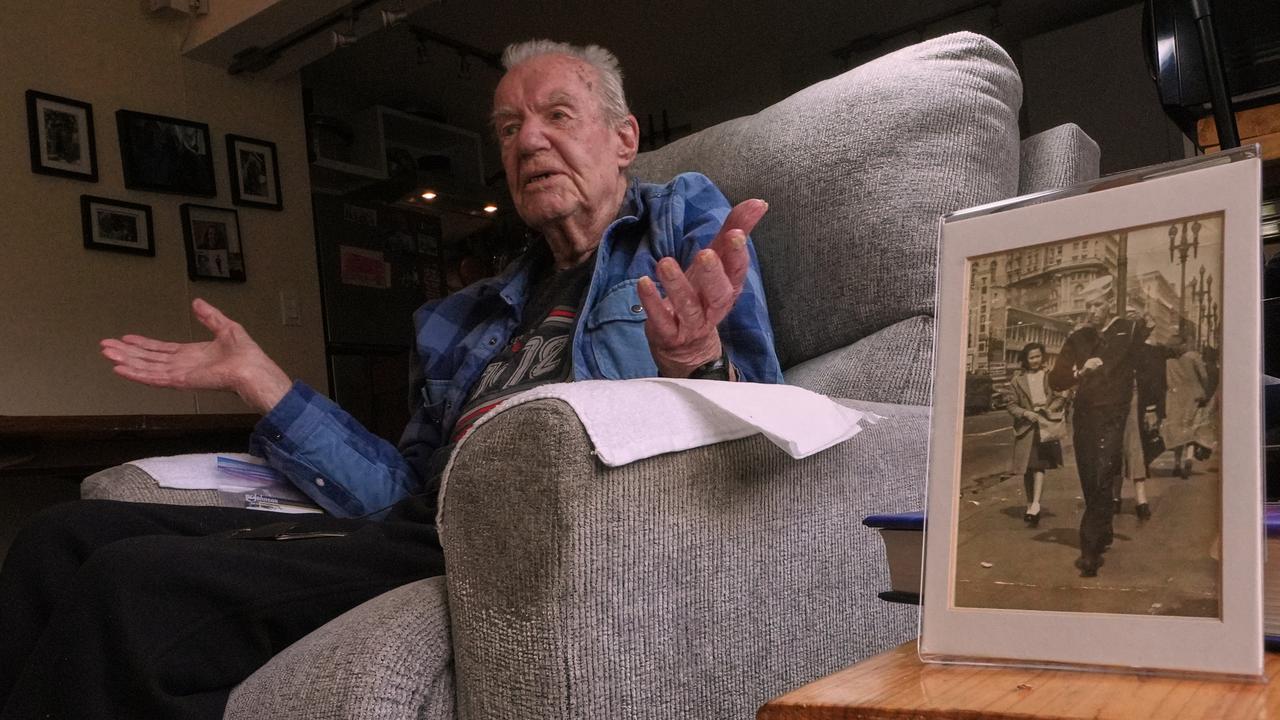
“While all the rigamarole was going on topside, I was inside a steam drum. Couldn’t see anything, absolutely nothing,” said Johnson, a Centreville, Massachusetts, resident.
His living room is filled with mementos and photos of his Navy service, including photos of the St Louis and him as a young sailor, along with a collection of Navy challenge coins and ribbons representing the places he visited.
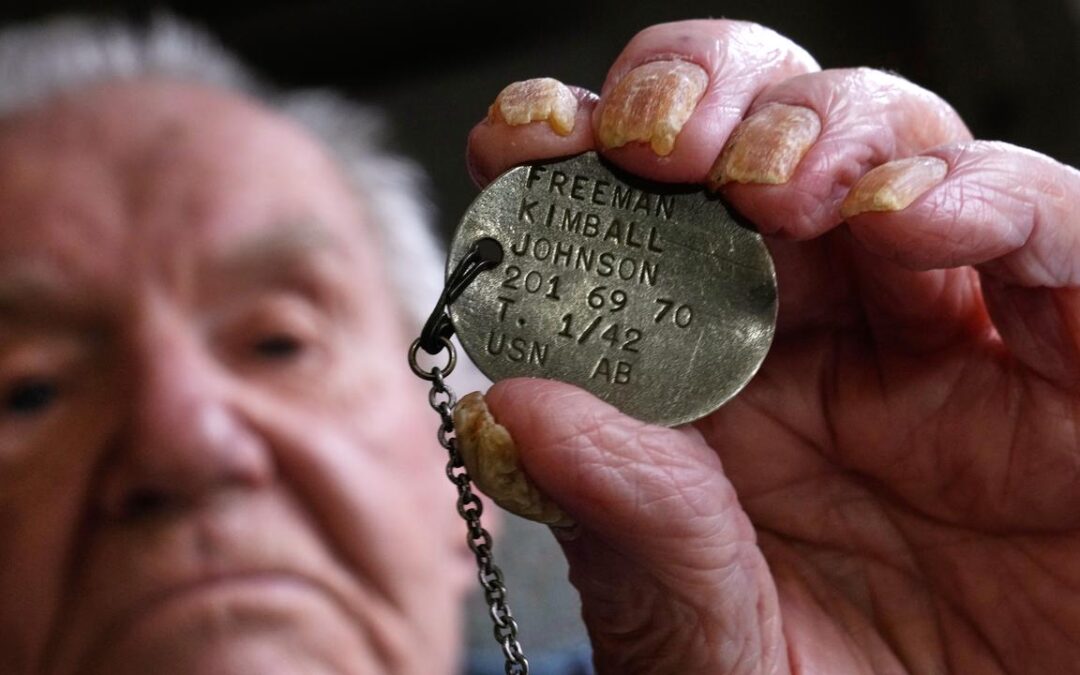
He still has his military identification tag — popularly known as a dog tag.
Even as the St Louis headed into the Pacific Ocean, Johnson, whose job was known as a fireman on the ship, knew little about the attack.
“We were way out to sea, way out. You couldn’t see any land at all. All you saw was ocean,” he said.
“I was just a sailor, just a swabbie, I was not an officer. They don’t tell you anything if you don’t need to know. And I didn’t need to know it. So they tell you nothing.”
When he visited schools, children often asked Johnson whether he was scared that day.
“You’re not scared. You’re too busy to be scared,” he said, his gravelly voice rising.
“Besides, you don’t know what you’re scared of. You can’t see anything. What are you afraid of?
Johnson became the oldest survivor after World War II Navy veteran Ira “Ike” Schab died in December. He was 105.
With Schab’s passing as well as the death of Clarence Lane in February at the age of 100, there remain only 11 survivors of the surprise attack, which killed just over 2400 troops and propelled the United States into the war.
The United States mourns the nation’s fallen service members on Memorial Day, which takes place on Monday.
Every year, there is a remembrance ceremony at the military base’s waterfront for Pearl Harbour survivors.
About 2000 survivors attended the 50th anniversary event in 1991.
A few dozen have shown up in recent decades.
In 2024, only two made it. That is out of an estimated 87,000 troops stationed on Oahu that day. None made the pilgrimage to Hawaii last year.

For most of his life, Johnson avoided the spotlight and talked little about surviving the bombing.
But as the oldest survivor, he’s become a local celebrity and the reluctant face of one of the most important events in World War II.
Johnson showed up at his 106th birthday party in a limousine and was mugged by television cameras. He gets letters from all over the world and is routinely called a hero wherever he goes.
Johnson, who is hard of hearing, needs a walker to get around and suffers from congestive heart failure, can recall his wartime experience down to the smallest detail.
A 19-year-old who was unemployed and living at home in Waltham, Johnson said he feared being drafted, so he signed up for the Navy, because he felt it would be less physically taxing than the Army.
“As a kid, I walked. If I wanted to go somewhere, I walked or took my bicycle. But I didn’t want to walk from France to Germany,” he said, sitting in a recliner, dressed in an oversized flannel shirt and waving his hands like an orchestra conductor.
“It’s a long way carrying a knapsack with you … Water for a day, food for a day, a nine-pound Springfield rifle all on your back and walking through the mud,” he said.
“No thanks. That’s why I joined the Navy.”
Johnson’s memories have less to do with battles while on the St Louis, and later aboard the USS Iowa, than with their significant roles in history.
He helped commission the Iowa and recalled the battleship’s preparations in November 1943 ahead of transporting President Franklin D Roosevelt to the Tehran Conference with British Prime Minister Winston Churchill and Soviet dictator Josef Stalin.
The ship was equipped with two elevators and a bathtub.
All the ammunition and much of the oil were removed to lighten the ship as it made its way down the Potomac River to pick up Roosevelt.
It was reloaded before the ship headed out to sea.
“It was a big meeting,” Johnson said, recalling how the crew were photographed with Roosevelt.
“I don’t know what they talked about, but I didn’t need to know. We picked him back up, brought him home.”
Johnson also witnessed the war’s end aboard the Iowa. He was on the Iowa’s mast watching the surrender ceremonies about a mile away in Tokyo Bay aboard the USS Missouri on September 2, 1945.
“I could see the boats coming up with the Marines escorting the Japanese onto the ship and sitting around a table,” he said.
“It was all over. That was the end of the war. A bunch of us got together — the war is over. Let’s go home.”
These days, his daughter, Diane Johnson, is often by his side.
They live together and always take a trip on December 7, often attending Pearl Harbour remembrance events, including the 65th and 80th anniversaries in Hawaii.
She often poses questions to get her father talking and likes to nag him that he has “a responsibility” to share the story of Pearl Harbour — especially for children who know little about the bombing.
“It’s kind of overwhelming when you think of it. Well, the 106 is what gets me,” she said.
“When I think about his history, he’s at the beginning, he’s at middle, he is at the end when he witnessed the surrender. It’s something.”
Johnson began getting more attention several years ago, when Diane Johnson heard a local television report suggesting the last survivor in the state had died.
She called to correct the record and that raised his profile. Johnson also started making regular appearances in the Cape Cod St Patrick’s Parade, often leading from the front.
“I wish more people were like him today. He just gets on and doesn’t complain about anything,” said Desmond Keogh, the chairman of the parade who has accompanied Johnson.
“It’s what this country was all about. They were just a different generation. They did what was best for their country.”
For all the attention to Pearl Harbour, the gruff Johnson, who is known for his cackling laugh and mischievous smile, doesn’t see it as a defining moment in his life.
That would have been getting married after the war to his late wife and having three daughters.
He also worked for years in a machinist shop, then in a convenience store and finally delivering meals to seniors — all jobs he retired from, the last one at the age of 90.
“Pearl Harbour just happened. I can’t put it any other way,” he said.
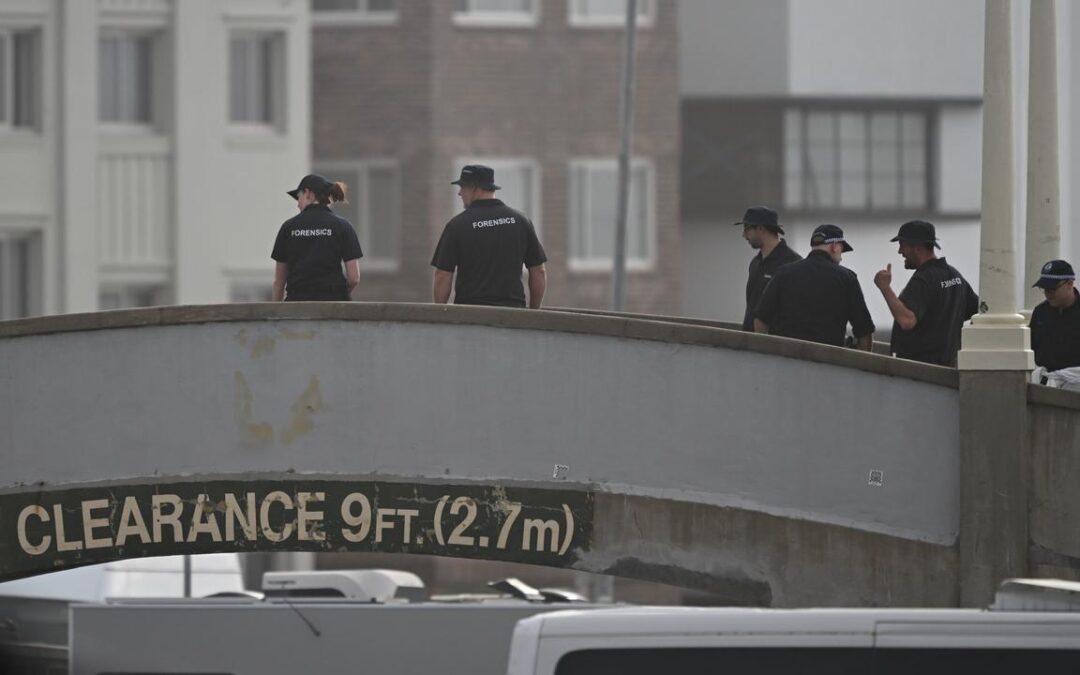
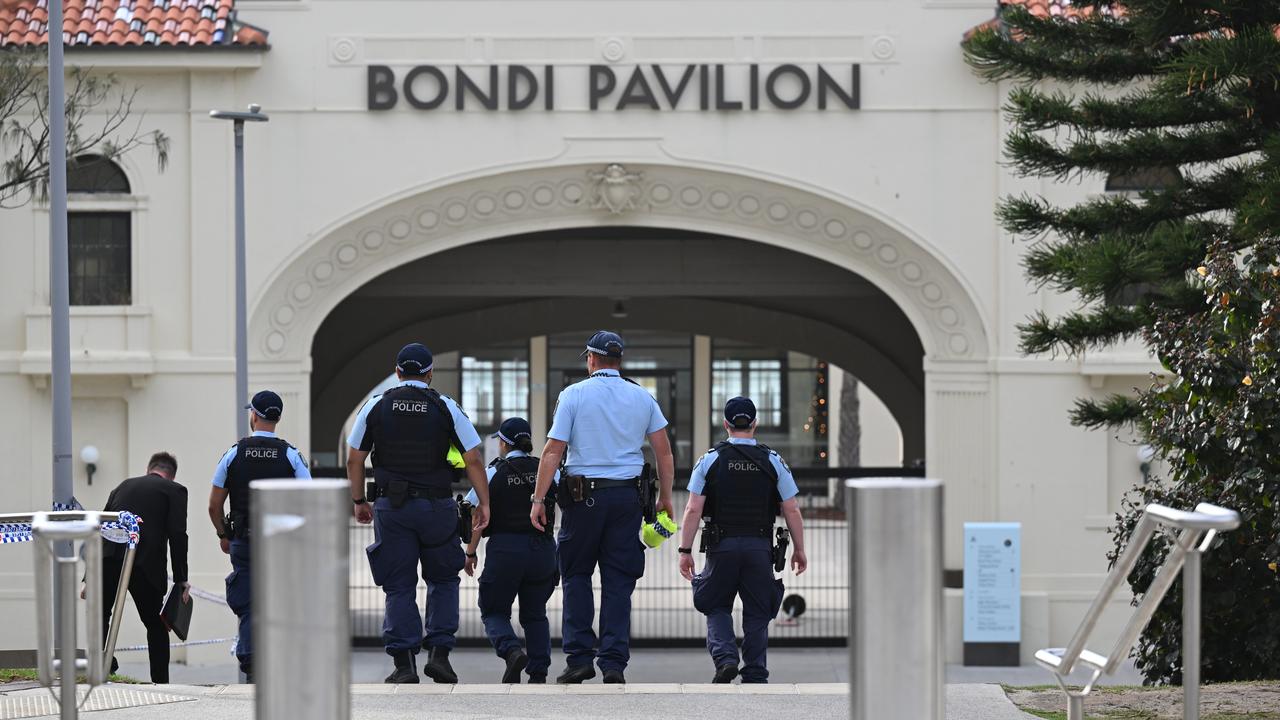
Police, intelligence in spotlight at Bondi attack probe
What police and intelligence agencies knew leading up to the Bondi terror attack will be the focus of a second round of public hearings at a wide-ranging inquiry.
After hearing first-person accounts of rising anti-Semitism within the community, a royal commission will on Monday begin looking at potential failures of security agencies to stop the December 14 mass shooting, which left 15 innocent people dead.
The first witness due to give evidence is ASIO director-general Mike Burgess, followed by senior officers from the Australian Federal Police and NSW Police.
Two representatives from Jewish security organisation CSG NSW are also due to appear.

Among the issues under scrutiny will be security arrangements for the Chanukah by the Sea event that was targeted by two gunmen and what was known by counter-terrorism agencies and police about the shooters.
While some of the proceedings will be open to the public, much will be behind closed doors to avoid impacting national security and the ongoing criminal prosecution of the surviving shooter, Naveed Akram.
As a result, some of the commission’s findings may take years to see the light of day.
“The work of the royal commission has been advanced by hearing from Jewish Australians and others about their experiences of anti-Semitism during hearing block one,” commissioner Virginia Bell said.
In the lead-up to the attack, NSW Police were warned by CSG that a heightened atmosphere of anti-Semitism made a terror attack on the community likely, an interim report by the commission revealed in April.
Police planned to provide a high-visibility presence at the event, but they noted internally there was “no need to stay the entire duration” and ultimately only four officers and one area commander attended the event at various times.
Among 14 recommendations in the interim report was the need for tighter security arrangements at Jewish community gatherings in the future.
Other recommendations included implementing nationally consistent firearm laws and a gun buyback scheme.
It also recommended considering making the role of commonwealth counter-terrorism co-ordinator full-time and making the role of the Australia-New Zealand counter-terrorism committee clearer – including regular briefings to national cabinet.
The report also made five recommendations that were redacted from the publicly released version for national security reasons.
The second hearing block will look at the resourcing of counter-terrorism and the effectiveness of current powers, systems and processes of security, intelligence and law enforcement agencies.

Southern California chemical tank at risk of exploding
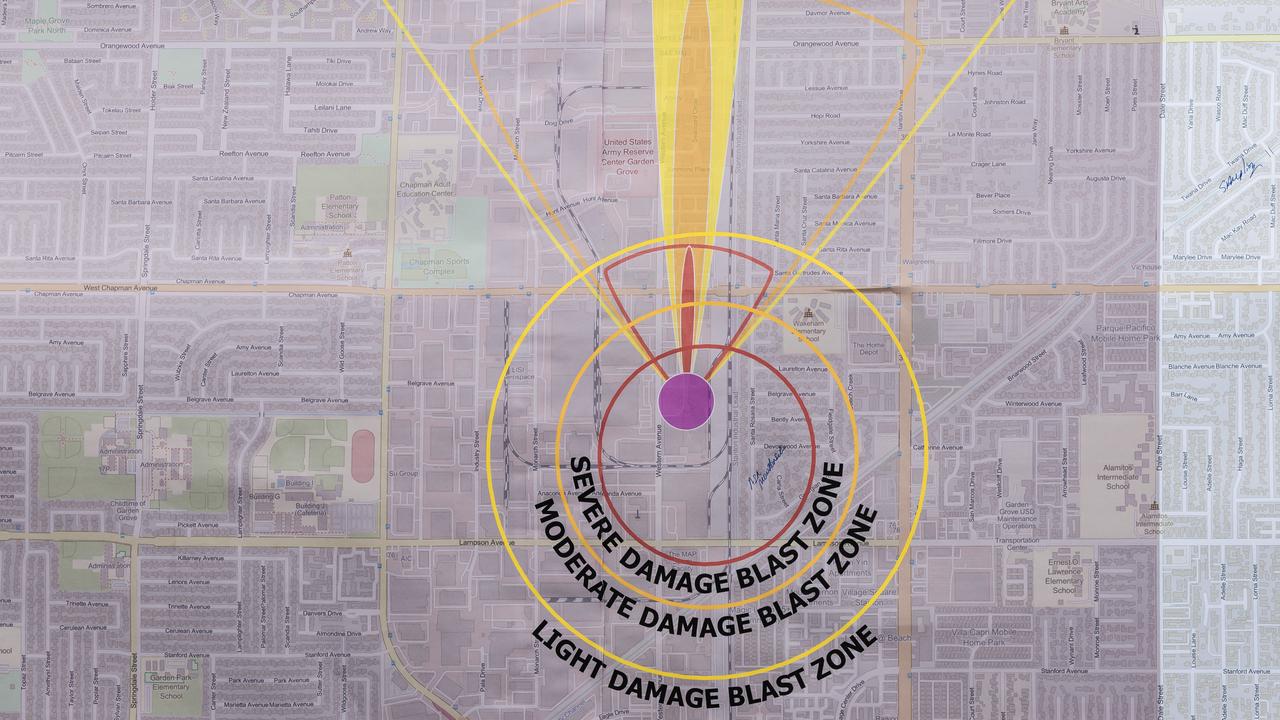
Authorities are bracing for the possibility that a damaged chemical tank in southern California could leak or explode, as an evacuation order continued for 50,000 residents, with no timeline on when they can return.
Firefighters have been spraying the outside of the tank with water hoses to cool the chemicals heating up inside and prevent an explosion.
Lee Zeldin, head of the US Environmental Protection Agency, said Sunday the “most likely scenario” is a “low-volume release,” where officials will be able to “monitor, neutralise, and contain the threat”.
“The Orange County Fire Authority is working to keep the temperature of the tank down. That is very important,” he said on CNN.
He said keeping the temperature under 85 degrees F (29.4 degrees C) is key.
The pressurised tank overheated on Thursday and began venting vapours at a company site in Garden Grove 60 km south of downtown Los Angeles, according to the Orange County Fire Authority.
No injuries have been reported. Air monitoring tests have so far found that air pollution around the evacuation zone is within normal limits, and specialised equipment has been deployed to ensure no gas is released from the compromised tank, state and federal environmental officials said Saturday.
Some Garden Grove residents filed a class-action lawsuit on Saturday against GKN Aerospace Transparency Systems, the company that operates the facility where the tank is located.
Lawyers for residents living in the evacuation zone argued in their federal court lawsuit that regardless of what happens next, property values in the surrounding community are sure to be impacted.
“There is no good outcome here for the people who live nearby,” the lawyers wrote in a statement.
“In the best-case scenario, a slow, controlled leak still forces residents out of their homes for an indefinite period, disrupting families, businesses, and daily life. In the worst case, a catastrophic explosion could send a plume and debris across a far wider area, damaging thousands of properties and exposing residents to serious health risks.”
Spokespeople for the company didn’t immediately respond to an email seeking comment Sunday.
Officials said the valves on the tank are broken, which prevented crews from removing the chemical or relieving the pressure on the tank, said Craig Covey, Orange County Fire Authority division chief.
Firefighters’ first hope is to find a way to cool off the chemical inside the tank so it won’t leak or explode.
If that is not possible, Purdue University engineering professor Andrew Whelton said it would be best if the tank sprang a leak so the chemical could be mostly contained.
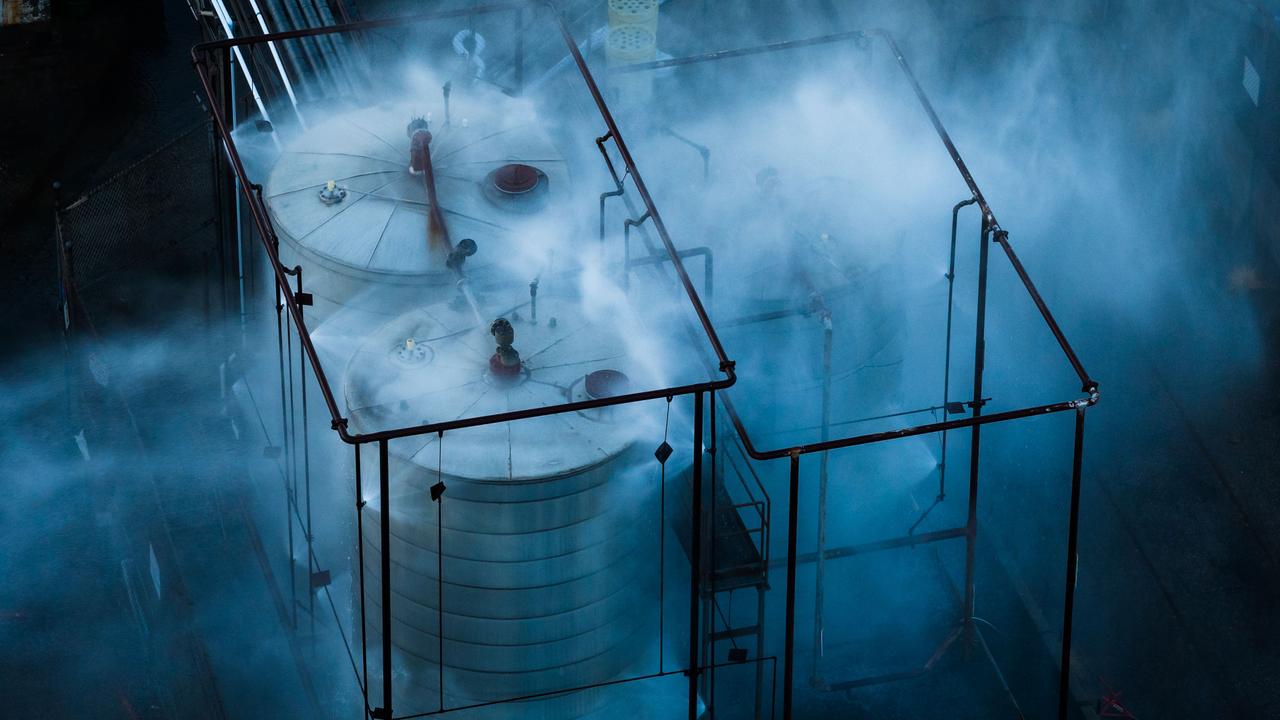
If the temperature inside the tank continues to increase, the pressure will continue to build as the methyl methacrylate converts from a liquid to a gas, because officials said the pressure relief valves on the tank were no longer working.
Whelton said it’s unlikely that firefighters would consider creating a hole in the tank because of fears that could create a spark that might ignite the volatile and flammable gas.
Drones were monitoring temperatures at 10-minute intervals to watch for any spikes and planning was underway to ensure a possible leak could quickly be prevented from spreading into waterways or the ocean, Covey said.
Trump says no rush for Iran deal, US blockade stays
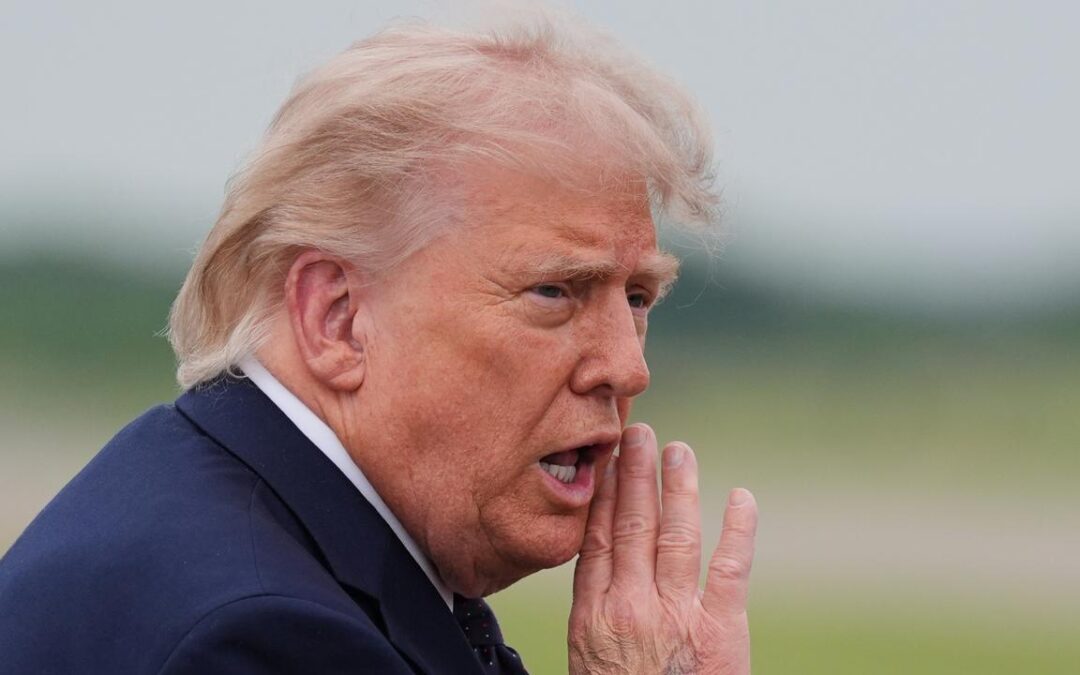
US President Donald Trump does not want to rush into any deal with Iran, appearing to dampen hopes of an imminent breakthrough in the three-month-old war that had been raised by both sides a day earlier.
The US blockade on Iranian ships on the Strait of Hormuz would “remain in full force and effect until an agreement is reached, certified, and signed”, Trump wrote on Truth Social.
Negotiations are progressing and the US relationship with Iran has become more professional and productive, he said.
“Both sides must take their time and get it right. There can be no mistakes!”
A day earlier, Trump said Washington and Iran had “largely negotiated” a memorandum of understanding on a peace deal that would reopen the Strait of Hormuz, which before the conflict carried one-fifth of global oil and liquefied natural gas shipments.
Trump has repeatedly played up the prospect of an agreement to end the war that the US and Israel started on February 28, so far without success.
It was not clear whether the agreement he was referring to on Sunday was the initial memorandum of understanding that has been under discussion, or a much more challenging broad peace settlement, likely to take much longer.
The two sides remain at odds over numerous difficult issues, such as Iran’s nuclear ambitions and Tehran’s demands for the lifting of sanctions and the release of tens of billions of dollars of Iranian oil revenues frozen in foreign banks.
Various media in the US and Iran had said the memorandum setting out a framework for ending months of fighting would, if concluded, lift a US blockade on Iranian shipping and reopen the waterway, which Iran has shut with threats to attack shipping.
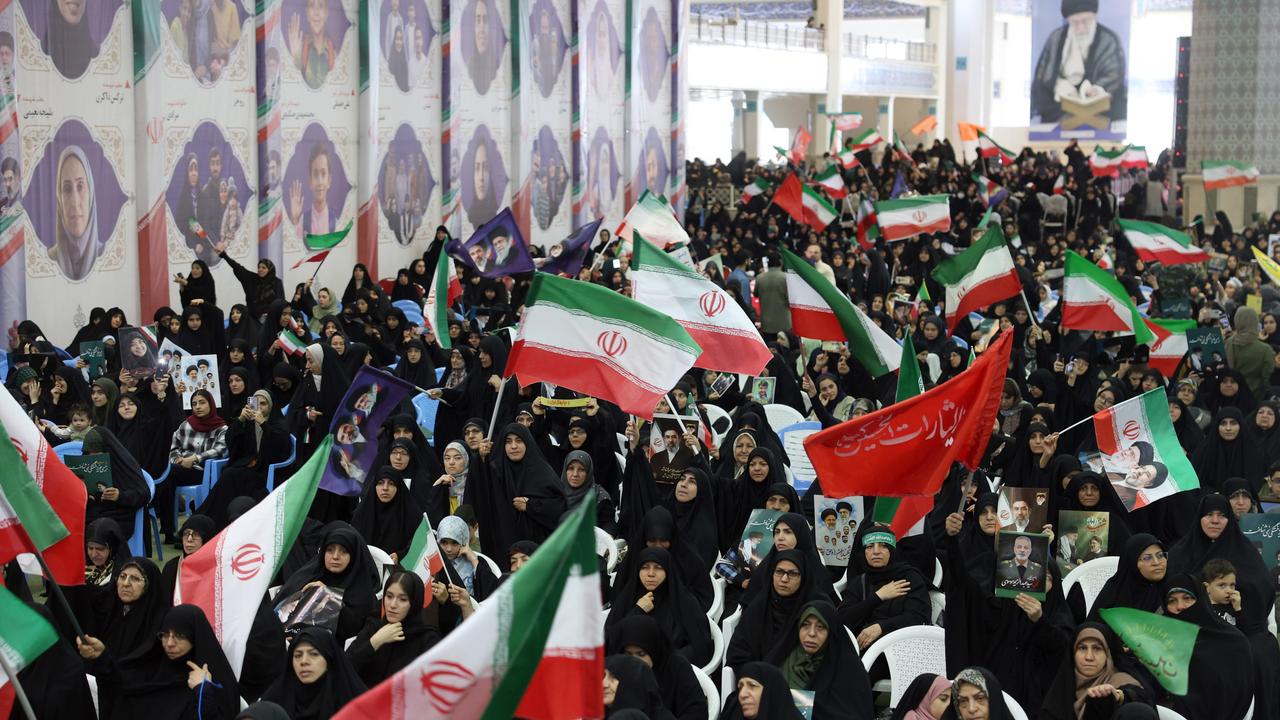
A senior Iranian source earlier told Reuters that if Iran’s Supreme National Security Council approved the memorandum, it would be sent to Supreme Leader Ayatollah Mojtaba Khamenei for final approval.
But Iran’s Tasnim news agency said differences remained over one or two clauses.
Tasnim cited a source as saying there would be no final understanding if the US continued to create obstacles.
In another potential stumbling block, a military adviser to Khamenei said Tehran had the legal right to manage the Strait of Hormuz, though it was not clear if that meant continuing to decide which ships can go through.
Any deal cementing the current fragile ceasefire would bring relief to markets but not immediately quell a global energy crisis, which has driven up the costs of fuel, fertiliser, and food.
Even if the war ends now, full flows through the strait will not return before the first or second quarter of 2027, the head of the Abu Dhabi National Oil Company said last week.
Iran’s Revolutionary Guards said 33 vessels had passed through the strait over the past 24 hours after getting permission from Tehran, still far short of the 140 on a typical day before the war.
Trump, while offering various war aims during the conflict, has repeatedly said the US struck Iran to prevent it from obtaining nuclear weapons.
Iran “must understand, however, that they cannot develop or procure a Nuclear Weapon or Bomb”, he reiterated in his post on Sunday.
Iran has long denied it is pursuing such weapons and says it has a right to enrich uranium for civilian purposes, although the purity it has achieved far exceeds that needed for power generation.
Sources have told Reuters the proposed framework, when it emerges, will unfold in three stages: formally ending the war, resolving the crisis in the Strait of Hormuz and launching a 30-day window for negotiations on a broader agreement, which can be extended.
Trump, whose approval ratings have been hit by the war’s impact on US energy prices, said on Friday he would not attend his son’s wedding this weekend, citing Iran among the reasons for staying in Washington.
He spoke on Saturday with leaders from Saudi Arabia, Qatar, the United Arab Emirates, Jordan, Egypt, Turkey and Pakistan, who encouraged Trump to agree to the emerging framework, Axios reported.
Defence helps Pacific partners fight illegal fishing
Illegal fishing costs Pacific Island nations hundreds of millions of dollars in potential revenue each year but an Australian-backed operation is helping them fight back.
The Southwest Pacific is the world’s most fertile fishing ground, supplying more than half of the tuna sold globally.
Which is why the Australian Defence Force has joined a multinational effort to detect and deter illegal, unreported and unregulated fishing in the region.
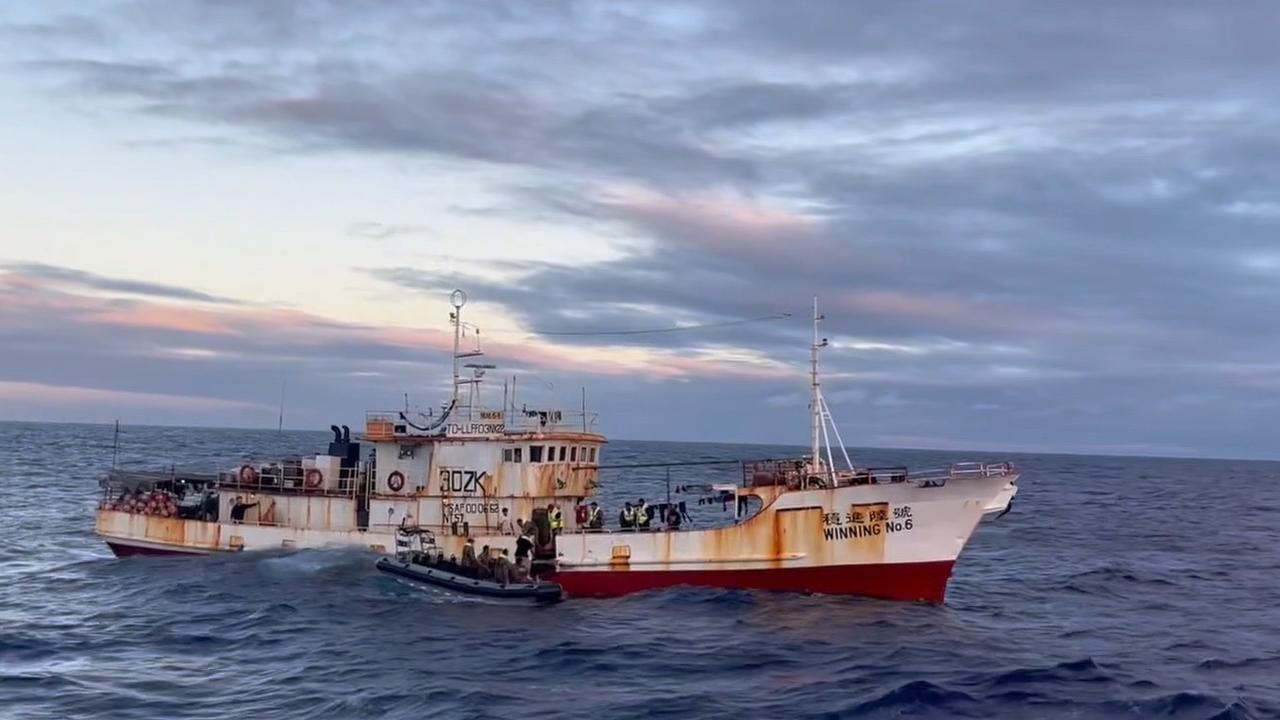
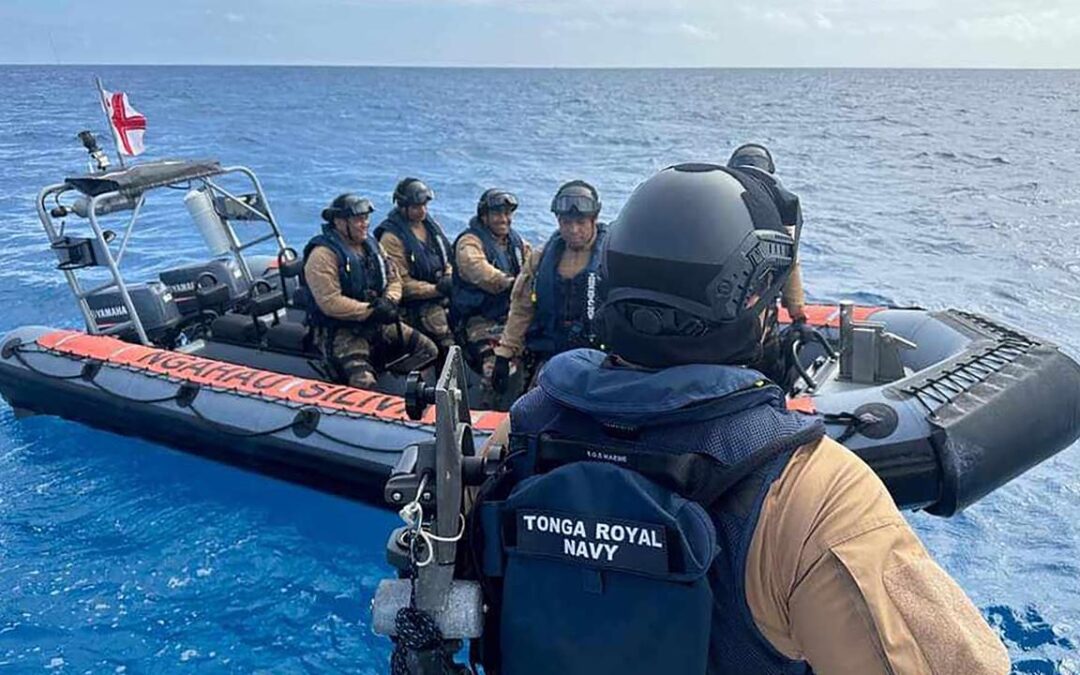
As part of Operation Solania, a Royal Australian Air Force C-27J Spartan and supporting personnel deployed to the Cook Islands and Tonga, working alongside the Royal New Zealand Air Force, have been supporting the Pacific Islands Forum Fisheries Agency’s Operation Tui Moana.
Operation Tui Moana is one of four annual Pacific-led maritime surveillance operations.
In May, ADF surveillance patrols covered 113,220sq km of sea, identifying potential threats to Pacific partners’ marine resources and countering transnational organised crime.
They successfully identified 12 vessels of interest suspected of illegal fishing in Tonga and the Cook Islands’ exclusive economic zones.
Chief of Joint Operations Vice Admiral Justin Jones said fisheries protection was essential to long-term sustainability.
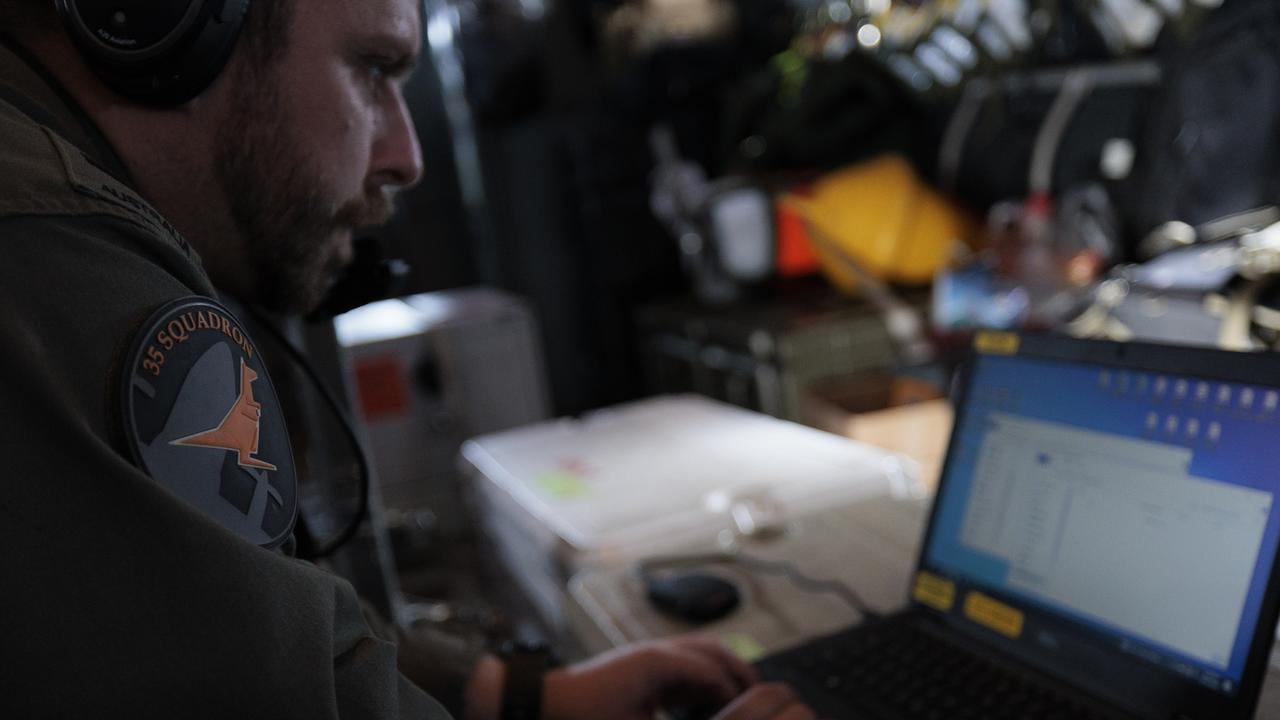
“Australia continues to prioritise our region by deploying ADF assets to support Pacific-led arrangements that safeguard regional prosperity and security,” Vice Admiral Jones said.
“Working together to deliver Pacific-led, Australian-backed solutions to Pacific security challenges is essential to ensuring our region’s stability and protecting our sovereignty.”
Unlicensed fishing by foreign boats was historically the primary threat to the area, but better satellite tracking has made it easier to detect illegal boats.
The most prevalent problem now involves vessels drastically misreporting their catch volume or illegally transferring catches to larger ships out on the high seas.

Investor tax cut call as opponents fight Labor plan
Investor incentives should be increased, not cut, a senior Liberal says, as Labor moves to rush its once-in-a-generation tax overhaul through parliament.
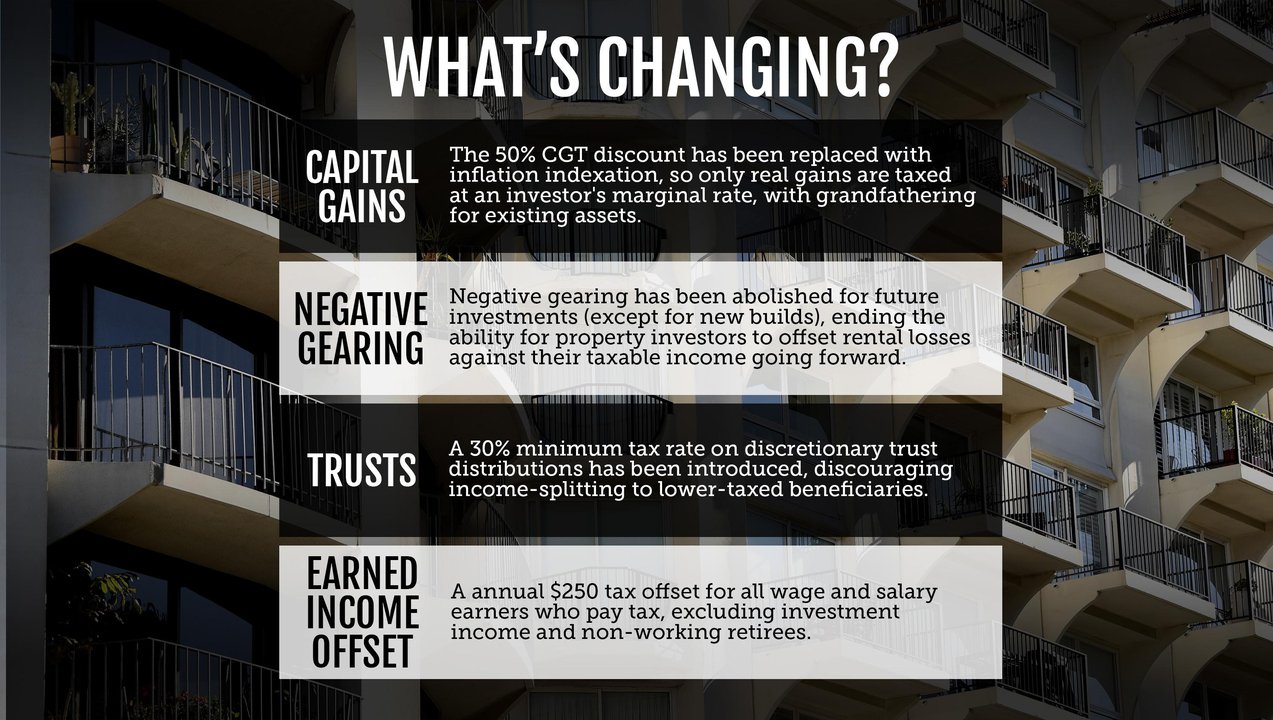
Business leaders have warned the measures, laid out in the federal budget earlier in May, will lead to talent and funding moving offshore as the existing 50 per cent capital gains discount is axed in favour of a minimum 30 per cent tax rate.
The Albanese government is expected to introduce legislation to federal parliament within a fortnight that would end the discount and negative gearing for investors buying existing properties.
Opposition housing spokesman Andrew Bragg said he would increase the discount rather than remove it to get money flowing where it was needed.
“We should be looking to cut taxes,” he told Sky News on Sunday.
“There are heaps of ways you could play around with (capital gains tax) to actually incentivise more investment.”
Asked how the coalition would fund an already promised plan to end so-called bracket creep for income taxes – costing at least $22 billion – Senator Bragg agreed significant spending cuts would be needed.
Being too afraid to say what would be cut was “part of the weakness” of political leaders, he said, although he refused to nominate areas that would be targeted for savings.
Capital gains tax is paid when assets such as shares or property are sold, based on the increase in value.
The proposed regime would adjust returns for inflation before tax was applied, meaning the impost on low-growth assets could be less than under the existing discount-based regime, introduced by the Howard government in 1999.
But Labor’s plan has been criticised by startup and small business supporters in particular for discouraging people from building and investing in young companies with low initial costs.
UNSW chief societal economist Richard Holden said the plans would create Australia’s first-ever “productivity tax”, under which productive firms paid more than their less-efficient peers.
“Two identical businesses, delivering the exact same service, one highly productive, the other unproductive, will now face vastly different effective capital gains tax rates,” he said in a post-budget analysis.
“Young people will pay the biggest price for this profound policy error, because they will miss out on the jobs growth and prosperity that productive businesses create.”
Labor cabinet secretary Andrew Charlton defended the tax changes as necessary to stop investment in existing houses from pushing up prices and starving other parts of the economy of necessary funding.
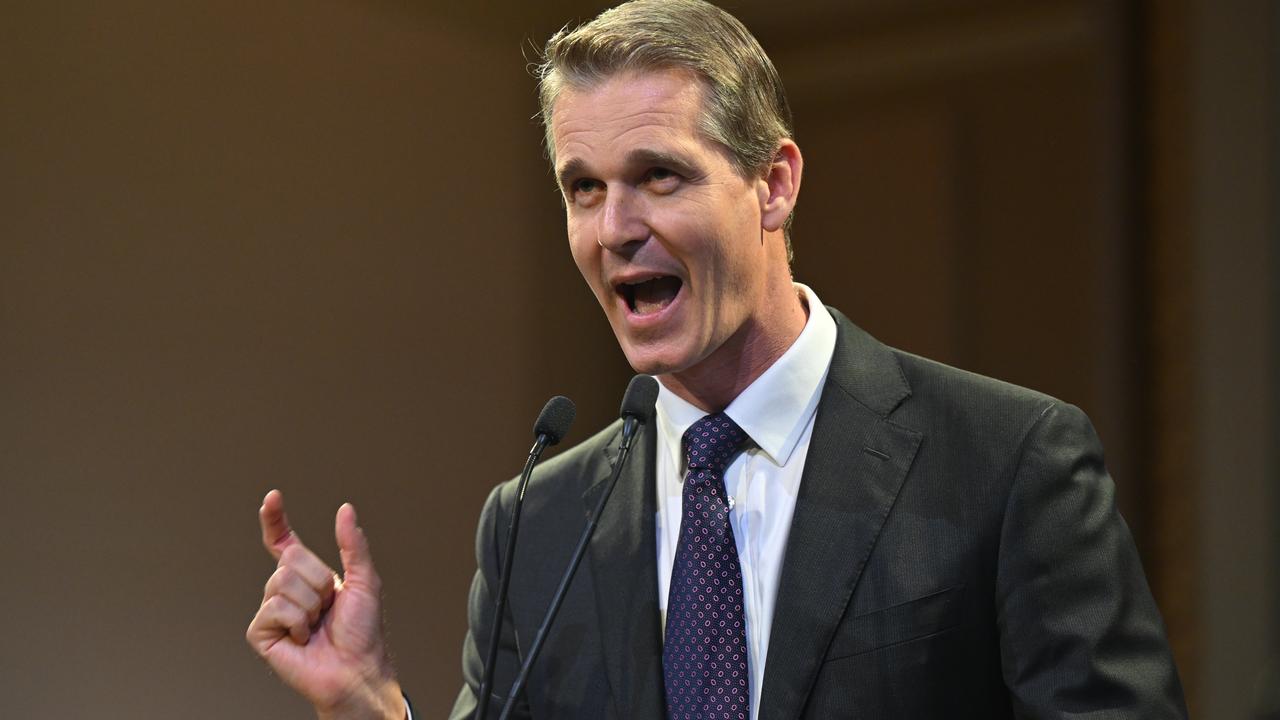
He also pushed back against suggestions he personally benefited from the old tax regime when he sold his consultancy business for tens of millions of dollars.
“I can tell you that across the assets that I have owned, this is a fairer system,” he said.
“I would have lost out of some, gained out of others, but overall it is a fairer system.”
Asked if the changes would make the nation a less attractive place in which to invest, Mr Charlton said comparing Australia’s tax rate on a nominal gain in another country was not a like-for-like comparison.
“In many cases, our regime will be more generous to assets who have experienced a lot of inflation over a long period of time and that is not compensated for in the regimes of other countries,” he said.
Independent senator David Pocock called for a parliamentary inquiry into the proposed tax change to avoid what he said was a worrying trend of measures being rammed through parliament without adequate public consultation to get policies right.
Temporary fall in inflation won’t ease RBA fears
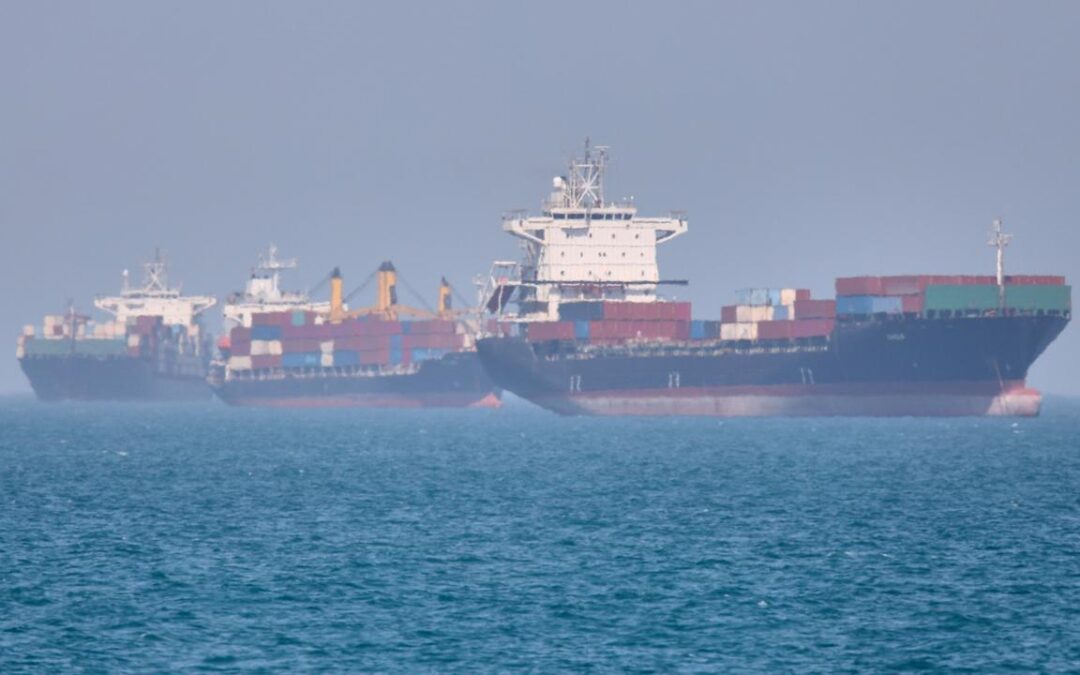
The Strait of Hormuz is still closed and supply disruptions are still pushing global prices up yet fresh data is expected to show Australia’s headline inflation is on the way down.
Even so, the Reserve Bank won’t be declaring mission accomplished, if the forecasts are borne out.
Economists at NAB, CBA and ANZ are tipping the consumer price index to drop from the 4.6 per cent annual rate clocked in March when fresh figures are released by the Australian Bureau of Statistics on Wednesday.
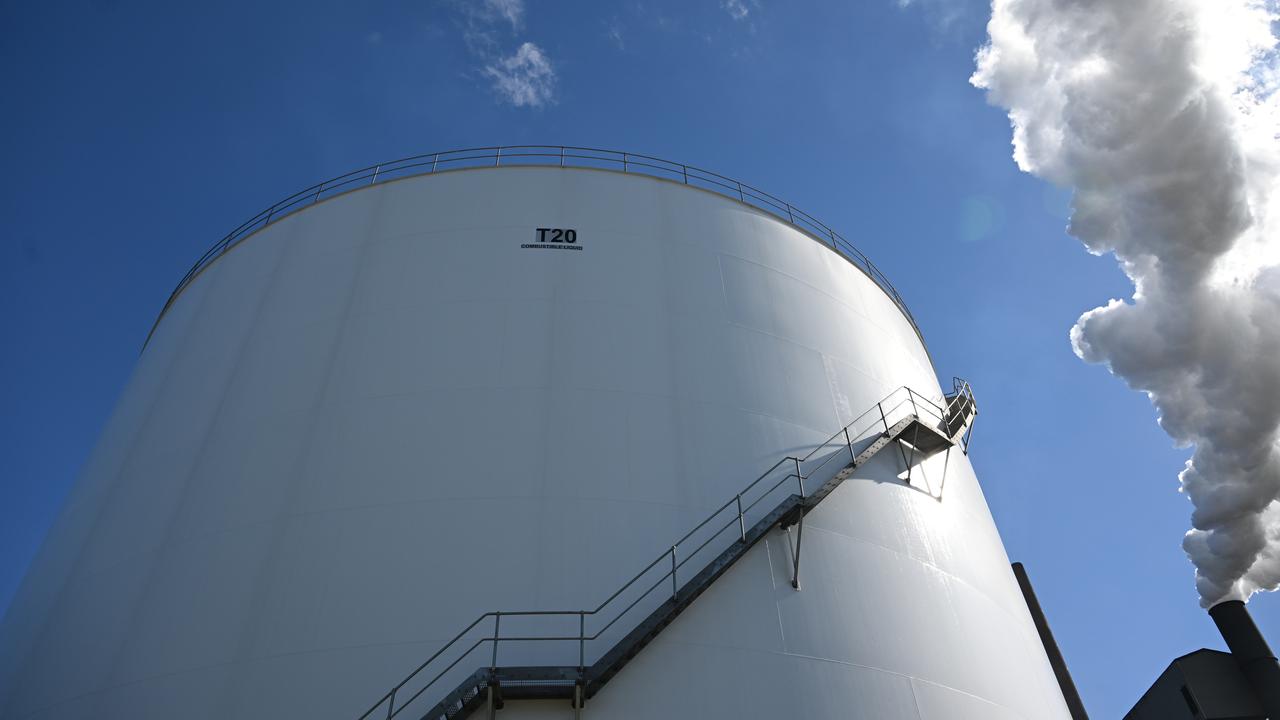
That’s largely because of a temporary reduction in fuel taxes, rather than a softening in the underlying impulse.
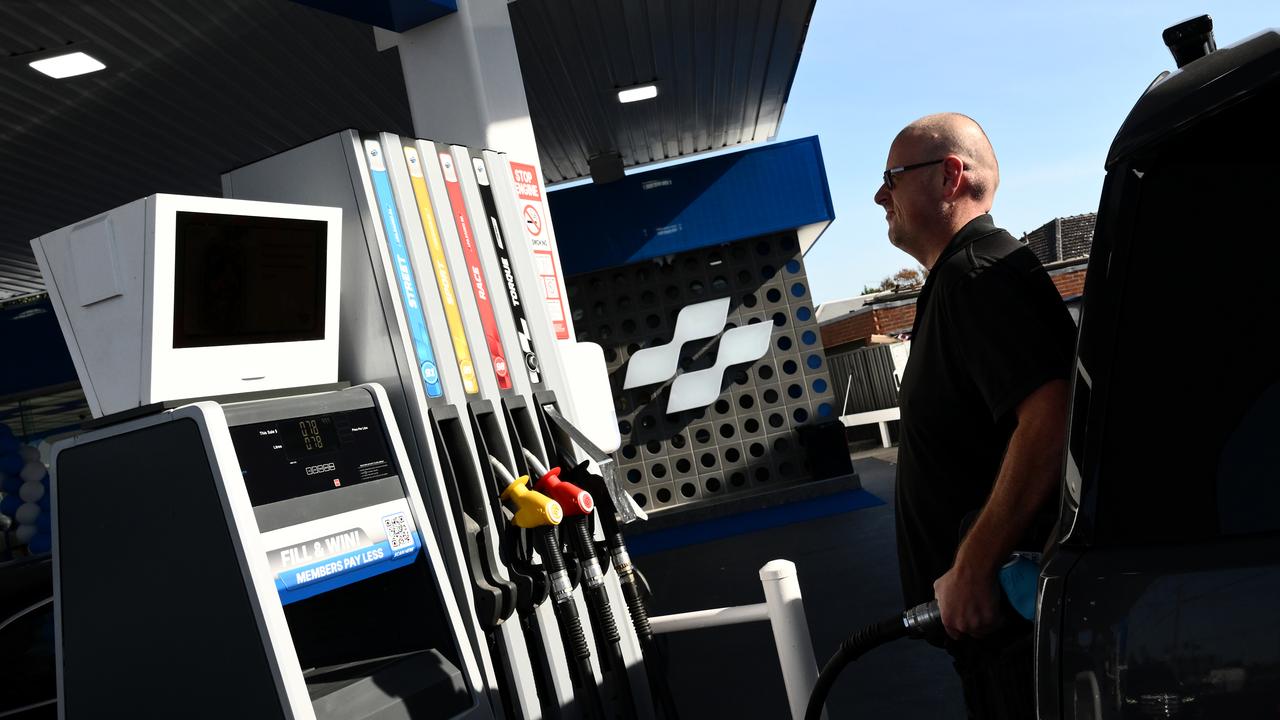
Petrol prices fell about nine per cent over the month but because diesel prices still rose, NAB senior economist Taylor Nugent has pencilled in a seven per cent fall in automotive fuel.
He therefore expects headline inflation to fall to 4.4 per cent for April, driven by the 32c per litre reduction in fuel excise.
“That will add to headline inflation in July when the excise cut unwinds,” Mr Nugent said.
Economists at ANZ and CBA expect an even larger drop in the consumer price index to 4.3 per cent in April, although Westpac predicted an annual rise of 4.8 per cent.
“Lower public transport fares in some states are also expected to weigh modestly on the monthly outcome,” said CBA economist Trent Saunders.
Underlying inflation, which excludes volatile price movements, will likely tick up to 3.4 per cent from 3.3 per cent, supported by higher new dwelling costs and a larger bump in private health insurance premiums, he said.
“The key risk for April is how much businesses have passed on higher costs, particularly for new housing.”
The pace and breadth of cost pass-through has troubled the Reserve Bank as it faces a devilish dual-edged dilemma of rising inflation and stagnating activity.
Despite markets reacting positively to commentary out of the White House suggesting an end to the Iran war is nigh, there has been little progress.
While Hormuz remains effectively shut to freight, oil stockpiles will continue eroding and shortages of other vital commodities like fertiliser will keep mounting.
CBA commodity analyst Vivek Dhar warned oil futures could rise from $US105 a barrel to about $US150 by mid-June if the status quo remained. By September it could be $US200.
That would be catastrophic not only for consumer prices. By then, the RBA might be more concerned about the hit to economic activity and employment.

The labour market showed its first signs of softness last week, with unemployment rising from 4.3 per cent to 4.5 per cent in April.
Another sign of the hit from the Middle East conflict could come on Thursday, when the ABS releases household spending figures.
ANZ economist Aaron Luke expects a 1.3 per cent month-on-month contraction in April, following a 1.6 per cent rise in March.
While much of that will be down to lower fuel prices and free public transport, discretionary spending is also expected to have softened.
Carolyn Hewson will deliver the first speech by an external member of the Reserve Bank’s rate-setting board on Wednesday but probably won’t give away much on rates.
Her Adelaide University address will consider responsibility and leadership in public service and economic decision-making.
US Secretary of State Marco Rubio flagging progress toward a deal with Iran has meanwhile been enough to raise Wall Street enthusiasm.
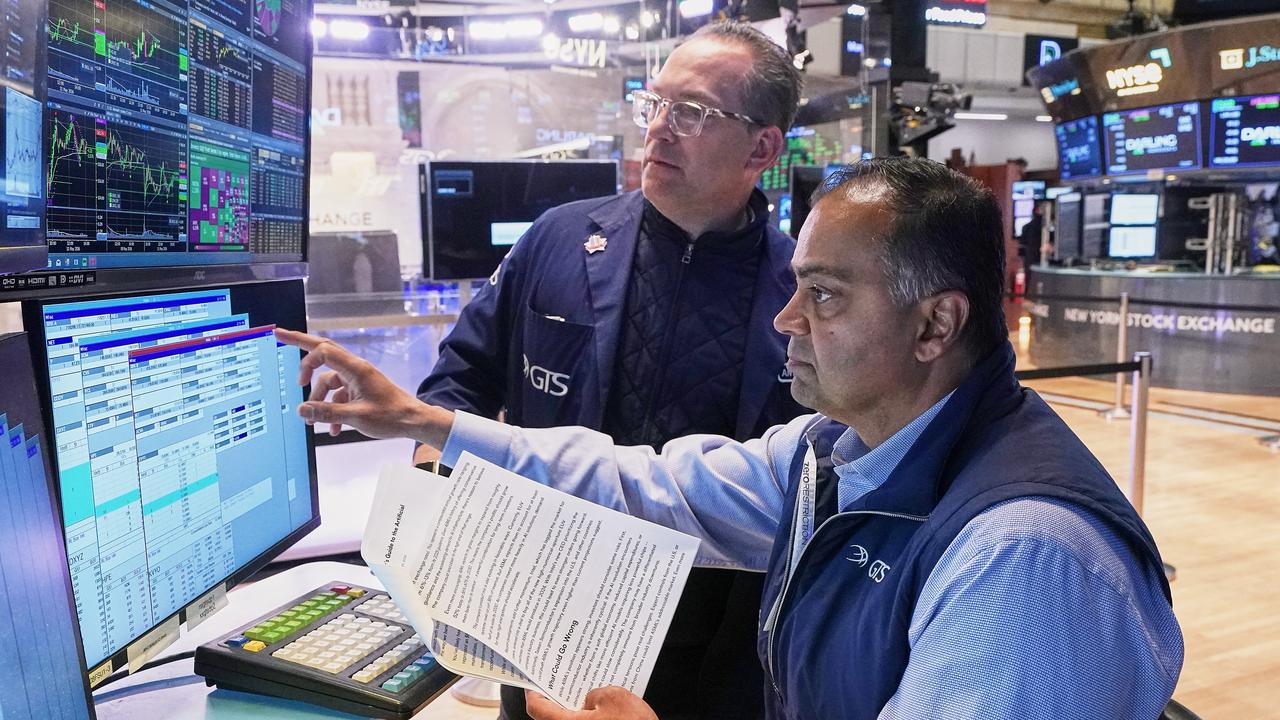
The Dow Jones Industrial Average on Friday rose 294.04 points, or 0.58 per cent, to 50,579.70, a record closing high.
The S&P 500 climbed 0.37 per cent to 7,473.47 and the Nasdaq Composite 0.19 per cent to 26,343.97.
Australian share futures lost 58 points, or 0.66 per cent, to 11,542.
The S&P/ASX200 rose 35.3 points on Friday, up 0.41 per cent to 8,657, as the broader All Ordinaries improved 36.4 points, or 0.41 per cent, to 8,877.2.
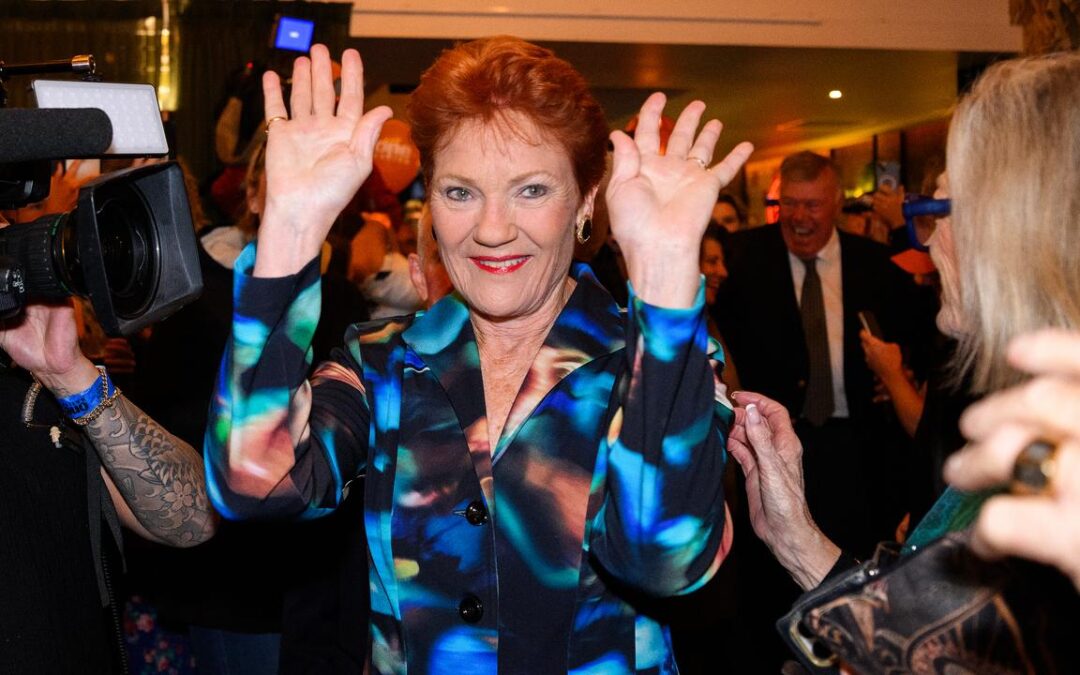
‘Huge grievance’ pushes One Nation to major status
Australia’s major political parties face a “huge amount of grievance” as a leading Liberal figure concedes his party’s decade of flawed policies has helped fuel the rise of One Nation.
Polling from RedBridge Group and Accent Research shows Pauline Hanson’s One Nation could win up to 59 lower house seats if a federal election were held today.
The result would leave Senator Hanson’s anti-immigration party as the official opposition, reducing the coalition to a handful of seats and forcing Labor into minority government.
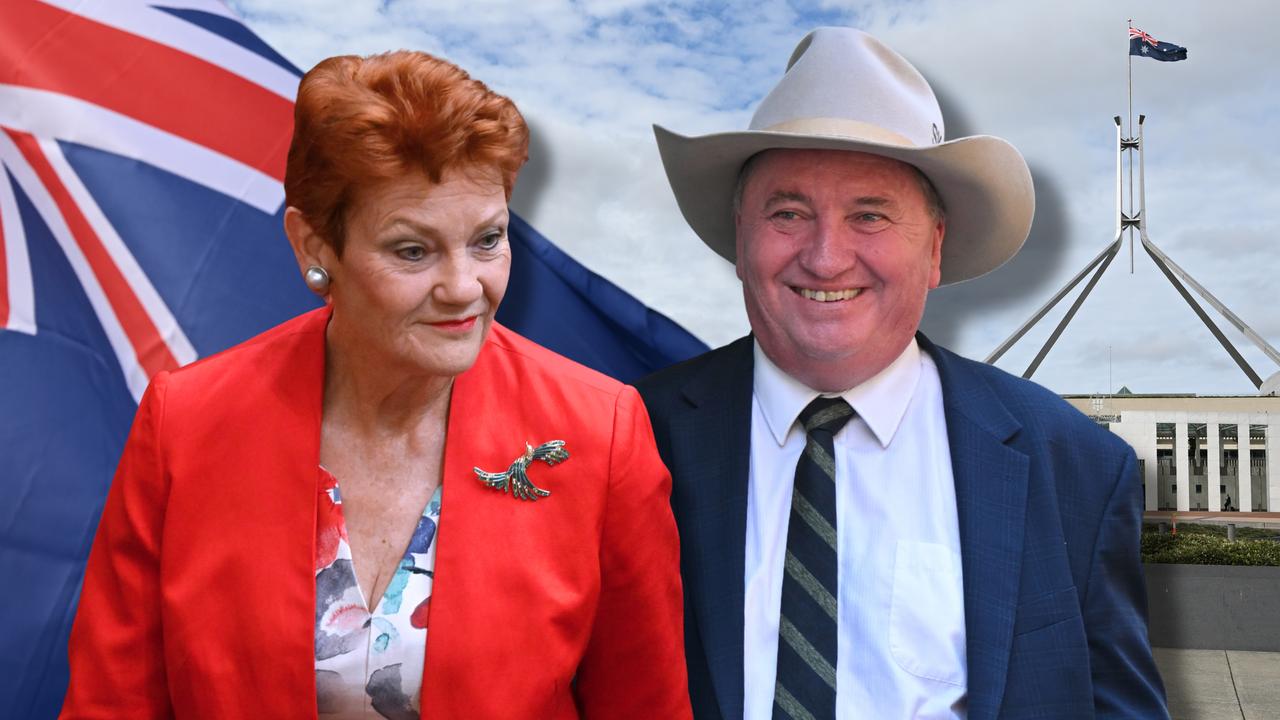
But RedBridge analyst Alex Fein said people should reject the “reflexive interpretation” the poll – backed up by others showing a surge of support for One Nation – was lurching towards the far right.
Rather, many people were experiencing deteriorating living standards and public services, while trust in institutions such as government, media and businesses had collapsed.
The anti-establishment sentiment left a void to be filled and a vote for Senator Hanson was seen as giving the major political parties a “kick up the bum”, Ms Fein said.
Opposition housing spokesman Andrew Bragg said he believed voters wanted an “economic revolution”, but it wasn’t the time to concede the coalition would have to partner with One Nation.
“What it shows is there’s a huge amount of grievance in the Australian community and I think we have not done a good job in the last 10 years on economic policy,” he told Sky News on Sunday.
“That’s my main takeaway … we should have done more on tax, more on industrial relations, more on super, more on budget stuff and we’ve just been too similar to Labor over a long period of time.
“We’re being punished.”
RedBridge’s central prediction was for One Nation to take 53 seats, based on current polling, reducing the coalition to just 12 and Labour to a slender majority of 76.
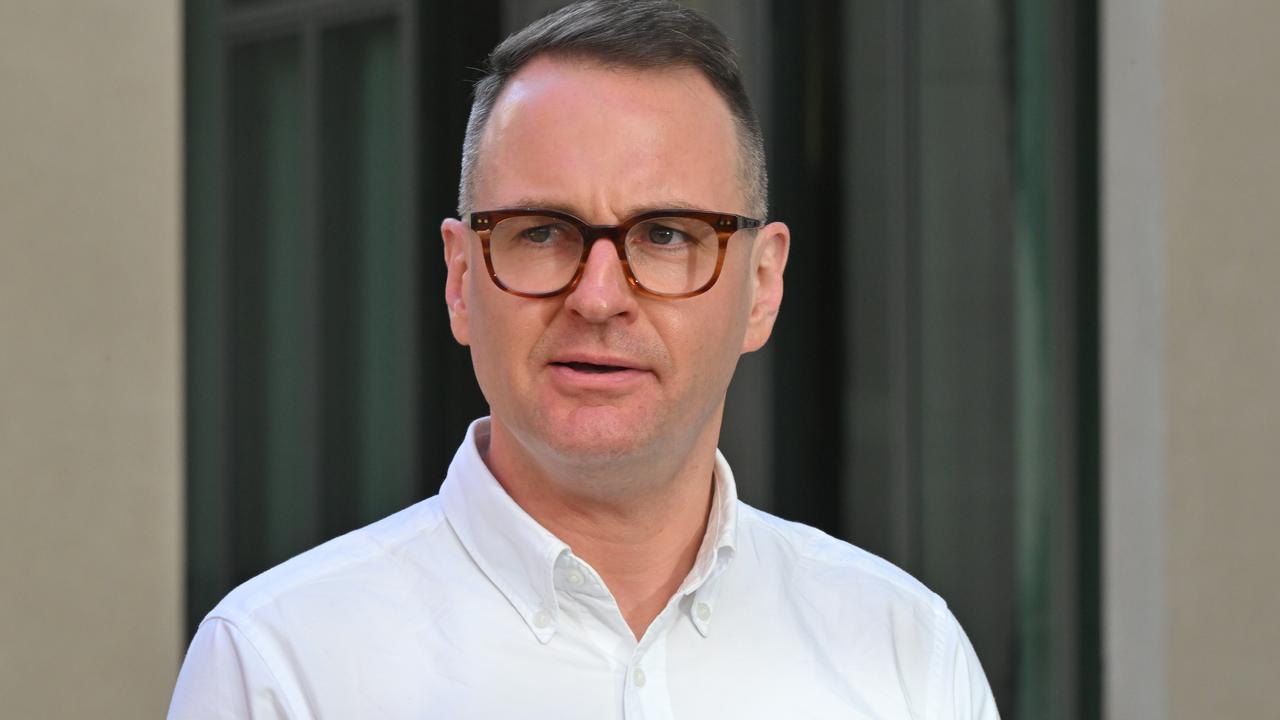
Labor cabinet secretary Andrew Charlton said the government needed to focus on presenting solutions to voters’ concerns and demonstrating it was tackling those issues.
“One Nation is expressing the grievances that people have, but they’re not providing the solutions that those people need to those grievances,” he said.
“Every opportunity they get … they vote against things that will benefit Australian families and workers.”
Alarm has been rising within the coalition, particularly among Nationals facing a strong challenge in regional and rural seats.
But former party leader David Littleproud played down the research.
“To have that 6000 poll across 17 million votes and then be able to make those assumptions is a little courageous,” he told Nine’s Today program.
“It’s more about clickbait and feeding our algorithm than it is about the reality.”
One Nation’s David Farley wrested the regional NSW seat of Farrer from the Liberals at a recent by-election, representing his party’s first win in the lower house.
The poll predicted the independent cross bench would be reduced from 10 seats to eight.
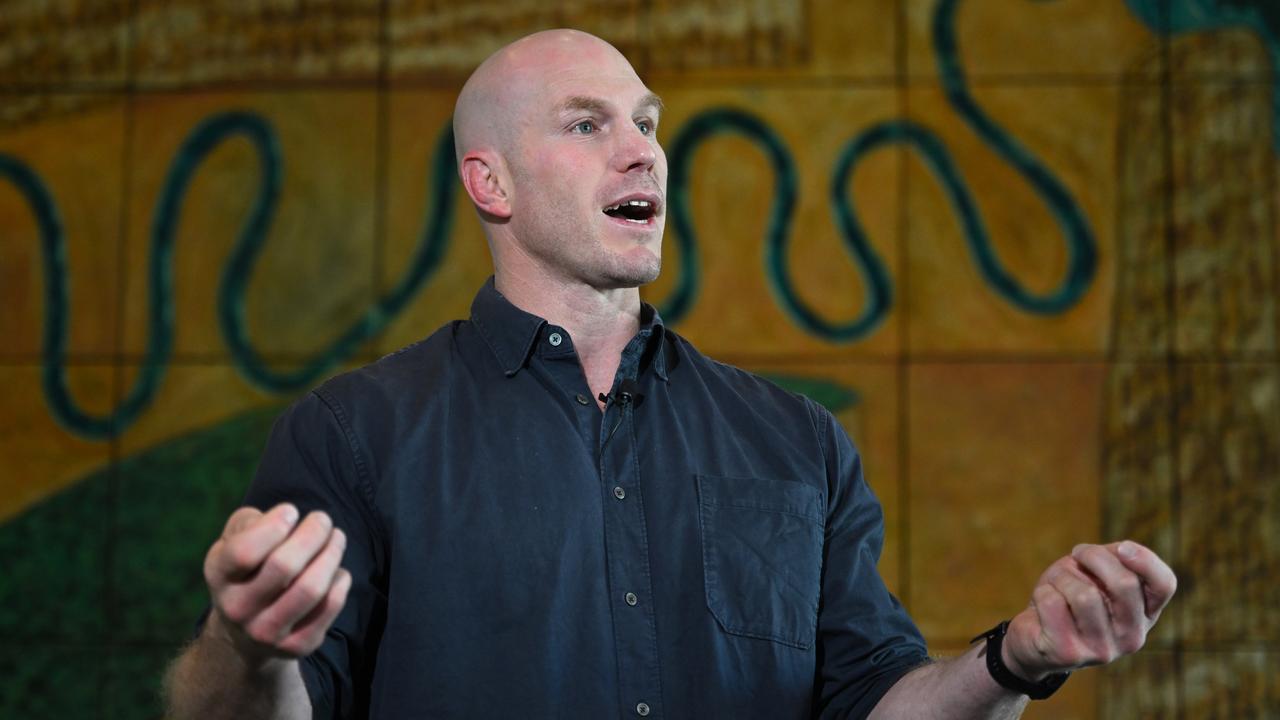
Independent senator David Pocock did not rule out teaming up with others to form a political party when asked if it was time for like-minded representatives to band together.
“We’re in a real time of flux politically and there’s people actually looking for candidates who are going to come to Canberra and actually put them first, put them ahead of vested interests,” he told ABC’s Insiders on Sunday.
Senator Pocock said he was focused on serving his ACT constituents and offering solutions.
“As to what that looks like in the future, who knows?” he said.