
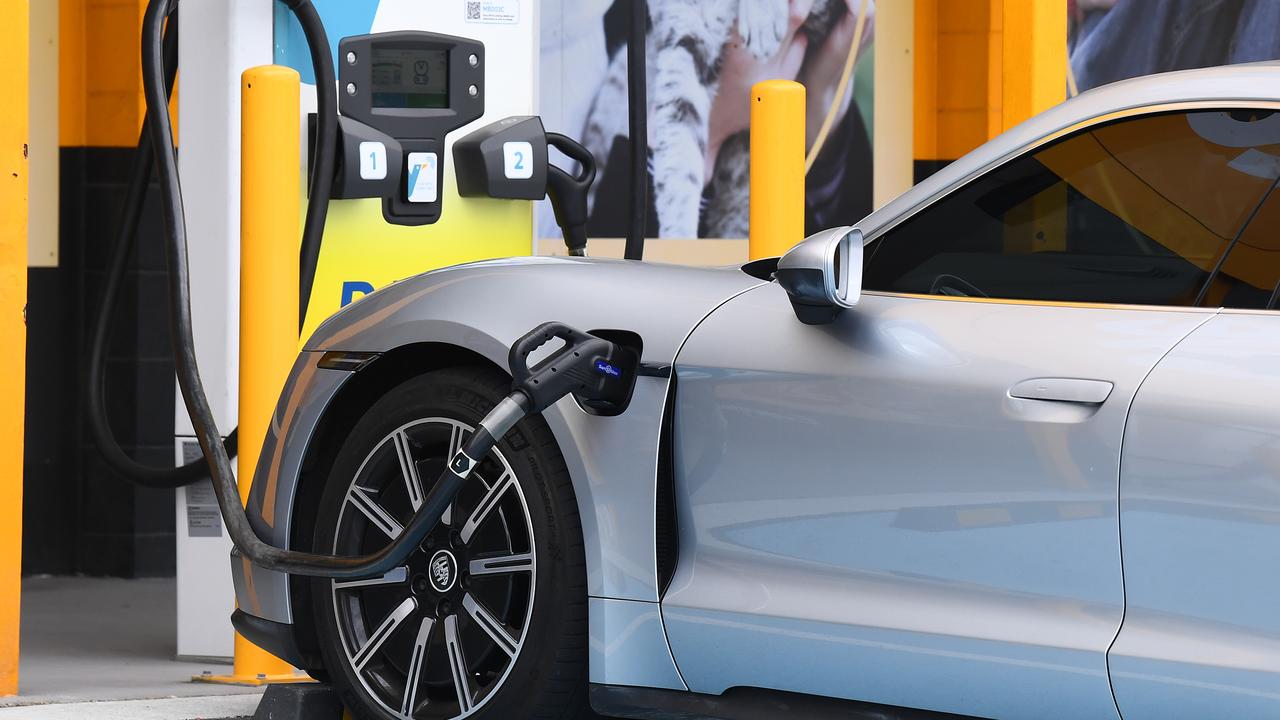

Electric car sales have more than doubled in Australia, recording one purchase every 100 seconds as motorists try to avoid soaring fuel costs.
But the nation’s battery-electric fleet would still need to grow to about 10 times its present size to help Australia meet its 2035 emissions target, a report has found, prompting calls for policy changes to accelerate uptake.
The Electric Vehicle Council released the findings on Wednesday in its annual State of EVs report, which also ranked states and territories according to their transport policies.
NSW, the ACT and the federal government came out on top, while Queensland, South Australia, Tasmania and the Northern Territory ranked equal last with a score of two out of 10.
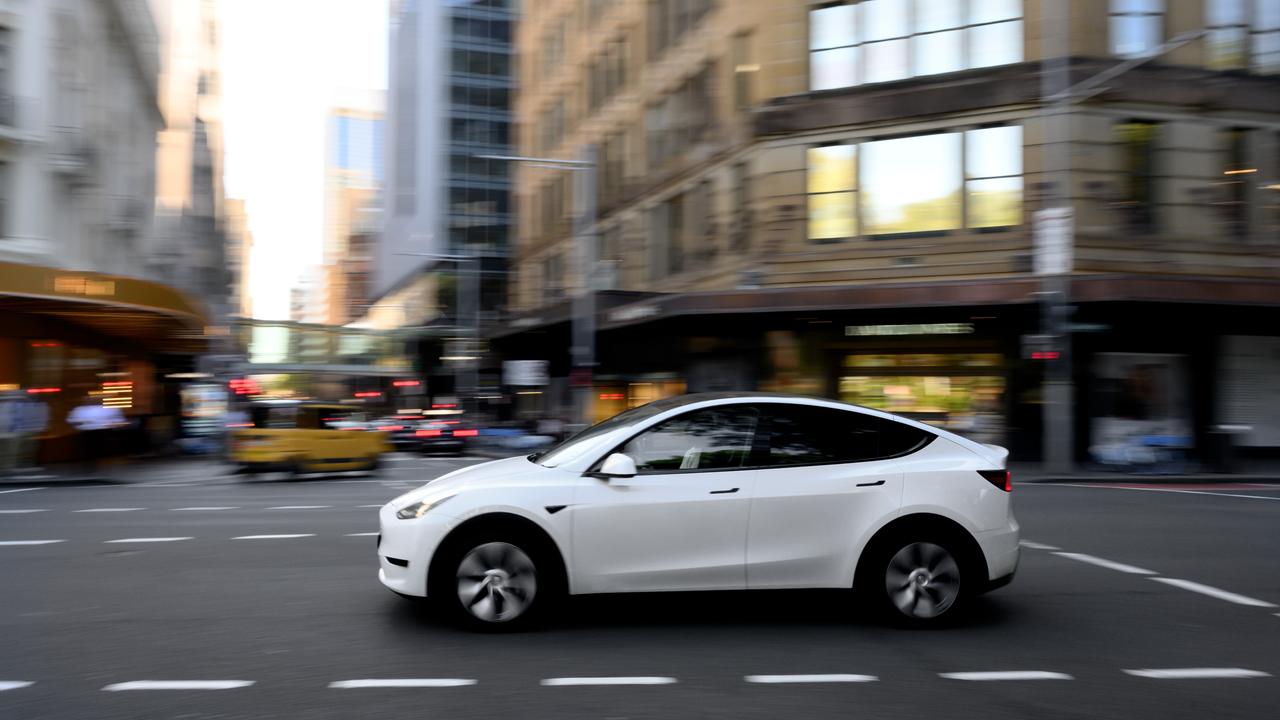
The findings follow months of record-breaking electric vehicle sales in Australia and come after petrol and diesel prices reached their highest average level since April due to the impact of ongoing conflict in the Middle East.
The State of EVs 2026 found Australians bought 103,716 battery-electric vehicles and 54,241 plug-in hybrid electric cars during the first six months of the year, representing a rise of 117 per cent compared to the same period in 2025.
Electrified cars made up more than one in every four new vehicles sold during the period, it said, and pushed Australia’s EV fleet past 612,000 vehicles by the end of June.
The result represents a stark change from the council’s first annual report in 2017, chief executive Julie Delvecchio said, when motorists purchased just 2284 electrified vehicles.
“The 2026 figures point to a structural shift in the cars Australians are choosing, rather than a temporary spike,” she said.
“We’re seeing more models, more competition and more affordable EVs arriving at exactly the same time Australians are feeling the pressure of high petrol prices and looking for ways to cut their household running costs.”
The types of electric and plug-in hybrid electric cars have also multiplied since 2017, the report found, from 23 to 196 models, while charging locations grew from 476 to 4268.
Despite the significant growth, Electric Vehicle Council policy head Aman Gaur said sales would need to accelerate further over the next decade to meet Australia’s emission goals, citing Climate Change Authority estimates.
“In the last couple of weeks, we just tipped over 500,000 battery-electric cars on Australian roads,” he said.
“However, that figure, that 500,000, needs to increase by 10 times to hit the 2035 target.”
Sales of commercial electric vehicles would also need to speed up, Mr Gaur said, as battery-electric models accounted for one per cent of van sales and 0.6 per cent of truck sales.
“Trucks are left eating dust and that’s simply because we do not have enough financial support to help Australians,” he said.
“By this, I mean small businesses who are running freight operations.”
Governments should remove restrictions on heavy electric vehicles and introduce tax concessions or financial assistance to boost adoption, Mr Gaur said.
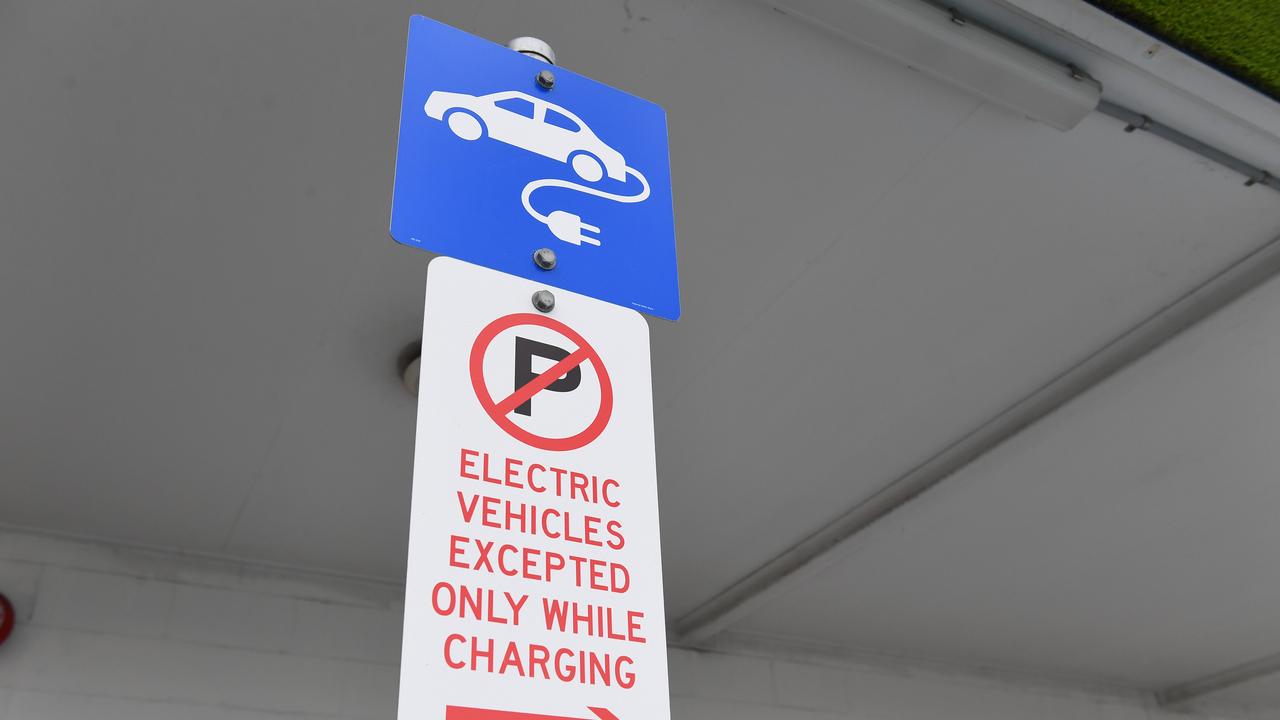
Other policy changes needed to support electric vehicle take-up included extending the New Vehicle Efficiency Standard beyond 2029, the report said, implementing a national road-user charge that did not discourage EV purchases and introducing assistance for disadvantaged households.
While many states had removed rebates for electric vehicles, the report scored efforts by the federal government, NSW and ACT as the nation’s best, and gave Victoria a “pass mark” for its electric heavy-vehicle trial.
Queensland, SA, Tasmania and the NT came in equal last with low scores for ambition and efforts to electrify buses, freight vehicles and government fleets.

Australian Associated Press is the beating heart of Australian news. AAP is Australia’s only independent national newswire and has been delivering accurate, reliable and fast news content to the media industry, government and corporate sector for 85 years. We keep Australia informed.