
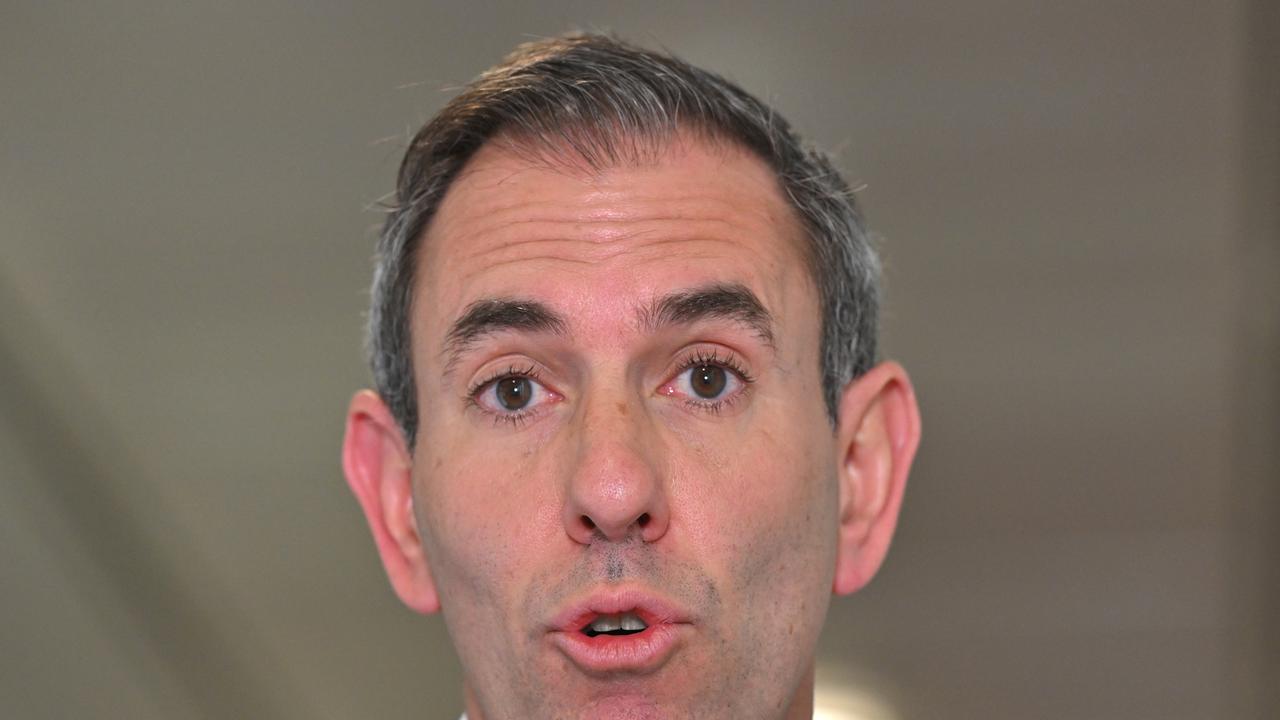

The treasurer remains upbeat as he tries to sell proposed changes to discretionary trusts, but it will be an uphill battle to appease both the small businesses and the progressive party the government needs onside to legislate the plan.
Jim Chalmers will introduce the legislation on Wednesday but has no prospect of seeing it passed until at least late 2026, amid a Greens’ push for an inquiry.
Dr Chalmers announced the plan to impose a 30 per cent minimum tax on trusts in the May budget, arguing the rapid growth in the use of legal structures by wealthy Australians was subverting the tax system and placing a greater burden on workers.
Business groups argue trusts are used for legitimate reasons by many employers, including to protect their assets and arrange succession planning.
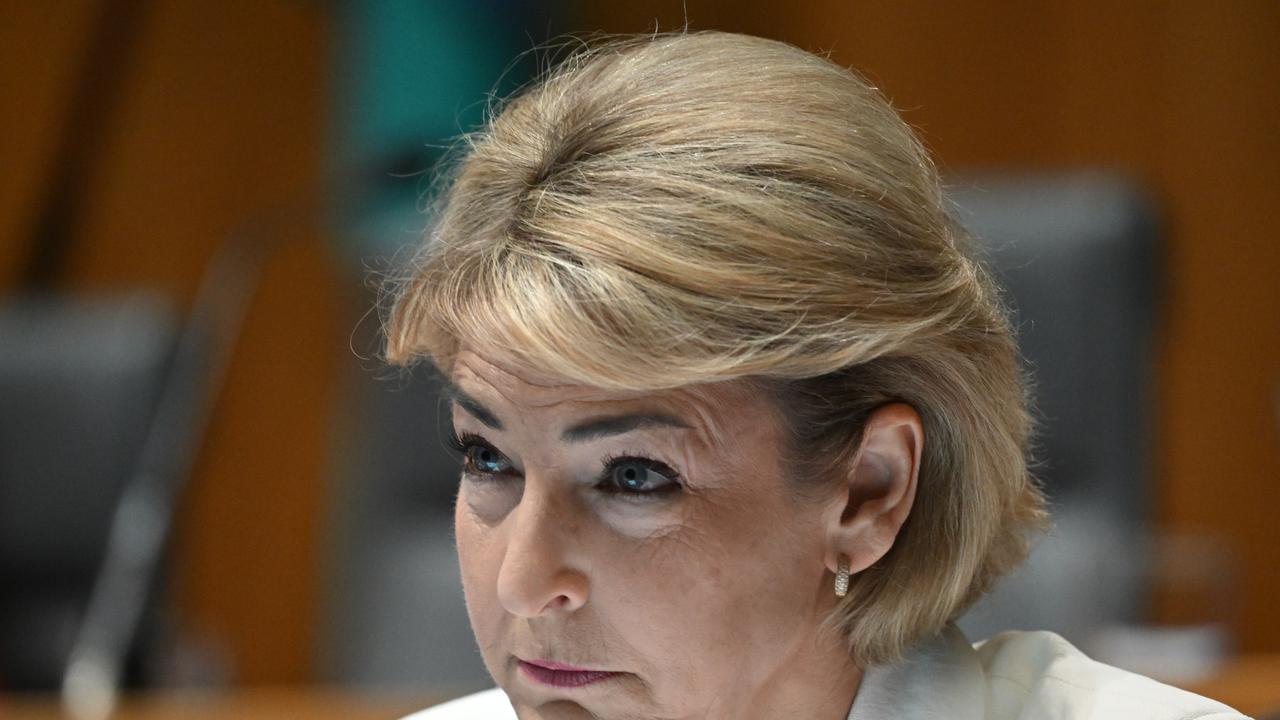
The changes would essentially “tax small businesses twice”, Liberal Senator Michaelia Cash said.
“They (Labor) are slugging the backbone of the Australian community, our small and family businesses, with yet another tax,” she told Seven’s Sunrise.
Her party is unlikely to support the bill even with significant changes, so the government needs to get the Greens on side to have any hope of passing the legislation in the Senate.
Greens economics spokesman Nick McKim said the minor party would move for a Senate inquiry to examine carve outs for businesses.
The carve outs would prevent the need for discretionary trusts to be restructured by making fixed distributions to pre-nominated beneficiaries instead, but Senator Shoebridge said it would let people with trusts off too lightly.
“In classic Labor fashion, the government has managed to water down its own position before the legislation has even reached parliament,” he said in a statement on Tuesday.
“These reforms appeared to be mildly positive when they were first announced, but there is a real risk that Labor’s political cowardice is transforming them into yet another missed opportunity.”
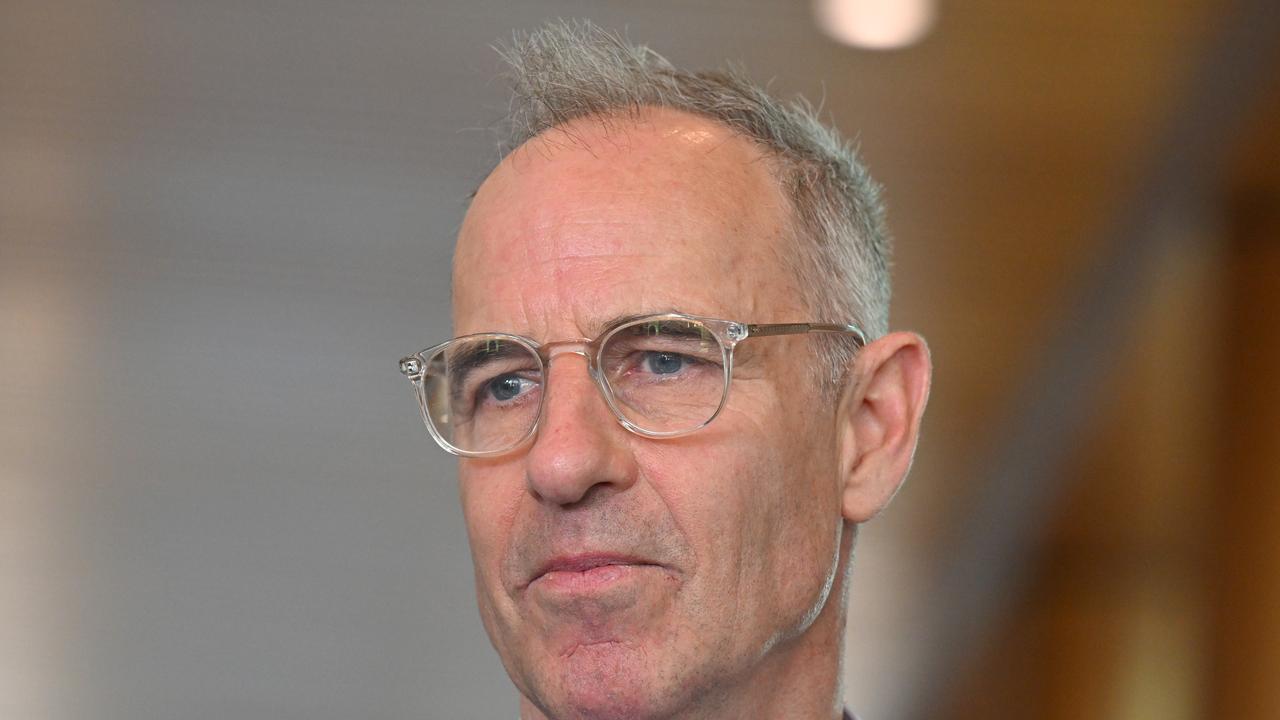
The Greens also have concerns parents who pay private school fees from trust funds could escape the tax.
Dr Chalmers remained upbeat about the bill, downplaying the challenges while fronting media on Wednesday morning.
“There are legitimate reasons for people to have trusts, but they do mean that a small proportion of Australians can manage their tax affairs in ways that aren’t available to the vast majority of Australian workers,” he told reporters in Canberra.
The treasurer suggested less than 10 per cent of small businesses would be affected by the changes.
Wilson Asset Management and accounting body CPA Australia estimate the 210,000 business trusts Treasury expects to be affected could face between $8 billion and $13.3 billion in advice and restructuring costs.

Australian Associated Press is the beating heart of Australian news. AAP is Australia’s only independent national newswire and has been delivering accurate, reliable and fast news content to the media industry, government and corporate sector for 85 years. We keep Australia informed.