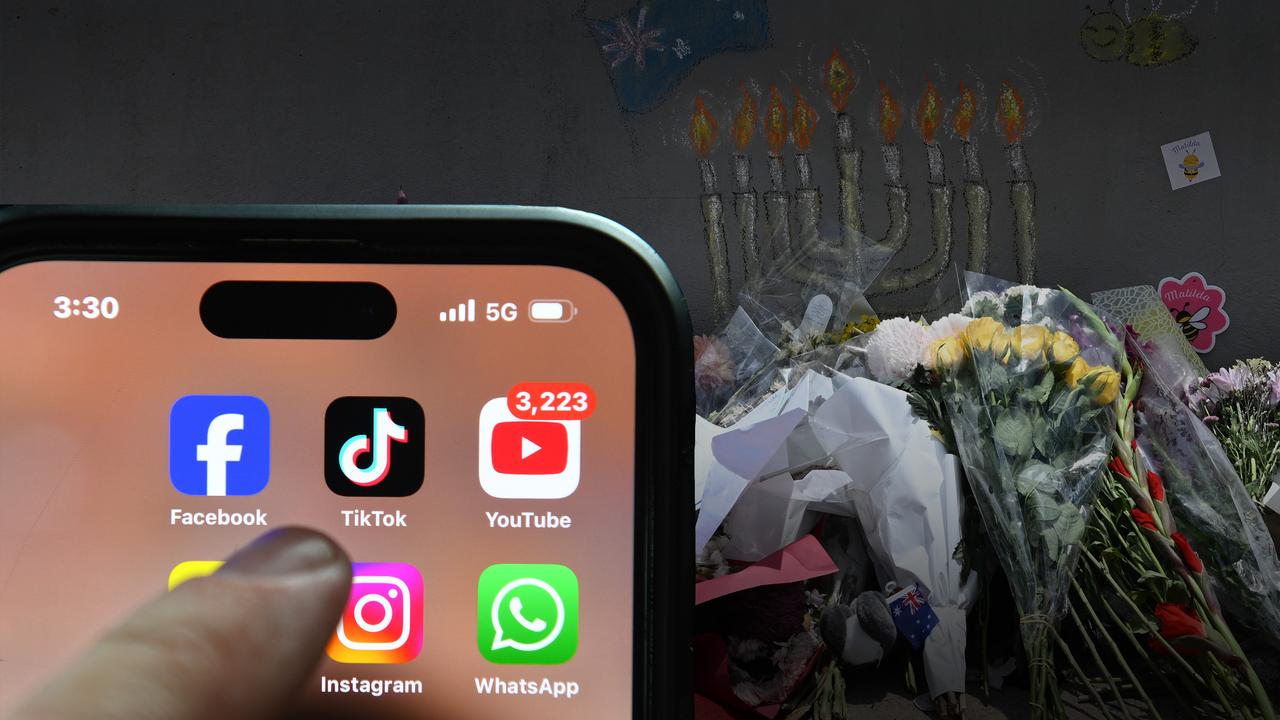

The role of social media in inflaming politics and driving young Australians to extremism will come under the microscope as the nation grapples with its worst attack on a politician since the 1990s.
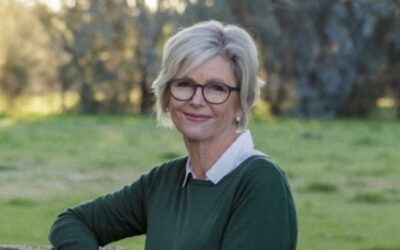
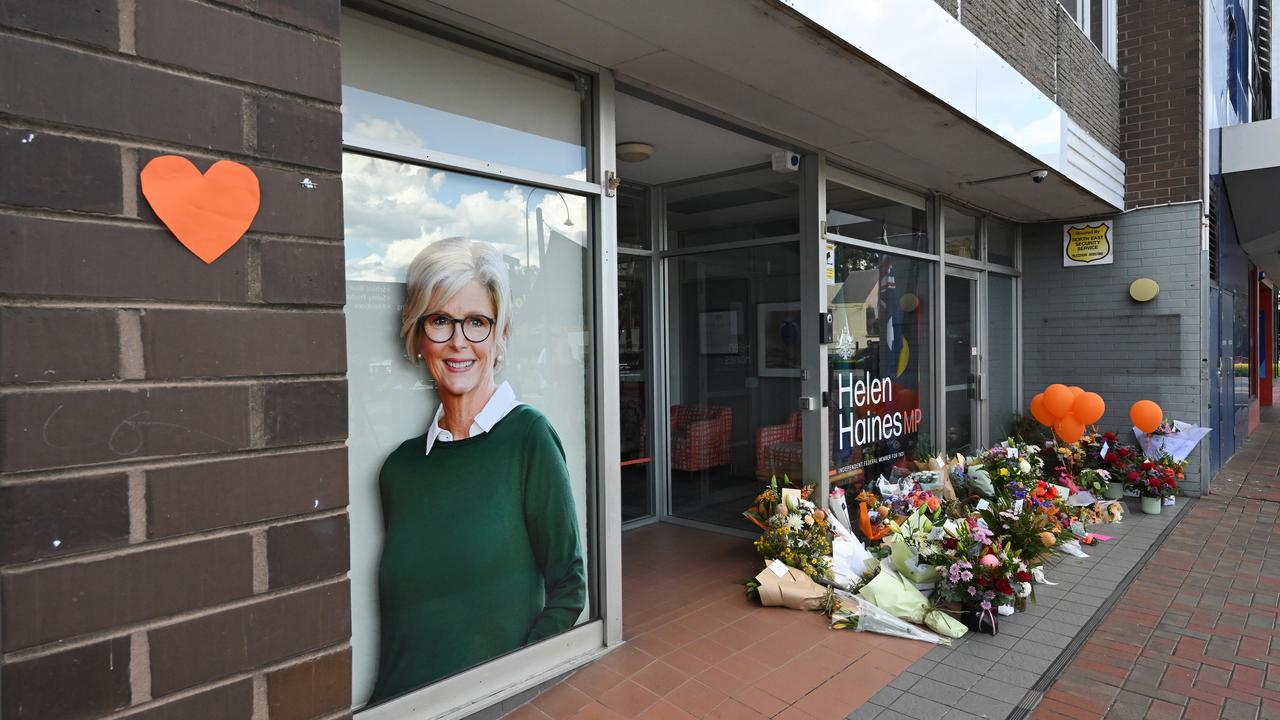
As their parliamentary colleague Helen Haines fights for her life in hospital following Monday’s attack, a committee will hear from intelligence agencies, the eSafety Commissioner and the Home Affairs Department about what is driving radicalisation.
“Radicalisation is a complex and evolving challenge, particularly as online environments and new technologies increasingly shape how people communicate, access information and form communities,” Labor senator and committee chair Raff Ciccone said.
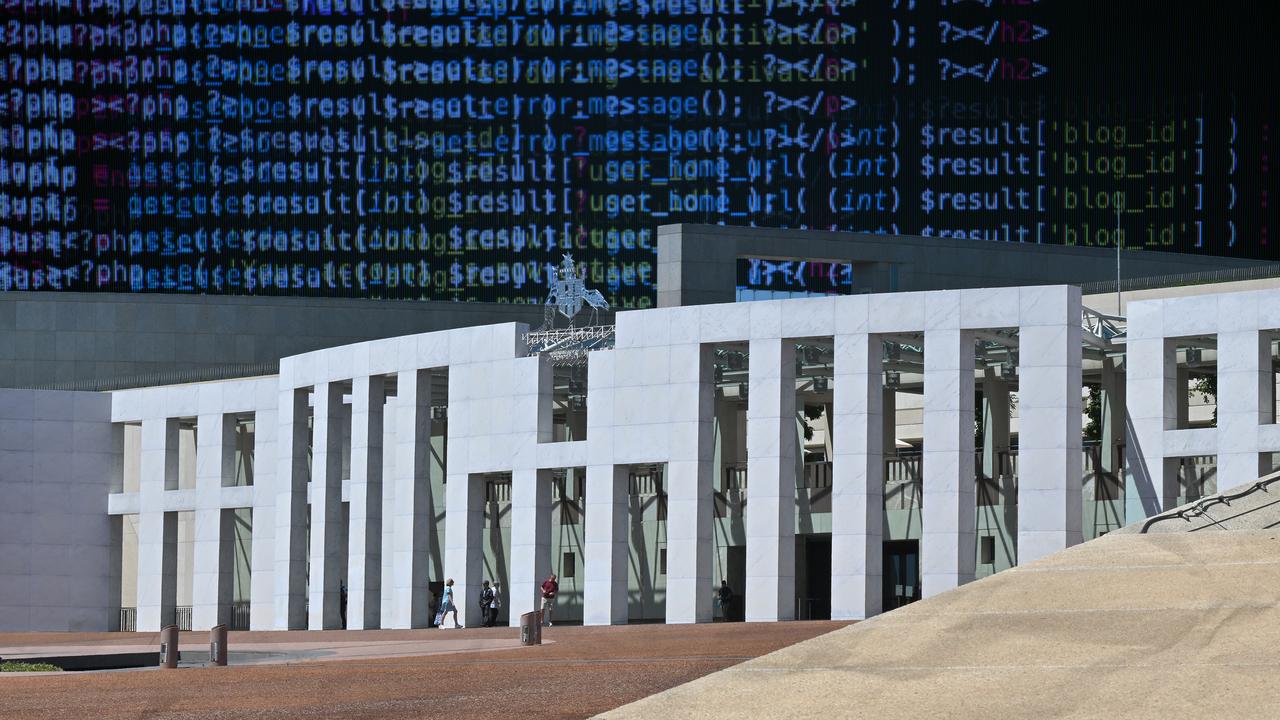
It was no longer just the fringes of the internet where extremist violence was s being incubated, ASIO said in a submission to the inquiry.
“Mainstream social media is amplifying and accelerating a number of the drivers of radicalisation – grievance narratives, eroding trust in institutions, and promoting inflammatory rhetoric,” the intelligence agency said.
Social media algorithms trap users in an online echo chamber devoid of alternative viewpoints that speed up the path to radicalisation, the submission said.
Young people are particularly vulnerable.
The government has already passed legislation banning under-16s from social media.
And Labor has promised to further address social media harms by introducing a digital duty of care and mandating platforms let users “opt out” of the algorithm.
But the bill remains in legislative limbo.
The coalition has labelled it an attempt at political censorship, while the Greens are demanding tougher penalties for social media companies.
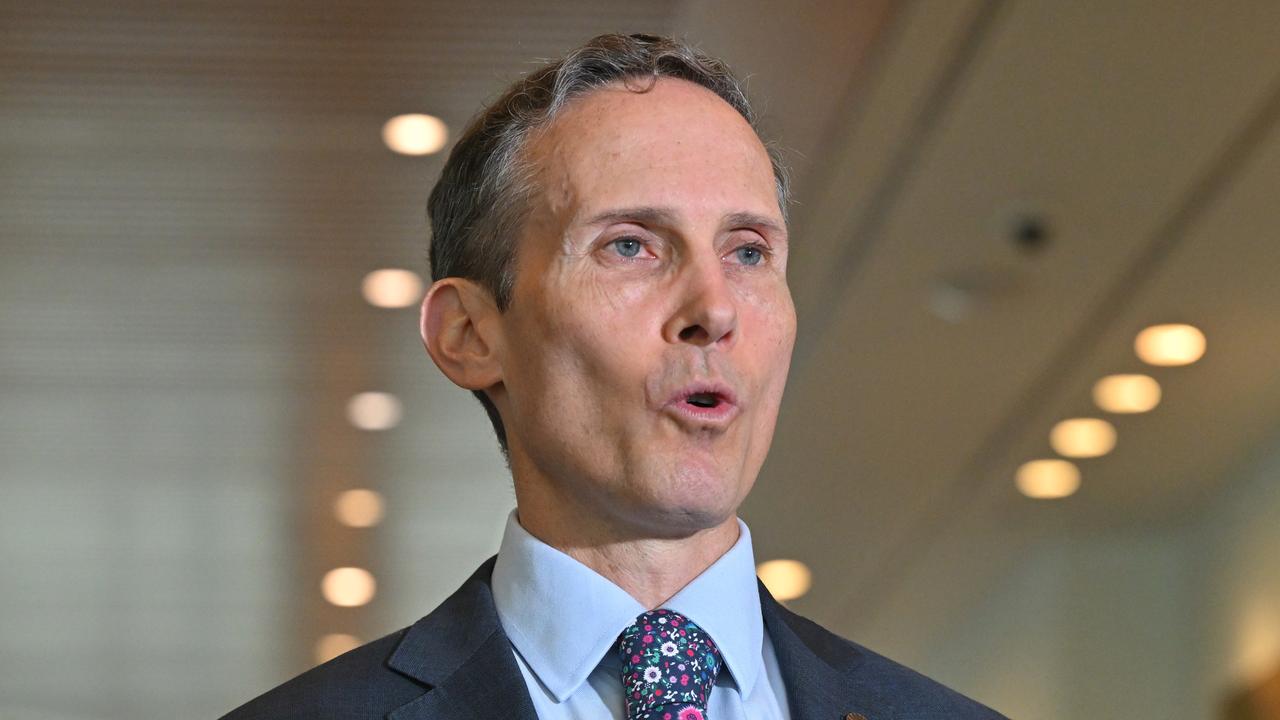
Labor assistant minister Andrew Leigh says forcing companies to hand users back the right to choose a friends-based feed could help recapture social media’s original intent of bringing communities together, rather than driving people apart.
Randomised experiments have shown that people who take time off social media report higher wellbeing and less political polarisation, he says.
But they also showed people were seldom successful at staying away from social media when left to their own devices.
“Together, these randomised experiments provide compelling evidence that exposure to social media can diminish wellbeing, displace human connection and fuel political polarisation,” Dr Leigh will say on Wednesday night, in a speech he wrote before Ms Haines’ attack.
“These studies also provide a rigorous basis for insisting on forceful responses from governments.
“Merely suggesting that people log off has been shown to be an inadequate response, just as admonitions to motorists to ‘please drive safely’ are woeful substitutes for road rules.”
People also need to be supported to make connections in real life, he says, arguing for a greater role in society for civic groups such as charities and volunteering.
“Democracy is more than free and fair elections; it also asks of us that we engage with other people. It asks that our solidarity transcends whatever dislike we have of the politics of our opponents,” Dr Leigh will say.
“It’s one thing to love your neighbour. It’s quite another to love your enemy.”

Australian Associated Press is the beating heart of Australian news. AAP is Australia’s only independent national newswire and has been delivering accurate, reliable and fast news content to the media industry, government and corporate sector for 85 years. We keep Australia informed.