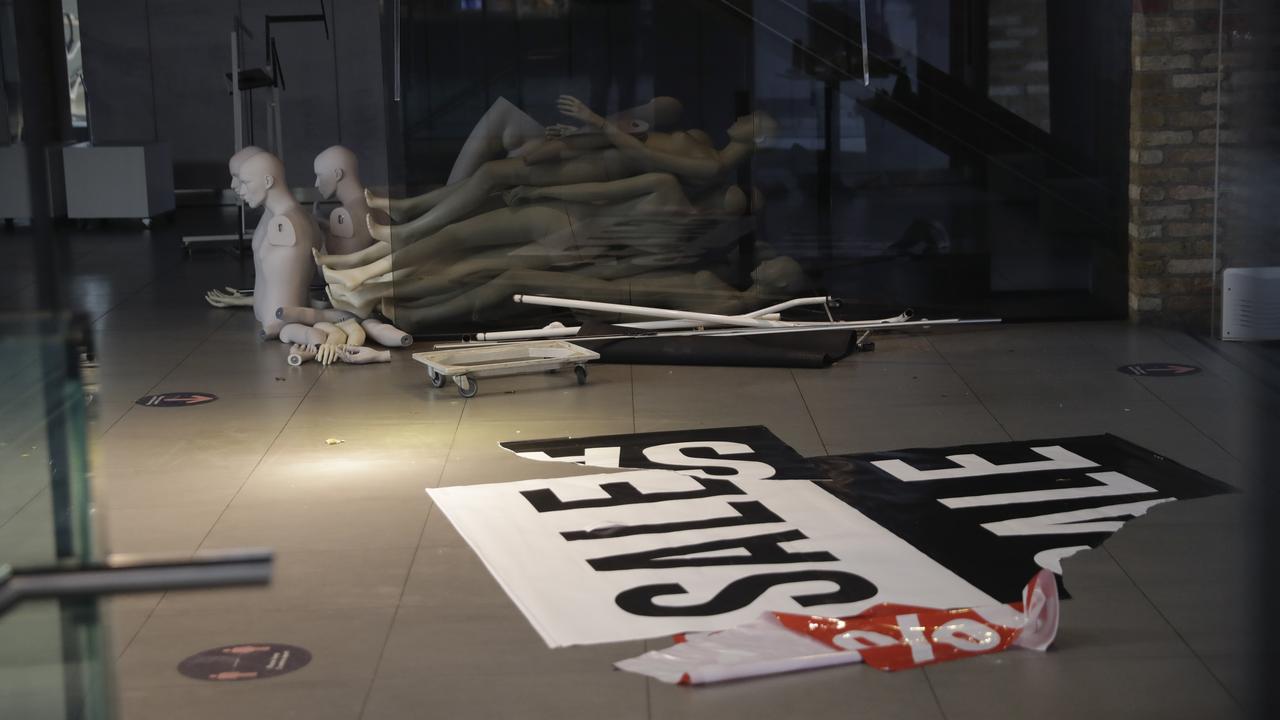
Australian fashion is facing a catastrophic crunch.
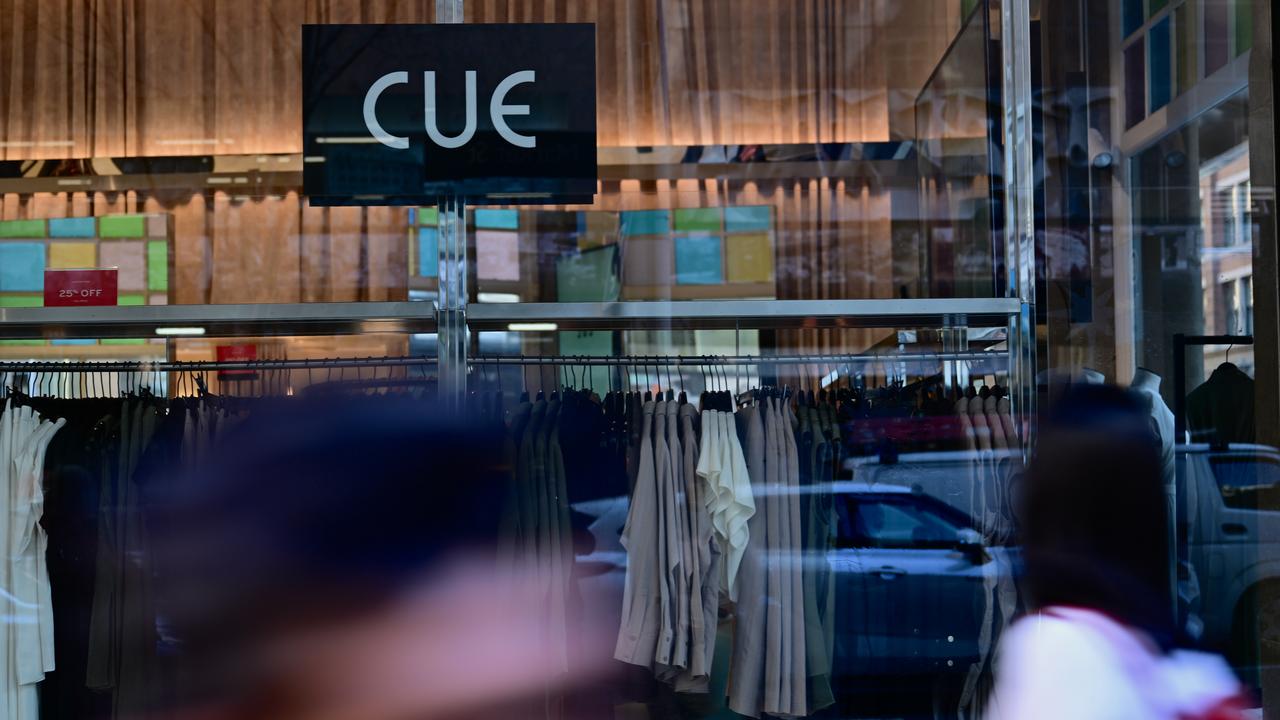
The spectacular collapse of rag trade stable Mosaic meant household names Katies, Millers, Rockmans, Noni B and Rivers all pulled the shutters down in 2025.
Swimwear brand Tigerlily and luxury fashion label Dion Lee both fell into administration in 2024, while long-standing favourite Sass & Bide announced months later it too would close most of its standalone stores.
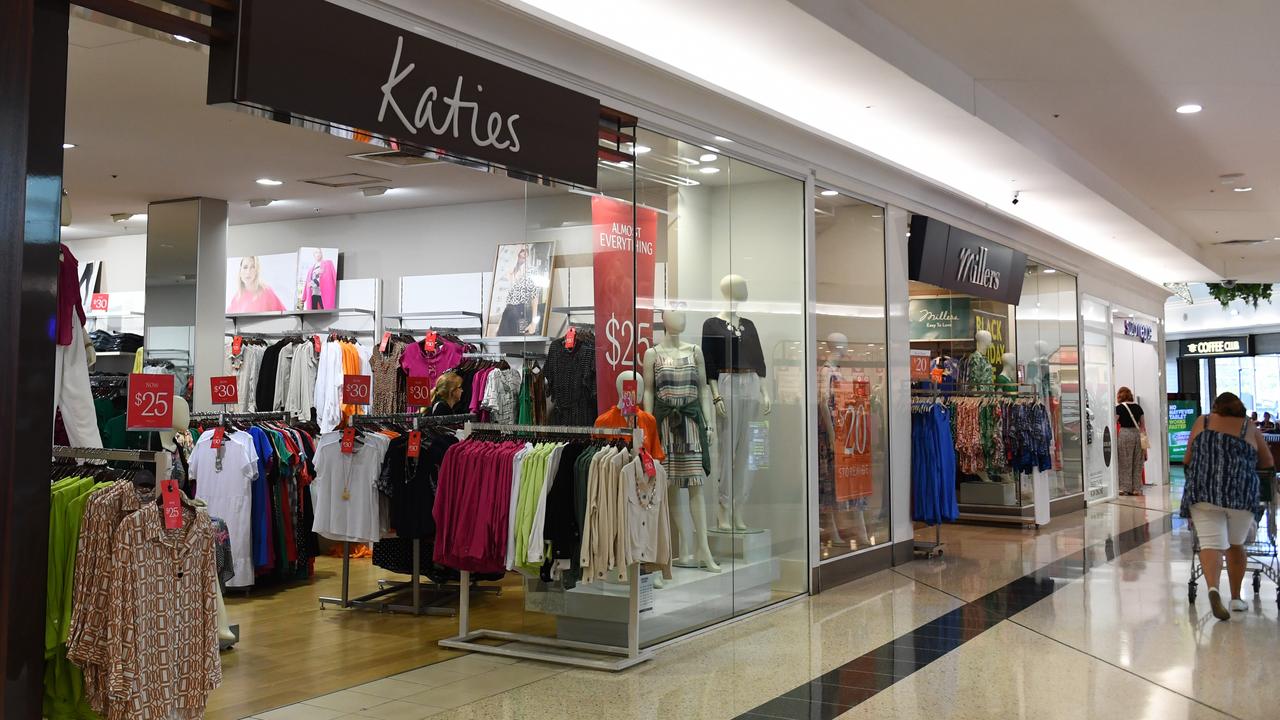
Just this week, one of the nation’s longest-running fashion groups, Cue, and Sydney-based Veronika Maine also went into receivership.
It’s no secret the sector is swimming against the tide.
Experts say a business model already difficult to make work is being squeezed from several directions at once, with structural pressures putting the future of Aussie fashion houses in doubt.
There is no single explanation for brand failure but mid-market labels are most at risk, according to Carol Tan from RMIT’s School of Fashion and Textiles.
“I don’t think this is simply a story about the decline of bricks-and-mortar retail,” she tells AAP.
Many recent retail collapses share similar themes.
Rising operating costs seem to top the list, yet fixed outgoings such as rent, wages, inventory and store operations are no doubt up there.
Then there is the challenge of sustaining large physical retail networks.
“Many of these retailers were built in an era when store footprint was a major competitive advantage,” Associate Professor Tan says.
The past decade has seen a transformational shift in how Australians shop alongside escalating cost-of-living pressures.
“Today, consumers have more choice and increasingly research, compare and purchase products online,” Assoc Prof Tan says.
“They have access to more brands, more information and more purchasing channels than ever.”
The brands that are succeeding have adapted to changing consumer expectations and behaviours.

“What’s also notable is that we’re seeing distress across multiple retail categories and price points, not just fashion,” Assoc Prof Tan says.
“The fact retailers in sectors as diverse as fashion, footwear, craft retail and specialty retail are facing similar challenges suggests broader structural pressures affecting Australian retail, rather than a problem unique to fashion.”
With brand heritage no longer a guarantee of success, retailers need a compelling reason for customers to choose them.
“I don’t think these collapses are simply a story about declining retail demand,” Assoc Prof Tan says.
“They reflect a combination of rising operating costs, changing consumer behaviour, increasing competition and business models that have struggled to evolve alongside the market.
“The brands that are succeeding today aren’t just selling products – they’re offering a clear value proposition.
“Whether that’s innovation, functionality, quality, sustainability or solving a specific customer problem, consumers increasingly want to know why a brand matters.”
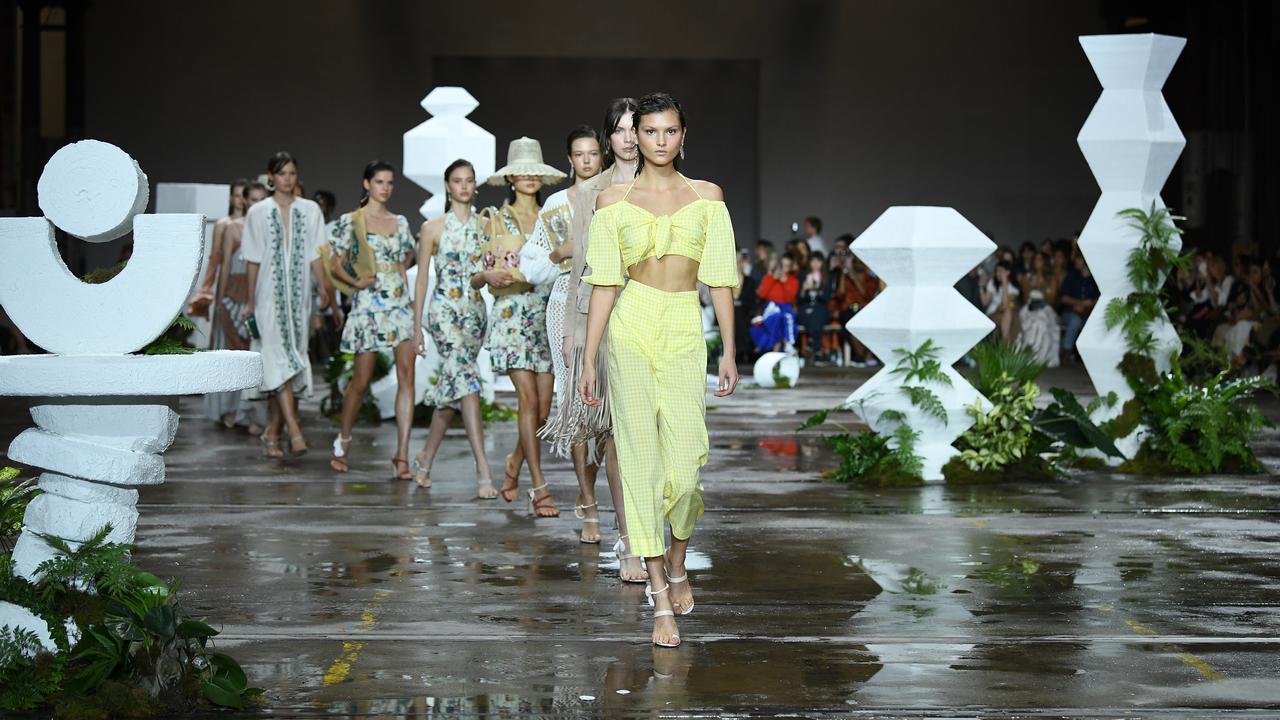
In the case of Cue, a brand with strong heritage and a 60-year reputation, the challenge wasn’t necessarily the product but whether the economics of the business remained sustainable.
Retail insolvency specialists FTI Consulting – tasked with handling the brand’s receivership – noted an increase in sales and other improvements across the group.
“But these were insufficient to mitigate the impact of overhead costs,” a company spokesperson says.
The heart of the problem is often a brand’s margin, Jirsch Sutherland insolvency expert Andrew Spring says.
“A retailer can have strong sales and a much-loved brand but still be in distress if margins are being eroded, stock isn’t turning and the business isn’t generating sufficient cash to meet its obligations,” he tells AAP.

Australian fashion retailers are being hit by softer discretionary spending, higher operating costs, global online competition, changing consumer behaviour and sustained discounting.
“Ultimately, many of those pressures attack the same thing: margin,” Mr Spring says.
But inadequate margins, poor cash flow, excessive debt, high fixed costs, poor inventory management and failure to respond to changing consumer behaviour have always plagued retail businesses.
“What’s different is the intensity and combination of the pressures,” Mr Spring says.
Fashion also presents a particular inventory challenge.
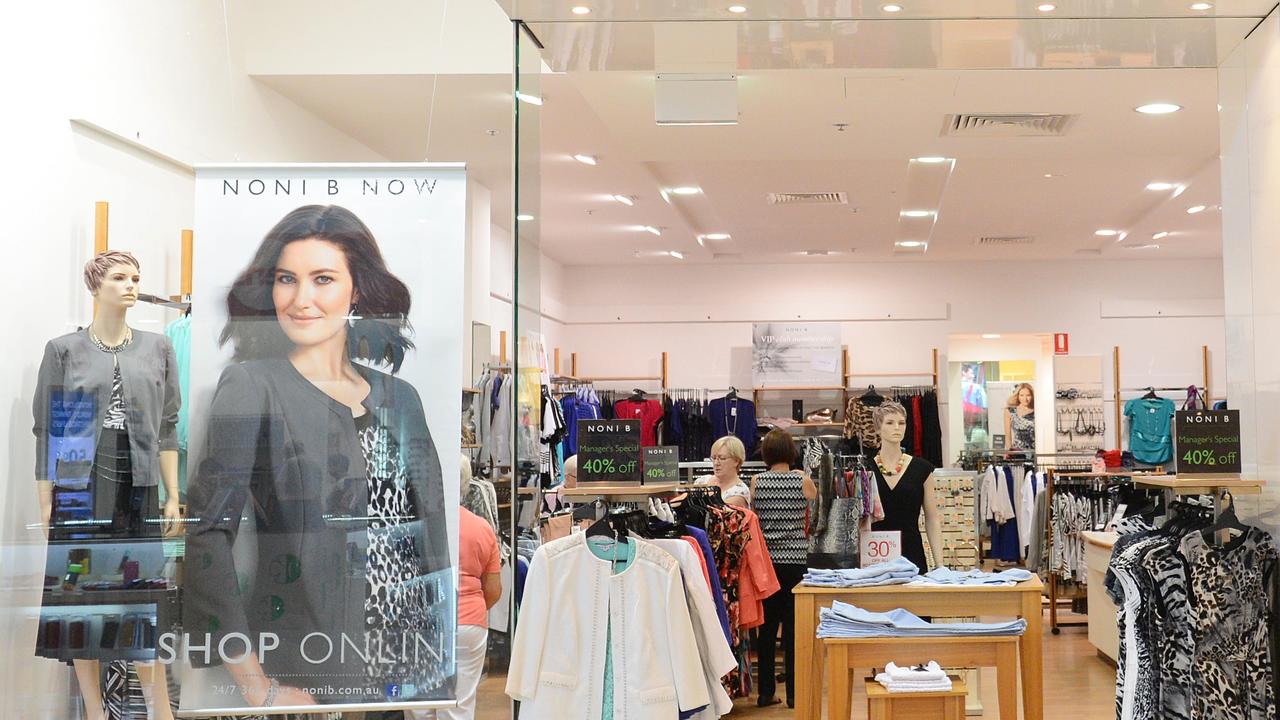
“Retailers commit cash to stock before knowing how well it will sell … go too hard on a trend and you’re left with obsolete stock; go too lightly and you miss the opportunity,” he says.
The latest Australian brand collapses reflect a possible wider concern of whether the domestic fashion industry has become structurally unprofitable.
Success for the homegrown home-sewn fashion house might be ever more illusory.

Australian Associated Press is the beating heart of Australian news. AAP is Australia’s only independent national newswire and has been delivering accurate, reliable and fast news content to the media industry, government and corporate sector for 85 years. We keep Australia informed.