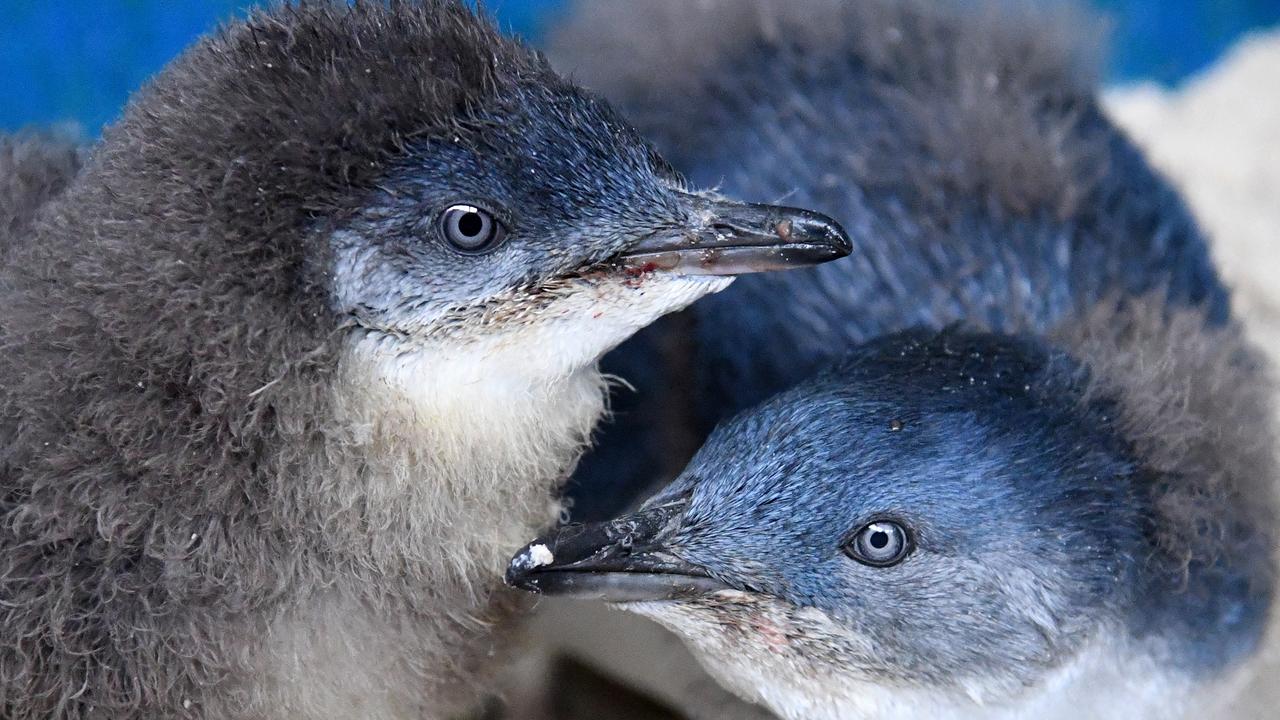

A world-leading push to vaccinate penguins on Phillip Island against an outbreak of bird flu is under way after Australia recorded its first case of the disease in a mammal.
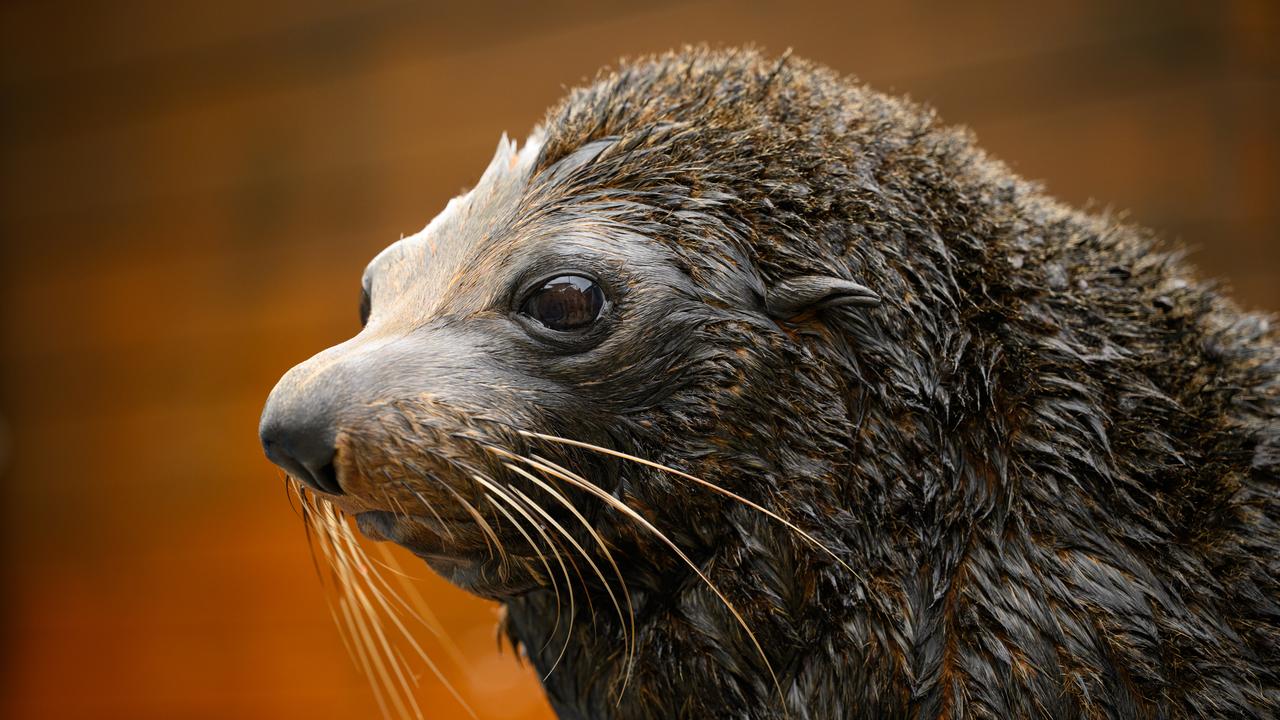
A long-nosed fur seal at Beachport in South Australia tested positive for the H5 bird flu, authorities confirmed on Sunday.
The seal, which was found already dead, is believed to have been contracted the disease from wild birds.
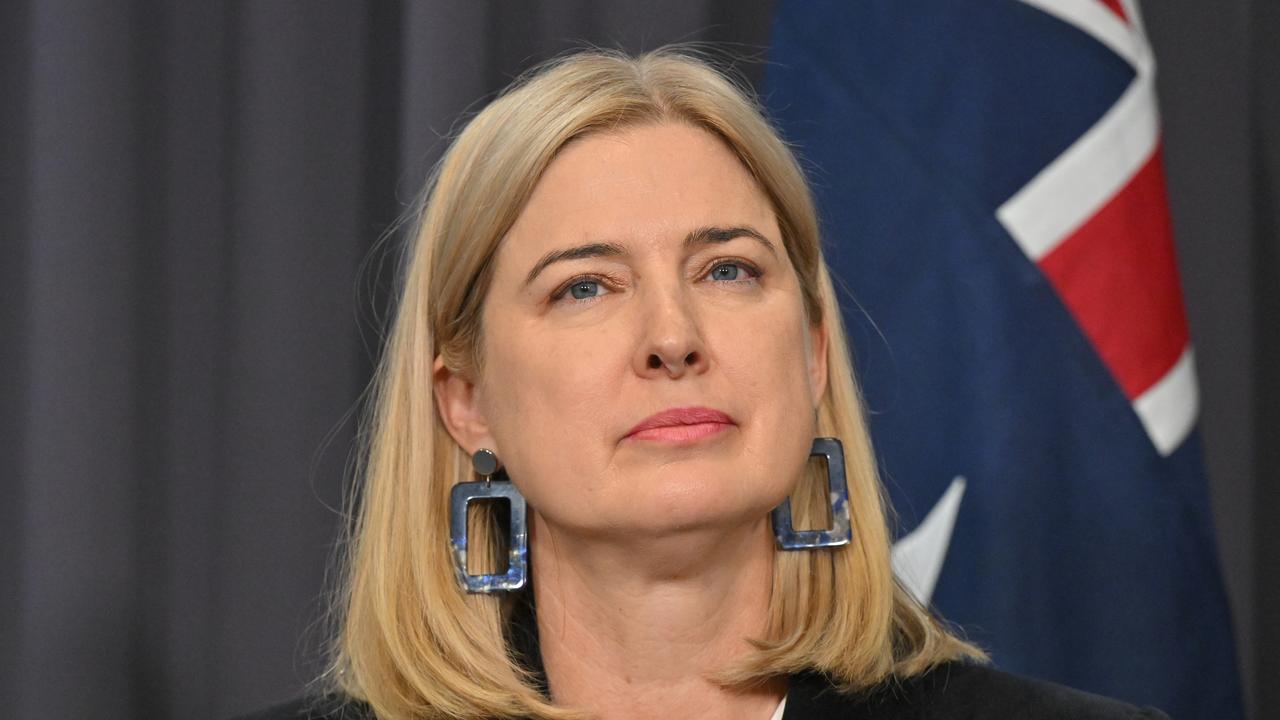
Federal Agriculture Minister Julie Collins said while the development was distressing, it was not unexpected.
“Although this is a concerning development, it is not unexpected for us to start to see infection in other wildlife, particularly in marine mammals, particularly in areas where there are high infection rates in wild birds,” she said.
“Sadly, we also know that once the H5 bird flu is spreading in the natural environment, it is not possible to avoid significant losses.”
The vaccination of a further 300 of Phillip Island’s penguins is hoped to take the total number receiving a first dose to 1000, in the largest such vaccination project attempted globally.
“This is the first time that anyone around the world has attempted something like this at this scale,” Phillip Island Nature Parks chief executive Catherine Basterfield said.
As the penguins move up the beach they are corralled into small pens to undergo vaccinations, with the birds requiring two doses of the vaccine at different times, Ms Basterfield explained.
“It is really tricky, and penguins are difficult to handle, but we have very well trained people doing that work,” she said.
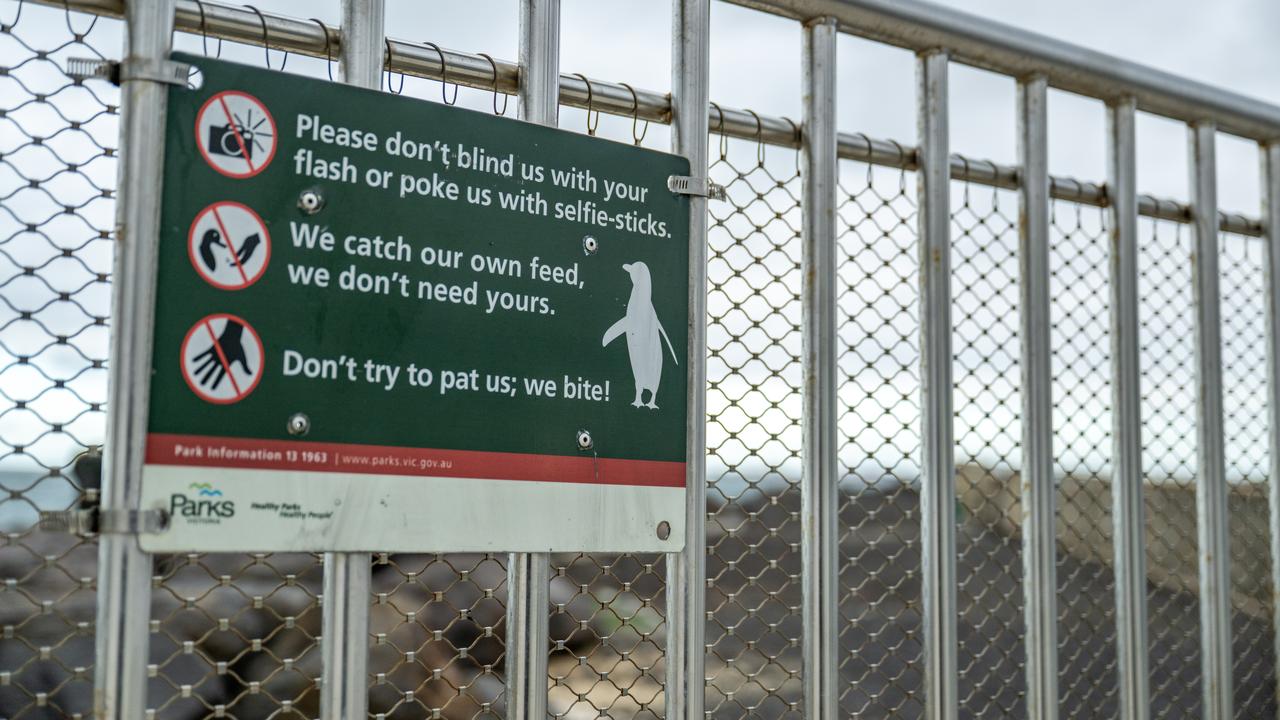
The penguins’ habit of returning to the same place every night and being accustomed to being handled by people made them suitable candidates for the vaccination program.
It is not known exactly what protection the vaccination will offer the birds, but is hoped to reduce the severity of the disease if they contract it.
“We know that bird flu is here, we know we can’t stop it, but we really want to put the penguin colony in the best possible place to ensure that they are protected as much as possible,” Victorian Environment Minister Jaclyn Symes said.
Speaking on the spread of the bird flu to mammals, Invasive Species Council chief executive Jack Gough said the disease could be devastating for local seal populations.

“We know from South America and Antarctica that mammal-to-mammal transmission among seals quickly led to high mortality rates, particularly among pups,” he said.
“We are still just at the early stages of this devastating virus and the bad news is going to keep coming for our wildlife as it spreads around the continent and between species.”
Increasing numbers of bird fatalities have been recorded after the virus was first detected on Australia’s shores in June.
There have so far been no cases detected in an agricultural setting and the health risk to humans remains low.
The public is urged to report birds that look sick to authorities and not to approach or touch them.

Australian Associated Press is the beating heart of Australian news. AAP is Australia’s only independent national newswire and has been delivering accurate, reliable and fast news content to the media industry, government and corporate sector for 85 years. We keep Australia informed.