
No matter who wins the Victorian election, energy experts say the challenges facing the state’s incoming energy minister are titanic.
A coal power station two years from retirement, dwindling gas reserves and delayed transmission lines are among the troubling bequests of Victoria’s 12-year-old Labor government.
“This is a really difficult set of problems,” Grattan Institute energy program director Alison Reeve told a media briefing on Monday.
“Fiddling around the edges is not going to cut it.”
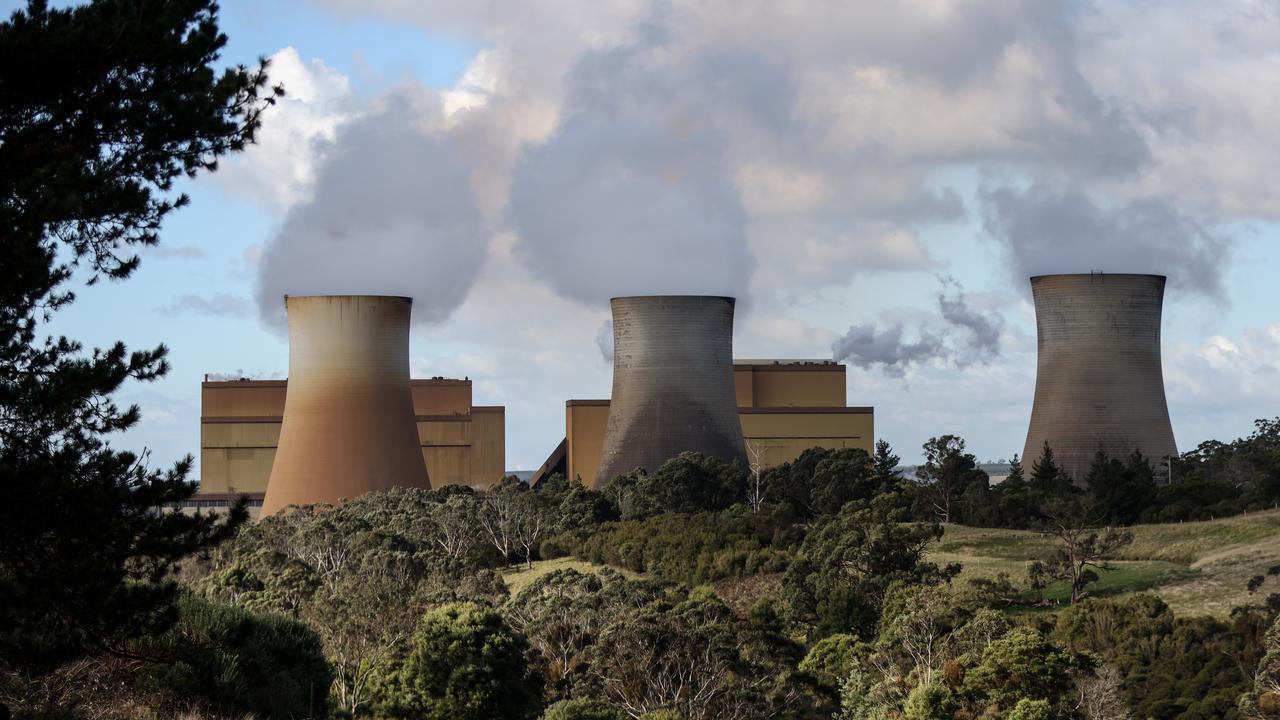
Few of those challenges are as pressing as the planned closure of Yallourn, a coal plant in the Latrobe Valley.
The ageing facility, which is due to be shuttered in 2028, supplied about 15 per cent of the state’s power in 2025.
Replacing it will not be simple, Ms Reeve told the Smart Energy Council briefing.
Gas reserves in the Bass Strait are dwindling, forcing Victorian households to wean themselves off the fields that made them the country’s most gas-reliant.
Any new generators would likely take at least five years to build and existing projects could only pick up some of the load, albeit while driving up electricity costs.
That leaves renewables, which depend on increasingly divisive transmission lines to carry power where it is needed.
The latest national forecast sees no Victorian blackout risk until 2032-33, but Ms Reeves expects that outlook to change after the election, particularly if transmission projects are delayed or cancelled.
The coalition plans to scrap the VNI West transmission link, a $7.6 billion high-voltage power line with NSW, and pause and review other long-distance transmission projects.
Labor has pledged to push ahead with VNI West, after years of delays, but has announced an independent review of the $1.5 billion Western Renewables Link.
The projects are a key point of difference between the major parties, which are both aiming for net-zero emissions by 2045.
The Labor government is looking to forge ahead with the renewables transition and wean households off gas.
The coalition’s plan includes urban solar farms backed by batteries, more gas exploration and generation and repealing Labor’s ban on new household gas.
But the prospects of any new exploration were questionable, given the lack of proven reserves, Institute for Energy Economics and Financial Analysis analyst Jay Gordon said.
“Demand reduction is … the only really material solution,” he told the briefing.
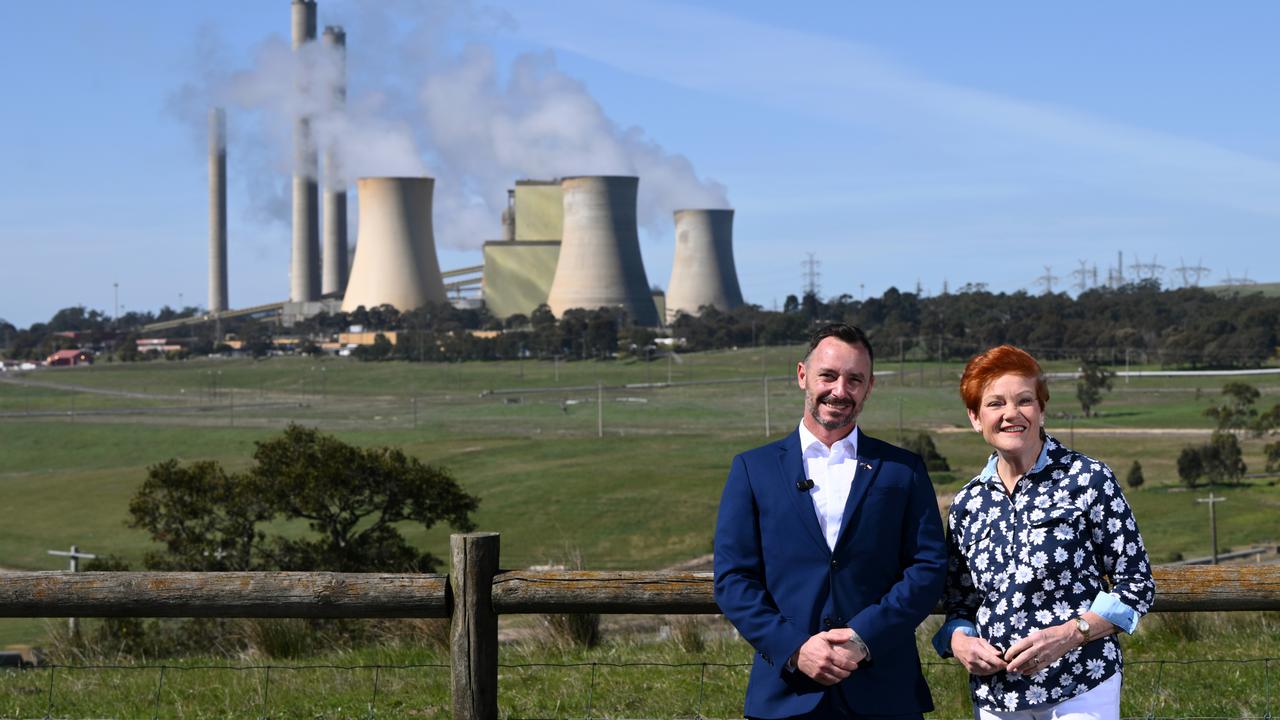
One Nation would go further, including by keeping the Loy Yang coal plant open beyond its 2035 closure and lifting the ban on nuclear energy.
The Greens want to end coal and gas, expand publicly owned renewable energy and establish a $1 billion climate disaster fund.
Whoever takes power at the November 28 poll, Ms Reeves said meeting the state’s energy challenge would require swift, decisive action.
“All of this is going to be sitting on their desk on day one,” she said.

Australian Associated Press is the beating heart of Australian news. AAP is Australia’s only independent national newswire and has been delivering accurate, reliable and fast news content to the media industry, government and corporate sector for 85 years. We keep Australia informed.