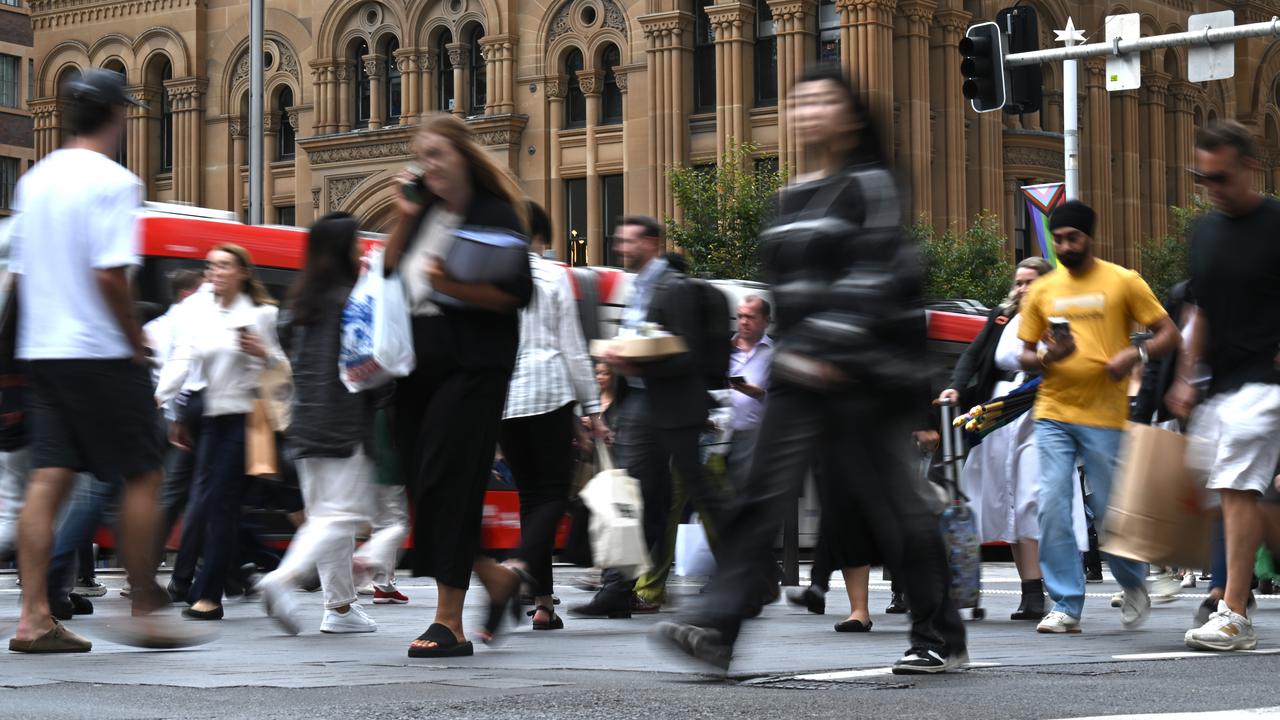

Jobseekers are facing record levels of competition for positions as inflation and interest rates impact the employment market.
Data from employment website Seek found while job listings have fallen by 6.4 per cent in the year to October, the number of applications per advertisement have risen by 2.3 per cent to an all-time high.
The increase in applications per job rose for the eighth month in a row, with the most recent figures being the largest singular rise since May 2024.
The report showed softer demand for employees across the nation, Seek’s chief economist Blair Chapman said.
“A re-acceleration of inflation in August and subsequent interest rate increase in September has likely weighed on consumer sentiment and recent hiring activity,” Dr Chapman said.
“For candidates, competition continues to intensify as job ads decline.”
The ACT was the only jurisdiction to record a rise in the number of job ads for the month, increasing by 0.2 per cent in October off the back of public sector positions.
Artificial intelligence is also becoming a more prominent feature of job ads, with listings mentioning AI terms rising 72.6 per cent in the year to October.
One-in-30 job ads in Victoria had AI skills preferenced, with similar rates in NSW.
While job ads have declined, salaries attached to them have been on the rise with Seek registering a 4.1 per cent increase in advertised pay packets in the past 12 months.
The month-on-month growth has remained steady at 0.3 per cent, where it has sat since August.
“The slightly slower annual advertised salary growth comes alongside signs of softer labour market, with the unemployment rate up from 4.4 per cent in June to 4.7 per cent in September,” Dr Chapman said.
“Employee living costs growth has also picked up, to 5.1 per cent year-ended in the September quarter from 3.7 per cent in June, meaning that living costs for employees are now growing faster than advertised salaries.”
It comes as September quarter wage data is set to be released on Wednesday, with economists tipping a 3.4 per cent rise for the year.
In a research note, Westpac economists said quarterly growth of one per cent was likely.
“The Fair Work Commission’s 2026 annual wage review handed down a larger-than-expected 4.75 per cent increase in award wages,” it said.
“This will have a noticeable impact … as the wage increases stemming from the review are typically passed on during the September quarter.”

Australian Associated Press is the beating heart of Australian news. AAP is Australia’s only independent national newswire and has been delivering accurate, reliable and fast news content to the media industry, government and corporate sector for 85 years. We keep Australia informed.