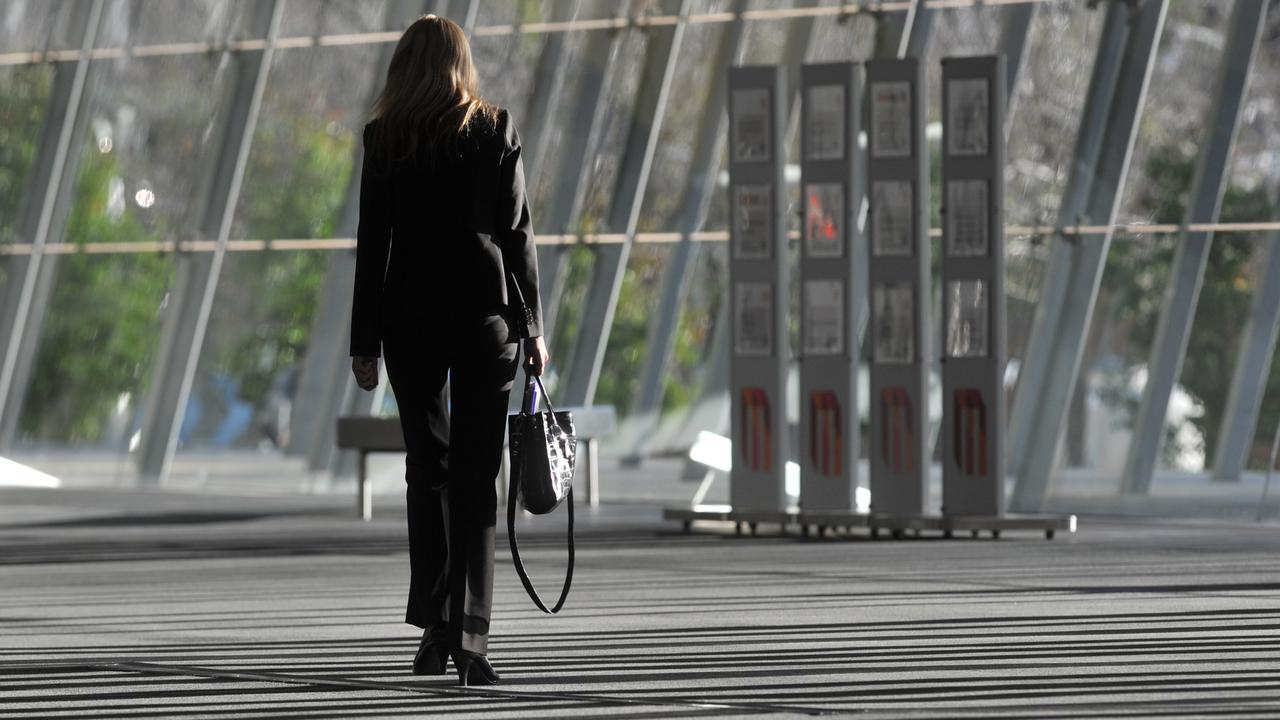

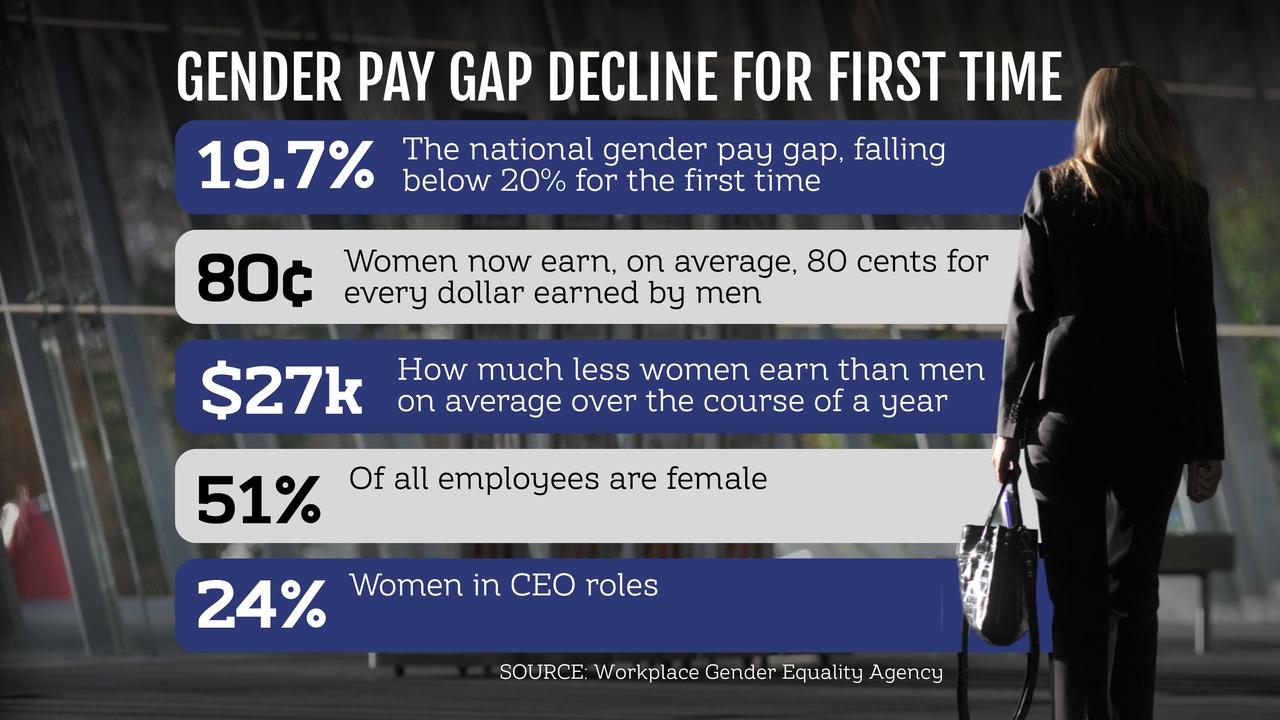
Australia’s gender pay gap has fallen below 20 per cent for the first time since the creation of the workplace gender equality agency.
The national average total remuneration gender pay gap is now 19.7 per cent, and women are earning $27,000 less on average per year than men, according to the 2025/26 data released Wednesday.
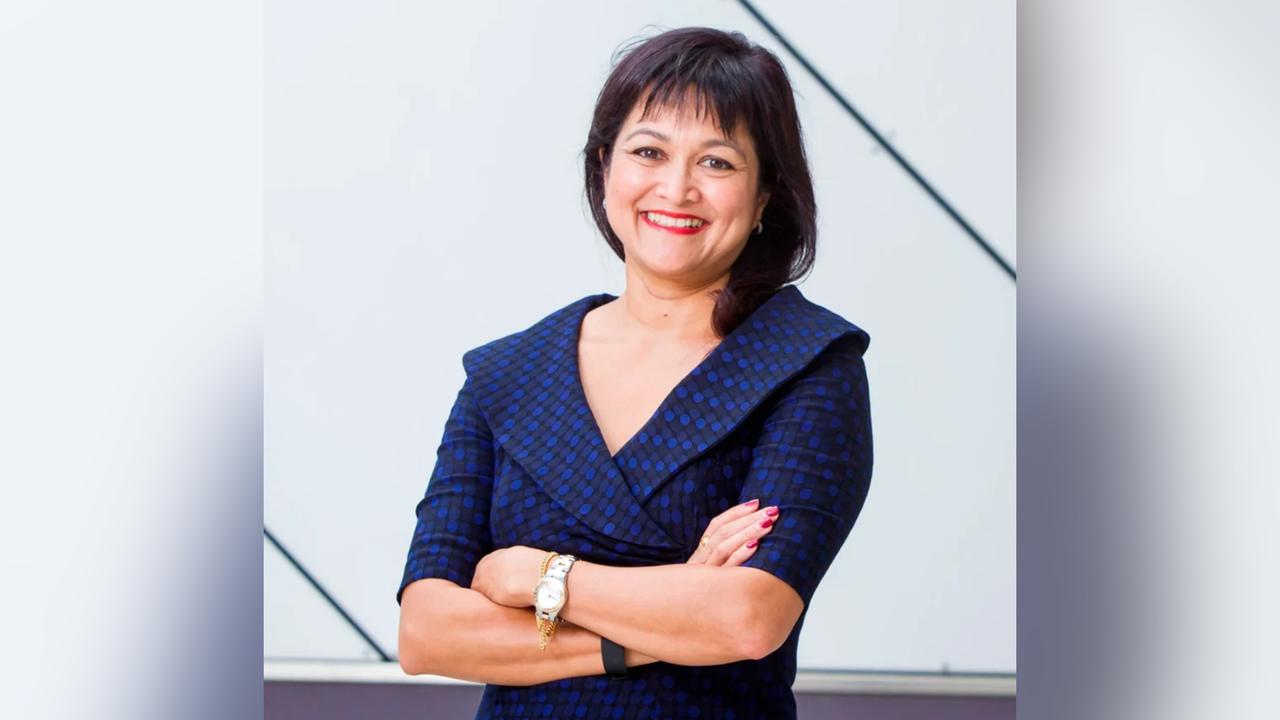
It represented “an important milestone” in closing the gender pay gap, Workplace Gender Equality Agency chief executive Christine Castley said.
“We began collecting private sector data in this form in 2013,” she told AAP.
“At that point the gender pay gap was 27.4 per cent, so that is a significant reduction.”
One reason for the drop was the agency brought private and public sector data together for the first time, covering more than six million employees across 9096 employers.
The private sector pay gap declined from 21.1 per cent in 2024/25 to 20.3 per cent, while the public sector reported a lower gap of 7.8 per cent.
Measuring the gender pay gap and making it publicly visible to all Australians had also helped, as had award wage increases in female-dominated industries such as aged care and child care, she said.
Women make up 51 per cent of employees and 44 per cent of management roles but accounted for just 24 per cent of chief executive officer positions, reflecting an uneven balance in the most senior roles.
Ms Castley pointed to the report’s results on parental leave take-up and part-time work availability.
Twenty-nine per cent of women work part time, compared to 12 per cent of men, and only seven per cent of manager roles are part time.
Meanwhile, 21 per cent of men took parental leave, up one per cent, while 79 per cent of women took the same leave.
“That says to us there is a significant mismatch between how people work and how they live their lives, and that raises some significant issues that we need to drill into around … how flexibility is made available,” Ms Castley said.
She said offering flexibility of work was crucial to increasing the number of women in senior roles.
The data showed 97 per cent of employers offered flexible work arrangements, but only 13.2 per cent had flexibility for management roles.
“If someone says that a senior job just cannot be done part time, or if flexibility is not possible in industry, then perhaps we need to challenge our thinking on that,” Ms Castley said.
“We need to get much better at thinking about what genuinely cannot change and what we have not yet tried to change.”
Alongside the gender pay gap data, the agency released its data explorer dashboard containing information on workforce composition and policies for more than 9000 organisations.
It also released a gender equality targets report for the first time, containing a national picture of large employers’ priorities over the next three years.
Employers with more than 500 workers must set three mandatory gender targets, and the most-selected were increasing representation of women in male-dominated industries, improving employee consultation on gender equality and increasing gender diversity in leadership positions.
Ms Castley said the agency also had data on workplace safety and respect, noting 93 per cent of employers had a strategy or policy to prevent sexual harassment but collecting data on this was less prevalent.

Australian Associated Press is the beating heart of Australian news. AAP is Australia’s only independent national newswire and has been delivering accurate, reliable and fast news content to the media industry, government and corporate sector for 85 years. We keep Australia informed.