
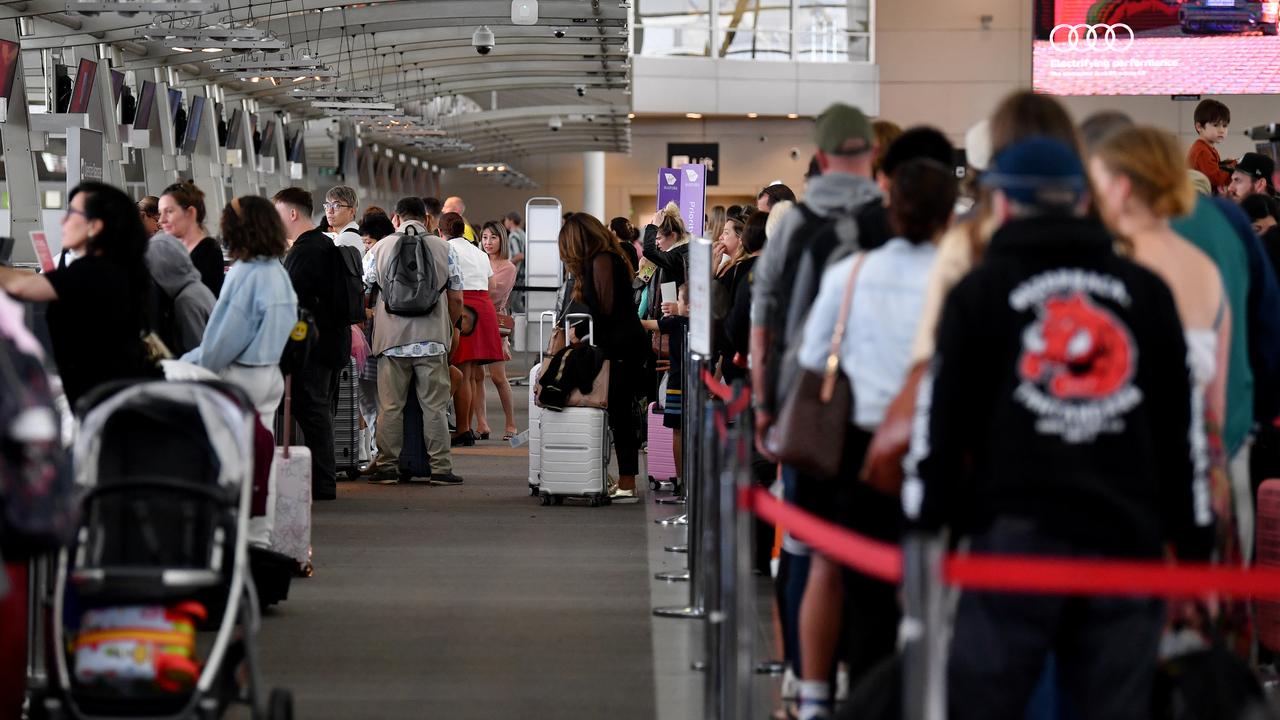
Australia’s net overseas migration has almost halved from its post-COVID peak as the nation grapples with the white-hot issue.
Net overseas migration has fallen by more than 250,000 people since its September 2023 peak, the Committee for Economic Development of Australia (CEDA) found.
This is from a record 555,800 to 301,000, a drop of about 45 per cent.
The analysis from the economic think tank points to treasury’s budget forecast for the 2026/2027 financial year, which shows net overseas migration will fall further to 225,000 by 2027/28.
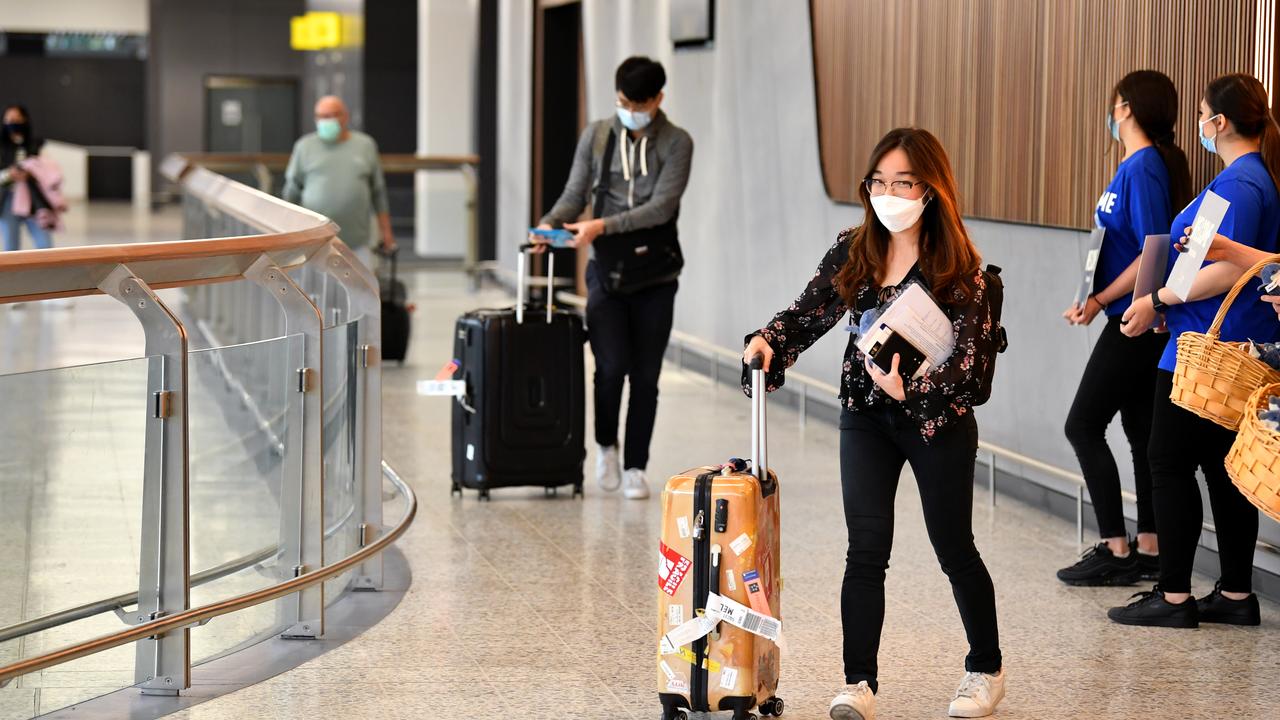
The figures come amid renewed debate surrounding migration levels, as the nation is gripped by a housing crisis and existing infrastructure comes under strain.
The coalition has promised to limit net overseas migration, equivalent to the number of homes built in the previous year.
The issue flared again when One Nation leader Pauline Hanson used a speech at the National Press Club to claim high immigration was eroding national identity and called for a “monocultural” society.
CEDA chief executive Melinda Cilento said the debate had not kept pace with the data.
“We’ve seen political parties place cuts to migration at the centre of their platforms, framing high intake as a driver of housing unaffordability and infrastructure strain,” she said.
“But the data shows migration is already falling driven by lower arrivals and as departures return to more normal levels, net overseas migration will drop further.
“At the moment more people are not arriving, but people are staying longer once they get here, including international students and temporary skilled workers.”

The State of Migration in Australia report, released on Wednesday, finds migrants remain critical to Australia’s workforce.
About one in three workers in health care, logistics, professional services and manufacturing are estimated to have been born overseas.
The think tank estimates the aged care sector alone will need 400,000 extra workers by 2050, which Australia cannot fill using the domestic workforce.
Poor recognition of overseas qualifications is costing the economy about $4 billion a year in foregone wages, the report found.
It argues migrants generally arrive in their prime working years, helping to offset the pressures of an ageing population, while paying more in tax than they use in services.
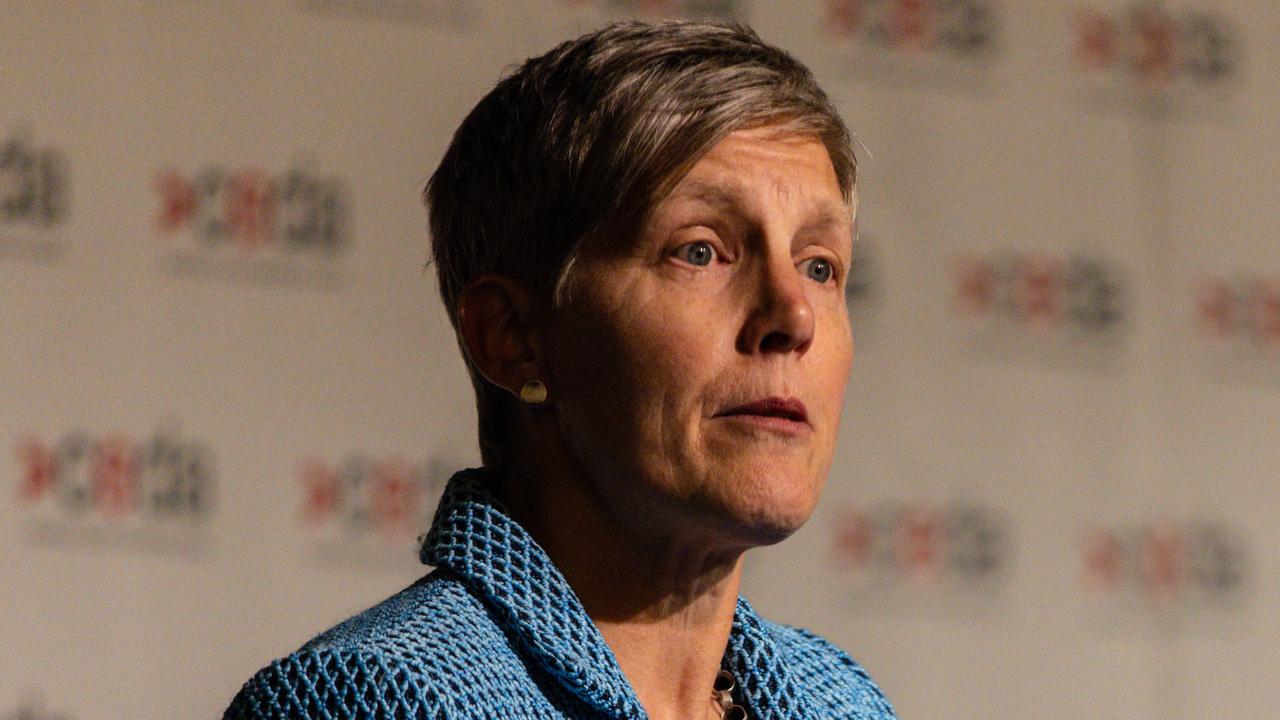
Ms Cilento said the answer to Australia’s housing woes was not simply to cut an already-declining intake.
“The smarter response is faster skills recognition, streamlined skilled pathways, and continued investment in housing and infrastructure to rebuild public confidence,” she said.
“We understand concerns that migration has been too high.
“The task now is to land on a sustainable number, informed by the evidence, without undermining the skills, experience and workers that businesses and essential services rely on.”
CEDA has called for a “transparent, well-managed, evidence-based skilled migration system” supported by streamlined visa pathways, faster skills recognition and stronger planning and infrastructure investment.

Australian Associated Press is the beating heart of Australian news. AAP is Australia’s only independent national newswire and has been delivering accurate, reliable and fast news content to the media industry, government and corporate sector for 85 years. We keep Australia informed.