
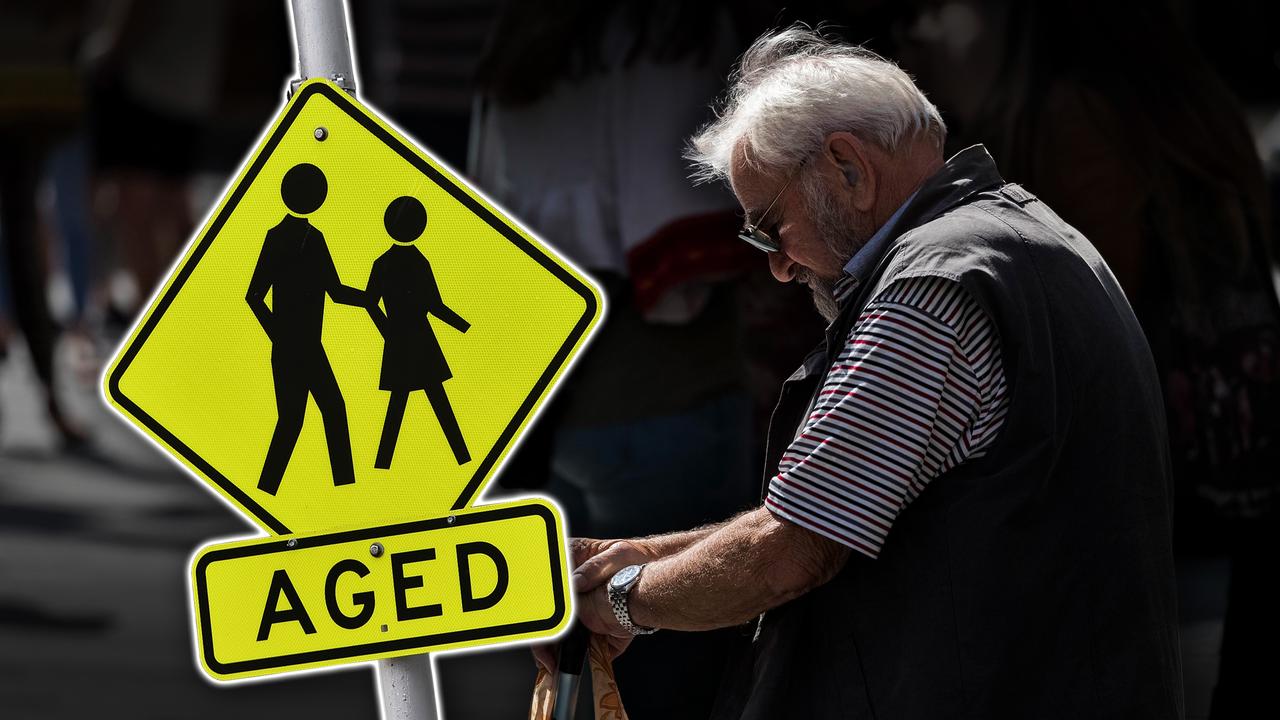

Plotting a path out of a mounting hospital crisis headlined by aged care bed block will be the focus of the nation’s health leaders.
State, territory and federal health ministers will meet in Sydney on Friday as the number of patients stranded in hospitals awaiting transfers to aged care placements overseen by the federal government climbs.
The number of patients awaiting transfer has grown from 2700 to more than 3600 in the past year, with about a third of them in Queensland.
Delays in transferring otherwise healthy people to aged care facilities mean hospitals have fewer beds available, delaying surgeries and causing longer wait times in emergency departments.

Queensland Health Minister Tim Nicholls said his state had 1400 medically fit patients trapped in hospital waiting for either aged care or disability support placements on Tuesday.
One person had been there for almost three years, Mr Nicholls said.
“Queensland leads the nation in the number of stranded Australians in our public hospitals – we are ground zero,” he said.
NSW Health Minister Ryan Park told AAP bed block was accelerating and “far beyond sustainable”.
“We acknowledge the Commonwealth has pledged investment into aged care builds, but we know that can take some time,” Mr Ryan said.
States and territories are calling on the federal government to commit to more Support at Home packages to get the patients out.

Almost 100,000 people are waiting for Support at Home packages nationwide.
Federal Health Minister Mark Butler had tried to work “in good faith” with states and territories to solve the issue, but an agreement was yet to be reached, a federal government spokesperson told AAP.
“During hospital funding negotiations, the states told us older long-stay patients (were) the biggest issue when it came to the hospital system,” the spokesperson said.
“In response, our government proposed a ring-fenced $2 billion for aged care services as part of the agreement, but states and territories rejected that offer, instead choosing to direct that funding into their hospital systems.”
In addition, Victorian Health Minister Ingrid Stitt plans to raise the “urgent need” for national dental reform after her state Labor government’s commitment to open 10 free public dental clinics if re-elected in November.
“Reform to Australia’s dental system is long overdue. It’s why we’re no longer waiting,” Ms Stitt said.
“Getting dental care shouldn’t be determined by your bank balance or where you live.”
Medicare does not cover dental care for most adults.

One in four Australians aged 15 or older who needed dental work in 2024/25 delayed or did not use dental services, with cost cited as the most common reason (16 per cent).
The ministers are also likely to discuss voter anger about the federal government’s plan to end extra private health insurance rebates for those older than 65.
Mr Butler has stood firm on the plan, saying Australians should receive private health support based on income, not age.
“Under the proposed changes, over 65s will still receive significant government-subsidised discounts of up to 24 per cent on the premiums private health insurers charge them, the same as the rest of the population,” a federal government spokesperson said.

Australian Associated Press is the beating heart of Australian news. AAP is Australia’s only independent national newswire and has been delivering accurate, reliable and fast news content to the media industry, government and corporate sector for 85 years. We keep Australia informed.