
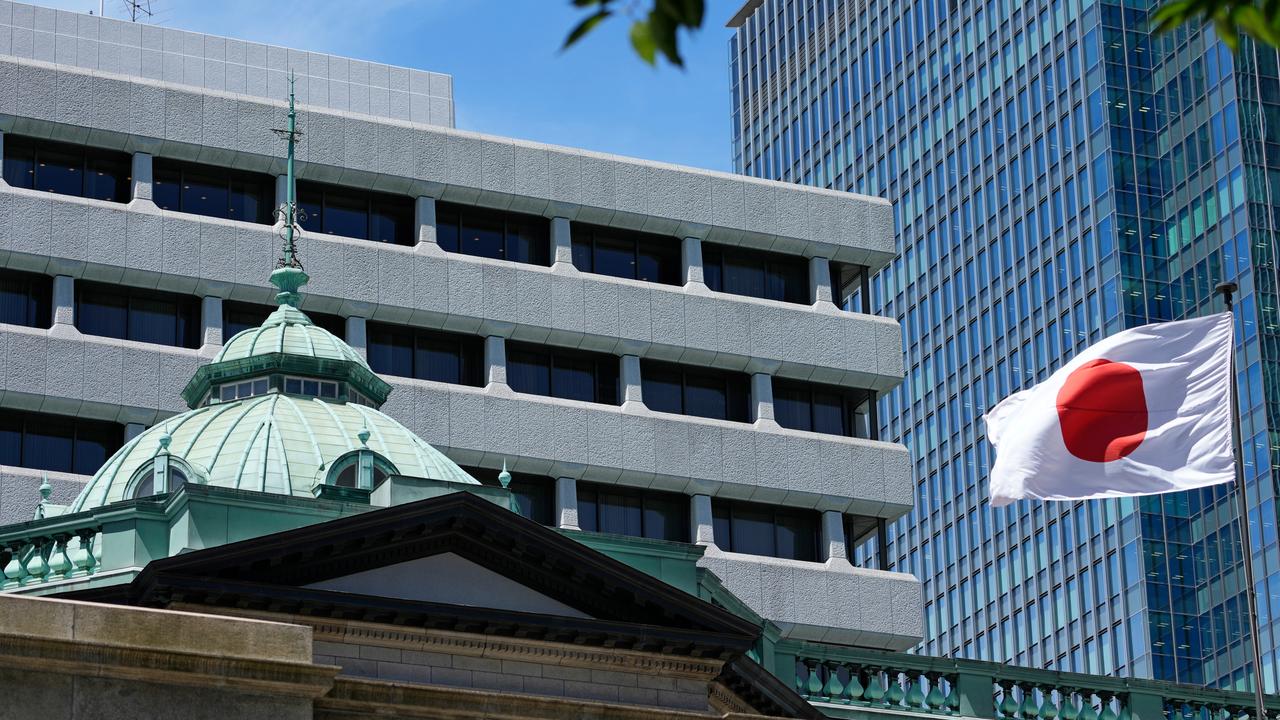
Japan’s central bank on Friday raised the benchmark interest rate to 1.25 per cent from 1.0 per cent, a 31-year-high.
The Bank of Japan has been trying to normalise monetary policy after decades of keeping interest rates near or below zero to try to encourage more borrowing and spending to counter deflation and pull Japan’s economy out of the doldrums.
Inflationary pressures are rising because of the war in Iran, which has sent oil prices soaring in recent months.
That is a big negative for resource-poor Japan, which imports virtually all its oil.
The rate increase, coming at the end of the two-day monetary policy board meeting, was expected, widely figured into recent global markets.
The raise on Friday comes after the US Federal Reserve also raised its key rate.

It raised its benchmark interest rate on Wednesday for the first time since 2023 in an effort to quell stubbornly high inflation.
The US has also been pressuring Japan to raise rates because of concerns about the weakening yen.
Analysts say the Bank of Japan could raise interest rates another time later in 2026, or possibly early 2027.
The nations intervened together recently to prop up the yen.
The US dollar is trading at about 155 yen.
It reached above 160 yen earlier in 2026.
The Bank of Japan has set a target inflation rate of about two per cent.
Inflation is about that now in Japan, although some consumers complain that the recent surge in prices is too much, especially in gas and oil-related products.
Tokyo’s benchmark Nikkei 225 rose after the Bank of Japan decision was announced.

Australian Associated Press is the beating heart of Australian news. AAP is Australia’s only independent national newswire and has been delivering accurate, reliable and fast news content to the media industry, government and corporate sector for 85 years. We keep Australia informed.