
Australian households show no sign of pulling back on spending despite the Middle East conflict exacerbating cost-of-living concerns.
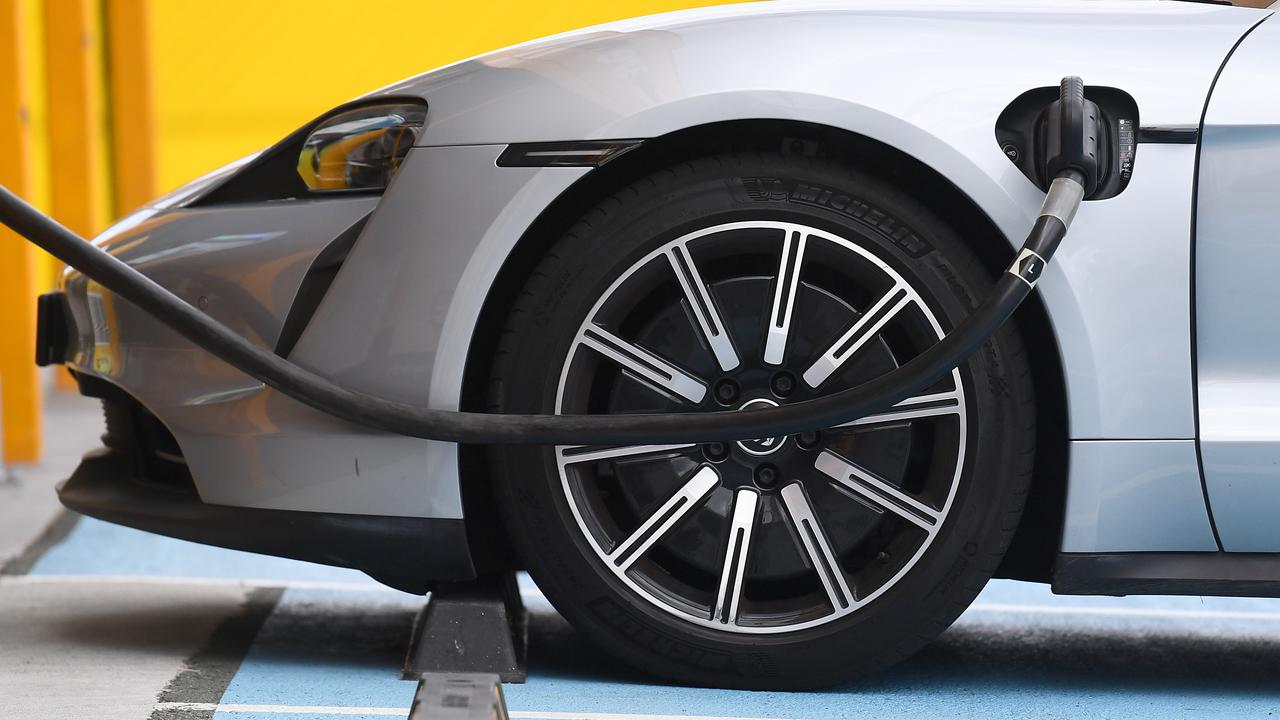
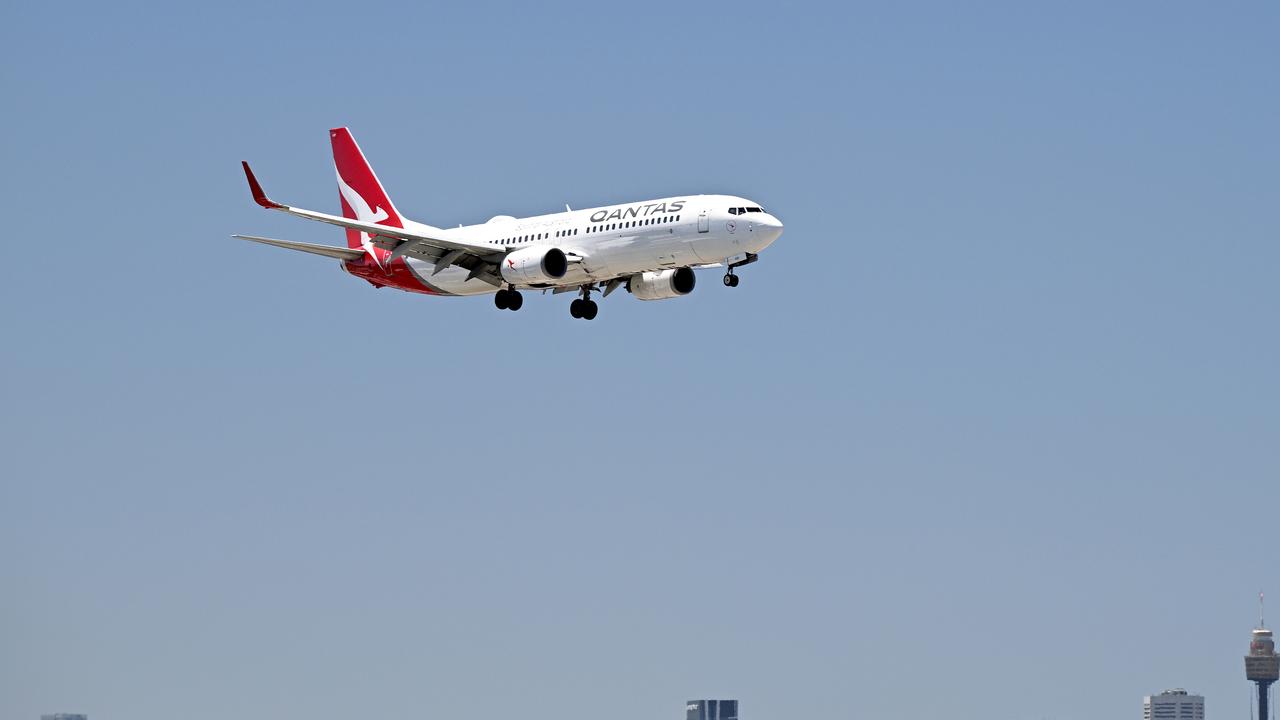
Strong growth in electric vehicle purchases and a bounce back in air travel drove a surprisingly strong 0.8 per cent increase in household spending in June, according to the Australian Bureau of Statistics.
Analysts had been expecting a rise of just 0.2 per cent in the month.
But consumers continued to show resilience, defying assumptions the falling housing market and ongoing uncertainty from the US-Iran war would force households into their shells.
On an annual basis, spending rose at a very strong six per cent, Citi economists Josh Williamson and Faraz Syed said.
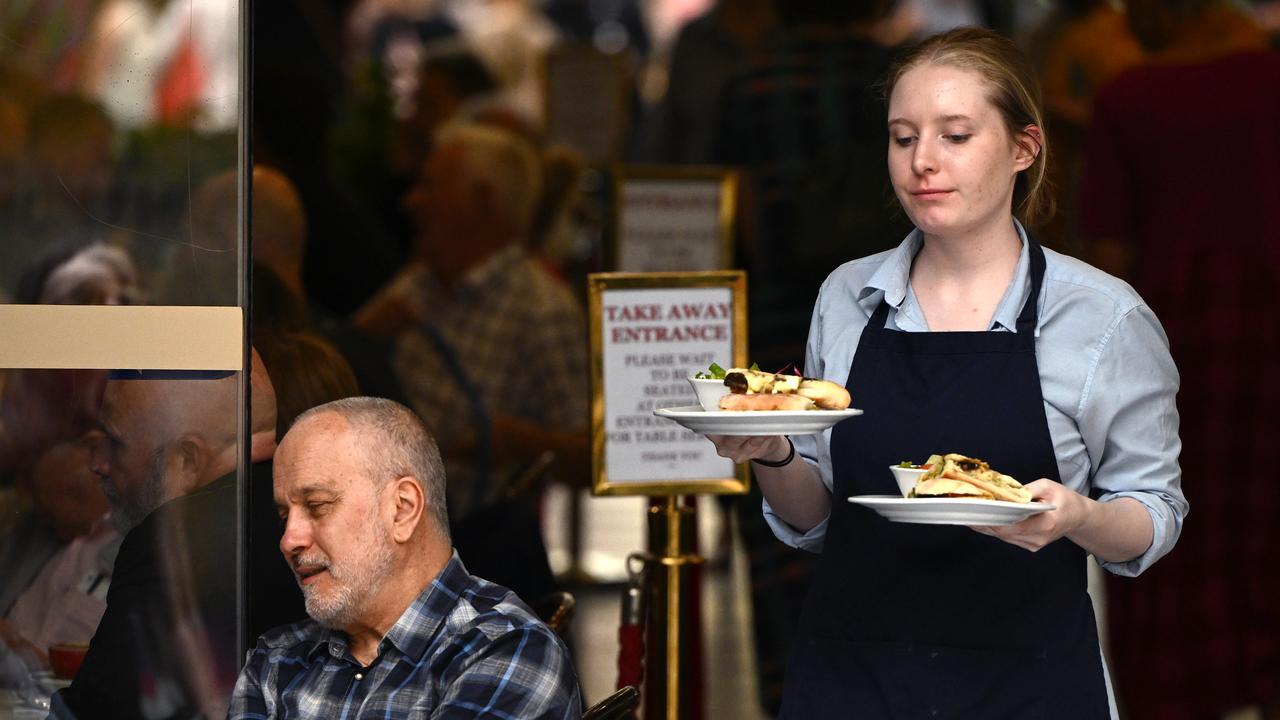
Discretionary spending was particularly robust at 1.2 per cent month-on-month.
The duo said consumer resilience risked driving economic growth above their 0.4 per cent forecast for the June quarter, suggesting interest rates weren’t as restrictive as the Reserve Bank thought.
“We continue to expect a combination of inflation and above-potential activity would require another 25 basis point RBA interest rate hike in November,” they said.
Spending growth was driven by a three per cent rise in transport spending in the month, where new vehicle sales stood out, ABS head of business statistics Tom Lay said.
“Electric vehicle sales increased significantly over the year and have continued that trend in June, accounting for a growing share of overall new vehicles sales as households adjust their spending behaviour in response to rising fuel prices,” Mr Lay said.
EV sales doubled in the space of three months as the Middle East conflict disrupted oil supplies and sent fuel prices soaring, the Australian Automobile Association said on Sunday.
Almost 70,000 battery-electric vehicles were sold in the June quarter, accounting for 21 per cent of the total market.
Lower fuel prices in June also supported spending on air travel, which returned to pre-Iran war levels.
The quick moderation in fuel prices meant that spending quickly rebounded to the normal pattern, AMP economist My Bui said.
But the escalation in the Middle East conflict has sent oil prices back over $US80 a barrel.
The ANZ-Indeed job ads survey, also released on Tuesday, climbed 0.8 per cent in July, indicating ongoing resilience in the labour market despite a gradual increase in the unemployment rate.
“The improvement in the ANZ-Indeed index lines up with Governor (Michele) Bullock’s recent comments that some firms have resumed hiring after the initial concerns around the Middle East war,” Ms Bui said.
“While we think that the lower-than-expected inflation data for June provides the RBA with some ‘space’ to hold rates unchanged in next week’s meeting, recent stronger data in spending and job ads will keep them on tightening bias.”

Australian Associated Press is the beating heart of Australian news. AAP is Australia’s only independent national newswire and has been delivering accurate, reliable and fast news content to the media industry, government and corporate sector for 85 years. We keep Australia informed.