
Australia’s biggest for-profit childcare group has fallen into the red after taking a multi-million-dollar hit from the closure of underperforming centres and as parents faced affordability issues.
But G8 Education, which operates 350 centres across Australia for more than 29,000 children under multiple brands including Buggles, Bambinos and Early Learning Services, says it has managed to stabilise its workforce, with vacancy rates low at two per cent.
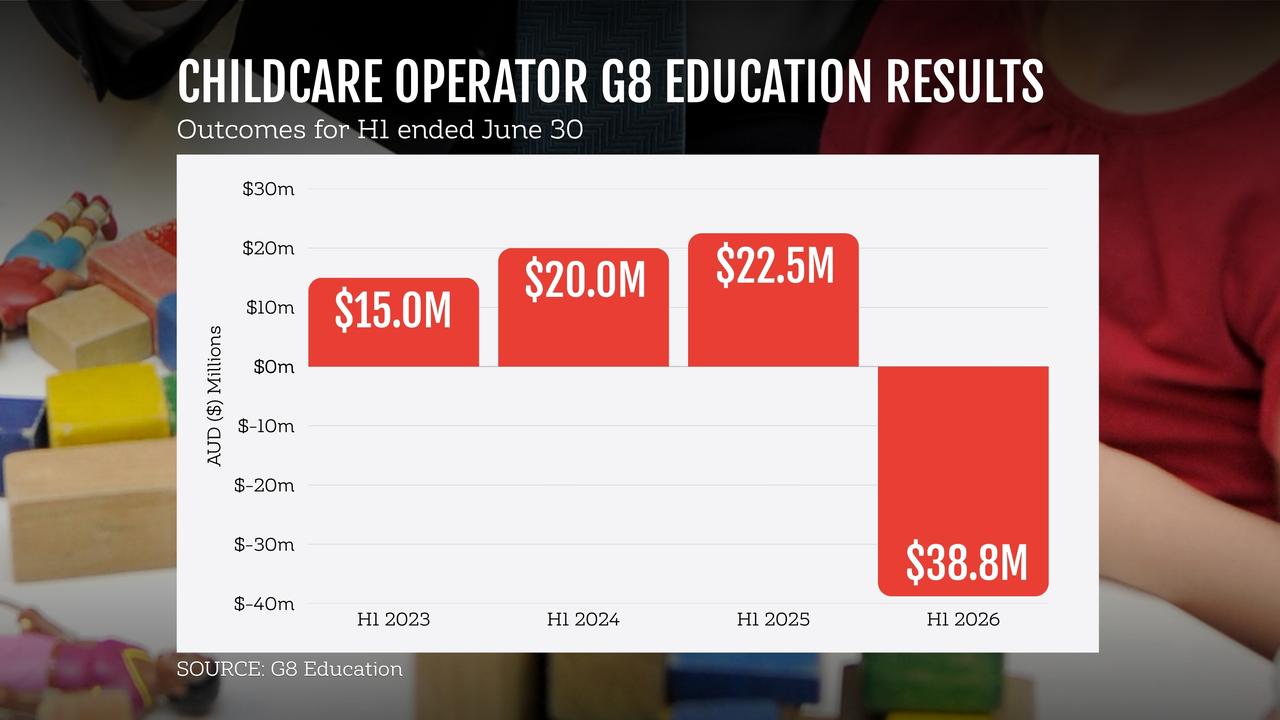
The group made a first-half bottom-line net loss of $38.8 million for the six months ended June 30, down from a profit of $22.5 million in the prior calendar period.
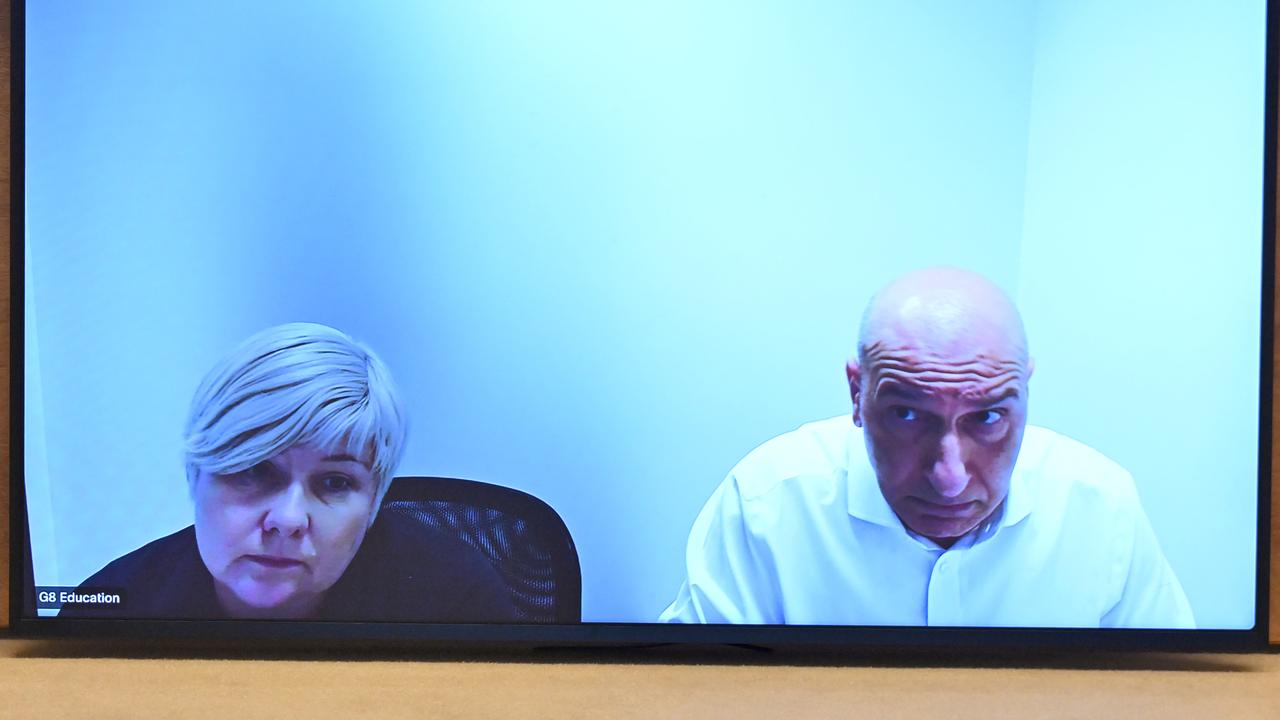
“While affordability remains a significant challenge for families (and) booking frequencies increased slightly, inquiries remain lower than last year across the sector,” chief executive Pejman Okhovat said in an earnings briefing on Tuesday.
However, the result skewed lower after G8 Education wrote down the value of 40 underperforming centres, which it wants to divest or hand back to the landlords, by $47.1 million.
Asked if the group was looking at further closures, chief financial officer Steven Becker said G8 Education couldn’t rule it out.
The 40 closures were announced in April, after it was rocked by allegations that a former worker had committed offences at one of its centres in 2025.
G8 Education said it’s collaborating with a leading child protection organisation, Act for Kids, to roll out a protective behaviours program for children in all of its centres.
Last year, it was revealed that a former employee had been arrested and charged over abuse allegations.
G8 Education was one of the childcare companies caught up in the scandal after it was alleged eight children at its Creative Garden Early Learning Centre in Point Cook, in Melbourne’s western suburbs, between October 2021 and February 2024 had been abused.
The alleged victims were aged between five months and two years old.
“While G8 Education is co-operating fully with Victoria Police, the Victorian government and other relevant authorities as part of the ongoing investigation, the outcomes are uncertain at this time,” it said.
During the first half, revenue fell 11.1 per cent to $413.6 million, which the group linked to the centre closures and occupancy rates, which were down 7.5 per cent from the same period last year to 57 per cent.
“Demand continues to be impacted by affordability pressures, lower birth rates and ongoing supply growth, and broader economic conditions,” Mr Okhovat added.
Longer term, G8 Education expects national fertility rates to increase based on Australian government population data for 2025, which forecasts a rise to 1.62 children per woman by 2035/36, from 1.42 in 2025/26.
Looking ahead, G8 Education said operating conditions in the second half will be similar to the first half due to a supply imbalance and that its focus would be on “controlling the controllables”.
Mr Okhovat said federal government support for the sector continues with the extension of worker retention payments – which fund a 15 per cent wage rise to help operators keep workers – until 2028 and a higher childcare subsidy payment.
Shares in G8 Education jumped by almost nine per cent to 15.2 cents in morning trading.
RBC Capital Markets analyst Wei-Weng Chen said it was a tough interim result for the group, but while it was largely in line with consensus, it was also “better than we feared”.
G8 Education did not declare an interim dividend.

Australian Associated Press is the beating heart of Australian news. AAP is Australia’s only independent national newswire and has been delivering accurate, reliable and fast news content to the media industry, government and corporate sector for 85 years. We keep Australia informed.