
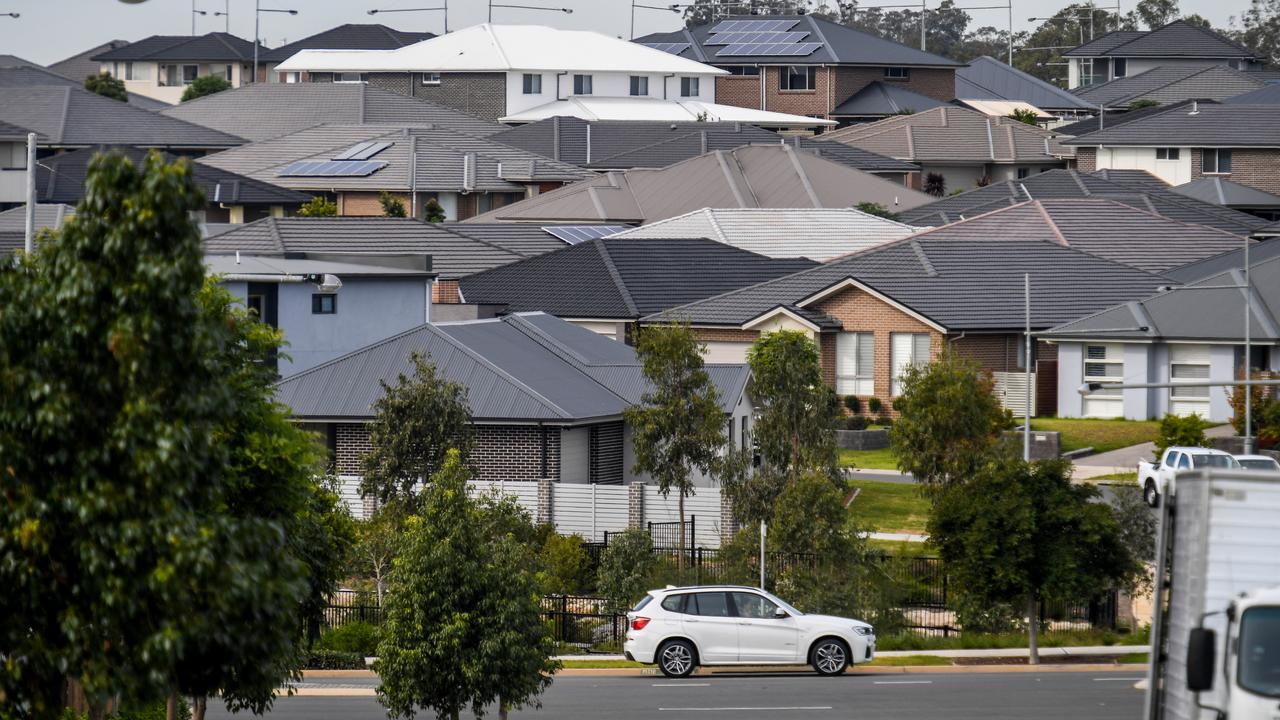
The federal government’s signature housing policy appears to have triggered a divergence in the market, making lower-priced houses less affordable for first homebuyers.
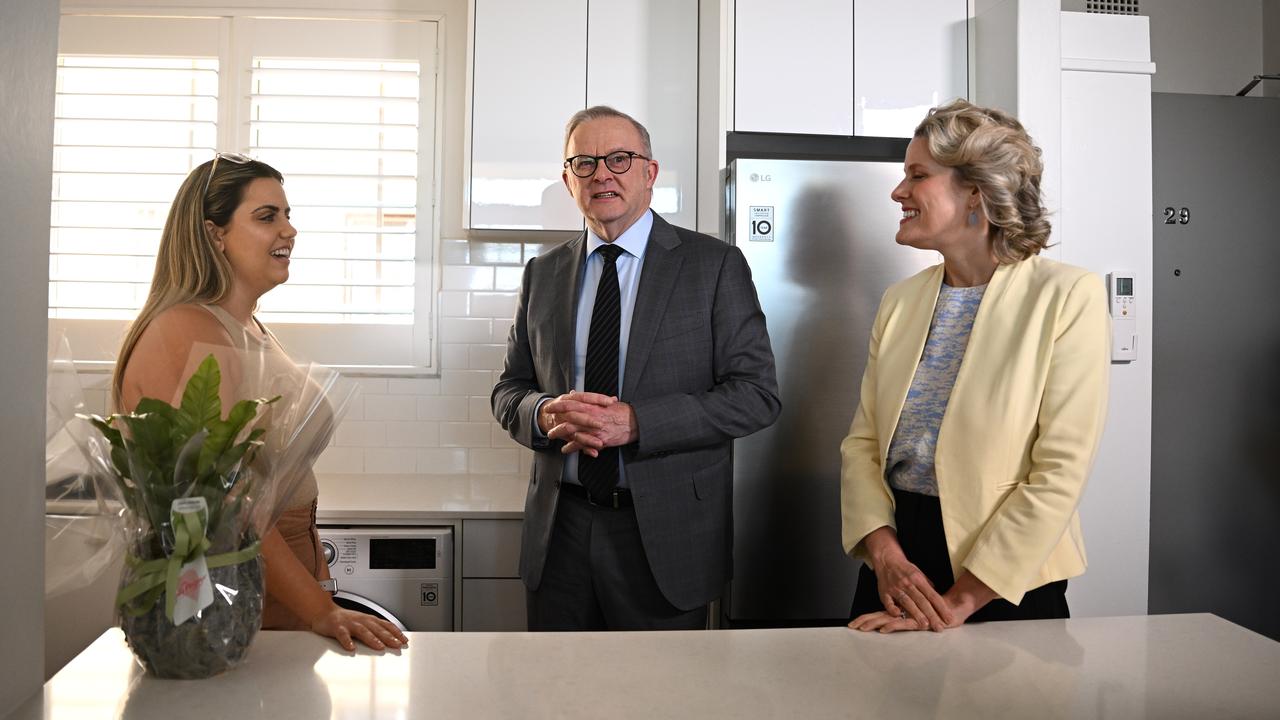
Prime Minister Anthony Albanese won re-election after campaigning on a five per cent deposit guarantee, implementing the policy on October 1.
In the weeks before the expanded scheme took effect, senior Labor ministers argued it would not lead to runaway house price growth.
However, that’s exactly what has happened according to Cotality, which shows prices taking off among the lower-priced homes eligible for the smaller deposits.
Data for the December quarter showed 3.6 per cent growth in houses priced under the cap – which varies across cities and regions – compared with 2.4 per cent for those priced above.
“The expanded five per cent deposit guarantee has sharpened demand at lower price points, with under‑cap markets outperforming across almost nine‑in‑ten regions,” Cotality research director Tim Lawless said.
“We’re seeing a clear shift in momentum, with buyers increasingly targeting homes that fall under the new price caps – especially in Sydney, where the value gap is most pronounced.”
Australia’s biggest city saw under-cap values grow by 2.3 per cent, compared to a fall of 0.1 per cent for over-cap homes.
In total, 78 out of 88 regions analysed by Cotality showed stronger growth for those eligible for the scheme.
The housing market is on a run of red-hot results, with the national average house price growing 8.6 per cent in 2025 to be $901,000.
Values grew by 1.1 per cent in October – the fastest growth rate since June 2023 – another one per cent in November, and 0.7 per cent in December.
The divergent growth figures are embarrassing for the government, which argued its expanded scheme would not pour fuel on the fire on housing prices.
Defending the policy, Housing Minister Clare O’Neil has consistently pointed to Treasury analysis showing it was likely to raise prices overall by just 0.5 per cent across six years.
“The best economists in the country looked at this and that’s … the finding they made,” she told Sunrise on the first day of the scheme.
Prior to the scheme, first homebuyers had to stump up 20 per cent of a property’s price in a deposit to avoid costly mortgage insurance.
The government argues that some price growth is a fair trade-off in exchange for lowering the barrier for many first-time homebuyers from 20 per cent to just five per cent.
“People desperate to get into the home ownership market, we are giving them a lifeline,” Ms O’Neil said.
Most other economists tipped the policy would lead to higher growth, including the Insurance Council which posited it could lift residential property prices by 10 per cent in the first year alone.
While the deposit guarantee lifts house prices, other analysts believe the deposit guarantee could lower rents, as more first homebuyers exit the rental market, softening demand.

Australian Associated Press is the beating heart of Australian news. AAP is Australia’s only independent national newswire and has been delivering accurate, reliable and fast news content to the media industry, government and corporate sector for 85 years. We keep Australia informed.