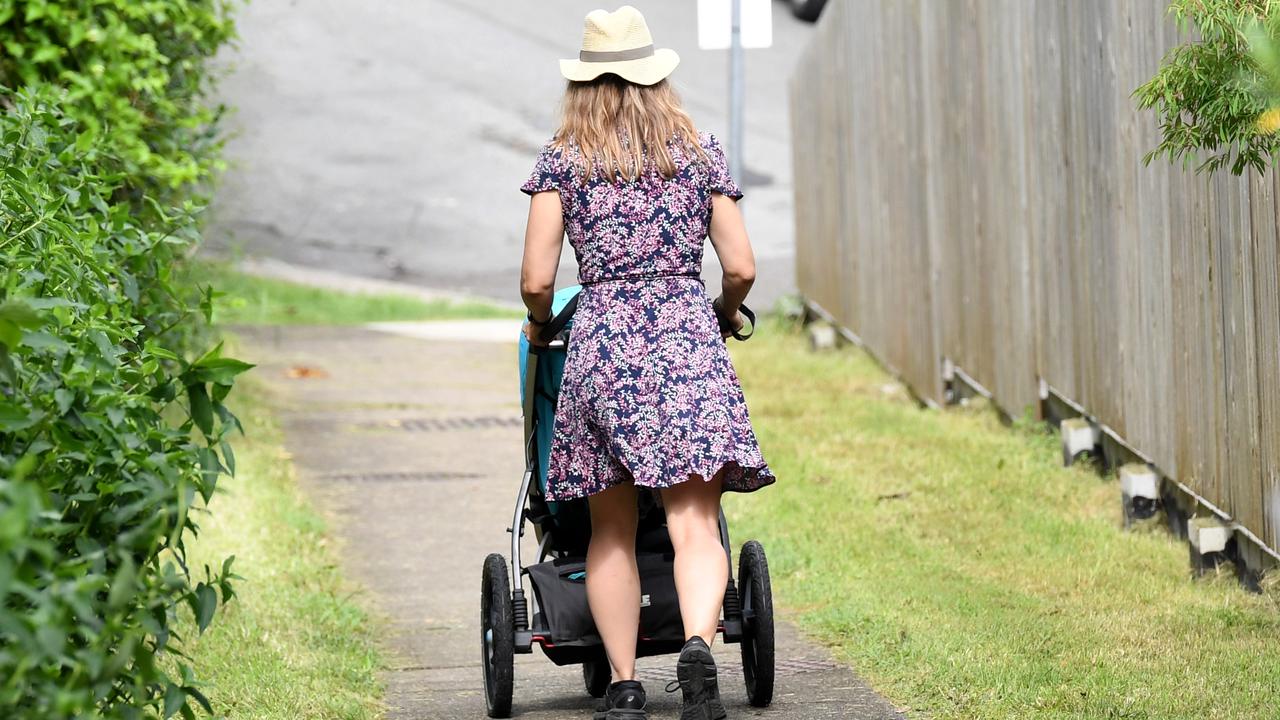

Boosting access to childcare, reintroducing the baby bonus or increasing migration have been floated to arrest Australia’s population slowdown.
The latest Intergenerational Report – the seventh since the triennial document was introduced by Peter Costello and the second under Treasurer Jim Chalmers – projected for the first time that deaths will outnumber births by 2066.
At 1.44 births per woman, Australia’s fertility rate is already below replacement and will slide to 1.34 in 40 years’ time, the report revealed on Monday.
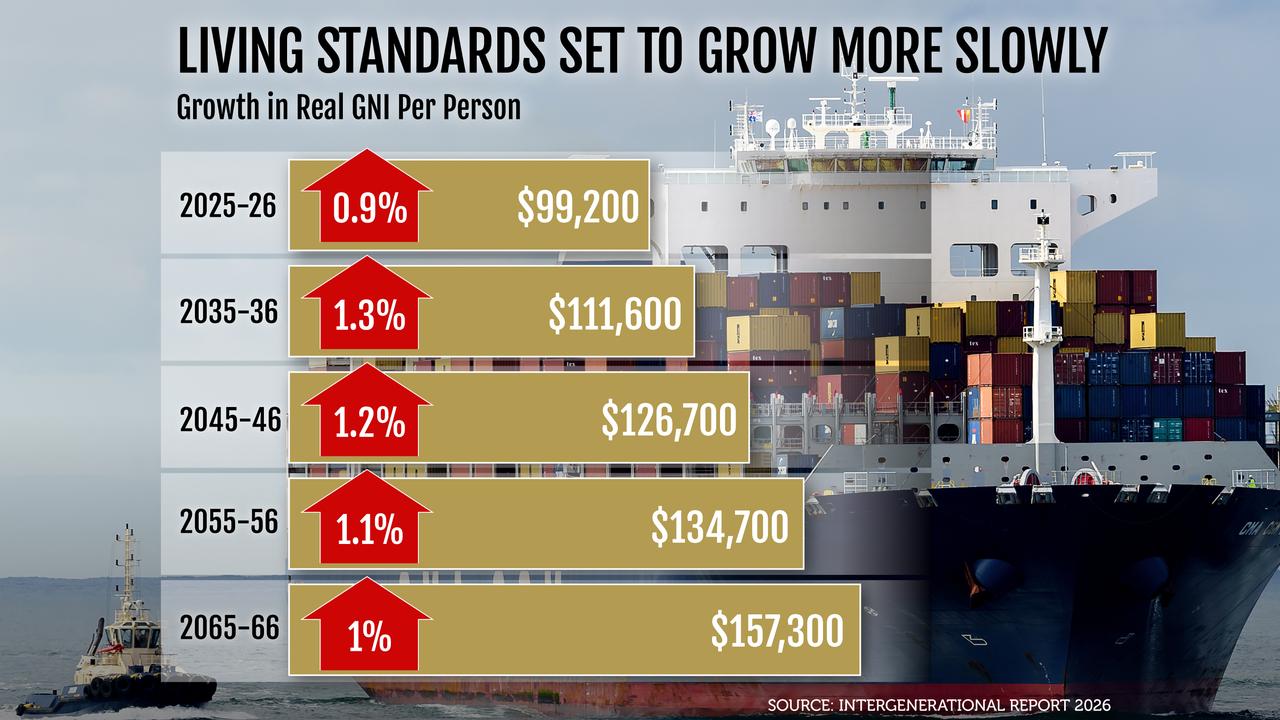
Alongside an assumed net migrant intake of 235,000 per year, the population growth rate will eventually ease to 0.6 per cent, meaning a shrinking share of working-age Australians will be relied on to pay for a climbing cohort of retirees.
Greater access to contraception, higher education attainment, greater workforce participation, longer periods living with parents, and delays in forming partnerships have caused birth rates to fall across the developed world, the report said.
Almost every developed economy has watched its fertility rate fall below the replacement rate of 2.1 babies per woman.
None have managed to turn around the structural decline.
Many have birth rates far below Australia’s.
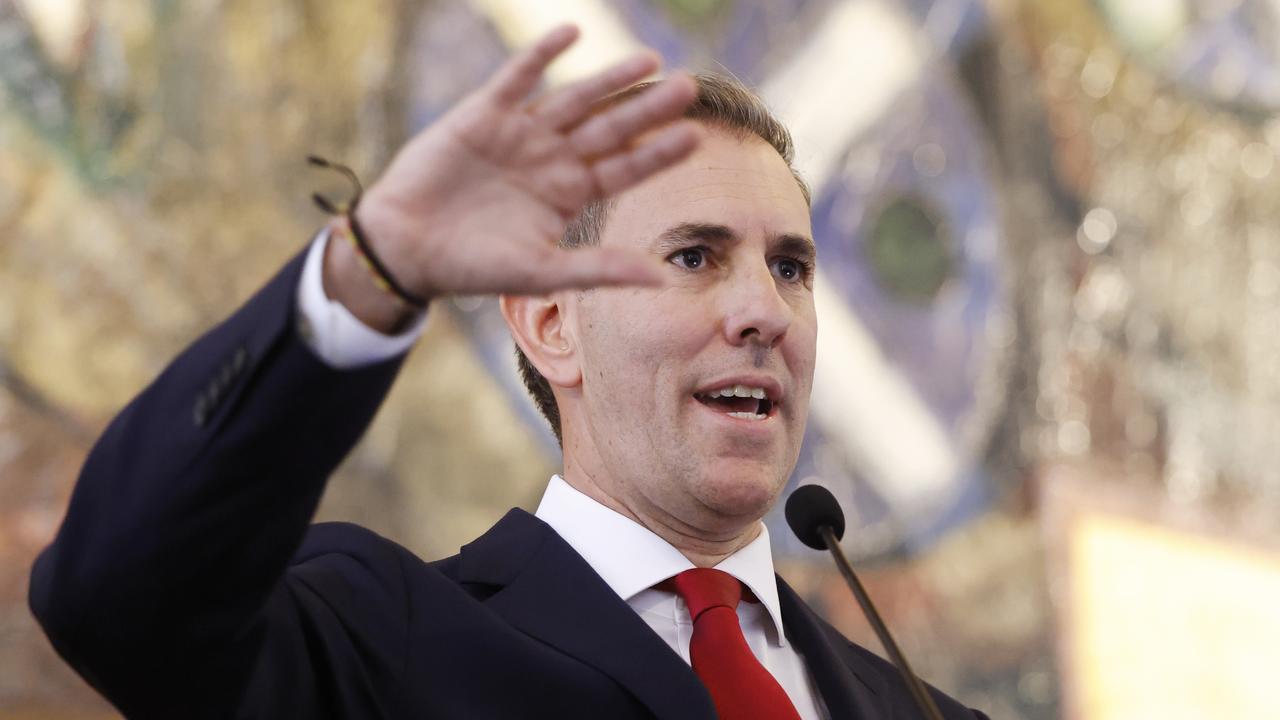
But while a return to the Howard government-era baby bonus is not on the cards, the government still aspires to make it easier for people to start a family, Dr Chalmers said.
“The early childhood education reforms are key to that. Expanding paid parental leave is key to that. Paying super on paid parental leave is a really important part of that as well,” he told reporters.
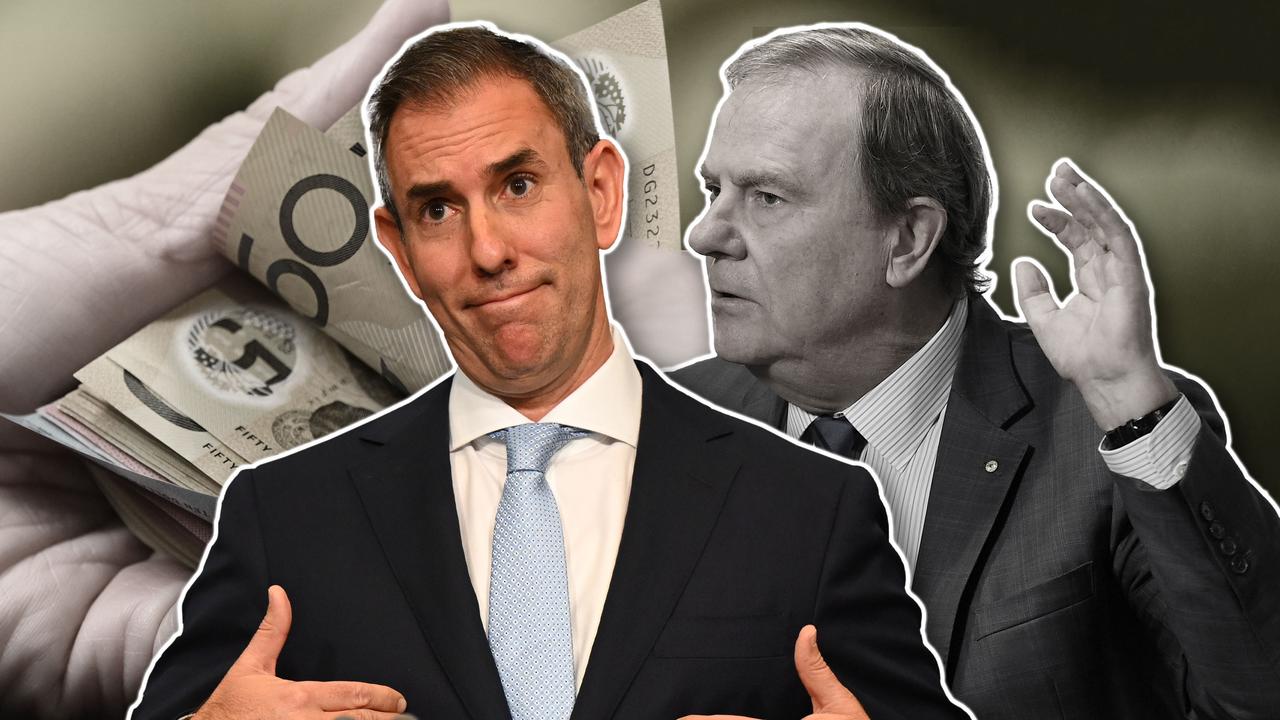
Australia has experienced a temporary increase in fertility once in recent decades: when Mr Costello, the then-treasurer, offered parents a lump sum payment for every newborn.
Opposition industry spokesman Andrew Hastie was “open-minded” about reviving the baby bonus.
“Peter Costello’s baby bonus of 20-odd years ago seemed to work at the time, although economists and people who know are mixed about their views on whether that actually worked,” he told the ABC’s Afternoon Briefing.
Andrew Leigh, the Assistant Minister for Treasury and a trained economist, said the biggest impact to get people to have more kids is to increase access to childcare.
“You don’t want women in particular to be choosing between career and family,” he told the ABC.
Dr Leigh said Labor’s tweaks to force net overseas migration to 225,000 by 2028 were needed to “right-size” the intake for the economy.
But Grattan Institute chief executive Aruna Sathanapally said reducing migration would result in higher income taxes for workers to pay for the ageing population.
“We’re far better off than the picture that was painted in that first Intergenerational Report in 2002, and a large part of the reason that we are far better off is because of migration, which has increased our working-age population,” she said.
If net migration was to fall even further to 185,000 and fertility to decline to 1.24, Australia’s population would be 1.9 million people lower at 37.4 million and the economy would be 7.4 per cent smaller by 2066, the report projected.
But on a per capita basis, living standards would be little changed, with the average Australian’s real gross income only $400 lower at $149,100.

Australian Associated Press is the beating heart of Australian news. AAP is Australia’s only independent national newswire and has been delivering accurate, reliable and fast news content to the media industry, government and corporate sector for 85 years. We keep Australia informed.